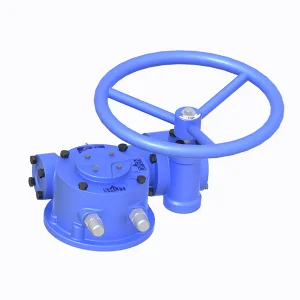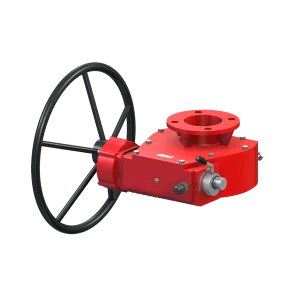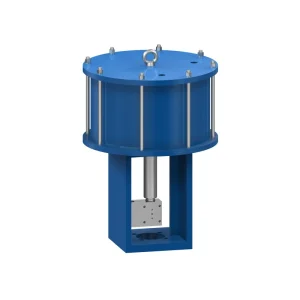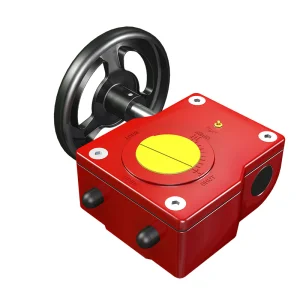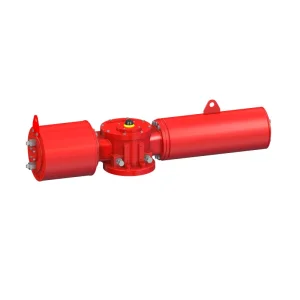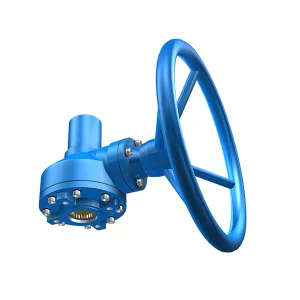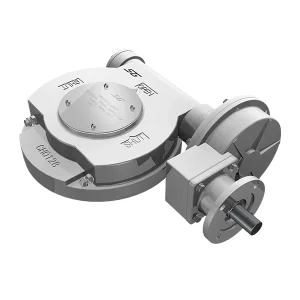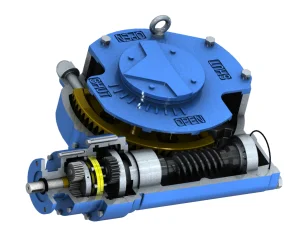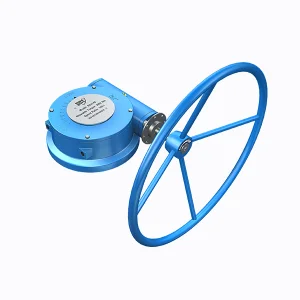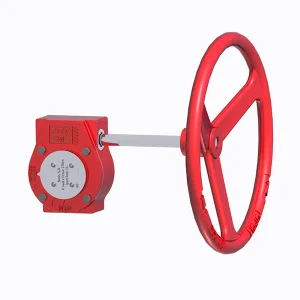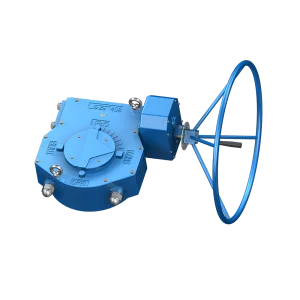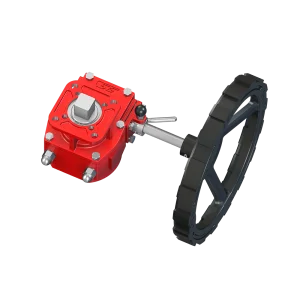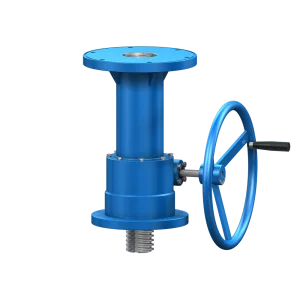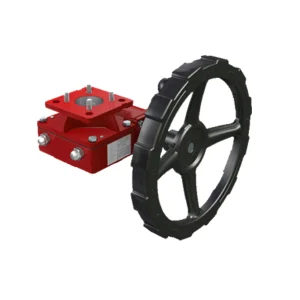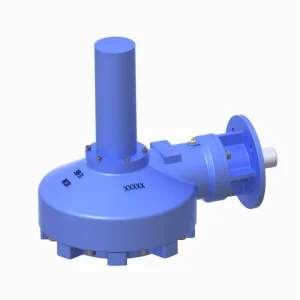
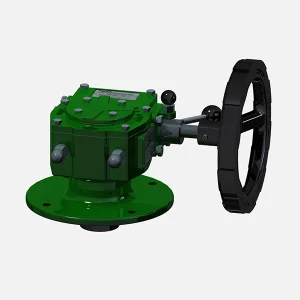
In heavy industrial manufacturing, worm and worm wheel gearboxes serve as the backbone of high-torque, space-constrained rotational control. Unlike conventional spur gears, the geometric relationship between the worm screw and the worm wheel permits significant reduction ratios in a compact envelope. This design also provides an inherent self-locking mechanism crucial for industrial safety and mechanical stability.
As a professional manufacturer with over 25 years of field experience, we produce reliable, high-performance quarter-turn and multi-turn gear operators. Our product lineup features robust designs, precise tooth geometry, and advanced material selections. These configurations are engineered to withstand the demanding conditions of oil and gas processing, chemical synthesis, water treatment, and power generation.
Our gear operators transfer motion through a hardened steel worm shaft meshing with a high-tensile bronze or ductile iron worm wheel. This material pairing reduces friction and wear while optimizing thermal dissipation during continuous operation.
Modern industrial operations require valve control gearboxes that offer long lifetimes and high torque capacities. Global supply chains depend on standardized components certified to international standards. Our export footprint spans critical industrial hubs, including the United States, Italy, Germany, Mexico, Singapore, and Japan.
Our worm gearboxes are designed to meet diverse regional requirements. This includes satisfying the environmental demands of petrochemical plants in North America, conforming to European safety directives (CE marking), and providing corrosion resistance for marine applications in Singapore.
To maintain a competitive edge, we focus on material optimization. Selecting cast steel, cast iron, ductile iron, or aluminum alloy housings depends on the operational parameters of each application:
| Housing Material | Standard Tensile Yield | Best Application Environment |
|---|---|---|
| Cast Steel (WCB) | ≥ 250 MPa | High-pressure systems, steam pipelines, hazardous areas |
| Ductile Iron (QT450) | ≥ 310 MPa | Municipal water works, general chemicals, heavy-duty valves |
| Cast Iron (GG25) | ≥ 150 MPa | Indoor environments, non-shock applications, cost-sensitive projects |
| Aluminum Alloy | Variable | Corrosion-resistant light structures, HVAC, pneumatic bypasses |
Our facility is located in the Suzhou Industrial Park, the heart of China's Yangtze River Delta manufacturing cluster. This strategic location gives us access to a highly integrated supply chain network. Raw castings, specialized heat treatment providers, high-precision machining plants, and accessory suppliers are all located within a 50-kilometer radius.
This regional integration helps mitigate supply chain disruptions. We maintain access to raw materials and finishing processes, which allows us to offer shorter lead times and stable pricing, even during global supply fluctuations.
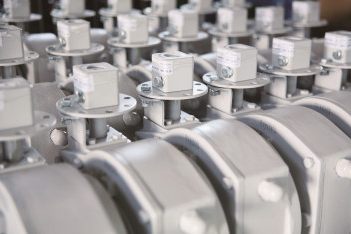
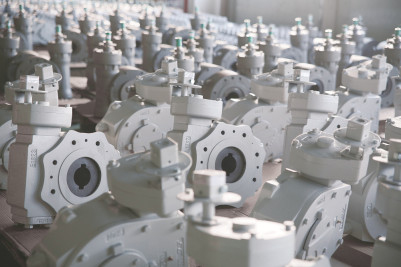
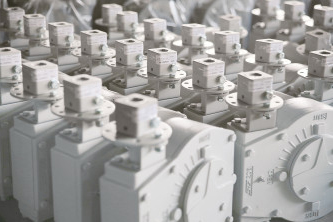
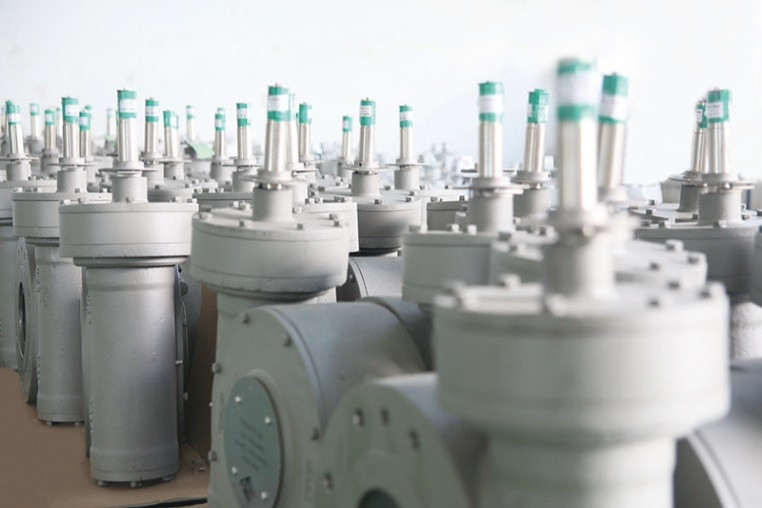
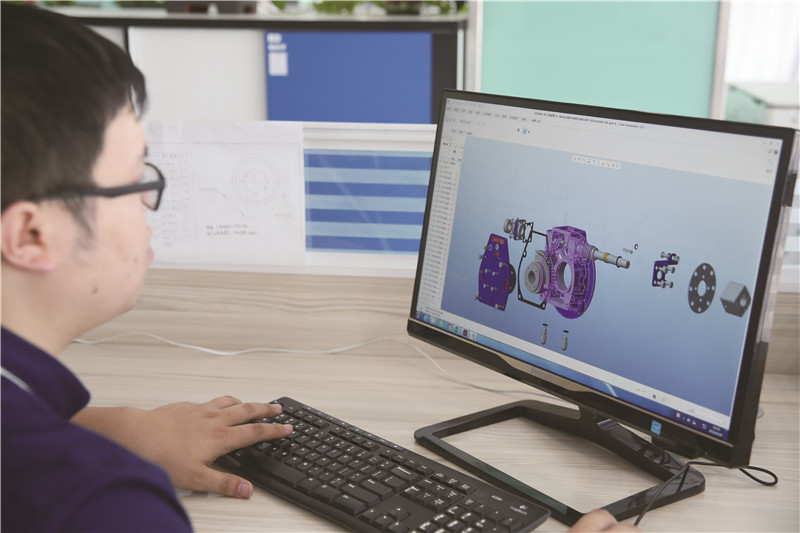
Our engineering team uses 3D CAD modeling, dynamic simulations, and Finite Element Analysis (FEA) to optimize gearbox profiles. This computational testing allows us to evaluate load distribution, identify stress concentrations, and predict backlash behavior prior to physical prototype creation.
This virtual design process helps shorten product development cycles. It also helps verify that housing thicknesses, bearing mountings, and shaft keys are properly dimensioned to handle peak torque loads and high input speeds without failure.
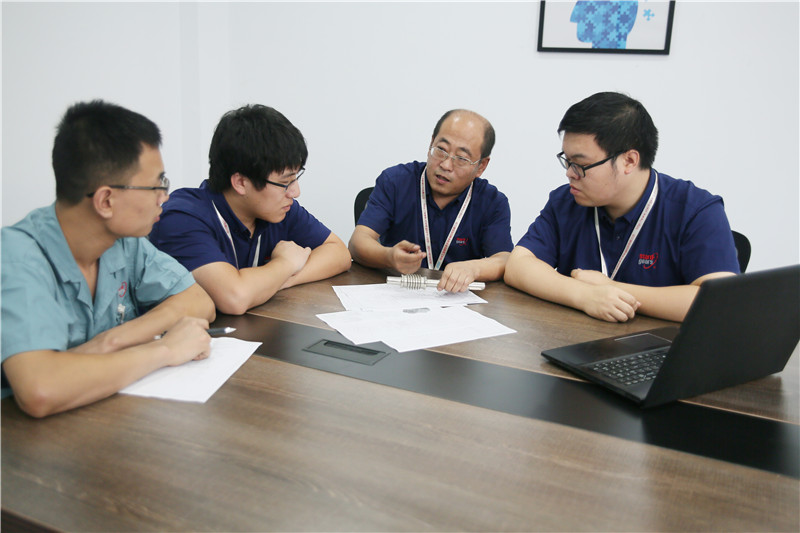
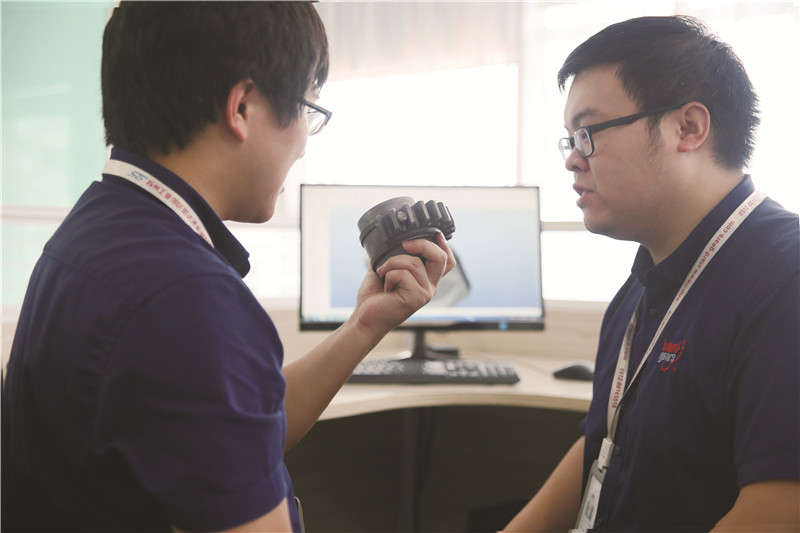
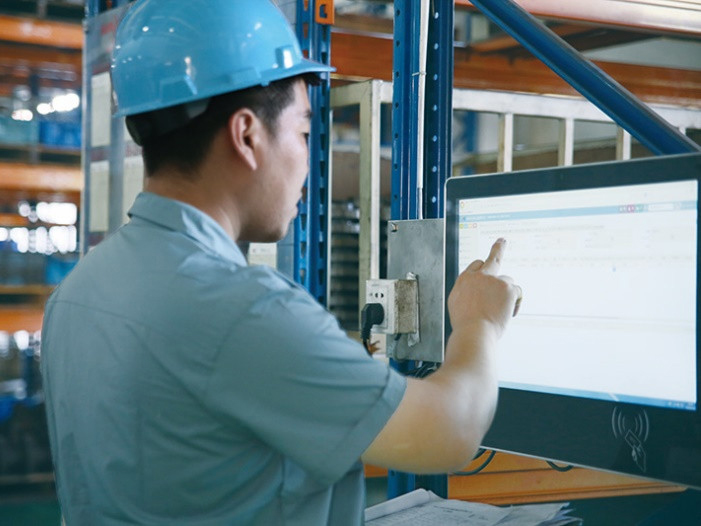
Our 8,900 square-meter facility is supported by an integrated Enterprise Resource Planning (ERP) system. The ERP software tracks material reception, machining tolerances, and final verification stages, providing transparency for every customer order.
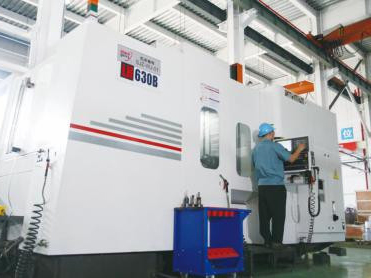
By integrating warehouse databases with our CNC centers, we optimize production scheduling, minimize machine setup times, and improve lead time accuracy. The facility maintains a annual production capacity of 100,000 sets.
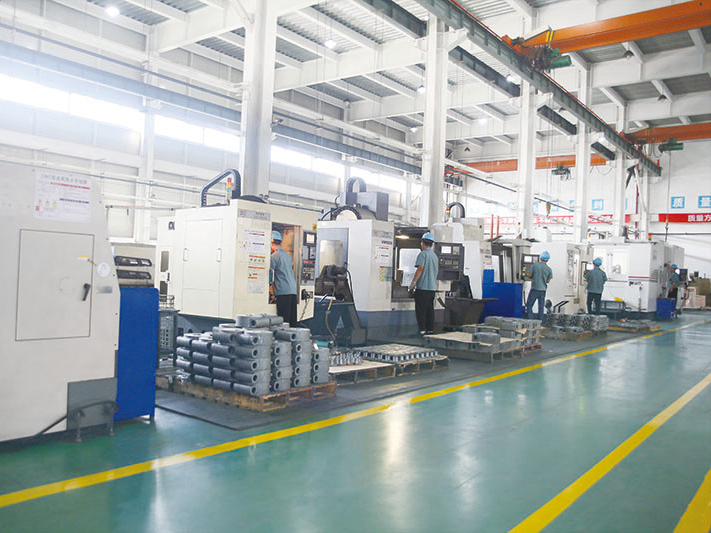
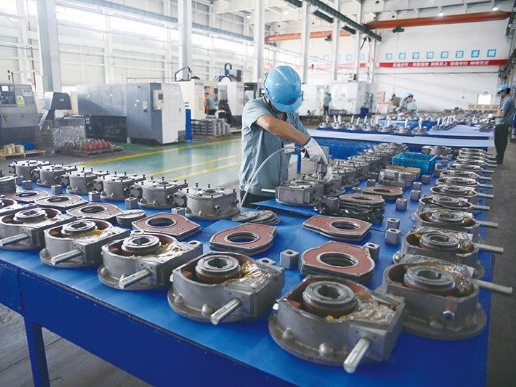
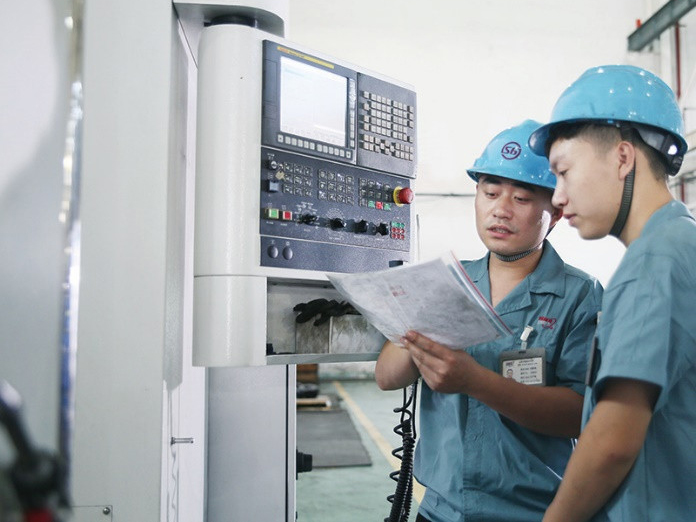
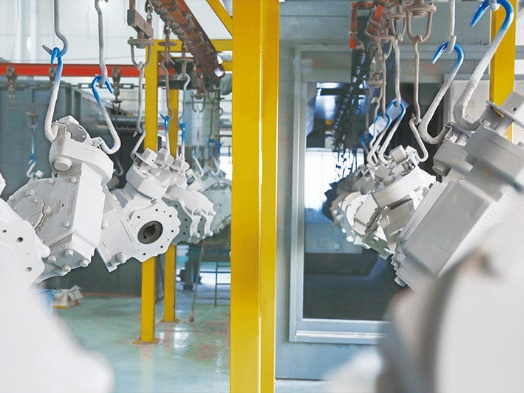
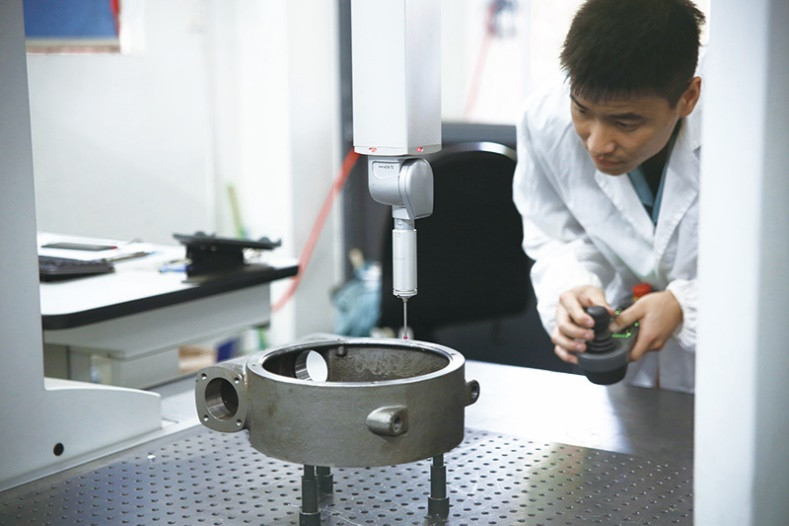
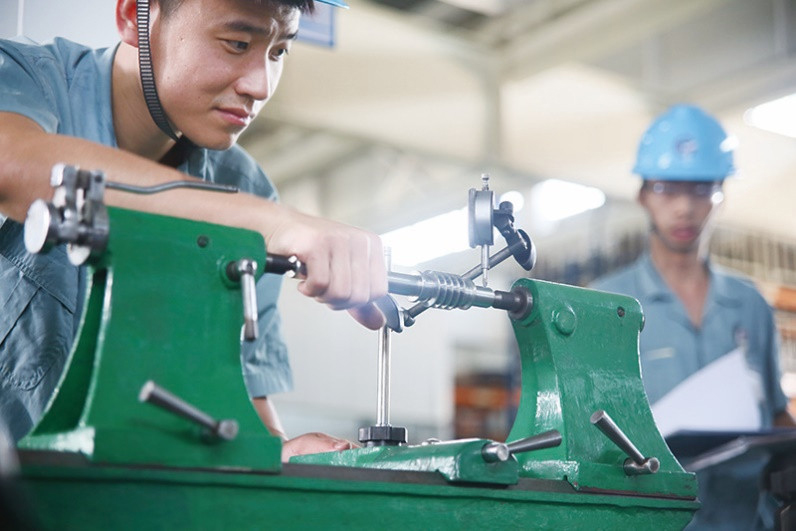
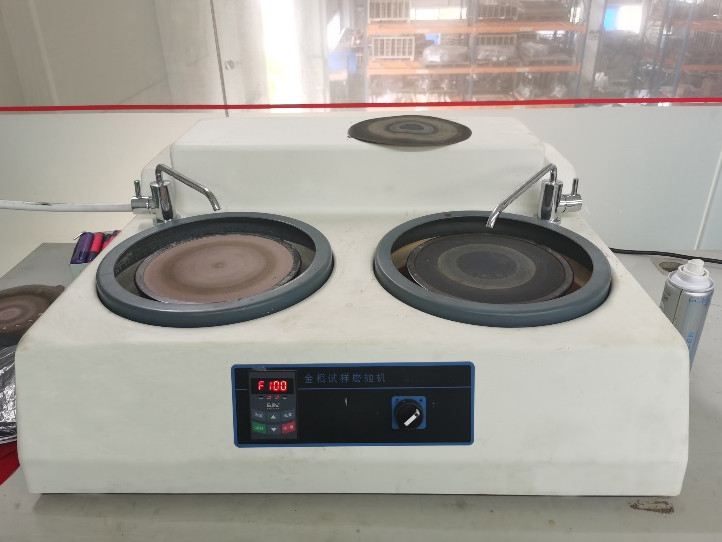
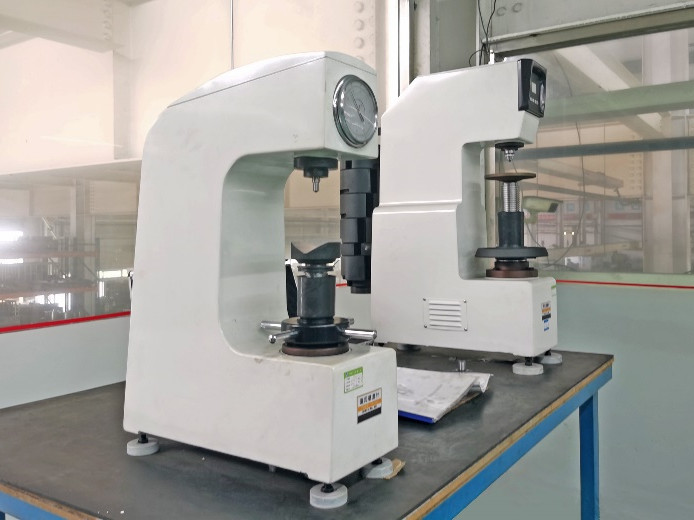
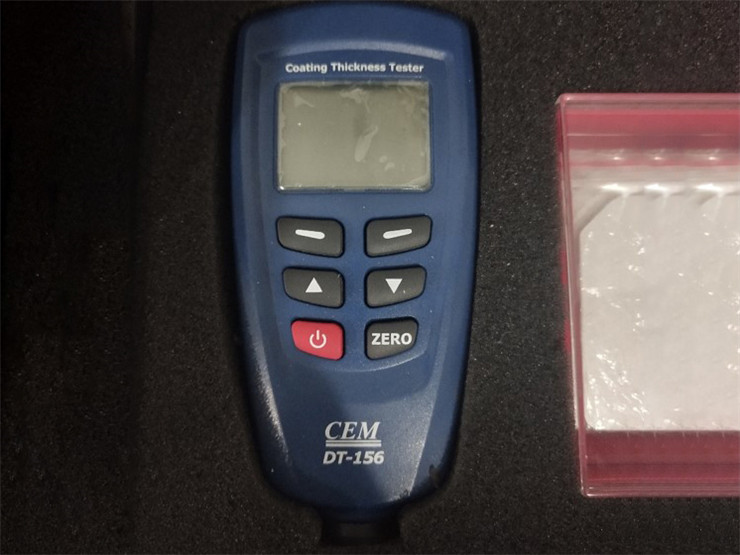
We maintain quality control procedures throughout the manufacturing process. From raw material audits (IQC) to final performance validation (FQC), our inspection team ensures each component meets mechanical specifications.
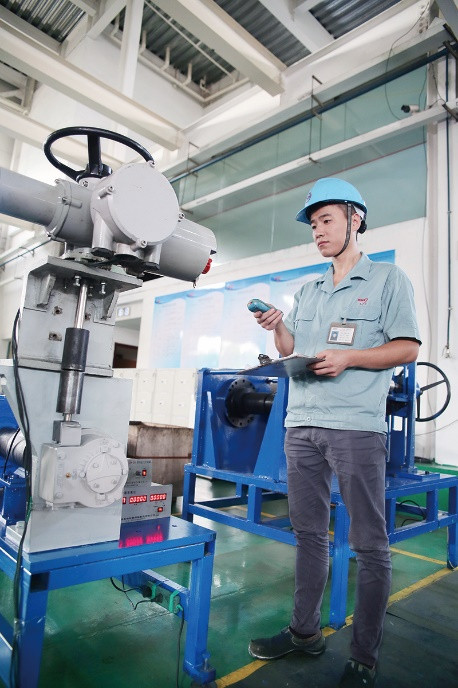
Our test department is equipped to perform torque profiling, rotational backlash measurements, and load tests. Dedicated lifetime cycle simulators run gear operators through thousands of cycles under full design load to verify wear profiles and grease integrity.
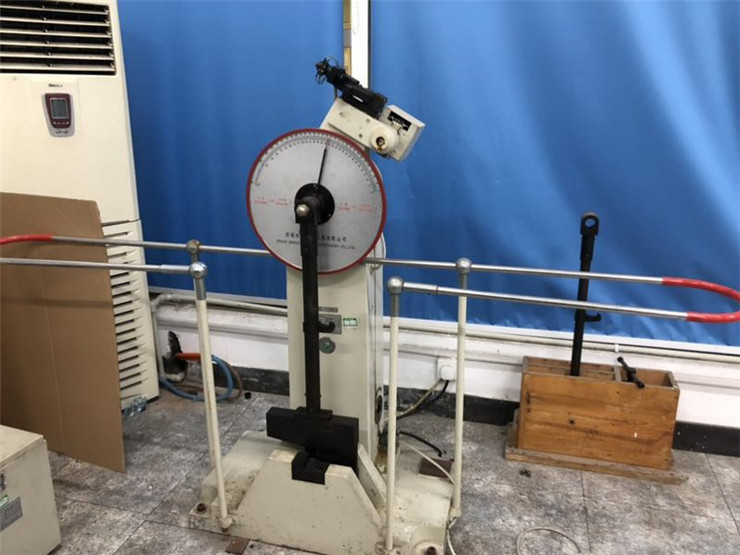
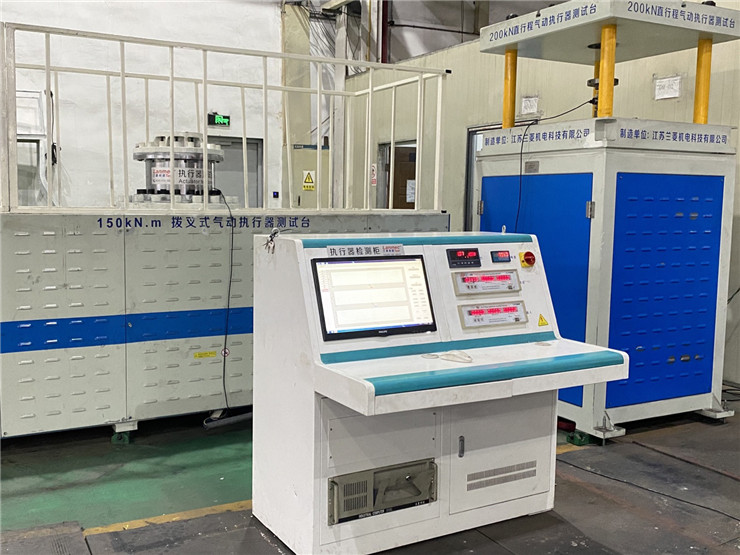
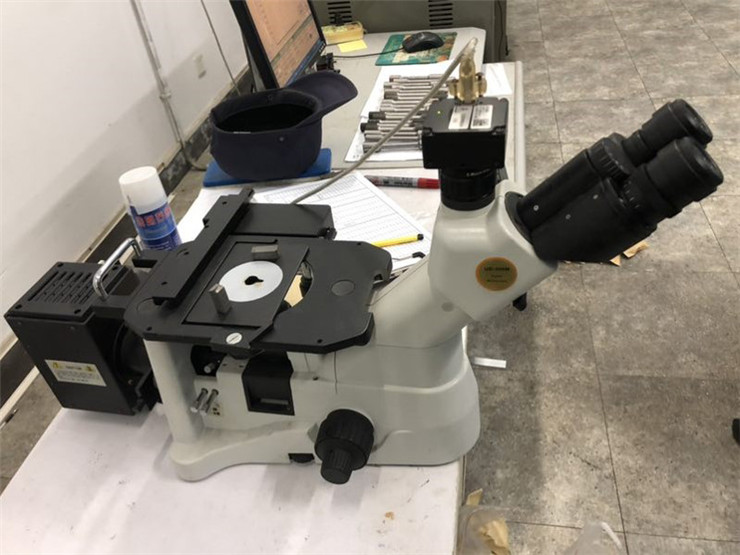
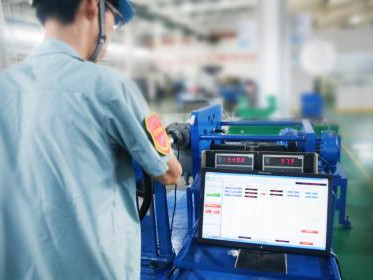
In sub-zero petrochemical applications, custom WCB cast steel gearboxes protect control systems against thermal shock and high line pressure. These gearboxes are lubricated with low-temperature synthetic grease to prevent binding at temperatures down to -40°C.
Wastewater facilities utilize ductile iron housings with specialized protective coatings. These systems operate gate valves and penstocks, providing reliable sealing and protection against hydrogen sulfide and wet environmental conditions.
Our specialized declutchable gearboxes provide mechanical manual overrides for critical safety valves in nuclear secondary cooling systems. These units are tested and verified to meet requirements for high-vibration resistance.
We continue to invest in materials science and digital integration to improve gear efficiency. Our research efforts are directed toward three primary areas:
Developing alloys to reduce friction and wear under continuous load.
Integrating IoT monitoring to track torque variations and system health.
Using lead-free paint processes that comply with REACH and RoHS standards.
Our export processes are supported by comprehensive regulatory documentation. Our manufacturing facility holds ISO 9001:2015 certification. We provide detailed material test reports (MTRs) according to EN 10204 3.1, along with CE conformity declarations for active electric, pneumatic, or manual installations.
Our designs conform to standards like API 6D, ASME B16.34, and EN 12516. This compliance ensures that our valve gearboxes can be integrated into oil, gas, and power systems worldwide without regulatory delay.