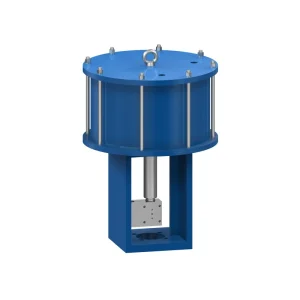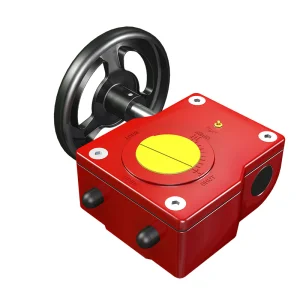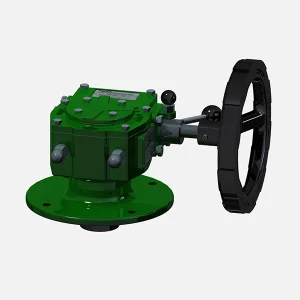
Engineered for High Duty Cycles, Under-ground Pipelines, and Automation Environments
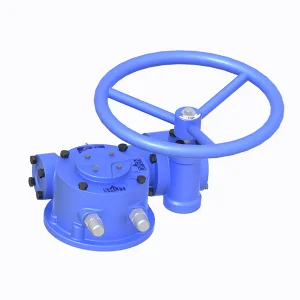
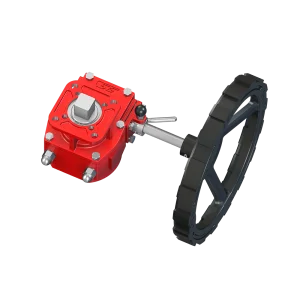
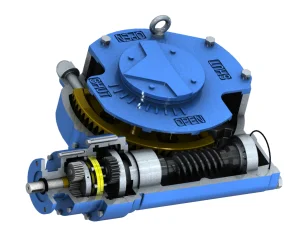
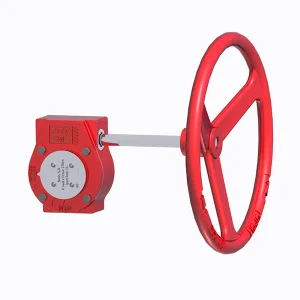
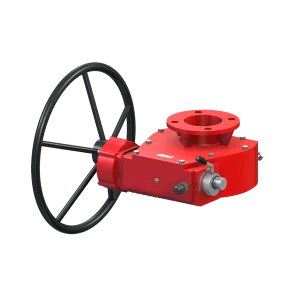
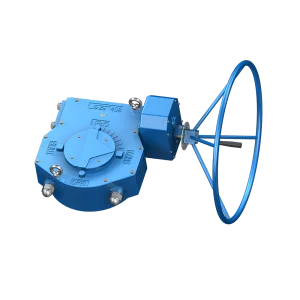
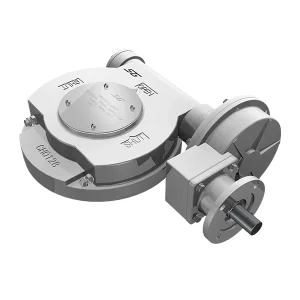
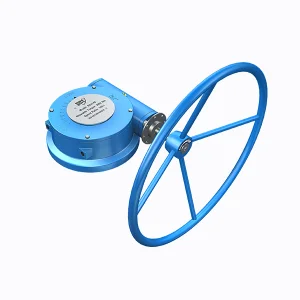
In modern industrial process automation, fluid control systems face grueling operating requirements. The choice of a reliable actuator override mechanism directly influences plant safety, thermal efficiency, and overall pipeline operational uptime. The Worm Drive Gear Box has solidified its place as a critical safety device, delivering high gear reduction ratios and self-locking capabilities in space-constrained footprints.
Globally, industries are transitioning toward smart infrastructure requiring higher torque capacities. From municipal waterworks processing millions of gallons daily to petrochemical complexes moving volatile hydrocarbons, the demand for precise mechanical gear control is intensifying. As energy costs climb, process designers are searching for cost-effective valve gearboxes that don't sacrifice material integrity or structural lifetime, making supplier transparency and engineering rigor paramount.
Stard-gears, established in 苏州 (Suzhou Industrial Park) in 1999, stands as an industry leader in high-performance valve control solutions. Spanning an 8,900 m² state-of-the-art production plant alongside a 2,500 m² technology office, our manufacturing footprint is designed to support the demanding global requirements of EPC contractors and valve manufacturers alike. Backed by ISO9001 certification, our annual output capacities comfortably surpass 100,000 sets, allowing us to maintain competitive global delivery schedules.
Our operational strategy focuses on technical synergy. The Yangtze River Delta region of China provides a highly optimized logistical network. Our local supply chains provide swift access to reliable material options, high-precision machining plants, and specialized thermal processing facilities. This spatial advantage ensures that our castings, mechanical components, and surface coatings bypass global lead-time bottlenecks, combining cost efficiency with verified mechanical excellence.
To reduce delivery risks and validate safety thresholds before manufacturing, our engineers employ virtual verification technologies. Utilizing 3D CAD Modeling, finite element analysis (FEA), and dynamic kinematics simulation, we assess stress distribution, structural displacement, and thermal expansion properties under maximum design torque outputs. This engineering methodology protects mechanical configurations, eliminates structural fatigue risk in heavy-duty environments, and optimizes manufacturing costs.
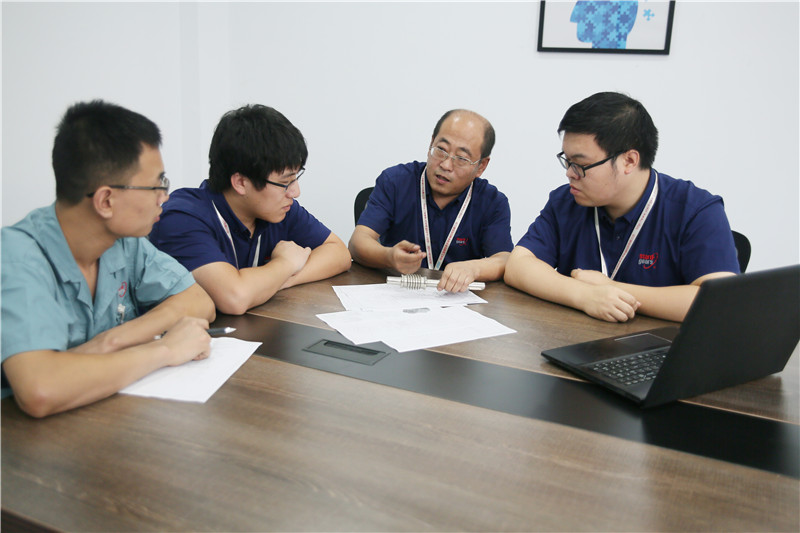 Program Communication & Needs Alignment
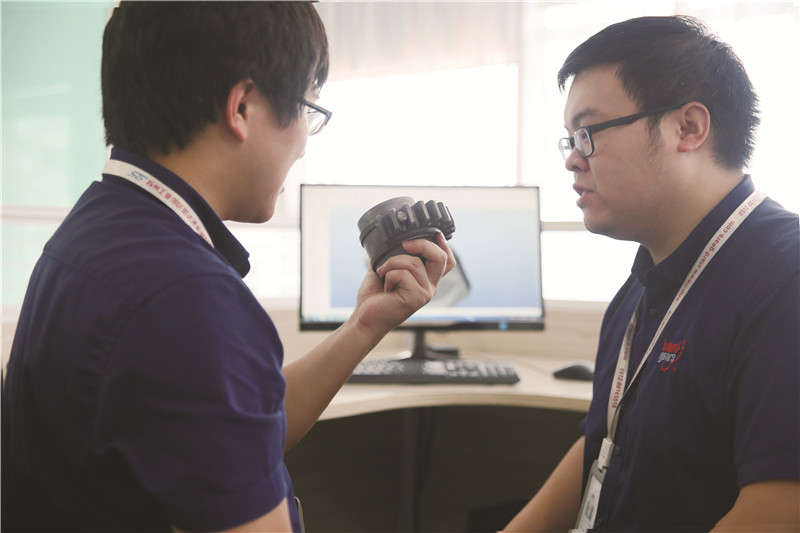 Design Communication & FEA Verification
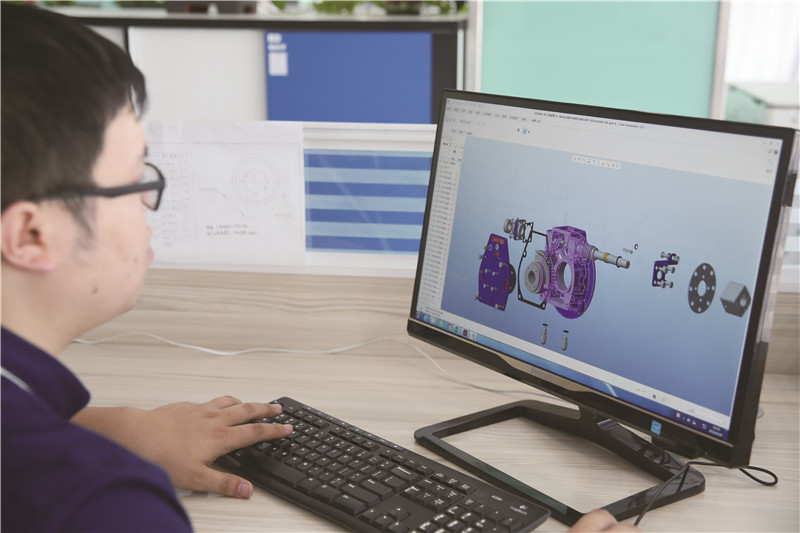 Final Engineering & CAD Design Drawing Release
Future Technical Roadmap: As plants transition to smart industrial hubs, Stard-gears is designing digital integration layers for manual overrides. We are building smart diagnostic options into our declutchable manual overrides. Dynamic strain sensors can transmit performance metrics back to process control rooms, detecting premature valve wear, high torque profiles, and lubrication breakdown before system-level failure occurs.
High production throughput relies on optimized shop-floor organization. Stard-gears integrates a comprehensive Enterprise Resource Planning (ERP) database tracking raw inventory procurement, CNC machining tolerances, structural coatings, and multi-stage QC tests. Every gearbox is tracked, providing transparency from material delivery to dispatch.
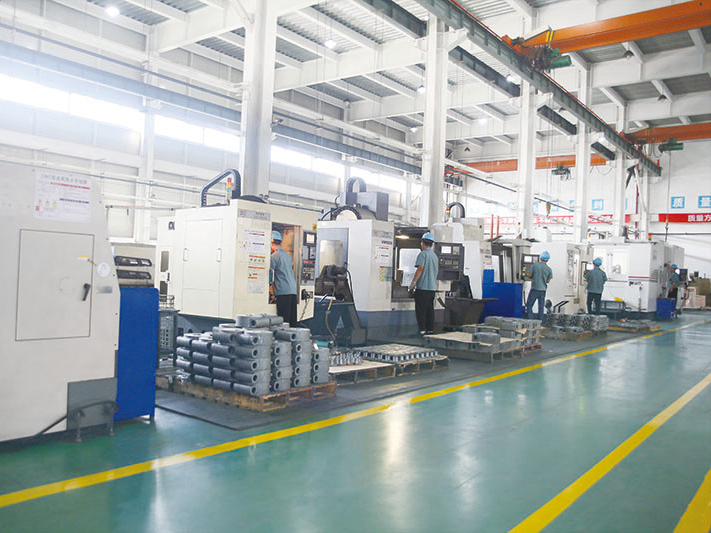
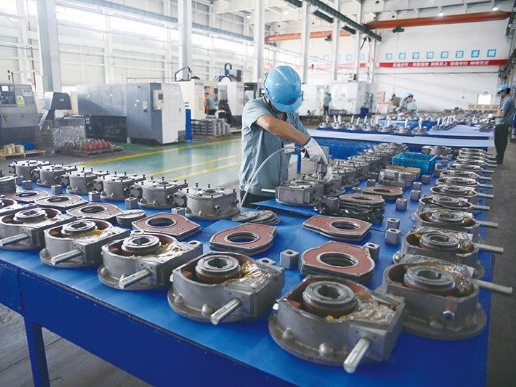
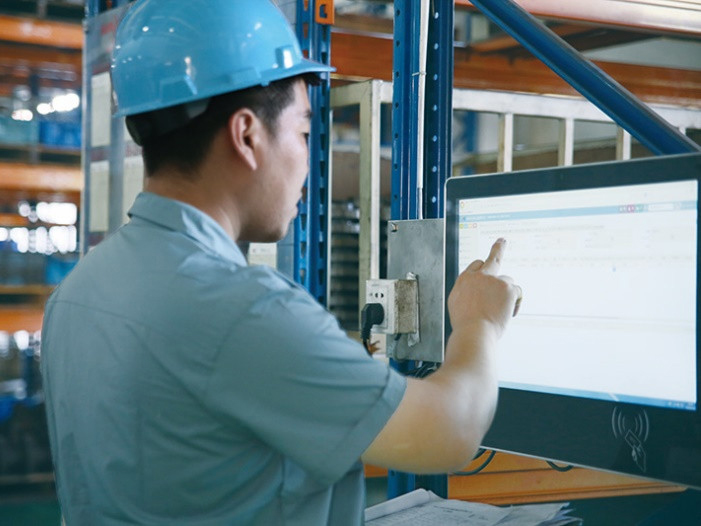
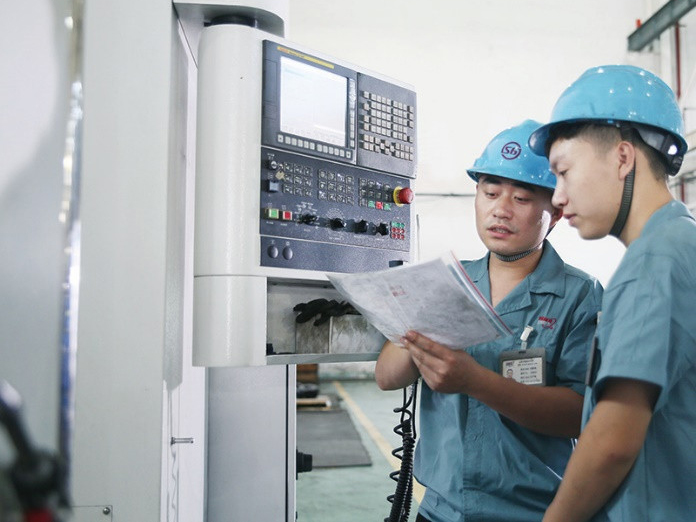
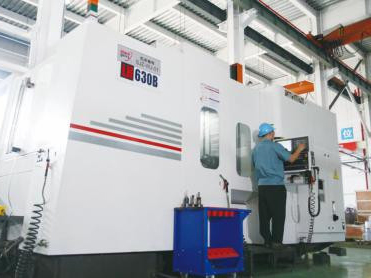
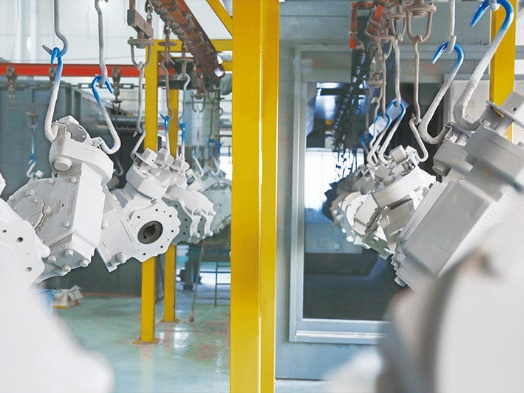
This automated flow guarantees that our export commitments to markets including the United States, Germany, Italy, Singapore, and Japan are delivered with structural compliance. High volume raw material procurement under ERP planning reduces component waste, allowing us to offer cost-effective gearboxes to our partners without compromising mechanical reliability.
Our Suzhou plant outputs a production value of $9,000,000 annually. Through advanced assembly design and semi-automated cell manufacturing, our facilities process complex industrial designs under strict tolerances.
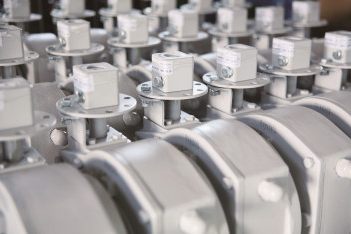
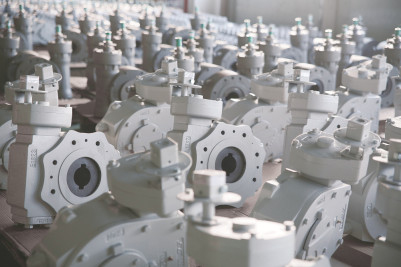
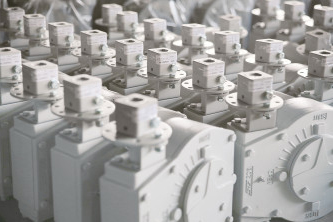
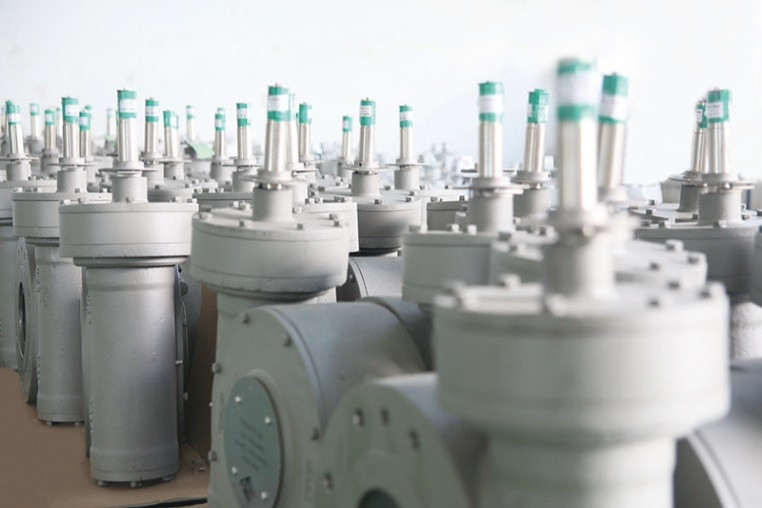
Our tooling setups enable fast switches between Cast Iron, Carbon Steel, and Aluminum Alloy casings. Having modular manufacturing operations means customized machining or specialized shaft modifications can be completed without shutting down standard production runs.
Stard-gears enforces multi-phase inspection protocols to ensure zero defects leave our loading docks. Our QC processes cover incoming material inspections, internal process validation, and final performance verification under load conditions. Each worm gear operator undergoes rigorous testing to verify backlash limits, sealing efficiency, and mechanical operation.
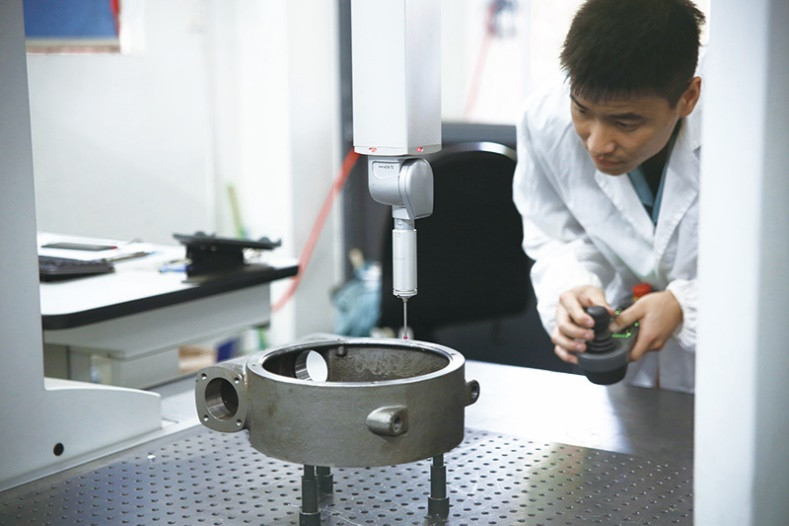 Dimensional Housing Verification
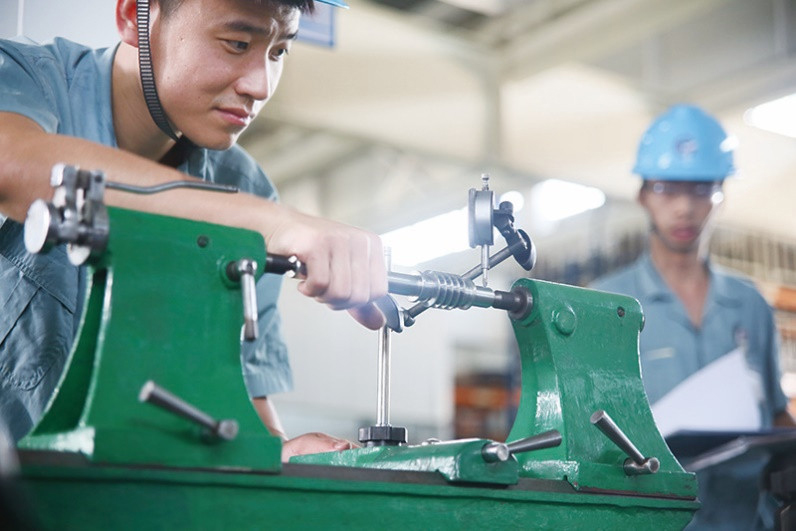 Precision Bore Gauge Inspection
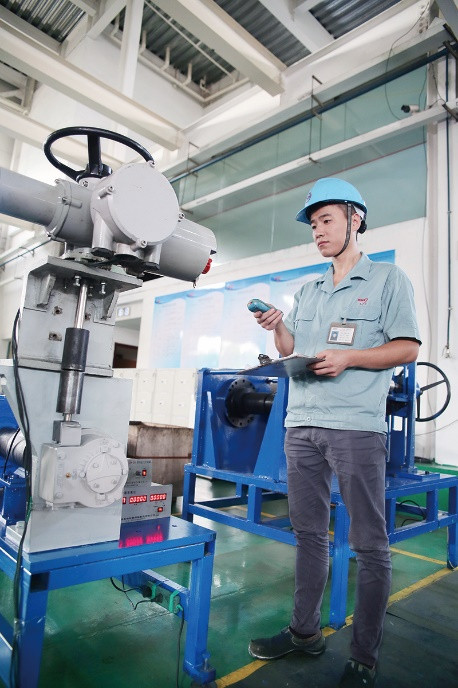 Component Interlocking Integrity Audit
We deploy specialized inspection machines for high-precision validation. These allow dynamic lifecycle simulations and torque verification testing, ensuring our worm drive gearboxes run reliably under maximum load capacities.
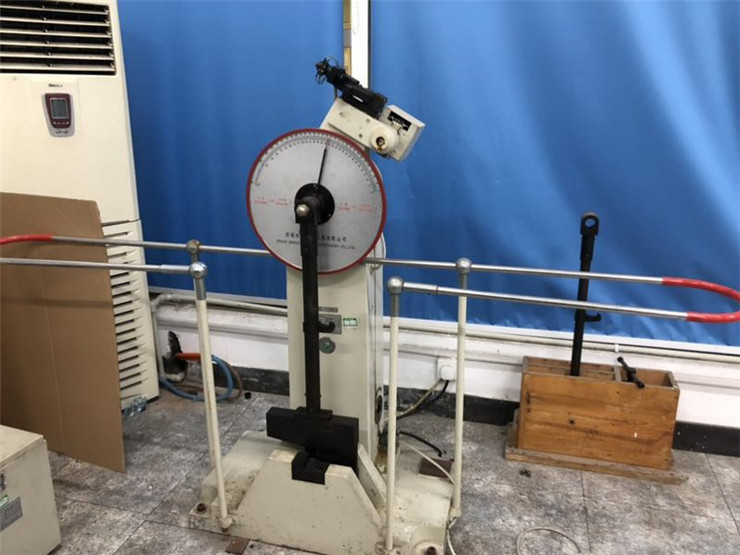
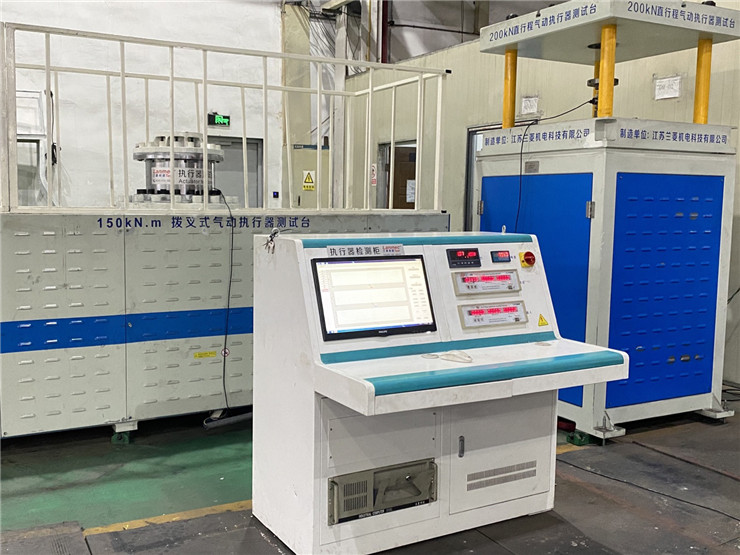
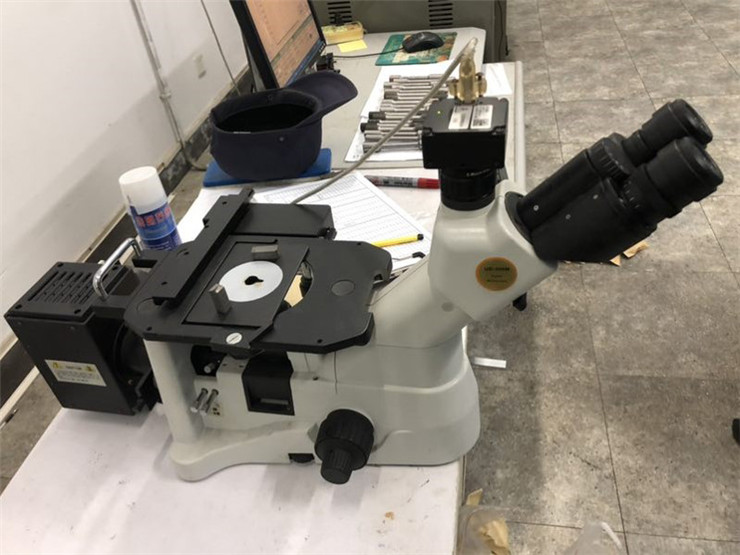
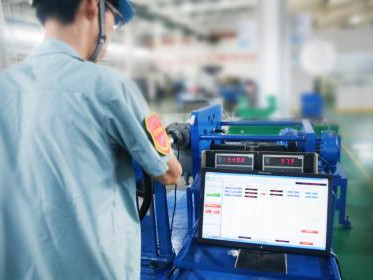
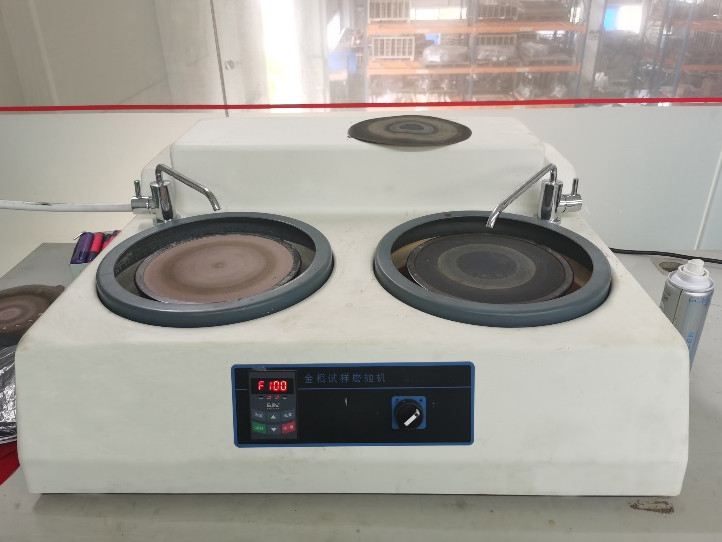
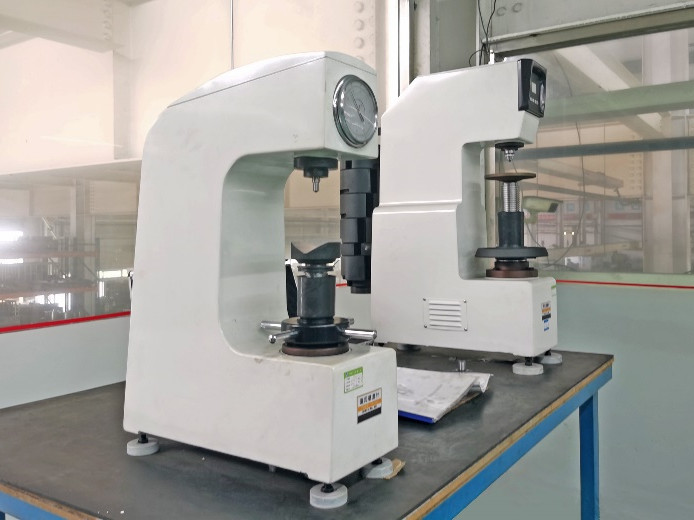
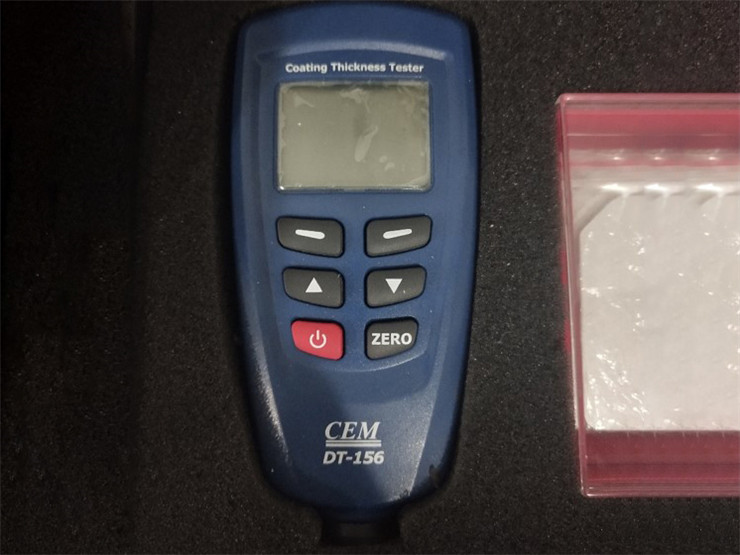
Worm drive operators perform in specialized local and regional industries worldwide. By understanding these application demands, Stard-gears configures each gearbox to survive its exact deployment conditions:
Whether installed on oil trunklines or natural gas distribution manifolds, our gearboxes withstand high ambient heat and potential mechanical impacts. Heavy-duty cast and ductile iron components prevent structural deflection during pipeline emergency shut-down sequences.
Exposed to corrosive humidity, wastewater basins require robust, sealed valve components. IP67 and IP68 water protection certifications ensure our gearboxes run reliably even when submerged during municipal flood events.
Acidic atmospheres require advanced surface protection. Stard-gears uses epoxy resin systems and polyurethane coatings. Our aluminum alloy series provides structural protection while preventing atmospheric oxidation in corrosive plants.
Exporting key industrial equipment requires compliance with target regional standards. Stard-gears prioritizes international compliance. Our product series holds CE Certification, validating design integrity for the European Economic Area.
Our engineering standards align with major global valve assembly guidelines, including API, ANSI, DIN, and ISO. By utilizing ISO 5211 mounting flange dimensions, our gearboxes integrate with major valve designs without modification, lowering commissioning costs and preventing interface mismatch errors.
Expert Engineering Solutions for Valve Integration and Operation Questions
Explore our industrial range from high-performance Scotch yoke override configurations to lightweight alloy systems