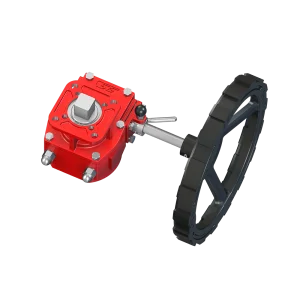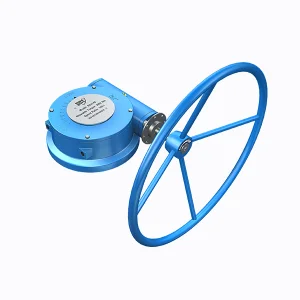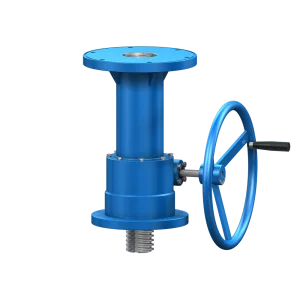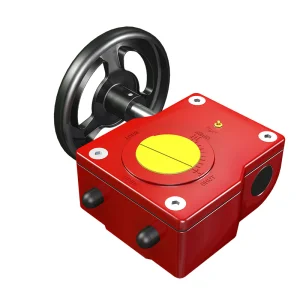
Advanced mechanical override and torque solutions engineered for high performance
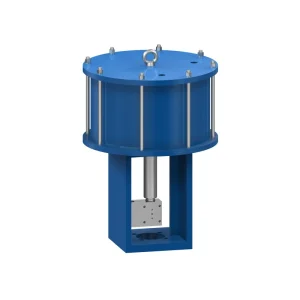
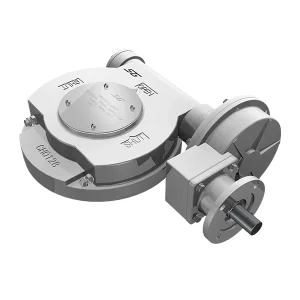
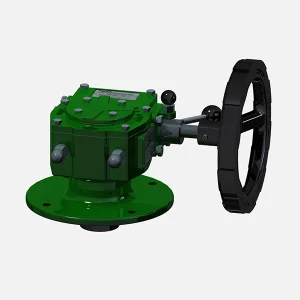
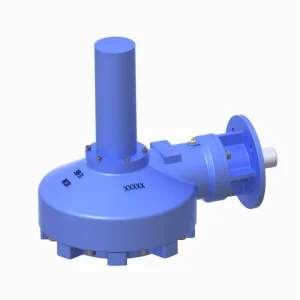
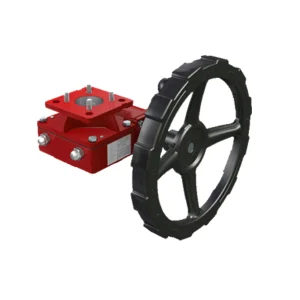
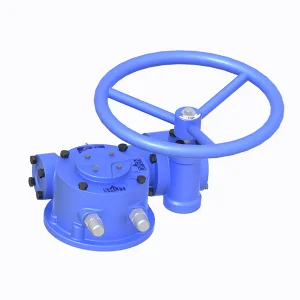
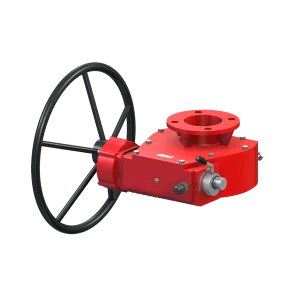
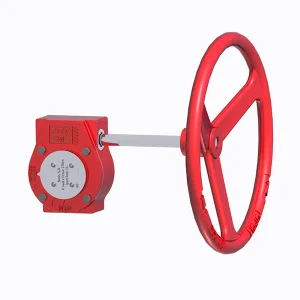
In modern industrial process automation, manual override and high-torque mechanical actuation must meet unprecedented structural thresholds. Heavy-duty valves operating in volatile sectors require robust mechanisms that transcend the properties of conventional cast iron.
Cast steel (specifically grades like WCB, LCB, and alloy steels) provides superior tensile strength, impact toughness, and resistance to environmental stress cracking. As piping networks expand into cryogenic temperatures, high-pressure gas transportation, and offshore marine operations, cast steel has transitioned from a premium alternative to a strict regulatory mandate.
We observe a rapid global integration of smart diagnostic sensors directly into the gearbox housing. These systems offer real-time torque mapping and mechanical wear projections, bridging the gap between manual backup operators and digital-twin predictive maintenance programs.
Addressing the critical risk metrics and supply chain factors in valve control sourcing
Procurement teams are shifting focus from initial capital expenditure to lifetime cycle costs. High-integrity cast steel gearboxes minimize down-time, leakage risks, and repair schedules in remote petrochemical installations.
Geopolitical challenges make regional logistics hubs crucial. Operating from the Yangtze River Delta, our facility utilizes an optimized supply network to deliver short lead times without compromising material traceability.
Global standards require complete material documentation. We provide heat-treat traceability charts, NDT reports, and EN 10204 3.1 certificates to guarantee chemical and physical compliance for every casting batch.
Located in the Suzhou Industrial Park, China, Stard-gears has grown into a leading global provider specializing in robust valve control technologies.
Covering a plant area of 8,900 m² with a 2,500 m² corporate office, our facility achieves annual sales of $7,000,000, maintaining a continuous annual growth rate of 10% to 20%. Backed by ISO9001 certification, our annual production capacity reaches 100,000 sets of gear operators and actuators.
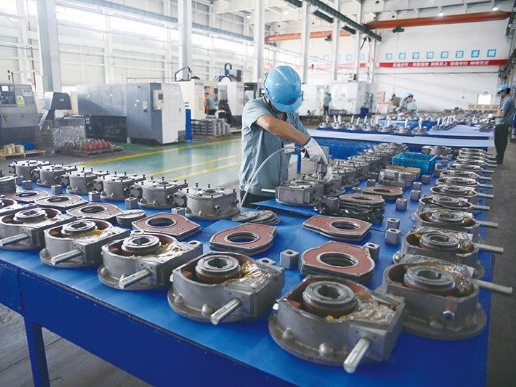
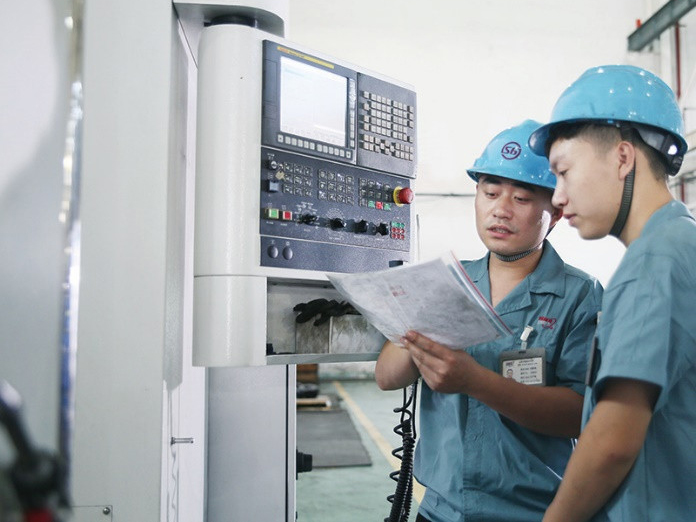
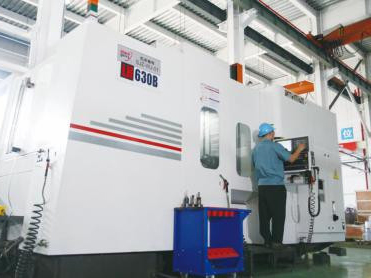
We utilize the strategic advantages of the Yangtze River Delta's supply chain, which optimizes our castings procurement, precision CNC machining capabilities, and spare parts sourcing. This allows us to guarantee rapid project delivery schedules while maintaining world-class manufacturing tolerances.
"Exported worldwide to regions including the United States, Italy, Germany, Mexico, Singapore, Japan, and other industrial hubs."
Deploying advanced computing tools to ensure safety, structural integrity, and low manufacturing cost
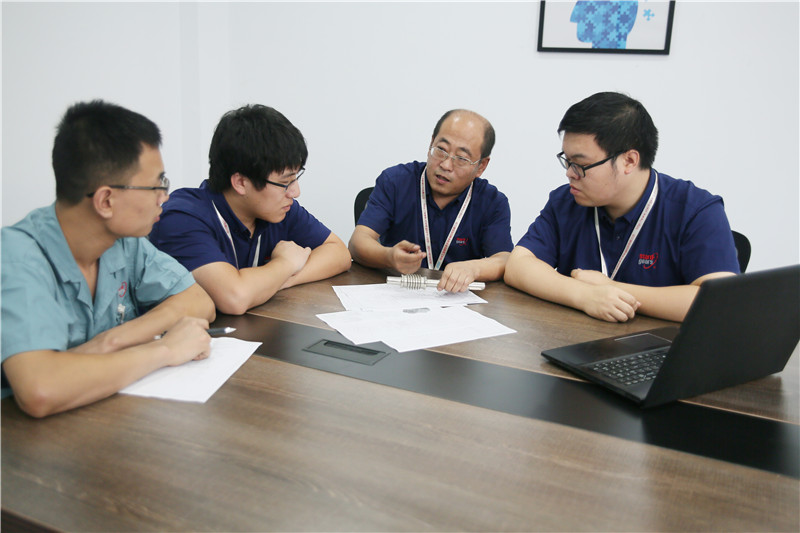 Program Communication
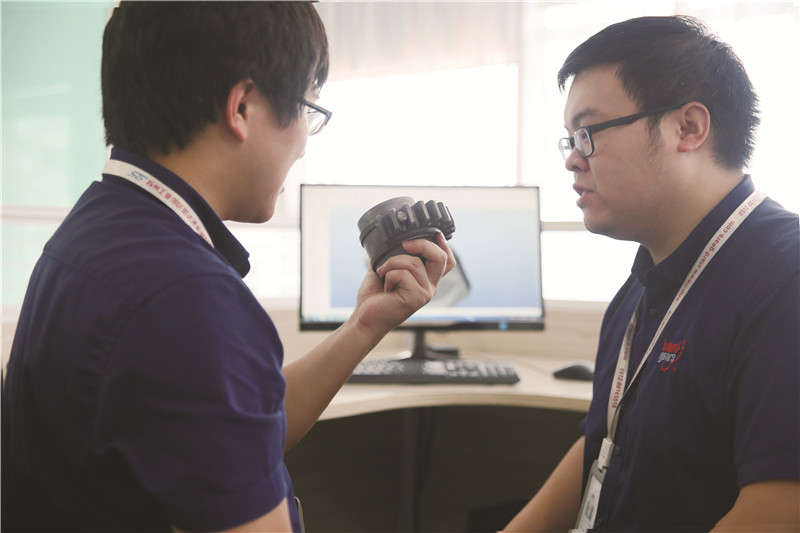 Design Communication
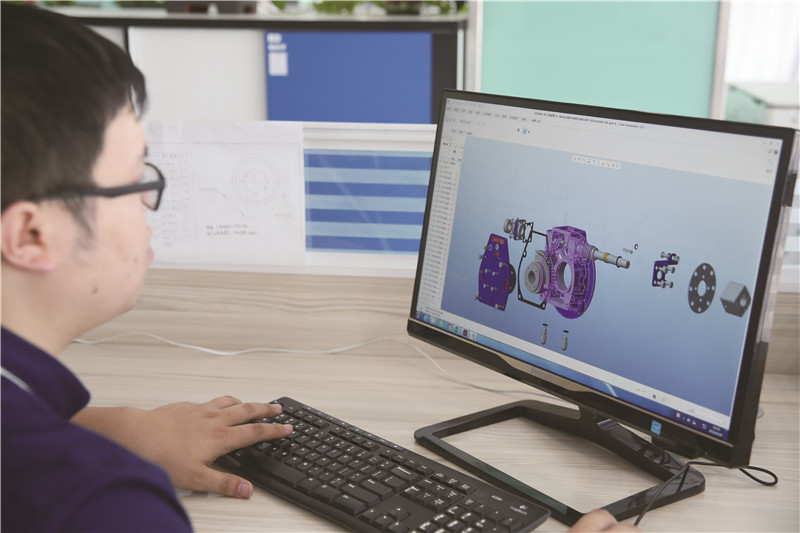 Design Drawing
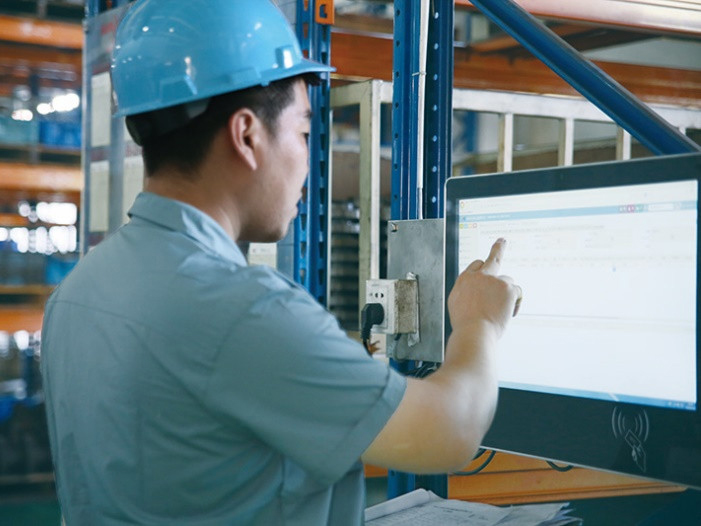
Stard-gears operates a comprehensive, real-time Enterprise Resource Planning (ERP) platform to track and coordinate production stages.
This system links scheduling, casting machining, gear cutting, component verification, assembly, and testing. It provides oversight of every production step to minimize processing bottlenecks and ensure reliable shipping timelines.
Suzhou Manufacturing Capabilities:
Annual plant output capacity: $9,000,000 | Active machinery: High-precision CNC centers, horizontal boring mills, and custom gear hobbing machines.
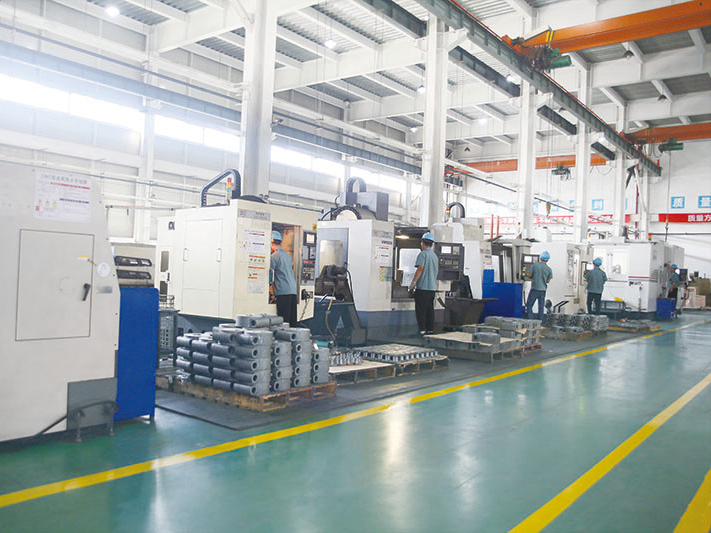
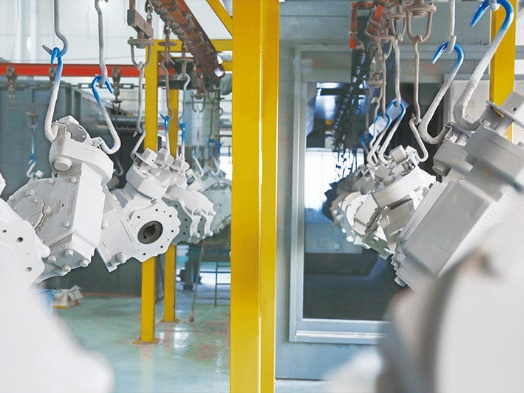
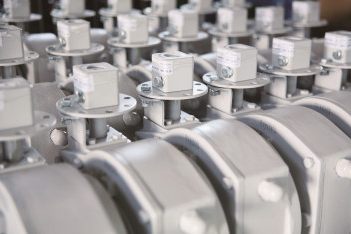
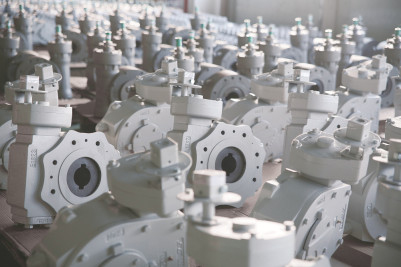
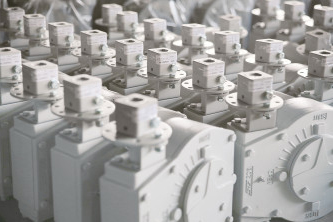
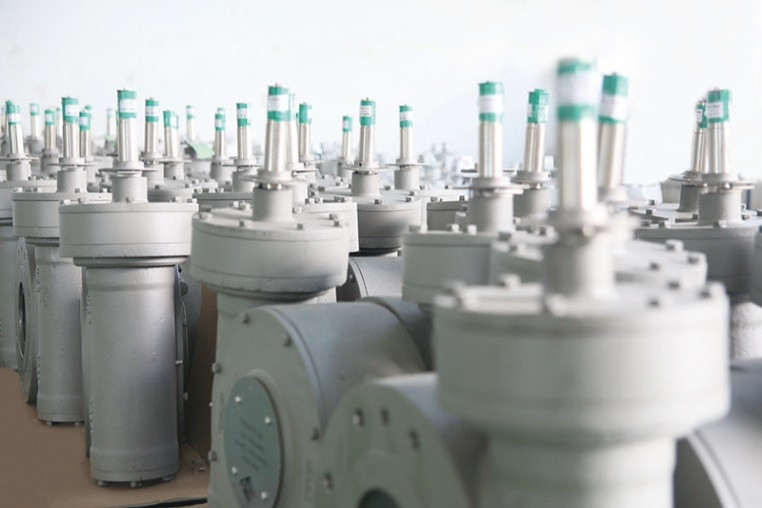
Validating metallurgy, dimensional precision, and output torque performance
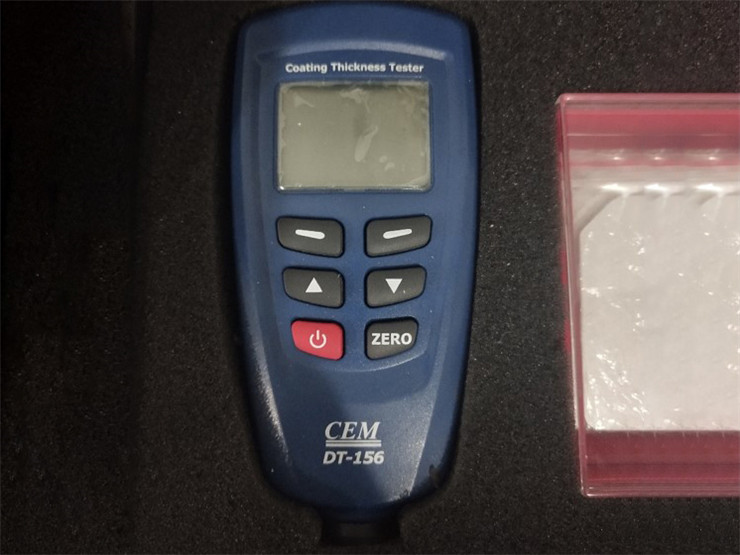
Our quality department implements inspection checks at every stage, from raw cast steel delivery to final assembly validation.
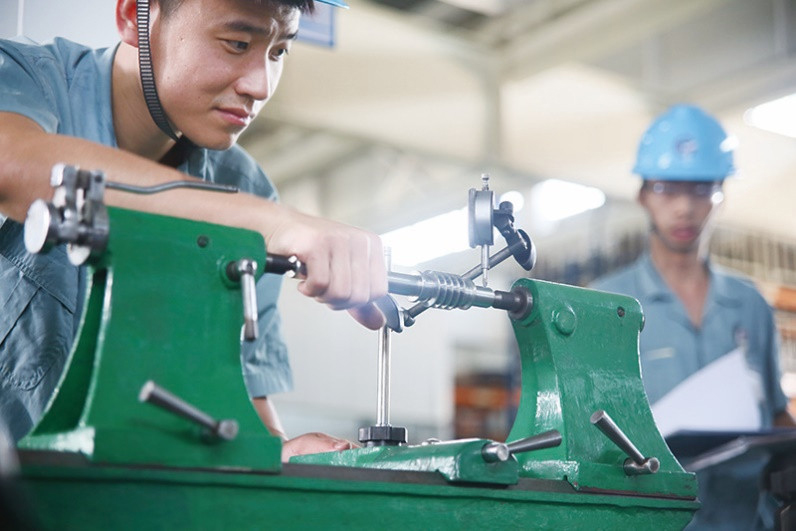
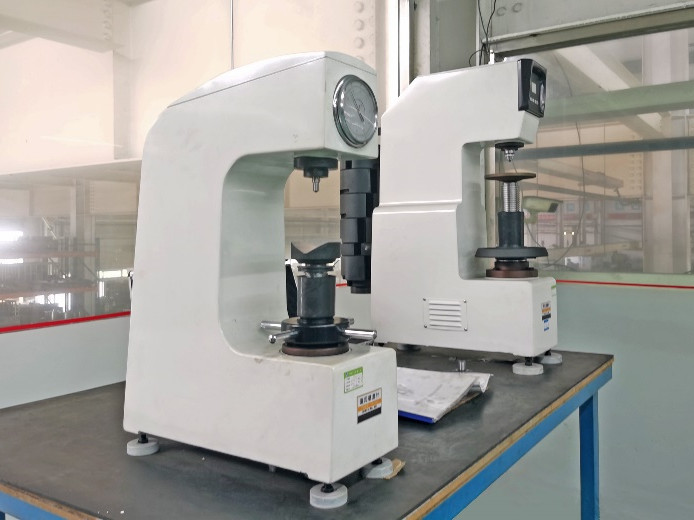
Every incoming batch of carbon steel (WCB/WCC) and low-temperature carbon steel (LCB/LCC) undergoes chemical composition spectroscopy and mechanical stress tests. During machining, dimensional checks are performed on internal worm gears, drive shafts, and thrust bearings.
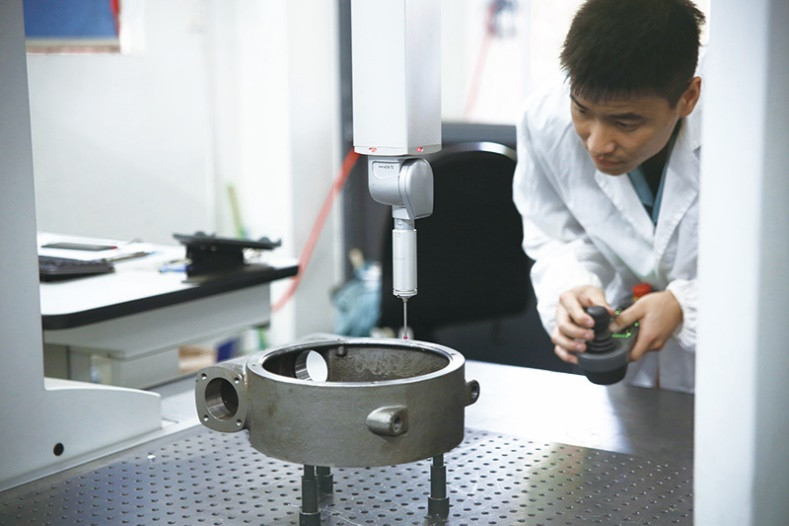
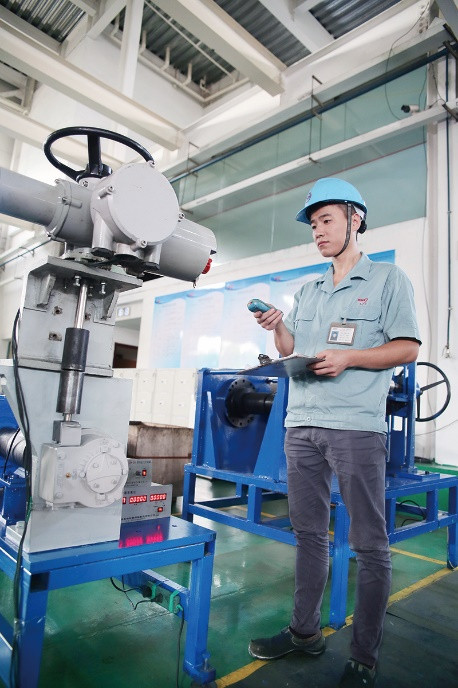
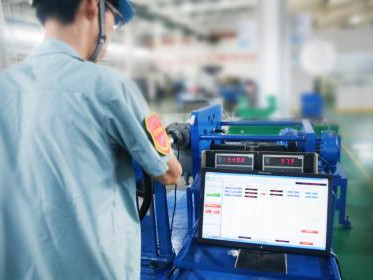
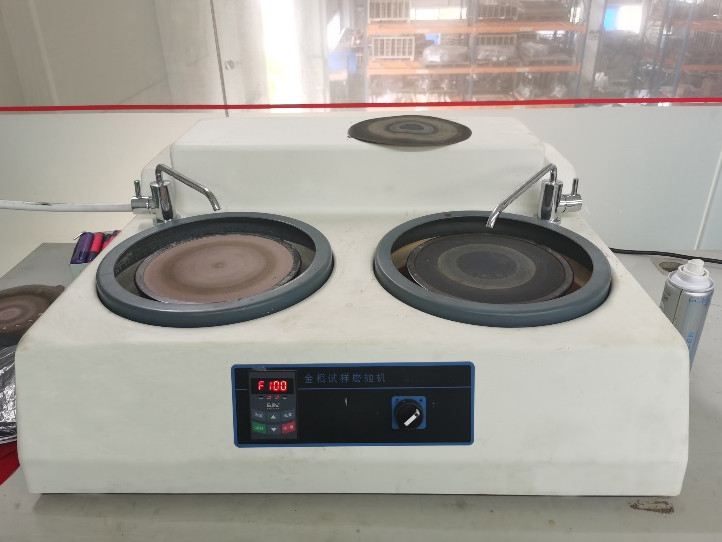
We operate torque verification rigs, metallurgical imaging microscopes, and high-frequency coordinate measuring machines (CMM) to maintain mechanical consistency.
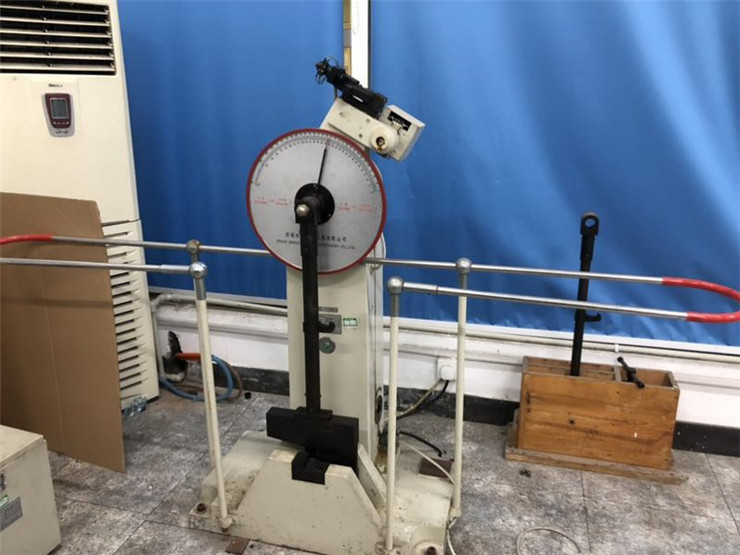
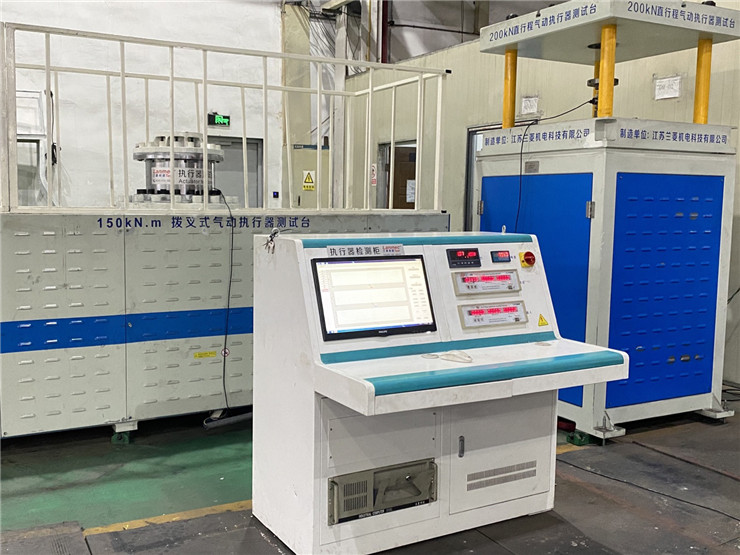
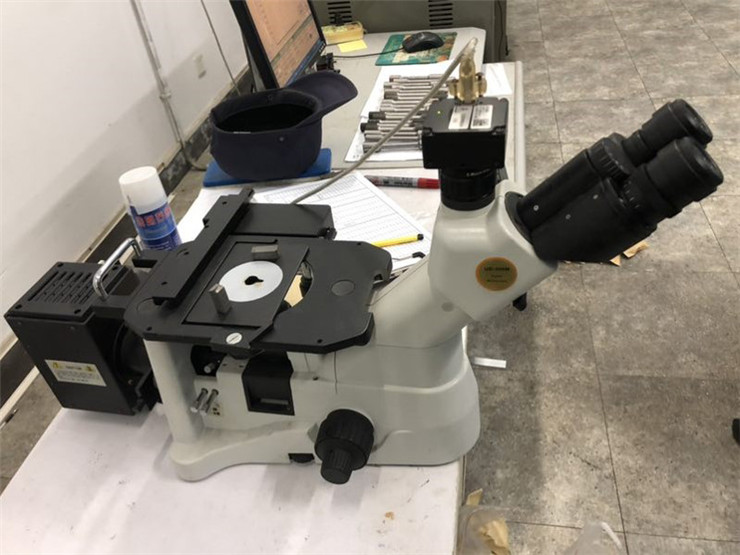
Custom gear operator configurations for severe and challenging service sectors
Designed for high-torque ESD valves, pig launchers, and mainline isolation setups. Features fully enclosed weather-proof enclosures and low-temperature grease options.
Cast steel gearboxes with epoxy coatings and stainless steel hardware resist localized corrosion in sour gas and acid-processing installations.
AWWA-compliant gearboxes engineered for buried service, water treatment reservoirs, and municipal distribution pipelines.
Qualified for seismic zones and high-temperature steam loops in thermal, CCGT, and nuclear containment environments.
Developing smarter, stronger, and more efficient mechanical actuation systems
Transitioning to green-foundry casting processes to lower the embodied carbon footprint of WCB and alloy steel valve components.
Integrating digital, contactless position sensors within manual gearboxes for real-time SCADA integration.
Optimized tooth geometry and surface treatment processes to increase output torque capacity by up to 25% within identical dimensional footprints.
Our designs adhere strictly to standard international mounting interfaces, ensuring simple retrofitting onto third-party quarter-turn and multi-turn valves.
By standardizing ISO 5211 drive sleeves and bolt circles, we simplify field installation and reduce mechanical engineering alignment issues.
Beyond supplying gearboxes, Stard-gears provides field engineering assistance to ensure trouble-free installation and commissioning:
Technical guidance on gear operator selection, material grades, and specifications
Cast steel (ASTM A216 WCB) offers significantly higher tensile strength, impact toughness, and ductility compared to standard ductile iron (ASTM A536). In extreme temperatures, high pressure spikes, or seismic zones, cast steel prevents brittle cracking. WCB also allows for field welding and repair procedures, which are generally not feasible with cast iron components.
The gear operator's output torque must exceed the valve's breakout torque (the force required to open the valve under maximum differential pressure) multiplied by a safety factor (typically 1.3 to 1.5). Additionally, check the operator's mechanical advantage ratio to verify that the required manual handwheel input force remains within normal operator limits, generally under 360 N.
We manufacture mounting bases in strict compliance with ISO 5211 standards, including F05 through F40 flange designs. Drive inserts can be customized with keyways, double-D flats, or splined bores to fit different valve stem profiles.
For underground or buried service, we provide fully sealed gear operators (IP68 ingress protection rating) filled with food-grade lubricants. These units are outfitted with input stem extensions, indicator boards, and standard 2-inch square operating nuts, allowing for control from street level.
Declutchable manual overrides are mounted between a pneumatic/hydraulic actuator and the valve. During normal automated operation, the gearbox gears are disengaged. In the event of a pneumatic air supply or power failure, the operator can manually engage the clutch lever, allowing handwheel operation to position the valve.
Engineered for high load capacities and severe industrial service environments