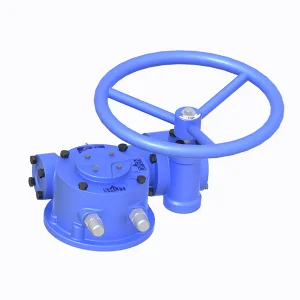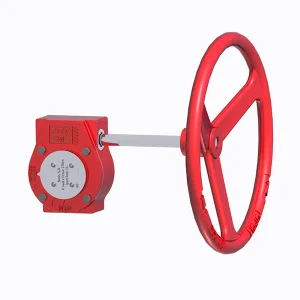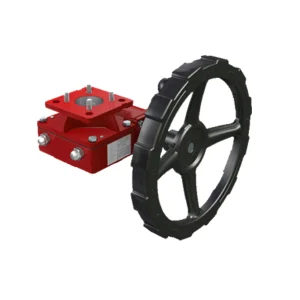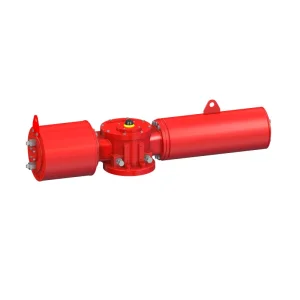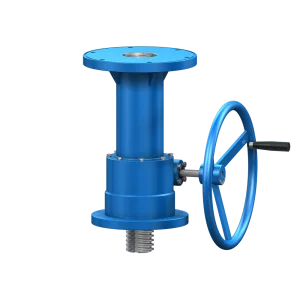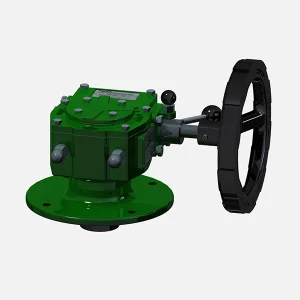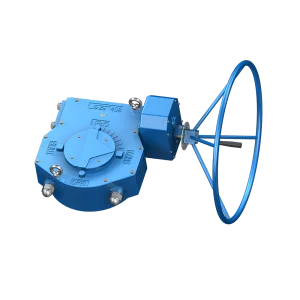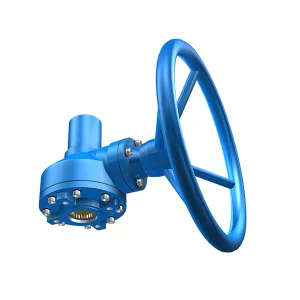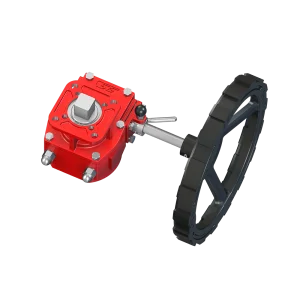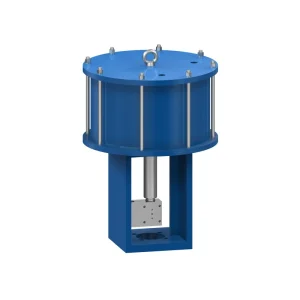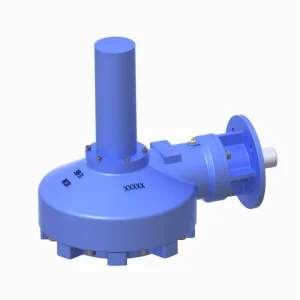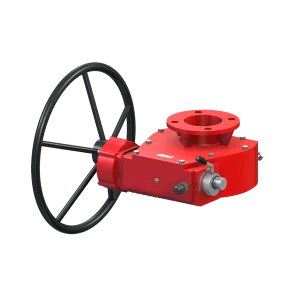
Explore our industry-standard quarter-turn, multi-turn manual overrides and high-integrity pneumatic actuators designed for extreme operations.
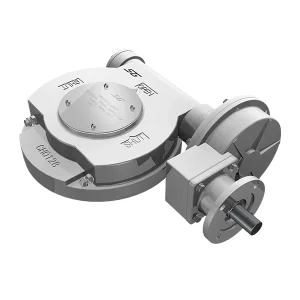
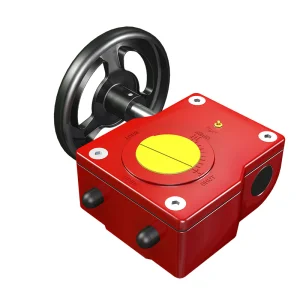
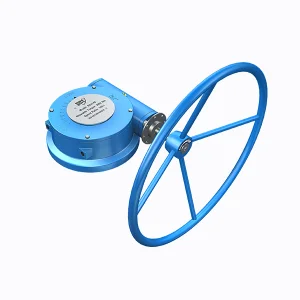
In automated industrial process systems, reliability and fail-safe redundancy are critical. A declutchable gear override (also widely designated as a manual override gearbox) serves as the safety bridge between automated control and manual mechanical operation. These specialized mechanical devices are sandwich-mounted between a pneumatic, hydraulic, or electric actuator and a quarter-turn valve (such as a ball valve, butterfly valve, or plug valve). When control signal failures, loss of auxiliary pneumatic pressure, or system electrical outages occur, operators utilize the declutchable mechanism to safely disengage the automated transmission path and manually actuate the valve via a handwheel.
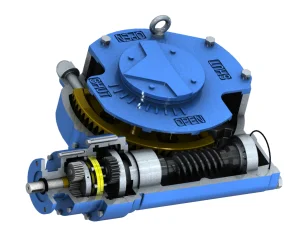
The core mechanism relies on an eccentric cam or rocker arm system that physically shifts a worm shaft out of mesh with a worm gear sector. Once disengaged (declutched), the automated actuator is free to operate without back-driving the manual handwheel. Conversely, when engaged, the worm gear meshes securely, allowing manual mechanical override control. Engineered with high-integrity materials like ductile iron or cast steel housings and high-strength aluminum bronze worm wheels, modern overrides must withstand immense torsional forces while maintaining structural integration in harsh environments.
SEO Insight & User Intent Focus: For piping designers and procurement engineers, choosing the right manual override involves analyzing output torque capacity (ranging from hundreds to tens of thousands of Nm), mechanical efficiency, mounting pad compatibility (ISO 5211 / DIN 3337), and ingress protection ratings (IP67 or IP68 for submerged installations).
Established in 1999, Stard-gears has evolved into a global leader in valve control technology and flow control solutions. Located in the Suzhou Industrial Park (Jiangsu Province, China), our state-of-the-art facility occupies a massive footprint featuring an 8,900 m² manufacturing plant and 2,500 m² of dedicated R&D and administrative offices. Our commitment to high-precision engineering has driven an annual sales growth rate of 10% to 20%, currently yielding an annual output value of $9,000,000. Operating under a certified ISO 9001 quality management framework, our factory boasts a high capacity of up to 100,000 sets per year.
Stard-gears specializes in design, prototyping, fabrication, and testing. Our product line features 9 distinct series spanning approximately 80 variations of gear operators, bevel gearboxes, and manual overrides. We service a diverse range of critical applications, from municipal water infrastructure and offshore oil drilling to petrochemical refining, long-distance natural gas transmission pipelines, and thermal/nuclear power generation.
At Stard-gears, we believe that high-performance hardware begins with precise engineering calculations. Our design and development center employs advanced digital tools to compress the product design life cycle while maintaining high safety margins. Through 3D parametric CAD modeling, dynamic simulation of mechanical linkages, and Finite Element Analysis (FEA), we predict stress concentrations and deformation characteristics under peak torsional loads.
This virtual validation cycle ensures that the mechanical components of our declutchable gearboxes, including housing walls, eccentric levers, worm gear tooth interfaces, and input shafts, can withstand over-torque conditions without failure. By executing these simulations early in the design cycle, we verify structural integrity and optimize structural layouts, resulting in lightweight designs and reduced material waste.
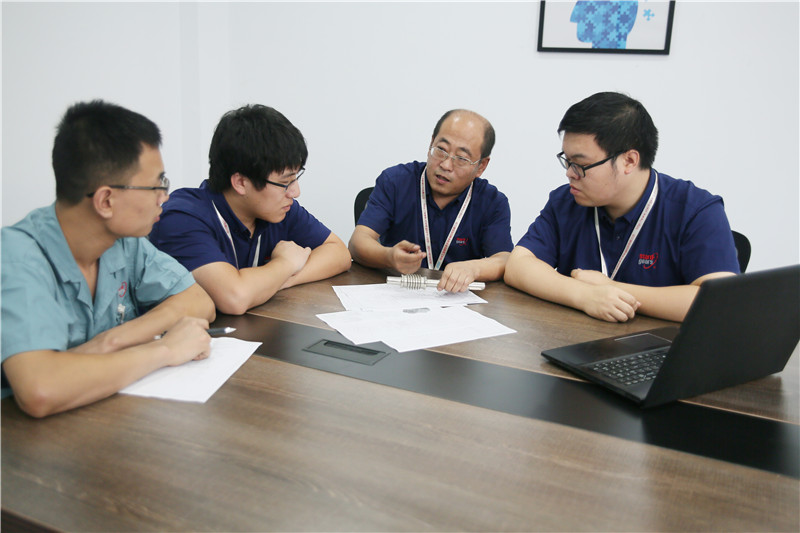 Program Communication & Spec Definition
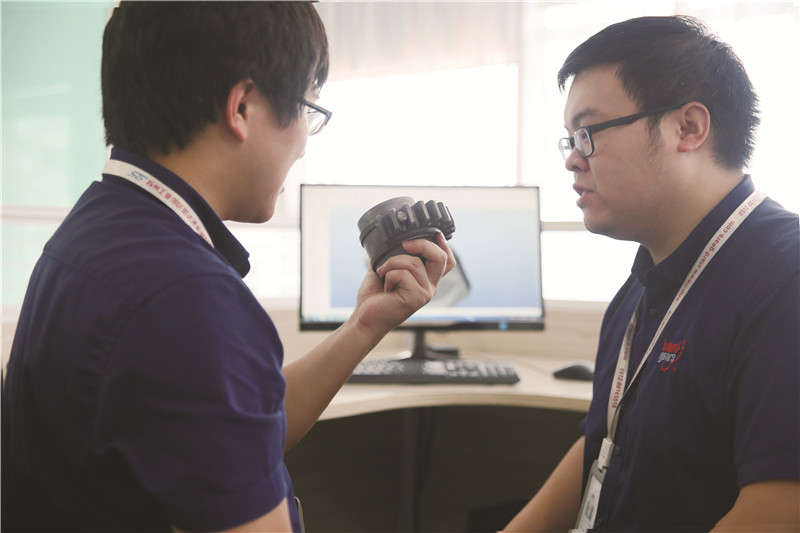 Cross-functional Design Alignment
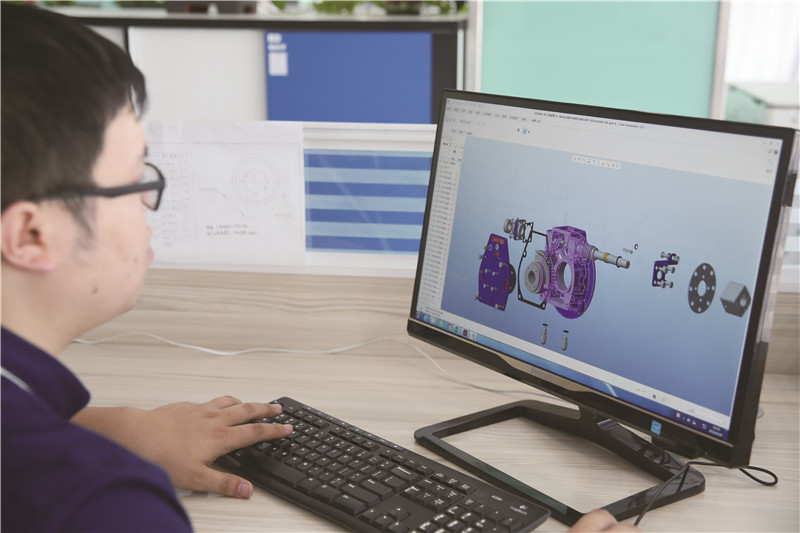 3D Modeling & FEA Stress Analysis
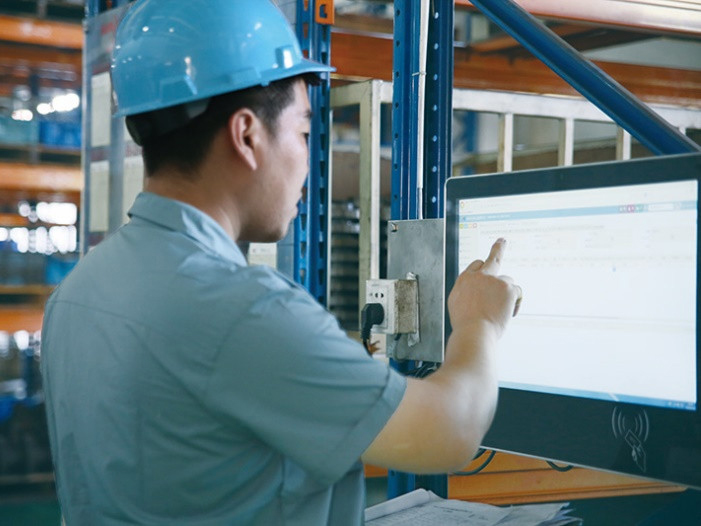
Our manufacturing facility in Suzhou is built for scale, precision, and traceability. To coordinate production processes, Stard-gears has deployed an enterprise-wide ERP (Enterprise Resource Planning) management system. Every production run, from raw cast parts to finished gear assemblies, is tracked digitally. This integration minimizes lead times, optimizes inventory control, and provides real-time progress updates for international orders.
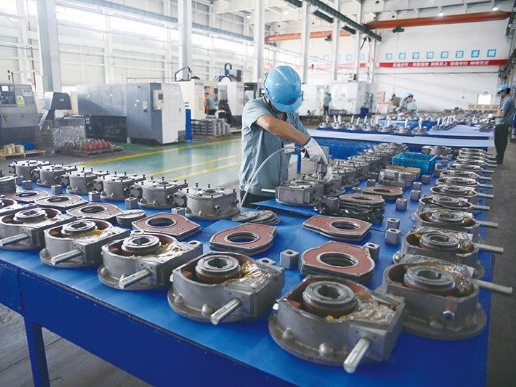
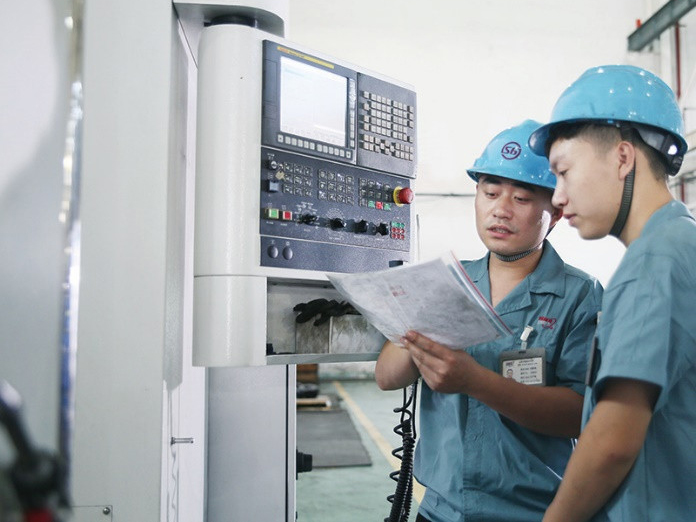
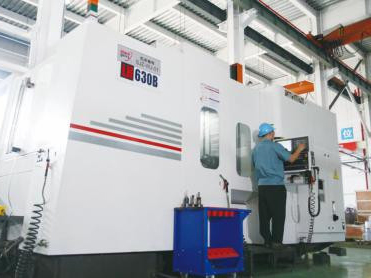
Equipped with high-precision CNC machining centers, automated grinding machines, and assembly cells, our production lines operate with high repeatability. The mechanical alignment of the gear set is vital; precision-machined housings minimize alignment deviations, reducing wear on gear surfaces and extending service life.
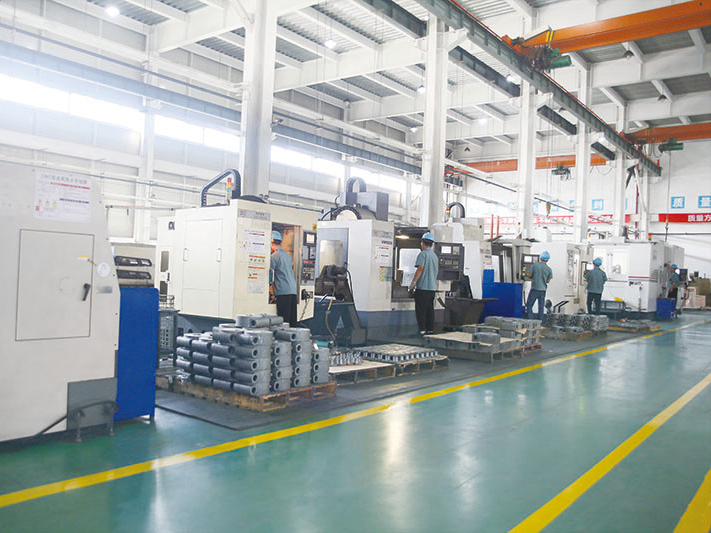 CNC Precision Machining Center
 Automated Gear Processing Line
 High-Accuracy CNC Lathes
 Housings Drilling & Tapping Stations
 Systematic Manual Assembly Center
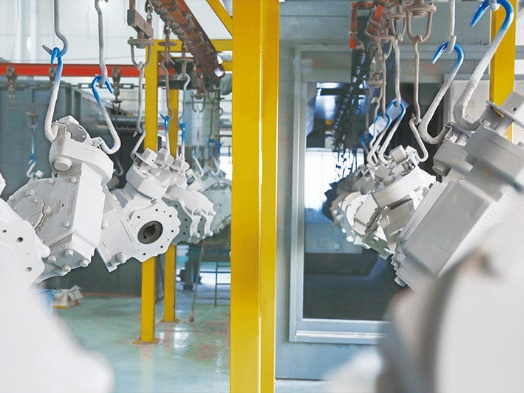 Batch Production Run Execution
Our scalability is backed by structured physical capacity and regional supply chain support. We utilize optimized floor layouts that allow for rapid product changeovers to match customized configurations.
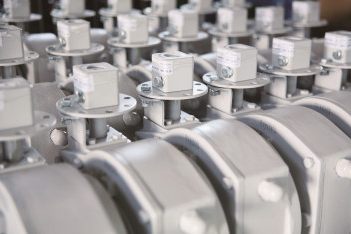 Component Prep Yard
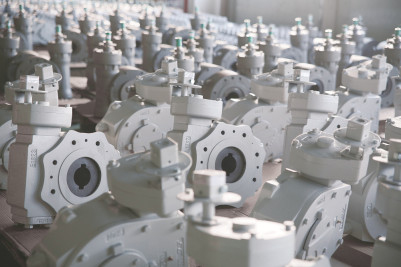 Actuator Integration Cell
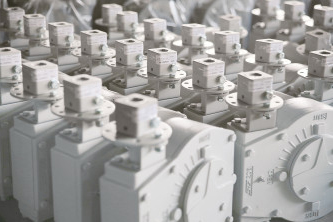 Heavy-Duty Operator Assembly
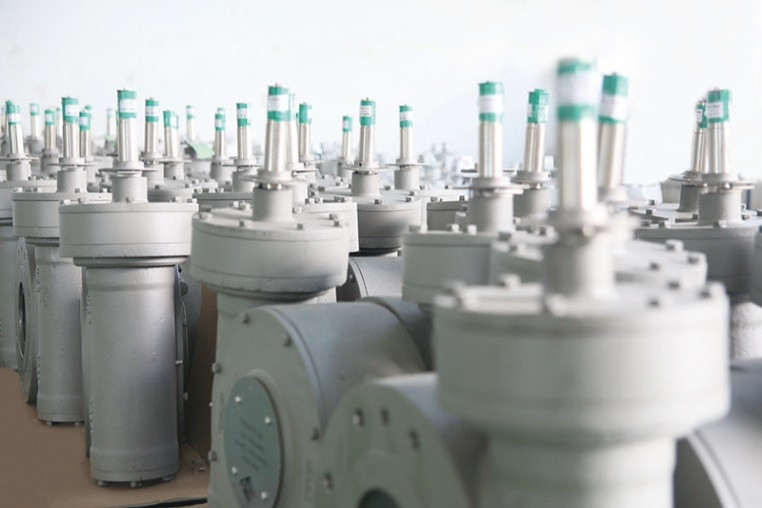 Finished Goods Inspection Zone
To support high system integrity, Stard-gears integrates Quality Control (QC) checkpoints into every step of production. Our quality control system covers incoming material verification (using positive material identification and metallurgical inspection), process controls (dimensional machining inspections), and final functional testing of all completed assemblies.
Our dedicated quality assurance laboratory is equipped to perform critical diagnostics, including hydrostatic pressure testing for water-tight applications, mechanical torque profiling, and accelerated lifecycle testing. This verifies that each declutchable override performs reliably during emergency switchovers.
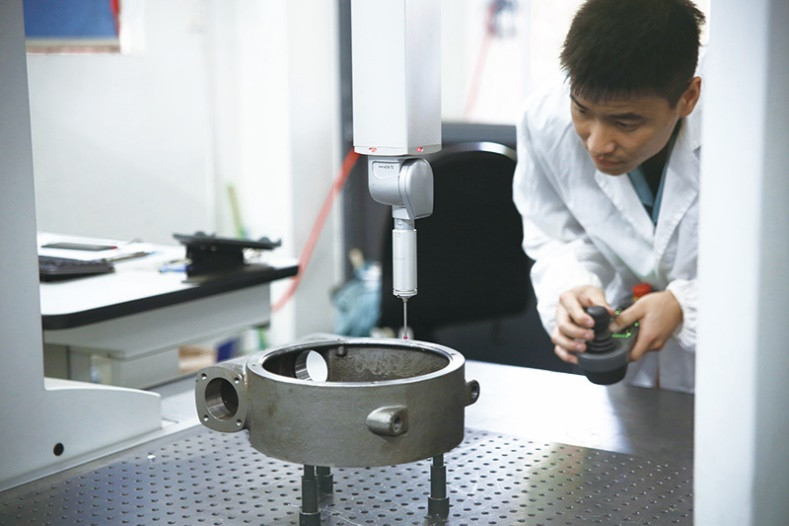 Precision Dimensional Inspection
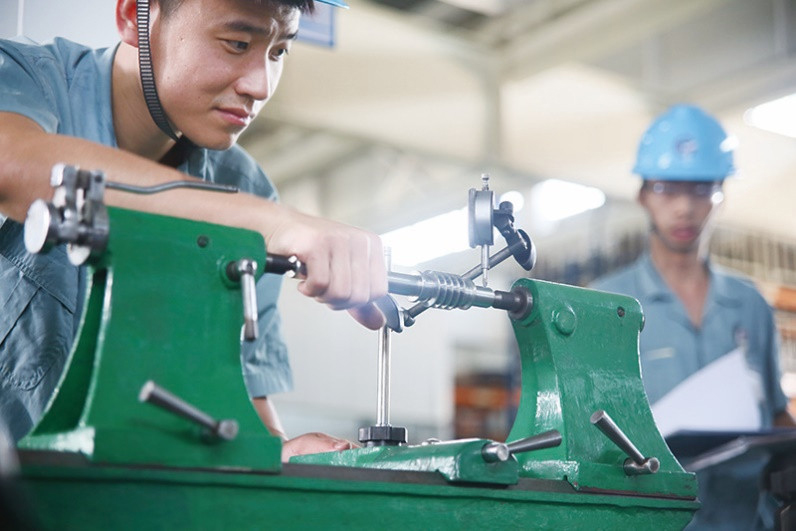 Caliper & Micro-Gauge Calibration
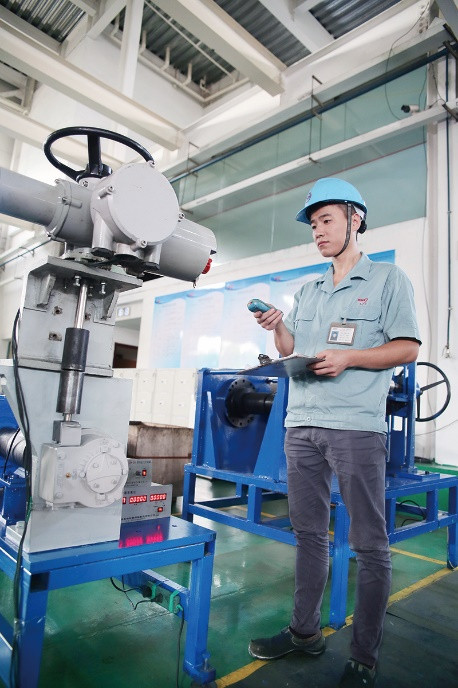 Output Flange Alignment Verification
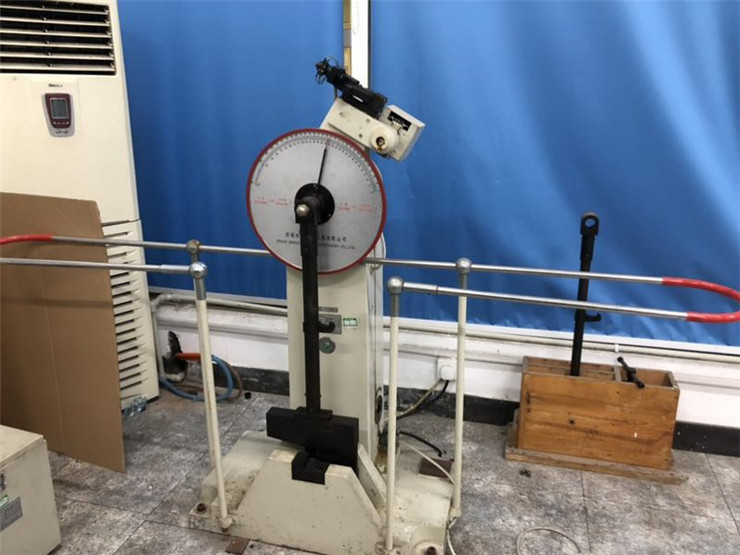
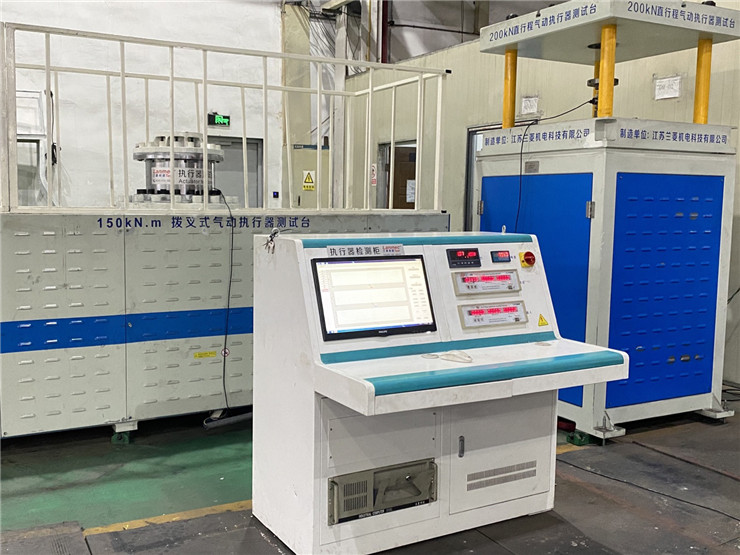
Our QA lab is configured to verify product performance against demanding engineering specifications under high-stress conditions.
 Dynamic Torque Testing System
 Hardness & Stress Test Station
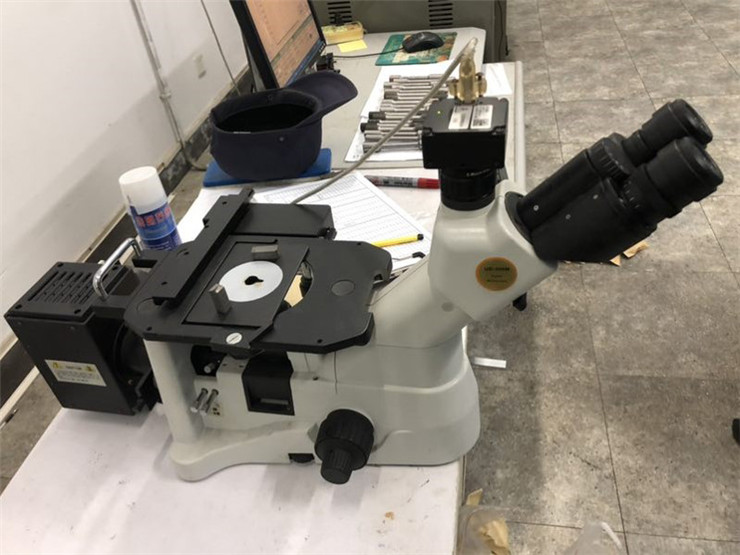 Hydraulic Test Press Unit
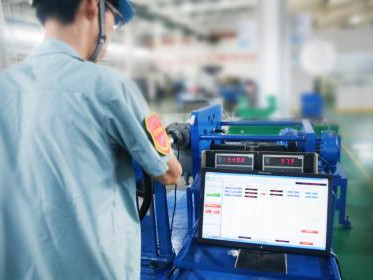 Electronic Output Torque Profiler
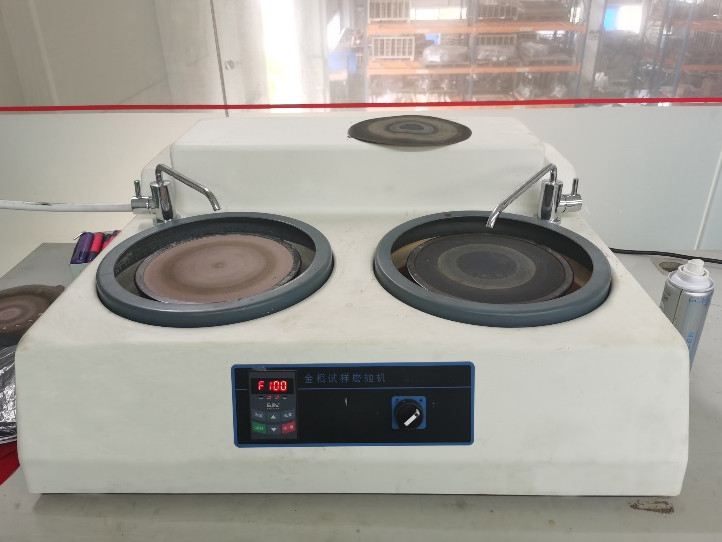 Environmental Corrosion Test Cell
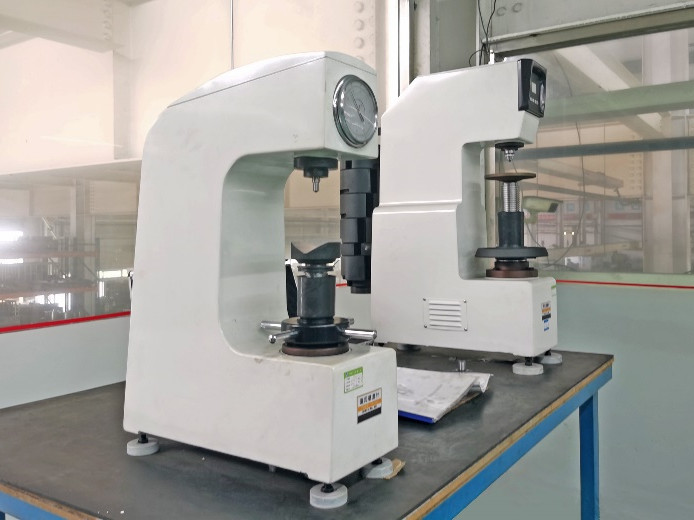 High-Pressure Leakage Test bench
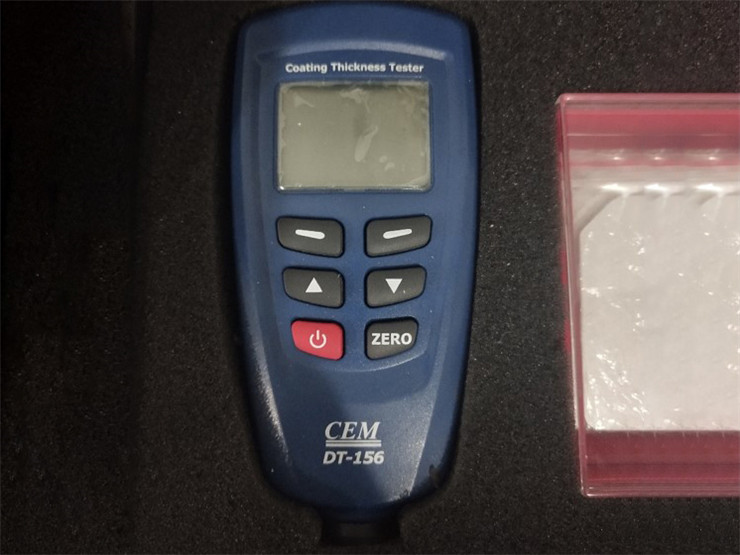 Finished Unit Calibrator
Our location in Suzhou Industrial Park, at the center of the Yangtze River Delta, provides key logistical and procurement advantages. This industrial region features a highly integrated ecosystem of raw material suppliers, specialized foundries, precision machining shops, and surface treatment facilities. These local networks enable Stard-gears to optimize lead times, source raw castings efficiently, and access advanced mechanical finishing services.
In addition, the region's shipping infrastructure, including proximity to the Port of Shanghai and Port of Ningbo-Zhoushan, supports rapid, cost-effective shipping for our global clients. This streamlined supply chain allows us to maintain consistent material quality and lower production overheads, translating to competitive pricing for our international distributors and OEM partners.
Industrial valve operators must perform reliably in diverse environmental conditions. Stard-gears designs declutchable override solutions engineered for specific sector challenges:
For international sourcing managers, specifying manual operators requires a balance of quality compliance, documentation, and engineering support. At Stard-gears, we align our sales and engineering operations to support modern international supply chains:
Our declutchable gearboxes comply with international standard certifications, including CE marking. We align output flange templates with ISO 5211 dimensions to facilitate integration with existing valves and actuators without requiring custom machining of mounting brackets.
We provide comprehensive engineering packages, including 3D STEP models, raw material test reports (EN 10204 3.1 certification), dimensioned GA drawings, and calculated torque profiles. This simplifies the mechanical integration process for engineering companies (EPCs) and system designers.
The valve automation sector is evolving to meet new safety and efficiency requirements. Key developments include:
Heavy-duty gearboxes, high-strength ductile iron operators, and certified manual control interfaces for demanding fluid control tasks.