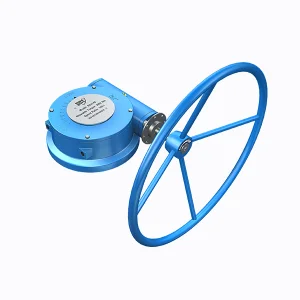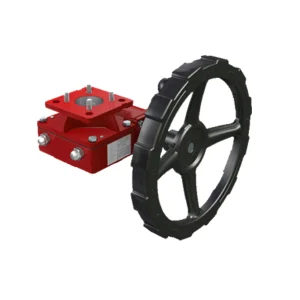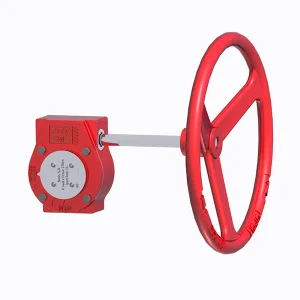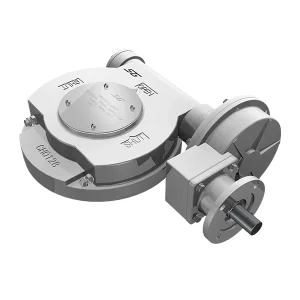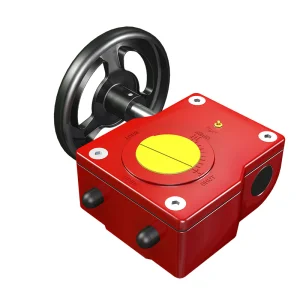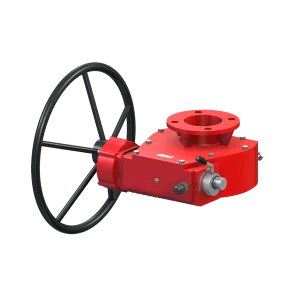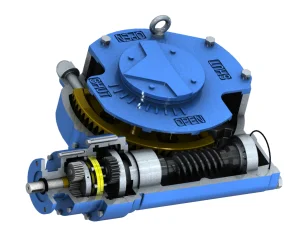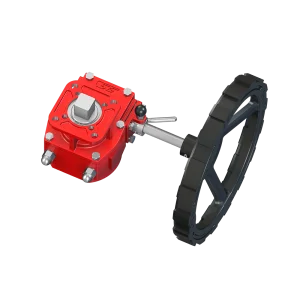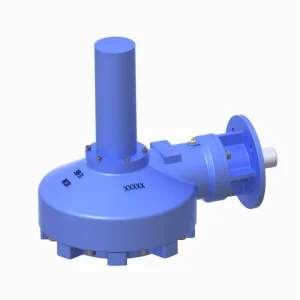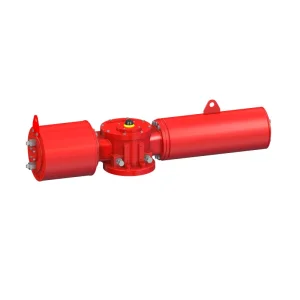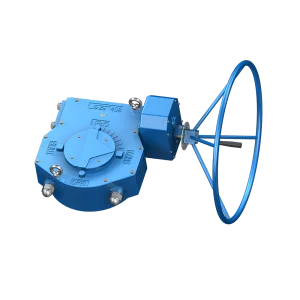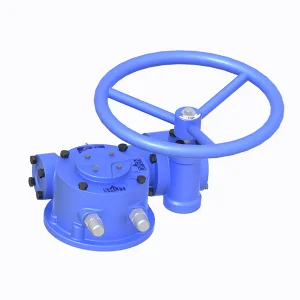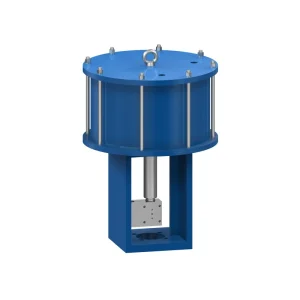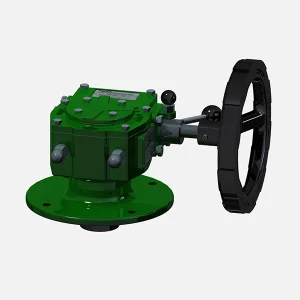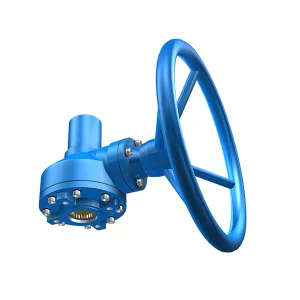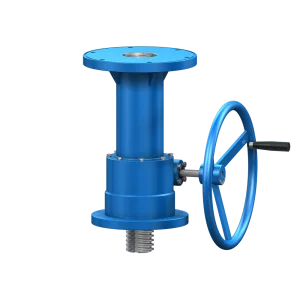
Explore our high-performance cast steel gearboxes, declutchable aluminum units, and specialized operators engineered for heavy-duty process isolation.
Understanding the critical role of symmetrical fluid dynamics and torque profiling in modern industrial valve execution.
In the highly demanding landscape of flow control, the Double Acting Actuator stands out as a reliable mechanism. Unlike its spring-return counterpart, which relies on a mechanical spring to drive one direction of travel, a double-acting actuator uses fluid pressure (typically compressed air) to power both the opening and closing cycles. This dynamic ensures uniform torque output across the entire range of travel, making it highly effective for heavy duty valves.
By utilizing a symmetrical rack-and-pinion or scotch-yoke configuration, high-quality factories can deliver units that feature balanced piston forces, reduced cylinder wear, and a longer operational life. For global enterprises running continuous operations in oil & gas, chemical plants, and municipal water utilities, these engineering specifics directly translate into reduced down-time and optimized control performance.
"By removing the spring module, double-acting actuators achieve a more compact physical footprint and offer consistent torque capabilities, matching the valve's breakaway requirements."
Requires only a 4-way, 2-position solenoid valve to cycle from open to closed, simplifying control panel design and reducing the bill of materials (BOM).
Delivers flat, predictable torque output across the entire 90-degree rotary stroke, avoiding the mid-stroke torque dip common in spring-return units.
A heritage of engineering excellence from Suzhou Industrial Park, delivering high-performance valve control globally.
Established in 1999 and strategically headquartered in the Suzhou Industrial Park, Stard-gears has grown into a leading global provider specializing in advanced valve control technology. Our state-of-the-art facility features a 8,900 m² plant and a 2,500 m² office.
We manage annual sales of $7,000,000, maintaining a steady year-on-year growth rate of 10% to 20%. Backed by our robust ISO9001 certification, our annual production capacity has reached 100,000 sets. Our products are exported to demanding international markets including the United States, Italy, Germany, Mexico, Singapore, and Japan.
Our core mission centers on product innovation, high quality, and cost-effective, reliable valve control solutions for industries handling oil, chemicals, natural gas, nuclear power, and water distribution.
Unlocking logistics efficiency, raw material sourcing, and production speed for global enterprises.
Suzhou's immediate proximity to premium casting and raw material foundries ensures access to WCB cast steel, CF8M stainless steel, and aerospace-grade anodized aluminum alloys, reducing raw material lead times to a minimum.
We leverage a local network of precision CNC machining centers. This concentration allows us to run highly complex milling and boring operations concurrently, maintaining tight dimensional tolerances of ±0.01mm.
Located near the Port of Shanghai and Port of Ningbo, Stard-gears ensures that ocean, air, and express freight options are constantly available, keeping container transit paths fast, reliable, and cost-effective.
Deploying advanced digital tools to compress development timelines and guarantee long-term field safety.
At Stard-gears, we believe that field safety is achieved in the design phase. Our engineers employ 3D CAD simulation, dynamic fluid-structure interactions, and Finite Element Analysis (FEA). This digital environment allows us to model torque limits, stress distribution points, and fatigue cycles on double acting actuators before casting raw metal.
By identifying potential failure modes early, we optimize material thicknesses at high-stress areas (such as the pinion neck and guide bar bearings) while trimming excess metal from non-critical zones. This not only shortens our custom design cycles but also decreases unit weight and minimizes component production costs.
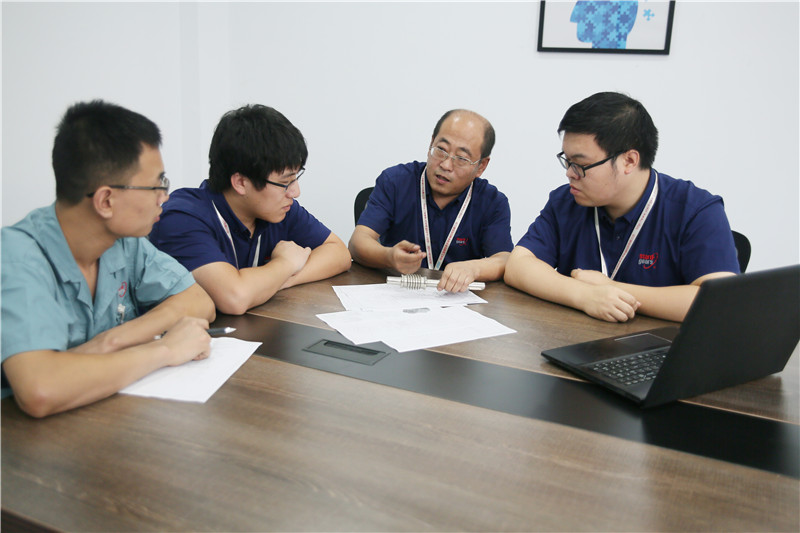
Program Communication
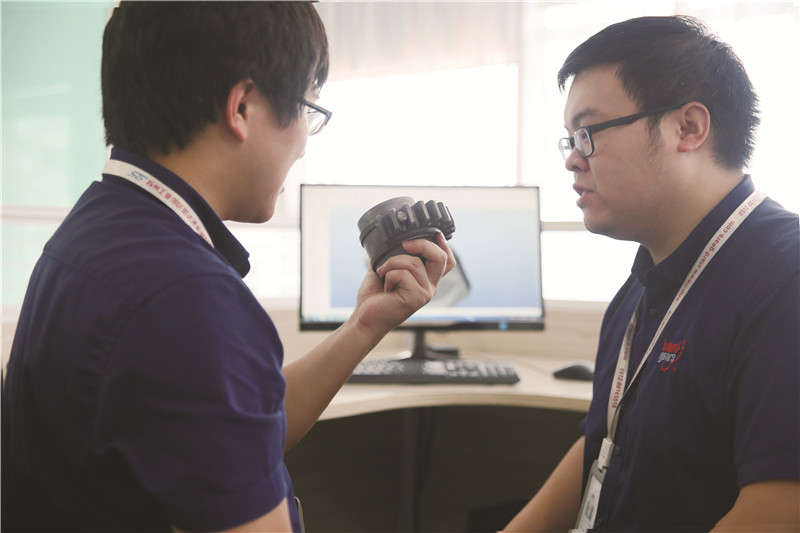
Design Communication
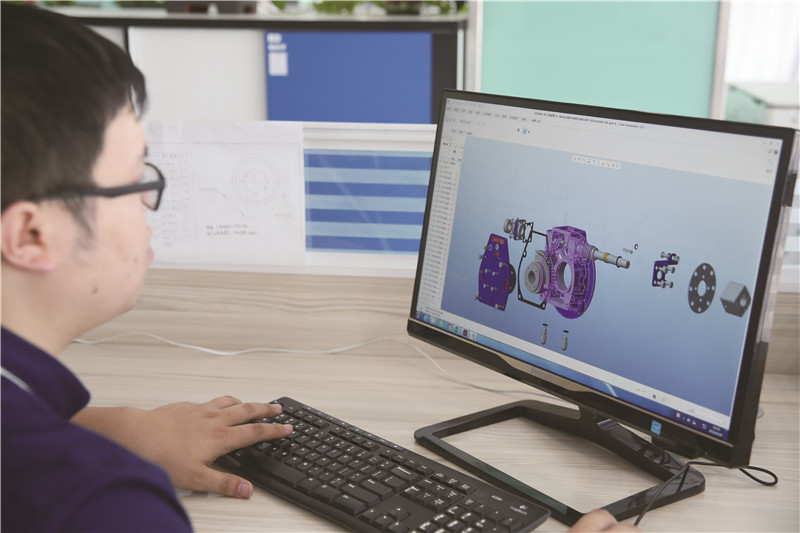
Design Drawing
How we synchronize lean assembly lines, parts tracking, and schedule commitments.
Stard Automation operates under an integrated ERP management system that bridges customer ordering, procurement, inventory management, machining, and final assembly. Every component is marked with a tracking code to ensure full material and processing traceability.
This system allows our project managers to monitor production stages in real-time, eliminating operational bottlenecks and ensuring that delivery timelines for international clients are met.
Through systematic scheduling and flexible production cells, we easily scale to accommodate both large OEM batch orders and custom, single-unit engineering requests.
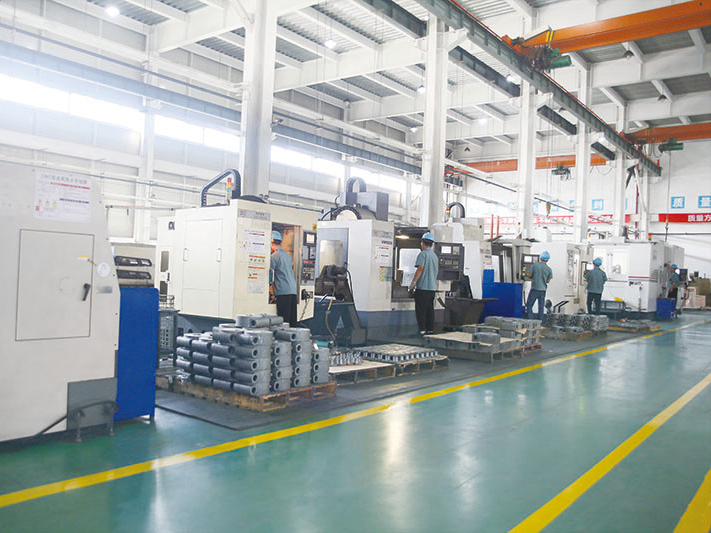
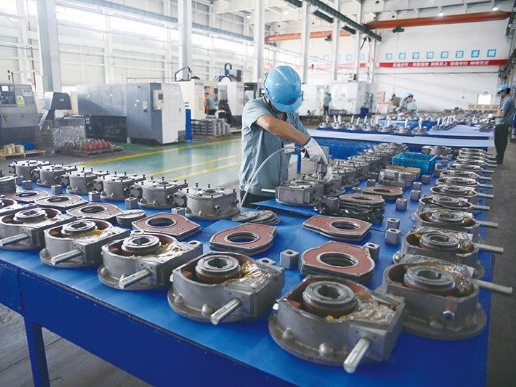
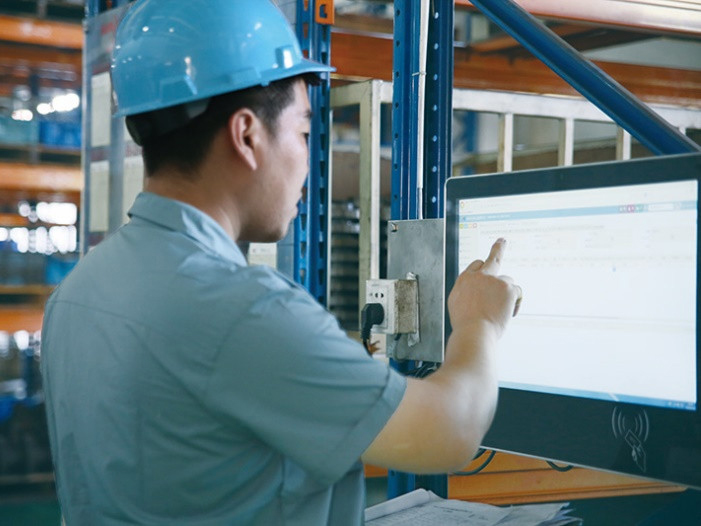
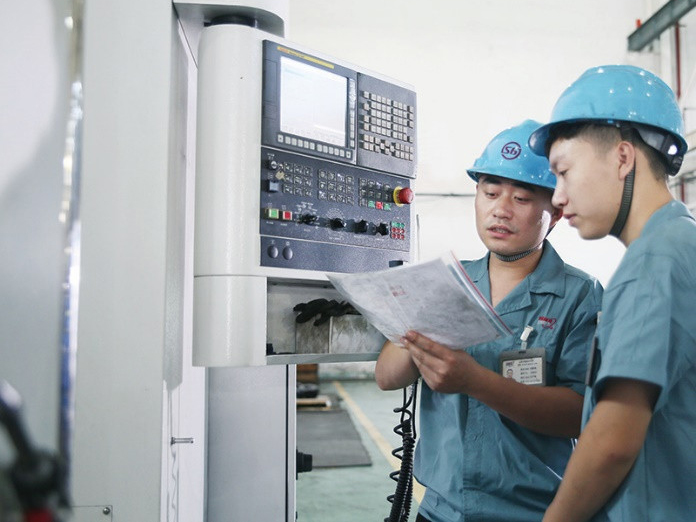
Our infrastructure is optimized to support high-volume distribution demands.
The annual output value of our Suzhou plant reaches $9,000,000, with the physical assembly lines designed to output up to 100,000 sets of actuators and gearboxes per year.
By utilizing semi-automated machining lines and dedicated assembly zones, we can adjust output to handle seasonal demand spikes without compromising mechanical tolerances or quality control parameters.
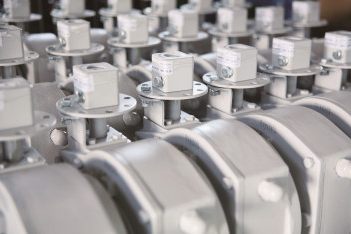
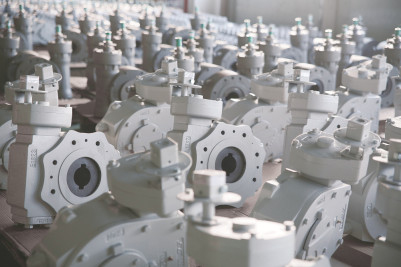
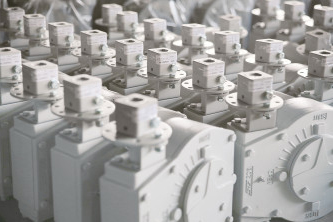
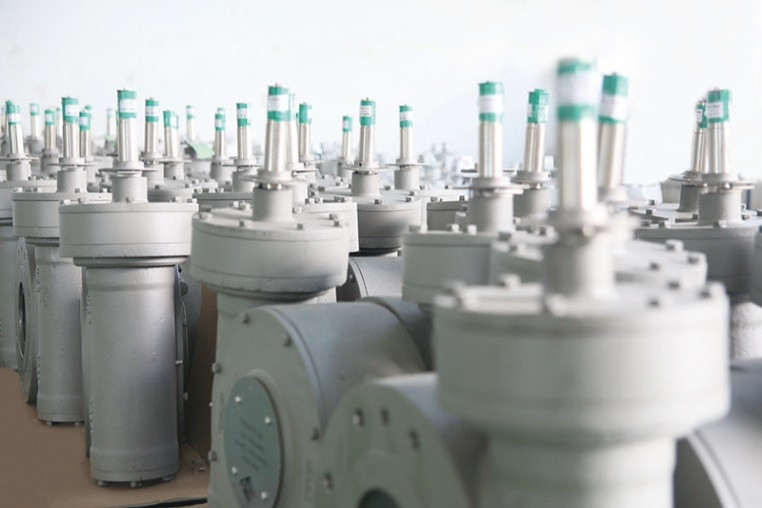
100% inspection policy across all key stages of assembly to ensure defect-free shipments.
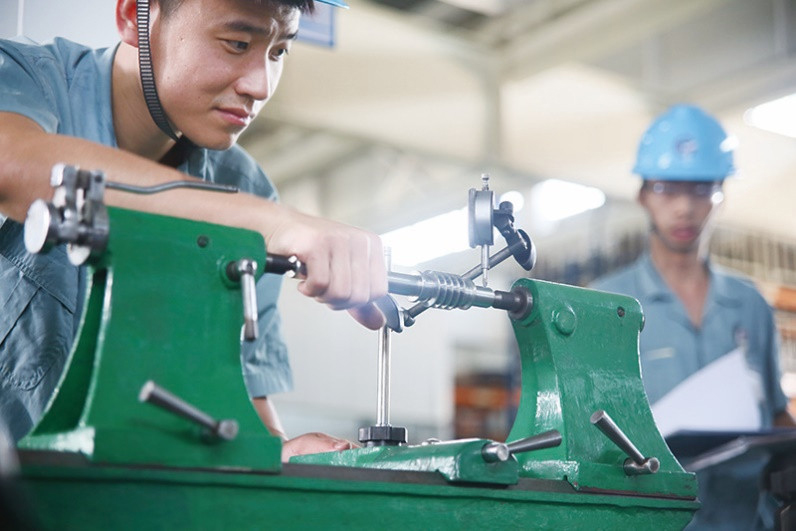
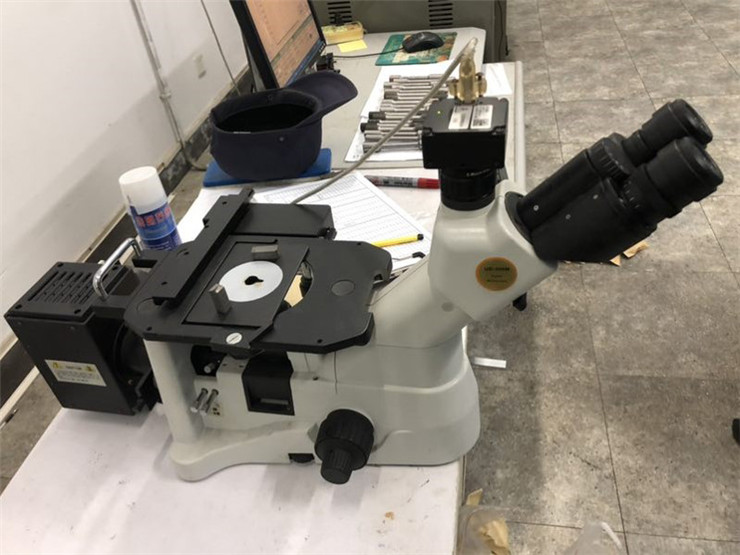
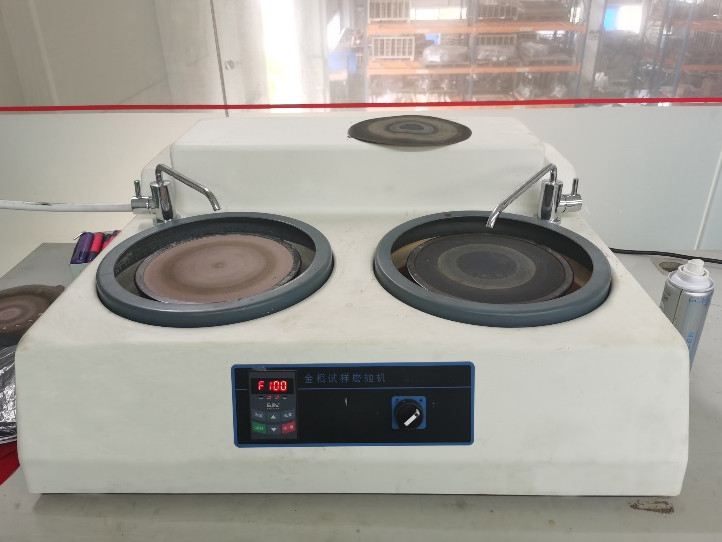
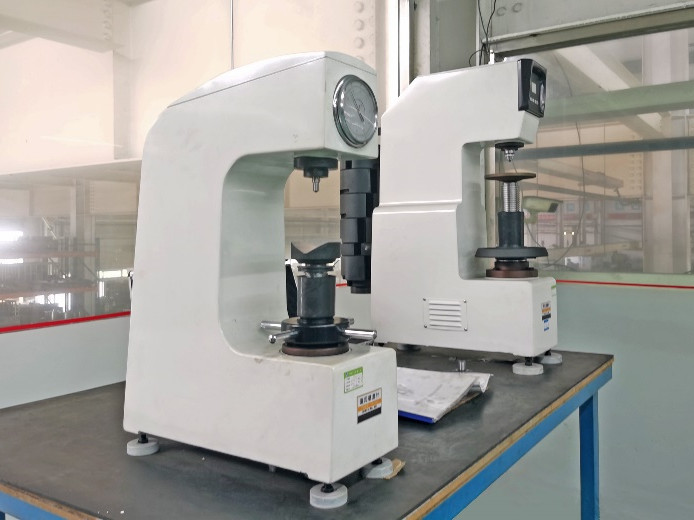
To maintain our high reliability standard, Stard Automation has positioned full-time QC inspectors at every stage of the manufacturing process—from incoming material inspection (IQC) to in-process quality control (IPQC) and final product validation (FQC).
We perform torque verification, pneumatic seal tests, and high-cycle stress testing to ensure every double acting actuator that leaves our factory performs exactly to specification in the field.
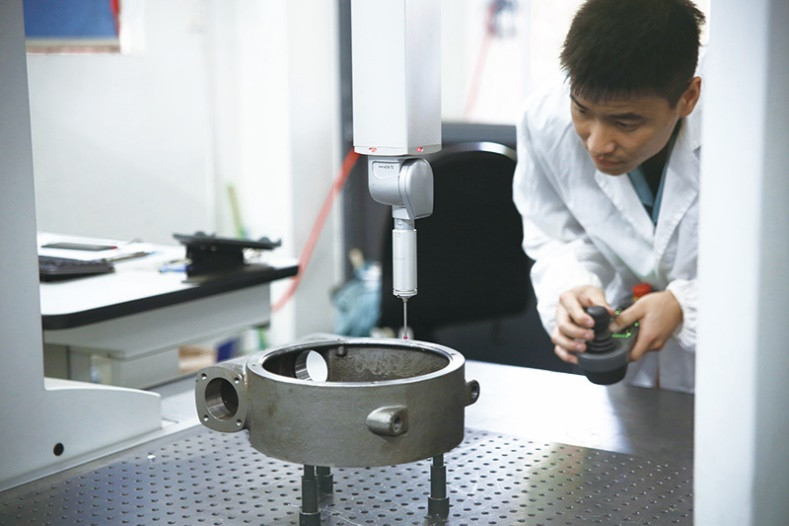
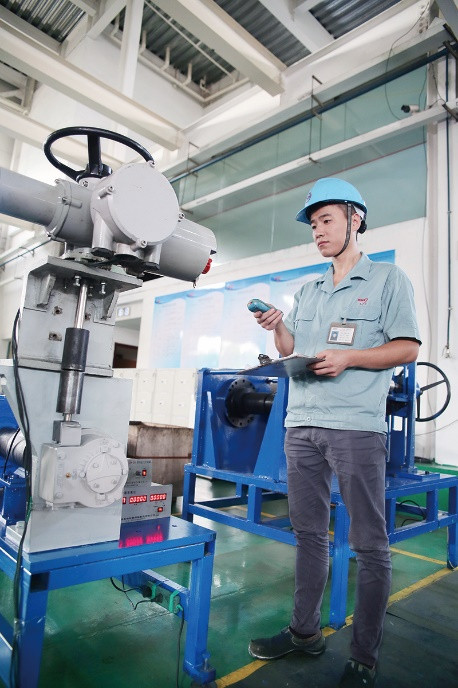
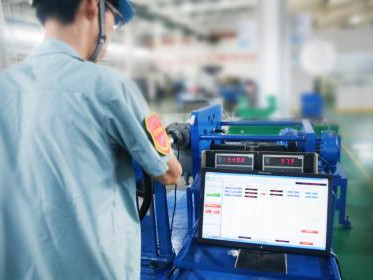
Utilizing high-end torque testing and lifecycle testing rigs to guarantee performance.
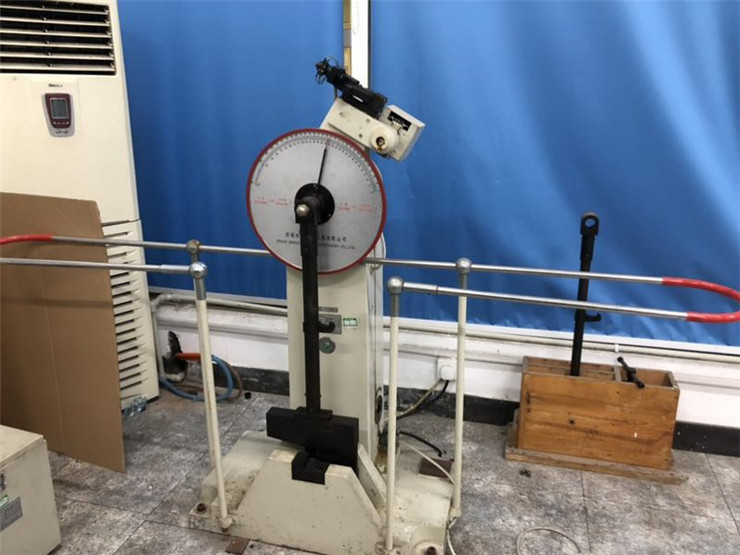
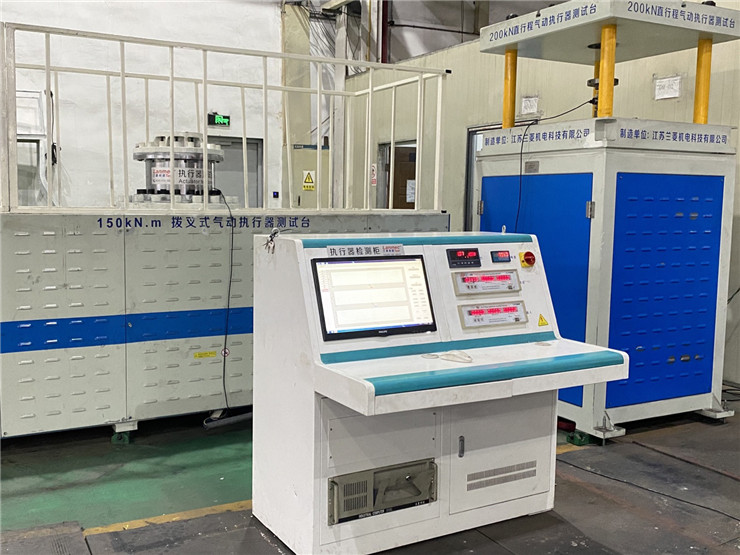
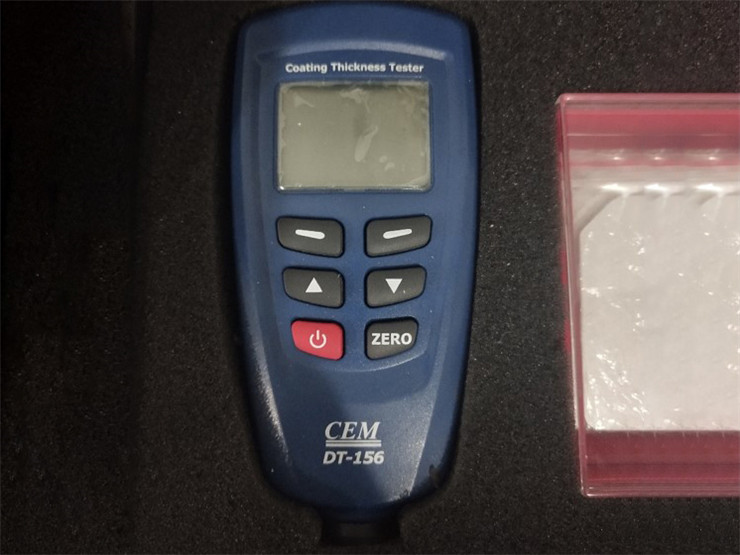
Our facility houses specialized calibration equipment, including automated torque test benches and pressure decay leak detectors.
By simulating actual load and media pressures under extreme temperatures, we verify that seals and mechanical interfaces perform within specifications over long service periods.
Bridging local production capabilities with international compliance requirements.
Our components comply with CE, ISO 9001, and SIL 3 safety integrity requirements. This ensures our actuators can be seamlessly integrated into chemical processes and petrochemical projects.
From cryogenic gas pipelines to high-temperature refining networks, our engineering team designs customized mounting kits, NAMUR solenoid interfaces, and override options configured to match regional specifications.
We work closely with localized distributors and service centers across North America, Europe, and Asia-Pacific. This ensures our clients receive timely engineering support, commissioning help, and spare parts delivery.
Adapting double acting actuator technologies to meet emerging industrial requirements.
Modern plants are adopting real-time diagnostic systems. Future double acting pneumatic configurations will utilize smart positioners with integrated pressure sensors to predict actuator seal wear and cycle decay.
By optimizing internal port geometries, we design newer actuator generations that consume less compressed air per cycle, significantly reducing overall plant energy costs.
As offshore gas production and seawater desalination expand, there is a growing demand for advanced surface treatments. We offer hard anodized bodies, PTFE coatings, and epoxy-polyurethane finishes to resist aggressive chemical environments.
Addressing the technical specifications, sizing variables, and installation practices for double acting actuators.
Browse our catalog of scotch yoke actuators, underground pipe valve gearboxes, linear pneumatic pistons, and manual overrides.