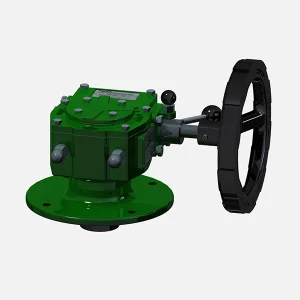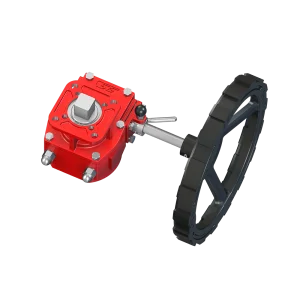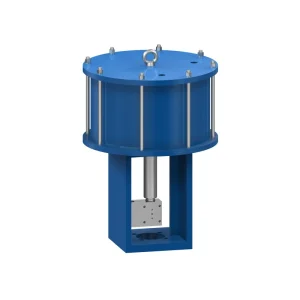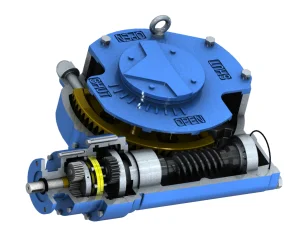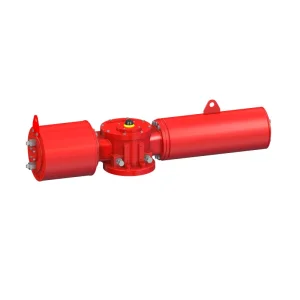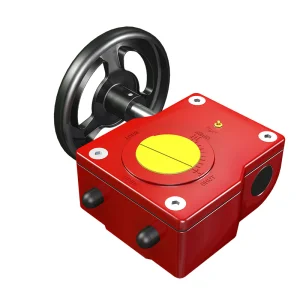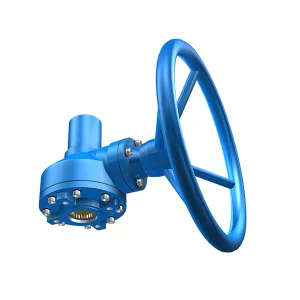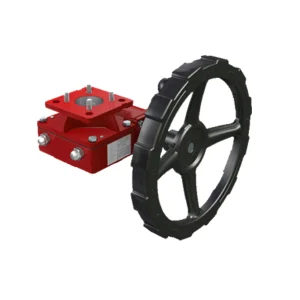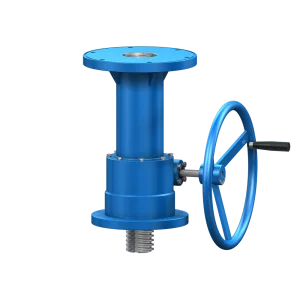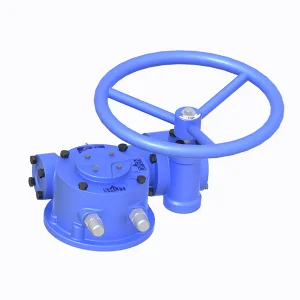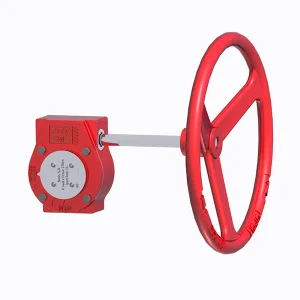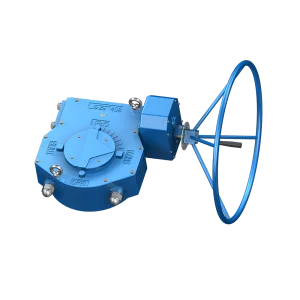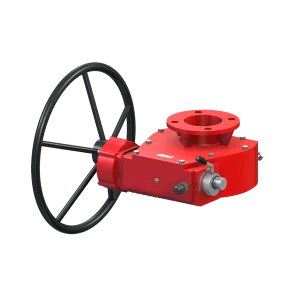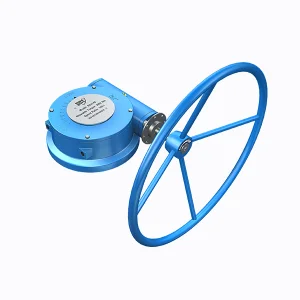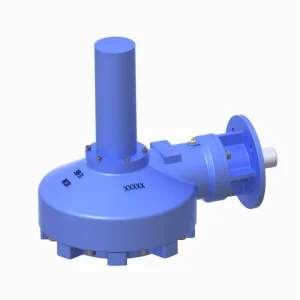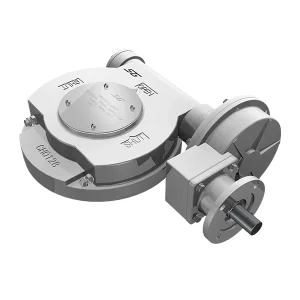
In modern industrial process engineering, the integrity of valve actuation mechanisms determines the safety, reliability, and throughput of high-pressure fluid loops. Providing robust torque conversion and seamless declutchable overrides, our premium range of manual and automated gearboxes delivers dependable field performance compatible with global Flowserve valve standards.
Analyzing flow control architectures in modern plants and the role of high-integrity heavy-duty gearboxes
In high-pressure piping networks, industrial valves require reliable actuation interfaces to control toxic, corrosive, or high-temperature media. While primary actuators (pneumatic, hydraulic, or electric) drive normal process operations, mechanical gearboxes serve as critical manual overrides and torque multipliers. Suppliers offering Flowserve-compatible valve gearboxes play a critical role in providing emergency override functionality to ensure safe plant shutdowns.
Globally, the oil & gas, chemical processing, nuclear power, and water purification sectors demand gearboxes that resist harsh environmental conditions. The market has shifted toward robust construction materials, specialized paint finishes for offshore installations, and precision gear design to minimize backlash and wear. Modern systems prioritize high output torque, ease of handwheel rotation, and reliable declutch mechanisms, ensuring that manual intervention remains a safe and predictable safeguard during power losses.
Features optimized planetary gear trains and high-efficiency bevel gears. These configurations yield high torque outputs with lower input effort, reducing operator fatigue during emergency operations.
Designed with standard ISO 5211 mounting flanges. This interface simplifies mounting onto standard quarter-turn or multi-turn valves, ensuring compatibility with Flowserve and other global brands.
Incorporates specialized seals and high-grade external coatings. These protect moving components against seawater spray, chemical washdowns, and underground moisture in buried pipelines.
A global provider specializing in valve control technology, integrating advanced manufacturing and optimized logistics
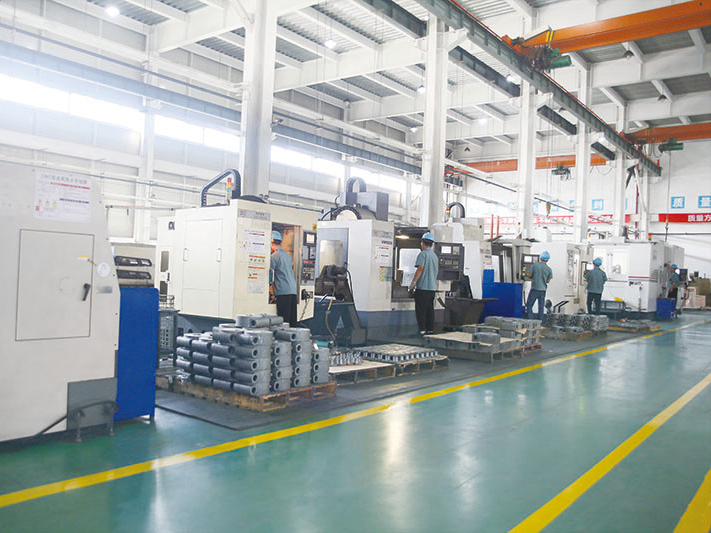
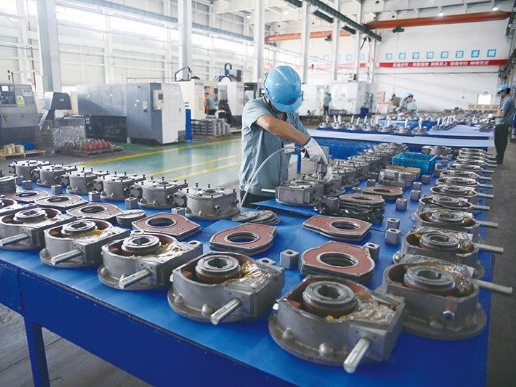
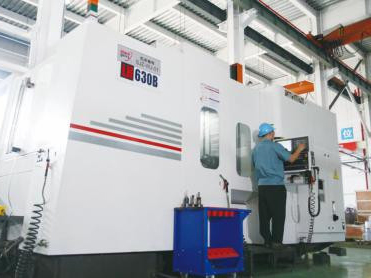
Founded in 1999 and located in the Suzhou Industrial Park, the Stard-Gears manufacturing facility covers 8,900 m² of modern production floor along with 2,500 m² of dedicated engineering office space. With annual sales reaching $7,000,000 to $9,000,000 and demonstrating a 10%-20% yearly growth trajectory, Stard-Gears has developed into a reliable manufacturing node for critical industrial valves and control technology.
Our location in China's Yangtze River Delta provides access to a highly integrated supply chain. This geographic proximity simplifies the procurement of high-grade raw castings, precision machining equipment, and premium internal components. By maintaining local supplier partnerships, we reduce logistics turnaround times and ensure consistent quality, allowing us to offer prompt deliveries to global projects.
With over 25 years of engineering experience, Stard-Gears offers 9 primary product series containing approximately 80 variations of gear operators. Our products are exported to demanding markets worldwide, including the United States, Italy, Germany, Mexico, Singapore, and Japan.
Customizing gearbox architectures to withstand specific plant challenges, climate regions, and chemical exposures
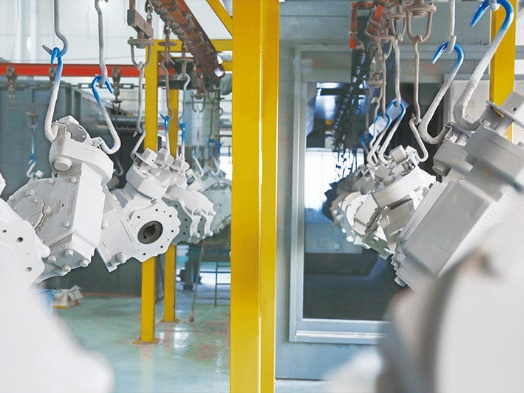
In refining complexes, gear operators encounter airborne acids, hydrocarbons, and elevated temperatures. Stard-Gears utilizes ductile iron housings and specialized polyurethane epoxy coatings to protect internal gears against corrosion and extend operational life.
For municipal water mains and natural gas distribution networks, valves are often buried directly underground. Our underground series features IP68 double-sealing systems, oil-filled gear chambers, and extended stems to ensure manual operation remains possible after years of soil exposure.
High salinity and salt spray speed up the deterioration of standard metal gearboxes. Stard-Gears designs marine-rated gear enclosures with ASTM-grade stainless steel shafts, bronze worm gears, and high-integrity sealing profiles that prevent saltwater ingress during severe ocean weather.
Verifying structural design virtually to reduce lead times, optimize safety factors, and minimize weight
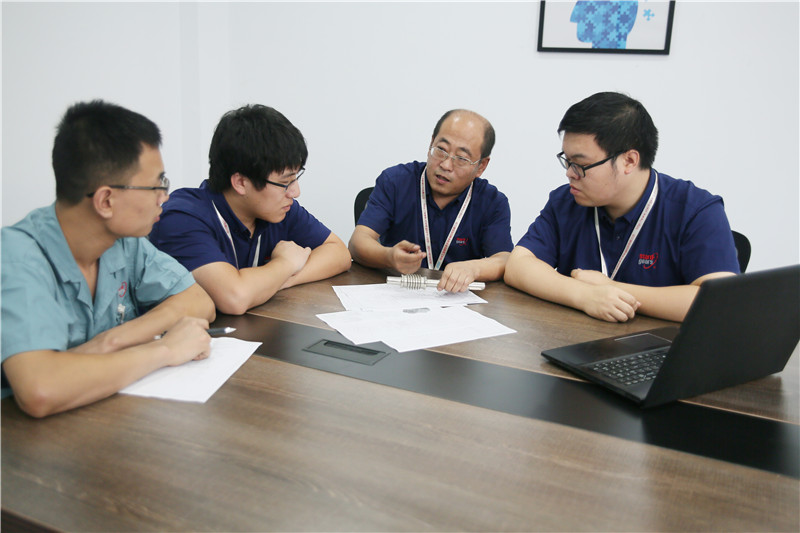
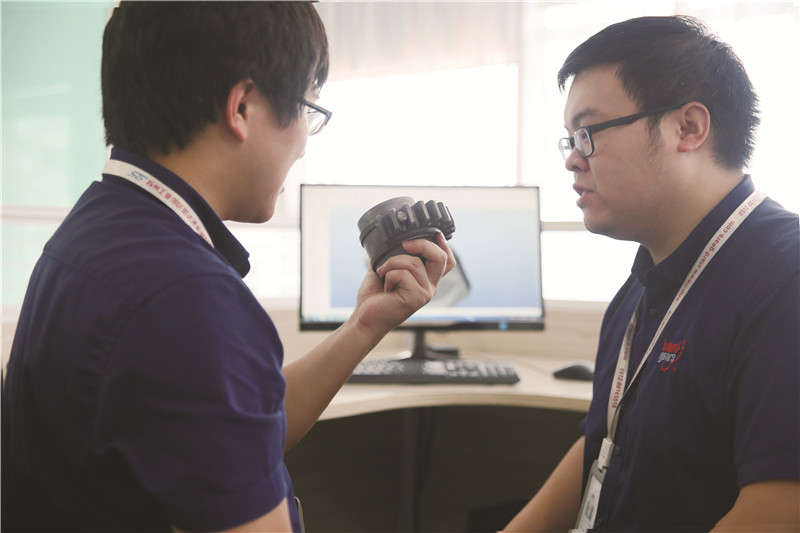
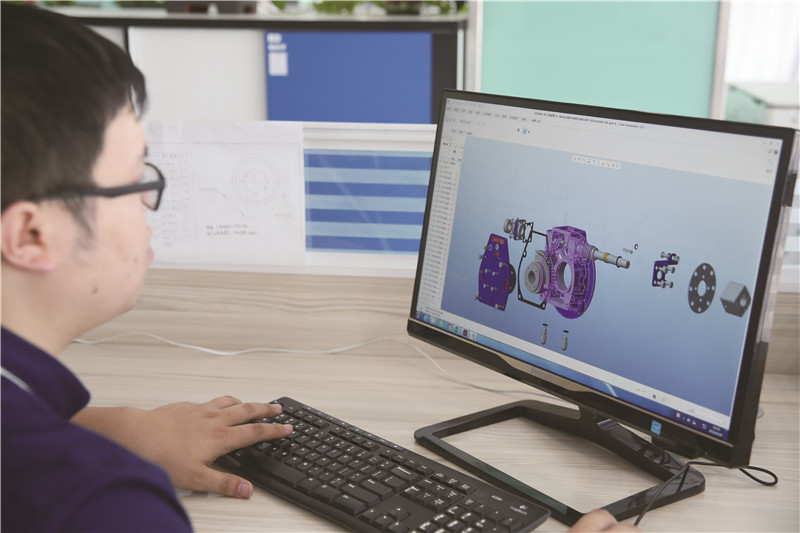
Before launching production runs, Stard-Gears design engineers utilize advanced software suites, including 3D CAD modeling, dynamic motion simulation, and finite element stress analysis. This simulation pipeline verifies safety margins under high-torque scenarios, helps optimize internal gear geometry to reduce weight, and ensures housing walls can withstand high shock loads during quick-closing operations.
By simulating performance virtually, our engineers can identify potential stress concentrations and tooth wear points early in the design cycle. This predictive design process shortens development schedules, reduces material waste, and delivers verified physical gearboxes capable of reliable long-term service.
How the choice of housing alloys, worm shafts, and bronze gears influences field reliability
The reliability of a valve gearbox depends heavily on its raw materials. For heavy-duty industrial configurations, Ductile Iron (GGG40/50 or ASTM A536) is used for the gear housings. Ductile iron offers excellent tensile strength and impact resistance, allowing it to withstand high pressure spikes without cracking.
For applications where weight is a critical design constraint, such as chemical dosing skids or elevated valve banks, Aluminium Alloy (Al-Si-Mg formulation) provides a lightweight, corrosion-resistant option. Internal gears feature carburized carbon steel worm shafts and high-wear-resistant copper alloys, minimizing gear-wear and preventing galling even under continuous manual cycles.
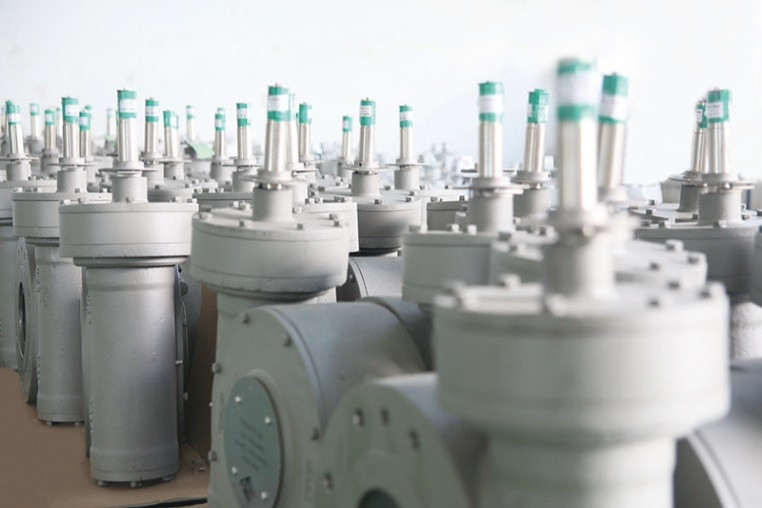
Ensuring 100% component compliance and torque-safety margins before leaving our facility
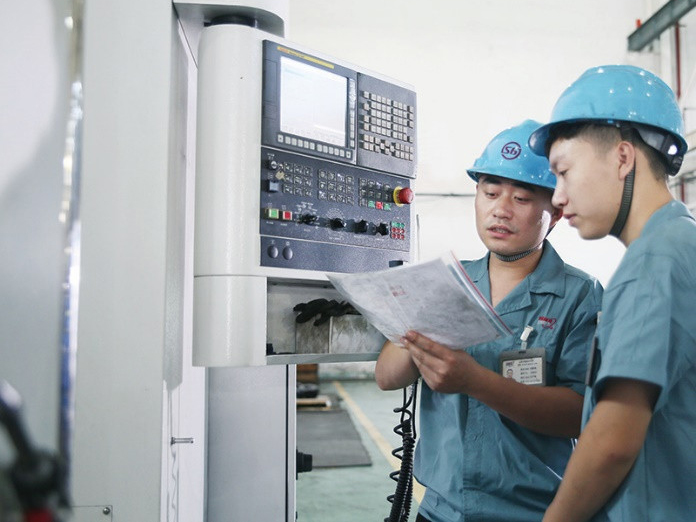
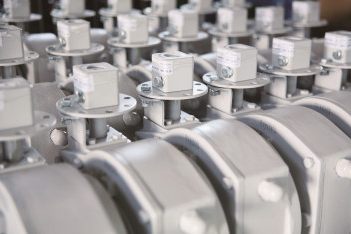
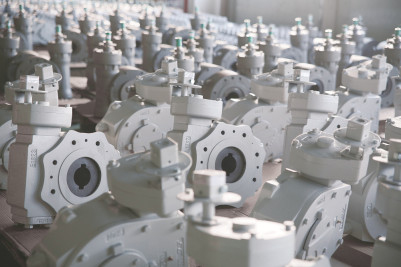
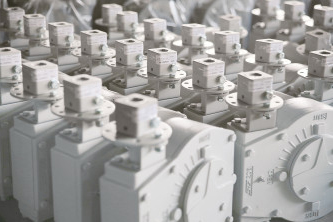
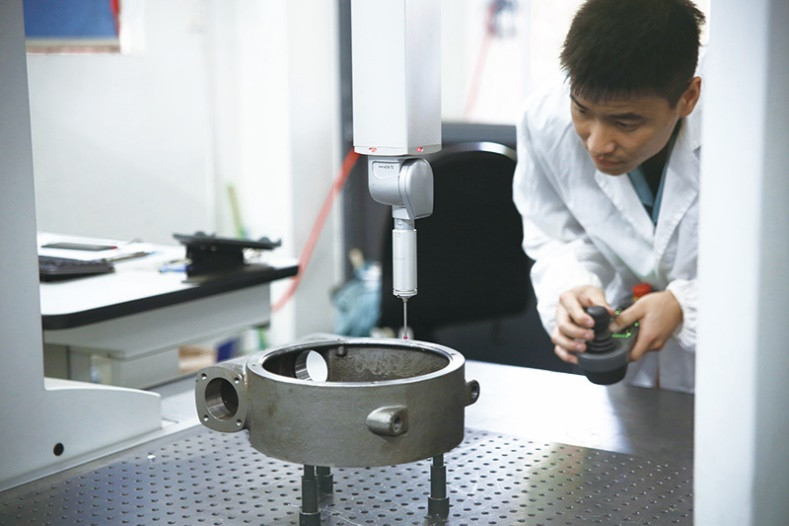
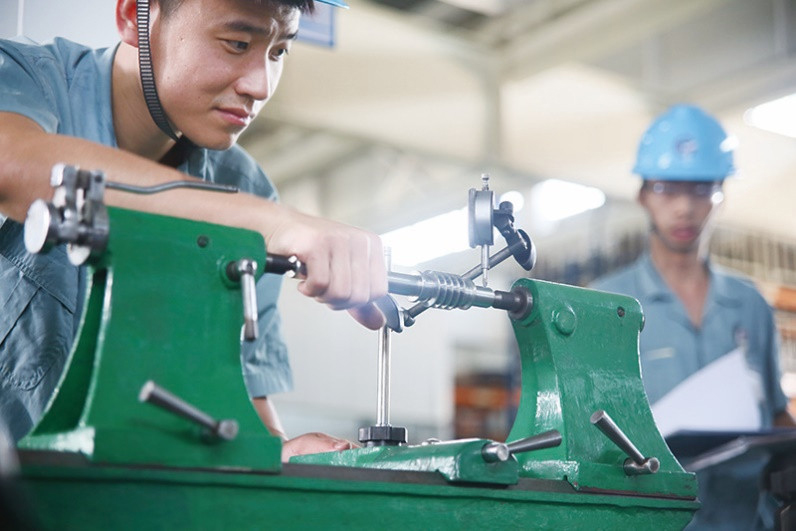
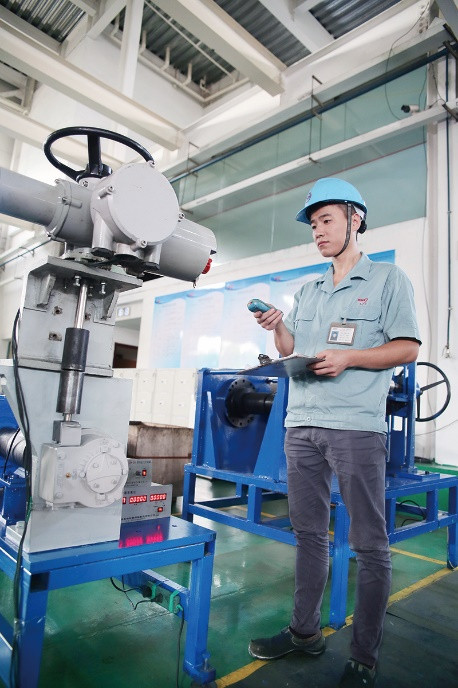
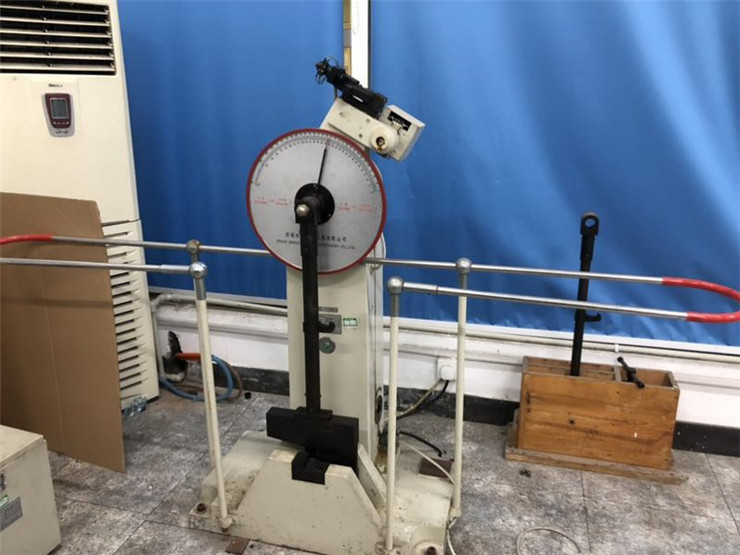
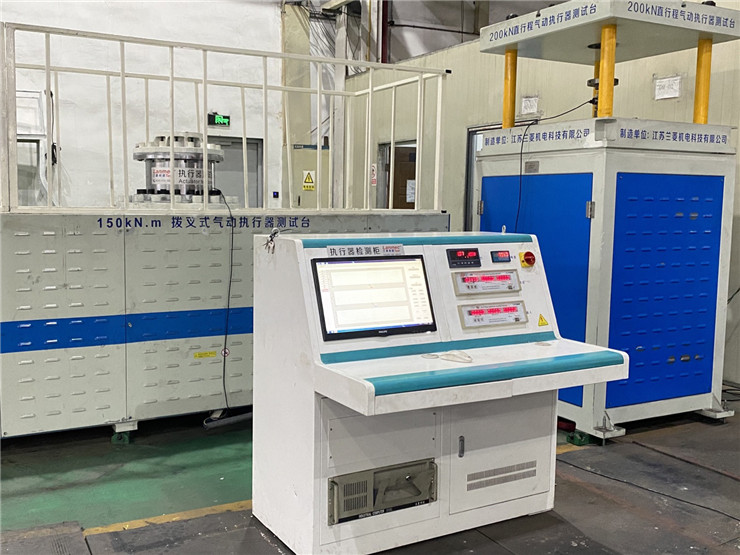
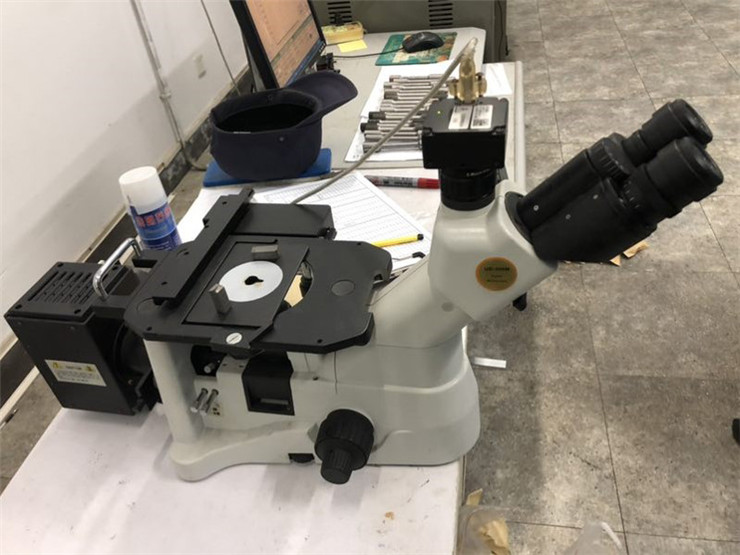
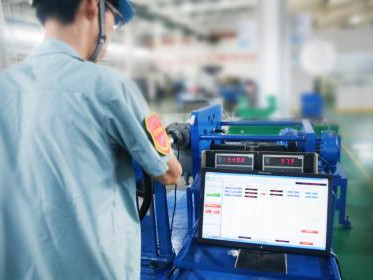
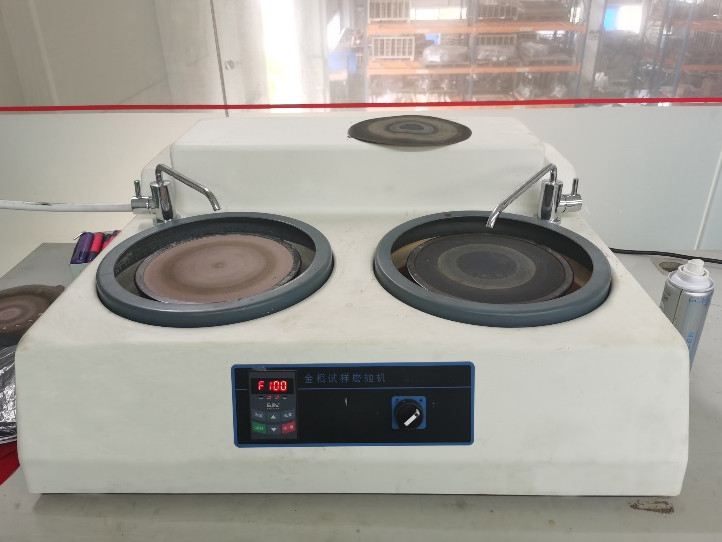
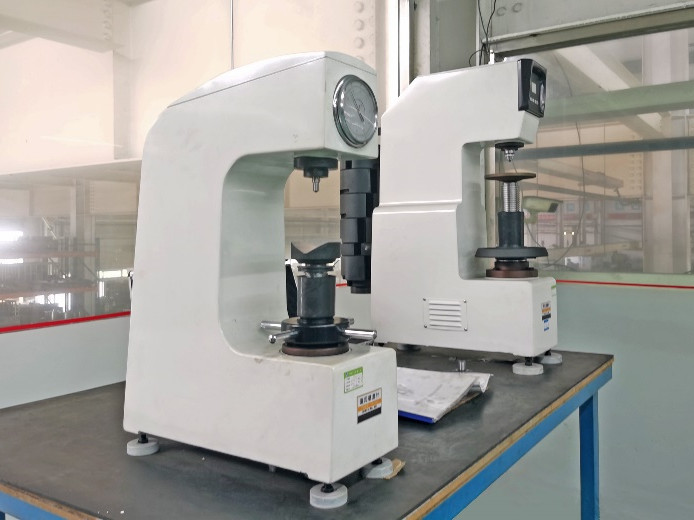
Stard Automation employs full-time quality control inspectors at every stage of the manufacturing process. From checking chemical compositions of raw castings to inspecting final machining dimensions, our QC team ensures that all components conform to product drawings. Every gearbox undergoes functional checks, and safety margins are verified using calibrated torque and cycle testing rigs.
Our ISO 9001 quality system ensures full traceability for all raw materials, heat treatments, and component dimensions. This systematic testing program ensures that each gearbox shipped meets global industry standards for reliability and durability.
Designing the next generation of industrial manual overrides and smart valve gearboxes
Integrating high-strength alloys and advanced composite inserts to reduce weight while maintaining high structural strength, helping to minimize stress on large pipe flanges.
Applying digital twin systems in engineering design to simulate wear over thousands of operational cycles, allowing us to refine housing internal profiles for smoother manual operation.
Developing gearboxes with integrated digital pressure and position sensors. These sensors track operational torque patterns in real time, helping plant maintenance teams schedule service before mechanical issues arise.
Ensuring compliance with international standards and providing dependable customer support
All Stard-Gears valve gearboxes are manufactured in compliance with international engineering standards, including CE Certification, ISO 9001, and standard ISO 5211 connection dimensions. We supply comprehensive documentation package with each shipment, including material test reports, dimensional inspection certificates, and performance test logs.
Our global logistics department coordinates shipping routes to ensure prompt deliveries to major industrial ports and project locations worldwide. Additionally, our application engineering team is available to assist you with technical specifications, drawings, flange dimension matches, and installation support.
Answers to common questions about selecting, mounting, and maintaining valve gearboxes
Explore our range of CE-certified manual overrides, scotch yoke actuators, and cast steel bevel gear operators