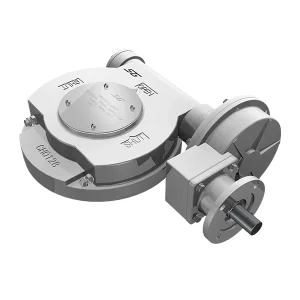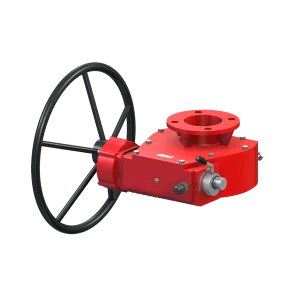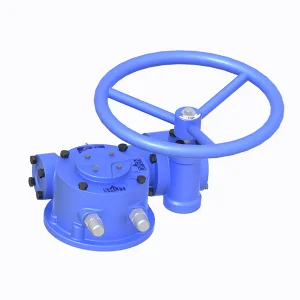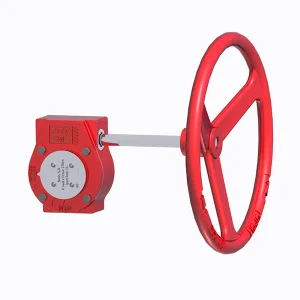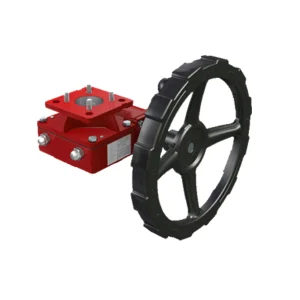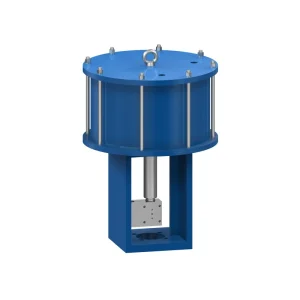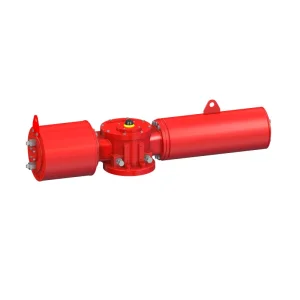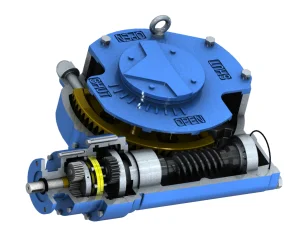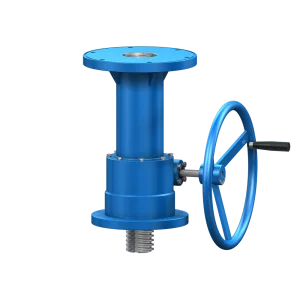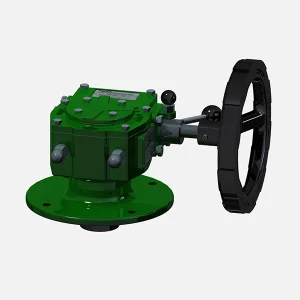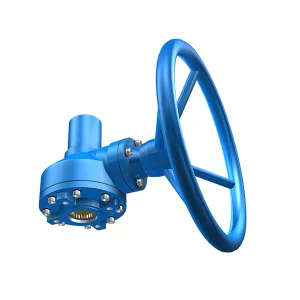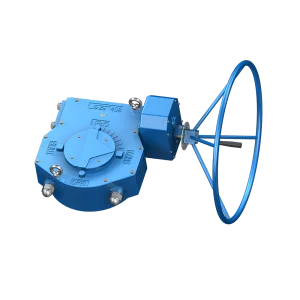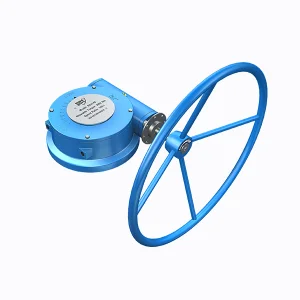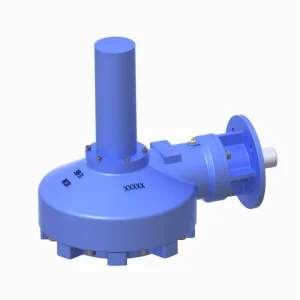
Explore our top-tier manual override solutions, heavy-duty pneumatic actuators, and multi-turn cast steel gear operators designed for maximum torque output and reliable shut-off operations.
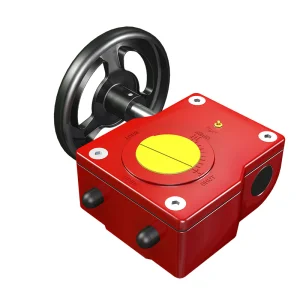
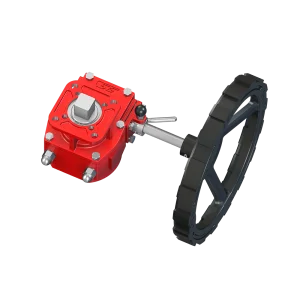
High-performance industrial infrastructure demands safety, longevity, and mechanical advantages. Gate valves, which control high-flow, high-pressure pipelines, rely heavily on gear operators to deliver the mechanical mechanical leverage required to overcome fluid pressures.
The modern industrial flow control landscape requires robust multi-turn gear solutions to operate large-diameter gate valves in utility systems, petroleum transit pipelines, and energy-generation circuits. As environmental regulations and process safety protocols tighten globally, the demand for precision-engineered, fail-safe valve actuators has spiked. High-quality gate valve gear operators provide the critical link between operators (manual or automated) and the valve stem, translating simple rotational force into immense linear thrust.
Furthermore, manual overrides and declutchable gearboxes are vital safety nets in automated facilities. When power failures occur, the manual handwheel gear operator becomes the last line of defense to prevent catastrophic pressure builds or leaks, making gear operator reliability a parameter of absolute process safety rather than mere convenience.
Standard gate valves often experience stem binding under high differential pressures. Modern bevel gear designs address this by deploying axial thrust bearings and high-precision spiral bevel gears. Our products are engineered to optimize gear reduction ratios, allowing an operator to effortlessly cycle valves that face hundreds of bars of process pressure, effectively lowering operational risks and plant downtime.
At Stard-gears, our design philosophy revolves around high mechanical safety margins, materials durability, and computer-aided optimization.
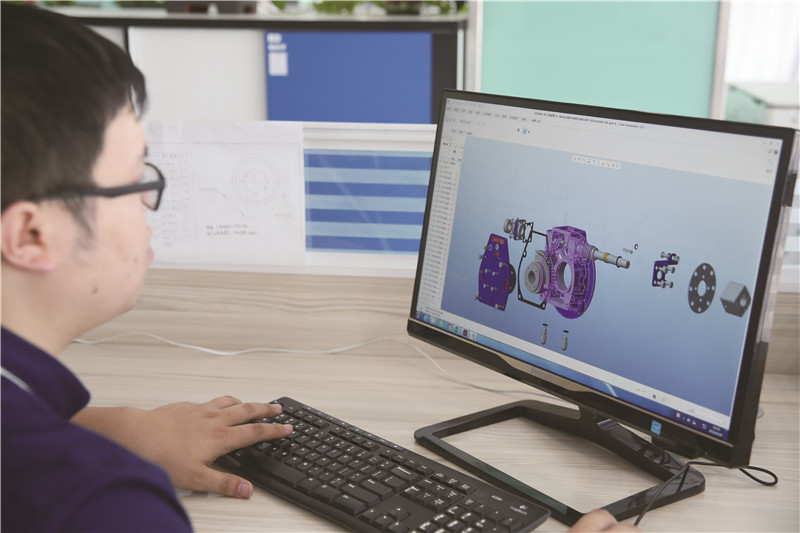
Before any gear operator transitions to the casting stage, it undergoes rigorous digital validation. Through 3D simulation, dynamic motion simulation, and Finite Element Analysis (FEA), our engineering teams verify the physical integrity of gear teeth, housings, and thrust collars under peak overload conditions.
This process significantly shortens the design and development cycle of new customized models, ensuring the safety of final products, and minimizing prototype manufacturing costs. By simulating high-torque stress profiles, we identify potential failure points beforehand, adjusting wall thicknesses and gear tooth profiles to guarantee a long service life.
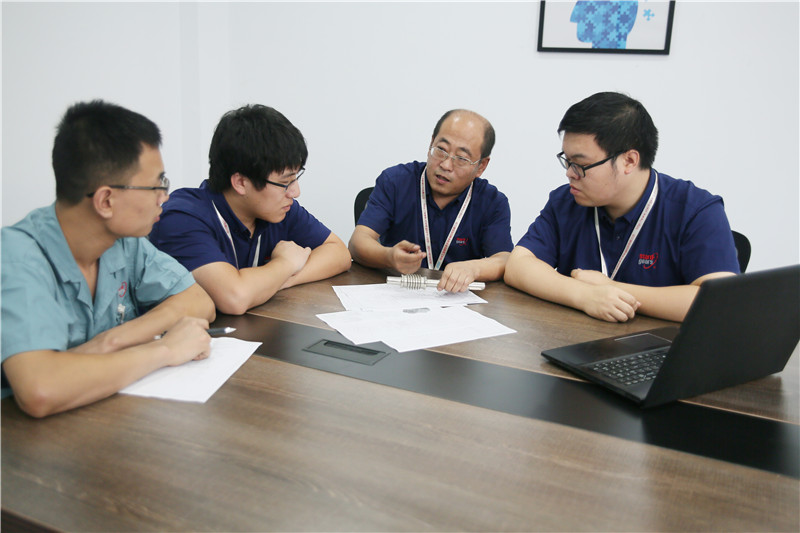
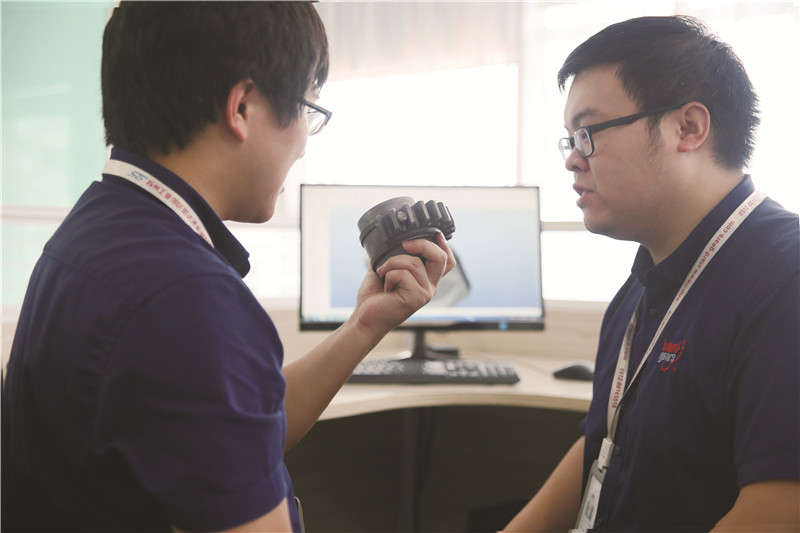
Our design process is structured systematically to facilitate transparent engineering collaboration. Review our core design development flow stages below:
Standard IP67 configurations, with upgrade options to IP68 for continuous underwater submersion or buried service. Dual O-ring sealing prevents grease leakages and moisture ingress.
Utilizing premium tapered roller bearings or needle bearings to handle massive axial thrust loads under high valve opening pressures, extending gearbox wear life.
Finished with high-durability epoxy-polyester coatings, polyurethane finishes, or specialty marine topcoats to resist atmospheric moisture, chemical fumes, and salt spray.
Located in the Suzhou Industrial Park, Stard-gears harnesses the unmatched industrial synergy of the Yangtze River Delta.
Our strategic presence in Suzhou Industrial Park provides direct access to one of the world's most dense and mature precision manufacturing hubs. The Yangtze River Delta region features a complete, highly integrated supply chain that spans high-integrity casting foundries, automated heat treatment plants, specialty surface treatment facilities, and advanced logistics hubs.
This ecosystem guarantees that our casting access, machining capabilities, and raw steel procurement remain insulated from global market volatility. Because we source key components within a tight geographic radius, we bypass long supply delays and pass the resulting cost advantages directly to our international clients.
To control order tracking, we operate a fully integrated Enterprise Resource Planning (ERP) management system. Every order—from initial material procurement to rough machining, teeth hobbing, assembly, and pressure testing—is tracked in real time. This digital management system optimizes workflows, reduces production downtime, and ensures reliable lead times for overseas distributors.
Our production floor is optimized for repeatability, precision, and high safety standards. Our machining center features multi-axis CNC machines and automated test rigs designed for high-throughput assembly.
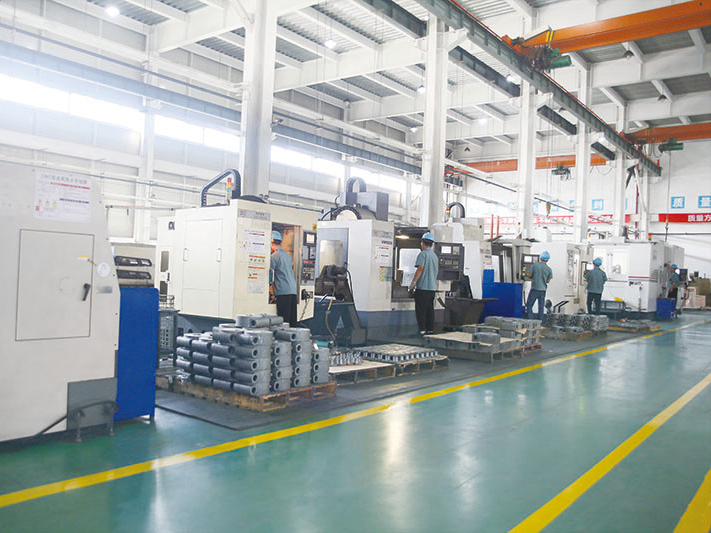
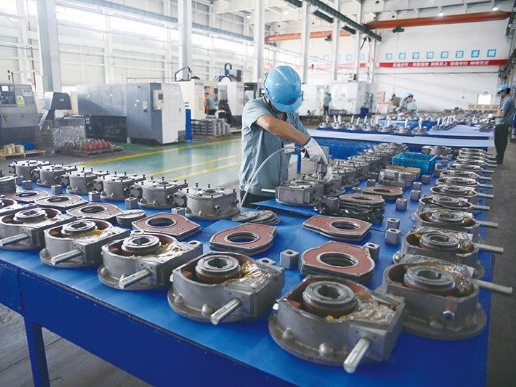
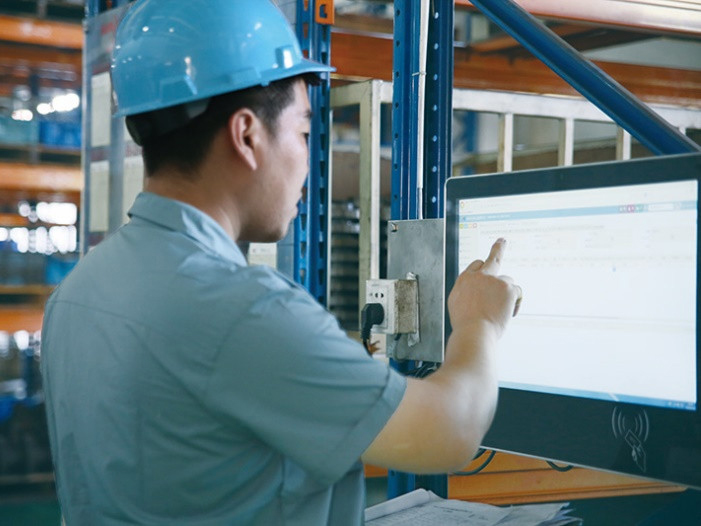
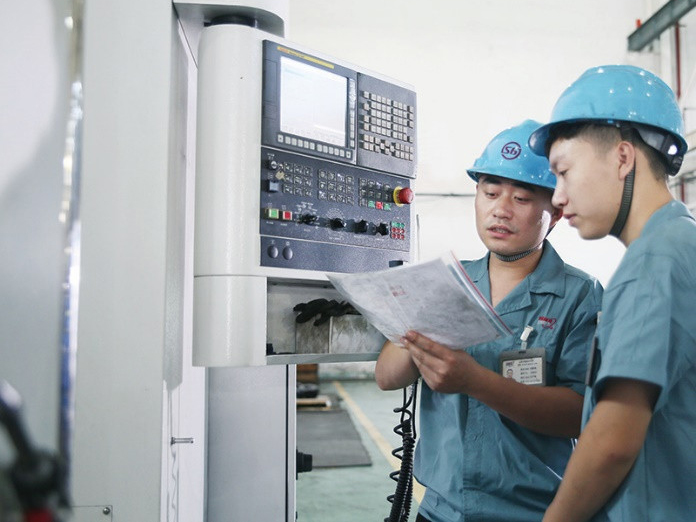
The annual output value of our modern Suzhou plant reaches $9,000,000. Through lean manufacturing paradigms, we continuously minimize material waste and energy consumption. Our production teams run on flexible work schedules, enabling us to scale up output during peak project demand cycles without sacrificing technical compliance.
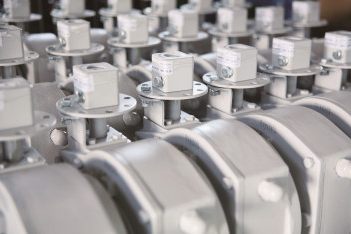
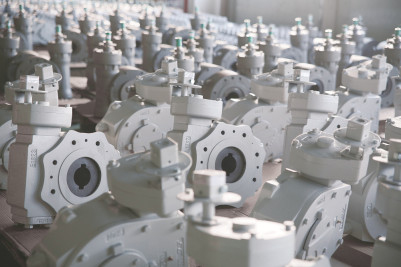
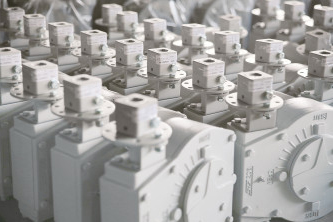
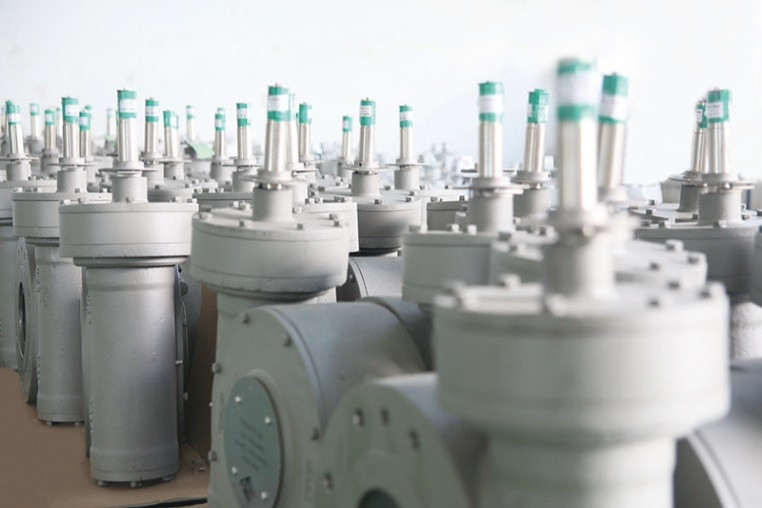
Different environments impose distinct stress vectors on valve gear operators. We customize our designs to match the unique mechanical, environmental, and chemical demands of each localized application.
In underground pipelines and water treatment facilities, gear operators frequently operate in high-humidity or flooded vaults. Our underground pipe valve gearboxes feature specialized IP68 watertight enclosures, stainless steel stems, and packed grease chambers to prevent moisture-induced corrosion over decades of subterranean service.
High-pressure natural gas and crude transit lines demand explosion-proof operations and robust emergency bypass systems. Stard-gears manual overrides and heavy bevel gearboxes provide dependable manual control during power grid outages or remote control module failures on mainline valves.
Corrosive chemical exposures require specialty housing materials. We offer AISI 316 stainless steel components, ductile iron housings, and high-performance fluoroelastomer seals to withstand acids, solvents, and cleaning chemicals, ensuring the internal gearing remains protected.
To achieve 100% compliance on every shipment, Stard Automation enforces full-time QC checkpoints throughout the manufacturing lifecycle.
Quality at Stard-gears is not a final check; it is integrated into every phase of production. We maintain an ISO 9001 certified quality management system. Dedicated Quality Control (QC) personnel are stationed at each stage, from inspecting incoming raw materials (raw castings, bearings, and drive sleeves) to monitoring in-process machining dimensions, and performing final torque verification tests.
Every gear operator is tracked via manufacturing logs, ensuring traceability. We perform non-destructive testing (NDT), dye-penetrant testing for cast structures, and high-precision torque-limit calibrations, verifying that every operator meets its rated design capacity before dispatch.
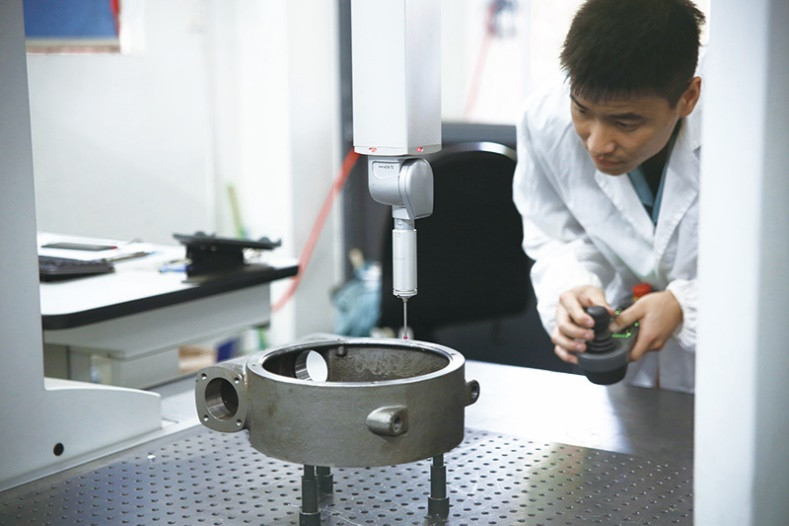
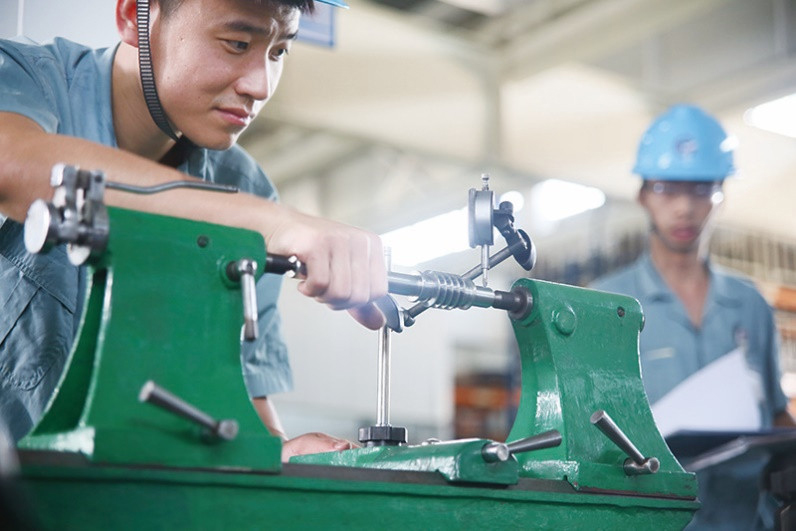
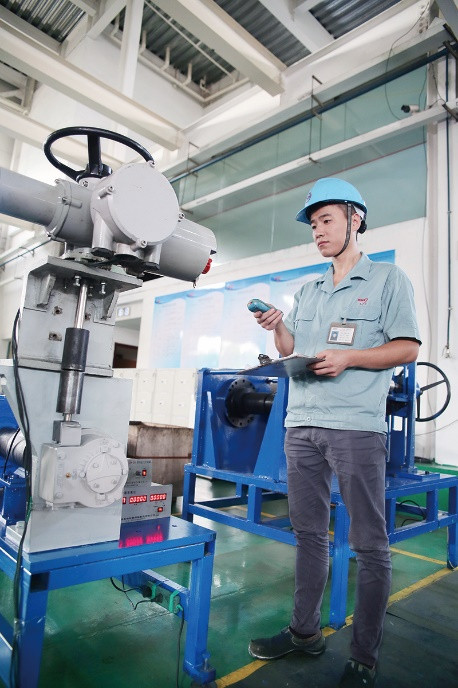
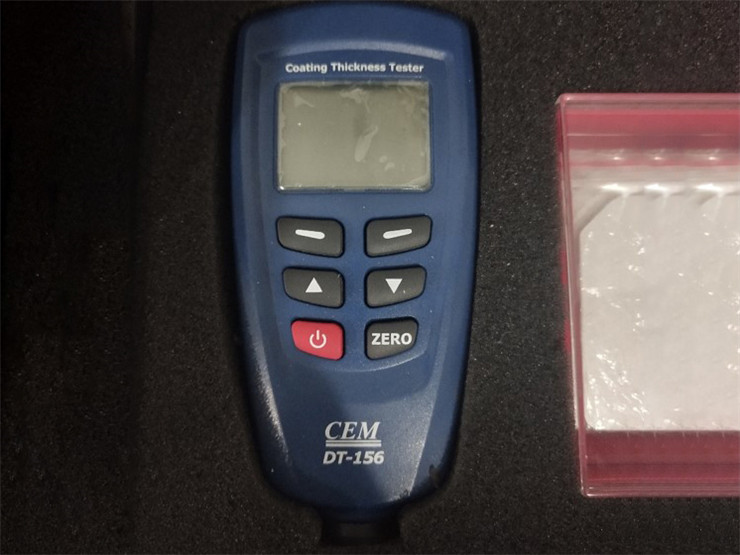
Stard Automation maintains an array of precision testing equipment, allowing us to perform critical mechanical evaluations including breakdown torque limits, continuous run wear tracking, and environmental sealing performance tests under real-world simulations.
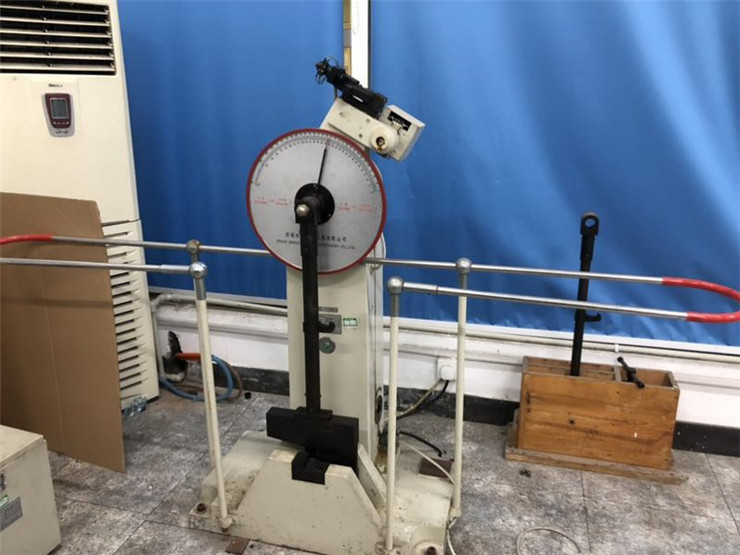
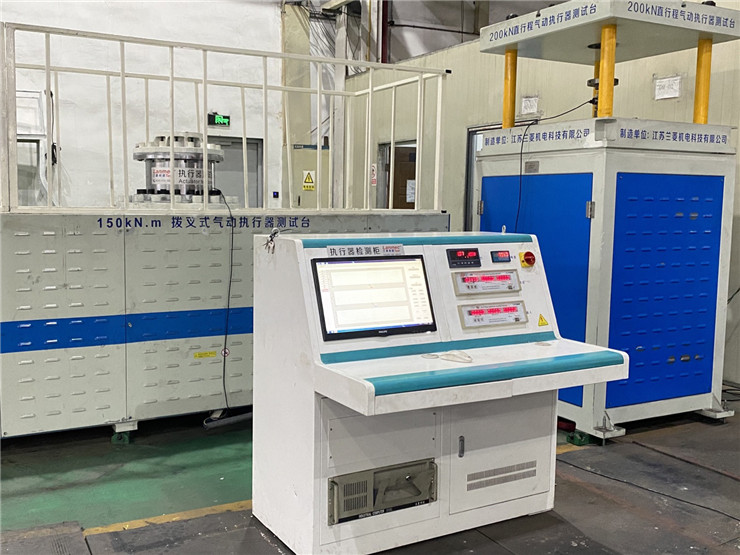
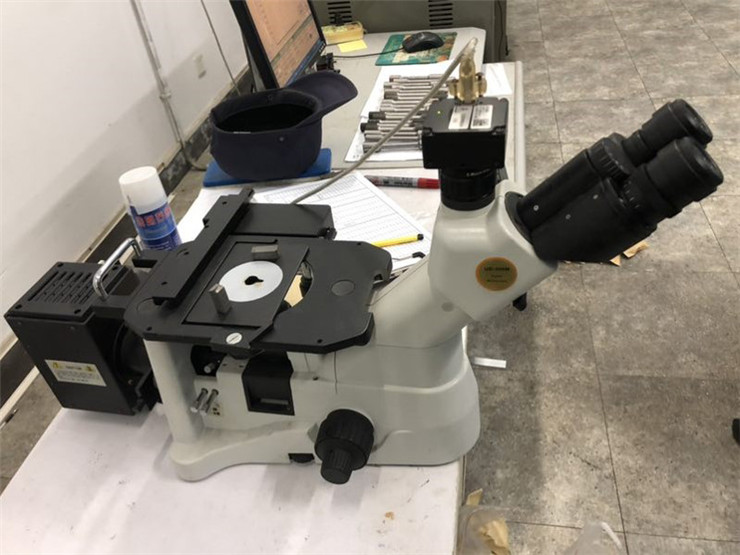
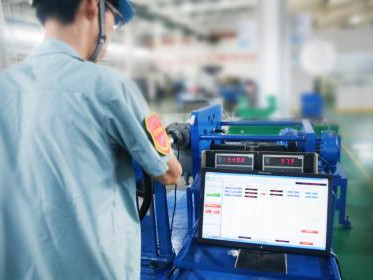
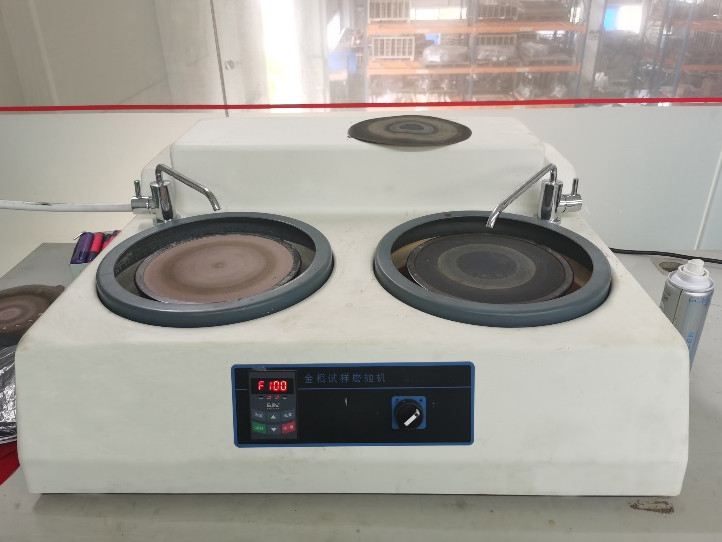
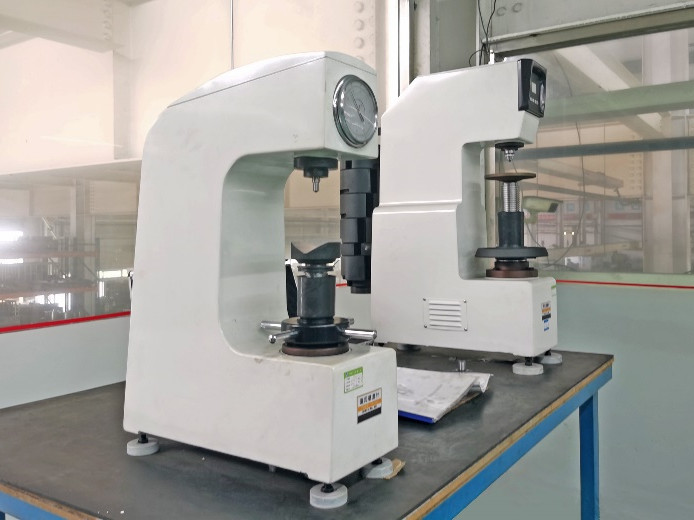
Connecting global engineering standards with local technical support to ensure compliance and seamless integration.
Our valve gearboxes and actuators carry full CE certification. We design and test to international manufacturing standards, including ISO 5210/5211 mounting patterns, API 600 gate valve specifications, and AWWA standards for municipal water utilities.
To support international EPC contractors and plant owners, we provide engineering documentation, CAD models, wiring schemes for electric-gear systems, and torque sizing calculations. This technical support ensures smooth procurement and commissioning.
As plant automation evolves, we are integrating smart sensors into our manual gearboxes to track real-time travel limits, wear indicators, and operating torque. This step aims to support predictive maintenance programs in future flow control systems.
Get professional technical insights regarding installation, selection criteria, maintenance, and custom configurations for valve operators.
Bevel gear operators feature intersecting shafts (typically at 90 degrees), making them ideal for gate and globe valves where the input handwheel shaft must sit perpendicular to the vertical valve stem. Spur gear operators feature parallel shafts and are used when the input handwheel or actuator is aligned parallel to the valve stem axis. Bevel gears are the standard choice for large-diameter gate valves due to their compact layout and high thrust capacity.
We recommend applying a safety factor of at least 20% to 30% above the valve's maximum calculated operating torque. This margin accounts for fluctuations in line pressure, fluid viscosity changes, particulate buildup, and packing friction over time. For valves in critical service or high-temperature lines, a safety margin of 40% to 50% may be advisable.
Buried service operators require IP68 sealing to prevent groundwater infiltration, specialized high-grade grease lubrication rated for soil temperatures, and a robust extension stem arrangement. They are operated using a standard 2-inch square nut instead of a handwheel, allowing T-wrench access from street level. A heavy-duty epoxy coating is also essential to resist soil chemical corrosion.
A declutchable gearbox acts as a manual override between the valve and its primary pneumatic or hydraulic actuator. During normal operations, the gearbox is declutched, allowing the actuator to turn the valve stem freely. If control air or electrical power is lost, the operator manually engages the internal gear via a lever, locking the handwheel into the drive train to cycle the valve manually.
We follow the ISO 5210 and ISO 5211 standard interface layouts. These define the bolt circle diameters, step pilots, and keyway or spline configurations of the drive sleeve, ensuring that our gear operators mate directly with standard ISO-compliant valves and electric actuators worldwide.
Complete your system configuration with our specialized underground valve gearboxes, cast steel quarter-turn gearboxes, and electrical bevel operators.