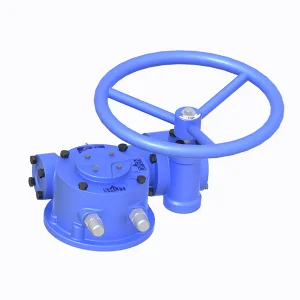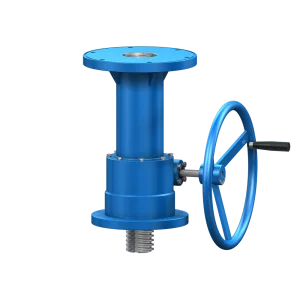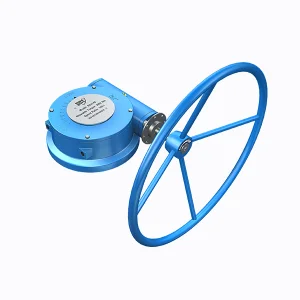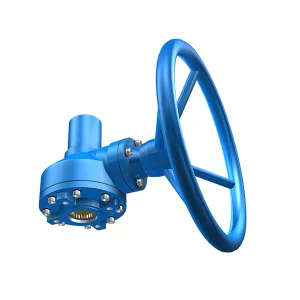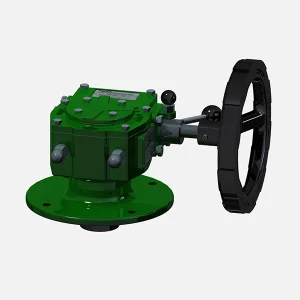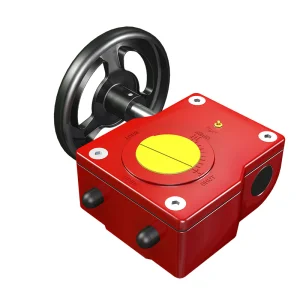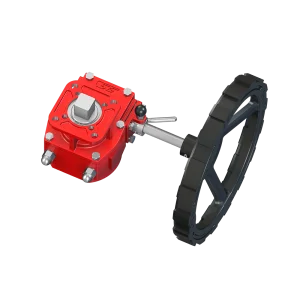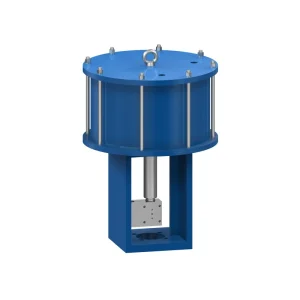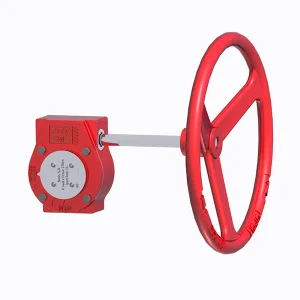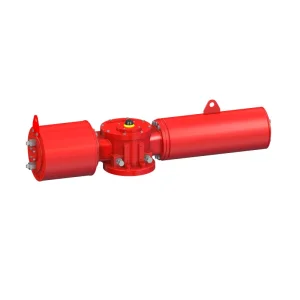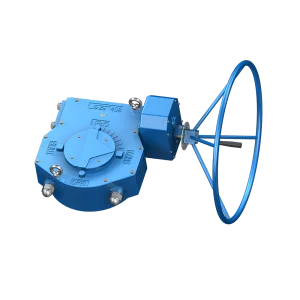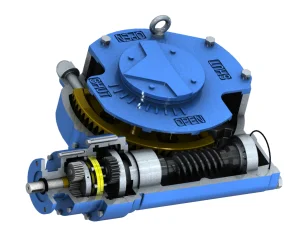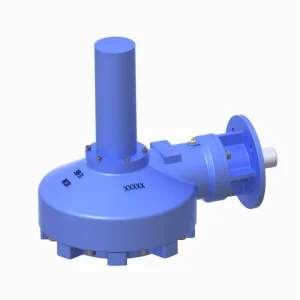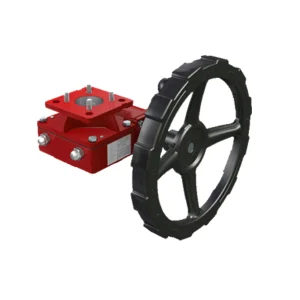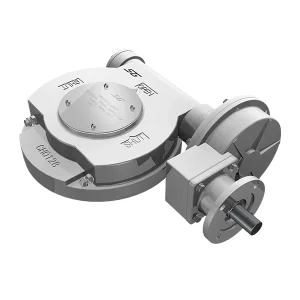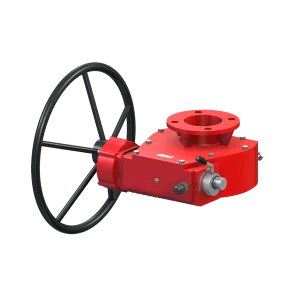
Explore our foundational range of heavy-duty gearboxes, linear actuators, and valve positioners designed for extreme environments.
In high-pressure, large-diameter pipeline systems, flow isolation and throttling demand both precision and power. The gearbox operated butterfly valve stands as a crucial engineering configuration. By pairing a high-efficiency quarter-turn or multi-turn gearbox with a triple or double-offset butterfly valve, operators bypass the limitations of manual leverage. The gearbox converts input rotational handwheel energy into high-torque output, allowing operators to easily and safely actuate large valves under high differential pressures.
Global systems demand components that resist corrosion, endure seismic events, and prevent cavitation. Gearboxes mitigate the risk of water hammer through controlled, gradual manual operation, extending the structural life cycle of both the valve disc and downstream piping systems.
A trusted global supplier of valve control mechanisms, providing engineering precision to critical international projects.
Founded in 1999, Stard-gears has established its production headquarters in the Suzhou Industrial Park, the center of technological and industrial supply chain innovation in the Yangtze River Delta. Spanning a modern production layout of 8,900 square meters and an adjacent engineering and administration office of 2,500 square meters, Stard-gears outputs over 100,000 actuator and gearbox assemblies per year, driving a consistent annual sales performance of $7,000,000 with a sustained year-on-year growth rate of 10% to 20%.
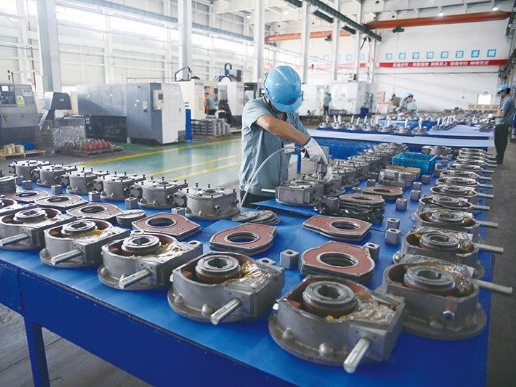
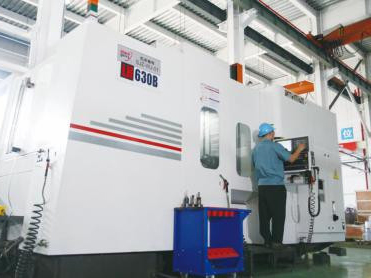
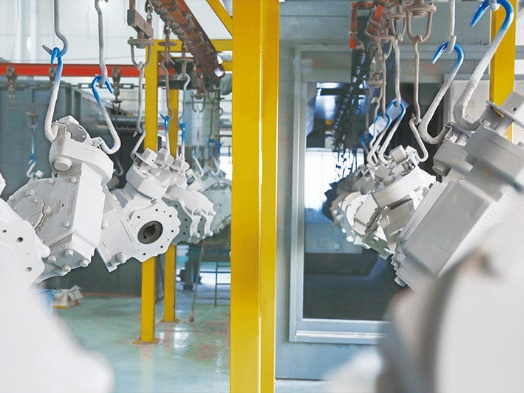
Our ISO9001 certified plant integrates casting procurement, precision CNC machining, and automated assembly. Operating inside Suzhou enables us to source top-tier castings, precision gears, and high-tensile fasteners quickly, helping us meet demanding delivery deadlines without sacrificing build quality.
Exporting to the US, Italy, Germany, Mexico, Singapore, and Japan for over a decade. We configure gearboxes to meet AWWA, ANSI, DIN, and JIS standards.
Providing 9 distinct product series and over 80 variations of quarter-turn, multi-turn, declutchable, and bevel gear operators built for high-performance applications.
Our factories feature full-time QC technicians at every production phase, from initial material inspections to final testing, ensuring reliability in the field.
How our base in the Yangtze River Delta ensures stable raw material access, high-precision machining, and cost-effective manufacturing.
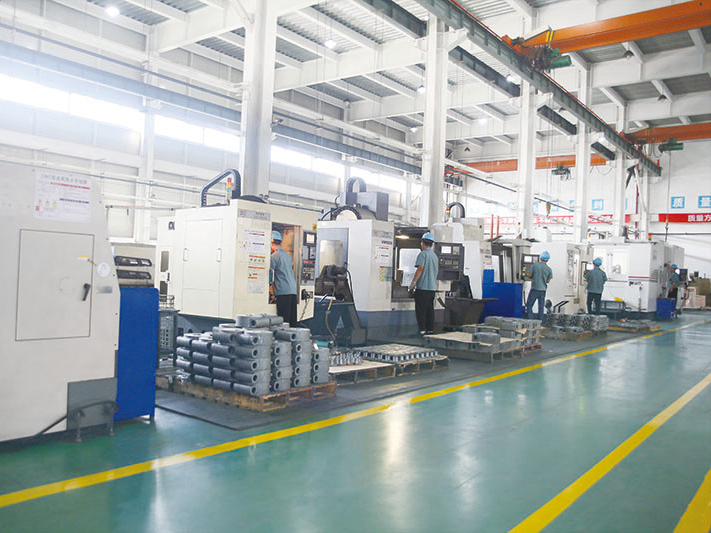
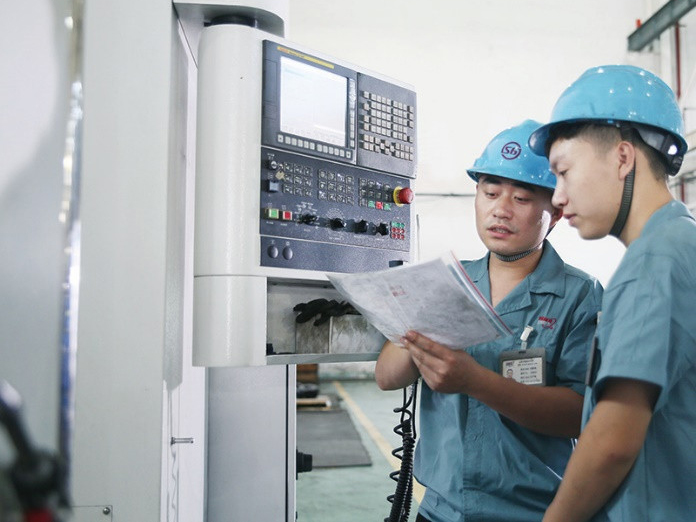
The Yangtze River Delta acts as a major global hub for mechanical casting, metallurgy, and industrial automation. For global buyers purchasing gearbox-operated butterfly valves, sourcing from Suzhou offers several key advantages:
Applying finite element analysis and dynamic 3D simulations to prevent structural failures and optimize gearbox performance.
Before launching a production run, our engineers test new designs virtually. By utilizing 3D CAD modeling, dynamic kinematics simulation, and Finite Element Analysis (FEA), we identify and eliminate structural weaknesses early, saving development time, reducing material waste, and ensuring reliable operation under high loads.
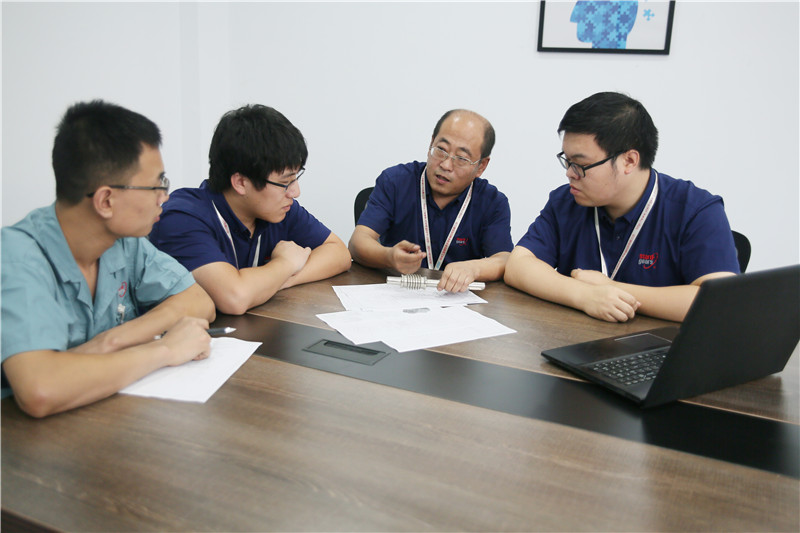 Program Communication
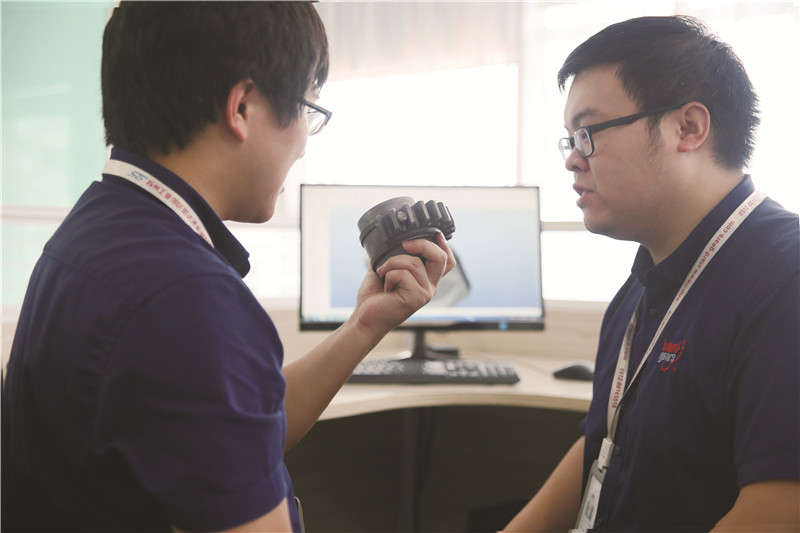 Design Communication
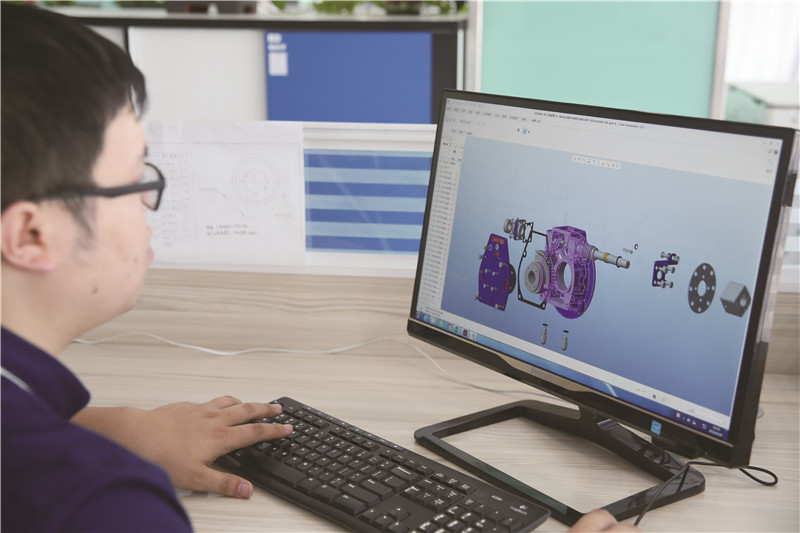 Design Drawing
Ensuring batch traceablity, manufacturing consistency, and on-time delivery through custom ERP-driven workflows.
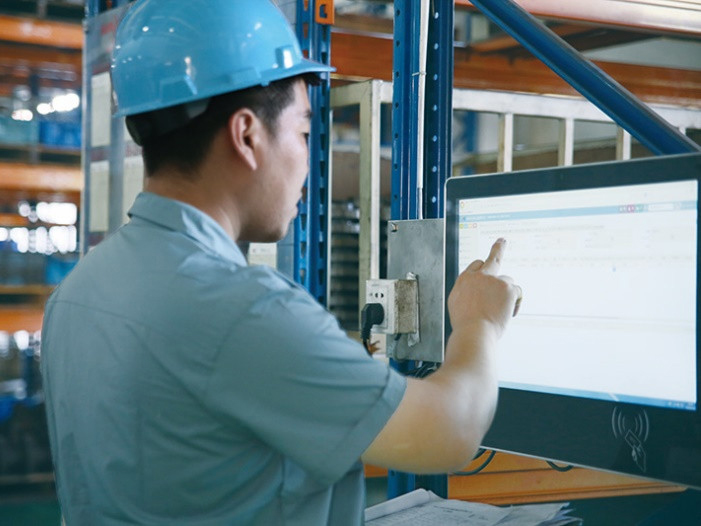
Stard Automation runs a custom Enterprise Resource Planning (ERP) platform. This system manages the production schedule of every order in real time. From the arrival of raw castings to CNC machining, tooth hobbing, heat treatment, assembly, and testing, every phase is tracked. This real-time transparency improves scheduling, avoids bottlenecks, and ensures predictable lead times for critical industrial orders.
Additionally, our digital warehouse system links with procurement channels to maintain optimal stock levels of key components, including worm gears, drive sleeves, and O-ring seals, ensuring fast turnaround times.
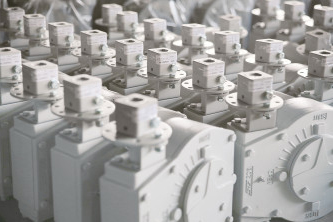
How we ensure 100% compliance through rigorous material inspections, dimensional checks, and high-torque performance tests.
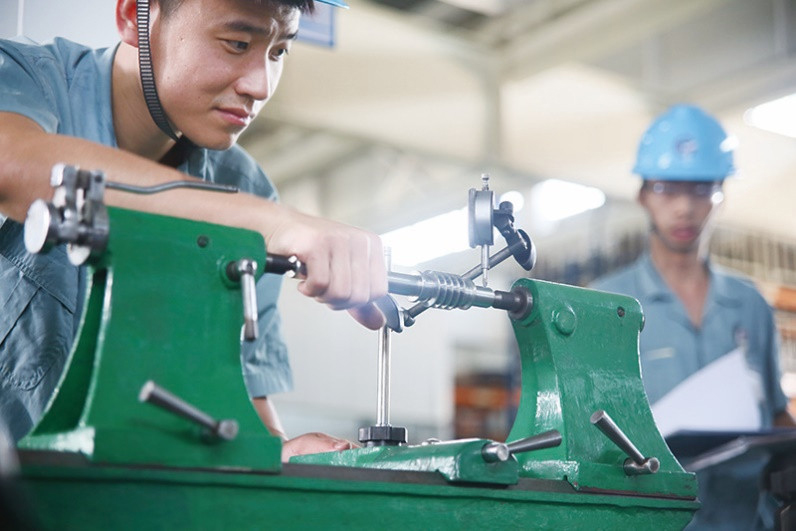
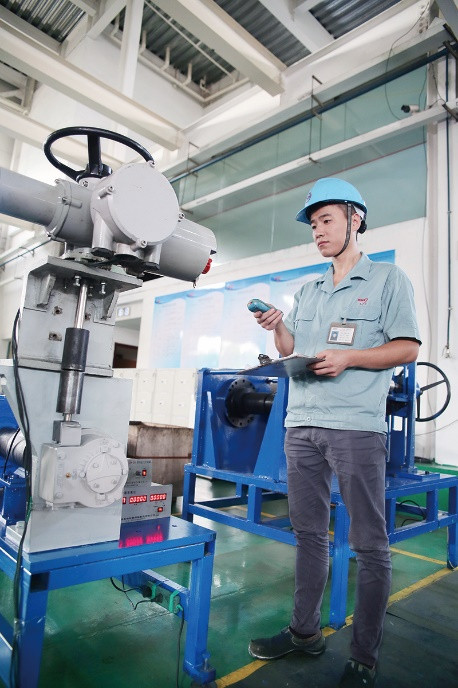
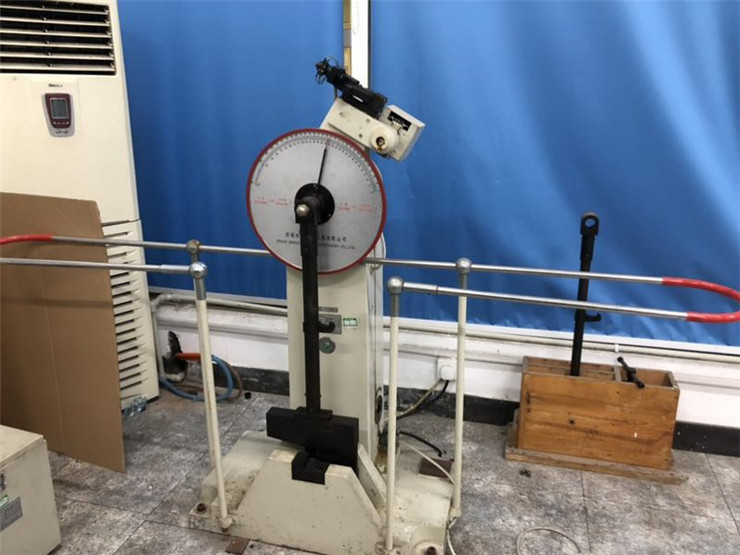
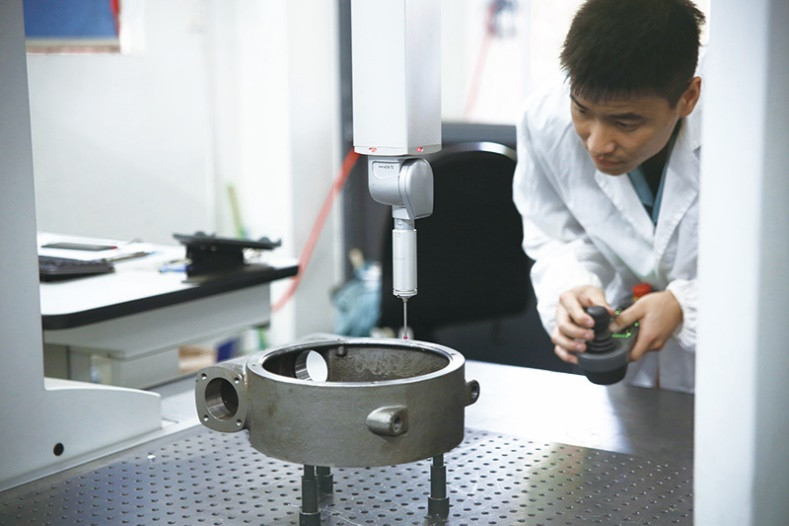
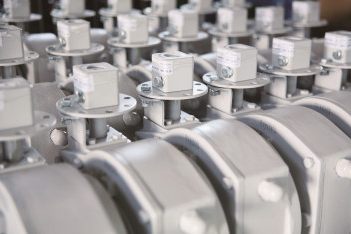
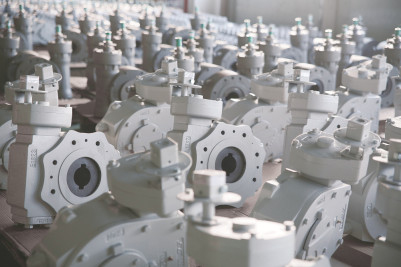
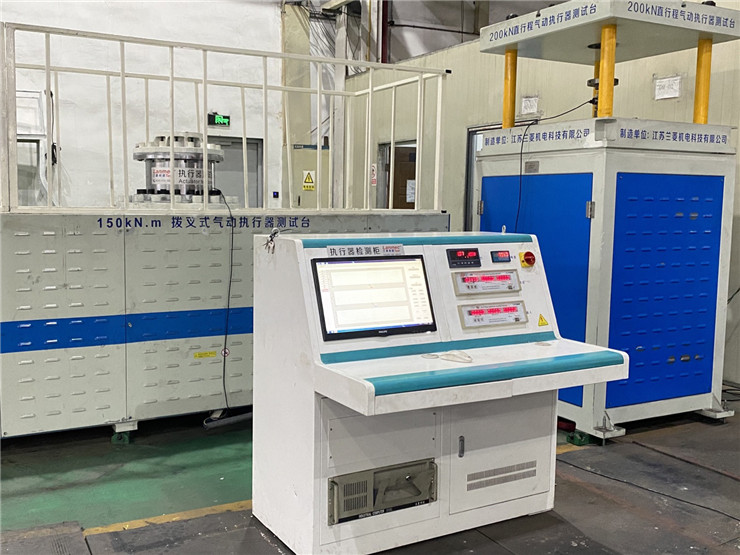
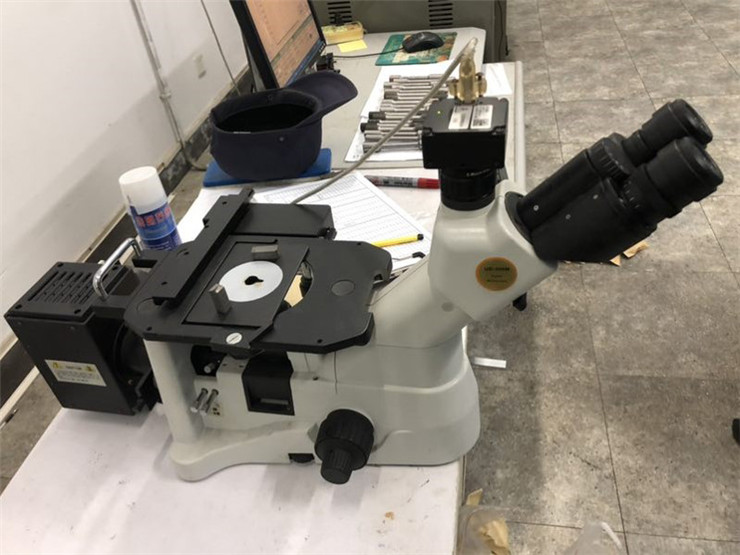
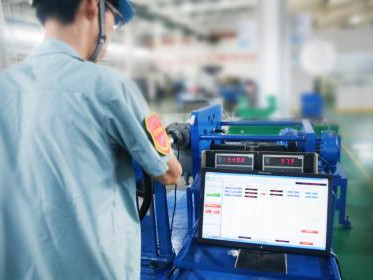
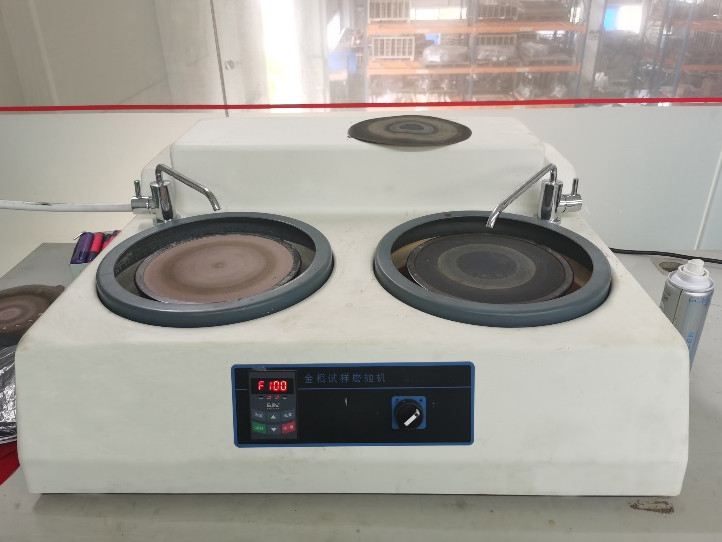
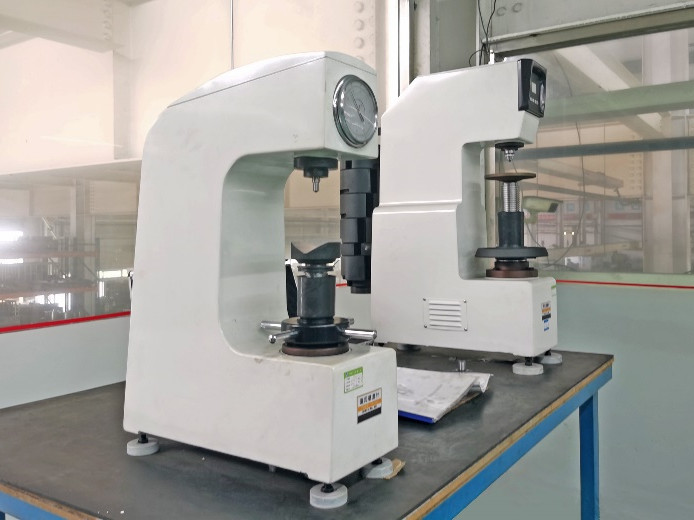
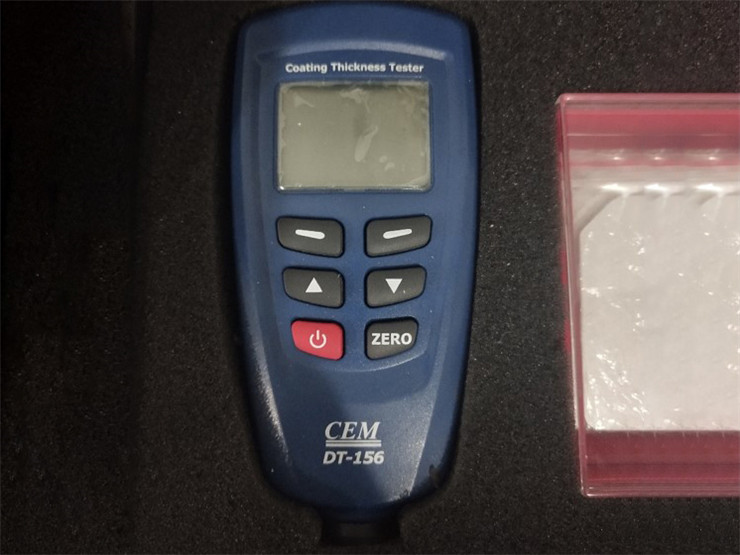
Quality control at Stard-gears is integrated into every phase of production. Our facility uses specialized inspection and testing equipment to monitor products from initial cast blanks to finished gearbox systems. Key quality steps include:
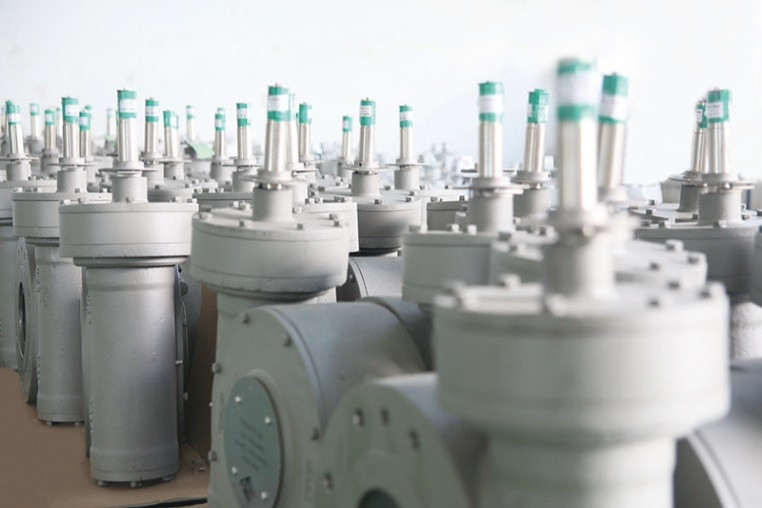
Configuring gearbox-operated butterfly valves to meet the demands of major industrial infrastructure sectors.
Commonly used in desalination plants, municipal water lines, and water treatment systems. High-quality epoxy coatings protect the cast and ductile iron components against corrosion, while standard flange sizing simplifies installation.
Engineered to handle chemical slurries, corrosive media, and hydro-carbons. Heavy-duty construction, offset discs, and fluoropolymer liners protect against chemical attack, helping to extend maintenance intervals.
Designed to isolate boiler pumps, cooling towers, and heat exchangers. Fine adjustment options in our quarter-turn gearboxes allow operators to regulate flow rates accurately to optimize system thermal efficiency.
| Valve Type Integration | Common Seal Materials | Pressure Class Rating | Suitable Industry Sector |
|---|---|---|---|
| Concentric Butterfly Valve | EPDM / NBR / FKM | PN6 - PN16 / Class 150 | Water Treatment & Commercial HVAC |
| Double-Offset Butterfly Valve | PTFE / R-PTFE | PN10 - PN40 / Class 150 - 300 | Chemical Processing & Industrial Utility |
| Triple-Offset Valve (Metal-Seated) | Stellite / Duplex / Graphite | PN10 - PN100 / Class 150 - 600 | Steam Networks, Refining, Oil & Gas |
How the integration of electronic feedback, IoT sensors, and emergency declutch systems is shaping modern flow control.
The flow control sector is shifting toward smart, automated architectures. In critical pipeline networks, manual gearboxes are increasingly configured as part of hybrid systems that combine automation with safety overrides. Modern trends driving our R&D include:
1. Declutchable Gearboxes for Safety Override: Placed between a pneumatic actuator and the valve body, a declutchable gearbox allows operators to switch to manual control during power or air supply failures. This is a common requirement in safety-critical sectors like petrochemical storage and chemical plants.
2. Smart Position Monitoring: Integrating digital limit switches, magnetic sensors, and wireless modules directly into the gearbox housing provides operators with real-time feedback on valve positions in automated control systems.
3. Heavy-Duty Corrosion Protection: Using advanced marine-grade painting procedures and stainless steel fasteners helps systems withstand harsh environments, such as offshore platforms and marine scrubber units.
Key technical specifications, safety factors, and documentation standards to verify before confirming orders.
Sourcing gearbox-operated butterfly valves for petrochemical, municipal, or power networks requires a close look at mechanical tolerances and material certificates. Buyers should verify key indicators to ensure performance:
Find answers to common questions about selecting, maintaining, and configuring gearbox-operated systems.
As pipe diameter and differential pressure increase, the force needed to turn the valve disc rises significantly. A lever handle becomes difficult or impossible to operate manually at sizes above DN150 or DN200. A gearbox operator uses worm gears or bevel gearsets to reduce the required manual input force, making operation safer and preventing water hammer by closing the valve more slowly.
A declutchable gearbox is mounted between a pneumatic or electric actuator and the valve body. In normal operation, the actuator drives the valve directly. If power or air supply is lost, the operator can pull a clutch lever to engage the internal worm gear, allowing manual handwheel override to close or open the valve during emergencies.
Buried water pipelines run underground where moisture, soil pressure, and flooding are common. An IP68-rated gearbox housing features static O-ring seals, gasketed joints, and sealed grease cavities. This design prevents groundwater and soil particulates from entering the worm gear assembly, preventing internal corrosion and mechanical binding.
Located in the Yangtze River Delta, Suzhou Industrial Park connects manufacturers with advanced regional casting foundries, high-precision machining centers, and surface treatment facilities. This regional cluster helps suppliers source materials efficiently, complete customized machining, and deliver orders reliably.
Backlash is the clearance or play between mating gear teeth. In high-precision flow control or throttling applications, excess backlash can lead to inaccurate disc positioning. We minimize backlash by machining worm gears to tight tolerances, using matched gearsets, and verifying alignments during the assembly process.
Our quality department uses high-capacity hydraulic test stands to measure both output torque curves and structural safety limits. During a torque test, the gearbox output shaft is coupled to a dynamic load cell. A controlled input torque is applied, and the resulting output torque is measured to ensure compliance with design specifications.
Explore our specialized scotch yoke actuators, multi-turn bevel operators, and declutchable systems.