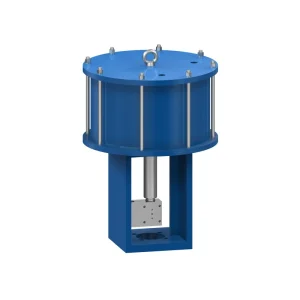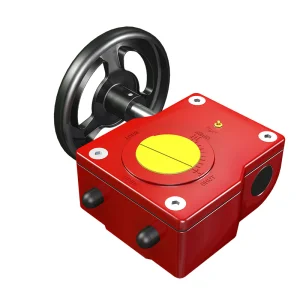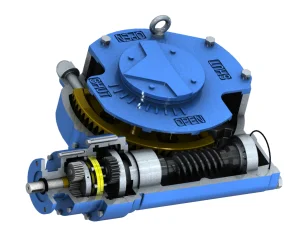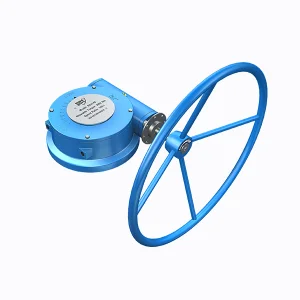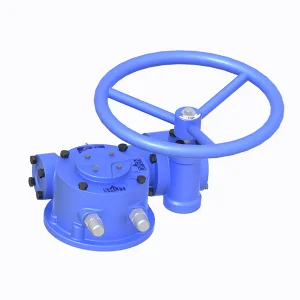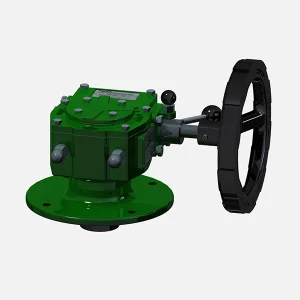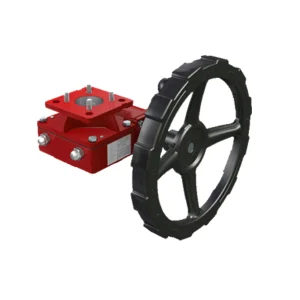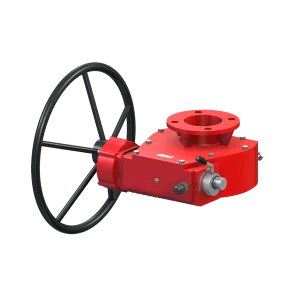
Explore our leading industrial hand-operated gearboxes engineered for heavy-duty pipeline controls, certified valves, and harsh environments.
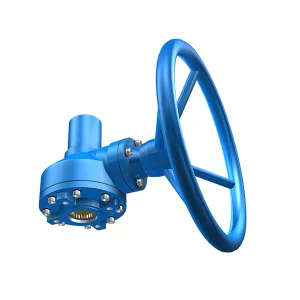
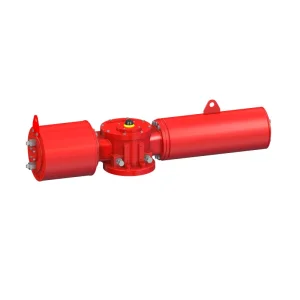
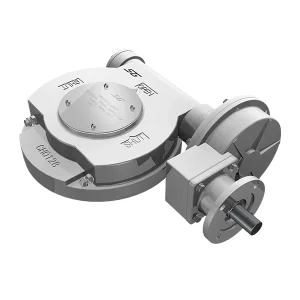
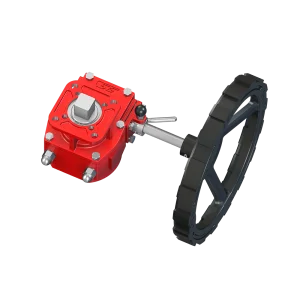
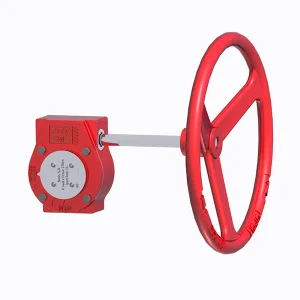
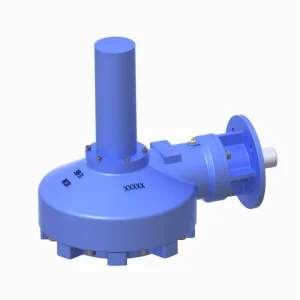
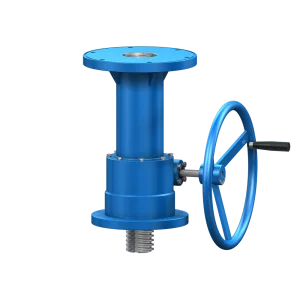
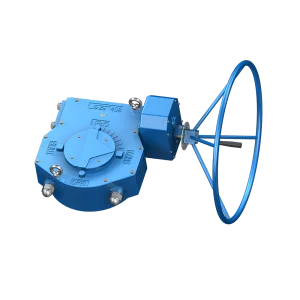
In modern flow control plants, safety redundancies and manual override configurations are not merely backup components; they represent the structural safeguard of critical installations. A hand operated gearbox acts as the final line of defense during unexpected power grids failure, control loop disconnects, or pneumatic supply losses. Designed with robust worm-gear sectors, bevel gears, or declutchable override mechanics, these gearboxes translate high rotational input into manageable manual operation.
At Stard-gears, we analyze operational torque profiles to engineer manual systems that deliver optimum mechanical advantage. Our operators reduce input rim effort by up to 65% compared to direct drive systems. For global procurement officers, this translates to improved operator safety, strict compliance with workplace ergonomics regulations, and reduction of structural system downtime.
Founded in 1999, Stard-gears is a leading global provider specializing in valve control technology, high-output manual actuation, and heavy-duty gear design.
Located in the highly integrated Suzhou Industrial Park, our facility covers an extensive 8,900㎡ manufacturing plant, supplemented by a 2,500㎡ corporate office and engineering center. This strategic location offers exceptional supply chain efficiency.
Over the last decade, our high-quality valve gear operators have been exported to the United States, Italy, Germany, Mexico, Singapore, Japan, and beyond. We supply 9 series comprising about 80 varieties of gear operators globally.
Currently achieving annual sales of $7,000,000 to $9,000,000, with a continuous 10%-20% year-on-year growth. Supported by an ISO9001 certified workflow, our annual manufacturing throughput capacity easily reaches 100,000 sets.
How our engineering team utilizes finite element analysis (FEA) and dynamic torque simulation to deliver optimized, fail-safe gear designs.
At Stard-gears, we believe that reliability begins in the digital design sandbox. By using advanced 3D mechanical CAD simulation, dynamic gear engagement mapping, and rigorous Finite Element Analysis (FEA), our design engineers virtually verify the stress distribution, fatigue thresholds, and structural load tolerances of every new gearbox cast. This approach reduces design errors, shortens the product development cycle by over 40%, and prevents field failures.
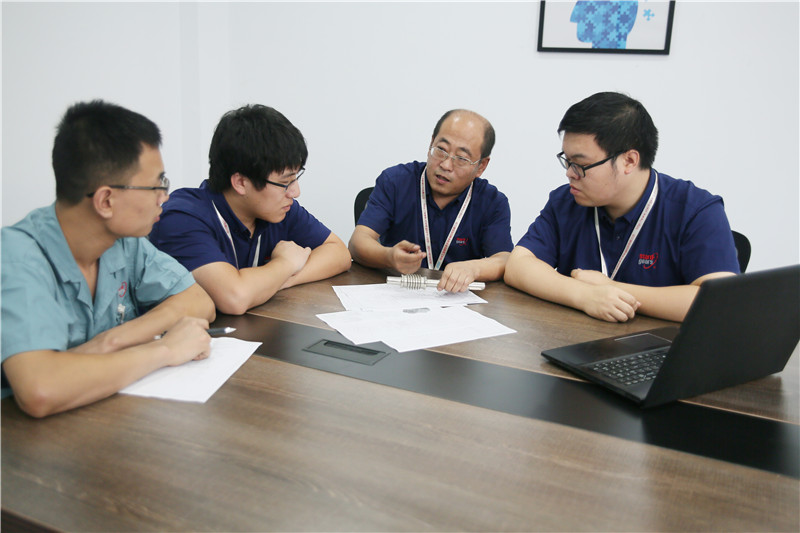
Collaborating with customer engineers to determine torque ratings, environmental ingress, interface standards (ISO 5211), and material chemistry specifications.
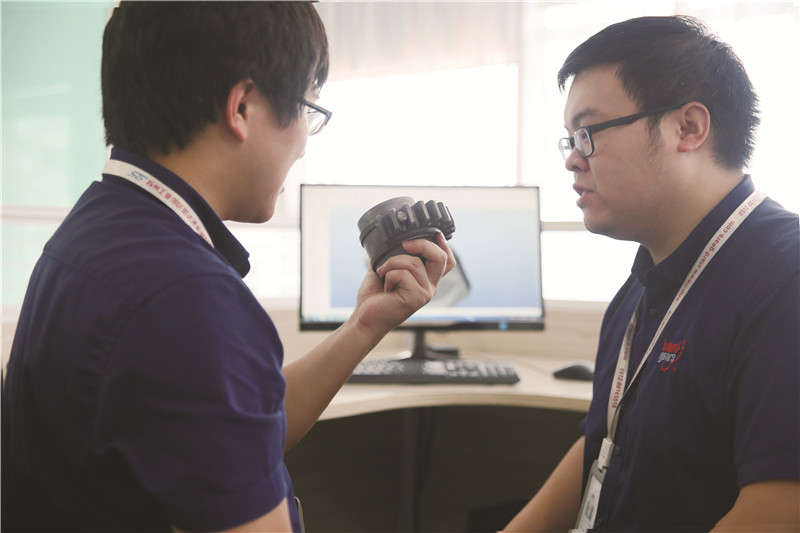
Detailed verification of CAD layouts, shaft engagements, custom spur gear ratios, and lubrication choices based on temperature ranges (-40°C to 120°C).
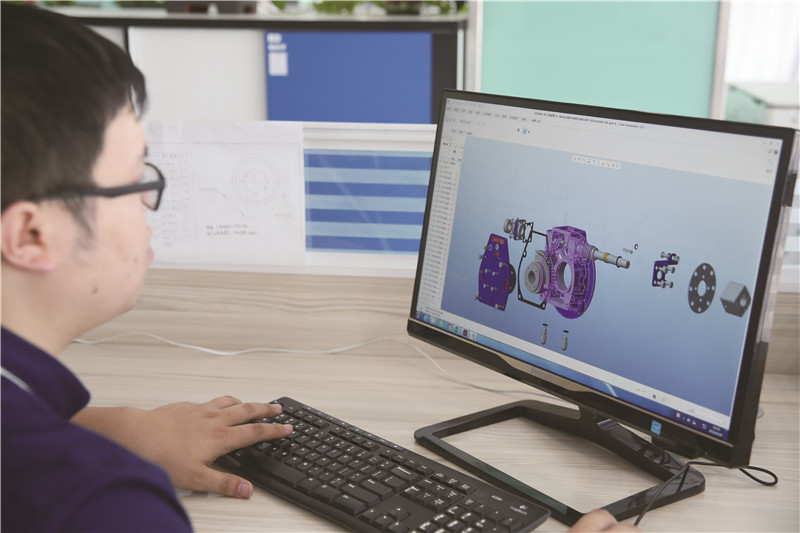
Releasing high-precision blueprints, geometric dimensioning, and tolerancing (GD&T) sheets ready for CNC manufacturing and ERP material planning.
Leveraging the Yangtze River Delta industrial belt to optimize manufacturing speed, material cost-efficiency, and casting quality control.
The Yangtze River Delta region is one of the world's most concentrated clusters for precision manufacturing, casting, and surface finishing. By maintaining our manufacturing headquarters inside Suzhou Industrial Park, Stard-gears integrates directly with premium raw material providers, specialized heat-treatment hubs, and high-precision casting foundries.
This localized ecosystem allows us to purchase premium raw cast steel, ductile iron, and aluminum alloys at competitive prices while ensuring robust quality control. Furthermore, our close proximity to international deep-water ports like Shanghai and Ningbo enables us to reduce lead times and offer predictable, fast logistics to global valve OEMs and procurement agencies.
| Factor | Traditional Localized Sourcing | Stard-Gears Suzhou Ecosystem |
|---|---|---|
| Lead Time (Standard Gears) | 8 - 12 Weeks | 4 - 6 Weeks |
| Material Inspection | Batch-level third-party | In-house spectroscopic per melt |
| Custom Mounting Adaptability | Rigid standards only | Flexible CNC customization (ISO 5211) |
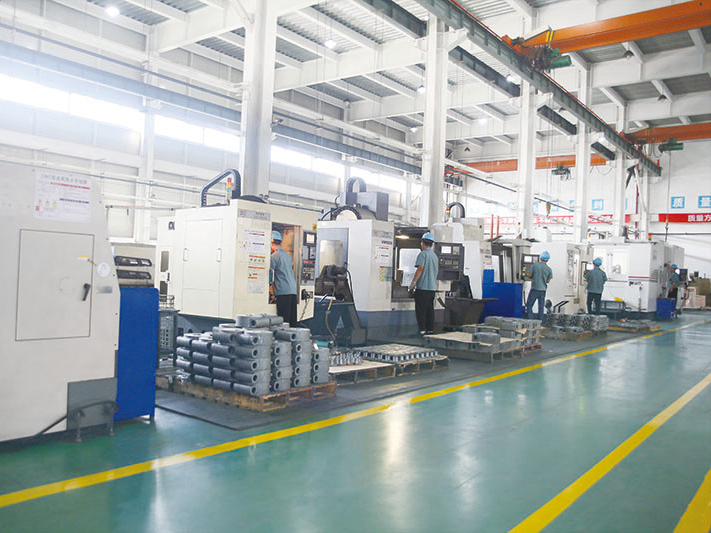
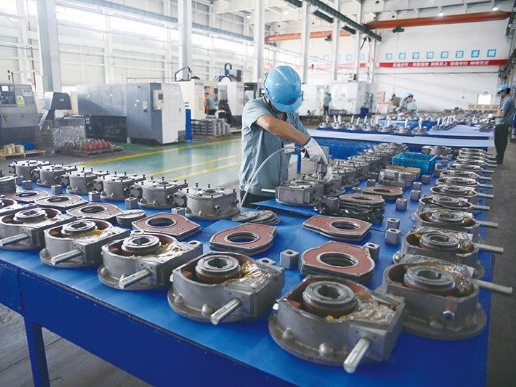
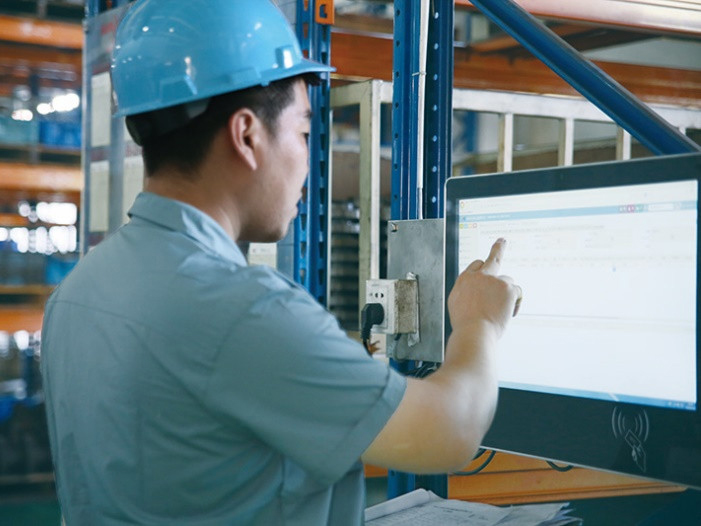
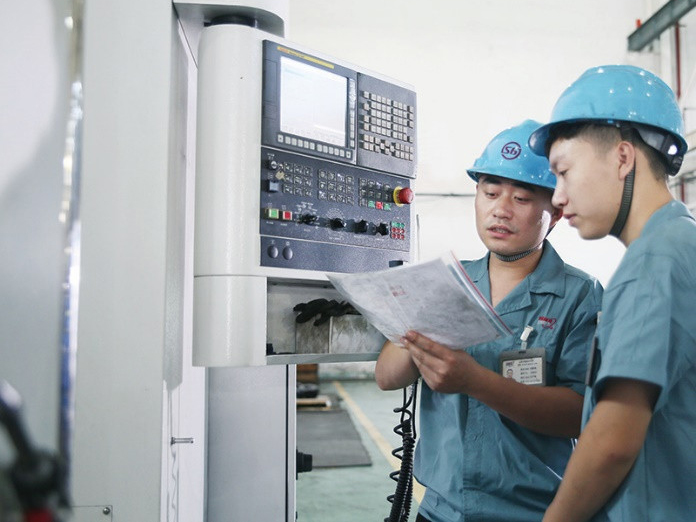
Stard Automation runs a comprehensive Enterprise Resource Planning (ERP) platform to track and manage order processing, assembly, and testing.
To maintain our commitment to on-time delivery, our facility operates under a centralized ERP system. This software platform tracks order status from raw castings to the final torque validation bench. Every machining center, painting line, and testing jig is logged, allowing our operations team to monitor bottlenecks in real-time. This level of digitalization allows us to achieve a 98.7% on-time delivery rate, even during periods of global supply chain volatility.
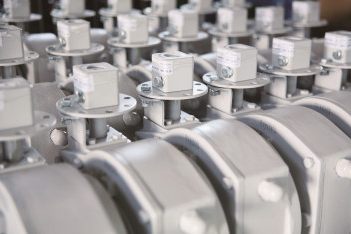
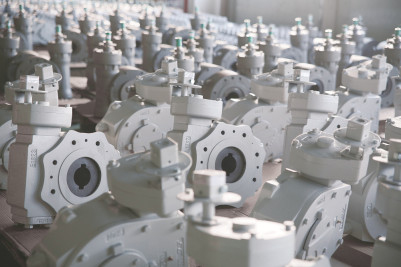
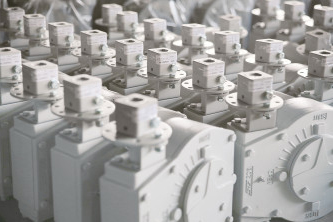
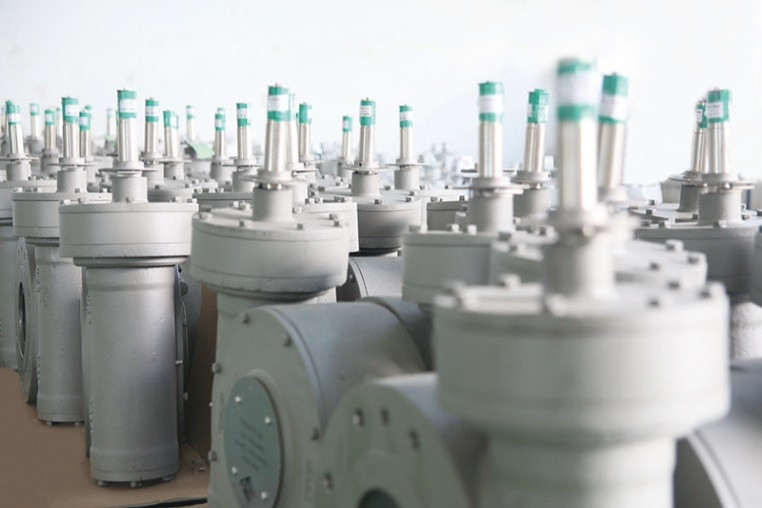
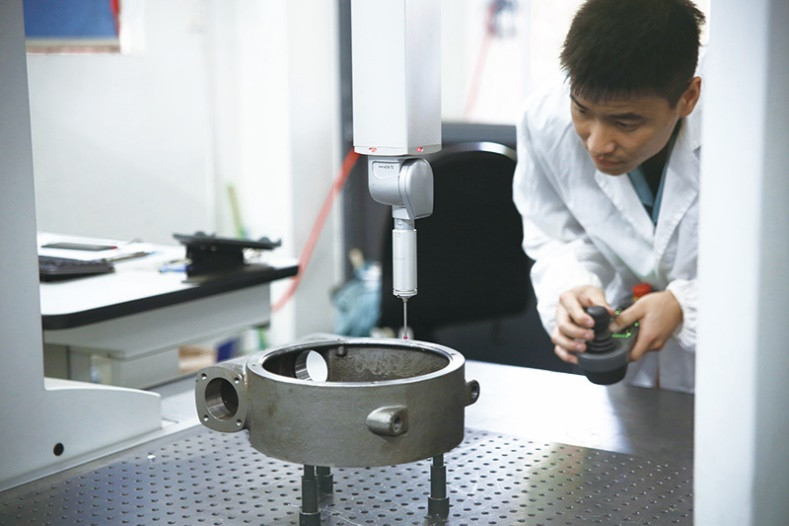
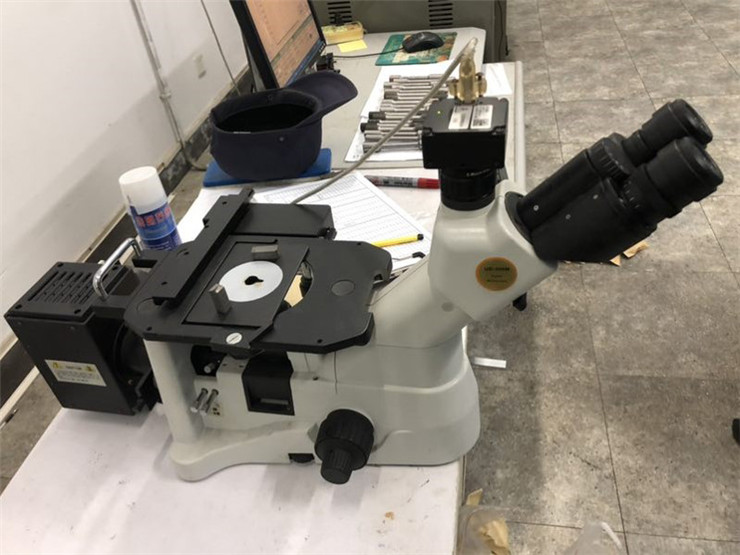
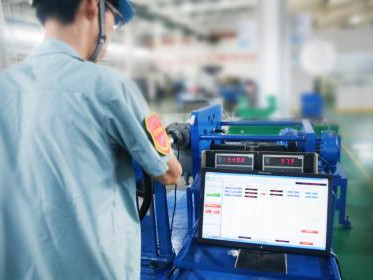
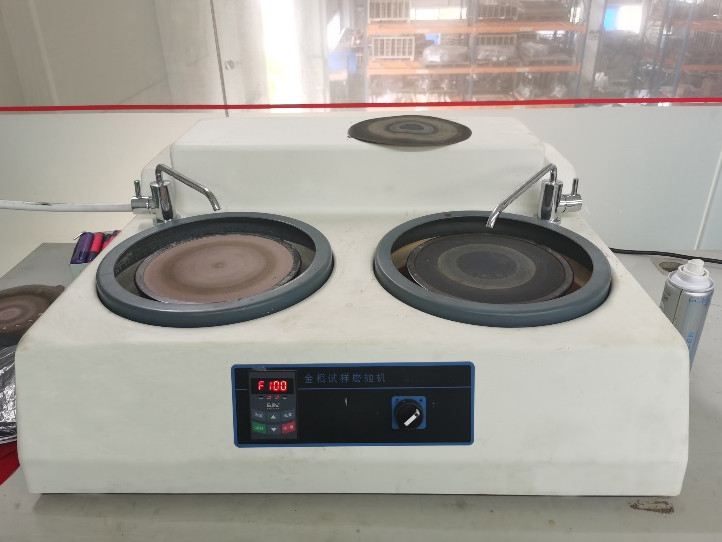
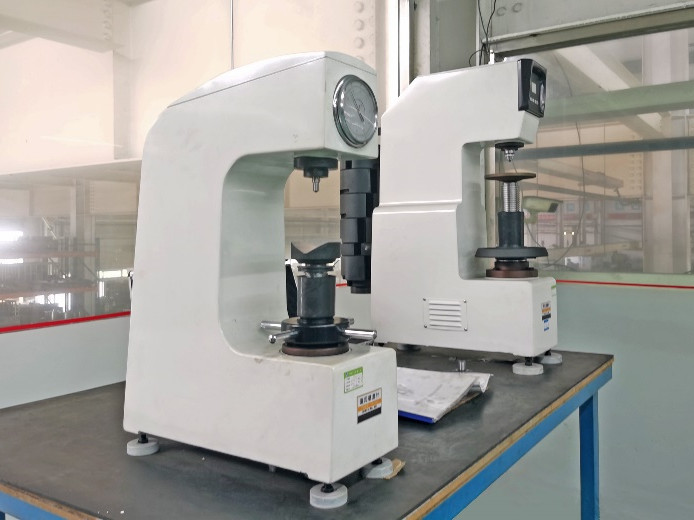
We perform 100% torque and leakage inspections on our products. Stard-gears maintains full-time QC checkpoints at every stage of the process.
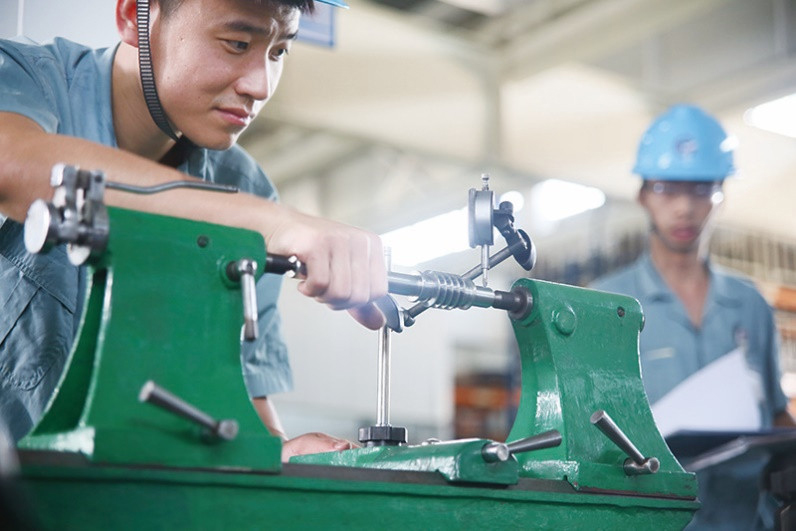
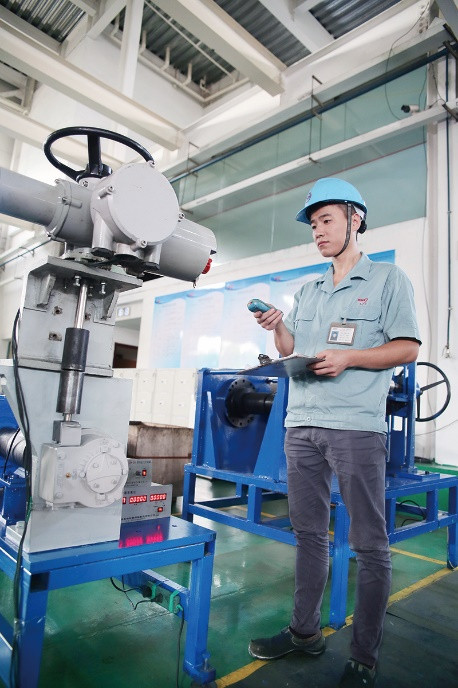
Our dedicated quality laboratory is equipped with state-of-the-art testing machinery to verify dimensional tolerances, gear alignment, and load capacity. This equipment includes coordinate measuring machines (CMM), spectrometer chemical composition analysis, and custom-engineered hydraulic torque test benches.
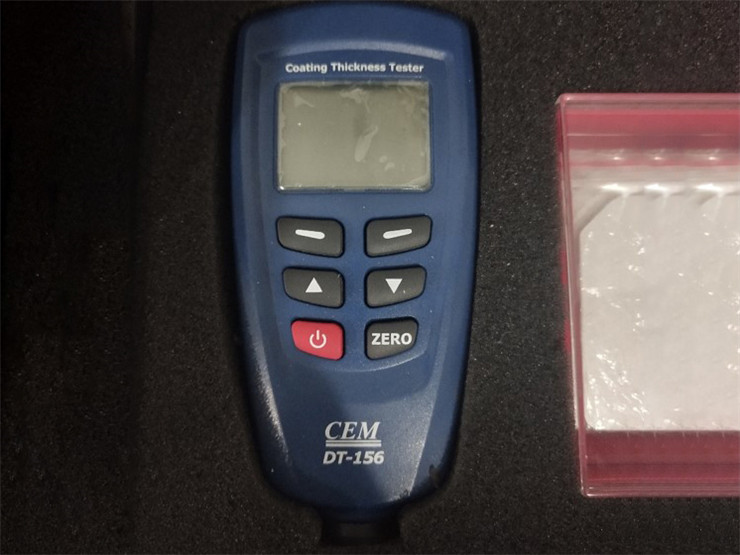
No gear system leaves our shop floor without dynamic torque testing. Every batch undergoes ultrasonic testing (UT) and magnetic particle testing (MT) where critical weldments or heavy stress zones occur. Our testing equipment measures torque resistance from 100 Nm up to 120,000 Nm. This data is logged directly within the ERP order record to ensure full traceability.
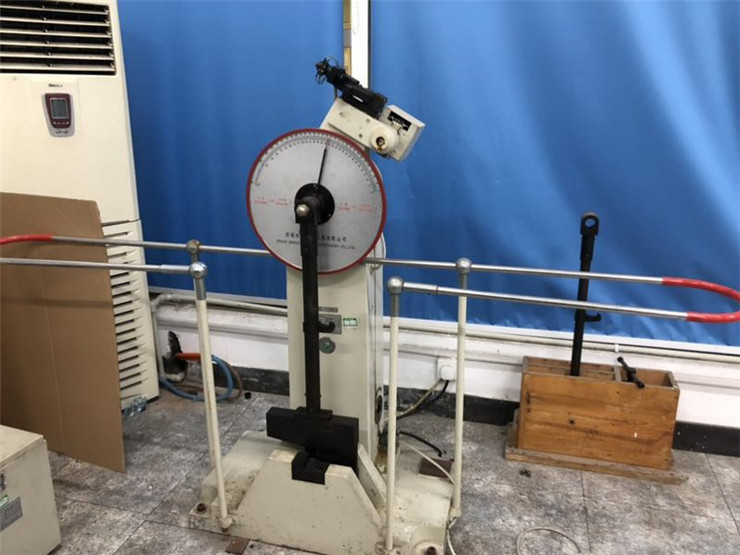
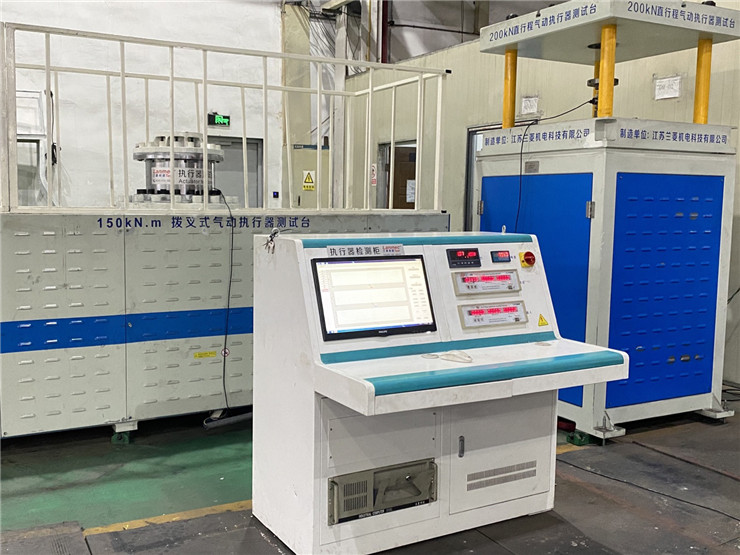
Ensuring compliance with international standards and providing engineering support for global valve actuation projects.
Stard-gears manual operators carry complete European CE Certification, confirming compliance with pressure equipment directives and machinery standards. Our plant processes align strictly with the ISO 9001 quality management framework.
Global engineering firms require mounting standardizations. We design interface patterns conforming exactly to ISO 5211 / DIN 3337, permitting seamless installation on butterfly valves, ball valves, and plug valves globally.
We back our installations with active engineering consultations. We provide technical calculations, detailed 3D step files, mounting-adaptor sizing sheets, and direct post-shipment commissioning assistance.
Our heavy-duty, self-locking worm and bevel gearboxes are used across diverse global process industries.
Capable of managing large torque requirements on quarter-turn isolation ball valves, even in extreme sub-zero weather or high humidity marine environments.
Used on municipal gate and butterfly valves. Features buried service epoxy coating configurations designed for long-term underground operation.
Constructed using acid-resistant ducting options and high-durability coatings to prevent external atmospheric oxidation and internal gear wear.
Engineered to withstand high-vibration stresses and temperature peaks. Designed with premium safety margins to provide emergency manual shutdown override capability.
Discover how hand-operated gearboxes are evolving alongside automation, advanced materials, and environmental safety regulations.
Modern process environments require durable, lightweight components to reduce line stress. The use of specialized corrosion-resistant aluminum alloy gearboxes has increased, especially in offshore applications.
As remote-actuated systems become more common, there is growing demand for declutchable gearboxes. These systems allow operators to temporarily override pneumatic or electric actuators during power outages or diagnostics.
Modern municipal water networks require gear systems that can operate submerged or buried underground. Providing IP68 ingress protection is now standard practice for underground pipeline installations.
Browse detailed answers to common technical, design, and sourcing questions about manual valve operators.
Explore our selection of specialized linear stroke operators, lightweight alloy gearboxes, and customized valve controls.