Analyzing the pivotal role of robust valve transmission solutions across global infrastructure, process industries, and high-pressure media control pipelines.
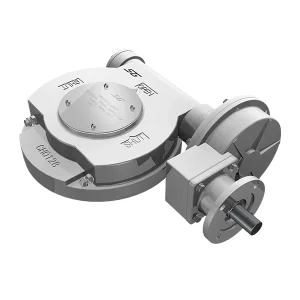
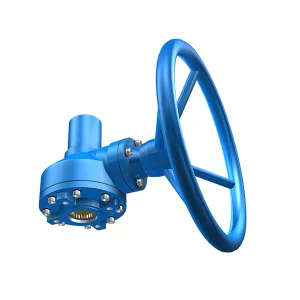
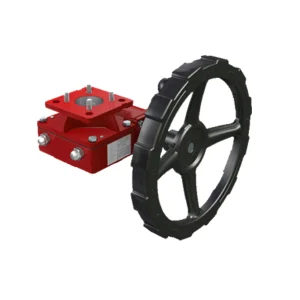
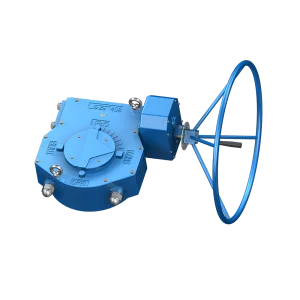
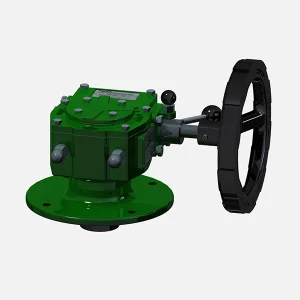
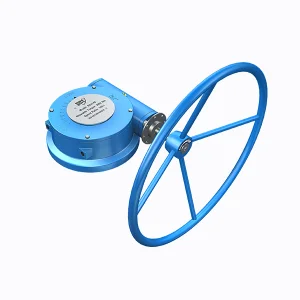
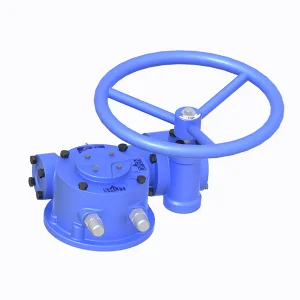
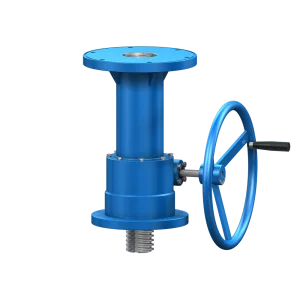
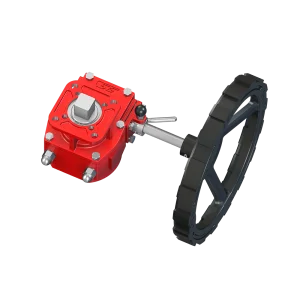
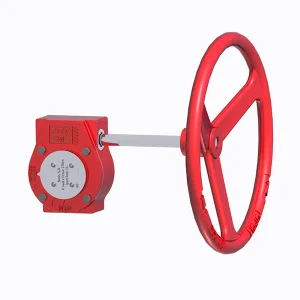
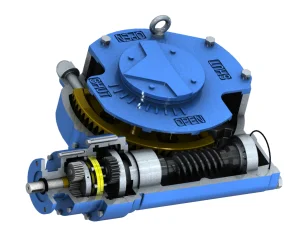
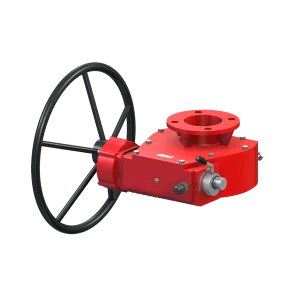
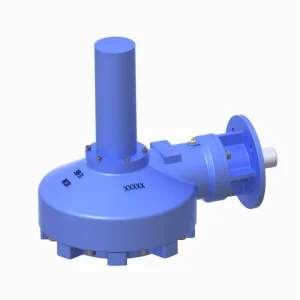
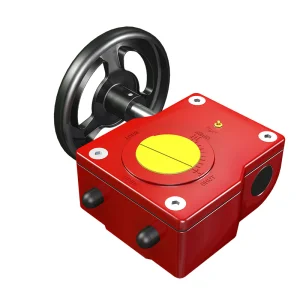
Across modern processing plants, refinery installations, and municipal distribution pipelines, the reliability of valve operations governs the thin line between system safety and catastrophic downtime. Quarter-turn gearboxes (including worm gear, bevel gear, and customized declutchable operators) function as the mechanical muscle behind part-turn valve configurations, such as ball valves, butterfly valves, and plug valves. These manual or power-assisted mechanical units leverage optimized planetary or worm-gear designs to convert low-torque control inputs into substantial output torque profiles necessary to seat or unseat critical flow control devices under extreme differential pressures.
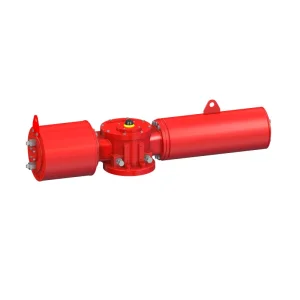
In an era defined by automation, smart factory architectures, and heavy compliance standards, industrial procurement teams prioritize ruggedized mechanical build qualities. The integration of high-grade ductile iron, WCB cast steel, and lightweight corrosion-resistant aluminum alloys enables these valve gearboxes to operate reliably under varying environmental stresses. Stard-gears provides globally-recognized manual and declutchable overrides designed to transition seamlessly from automated actuator power to manual fail-safe control, ensuring uninterrupted workflow continuity in vital sectors worldwide.
Founded in Suzhou Industrial Park, Stard-Gears designs, tests, and manufactures industry-leading valve control solutions.
Established in 1999 and strategically positioned within the highly connected Suzhou Industrial Park, Stard-Gears spans a modern plant covering 8,900 m² alongside a 2,500 m² administrative engineering office space. With annual sales reaching $7,000,000—registering a consistent growth of 10% to 20% year-on-year—we have consolidated our reputation as a trusted global manufacturer of premium-grade valve accessories and gearboxes.
Holding an official ISO9001 certification, our Suzhou facility is structurally optimized to support an annual production yield exceeding 100,000 sets. Stard-gears serves as a leading provider globally, engineering specialized flow automation accessories and gear operators for key application scenarios, including petroleum refining, gas pipelines, nuclear installations, chemical manufacturing, and municipal water purification works.
By consolidating our 25+ years of industry design expertise with raw material advantages native to our region, we continuously provide robust, innovative, and cost-effective solutions. We help international clients simplify valve operations and achieve safe, sustainable facilities management.
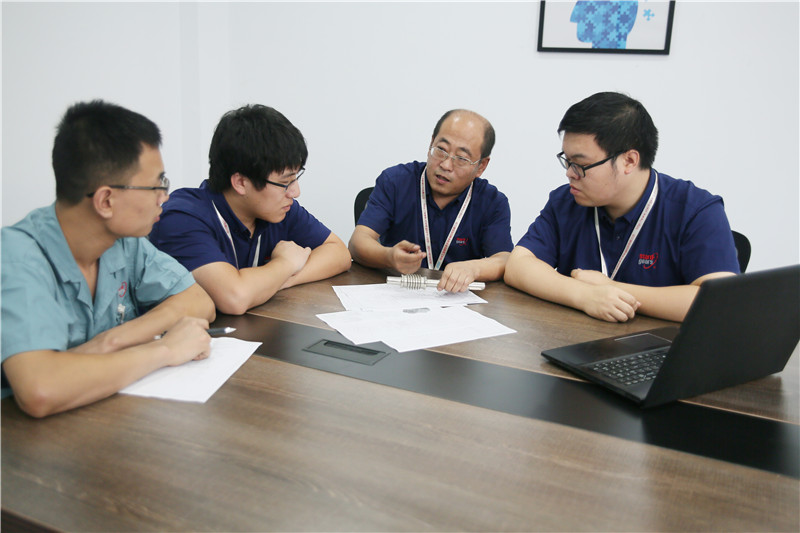
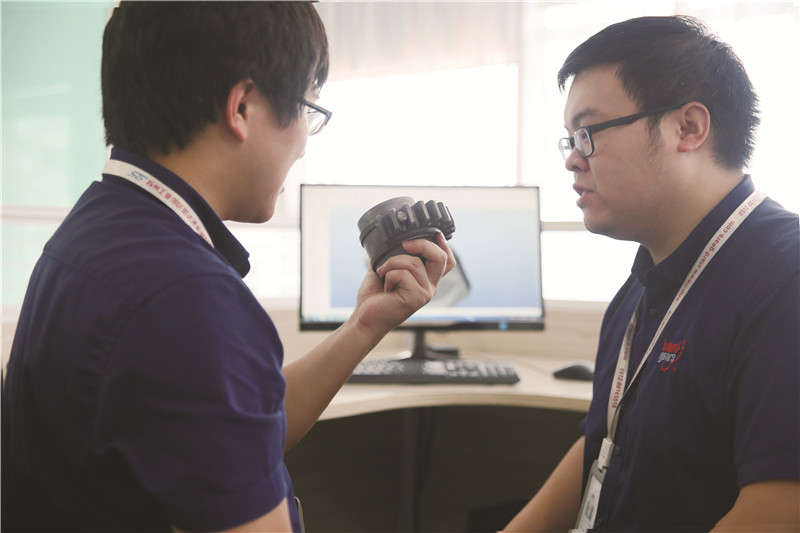
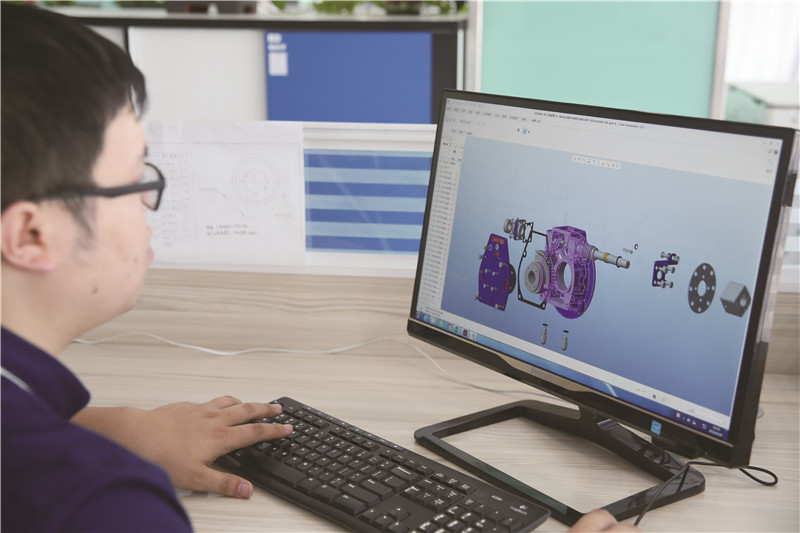
Using state-of-the-art simulation software to analyze mechanical structural behaviors before initiating component casting.
At Stard-Gears, we believe mechanical reliability starts in the virtual environment. Through advanced 3D CAD simulation, kinematic dynamics analysis, and Finite Element Analysis (FEA), our engineering department virtually stresses every prototype design against maximum torque load limits. This allows us to inspect stress concentrations, mechanical deformation parameters, gear surface load ratings, and thermal behaviors before committing resources to physical steel casting and machining.
By adopting FEA simulations and virtual load verification pathways, Stard-Gears has significantly shortened the design and deployment cycle for custom OEM quarter-turn operators. This design strategy ensures all gear operators safely handle high operational torque spikes without casing failure, providing reliable field safety while reducing material waste and prototype costs.
How our industrial location ensures casting quality, precision machining availability, and reliable delivery times.
The Yangtze River Delta region hosts world-class metallurgical foundries. This cluster gives Stard-Gears access to custom alloy castings, high-strength WCB steel, and corrosion-resistant ductile iron, ensuring robust components.
By sourcing raw castings, bearing assemblies, high-tensile fasteners, and specialized marine paints locally, we bypass complex logistical delays. This localized footprint keeps costs low and improves material traceability.
Positioned near major shipping routes, Suzhou Industrial Park allows Stard-Gears to connect directly with Shanghai Port. This enables rapid dispatch of high-volume container freight and keeps global transit timelines short.
Supply chain resilience is more than just raw material sourcing; it is about sustaining production flow under volatile global conditions. With mature manufacturing clusters in our vicinity, our supplier network stays stable. This allows Stard-Gears to keep production running smoothly, offering consistent lead times for large OEM orders and urgent custom specifications.
Managing order lifecycles through automated enterprise planning systems to support a production target of 100,000 sets per year.
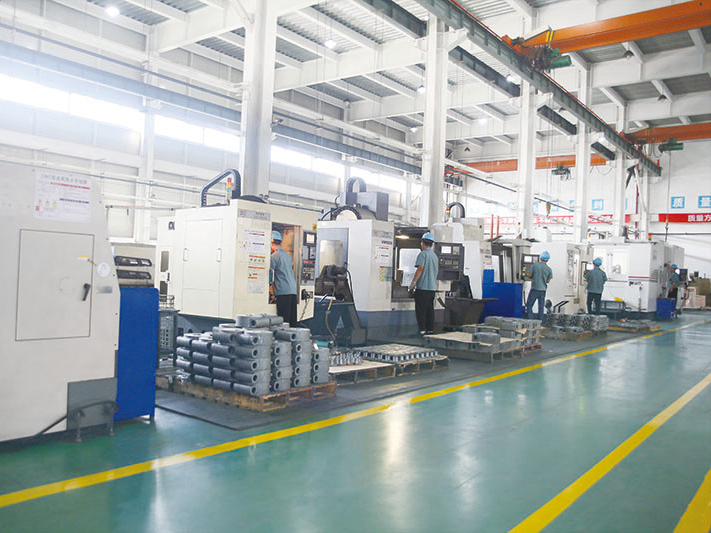
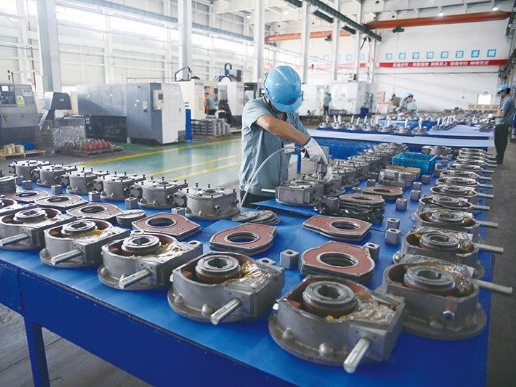
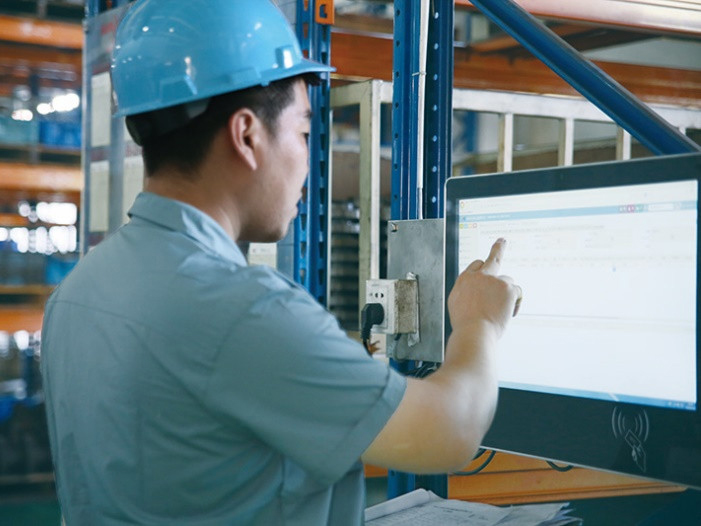
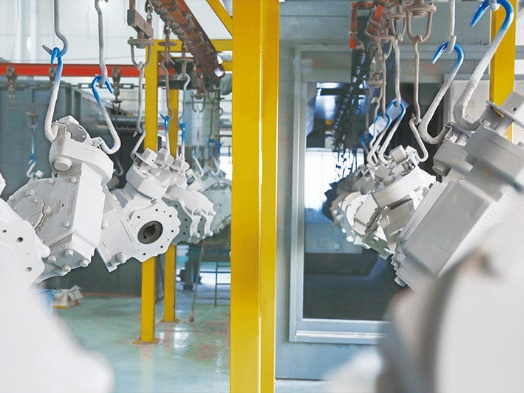
Stard-Gears leverages a modern, fully-integrated ERP (Enterprise Resource Planning) management system to coordinate our entire production workflow. From raw material ingestion to CNC machining paths, gear tooth hobbing, heat treatment cycles, assembly, paint sealing, and final shipping schedules, every milestone is tracked in real-time.
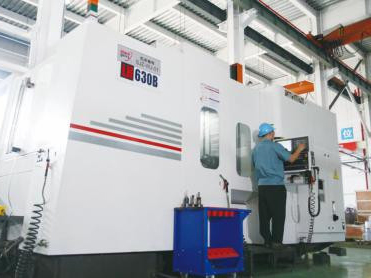
This ERP structure provides total transparency into batch status, allowing us to allocate manufacturing resources effectively and minimize production bottlenecks. Thanks to these systems and our automated manufacturing assets, our Suzhou facility outputs an annual production value of $9,000,000, translating to over 100,000 high-grade gearboxes shipped globally each year.
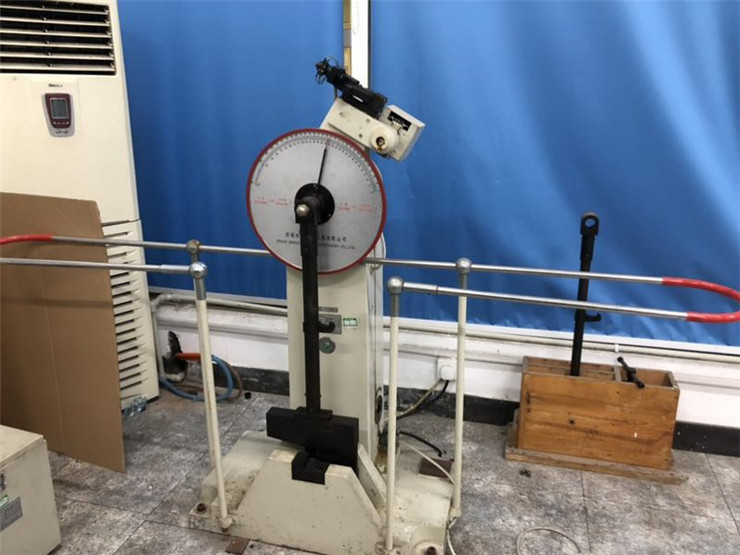
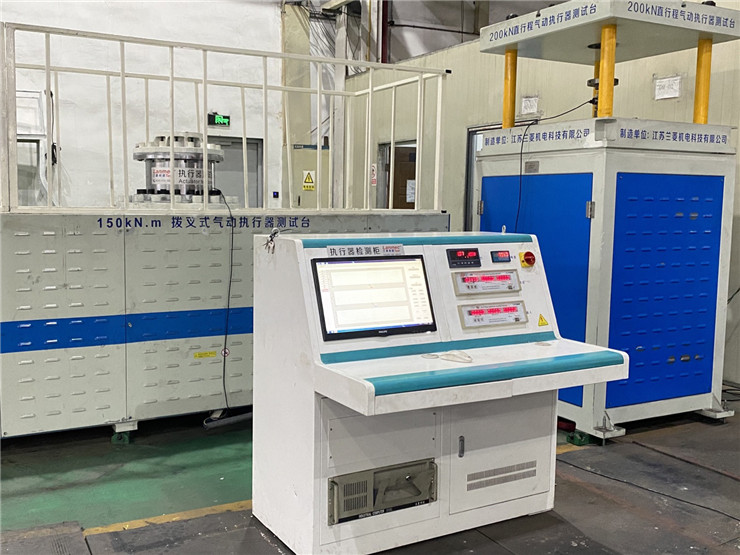
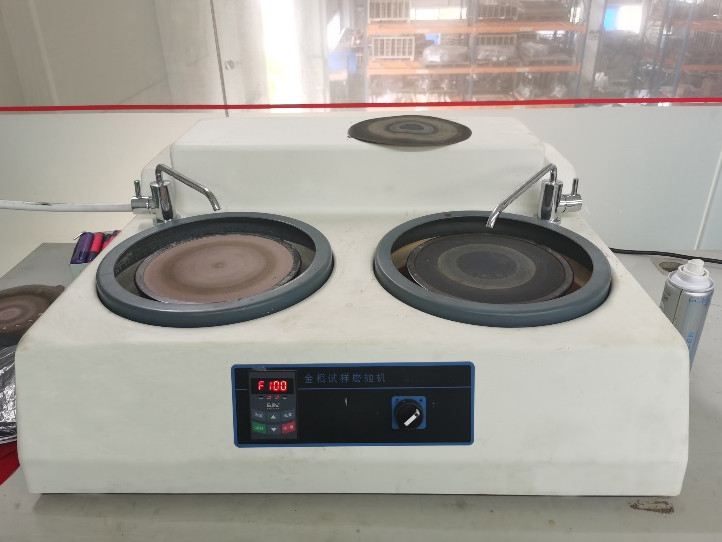
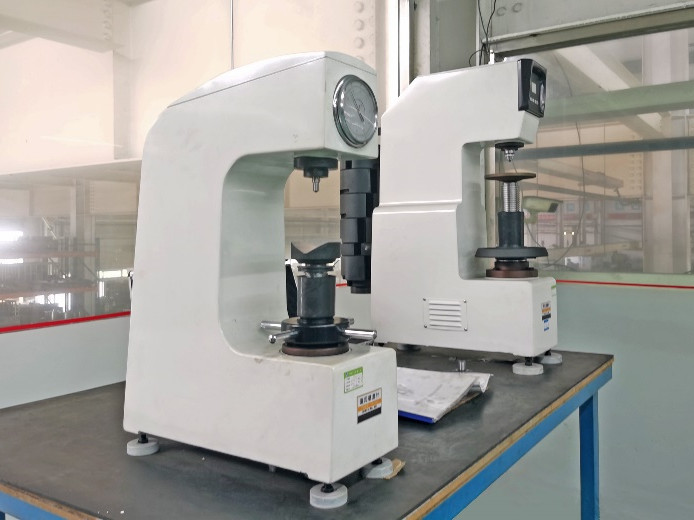
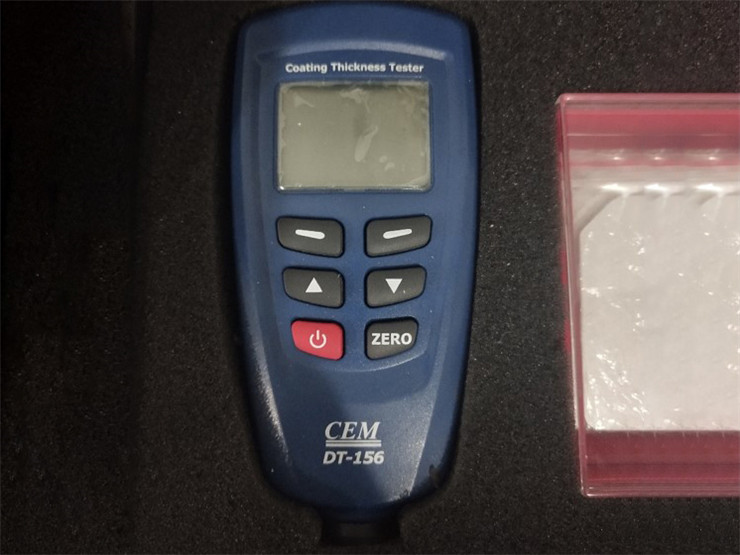
How we ensure 100% component qualification before shipment using advanced torque and life cycle simulation testing machinery.
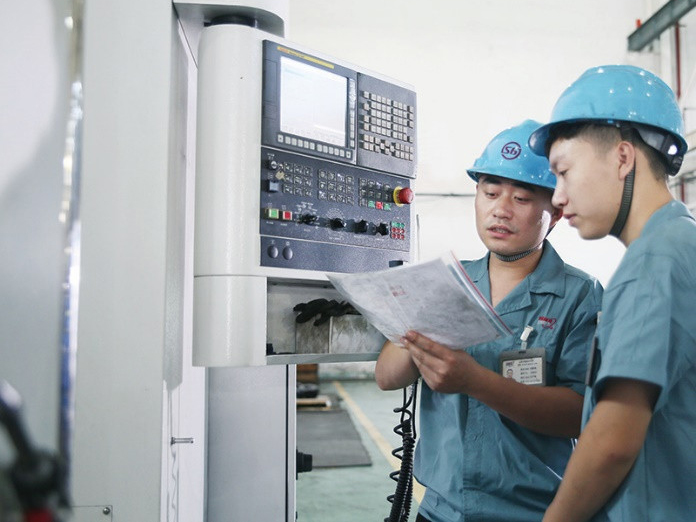
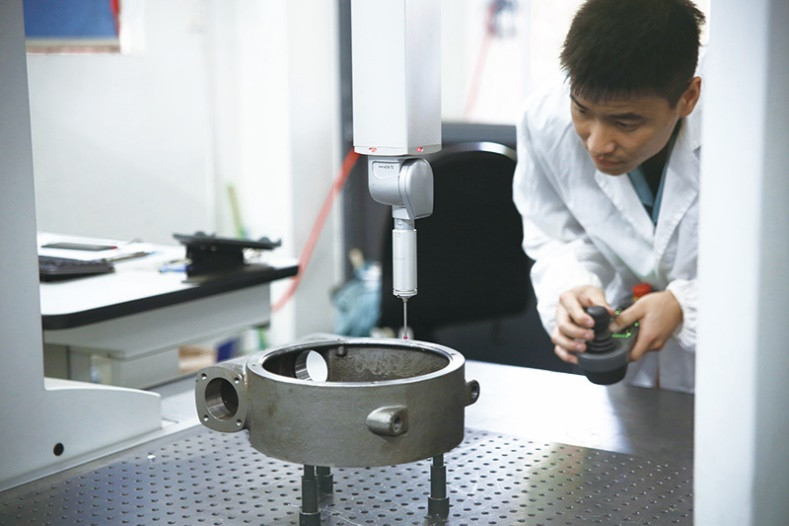
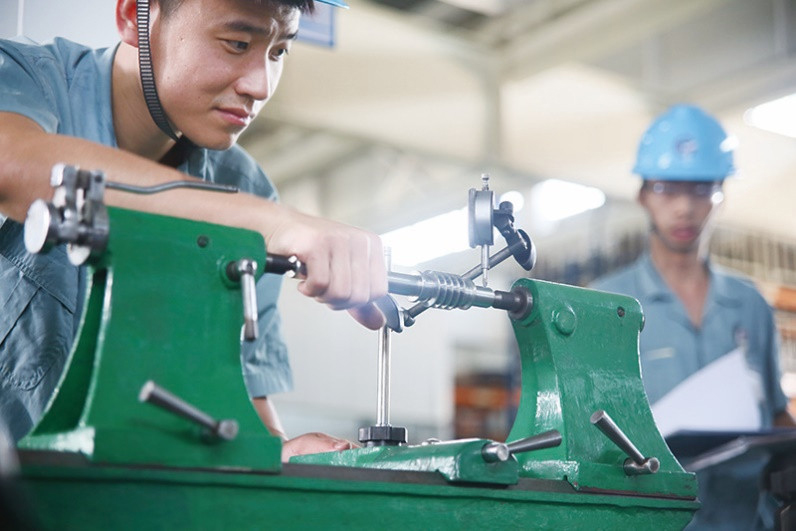
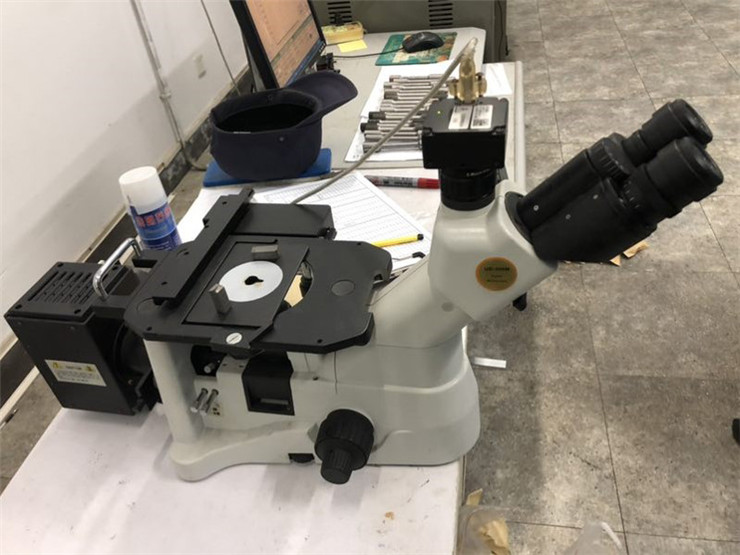
At Stard-Gears, quality assurance is integrated into every step of production rather than checked at the end. We place full-time QC inspectors at every stage of manufacturing—from raw casting and billet chemical composition testing to in-process dimensional audits and final gearbox calibration.
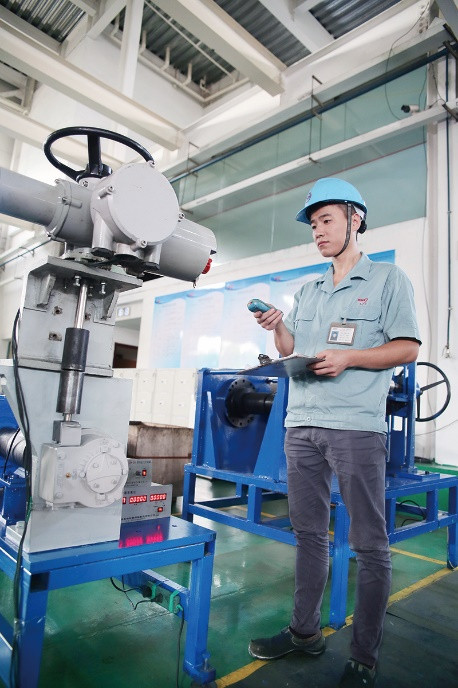
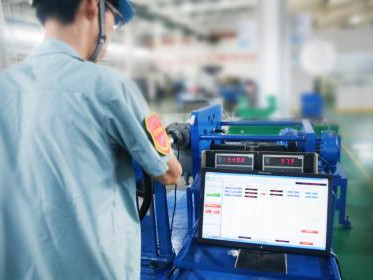
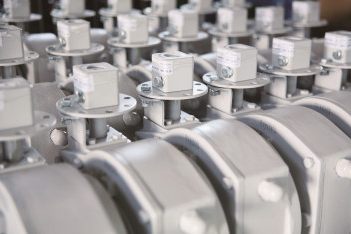
Our specialized quality testing facility features advanced tools to run tests like breakaway torque calibration, gear backlash verification, and high-cycle mechanical endurance tests. This guarantees that all quarter-turn and multi-turn operators meet or exceed client specifications, ensuring long-term reliability in the field.
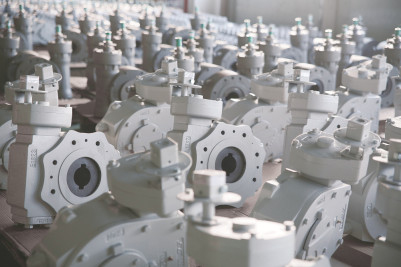
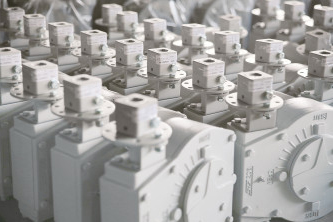
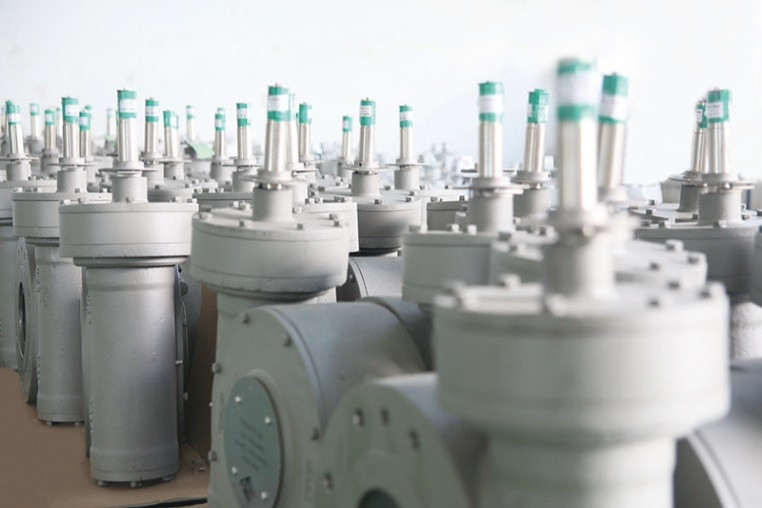
How custom declutchable and manual quarter-turn gearboxes are optimized for challenging field environments.
Industrial valve systems operate in diverse and demanding environments worldwide. To maintain high process availability, we specialize in customizing gearbox materials and sealing profiles to suit specific local project conditions:
Valves installed in underground gas lines or deep water networks need long-term protection against external static pressure and groundwater. Stard-Gears designs buried service gearboxes equipped with specialized shaft seals and filled with high-viscosity lubricants. These units are built to withstand high external hydrostatic forces and resist soil corrosion over decades of service.
Salt spray and marine humidity can quickly corrode unprotected iron surfaces, leading to mechanical binding. For offshore installations and coastal facilities, Stard-Gears supplies aluminium alloy and heavy epoxy-coated cast steel gearboxes. Our multi-layer paint configurations conform to ISO 12944 C5-M standards, keeping internal gears protected in highly corrosive offshore conditions.
In automated processing lines, a sudden loss of pneumatic pressure or electrical power can compromise valve control. Stard-Gears declutchable worm gearboxes allow operators to override automated controls manually. By pulling a simple declutch lever, plant personnel can quickly disengage the power actuator and stroke the valve manually to prevent process upsets.
Our long-term R&D vision focuses on integrating smart diagnostic sensors, lightweight alloys, and high-efficiency gear profiles.
As process plants move toward predictive maintenance models, valve gearboxes are evolving to capture operational data. Stard-Gears is developing a series of gearboxes featuring integrated torque sensors and wear-indicator modules. These sensors track real-time torque profiles, cycle counts, and gear wear, feeding data back to central control systems to help schedule maintenance before a failure occurs.
Weight reduction is a key priority for automated valve skids on offshore platforms. To address this, our research and development team is expanding our lightweight, high-yield aluminum-alloy series. These compact gear operators offer torque capacities comparable to traditional cast-iron models, helping reduce overall piping system loads.
For precise control applications, even minor gear backlash can affect positioning accuracy. We are refining our gear hobbing methods to produce specialized tooth profiles with minimal clearance. This ensures tight engagement between worm gears and worm shafts, optimizing accuracy and efficiency in high-precision control valves.
Environmental safety is critical in municipal drinking water and marine applications. Stard-Gears is testing and adopting food-grade and biodegradable synthetic lubricants. These lubricants prevent ground contamination in the event of a seal failure, meeting global environmental regulations while providing long service lives.
Get answers to technical questions about gear ratios, materials selection, mechanical ratings, and installation practices.