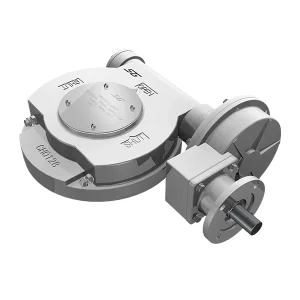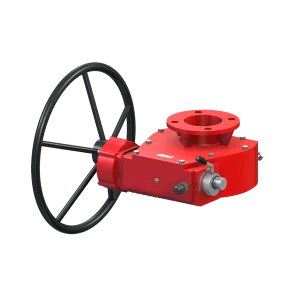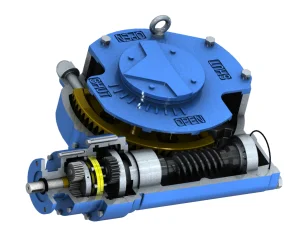
Explore our industrial range of high-efficiency gearboxes, pneumatic linear actuators, and specialized control operators built to global standards.
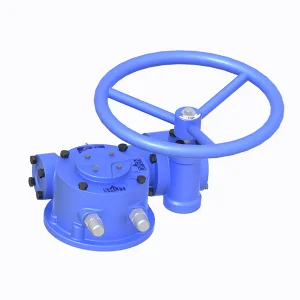
An Analytical Whitepaper on Torque Dynamics, Mechanical Safety Factors, and Material Integration
In complex process industries, fluid flow control requires precise mechanical motion. The reliability of pipeline isolation and process regulation depends on the synergy between the valve and its actuator. As global demand rises for automated processing in chemical manufacturing, oil and gas distribution, municipal water management, and nuclear power generation, choosing the right valve actuator becomes critical.
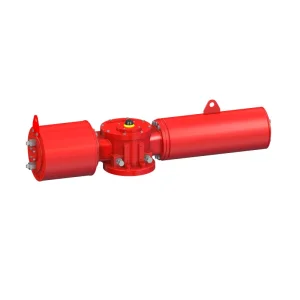
Engineers must match the actuator's output torque profile to the valve's dynamic torque curve. For quarter-turn valves—like ball, butterfly, and plug valves—torque demands peak at seat breakout and during final closure. The Scotch Yoke actuator (e.g., our YP Series) uses a sliding pin mechanism to convert linear force into rotary torque. This design yields a canted or symmetric torque profile that peaks at the beginning and end of the stroke, aligning with the valve's torque curve and saving energy.
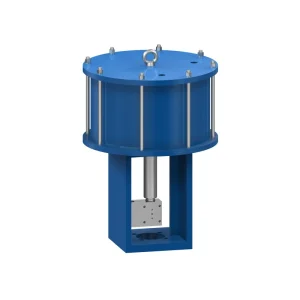
In contrast, linear pneumatic piston actuators (like the LSP Series) convert compressed air force into straight-line motion. These systems are ideal for globe, gate, or rising-stem control valves that need linear actuation. They deliver high thrust, quick response times, and precise positioning when combined with electro-pneumatic positioners.
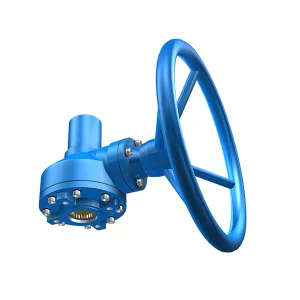
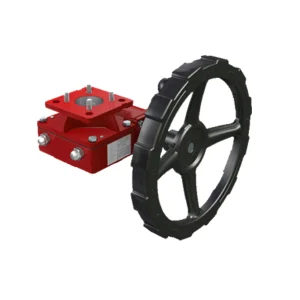
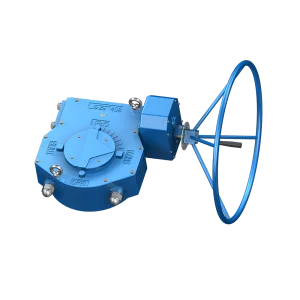
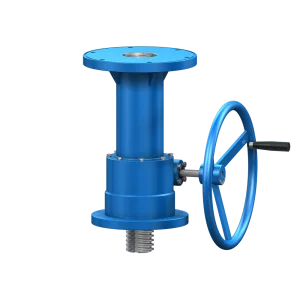
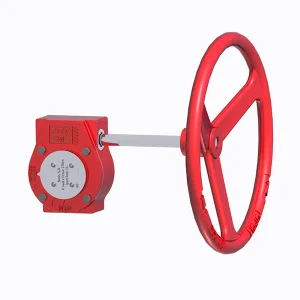
Our product line covers the full spectrum of industrial valve operation, ensuring reliable torque delivery across various media and environments:
Providing custom valve control technology for global industries facing strict environmental and performance requirements.
Explosion-proof gearboxes and SIL 3-capable pneumatic actuators handle high pressure and flammable gases safely, preventing fugitive emissions.
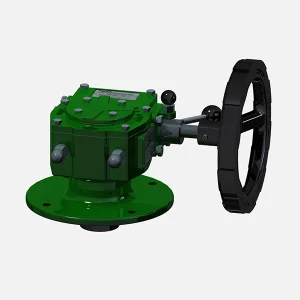
Our heavy-duty cast steel and ductile iron bevel gearboxes are built to withstand high radiation levels and seismically active environments, meeting IEEE nuclear standards.
For buried pipeline installations, we manufacture IP68-certified underground gear operators. These units feature corrosion-resistant epoxy coatings and lifetime grease fill.
Based in Suzhou Industrial Park, Stard-gears leverages the region's advanced manufacturing ecosystem. The Yangtze River Delta boasts a mature and convenient supply chain, ensuring reliable access to high-quality castings, precision CNC machining, and specialized alloy suppliers.
By integrating regional raw materials and processing networks with our internal ERP and manufacturing execution systems (MES), we achieve fast delivery cycles without compromising quality. Whether you need customized declutchable gearboxes or standard quarter-turn gear operators, our localized supply chain helps us meet tight project timelines.
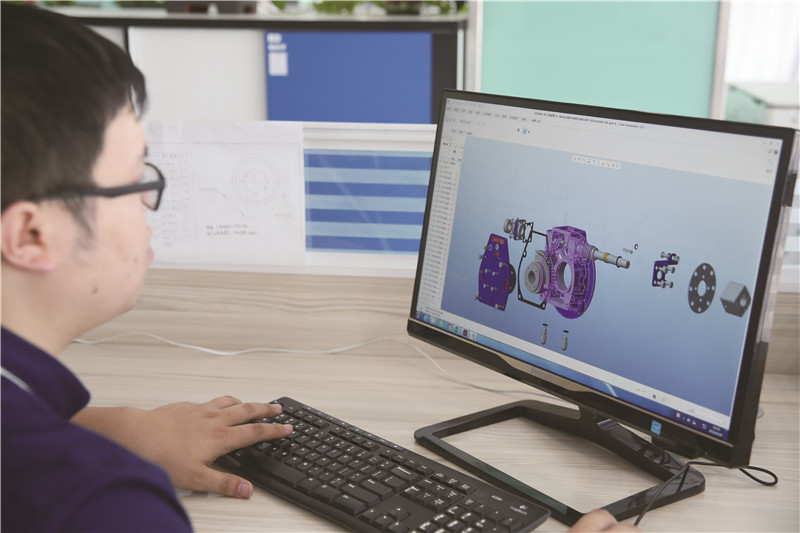
Using digital simulation to validate design reliability and structural integrity before manufacturing begins.
Through 3D design, dynamic simulation, and finite element analysis (FEA), our engineering team virtually verifies the performance of every new product before it is put into production. This significantly shortens development cycles, ensures product safety, and optimizes manufacturing costs.
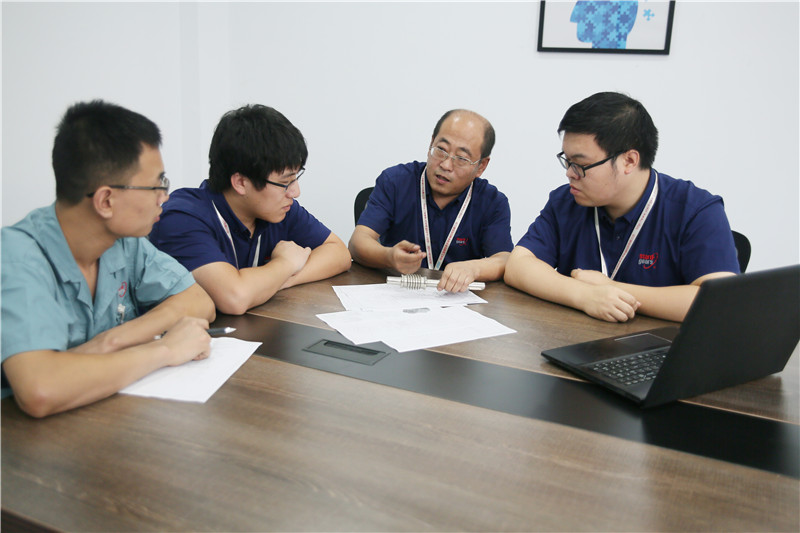
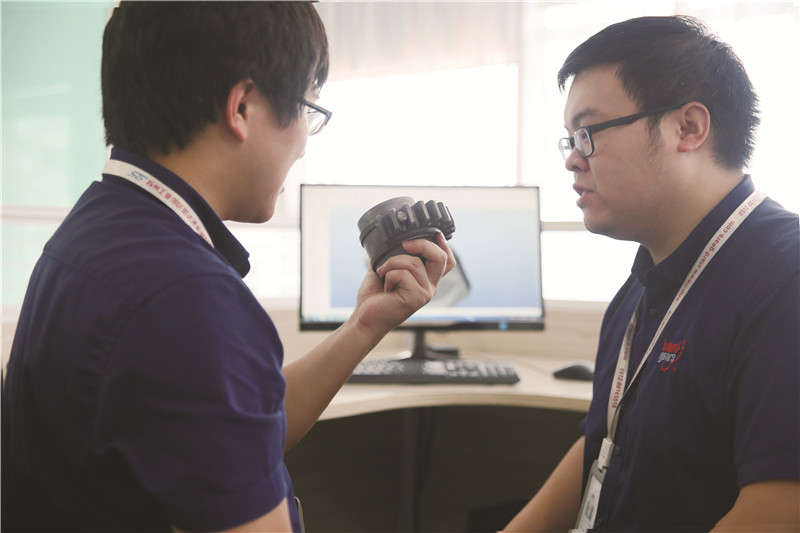
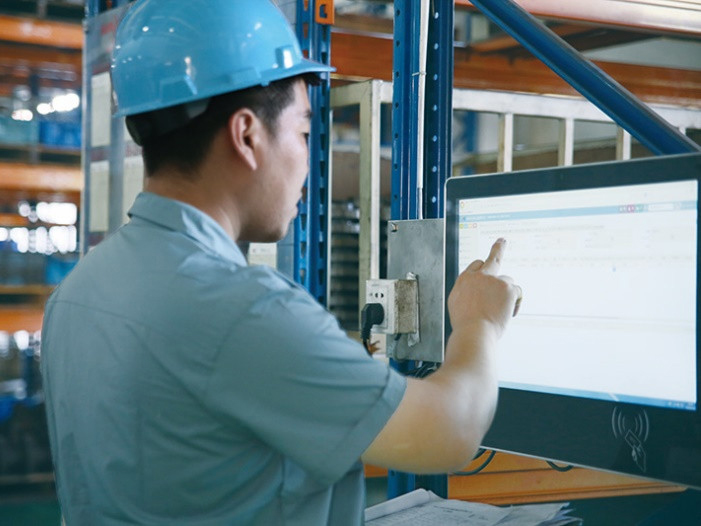
Stard-gears uses a comprehensive ERP management system to monitor and track every customer order in real-time. This system coordinates our production scheduling, raw material purchasing, assembly, and testing.
By digitalizing our workflow, we maintain traceabilty from raw metal heat numbers to final torque testing. This visibility helps minimize manufacturing bottlenecks and ensures that every gearbox is delivered on schedule.
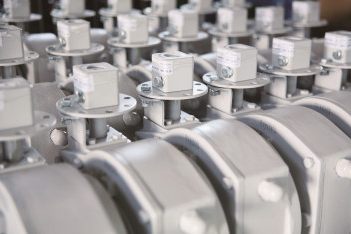
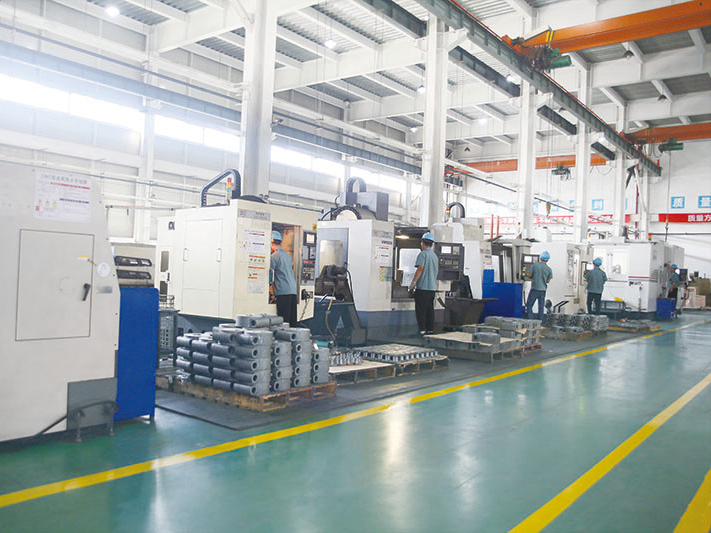
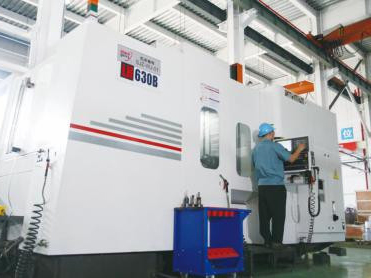
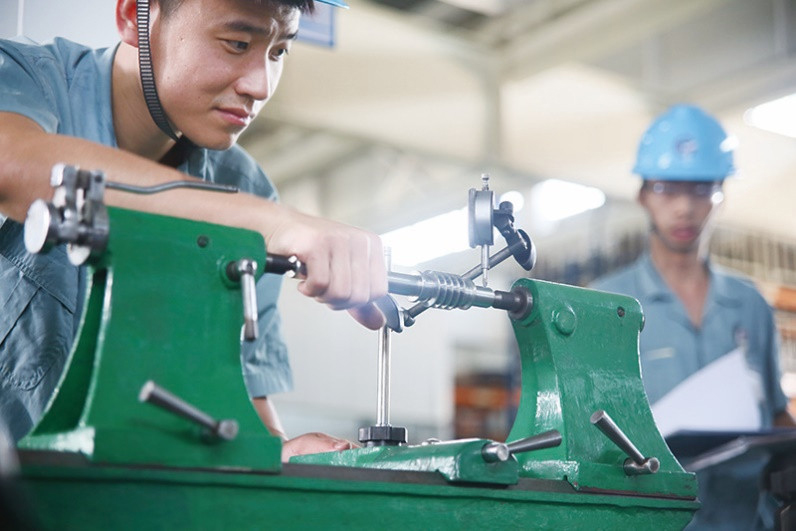
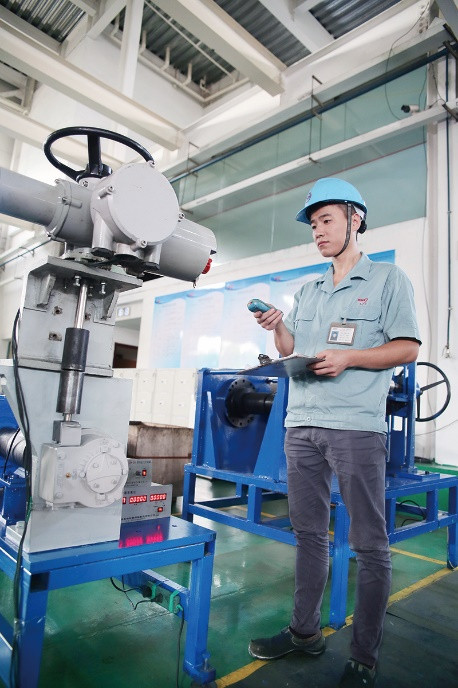
Equipped with high-precision machining centers and testing benches to ensure components meet critical dimensional tolerances.
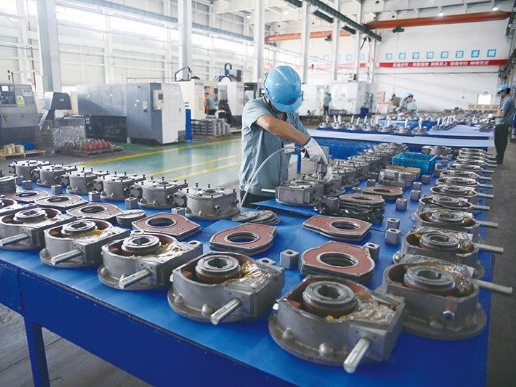
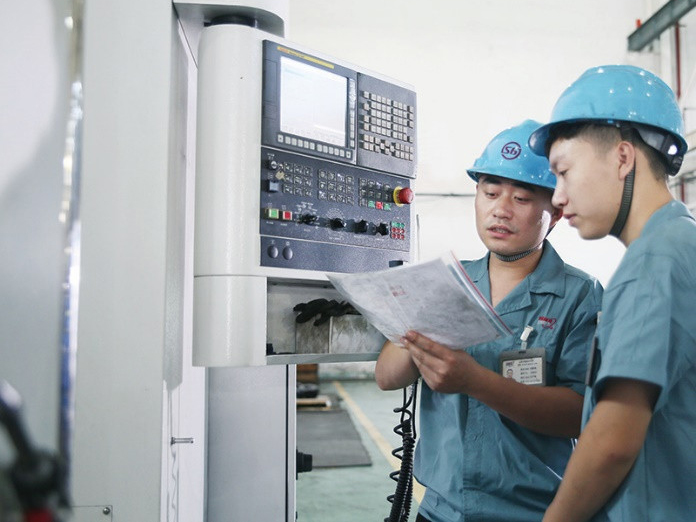
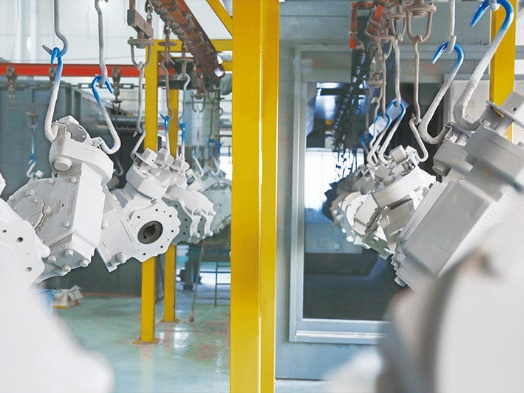
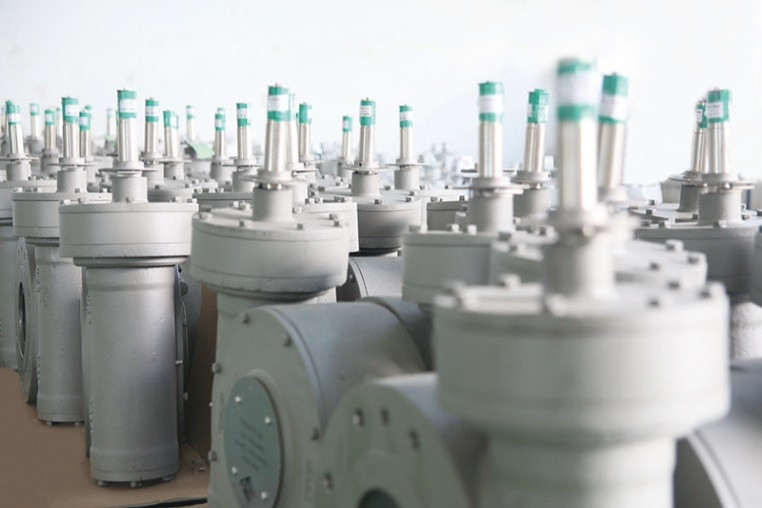
From Inbound Castings to Finished Products: Zero Defect Quality Protocol
To maintain strict quality standards, Stard-gears employs full-time QC inspectors at every manufacturing stage, including incoming material inspection (IQC), in-process control (IPQC), and final validation testing (FQC).
Comprehensive datasheet of materials, performance metrics, and certifications for our actuator and gearbox lines.
| Actuator/Gearbox Class | Common Materials | Torque Range (Nm) | Standards & Compliance | Application Environment |
|---|---|---|---|---|
| YP Series Scotch Yoke | Ductile Iron, Cast Steel, Stainless Steel | 1,200 - 250,000 Nm | SIL 3, CE, ATEX, ISO 5211 | High breakout torque rotary valves, ESD systems |
| LSP Series Linear Piston | Carbon Steel, Anodized Aluminium | Thrust up to 120,000 N | CE, ISO 9001 | Rising stem globe & gate control valves |
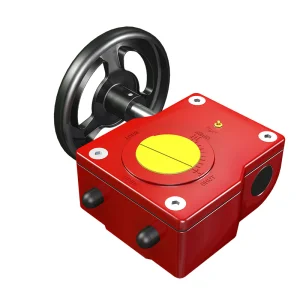
| SLJ Declutchable Gearbox | Ductile Iron (WCB optional) | 300 - 15,000 Nm | CE Certification, IP67 / IP68 | Pneumatic assembly manual override backup |
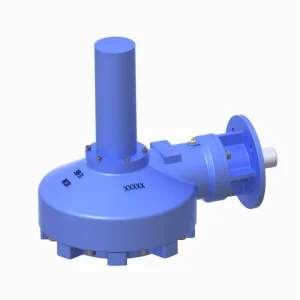
| SB Bevel Gear Operator | Cast Steel, Ductile Iron | 500 - 35,000 Nm | CE, API 6D Compatible | Multi-turn industrial gate and globe valves |
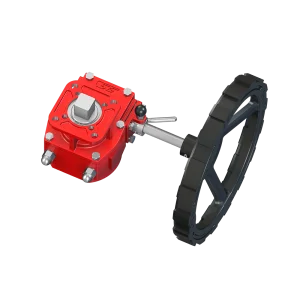
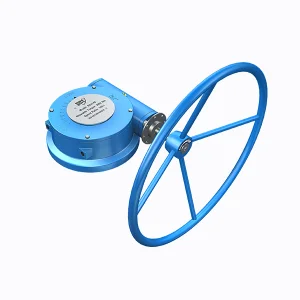
| Quarter-Turn Manual Gear | Aluminium Alloy, Cast Iron | 120 - 8,000 Nm | ISO 5211, IP65 - IP67 | General HVAC, water isolation valves |
For critical industrial processes, compliance with international standards is essential. Stard-gears maintains an ISO 9001 quality management system. Our gearboxes and actuators carry CE Certifications, confirming compliance with European pressure equipment and machinery directives.
Our engineering standards align with major global bodies including API (American Petroleum Institute), AWWA (American Water Works Association) for buried service, and ATEX/IECEx directives for hazardous explosive atmospheres. This compliance simplifies global integration and approvals for engineering companies and system integrators.
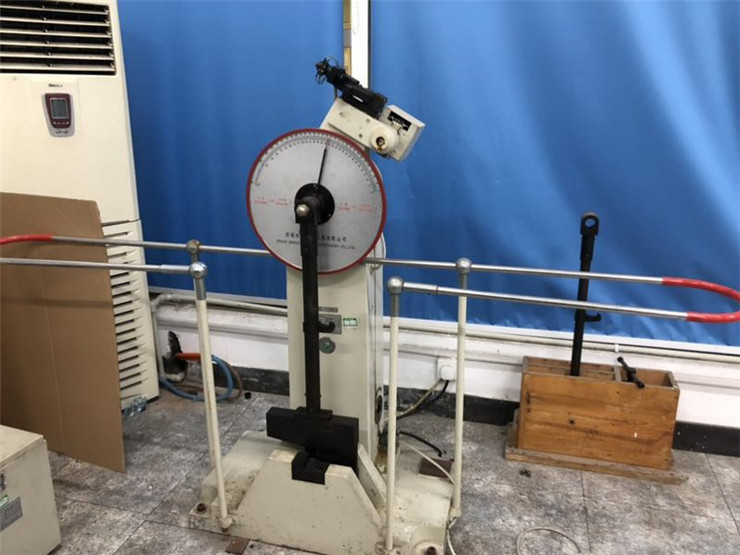
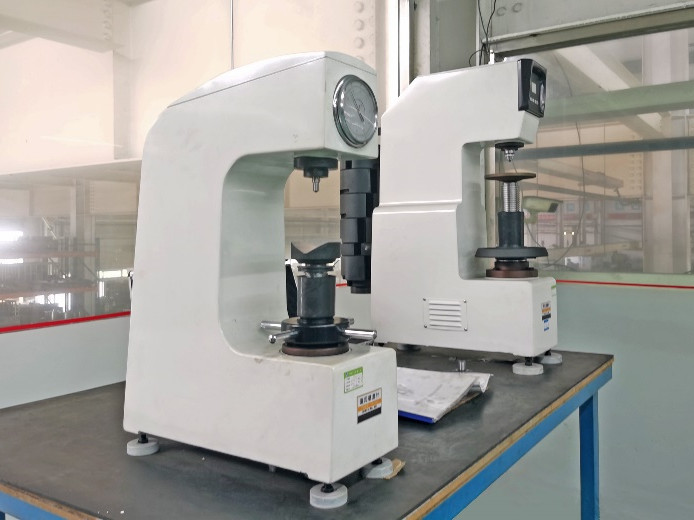
Stard-gears operates specialized inspection and testing equipment to monitor component quality from castings to finished assemblies. Our facilities perform critical tests, including cycle life fatigue testing and high-torque destructive load evaluation.
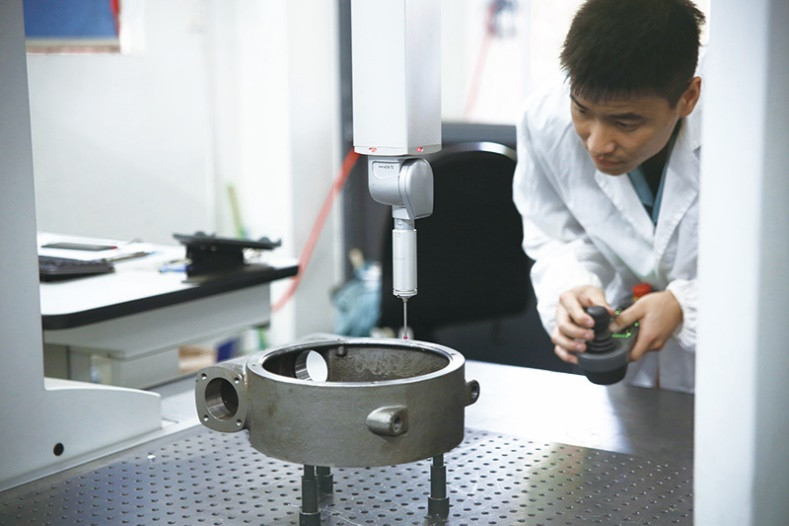
Every production batch undergoes strict dimensional verification on our coordinate measuring machines (CMM). Testing also includes pressure decay leak checks on pneumatic cylinders, paint thickness validation for offshore coatings, and gear play analysis. This ensures that every shipped unit meets our performance standards.
Investing in research to meet the future demands of automated processing plant design.
Stard-gears is focused on supporting the transition to digital process automation. Our engineering initiatives align with three primary development areas:
Integrating non-intrusive sensor arrays into declutchable and bevel gearboxes to monitor operational torque, mechanical wear, and vibration profiles in real-time.
Developing gear operators pre-lubricated with biodegradable synthetic greases. This reduces chemical risks in potable water distribution and food-processing applications.
Optimizing housing designs using topology analysis to reduce raw material usage while maintaining structural strength. This lowers installation weight and shipping footprints.
Detailed engineering answers to help you select, install, and maintain industrial actuation components.
Complete your automation loop with reliable manual override operators, high-performance cast steel units, and custom bevel gearboxes.