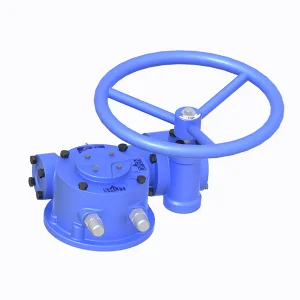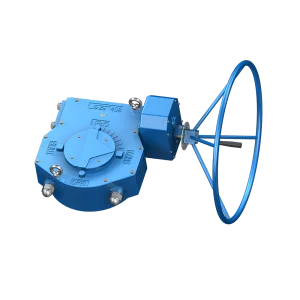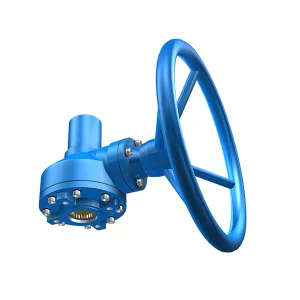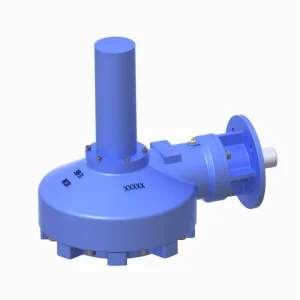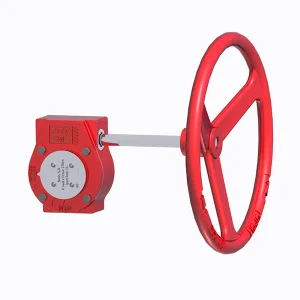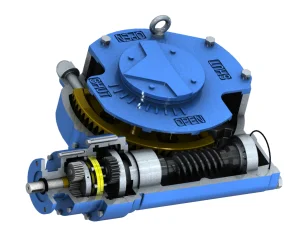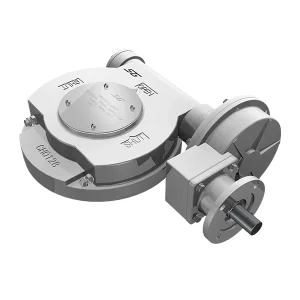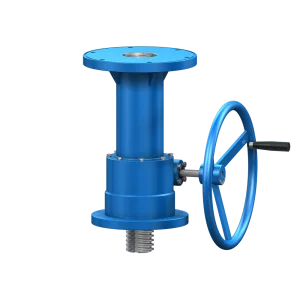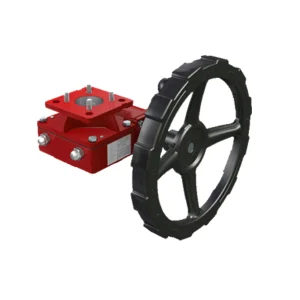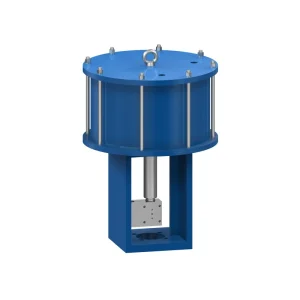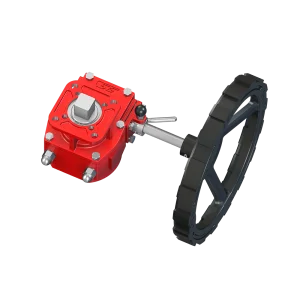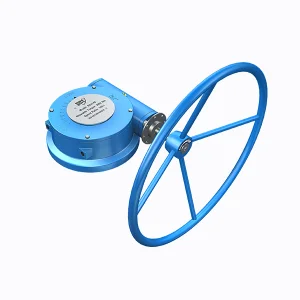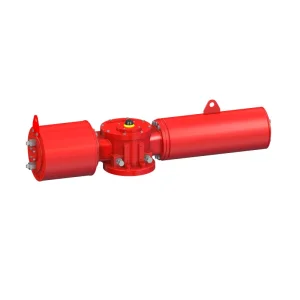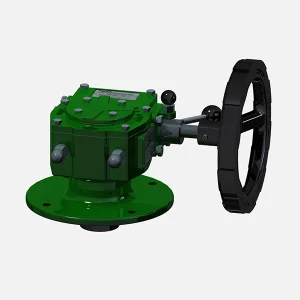
Explore our high-performance manual gearboxes, declutchable operators, and pneumatic actuators. Review standard mechanical design outlines and request customization options below.
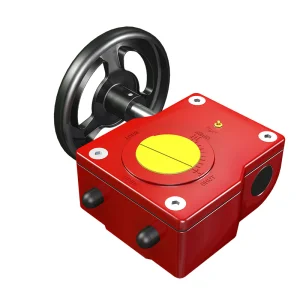
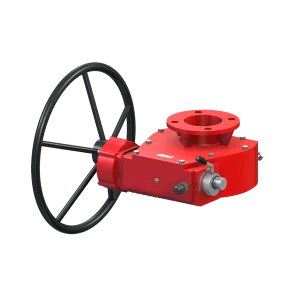
In modern flow-control and pipeline process design, the availability of precise valve gearbox drawings serves as a critical bridge between theoretical structural layouts and real-world implementation. A highly qualified valve gearbox manufacturer must not only provide physical hardware but must also supply comprehensive, standard-compliant CAD files, 3D STEP models, and detailed 2D interface drawings. This ensures seamless integration of electric, pneumatic, or manual actuate mechanisms with quarter-turn or multi-turn valves.
As a global leader, Stard-gears is focused on providing top-tier, compliant gearbox drawings supporting international specifications including ISO 5211 / ISO 5210, API, ASME, and MSS-SP dimensions. This comprehensive guide serves as an industry white paper mapping out technical trends, design validations, macro-environmental applications, and procurement frameworks.
Found in 1999, Located in Suzhou Industrial Park. The plant covers 8900㎡, and the Office 2500㎡. Annual sales of $7,000,000, grew by 10%-20% per year. Have certificate of ISO9001. The annual production can reach 100,000 sets.
Stard-gears is a leading global provider specializing in valve control technology. Application scenarios for our products include oil, chemical, natural gas, nuclear, and water.
We are committed to product innovation, quality and reliable solutions to help our customers better manage their valves.
We are from Suzhou, China. The Yangtze River Delta region of China has a well-established and convenient supply chain, which ensures that our castings, machining capabilities, and spare parts procurement are advantageous at the same time. We are able to meet both fast delivery and better product quality.
Our more than 25 years of experience serving the industry means that our clients can rely on us to provide innovative, reliable and cost-effective solutions.
The flow control market is rapidly shifting from standardized manual gear designs to integrated, smart, and optimized actuations. Industry professionals now demand highly configurable 3D CAD files and mechanical blueprints to prevent field alignment failures. The following three key trends define the sector:
Stard-gears is a modern company integrating research & development, production, sales and trade. Stard-gears had set up the goal of becoming the industry leader.
Last 10 years, our products have been exported to the United States, Italy, Germany, Mexico, Singapore, Japan and other countries. Stard offers 9 series, about 80 varieties of gear operators.
Based on mission statement of "excellent reputation, best quality and perfect service", the company would try best to serve customers all over the world.
Through 3D simulation, dynamic simulation, finite element analysis, etc., engineers can virtually verify the rationality of their designs of every new product before it is put into production, significantly shortening the design and development cycle of new products, ensuring the safety of the final products, and minimizing the costs.
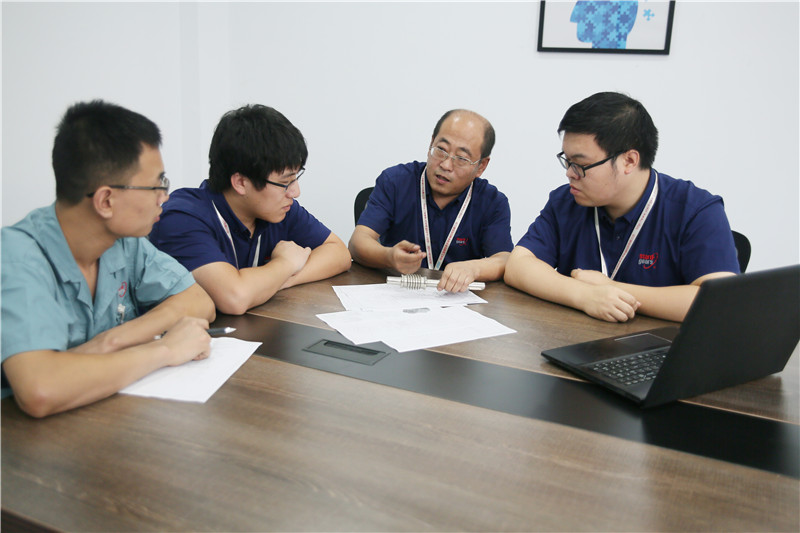
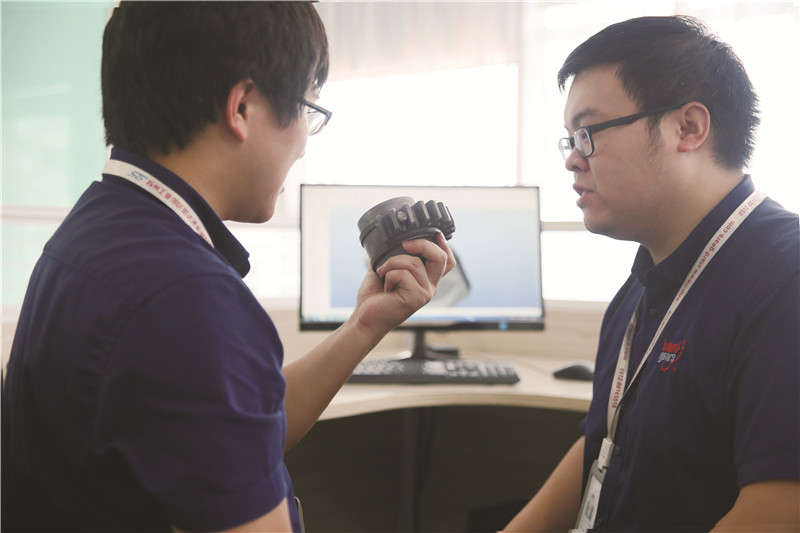
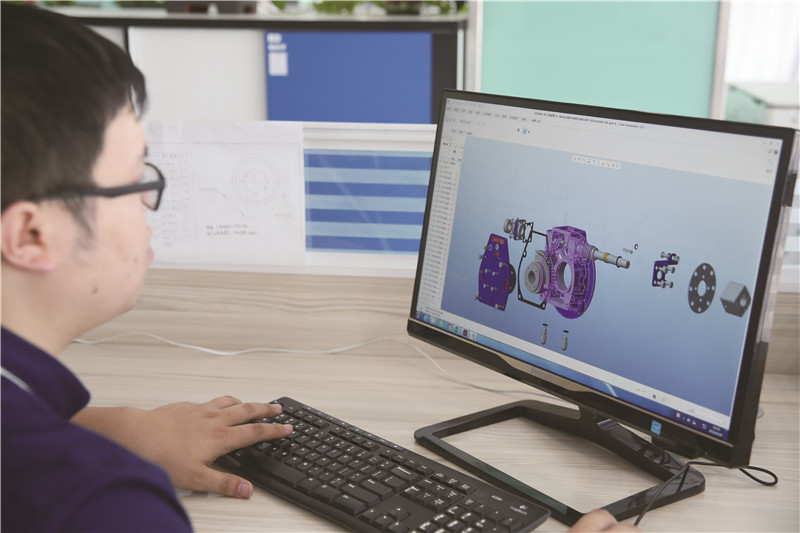
When procurement officers or piping engineers evaluate gearbox vendors, the quality of technical drawings represents the level of engineering sophistication. Insufficient mechanical documentation causes misalignment, wrong bolt spacing, and field assembly delays, which translate into substantial downtime costs.
To address these challenges, Stard-gears ensures all drawings specify critical interface details, including:
Stard Automation runs a comprehensive ERP management system to ensure that the production schedule and progress of each order from each customer is clear at a glance. This system plays an important role in business operation and management. The real-time supervision and management are implemented throughout the production to improve efficiency.
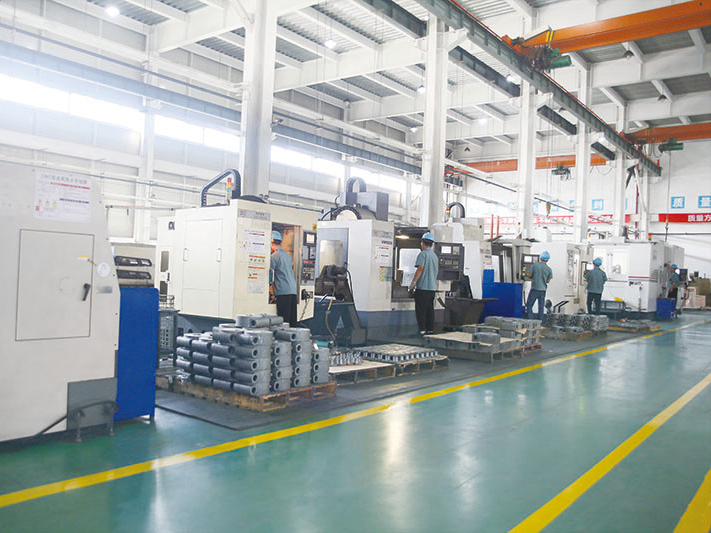
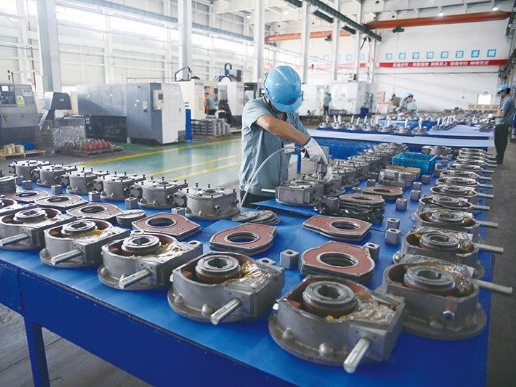
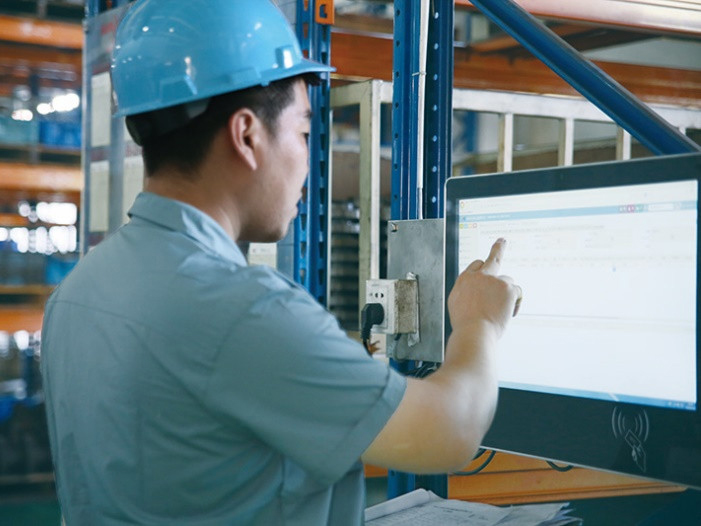
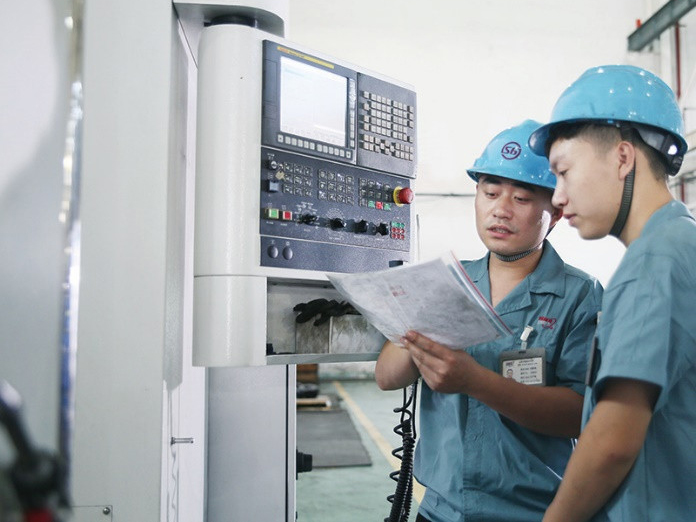
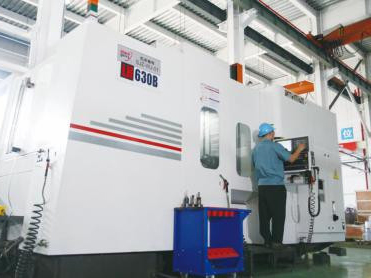
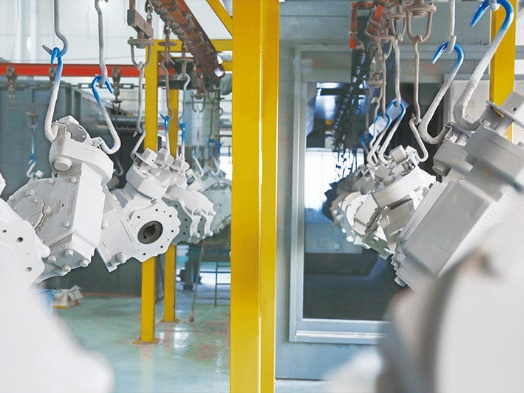
The annual output value of the Suzhou plant can reach $9,000,000. The annual production can reach 100,000 sets.
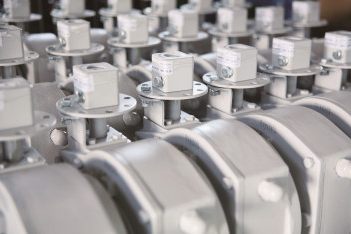
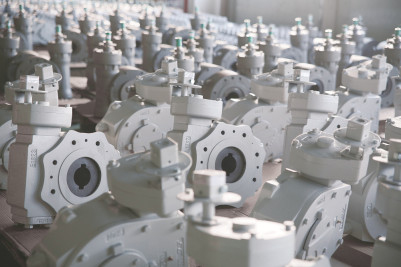
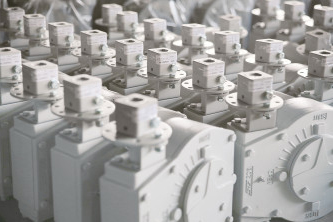
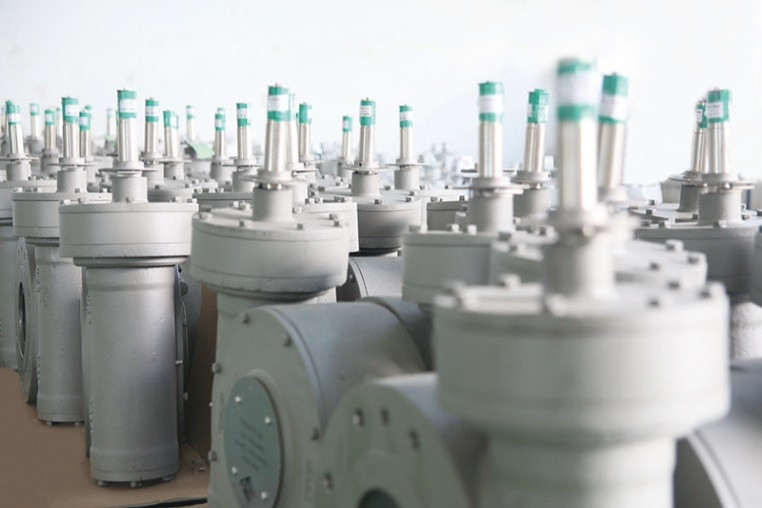
Industrial valve gearboxes operate in high-temperature, corrosive, and volatile environments. A standard design does not cover all use cases. Stard-gears engineers custom gear layouts for specific industries:
To improve the inspection and testing process, Stard Automation has set up full-time QC posts at every stage of the manufacturing process from incoming materials to in-process control and to process finalization, ensuring that products are 100% qualified before shipment.
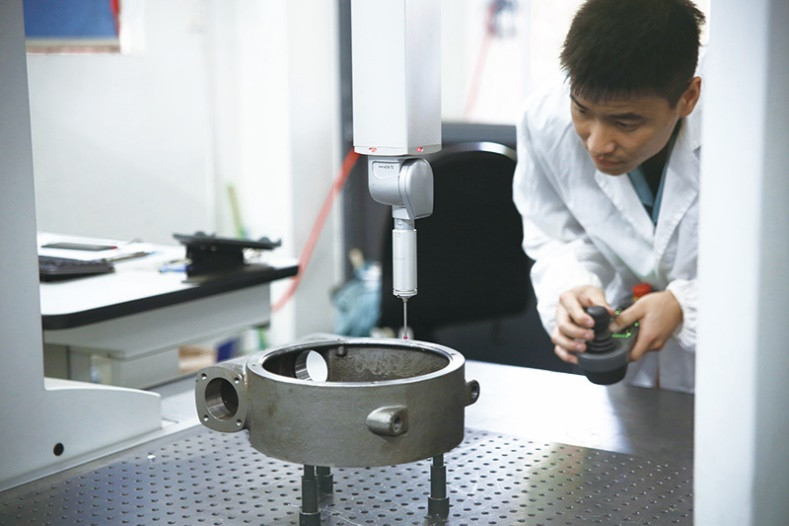
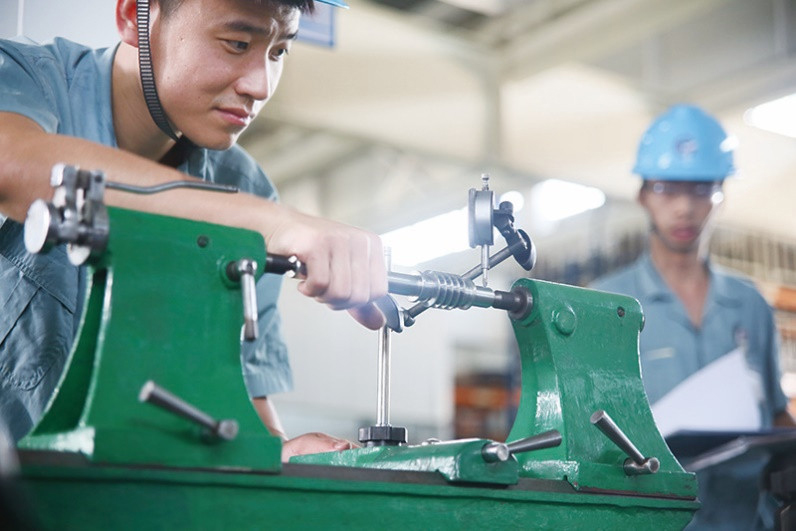
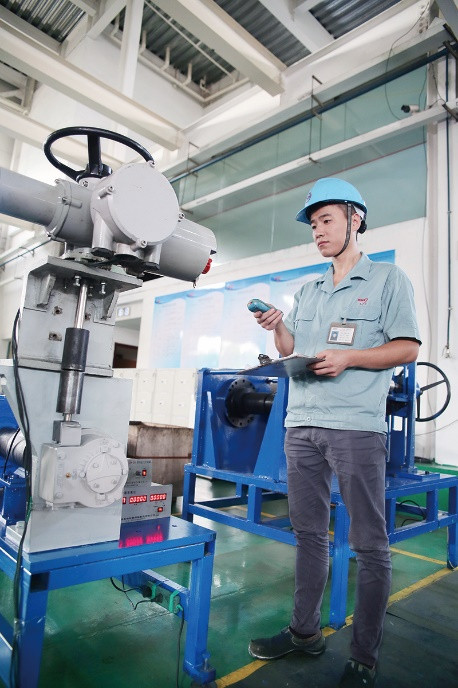
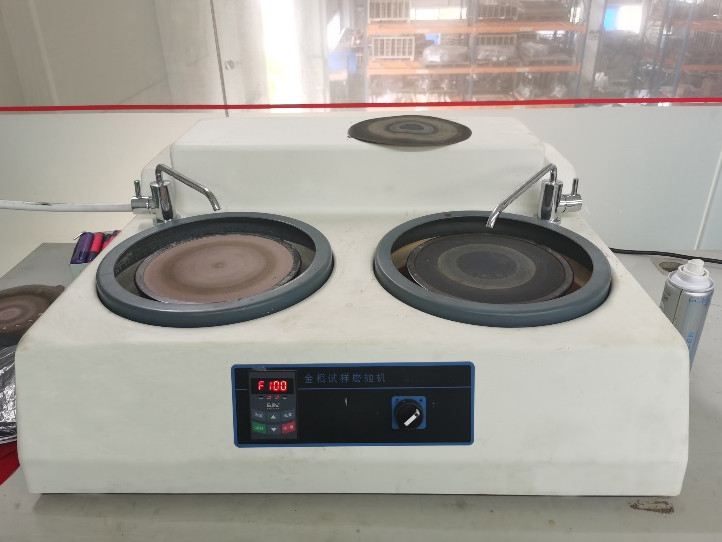
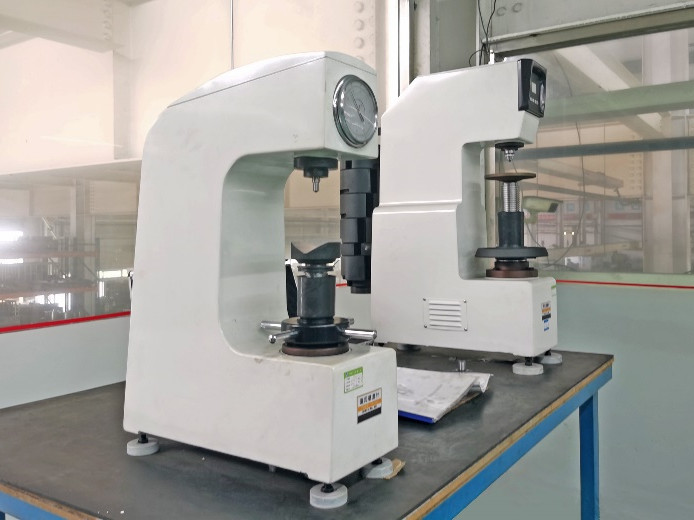
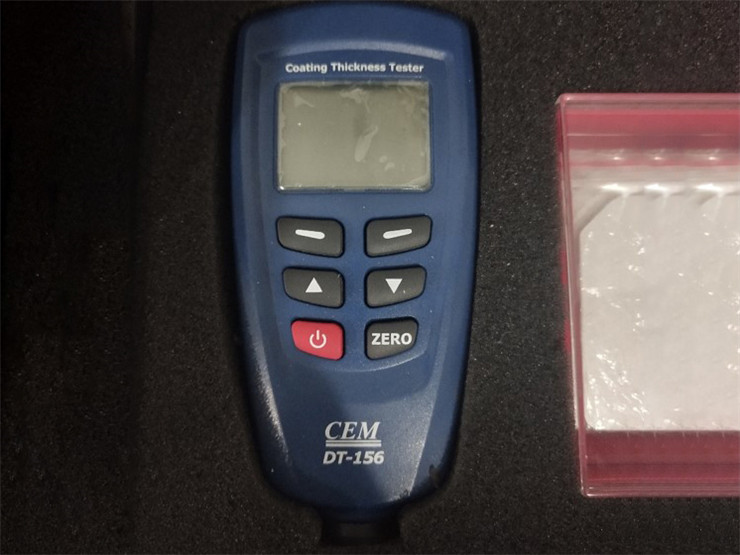
Stard Automation owns a full range of advanced inspection and testing equipment to control the quality throughout the whole process from blank casting to finished products, which enables us to perform tests like the torque test and life cycle test.
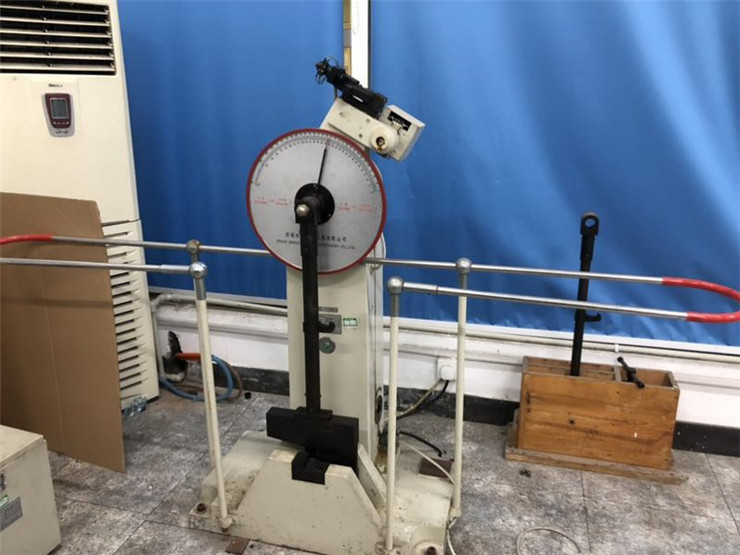
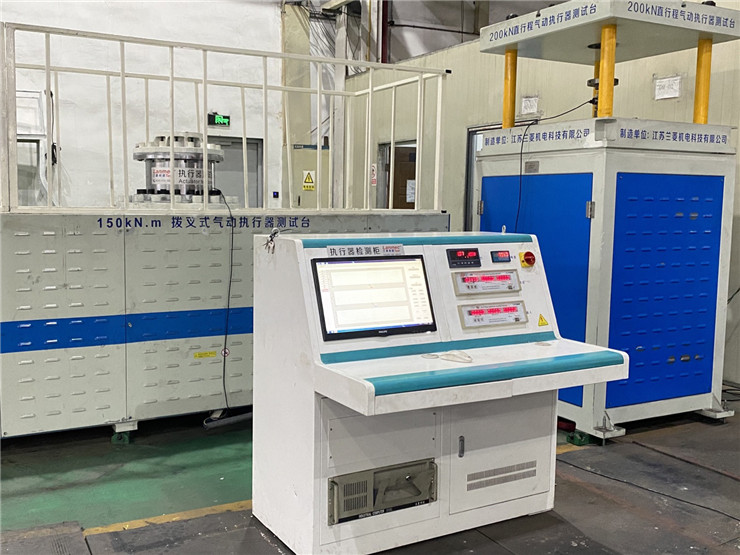
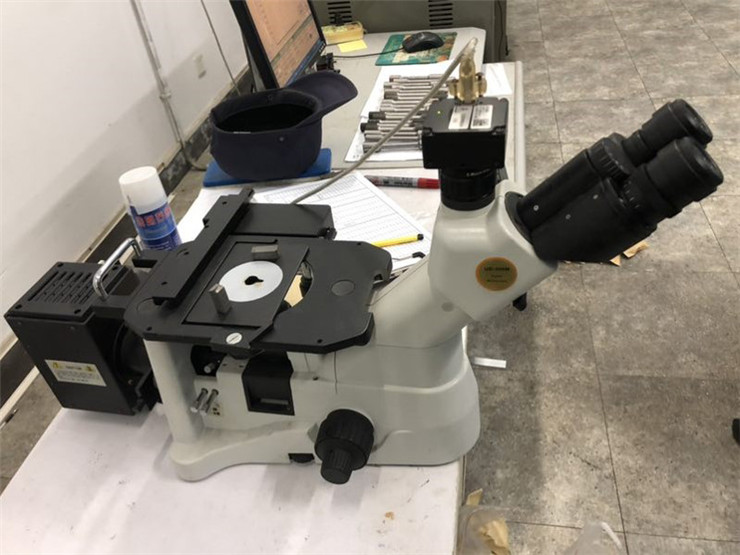
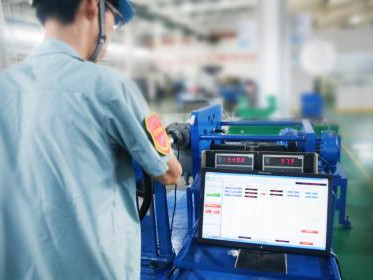
To guarantee complete alignment with localized project requirements, Stard-gears products comply with major global safety regulations. We maintain CE Certification for our electric, manual, and declutchable systems.
Whether your project demands specific safety coefficients, material test reports (MTRs) matching EN 10204 3.1, or NACE sour gas compatibility, our localized engineering teams offer fast-turnaround revisions to current drawing sheets. With decades of international experience, we streamline imports and field operations across the Americas, Europe, and the Asia-Pacific region.
As process automation transitions to the IoT model, mechanical components must evolve. The Stard-gears engineering team is developing smart gearboxes that embed position tracking and output torque transducers directly inside the planetary gear set.
This next-generation valve gearbox design will be documented in updated drawing packages, permitting customers to retrofit existing pipeline setups with remote sensing modules. This innovation directly supports predictive maintenance, minimizing mechanical fatigue in critical petrochemical and municipal water networks.
Find answers to critical mechanical design questions, drawing custom-options, and procurement standards.
Review additional valve control solutions designed for demanding industrial piping systems. Select a model to download structural drawings and interface specifications.