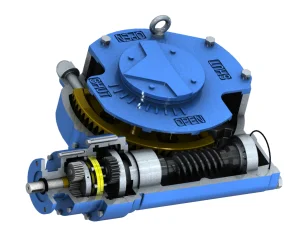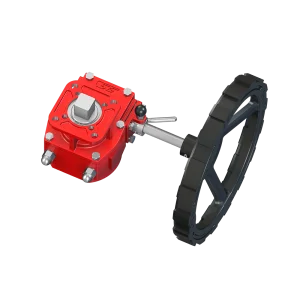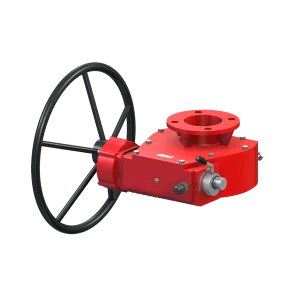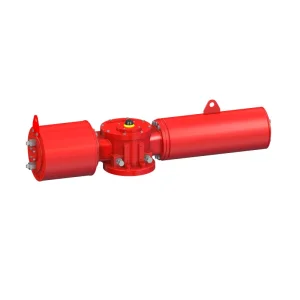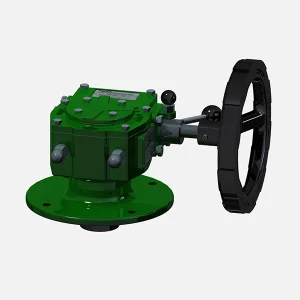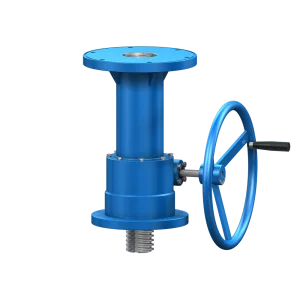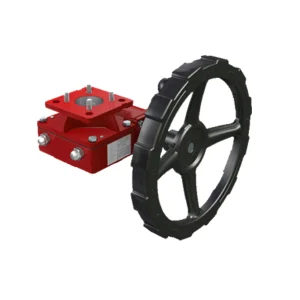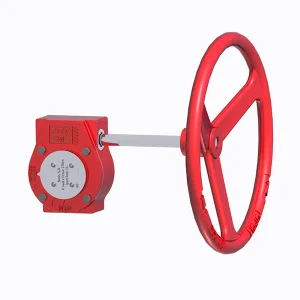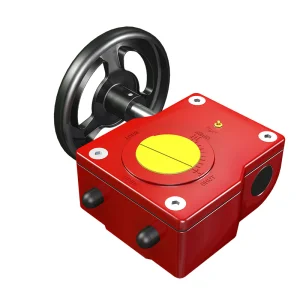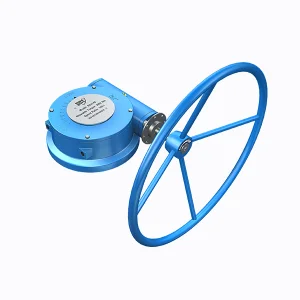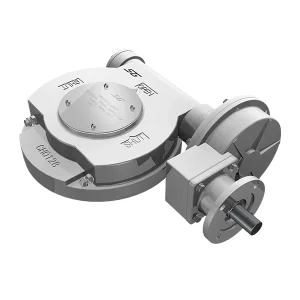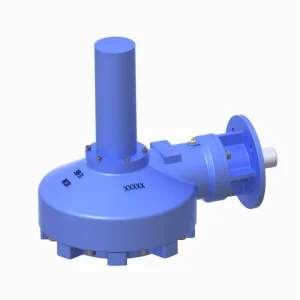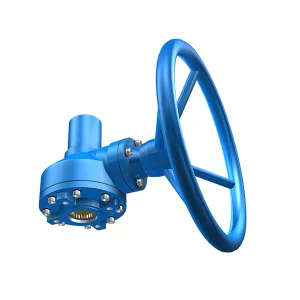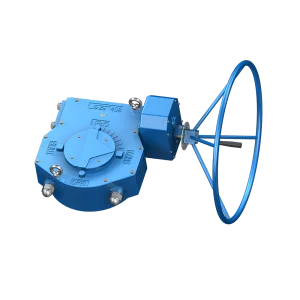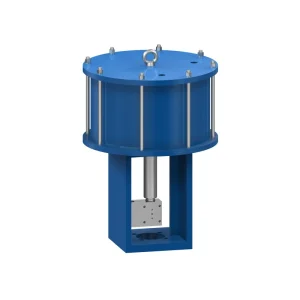
Engineered to deliver high-torque mechanical advantage, reliability, and precision control under harsh conditions.
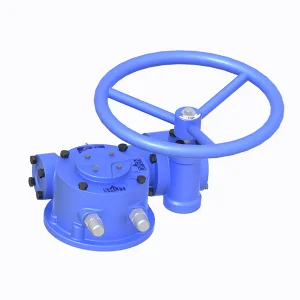
Whitepaper: How Worm Gearboxes Elevate Operational Safety, Torque Delivery, and Lifespan in Valve Control Systems
Worm gearboxes stand as the cornerstone of mechanical heavy-duty automation. Known for their unique right-angle configuration and robust self-locking attributes, these assemblies provide high reduction ratios in a compact spatial profile. For engineering professionals operating across the global oil, gas, chemical processing, maritime, and municipal water treatment sectors, specifying a worm gearbox requires a deep understanding of fluid dynamics, mechanical fatigue limits, and environmental protection.
Modern industrial operations face unprecedented stress. High pressures, cyclic loading, extreme temperature swings, and chemical washdowns degrade lesser mechanical units. The physical integrity of worm gears determines whether a plant operating at maximum output remains online or suffers an unscheduled shutdown. Consequently, procurement and design departments evaluate systems not merely by cost, but through the lens of life-cycle resilience, material metallurgy, and dynamic efficiency.
In high-torque applications like control valves, the self-locking behavior of worm gearing prevents back-driving. This is crucial for safety shutdowns. When power loss occurs, the internal friction between the worm shaft and worm gear prevents movement, maintaining the system's position without reliance on auxiliary braking mechanisms.
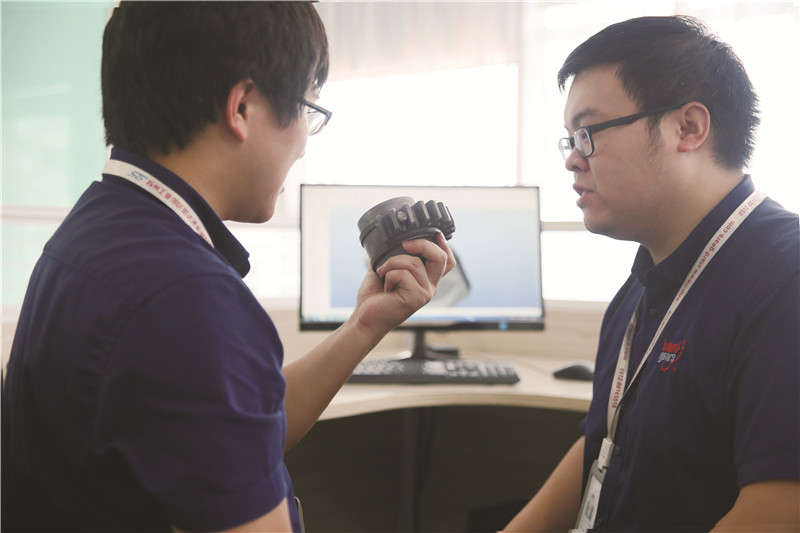
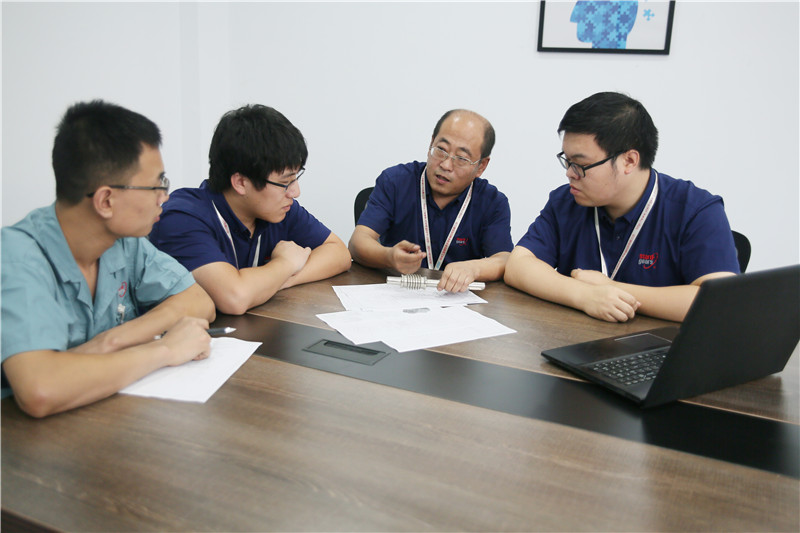
Fig 1: Advanced engineering consultation and design communication of custom gear geometry.
Over two decades of precision manufacturing at Suzhou Industrial Park, driving quality and innovation across continents.
Established in 1999, Stard-gears is a leading global provider specializing in valve control technology. Nestled in the highly developed industrial ecosystem of the Suzhou Industrial Park, China, our main production facility spans 8,900 square meters, supported by an advanced 2,500 square meter technology and administrative center. Our annual output reaches up to 100,000 sets of high-performance gear operators.
Through strategic supply-chain positioning in the Yangtze River Delta, we leverage highly specialized castings, sophisticated CNC machining capabilities, and advanced metallurgical materials. This infrastructure ensures we meet tight global delivery deadlines while maintaining strict quality metrics, maintaining an annual sales growth rate of 10% to 20%.
Understanding the demands of engineering, procurement, and construction (EPC) firms in modern gear applications.
Procurement teams demand robust IP ratings (IP67, IP68) for buried pipelines, submerged applications, and high-salinity offshore environments. High-quality worm gearboxes must feature double-lip oil seals, epoxy-rich corrosion resistance coatings, and high-strength ductile iron housings.
Global operations rely on standard interfaces (ISO 5211 / MSS SP-101) to support various pneumatic, hydraulic, and electric actuators. Quick declutchable manual overrides must operate reliably, allowing technicians to switch to emergency operations immediately.
Safety certifications are mandatory. Manufacturers must deliver certified CE, ATEX, and ISO 9001 standard compliant gears. The assurance that every unit has passed rigorous factory acceptance tests (FAT), such as dynamic torque testing, builds buyer confidence.
How the Yangtze River Delta cluster and lean automation processes secure production schedules.
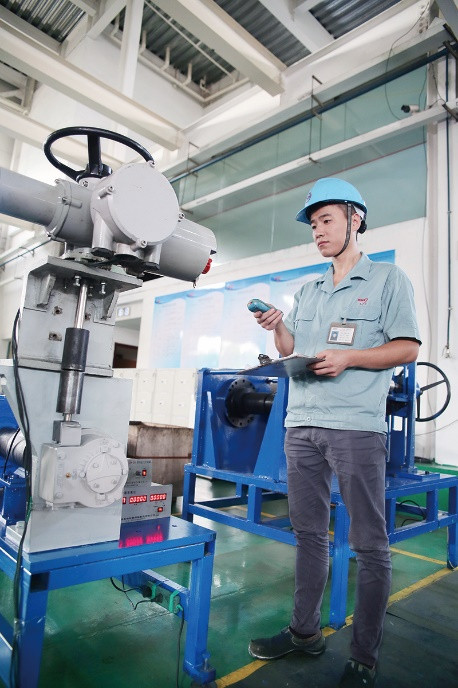
Fig 2: Highly automated CNC equipment and lean process management at Suzhou facility.
The Yangtze River Delta region is one of the world's most concentrated industrial supply chains. By establishing our manufacturing operations here, Stard-gears coordinates casting foundries, material processors, tooling shops, and surface treatment facilities within a tight radius. This geographical synergy drastically reduces lead times for raw castings (Ductile Iron, Cast Steel, and Aluminum Alloys).
Inside our Suzhou facility, we apply ERP (Enterprise Resource Planning) database tracking to map the production cycle of each gearbox order. Real-time scheduling prevents bottlenecking on the shop floor. From blank casting input to machining, heat treatment, sub-assembly, and final paint finishing, operations are closely monitored. This digital management system underpins our capability to output 100,000 sets annually with exceptional batch-to-batch consistency.
Additionally, our logistics network provides containerization and shipping routes directly through Shanghai and Ningbo ports, guaranteeing on-time international freight delivery to regions including the US, Western Europe, Southeast Asia, and Japan.
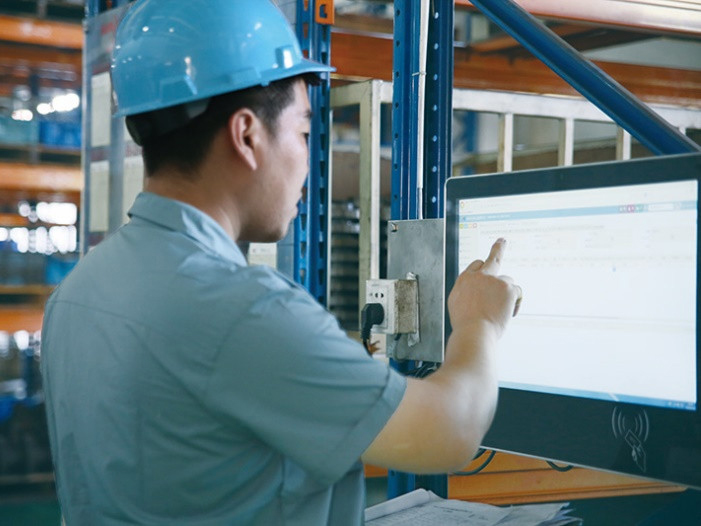
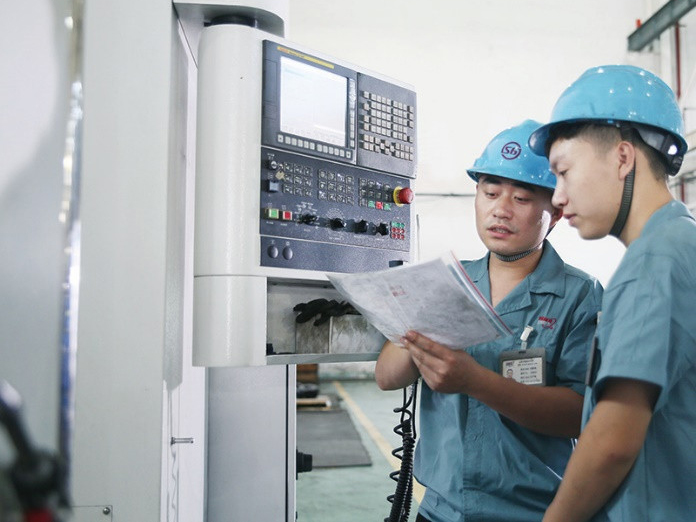
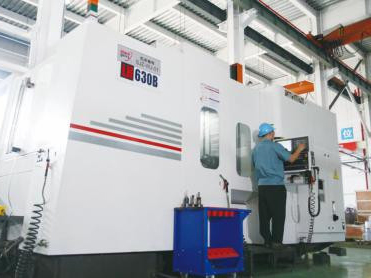
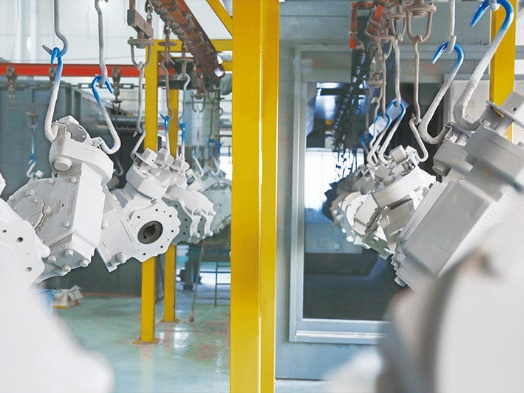
Using digital simulations to optimize load distribution, reduce mechanical stress, and prevent failure.
The physical environment of a control valve is unforgiving. Water hammer effects, pipeline pressure surges, and vibration place high stress on the actuator gearbox. At Stard-gears, our design cycle is supported by advanced design software, including 3D Solid Modeling, Finite Element Analysis (FEA), and dynamic kinematics simulation.
Before casting molds are generated, our engineers run simulations of tooth profile contact stresses. This ensures the gear sets distribute loads evenly without creating localized wear zones. FEA simulations verify that structural components—specifically the ductile iron housings and input shafts—sustain maximum output torque limits without yielding.
By simulating mechanical loads digitally, we reduce prototyping cycles and optimize material efficiency. This ensures our custom worm gear operators exhibit minimal backlash, high torsional rigidity, and reliable service life under standard operations.
 Program Setup
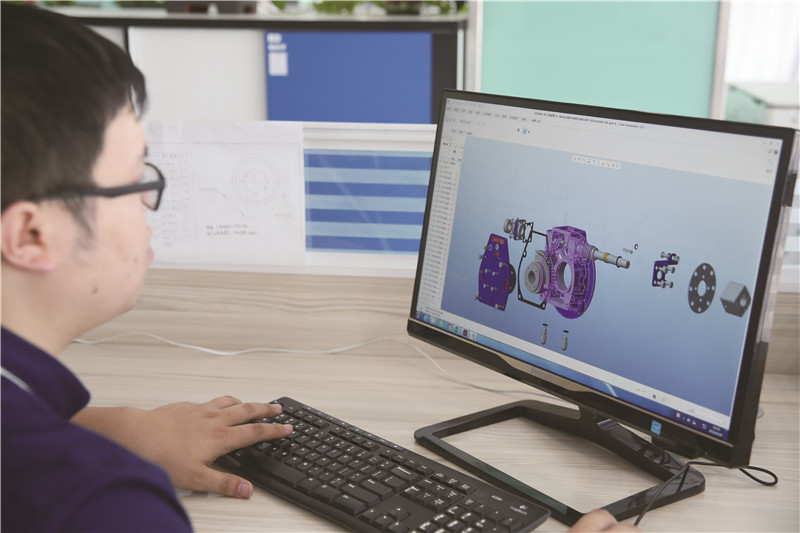 Design Drawing & FEA
How 100% inspection rates and precision instrumentation protect client facilities.
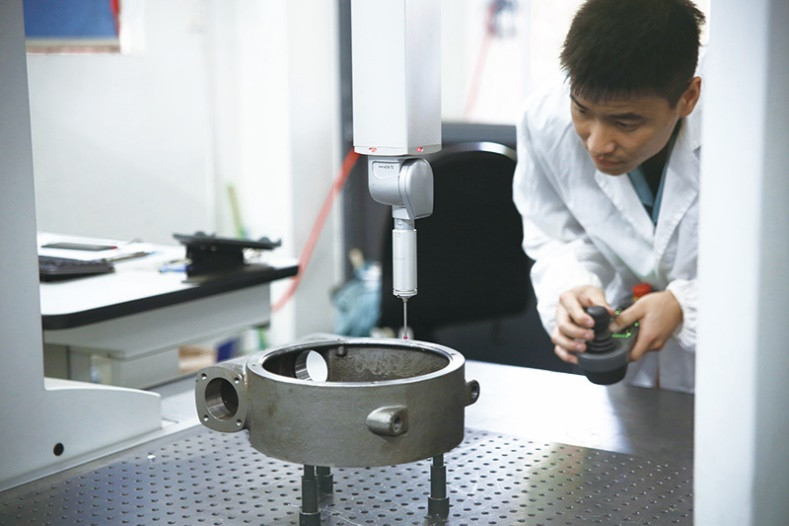
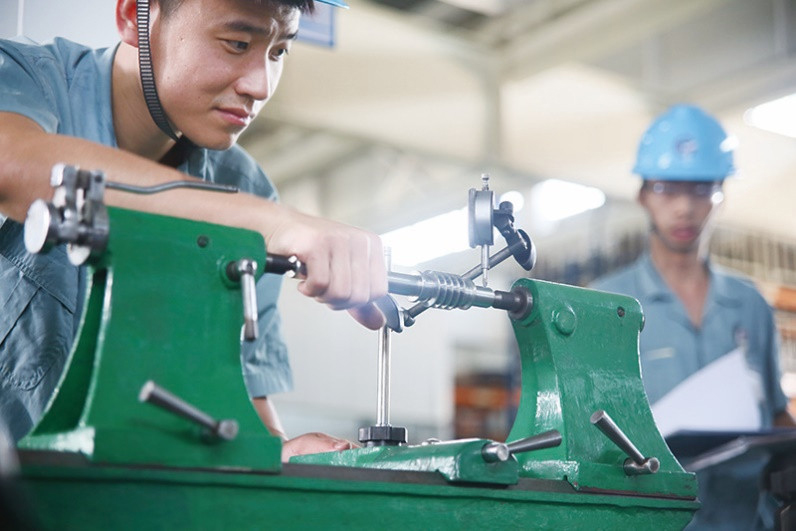
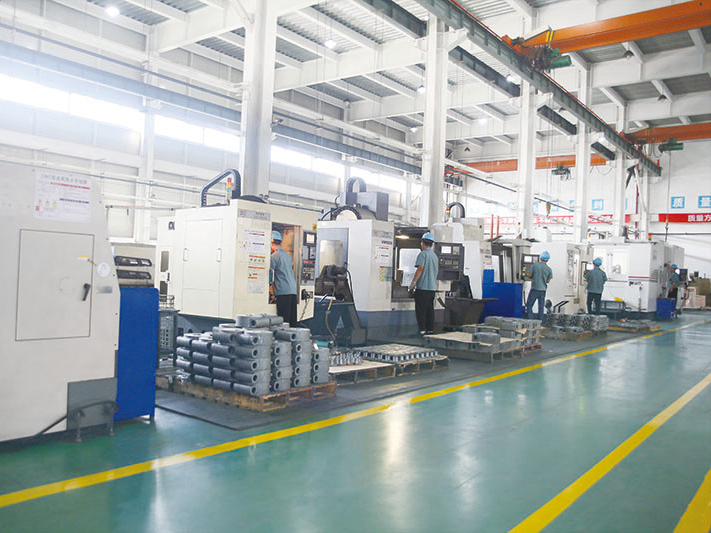
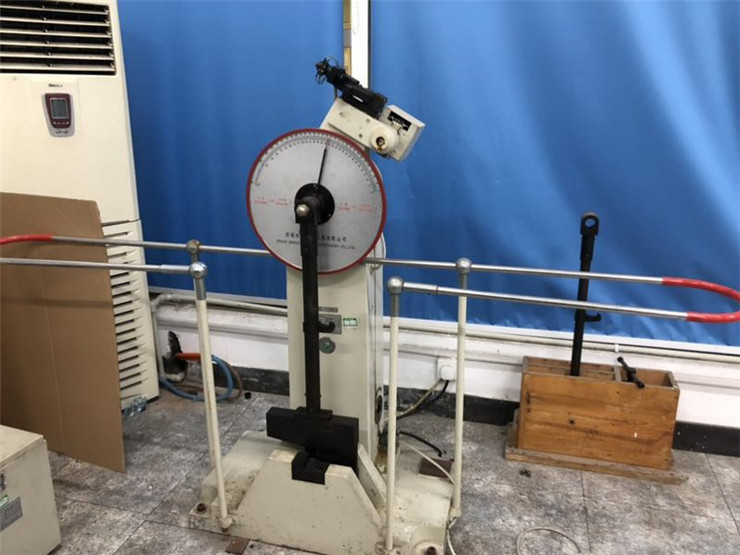
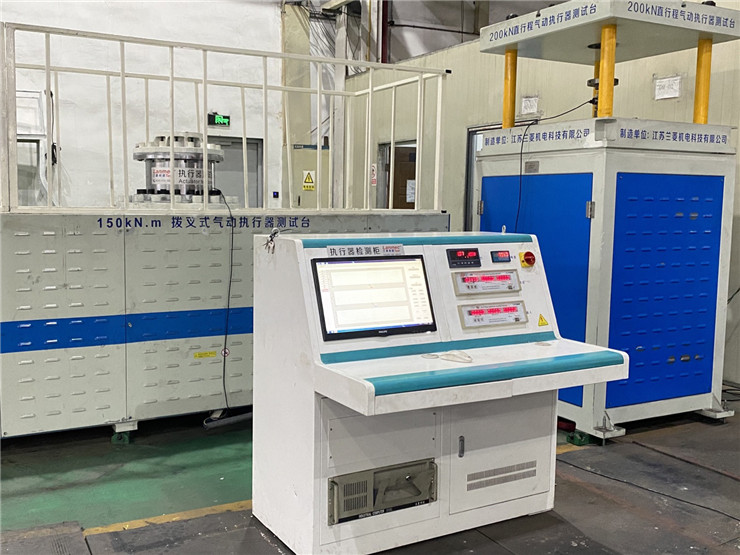
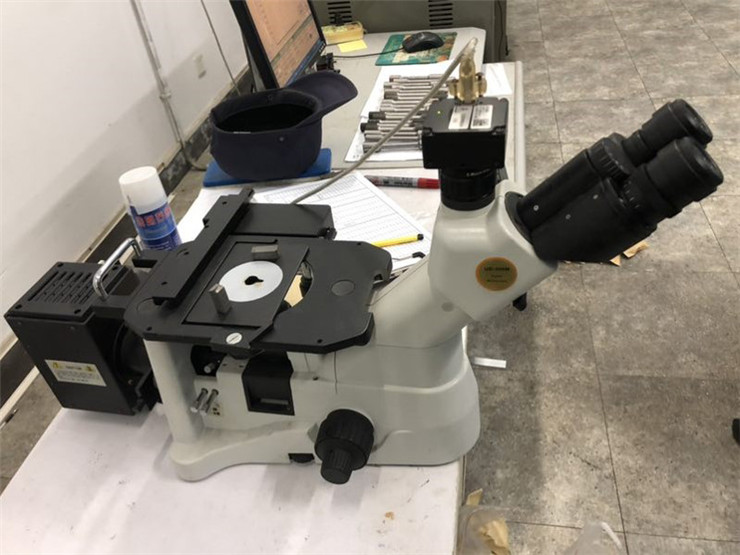
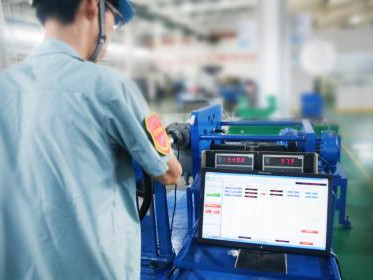
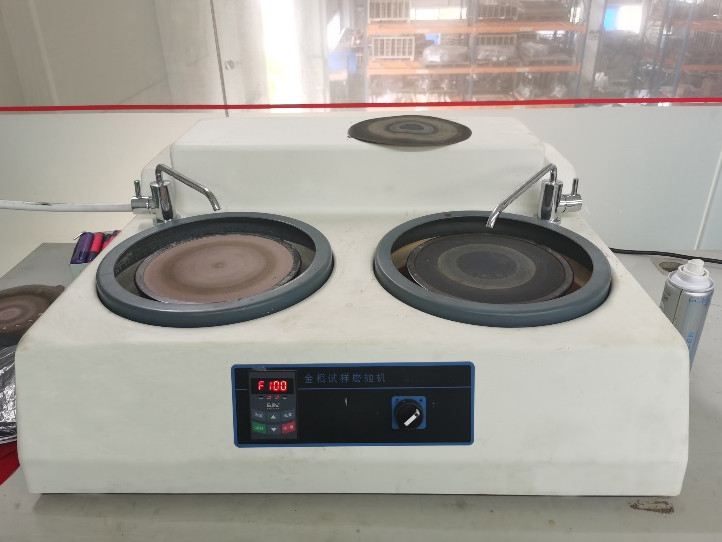
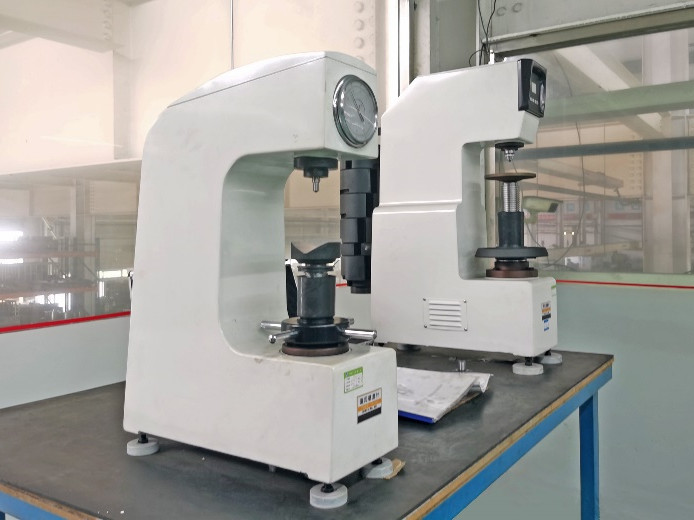
Fig 3: Metallurgical verification and high-torque destructive test benches.
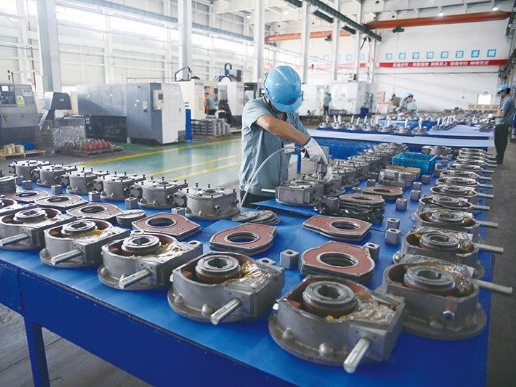
A gearbox failure can shut down critical processes or compromise safety. Stard-gears maintains full-time, certified quality control (QC) specialists at every production stage. Quality inspection starts with raw material reception (spectrographic testing of cast chemistry, hardness tests, and dimensional audits) and extends to machining tolerances, assembly audits, and performance test runs.
Our validation process utilizes state-of-the-art testing systems, including torque measurement benches and life-cycle simulator rigs. We measure rotational resistance, input/output torque ratios, backlash angles, and structural integrity under stress. Our production guidelines guarantee 100% functional testing of output torque margins before packaging, preventing defective equipment from leaving our facility.
Tailored configurations optimized for harsh operating conditions across key global industries.
High temperatures, flammable environments, and volatile media require explosion-proof (ATEX) and robust carbon steel/ductile iron gear casings. Our declutchable gear operators enable rapid manual override during power loss, safeguarding processes.
For municipal water distribution networks and cross-country fuel pipelines, buried valve gearboxes must operate maintenance-free for decades. Our buried solutions feature IP68 ingress protection, heavy-duty grease fills, and specialized corrosion-resistant finishes.
Thermal power plants and nuclear cooling loops require high precision and structural reliability. Stard-gears configurations provide precise position feedback, low mechanical backlash, and structural performance to ensure continuous operations.
Essential guidance for design, selection, and maintenance of worm gearbox operations.
Explore our specialized range of manual gearboxes, multi-turn bevel operators, and heavy-duty actuators.