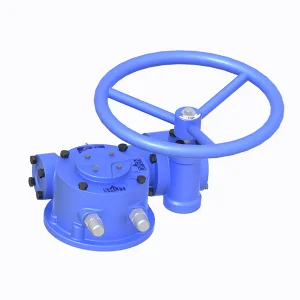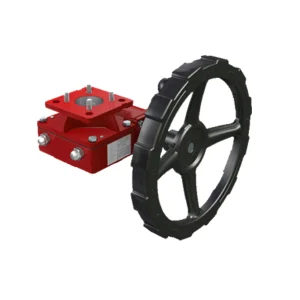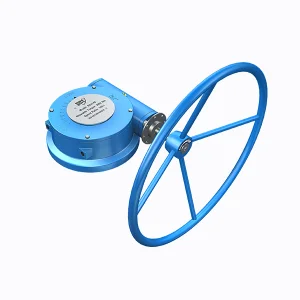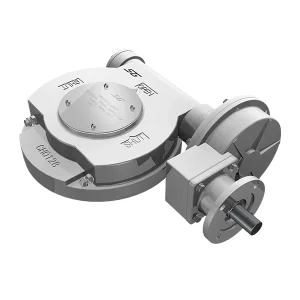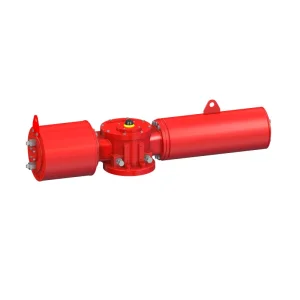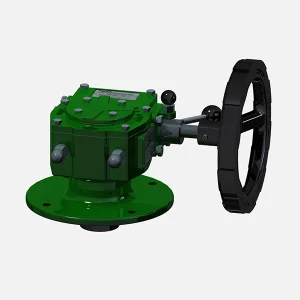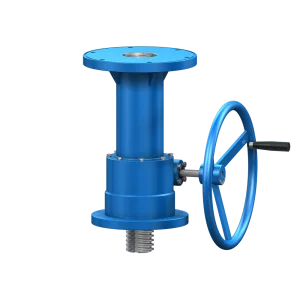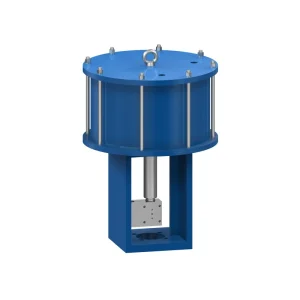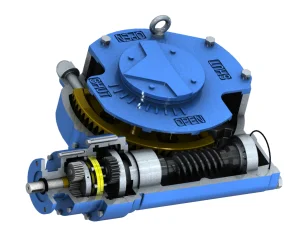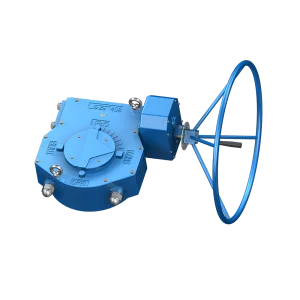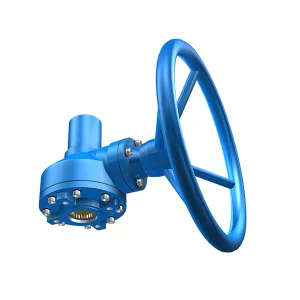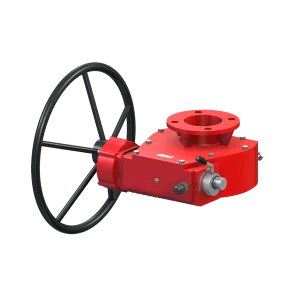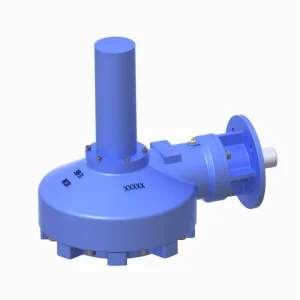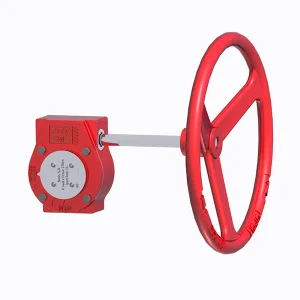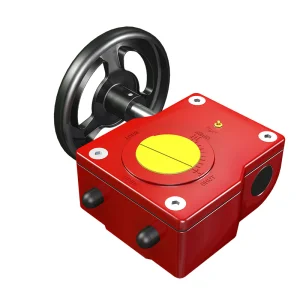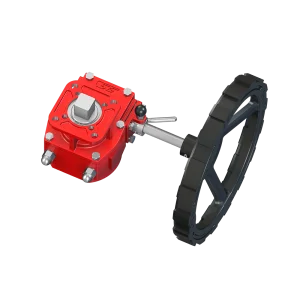
In modern industrial flow control and mechanical automation, the worm reducer gearbox stands as an irreplaceable component. Operating on the principle of orthogonal shaft transmission, these gearboxes provide immense torque multiplication, space-saving footprints, and built-in self-locking features essential for process safety. However, as factories move towards smart integration and extreme operational environments, the requirements for material purity, dimensional tolerance, and torque accuracy have elevated significantly.
As global energy infrastructures, marine environments, and chemical processing facilities scale up, standard off-the-shelf actuators fall short. Modern operations demand high-integrity designs capable of resisting corrosion, operating under heavy cyclic loads, and offering seamlessly integrated manual declutching mechanisms. This document serves as a comprehensive guide to understanding technical innovations, design principles, and strategic procurement steps for high-quality worm gear operators.
Founded in 1999 and strategically located in the Suzhou Industrial Park, China, Stard-gears has established itself as an elite pioneer in mechanical drive systems and valve control technology. Operating from an expansive, modern 8,900 m² manufacturing plant paired with a 2,500 m² corporate and engineering office, we combine industrial scale with precision engineering.
With an annual production capacity reaching 100,000 sets and a sustained annual growth rate of 10% to 20%, we currently generate over $7,000,000 in sales, serving critical global industries including oil and gas, chemical processing, natural gas distribution, nuclear power generation, and municipal water treatment plants. Our operations are fully ISO9001 certified, ensuring that every design is backed by rigid, repeatable processes.
Our presence in Suzhou connects us to the heart of the Yangtze River Delta's robust supply chain. This strategic localization gives us access to top-tier raw casting, advanced machining centers, and premium accessory manufacturers, ensuring high-speed delivery alongside unmatched material quality.
How Stard-Gears bridges the gap between raw mechanics and high-reliability operations through state-of-the-art simulations and ERP flow management.
At Stard-gears, we design with structural predictability. Every new product undergoes a rigorous virtual prototyping cycle before ever meeting a physical foundry tool. By utilizing high-fidelity 3D modeling, dynamic stress simulation, and Finite Element Analysis (FEA), our R&D engineers analyze stress distribution, thermal fatigue, and deflection patterns under extreme load states.
This advanced analytical step shortens our product development cycles, ensures structural integrity under shock loads, and eliminates potential failure points early in the design stage. Through this methodology, we significantly lower product development costs—savings that we directly pass along to our clients.
Stard Automation runs a comprehensive Enterprise Resource Planning (ERP) platform. This guarantees real-time tracking of orders from foundry raw materials up to the final testing bay.
Located in the Yangtze River Delta, our localized sourcing means immediate access to casting and machining solutions, reducing production bottlenecks.
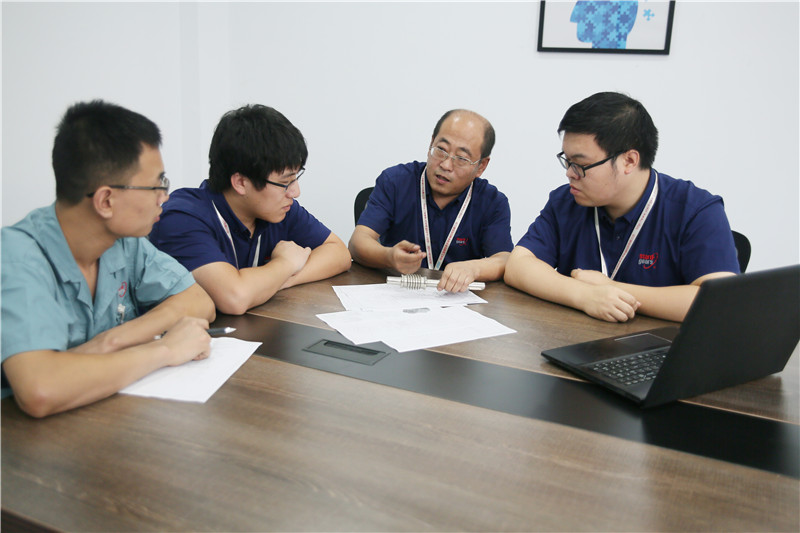 Program Communication
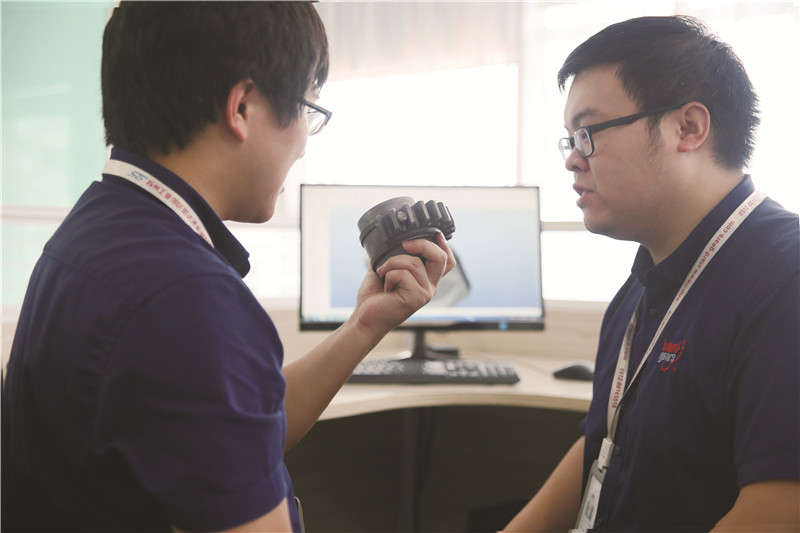 Design Communication
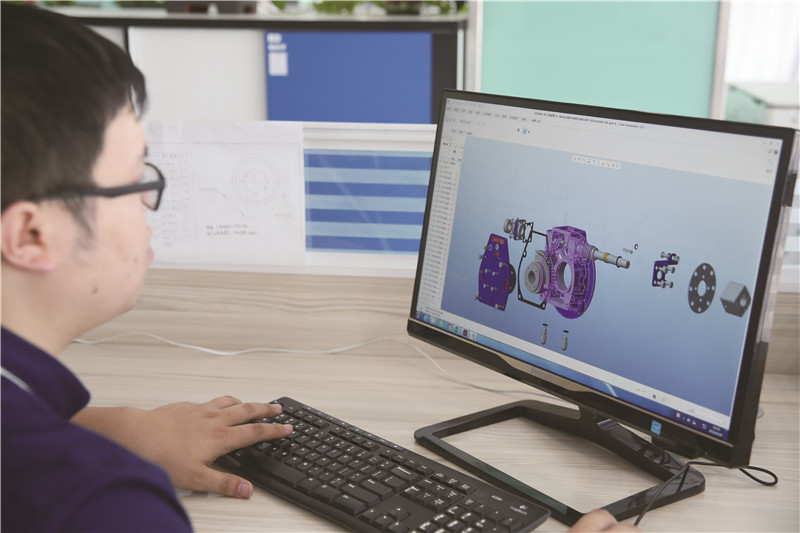 Design Drawing
The annual output value of our Suzhou plant reaches $9,000,000, housing flexible manufacturing stations capable of producing 100,000 customized gearbox sets annually.
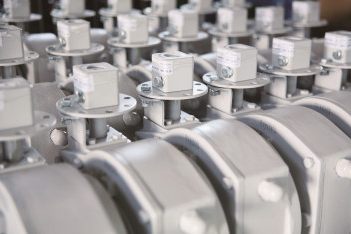
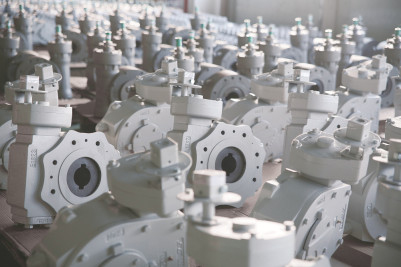
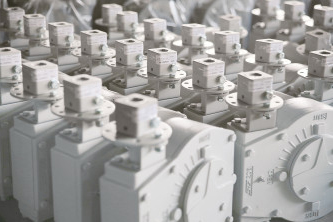
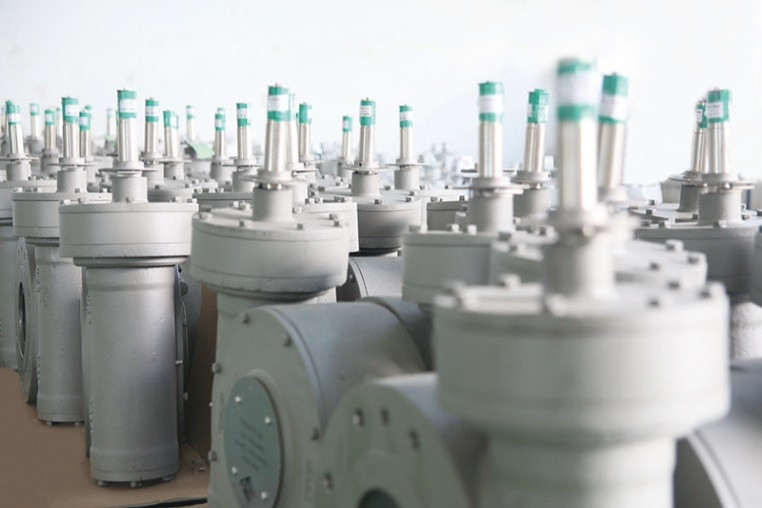
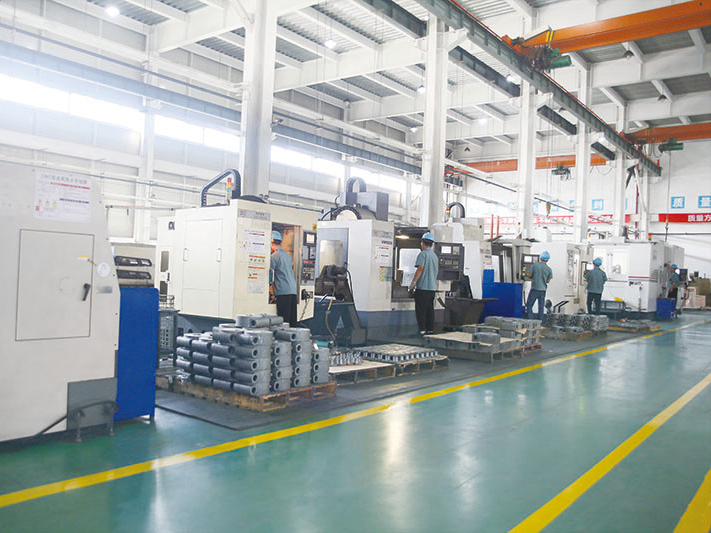
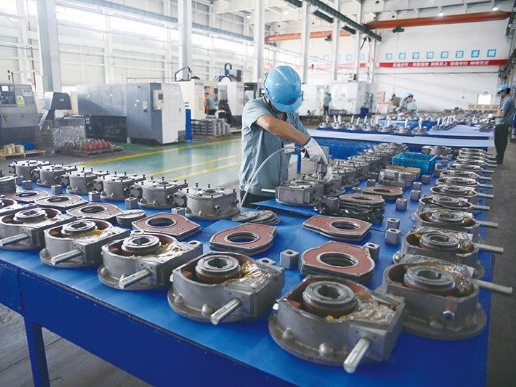
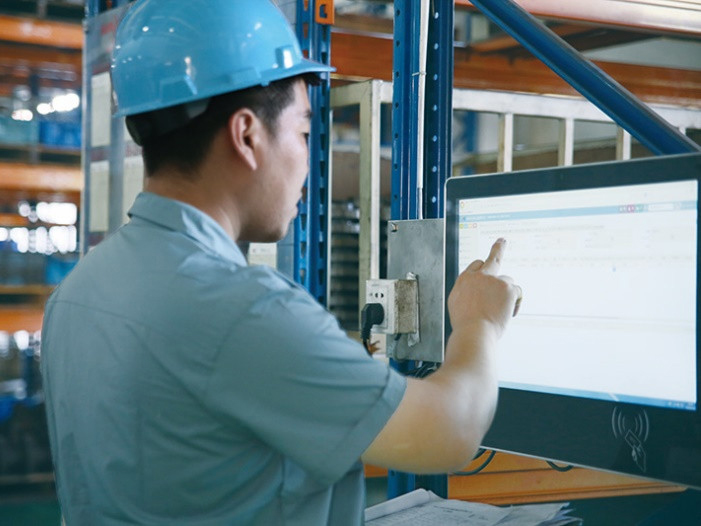
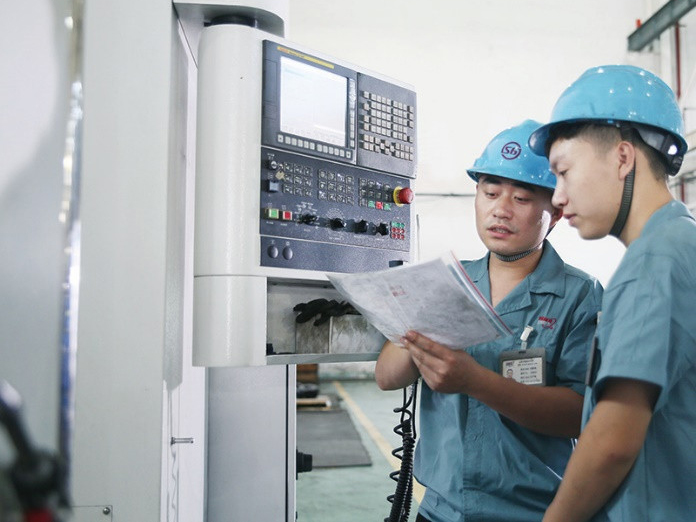
By leveraging highly automated vertical machining centers and optimized robotic tooling setups, we maintain micron-level tolerance levels across our worm and worm gear production. This ensures minimal backlash and higher mechanical efficiency over long duty cycles.
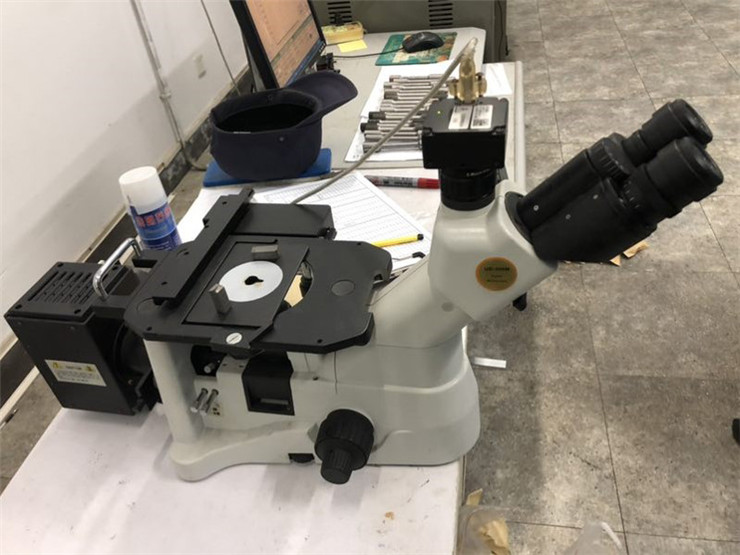
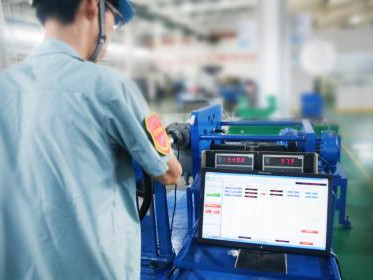
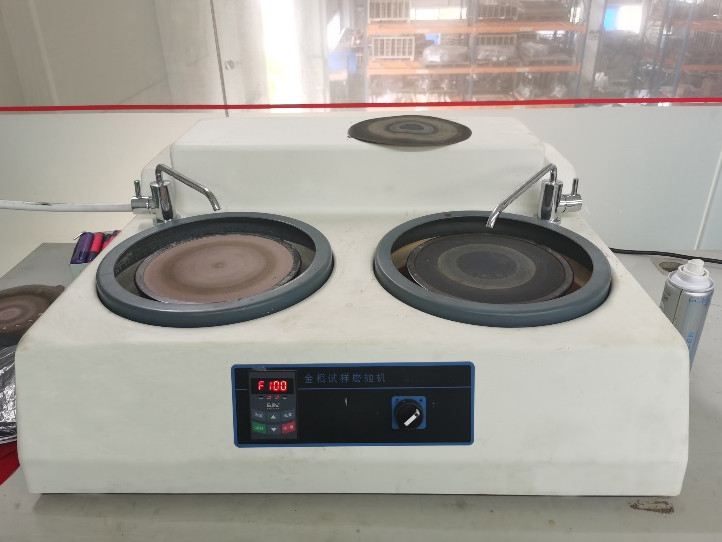
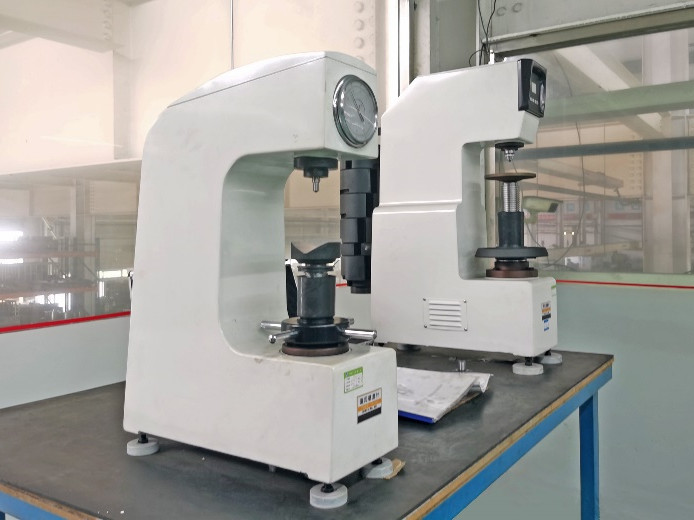
We employ full-time, dedicated Quality Control (QC) engineers at every phase of the assembly process, executing 100% outbound qualification tests.
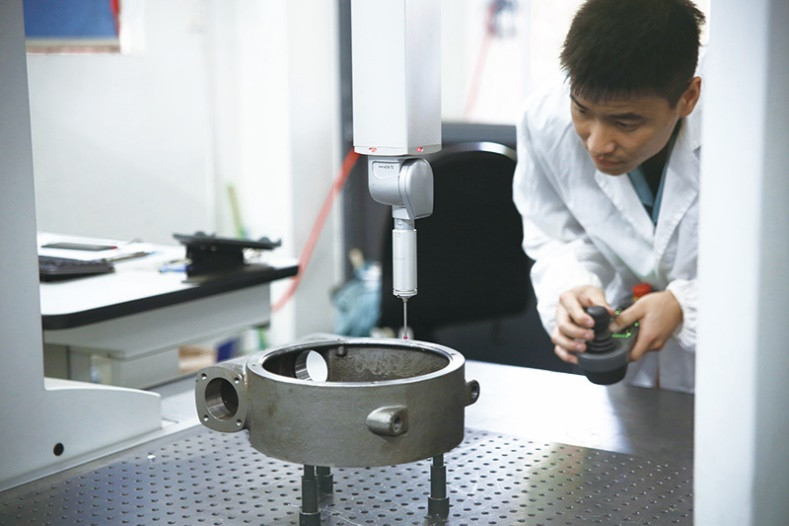
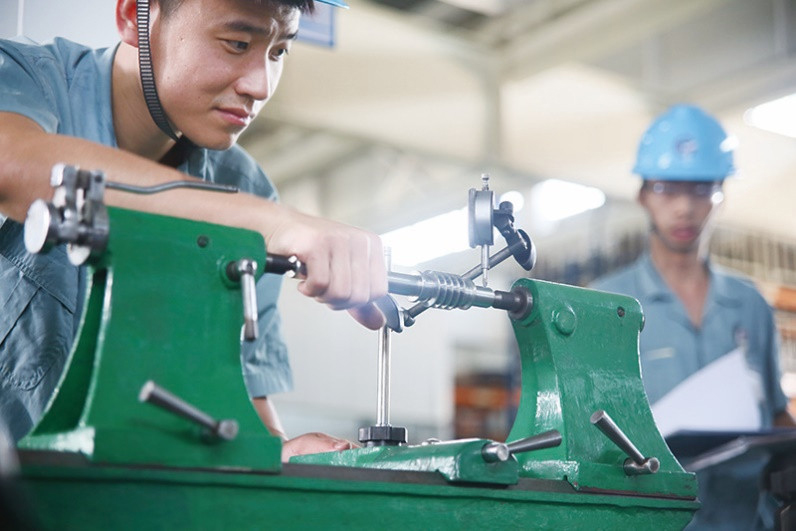
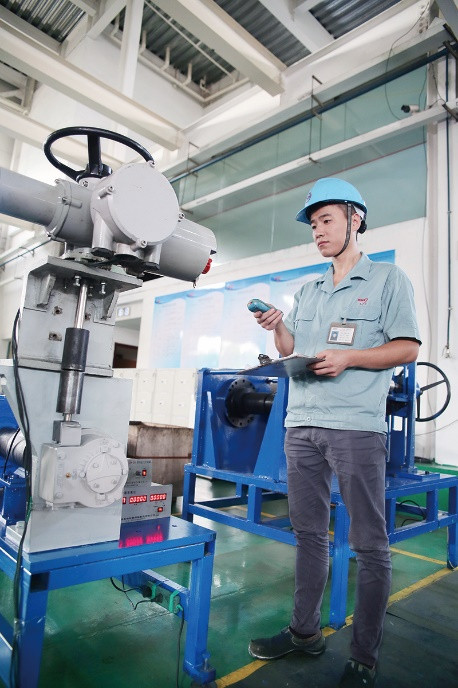
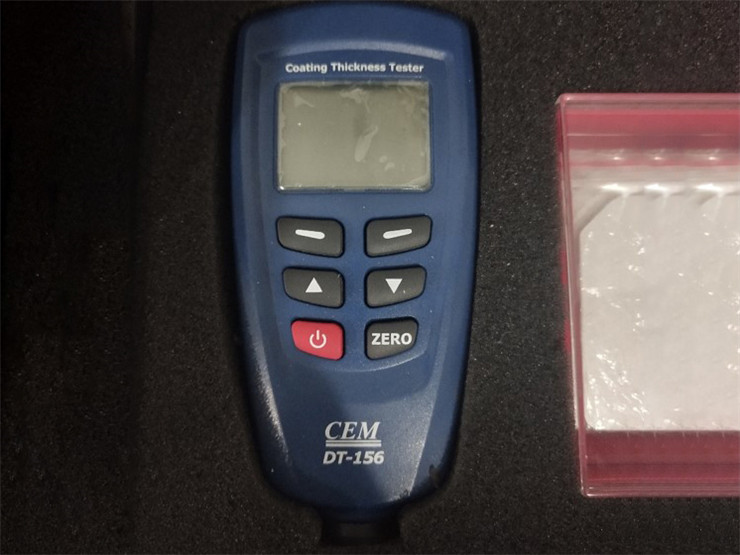
In flow control, gear failures can lead to catastrophic losses. Stard-gears integrates quality gates at three major junctures:
Our dedicated inspection labs contain state-of-the-art testing equipment, enabling us to simulate extreme valve operating torques up to 250,000 Nm. This high testing capacity provides operators with full reliability before products ship.
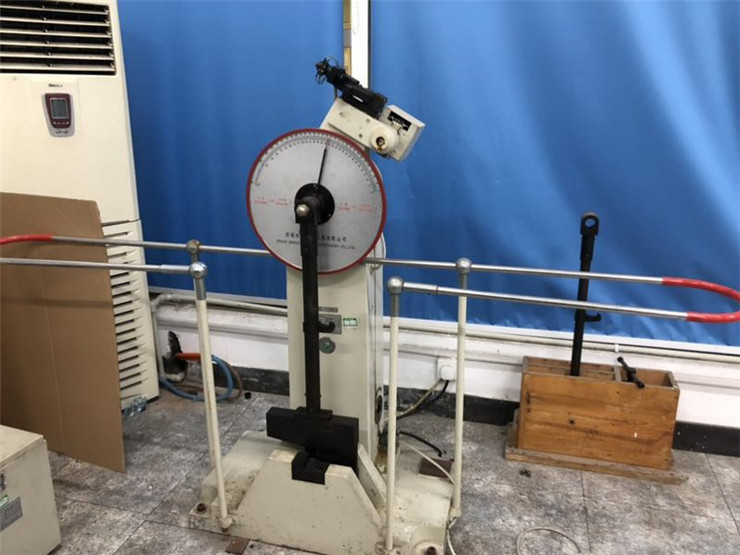
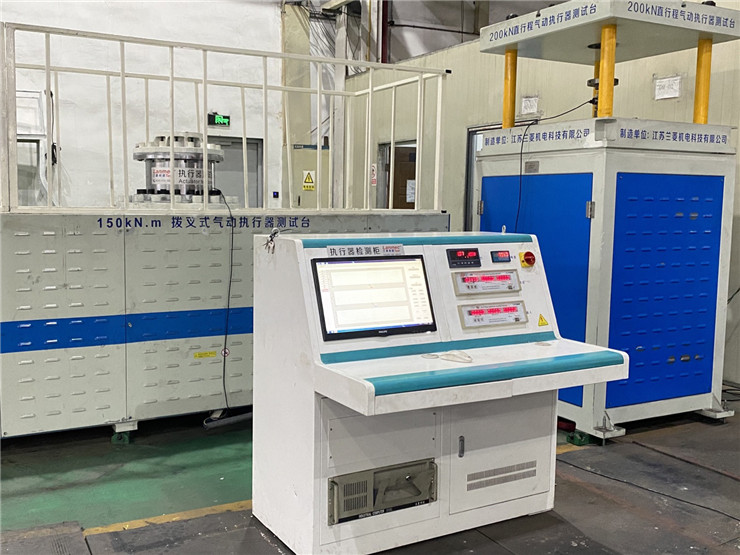
Understanding macro-economic changes, supply chain vulnerabilities, and technical specifications that dictate smart procurement.
Modern procurement shifts away from standard grey cast iron toward high-tensile SG (Spheroidal Graphite) iron and lightweight aluminium alloys. Utilizing materials like ductile iron (ASTM A536 Grade 65-45-12) improves tensile yield strengths, enabling gearboxes to handle unexpected line shocks.
Engineers optimize worm thread profiles using ZI (Involute) or ZK (Ground) geometries. These designs increase contact surface area and establish hydrodynamic oil films, boosting mechanical efficiency by 5-15% and lowering running temperatures.
Mounting interfaces conform directly to standard ISO 5210 (Multi-turn) and ISO 5211 (Quarter-turn) parameters. This standardization allows quick integration with pneumatic, electric, or hydraulic actuators worldwide.
Different applications require customized properties. We engineer systems specifically tailored to core sector challenges:
Refinery environments demand gearboxes that offer fire safety and spark-free operation. Stard-gears supplies cast-steel casing solutions integrated with high-efficiency grease to withstand high ambient temperatures without breaking down. Our declutchable gearboxes allow safe override options during system trips or complete pressure losses.
Corrosion poses a major challenge for municipal water grids. Our buried service gear operators are built with protective coatings (complying with EN ISO 12944 C5-M levels) and IP68 sealing. This allows reliable operation under deep water submersion or direct burial without degradation.
| Parameters | Standard Industrial | Severe Marine/Subsea |
|---|---|---|
| IP Rating | IP65 / IP67 | IP68 (Up to 15m depth) |
| Body Material | Cast Iron (GG25) | Ductile Iron / Cast Steel |
| Coating Class | C3 Standard Paint | C5-M Heavy Epoxy (300μm) |
| Input Shaft | Carbon Steel C45 | Stainless Steel 316 / Duplex |
Our engineering aligns with safety rules and international trade laws, streamlining approval cycles for systems integrators.
Our gearboxes are designed to meet European Machinery Directive 2006/42/EC. This certification provides compliance security when exporting systems to Western Europe.
We provide step files, dimensional drawings, and FEA profiles within 48 hours of initial design consulting, facilitating engineering integration.
How Stard-gears plans to incorporate smart technologies and advanced materials into tomorrow's gear operators.
The future of industrial flow control lies in predictive diagnostics. Stard-gears is currently developing the next generation of Smart Gearbox Operators. By integrating micro-sensor packages directly into the gearbox housing, we aim to monitor parameters like input shaft speed, output torque, inner case temperature, and vibration characteristics.
Through Modbus or wireless protocols (LoRaWAN), these diagnostic systems can flag excessive backlash or lubricating oil degradation before structural failures occur. This shift from scheduled to condition-based maintenance helps operators prevent unplanned downtime in high-cost processing environments.
Transitioning to synthetic polyglycol lubricants to extend service life and improve efficiency in high-temperature environments.
Embedding torque sensors into the worm gear body to track real-time seating profiles on valves.
Implementing thermal spray and vapor-deposited carbon coatings to minimize friction coefficient down to 0.03.
Answers to common technical queries on selection, installation, and maintenance.