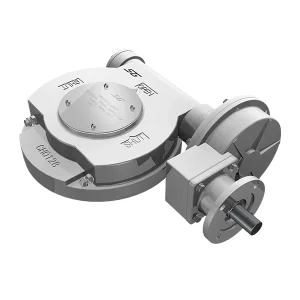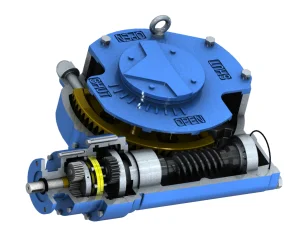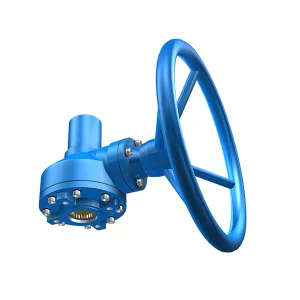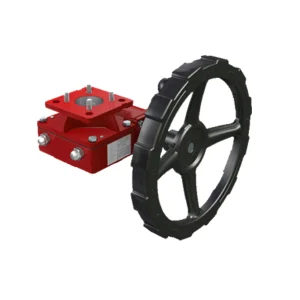
Explore our state-of-the-art flow control solutions certified for harsh, heavy-duty and explosive configurations.
The critical safety and efficiency landscape for explosion-proof automation equipment.
In modern process industries, the deployment of ATEX explosion-proof actuators is no longer just a compliance measure; it is a baseline engineering standard. Rapid industrial expansions across the oil and gas upstream sectors, LNG supply pipelines, high-temperature chemical refineries, and hydrogen production installations require heavy duty control valves to operate safely under potentially explosive atmospheres. Safety ratings defined by European directives (ATEX Zone 1, Zone 2, Zone 21, and Zone 22) and international equivalents like IECEx dictate strictly designed, flameproof or intrinsically safe actuators.
Currently, the market demands high reliability with negligible down times. As global infrastructure pushes into extreme geological areas (offshore drilling rigs, freezing sub-Arctic gas lines, and high-salinity marine environments), manufacturers must upgrade raw material selection to cast steel, ductile iron, and specialized high-grade aluminum alloys. These components must undergo extensive structural testing, dynamic simulations, and torque profile verifications to safeguard critical assets and human lives.
Pioneering top-tier valve control technologies and integrated industrial gear solutions.
Found in 1999, Locate in Suzhou Industrial Park. The plant covers 8900㎡, and the Office 2500㎡. Annual sales of $7,000,000, grew by 10%-20% per year. Have certificate of ISO9001. The annual production can reach 100,000 sets.
Stard-gears is a leading global provider specializing in valve control technology. Application scenarios for our products include oil, chemical, natural gas, nuclear, and water.
Stard-gears is a modern company integrating research & development, production, sales and trade. Stard-gears had set up the goal of becoming the industry leader.
We are from Suzhou, China. The Yangtze River Delta region of China has a well-established and convenient supply chain, which ensures that our castings, machining capabilities, and spare parts procurement are advantageous at the same time. We are able to meet both fast delivery and better product quality.
Last 10 years, our products have been exported to the United States, Italy, Germany, Mexico, Singapore, Japan and other countries. Stard offers 9 series, about 80 varieties of gear operators.
Based on mission statement of "excellent reputation, best quality and perfect service", the company would try best to serve customers all over the world. Our more than 25 years of experience serving the industry means that our clients can rely on us to provide innovative, reliable and cost-effective solutions.
How our simulation and CAD capabilities guarantee rugged flameproof engineering.
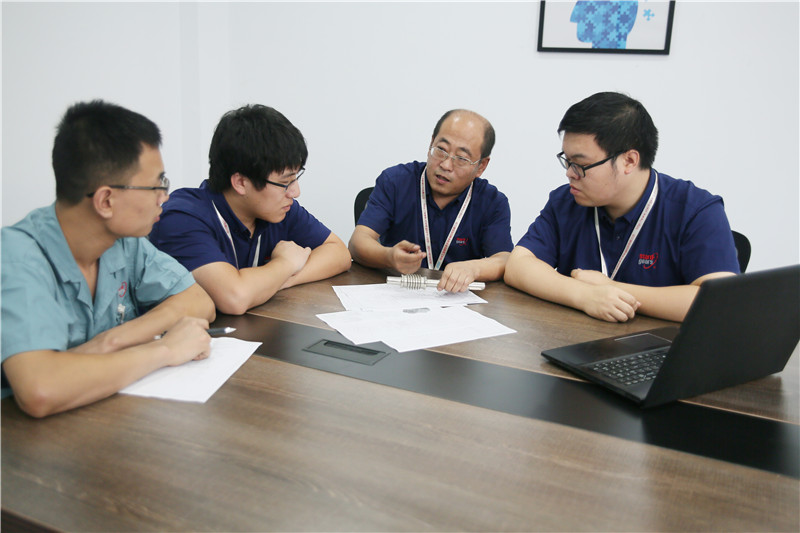
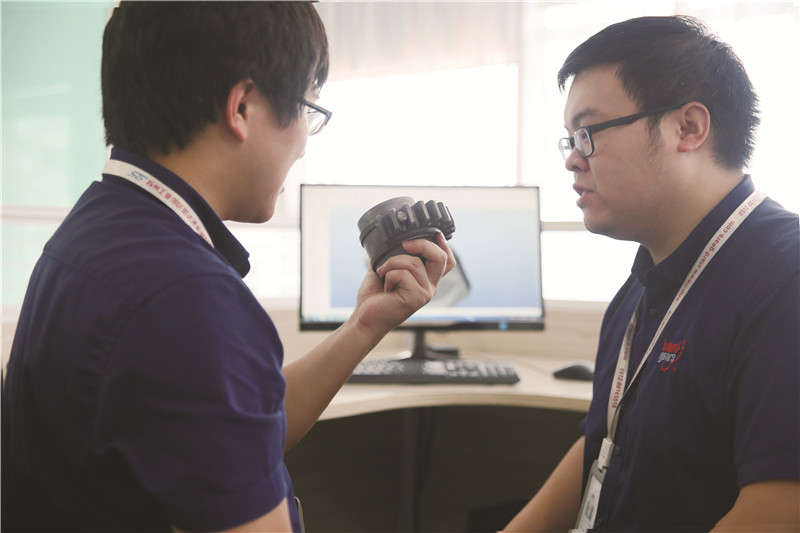
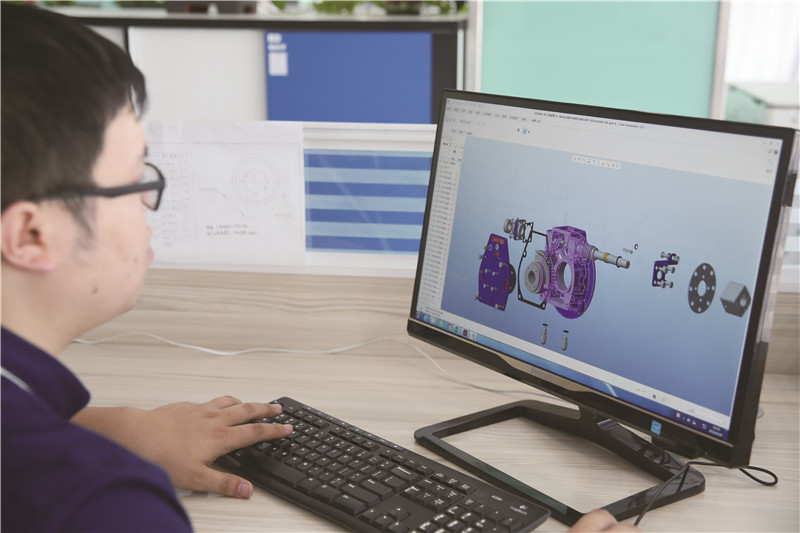
Through 3D simulation, dynamic simulation, finite element analysis (FEA), etc., engineers can virtually verify the rationality of their designs of every new product before it is put into production, significantly shortening the design and development cycle of new products, ensuring the safety of the final products, and minimizing the costs.
This systematic virtual testing enables our engineering team to assess the structural integrity of cast enclosures under sudden explosive internal pressures. By calculating the flamepath clearances, shell elasticity, and bolt preloads, we ensure that in the event of an internal ignition, the flame is cooled down and contained within the enclosure, preventing any ignition of external explosive atmosphere (gas group IIA, IIB, IIC).
Adapting to specific regional engineering guidelines, safety rules, and natural demands.
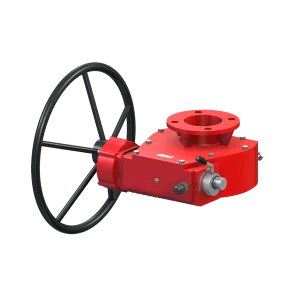
In regions such as Texas and the Canadian oil sands, valve automation requires dual certification aligning with local NFPA 70 guidelines. Extreme thermal ranges demand special seals capable of functioning at -50°C to +60°C. Declutchable gearboxes and heavy pneumatic actuators are equipped with low-temperature fluorosilicone seals to prevent dry-air leakage and premature seal degradation under high dynamic load cycles.
In highly regulated markets like Germany or Italy, refineries mandate complex control valve safety protocols. Actuators must feature flameproof terminal compartments ("d") alongside increased-safety junction enclosures ("e") to secure safe cabling interfaces. The gearboxes must be manufactured using spark-resistant cast materials or special coatings to avoid kinetic friction sparks during maintenance overrides.
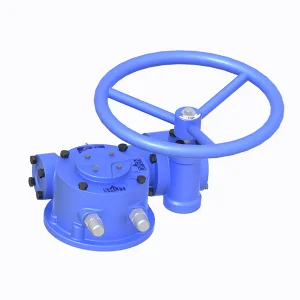
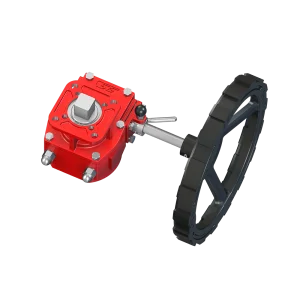
High relative humidity, corrosive offshore marine atmospheres, and sandstorm wear require a high degree of corrosion resistance. In Qatar or Saudi Arabian fields, actuators and multi-turn bevel gear operators must achieve IP68 ingress protection and use C5-M high-durability marine-grade paint coatings. Stard-gears' cast steel and ductile iron structures prevent micro-cracking and salt spray seepage.
Advanced machinery and strict ERP tracking to guarantee reliable delivery timelines.
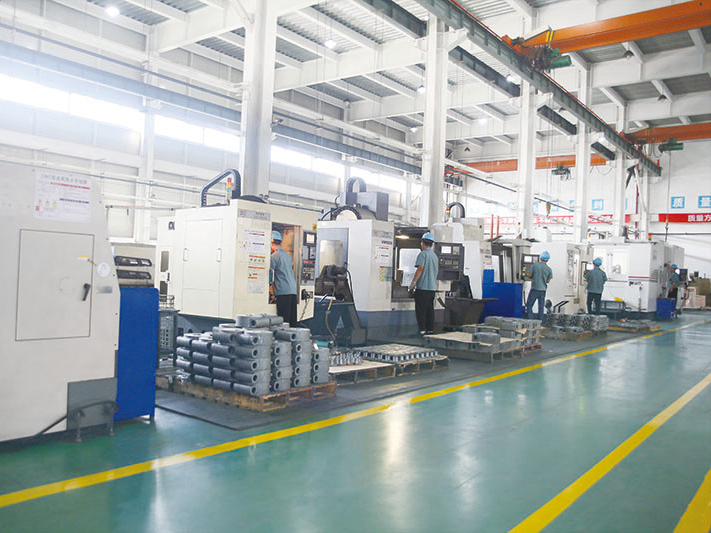
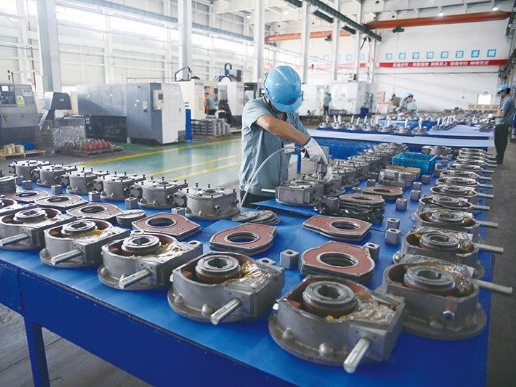
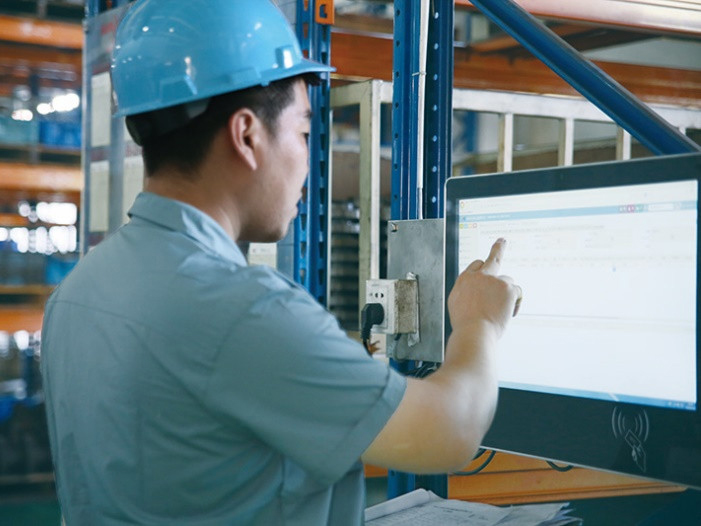
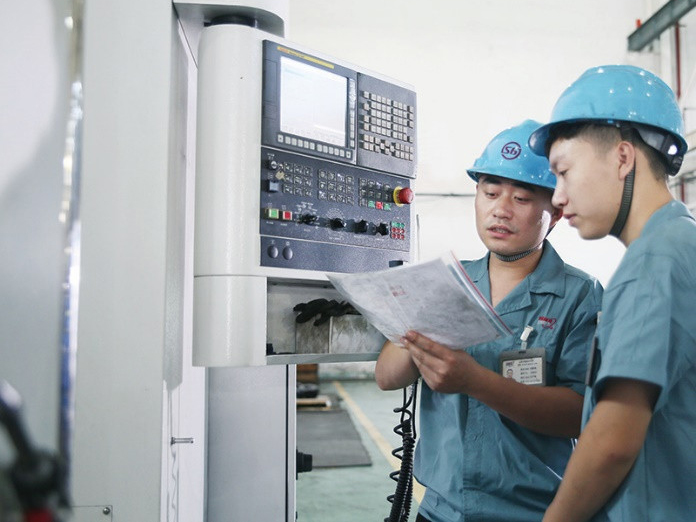
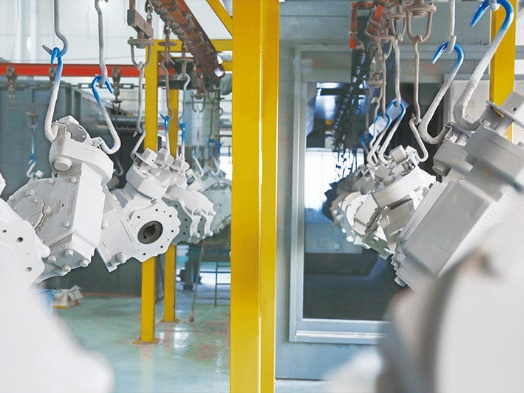
Stard Automation also runs a comprehensive ERP management system to ensure that the production schedule and progress of each order from each customer is clear at a glance. This system plays an important role in business operation and management. The real-time supervision and management are implemented throughout the production to improve efficiency.
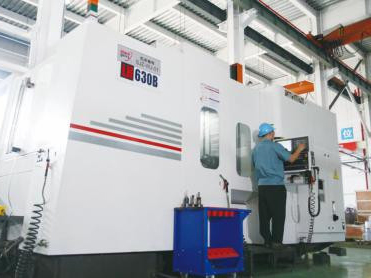
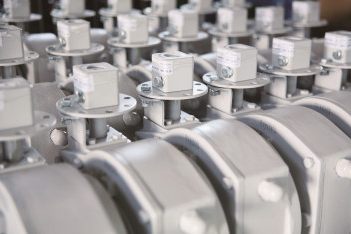
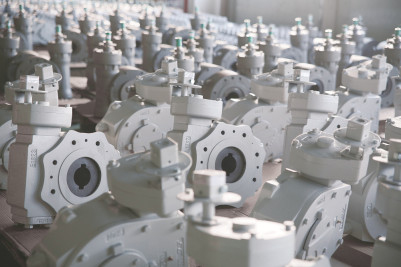
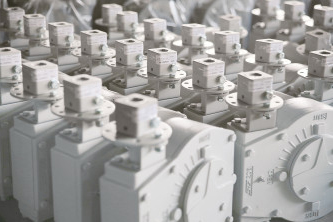
With an annual output value of the Suzhou plant reaching $9,000,000 and an annual production capacity reaching 100,000 sets, our assembly lines are optimized for fast scaling, ensuring that both high-volume OEM orders and custom ODM projects are finished with identical quality standards.
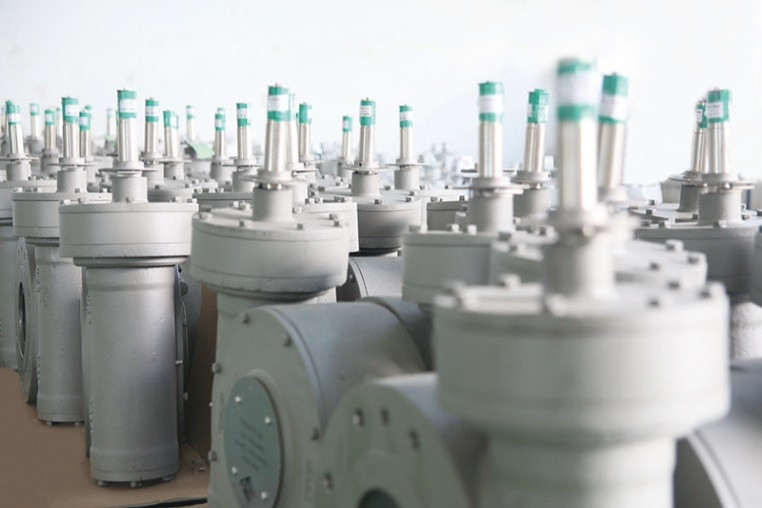
Undergoing intensive functional tests to guarantee 100% field reliability.
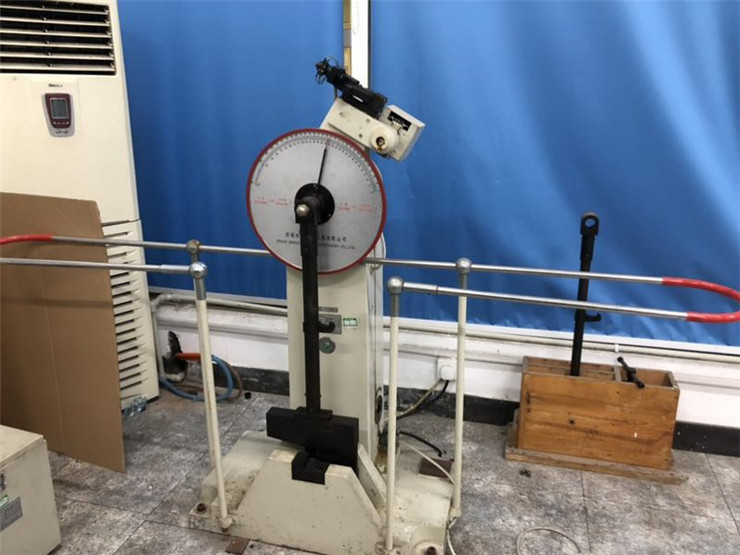
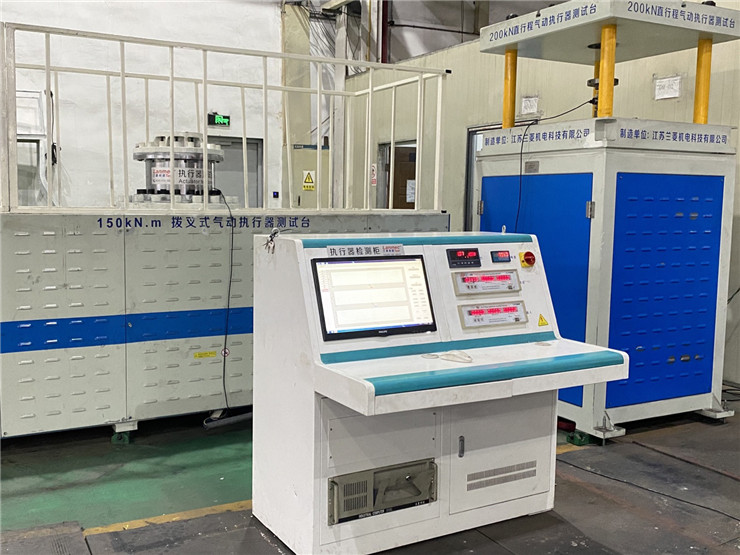
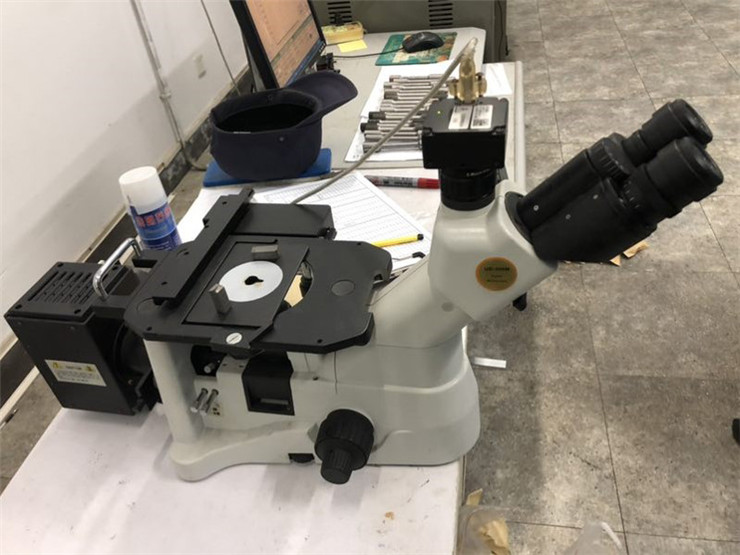
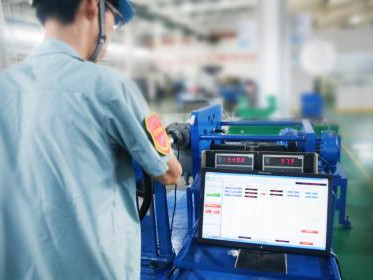
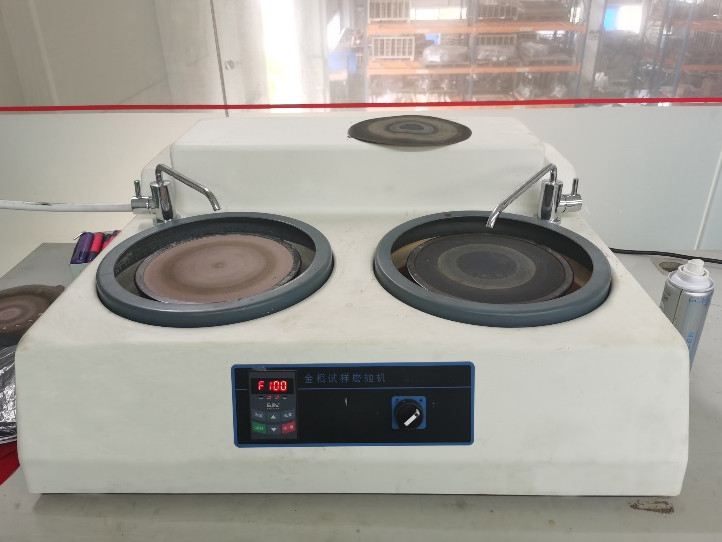
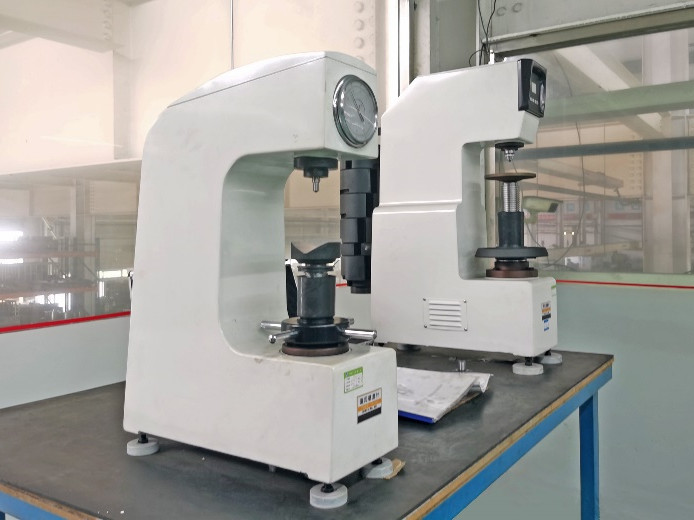
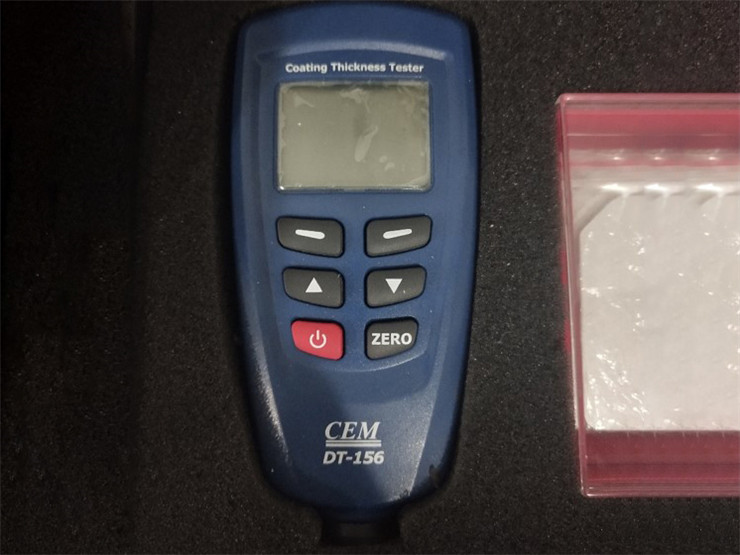
To improve the inspection and testing process, Stard Automation has set up full-time QC posts at every stage of the manufacturing process from incoming materials to in-process control and to process finalization, ensuring that products are 100% qualified before shipment.
Stard Automation owns a full range of advanced inspection and testing equipment to control the quality throughout the whole process from blank casting to finished products, which enables us to perform tests like the torque test and life cycle test. Specialized metallurgical spectrometer analysis, coordinate measuring machines (CMM), ultrasonic crack detectors, and high-pressure hydrostatic test pumps are deployed daily to verify material stability and flame-retardant wall thickness compliance.
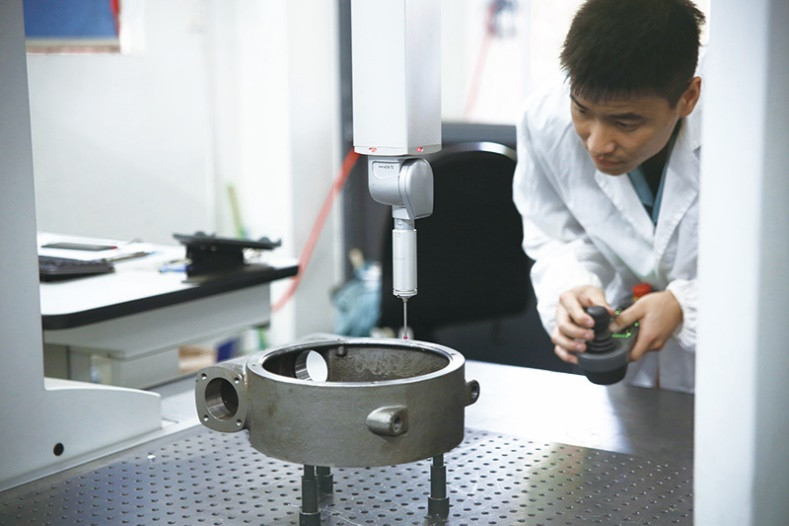
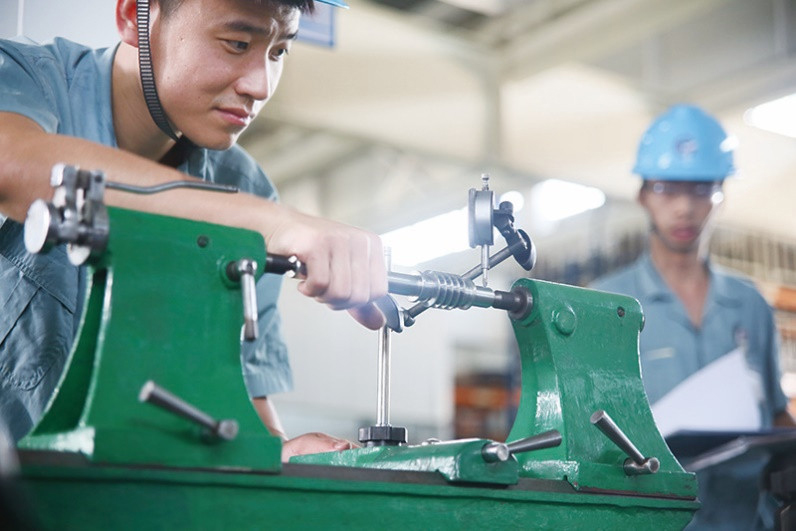
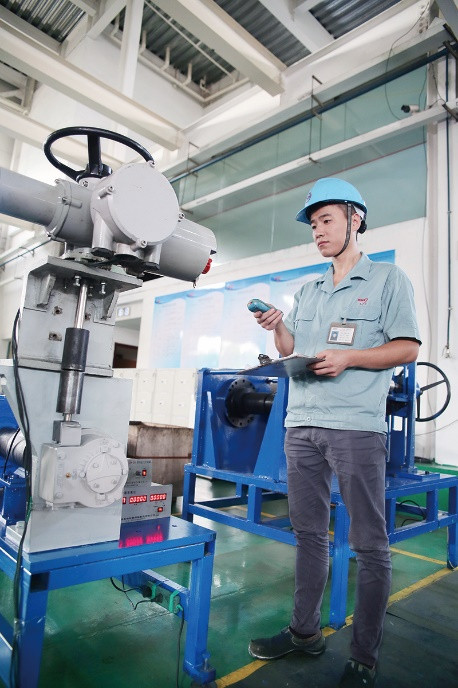
The next frontier of smart, interconnected, and ultra-reliable explosion proof automation.
The valve control industry is transitioning from simple mechanically-driven overrides to intelligent, self-diagnosing automation units. Our research focus is directed at integrating digital diagnostics inside standard explosion-proof casings without compromising critical electrical separation principles. By incorporating low-power Bluetooth and HART communication chipsets, plant operators can monitor the health profile of the valve actuator from a safe distance, removing the need for manual inspection in toxic or high-pressure zones.
Furthermore, the push toward SIL 3 (Safety Integrity Level) compliance dominates chemical and LNG development agendas. Our engineering roadmap integrates dual-redundant spring return pneumatic actuators and fail-safe electric operators. Advanced predictive maintenance algorithms track real-time torque degradation, warning the system operator of friction build-ups caused by seal wear or debris accretion before a mechanical breakdown occurs. Our Suzhou-based R&D facility is currently designing lighter, highly modular aluminum-silicon housings to deliver better thermal dissipation and excellent corrosion performance.
Recommended actuator configurations based on hazardous classification and application environment.
| Application Sector | Typical Hazard Class | Actuator/Gearbox Choice | Key Engineering Material | Critical Test Metric |
|---|---|---|---|---|
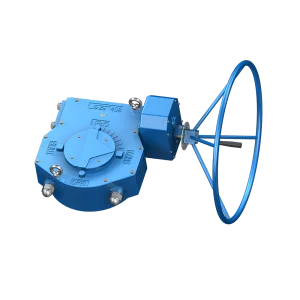
| Onshore Petrochemical | ATEX Zone 1 / IIB T4 | Bevel Electric Gear Operator | Ductile Iron / Cast Steel | Hydrostatic Enclosure Pressure |
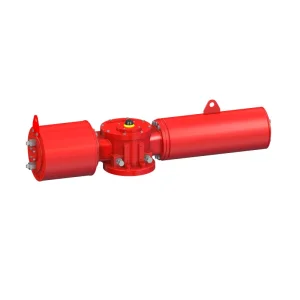
| LNG Tanker Handling | ATEX Zone 0 (Ex d IIC) | Scotch Yoke Pneumatic Actuator | Low-temp Steel (-60°C Grade) | Cryogenic Seal Endurance Test |
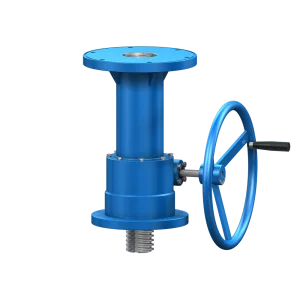
| Subsea Piping / Burial | Corrosive / Ingress Hazard | Buried Underground Gearbox | Epoxy-coated Carbon Steel | IP68 Ingress / Salt Spray Test |
| Nuclear Power Plant | Radiation & High Thermal | Custom Heavy Gearbox Operators | Alloy Steel (HT Grade) | FEA Structural Deformation |
| Hydrogen Production | ATEX Zone 1 / IIC T6 | Flameproof Electric Actuator | Spark-resistant Castings | Ex Flamepath Gap Clearance |
Professional engineering answers regarding certifications, testing, and implementation.
Discover more specialized manual, pneumatic, and electric valve operators for standard and custom configurations.