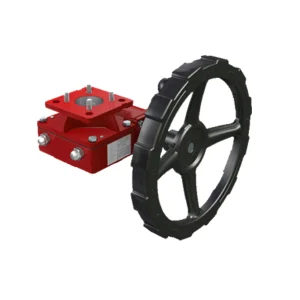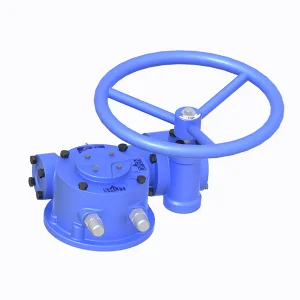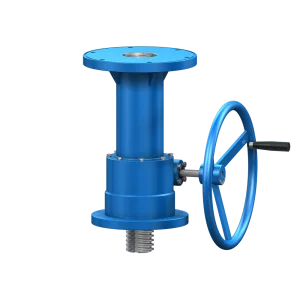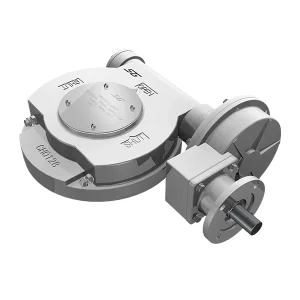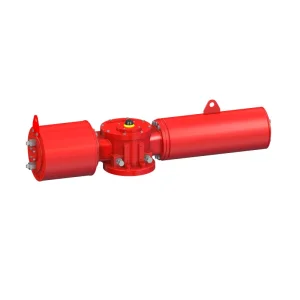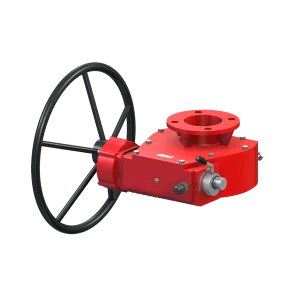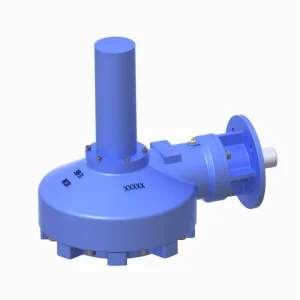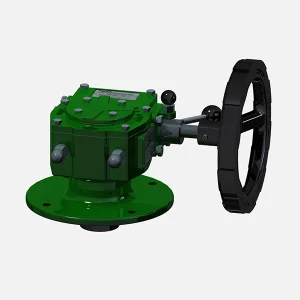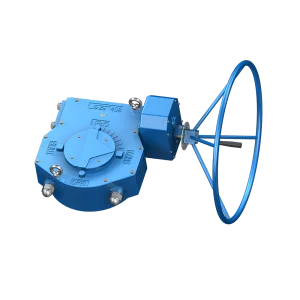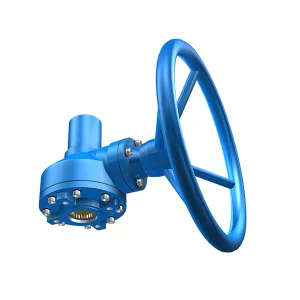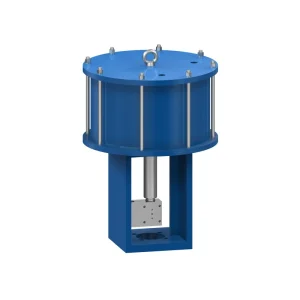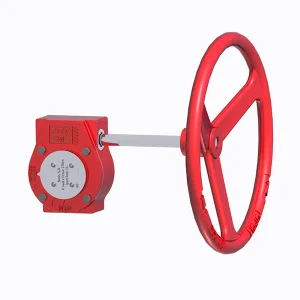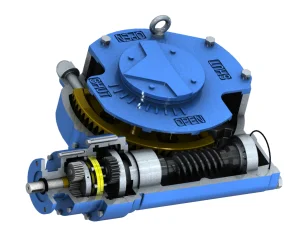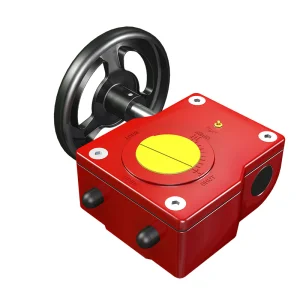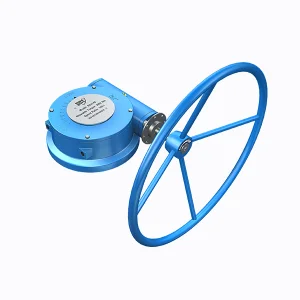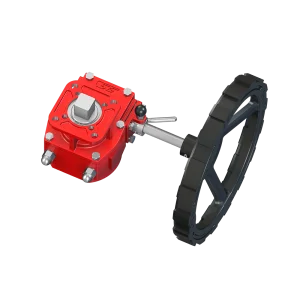
Explore our top-tier engineering solutions, including manual overrides, declutchable gearboxes, and electric-ready multi-turn operator assemblies.
In modern industrial fluid automation, manual control overrides and high-torque gearboxes represent critical safeguards and operational necessities. The Bray Gear Operator design paradigm sets the benchmark for modulating and on-off control of quarter-turn valves, including butterfly, ball, and plug valves. These operators convert rotational handwheel force into high-output torque, ensuring smooth, linear valve opening and closing operations even under extreme pressure differentials.
As industrial automation deepens, global engineers demand ODM Bray Gear Operator solutions that combine the precision of standardized geometry with custom mounting options, material optimizations, and protective coatings. Standard-gears specializes in translating these custom requirements into robust mechanical designs. By maintaining compatibility with international mounting dimensions such as the ISO 5211 standard, our ODM factories ensure that these gear operators seamlessly integrate into existing systems without necessitating costly modification of the valve stem or actuator mounting bracket.
From cast iron quarter-turn assemblies to high-alloy, corrosion-resistant configurations for deep offshore setups, the applications are highly diverse. Standard-gears utilizes finite element analysis (FEA) and dynamic CAD modeling to ensure every ODM operator is built to handle maximum torque tolerances and withstand seismic and ambient vibration stress in heavy industrial environments.
Founded in 1999 in the Suzhou Industrial Park, Standard-gears has evolved into a global leader in high-performance valve actuation, driven by localized supply chain integration and direct engineering expertise.
The Yangtze River Delta region provides an unparalleled competitive edge. By consolidating localized foundry resources, advanced precision machining centers, and raw alloy material markets, our factory guarantees reliable material supply and minimized lead times. Our proximity to key transportation channels in Shanghai and Ningbo ports speeds up container dispatch, cutting international freight times for global procurement partners.
With an annual production capacity reaching 100,000 sets, we deliver scalable batch production alongside highly technical customized engineering batches. From prototype creation using 3D models to mass production, our CNC machining plants and strict material tracking processes guarantee high-tolerance assembly standards.
Before launching a manufacturing run, our engineers conduct digital verification via 3D modeling, dynamic motion simulation, and finite element analysis (FEA). This digital approach lets us identify and resolve stress concentrations, design flaws, and gear teeth vulnerabilities long before metal is cast.
By simulating real-world valve operating conditions—including sudden water hammer pressures and extreme thermal contraction—our R&D team optimizes gear profiles, casing thickness, and shaft diameters. This careful design process significantly lowers production costs and shortens product launch times, while delivering robust performance in high-integrity environments.
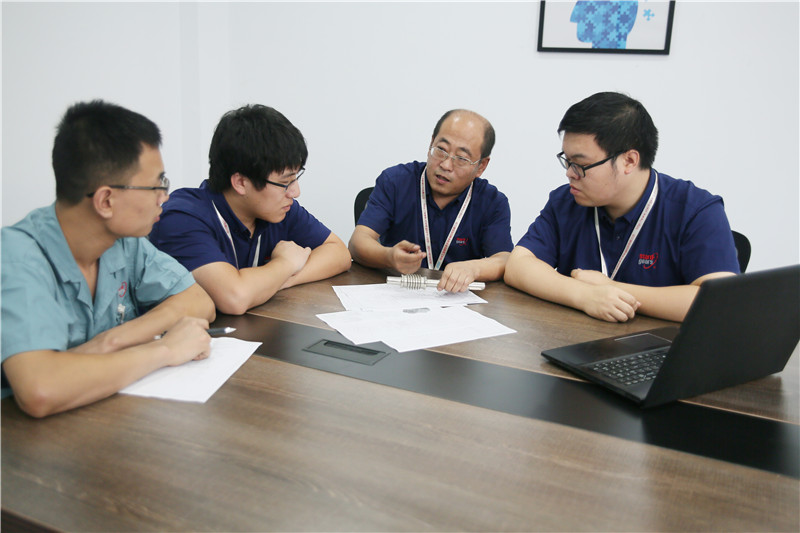
Establishing target torque limits, mounting dimensions, and environmental constraints.
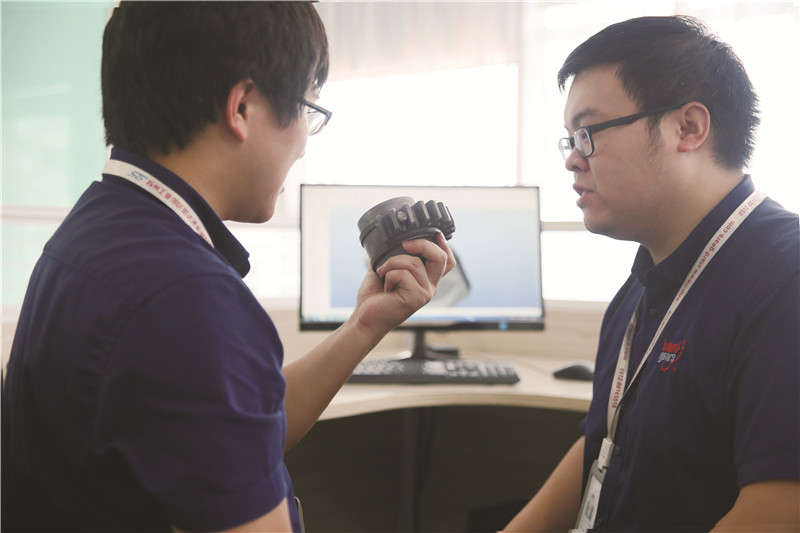
3D structural visualization using SolidWorks to refine gear interfaces.
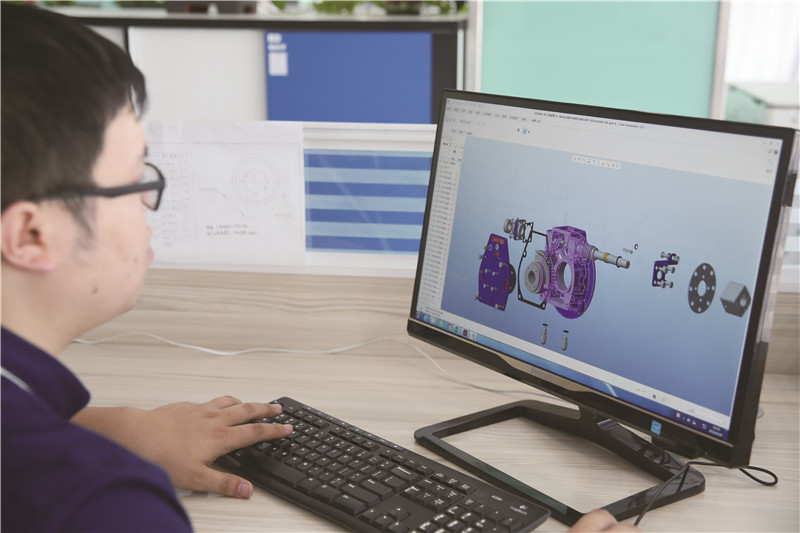
Generating precise 2D blueprints with rigorous tolerances for manufacturing.
Our plant uses a modern, comprehensive ERP tracking system to link casting supply, raw machining stages, and quality inspection workflows directly.
By monitoring order milestones in real-time, our production managers keep schedules clear and minimize lead times. This database-driven tracking eliminates administrative delays, speeds up material allocation, and keeps customers informed at every stage of their order.
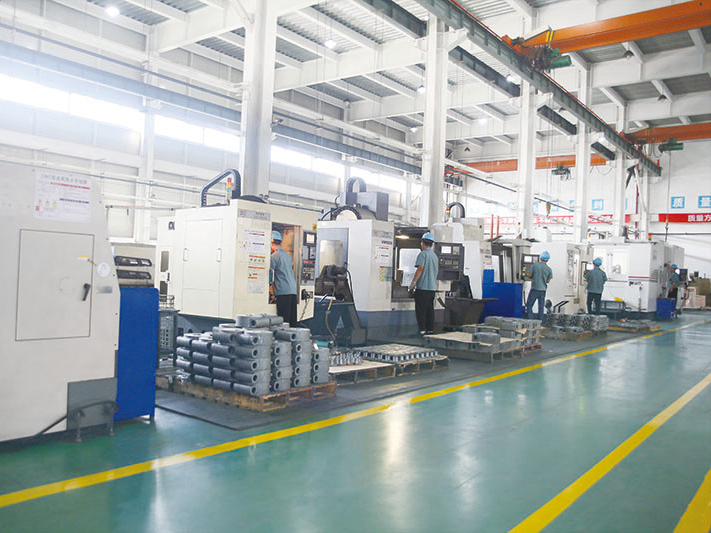
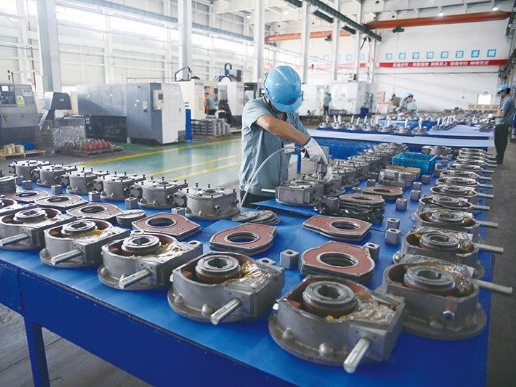
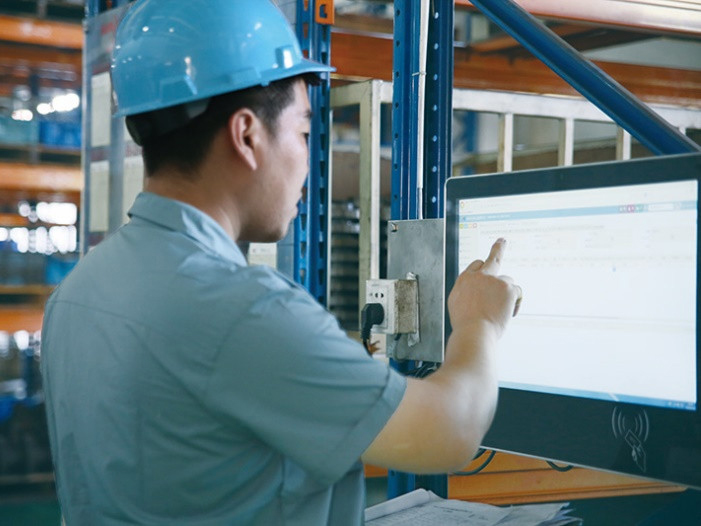
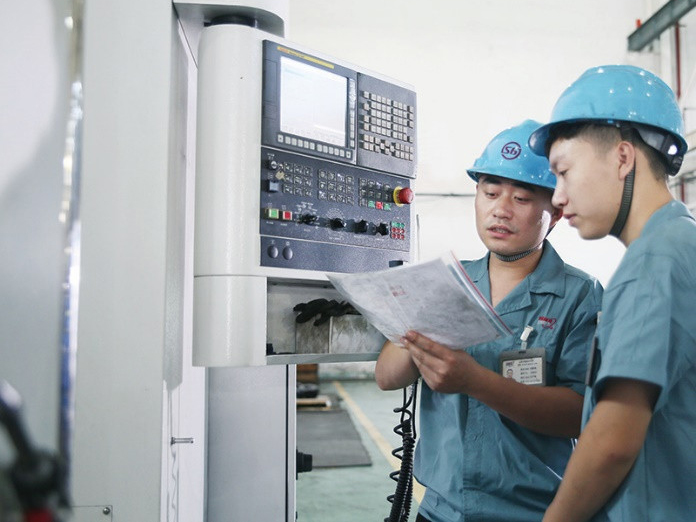
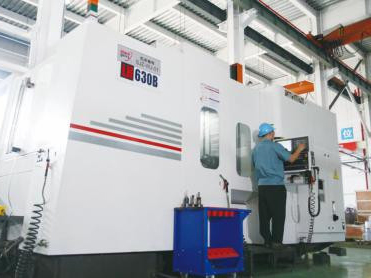
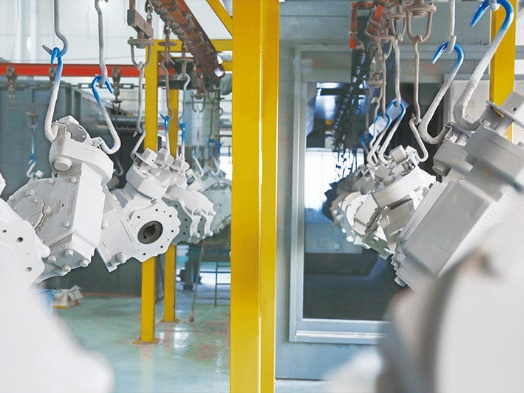
Quality control isn't a final gate—it's a process embedded into every step of raw material delivery, machining, and final test runs.
Standard-gears employs full-time, certified QC specialists who inspect incoming castings, verify dimensional tolerances post-machining, and run function checks on all completed units before shipping. Every operator undergoes a torque test and cycle test to verify that the mechanical output matches the design limits. Our internal quality goal is simple: achieve a 100% compliance rate on every shipment.
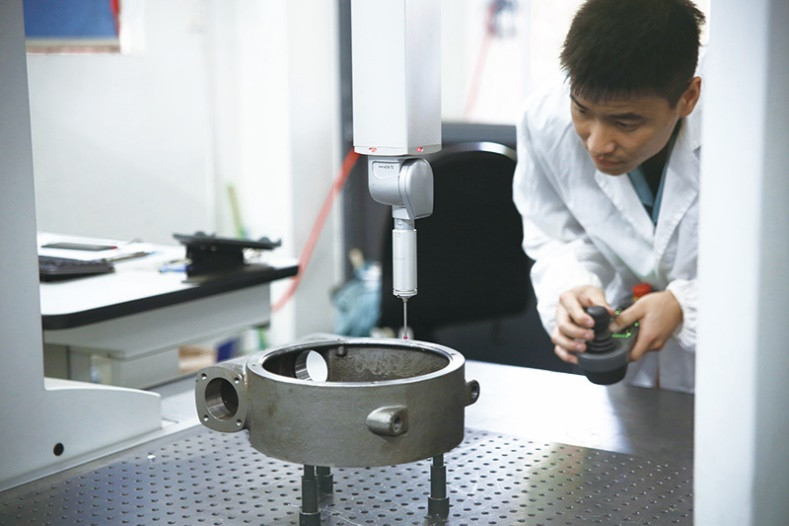
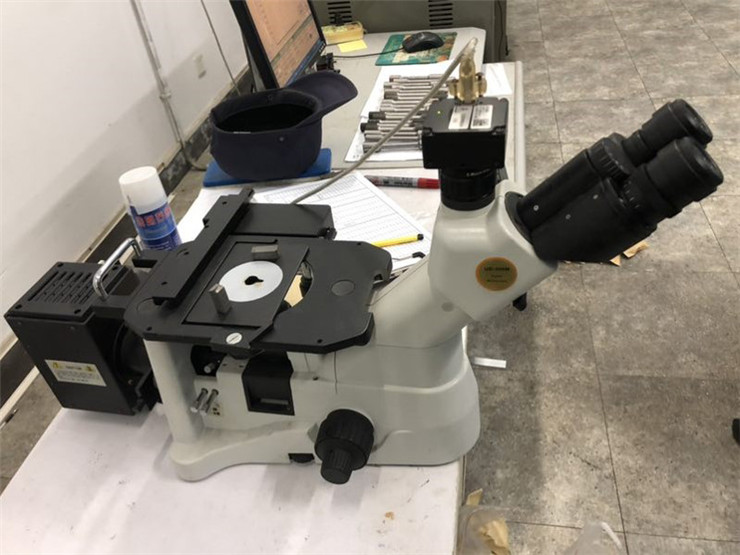
Verifying chemical composition, raw metal integrity, and dimensions of cast housings.
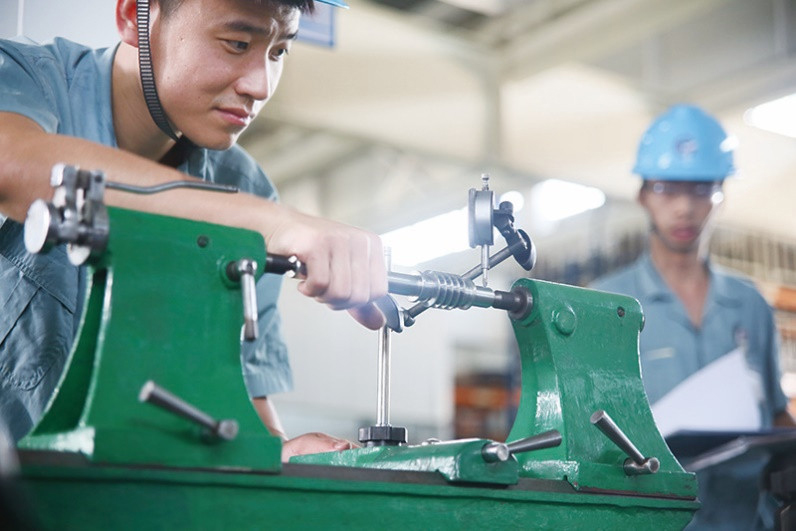
Continuous dimensional checks during CNC machining to keep key parameters within spec.
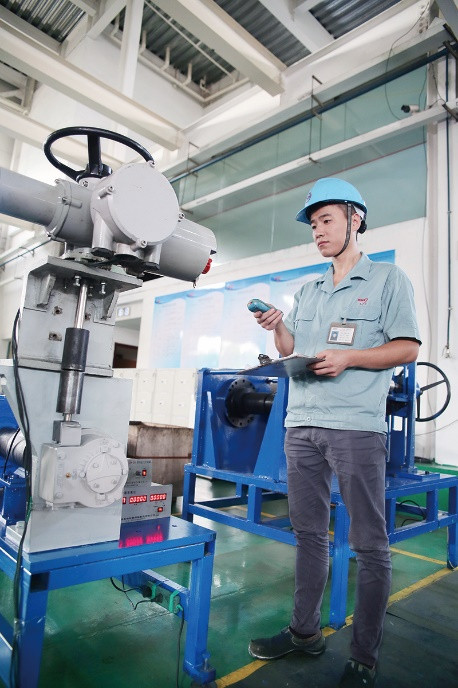
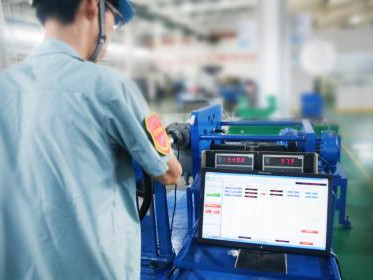
Verifying torque range and output smoothness under simulated operational pressures.
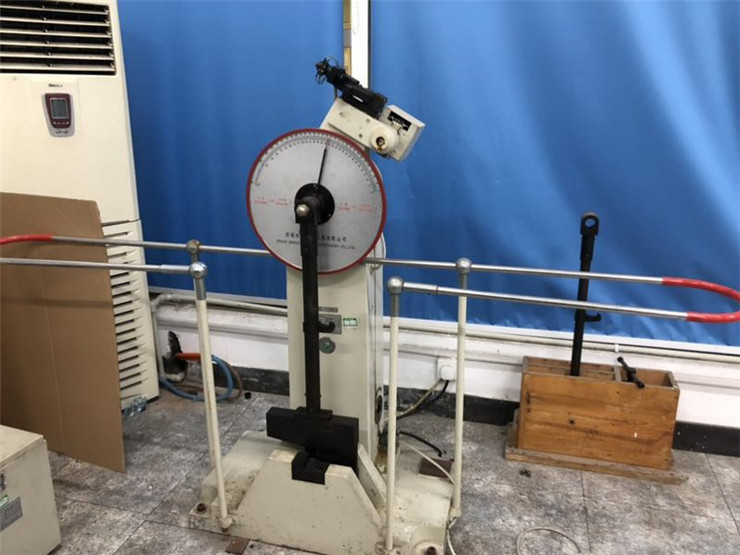
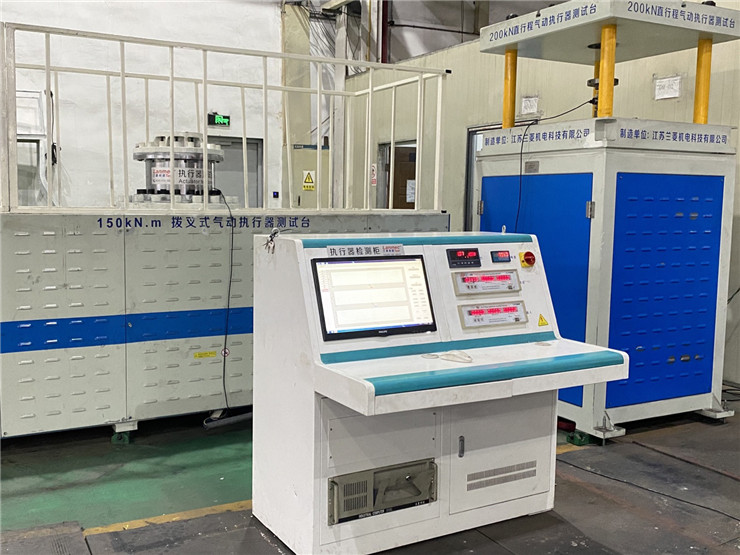
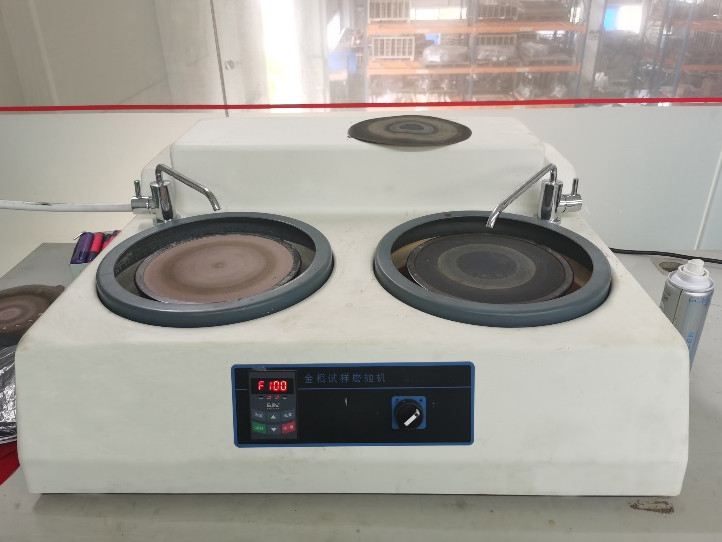
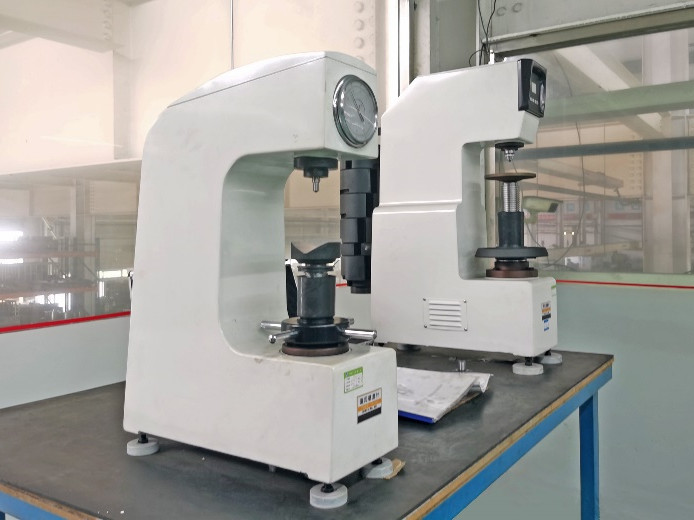
Our facility operates specialized metrology and testing labs to verify key performance data for global compliance needs.
Using advanced mechanical test rigs, our QA team subjects gear assemblies to high torque and extended cycling. This testing verifies gear mesh efficiency, seals and lubrication life under high friction, and limits risk of premature mechanical wear.
From municipal water infrastructure to oil refineries, our gear operators are engineered for the specific requirements of each application.
Our gearboxes feature robust, spark-proof, explosion-resistant enclosures and WCB cast steel construction. They provide secure manual override control next to automated pneumatic and electric actuators.
Engineered for buried municipal water pipelines, these operators include extended drive shafts, specialized protective grease fills, and IP68 seals to keep out groundwater and prevent corrosion.
Using lightweight aluminum-bronze internals, stainless steel fasteners, and multi-layer epoxy finishes, our marine gearboxes resist salt spray and harsh marine atmospheres.
Industrial flow control is shifting rapidly toward automated intelligence. However, manual gearboxes remain vital as failsafes. The main market trends focus on improving torque-to-weight ratios, standardizing structural dimensions, and using weather-resistant materials.
When selecting an ODM manufacturer, engineering firms and procurement managers evaluate several key criteria beyond purchase price:
By designing our products around these core criteria, Standard-gears delivers gear systems that reduce maintenance costs, prevent downtime, and lower overall B2B operational expenses.
Answers to common B2B technical questions regarding engineering options, mounting compliance, and ordering processes.
View our extended catalog, featuring heavy-duty cast iron gearboxes, linear overrides, and multi-turn configurations.