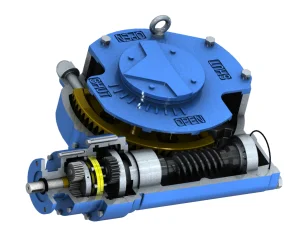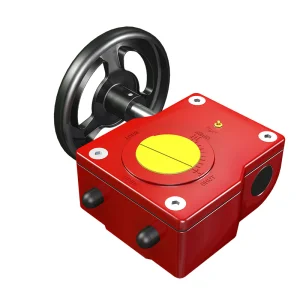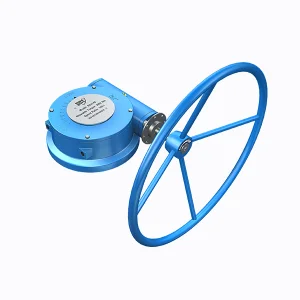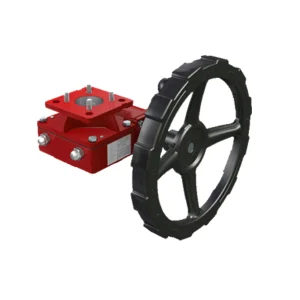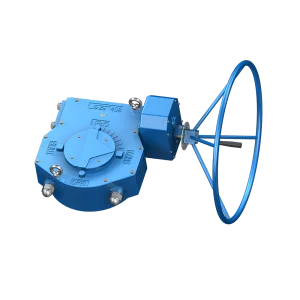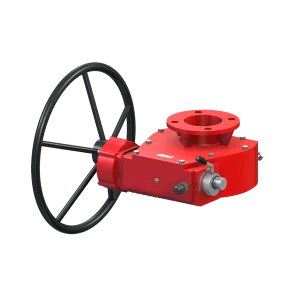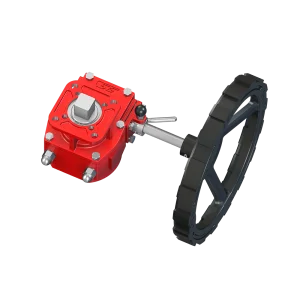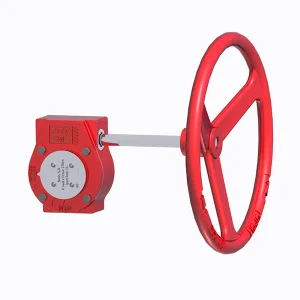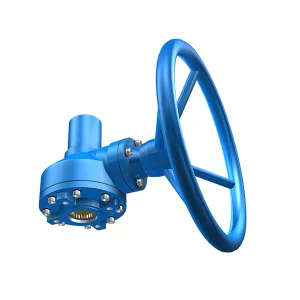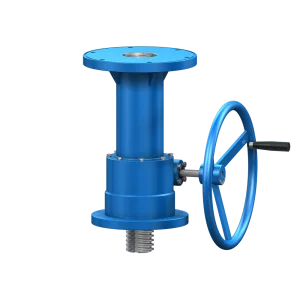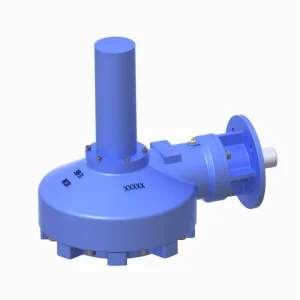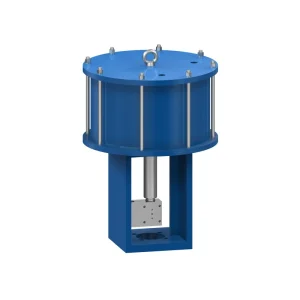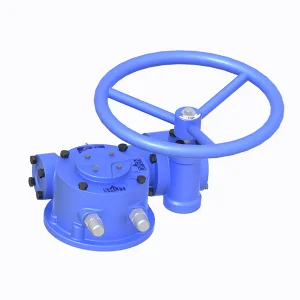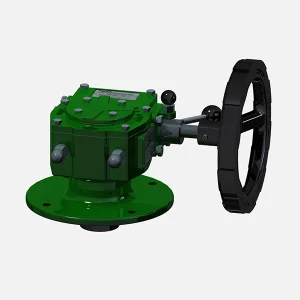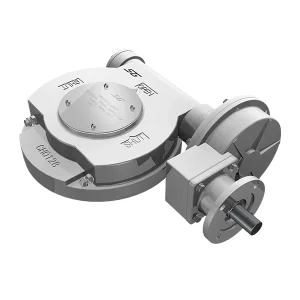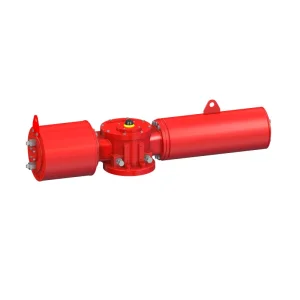
Explore our advanced valve actuation configurations engineered for severe working environments, featuring CE-certified components and specialized alloy construction.
In contemporary fluid automation, the global industry faces a continuous push toward spatial optimization, system reliability, and energy efficiency. Traditional heavy actuation platforms are rapidly being phased out in favor of compact, high-torque configurations. Compact pneumatic actuators serve as the core driver in process loops where space constraints are severe, and torque-to-envelope ratios are crucial.
From deep offshore exploration platforms to cleanroom chemical distribution modules, these devices convert compressed air energy into precise angular or linear movement. Ensuring structural reliability under high-frequency operation cycles demands advanced engineering tolerances, state-of-the-art hard anodized surface treatments, and highly optimized internal spring-return or double-acting kinematics.
Sourcing these critical flow-control instruments from established OEM and ODM suppliers guarantees compliance with international standards, such as ISO 5211 for valve mounting alignments and CE Certifications for pressure equipment and explosion protection guidelines.
Over two decades of dedication to valve control innovation, high-integrity manufacturing, and strategic global partnerships.
Founded in 1999 and headquartered within the Suzhou Industrial Park, China. Our facilities feature a modern 8,900 m² production floor coupled with a 2,500 m² administrative center designed to streamline design-to-delivery communication.
Generating annual revenues of $7,000,000 to $9,000,000, with sustained growth of 10% to 20% year-on-year. Over the past decade, our product line has successfully entered critical industrial networks across the USA, Italy, Germany, Mexico, Singapore, and Japan.
Located within the highly optimized Yangtze River Delta industrial belt, we gain direct access to raw castings, precision machining suppliers, and certified steel mills. This cluster effect yields unmatched delivery speeds and substantial cost efficiencies.
ESTABLISHED YEAR
ANNUAL CAPABILITY (SETS)
YEARS INDUSTRY EXPERIENCE
QUALITY CERTIFICATION
Stard-Gears engineers apply advanced design principles to ensure that every compact pneumatic actuator achieves outstanding cycle life and high mechanical performance. Our product development process relies on rigorous 3D simulation tools, finite element analysis (FEA), and dynamic kinematics modeling.
By simulating mechanical loads, fluid flow dynamics, and material stresses, our engineers can virtually verify designs before manufacturing prototypes. This process dramatically shortens the development cycle for new products, improves structural integrity, and lowers overall development costs.
This high-tech validation is crucial when engineering custom gear ratios, declutchable configurations, or special materials tailored to severe service pipelines.
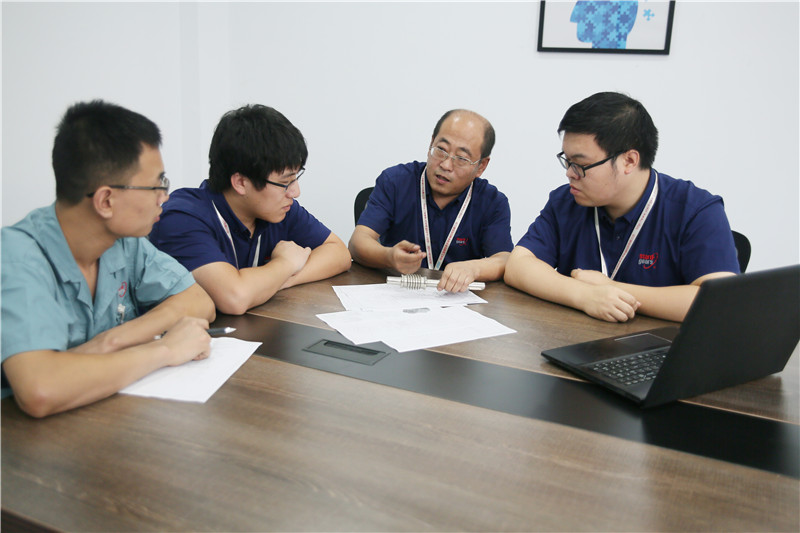
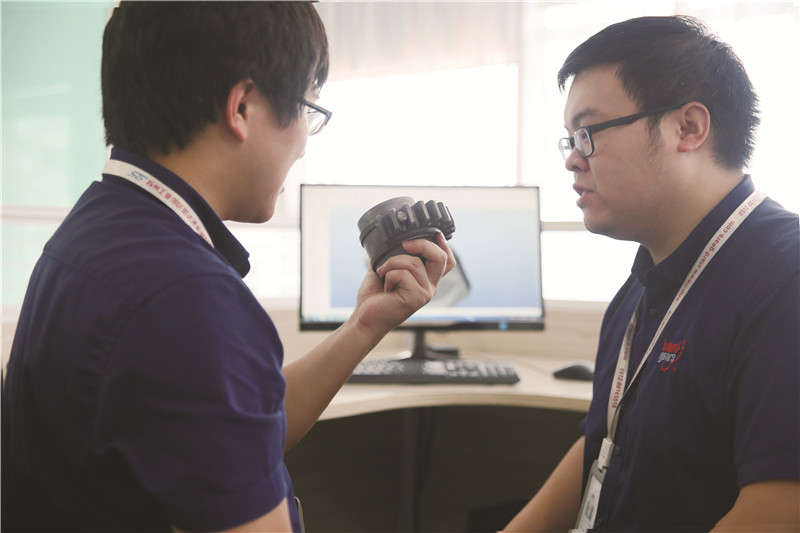
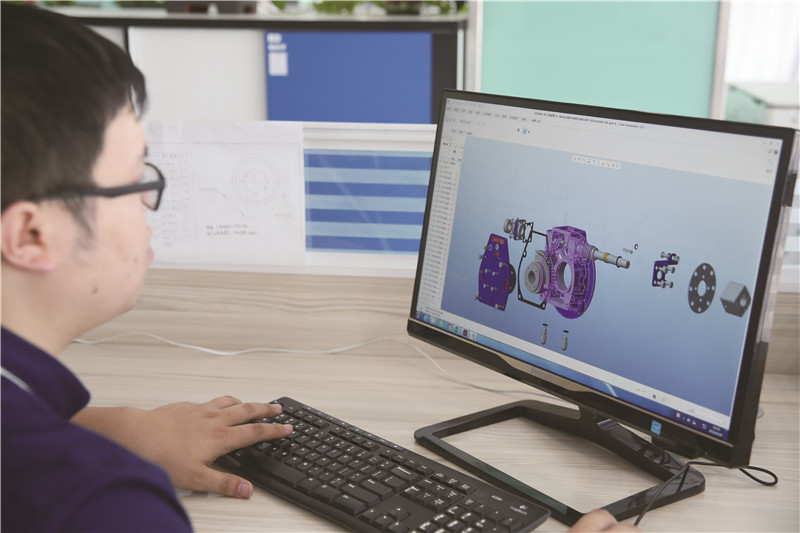
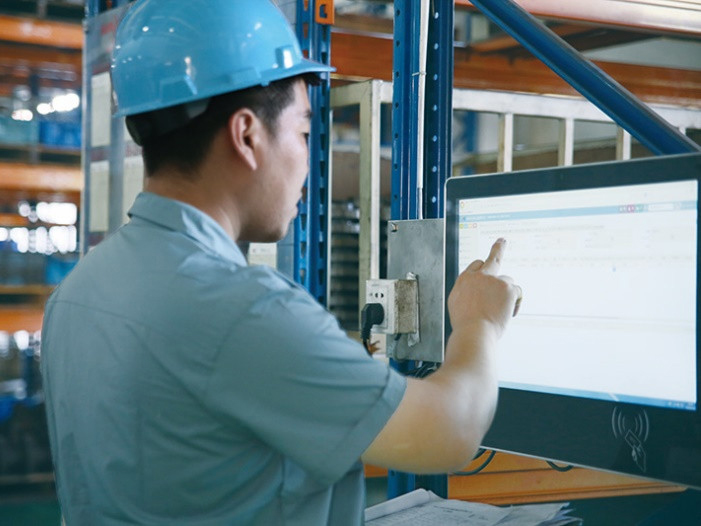
Operating a comprehensive enterprise resource planning (ERP) system to monitor scheduling, dispatch, and machining steps in real time, ensuring delivery and quality.
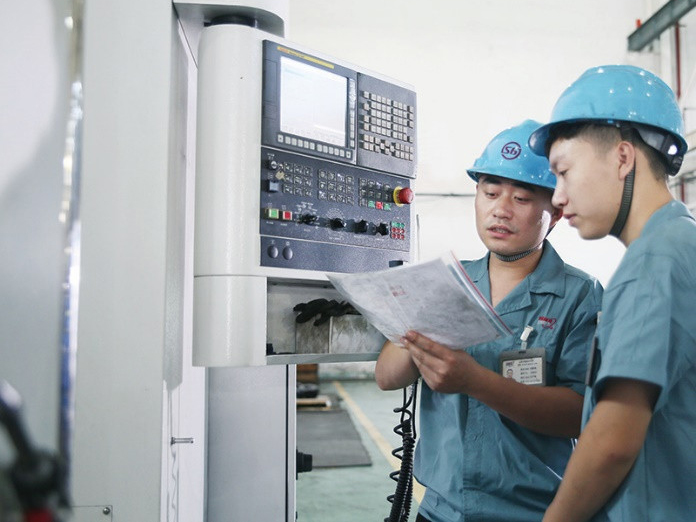
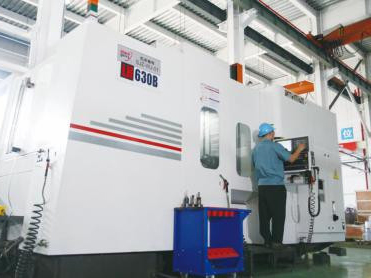
Real-time tracking of manufacturing stages allows us to maintain stable production. Under ERP control, machining components are routed to CNC centers, multi-axis milling units, and automated assembly stations. Our Suzhou facility reaches an annual capacity of 100,000 sets of manual, declutchable, and pneumatic actuators.
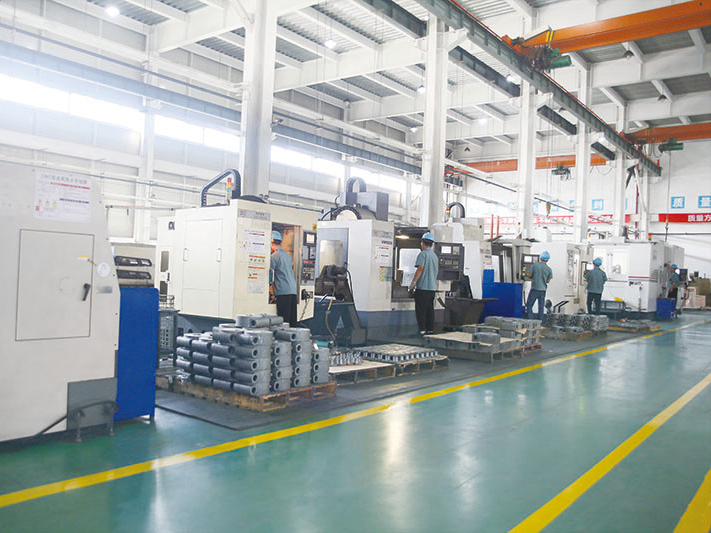
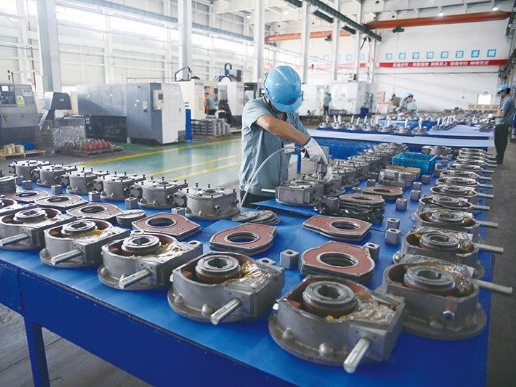
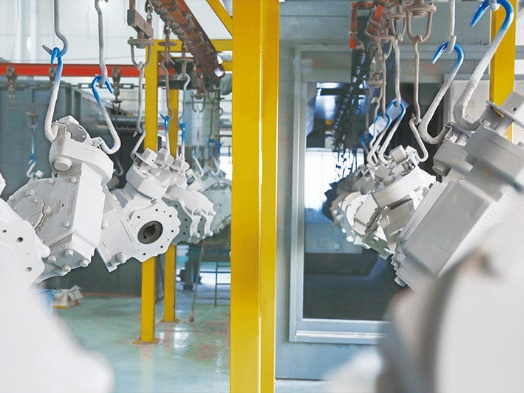
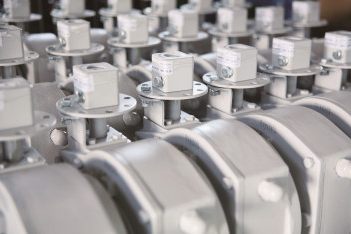
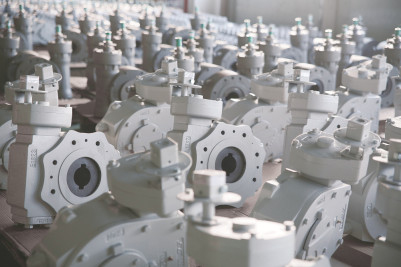
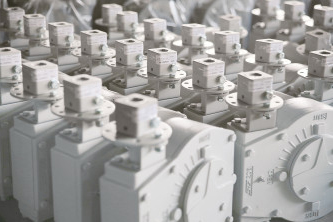
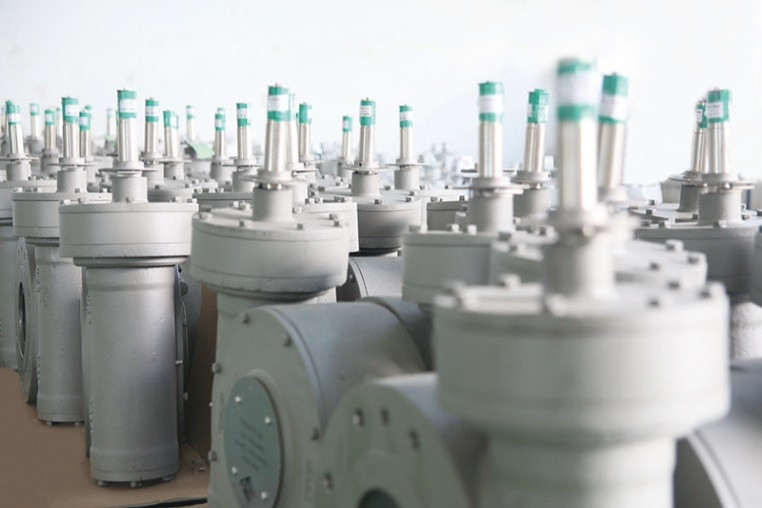
100% component qualification, traceable material documentation, and dynamic testing protocols guarantee reliable long-term performance.
To establish a reliable, traceable production system, Stard Automation stations full-time quality control inspectors at every critical assembly point. From initial incoming material checking (IQC) of castings and raw alloys to in-process dimensional checking (IPQC) on our machining lines, all production steps are logged and verified.
Our dedicated test center uses advanced inspection equipment to verify dimensional accuracy, load-bearing capacities, cycle endurance, and torque envelopes across all production runs.
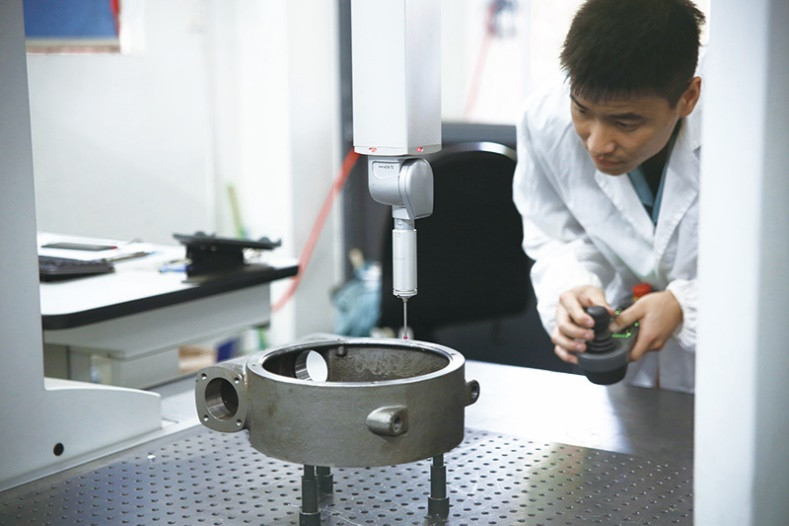
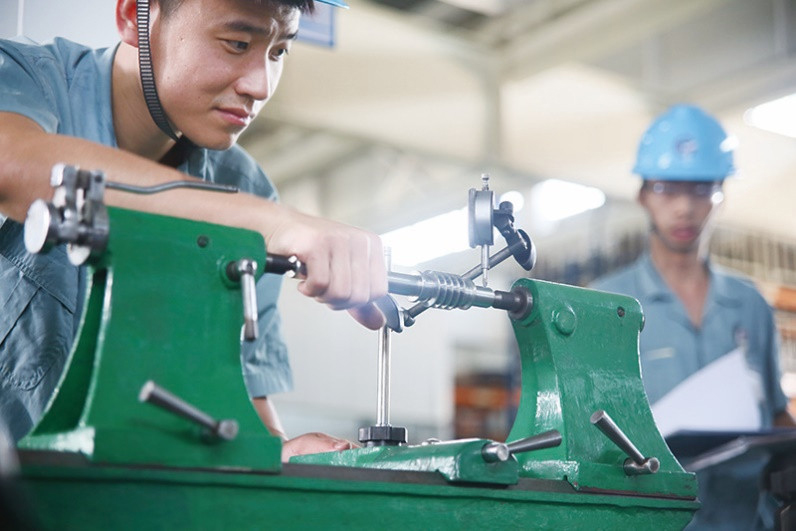
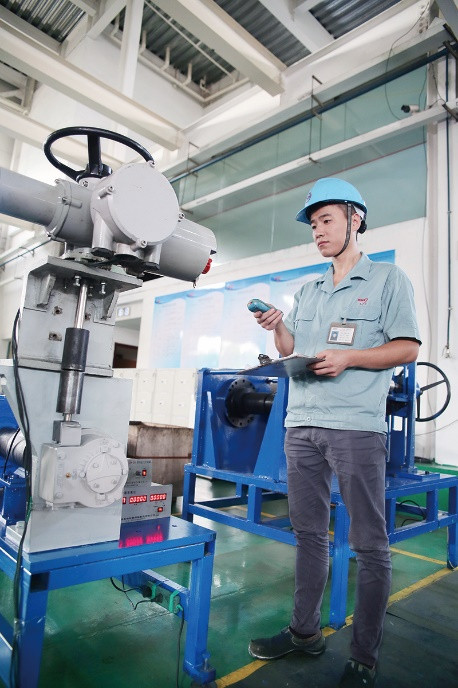
Our Quality Assurance technicians utilize specialized instrumentation to test seals, verify gear profiles, and evaluate actuator performance under load.
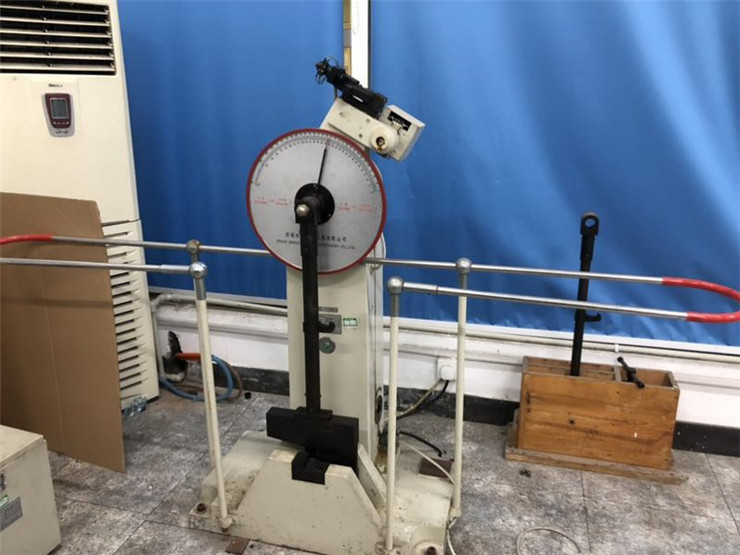
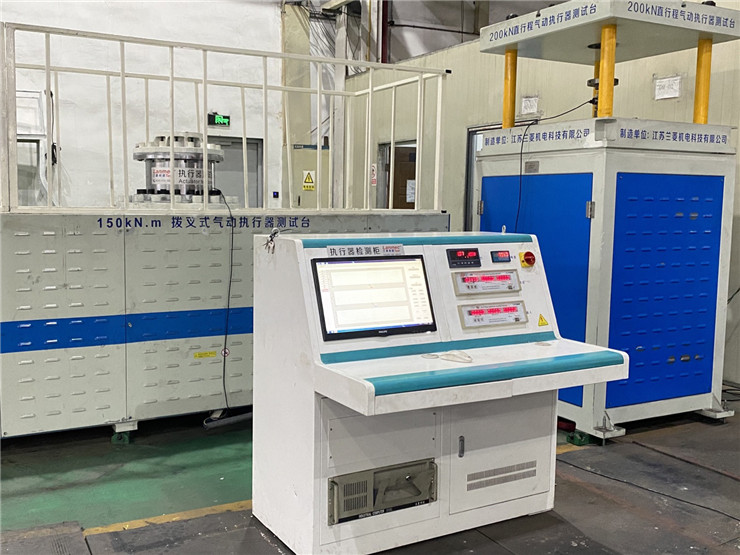
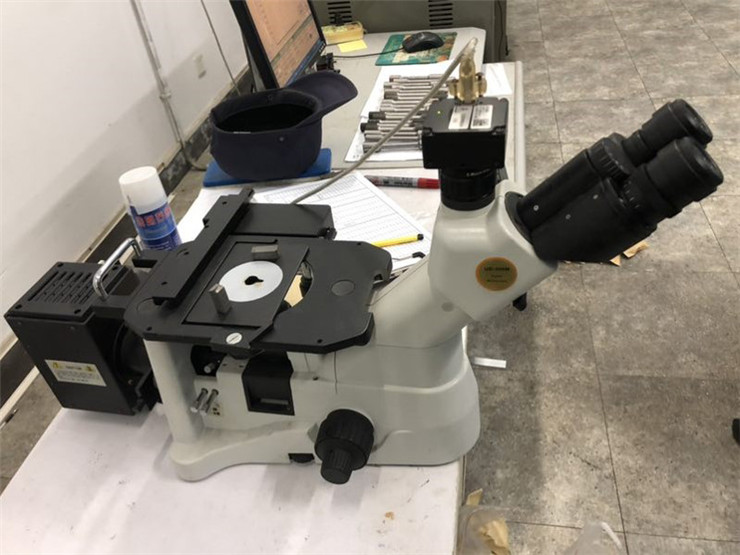
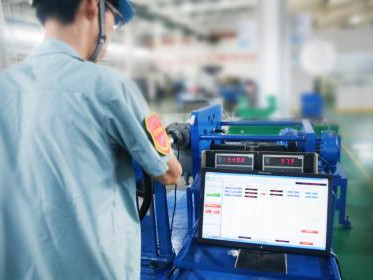
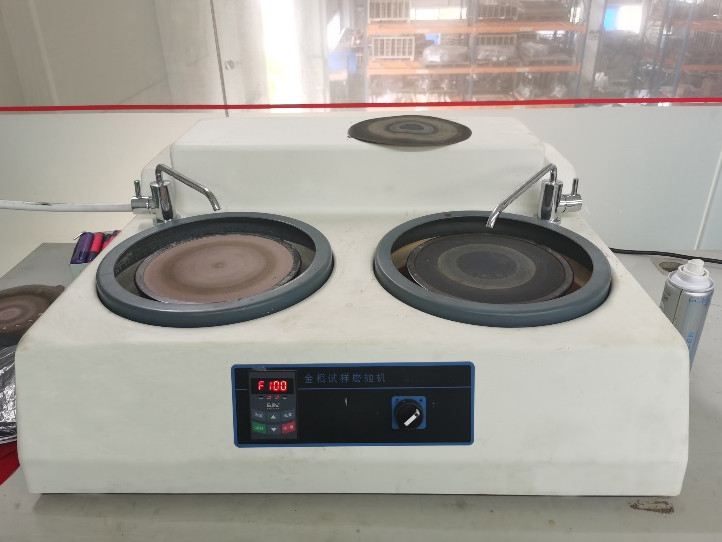
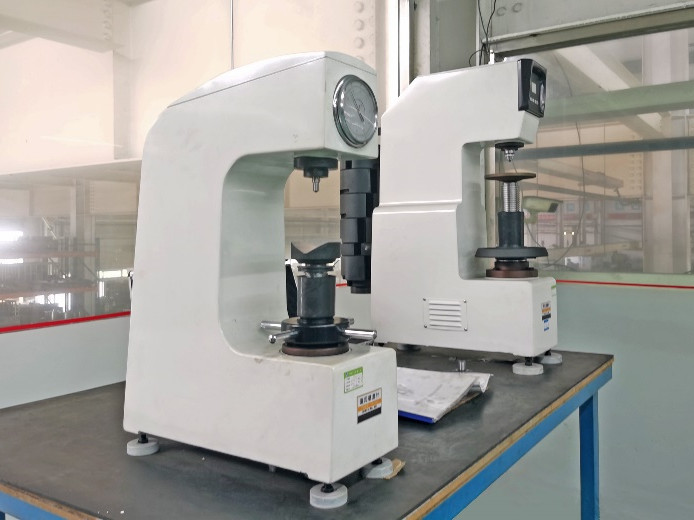
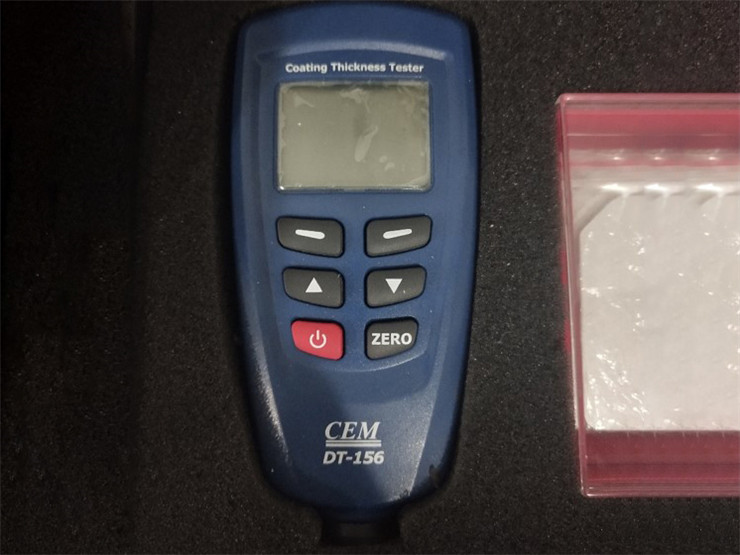
Custom-engineered compact pneumatic actuators built for durability across highly regulated industrial sectors.
In refining and chemical processing, explosion prevention and atmospheric resistance are mandatory. Our actuators are built with spark-free materials, explosion-proof solenoids, and durable structural coatings. They are engineered to operate reliably in hazardous locations containing volatile gases, corrosive steam, and marine environments.
High humidity and corrosive water chemicals require robust corrosion protection. Our actuators feature high-thickness polymer coatings, stainless steel shafts, and reliable piston seals. They provide low-maintenance performance in water purification plants, wastewater pump facilities, and municipal distribution grids.
Process lines for silicon wafer production require ultra-clean operation. Compact actuators deployed in these systems must be contaminant-free, operate without emitting particulates, and resist aggressive cleaning solvents. High-grade anodized finishes prevent chemical reactions, while leak-free valve connections ensure high fluid purity.
Power plants require maximum system reliability. Valve actuators in these control loops must deliver consistent operation under high pressures and elevated ambient temperatures. We utilize heavy-duty return springs, robust mechanical stops, and thorough quality inspection tracking to ensure fail-safe performance.
Handling LNG and sub-zero gases requires specialized sealing technologies. Actuators in cryogenic service must remain flexible and functional at temperatures down to -40°C. Stard-Gears uses low-temperature elastomers and advanced structural designs to ensure reliable sealing and prevent torque degradation in cold environments.
Abrasive powders and dry particulate flow can cause rapid seal wear. Our actuators feature rugged dust seals, hard-coated cylinder bores, and double-sealed guide bearings to prevent particle intrusion. This configuration extends component service life and maintains consistent operating torque in mining and powder processing plants.
Understanding the key procurement priorities for procurement officers and system engineers sourcing valve automation technologies.
Procurement teams require complete verification of certifications, including CE conformity, ISO 9001 quality systems, and ATEX explosion protection. Stard-Gears provides full documentation and material test reports (MTRs) to simplify compliance auditing.
Industrial systems often demand custom mounting dimensions, specific operating media, or unique safety spring configurations. Our engineering team designs and manufactures customized parts to meet individual project parameters, reducing integration overhead.
Delays in valve actuation deliveries can disrupt plant startups. Our Suzhou facility leverages regional suppliers to shorten production cycles. Our team provides clear milestones and shipping schedules for every order.
Beyond purchase price, overall cost of ownership is driven by seal life, maintenance schedules, and torque efficiency. Stard-Gears products utilize low-friction coatings and robust guide bands to reduce wear and extend maintenance intervals.
Innovations driving the development of the next generation of industrial pneumatic actuators.
Industrial plants increasingly employ digital communication systems to monitor performance in real time. Modern compact pneumatic actuators feature pre-engineered mechanical interfaces designed to mount smart positioners, limit switch boxes, and dynamic diagnostic sensors. These sensors track operational speeds, leak paths, and stroke profiles, allowing operators to schedule maintenance based on actual wear data rather than fixed time intervals.
Generating compressed industrial air is a major operational cost for automated facilities. Next-generation actuators are designed with minimal internal air chambers to reduce air consumption per stroke. Precise tolerances, low-friction piston seals, and optimized spring geometry allow these units to deliver high output torque while consuming less compressed air.
As chemical and hydrocarbon plants push operating envelopes, valve accessories must survive highly corrosive atmospheres. The industry is moving toward high-performance surface treatments, including advanced hard-anodized coatings and fluoropolymer seal materials. These coatings protect body housings from salt spray, harsh washdowns, and acidic vapors, preventing structural degradation.
Modern process skid manufacturers require highly standardized components to simplify design and assembly. Global suppliers have adopted standardization frameworks, including NAMUR (VDI/VDE 3845) interfaces for solenoid and accessory mounting, and ISO 5211 patterns for direct valve connection. This design standardization enables rapid field replacement and broad compatibility with third-party components.
Detailed technical answers addressing actuator sizing, installation, maintenance, and sourcing criteria.
Detailed performance specifications and specialized gear configurations designed to handle extreme industrial torque demands.