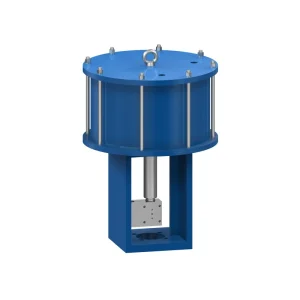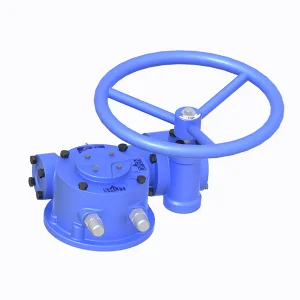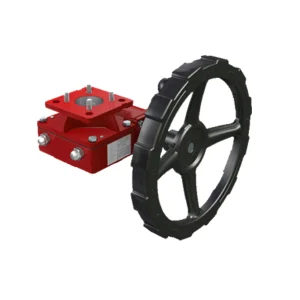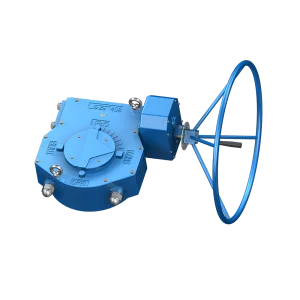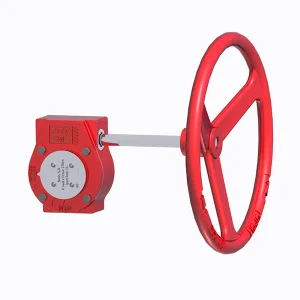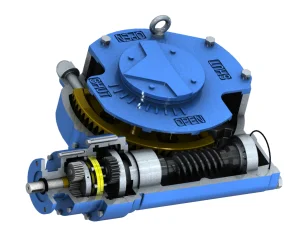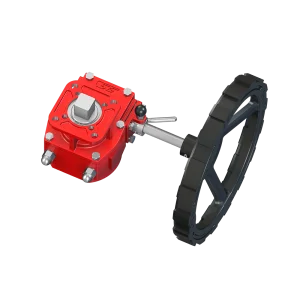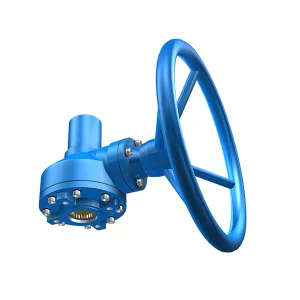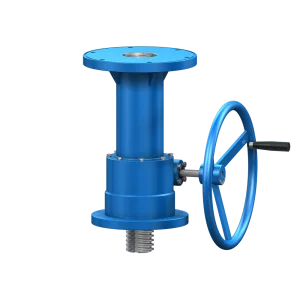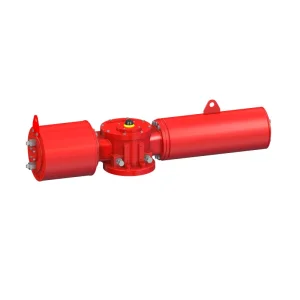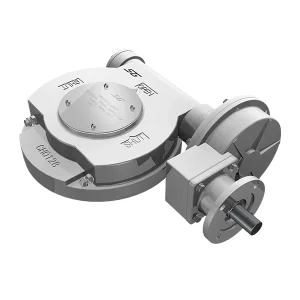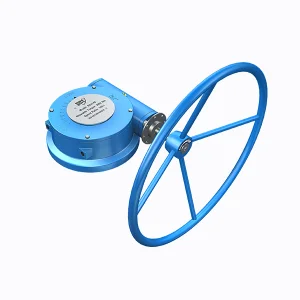
Explore our industrial-grade, CE-certified valve operators, declutchable control gearboxes, and custom manual overrides engineered for high performance.
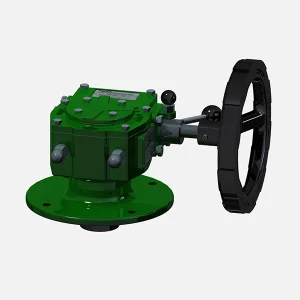
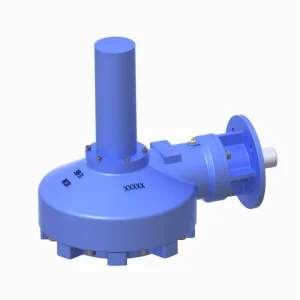
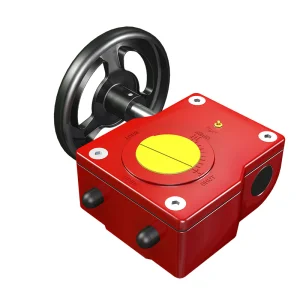
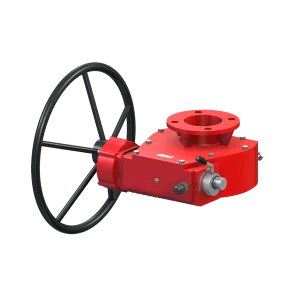
Modern industrial processing plants, municipal infrastructures, and energy networks operate under increasingly stringent demands for safety, efficiency, and real-time control. At the heart of these modern processes is the electric actuator valve—a critical mechanism that replaces traditional manual operation with computerized, remote, and highly automated flow management. The global market for these automation products is experiencing a significant paradigm shift, driven by the rise of Industry 4.5, smart cities, and sustainable fluid management strategies.
As heavy industry shifts away from pure hydraulic or pneumatic systems to lower-emission electric solutions, the engineering of the mechanical transmission elements—specifically the valve gearboxes, declutchable manual overrides, and bevel gear systems—has become critical. Today's systems demand gear operators that handle exceptional levels of torque (ranging from several hundred up to hundreds of thousands of Newton-meters) while ensuring safety locks, explosive gas ratings (ATEX), and deep-submersion capabilities (IP68) for buried networks. Finding reliable ODM electric actuator valve manufacturers who can customize these critical links in the transmission chain has become the baseline requirement for system integration engineers worldwide.
In regions such as North America, Western Europe, and Asia-Pacific, the retrofitting of legacy valves with modern electric actuators has created high demand for declutchable worm gearboxes. These systems allow operators to switch seamlessly between manual handwheel control and automated motor drive, serving as an essential fail-safe. Concurrently, environmental regulations demand lightweight, corrosion-resistant housings. This has accelerated the transition from heavy cast iron to aerospace-grade anodized aluminum alloys, especially in chemical processing plants and marine environments where saltwater corrosion would otherwise severely limit mechanical life cycles.
Founded in 1999 and strategically headquartered in the state-of-the-art Suzhou Industrial Park, Stard Automation (Stard-gears) is a leading global provider specializing in high-precision valve control technology. Our facility covers a modern 8,900 m² manufacturing plant alongside 2,500 m² of dedicated R&D and executive office space.
Backed by an ISO9001 certified quality infrastructure, our annual production output regularly reaches 100,000 sets of gear operators and control mechanisms, driving an annual sales volume of $7,000,000 to $9,000,000 with a consistent year-on-year growth rate of 10% to 20%.
By leveraging the highly integrated ecosystem of Suzhou Industrial Park, Stard Automation achieves delivery lead times that are 30% faster than traditional casting factories. The proximity of domestic raw material smelters and precision machining tool suppliers allows us to source premium materials—ranging from ductile iron to specific aluminum alloys—while maintaining strict cost control.
"Our integrated structure enables us to respond to custom design modifications within 48 hours and deliver prototype assemblies with fully certified material test reports."
How we execute custom ODM projects: from virtual prototyping and stress analysis to physical verification.
Before any casting mold is cut or metal is machined, Stard engineers use advanced 3D simulation tools, dynamic mechanical modeling, and Finite Element Analysis (FEA) to verify the performance limits of every gear operator. This digital process allows us to simulate gear mesh stress concentrations, load deflection under critical valve sticking states, and fatigue life under cyclic high-torque operations, guaranteeing system reliability while minimizing development timelines.
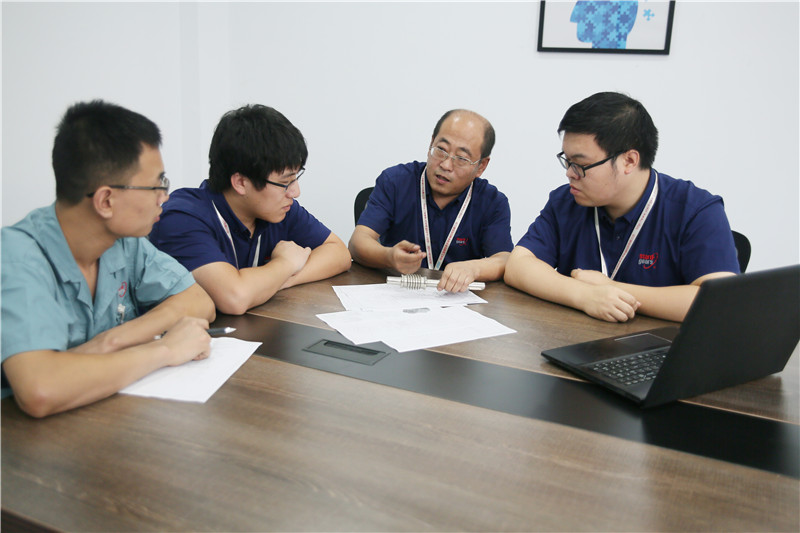
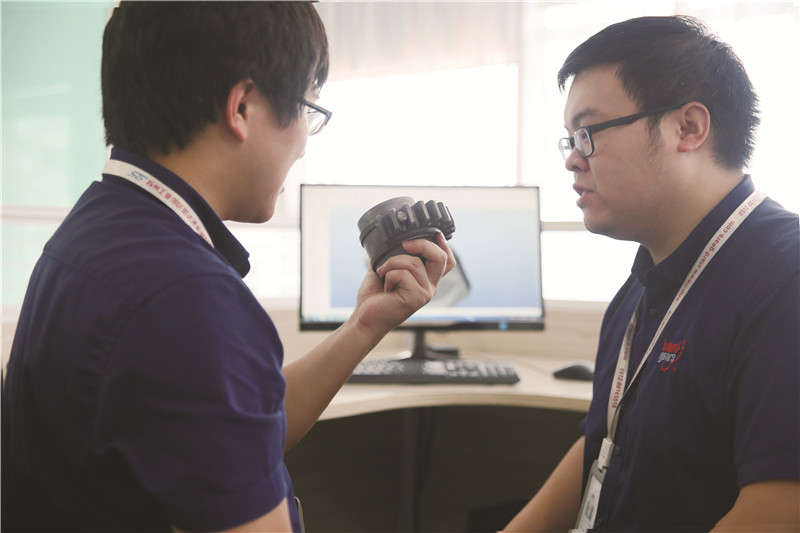
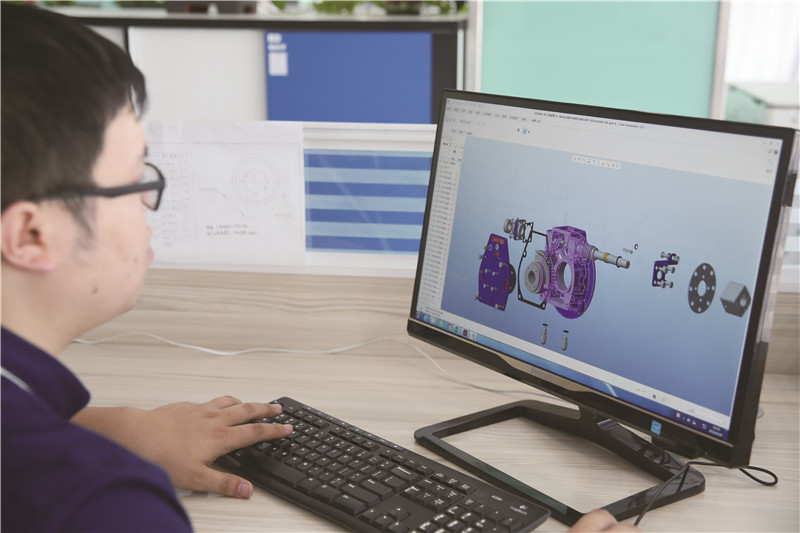
Real-time oversight is the core of Stard Automation's manufacturing strategy. We utilize an advanced, custom-integrated Enterprise Resource Planning (ERP) platform that monitors every step of production. From the arrival of raw billets at our foundry partner to CNC machining, assembly, torque validation, and packaging—every stage is logged and tracked.
This transparent, data-driven approach minimizes production bottlenecking, enforces step-by-step accountability, and ensures that large-scale ODM orders are manufactured exactly to the agreed schedule, with 100% component traceability.
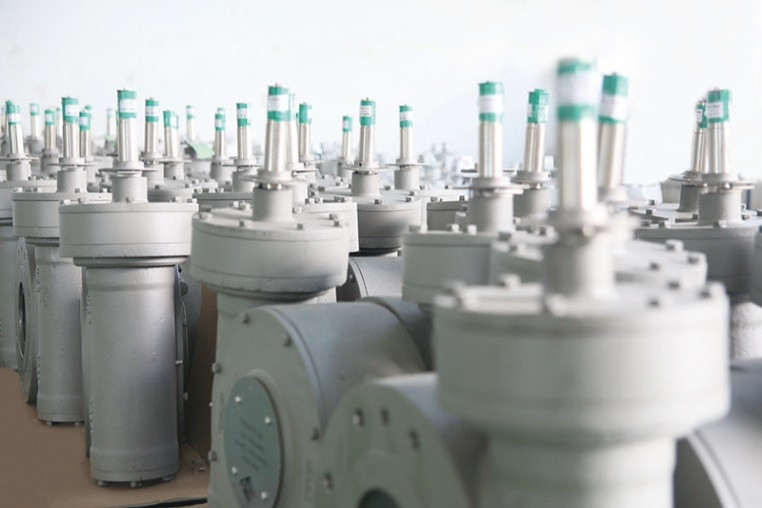
Our machining and assembly workshop in Suzhou features advanced multi-axis machining tools, automated worm grinding machinery, and multi-station assembly benches designed to maintain consistency across large production runs.
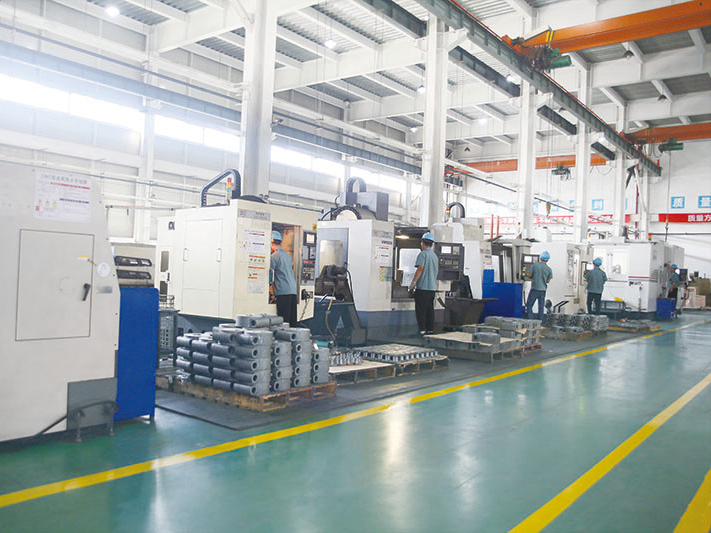
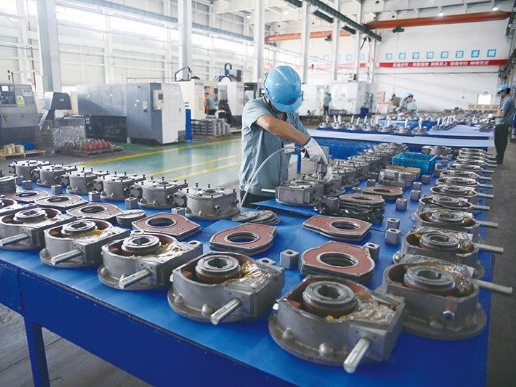
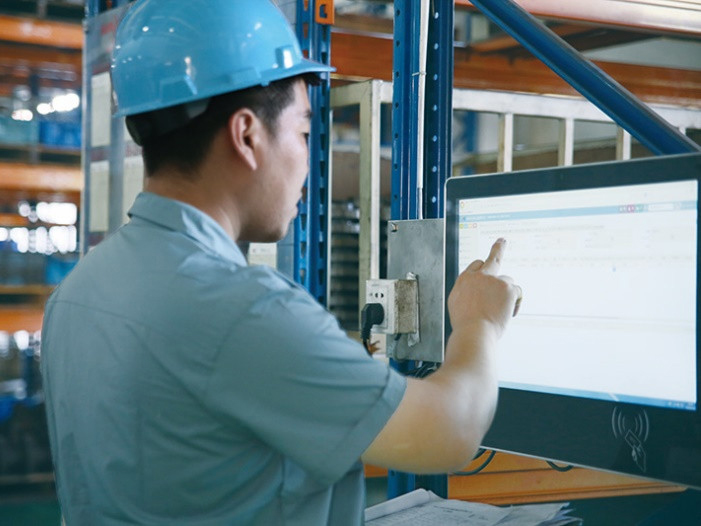
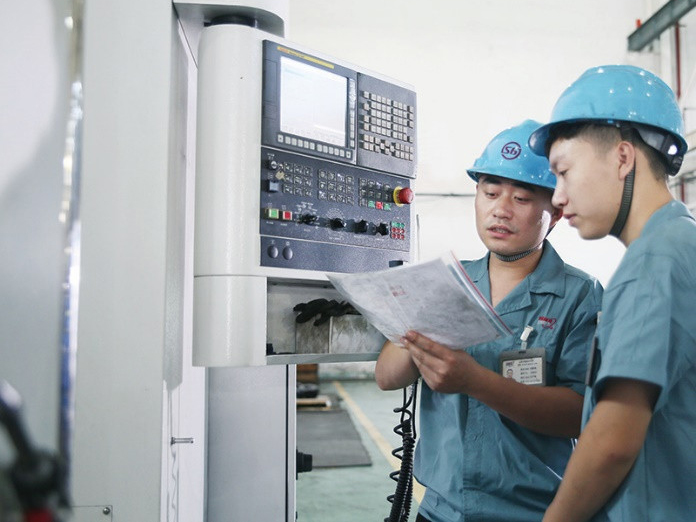
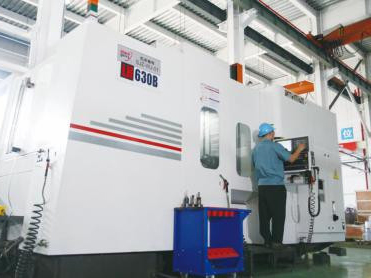
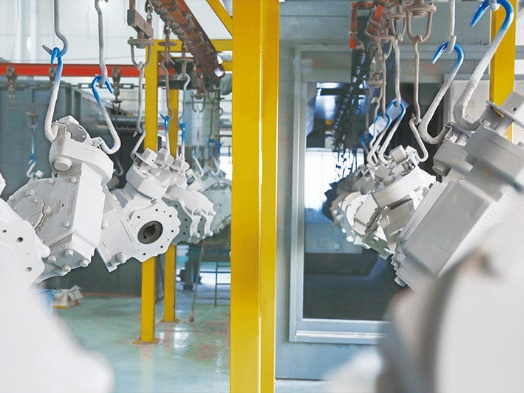
Stard Automation easily handles large-scale global valve integration projects, outputting over 100,000 robust gear operator units annually.
Our facility runs optimized production cycles utilizing modular assembly strategies. Whether fabricating lightweight aluminum alloy manual gearboxes or robust ductile iron declutchable units, our optimized workflows keep lead times minimal and guarantee reliable scaling for global industrial projects.
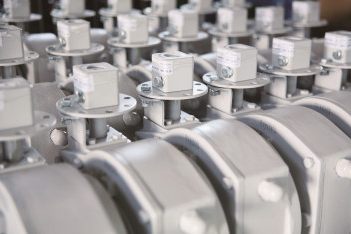
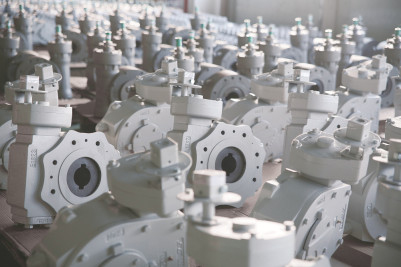
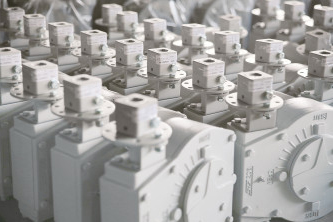
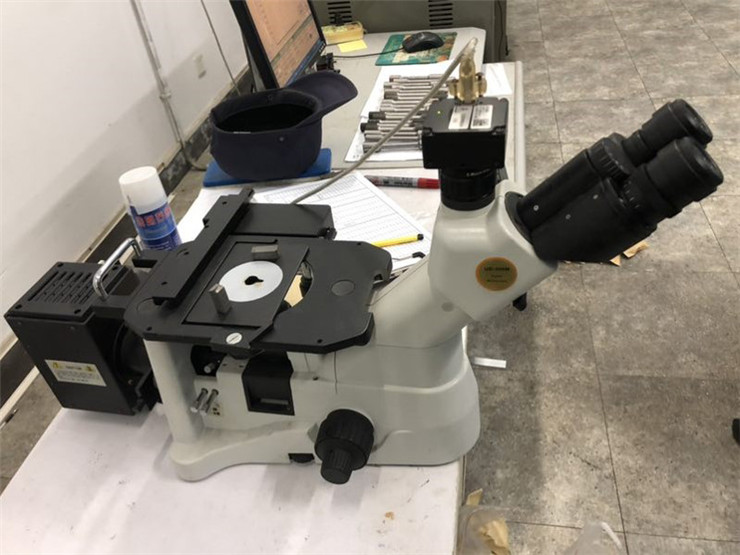
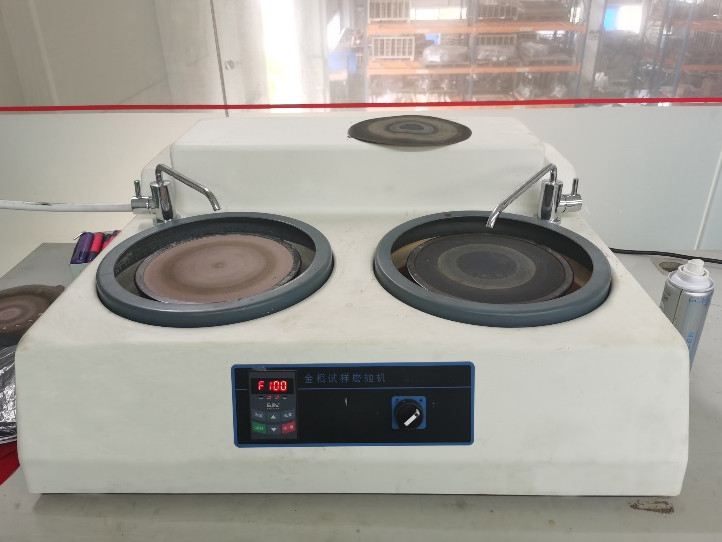
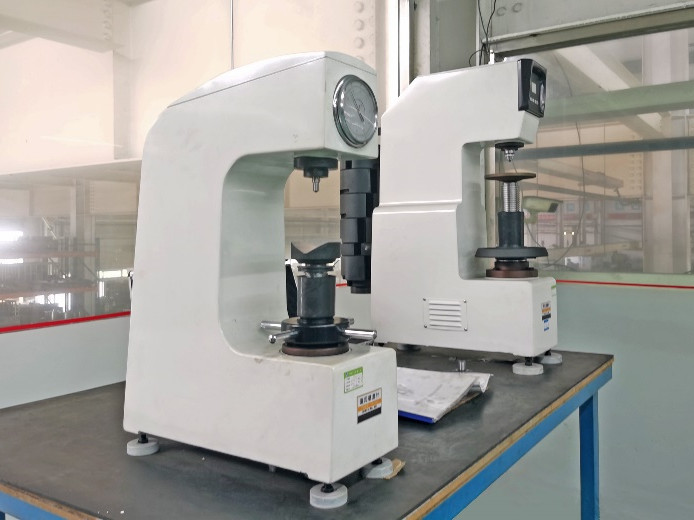
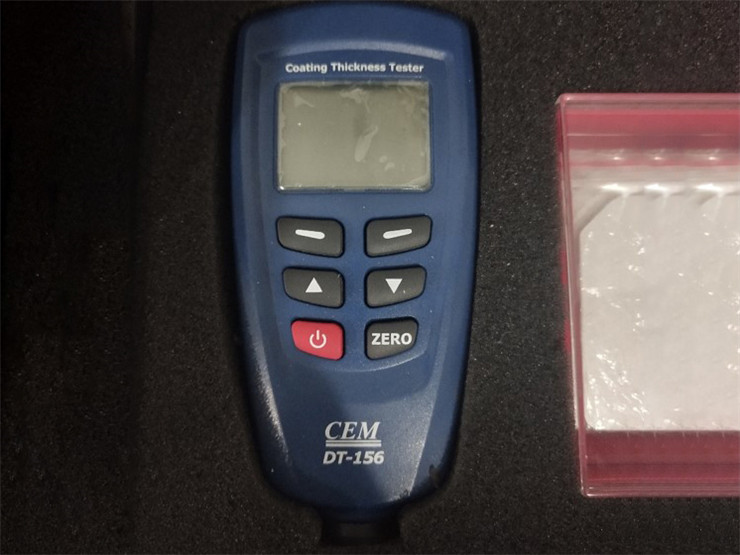
We maintain full-time quality control inspectors at every critical phase of manufacturing. From chemical composition testing of incoming castings to raw dimensional checks, assembly tolerance verification, and final performance testing, Stard ensures that 100% of our products meet requirements before shipping.
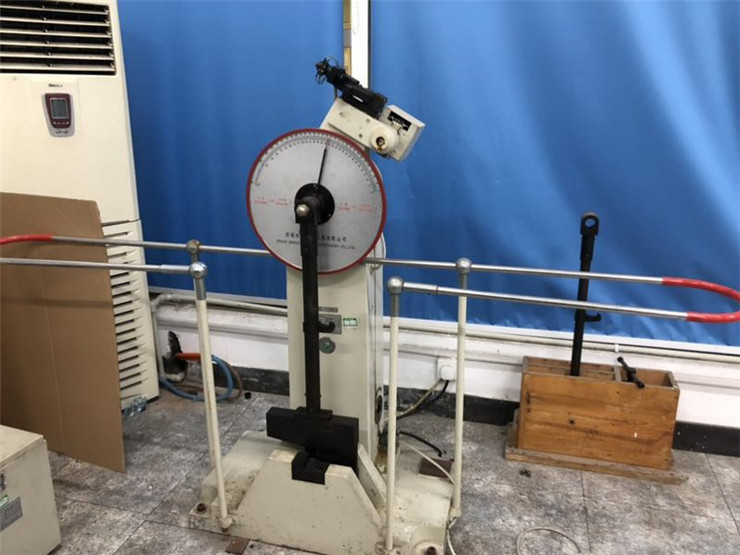
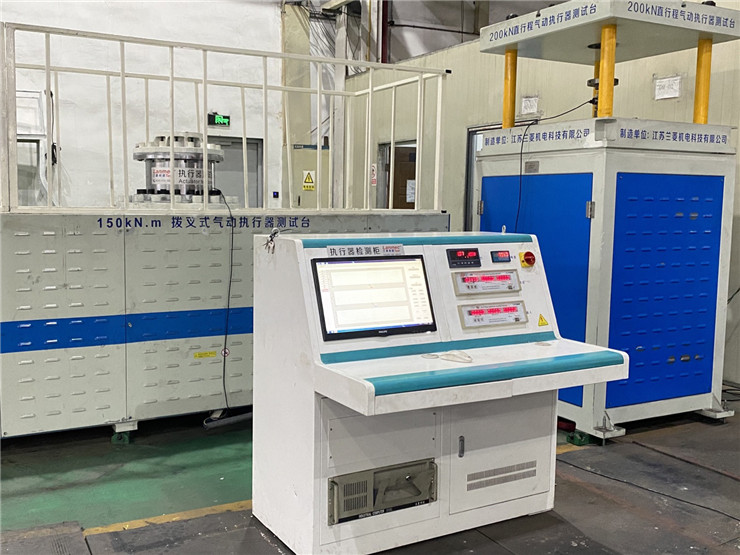
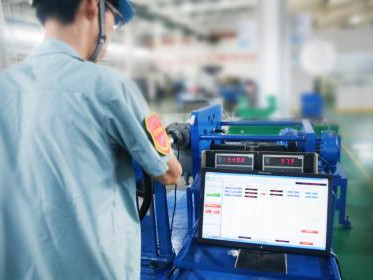
Our dedicated laboratory is equipped with state-of-the-art testing systems, including precise torque validation rigs and simulated lifecycle testing tables. These capabilities allow us to physically confirm that every gearbox delivers its specified output torque and maintains structural integrity over its intended service life.
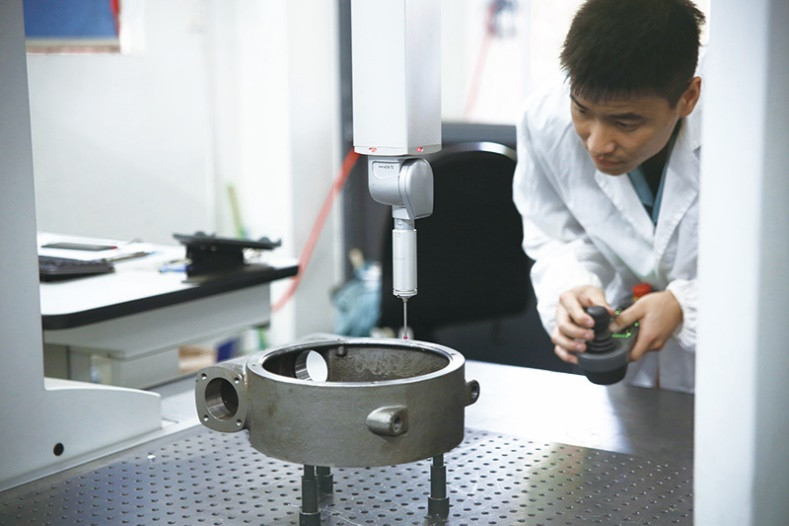
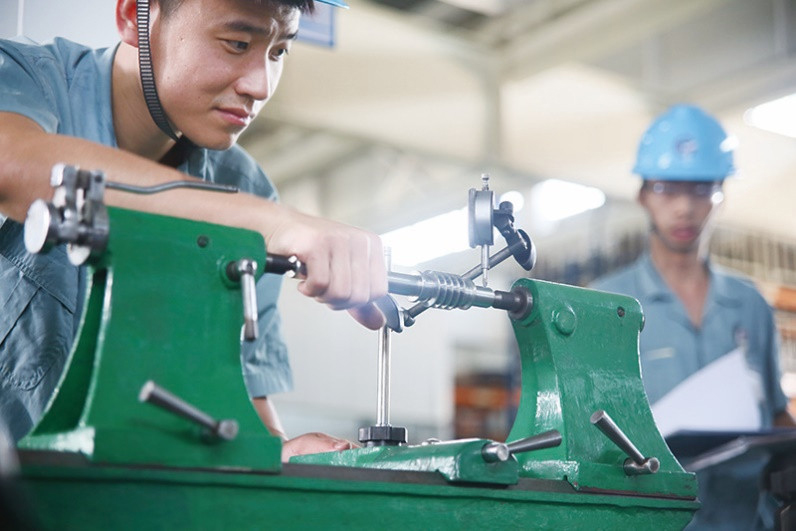
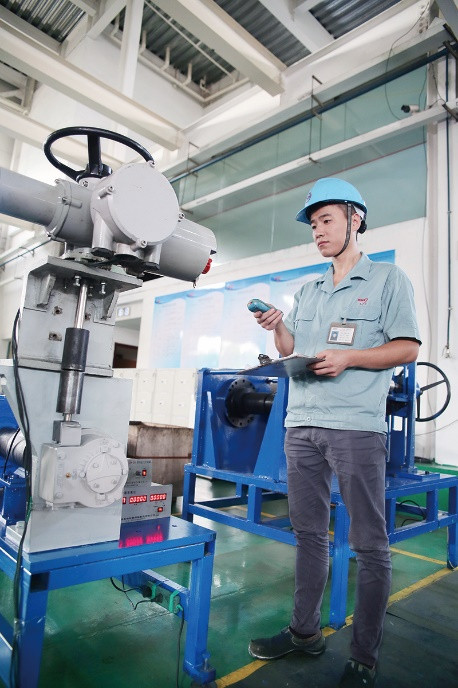
Precision flow control requires high-tolerance mechanical linkages. Our metrology facility performs multi-point gear alignment audits, hardness tests, and dynamic torque signature analysis to ensure smooth operation across the gear set's entire travel.
Stard Automation's valve control mechanisms are engineered to integrate seamlessly into diverse fluid transport systems. Each industrial environment presents unique chemical, thermal, and mechanical challenges that require tailored solutions:
High explosive risks demand explosion-proof materials and precise gear tracking. Our WCB cast steel declutchable gearboxes provide a spark-resistant, dependable backup for emergency shutdown valves (ESDVs) on major distribution lines.
Large butterfly and gate valves in municipal clean water systems require high gear ratios to prevent water hammer. Stard bevel gear operators deliver mechanical advantages up to 80:1, enabling smooth, controlled open and close cycles.
Extreme thermal environments require high radiation resistance and maintenance-free lubricated gearboxes. Our high-efficiency quarter-turn gearboxes feature specialized seals and synthetic greases designed to withstand high temperatures and remain reliable for decades.
For municipal water distribution and petrochemical transit pipelines, control valves are often buried underground or installed in chambers prone to flooding. In these scenarios, replacing or servicing a damaged gearbox is extremely expensive and logistically challenging.
Our CE Certification Underground Pipe Valve Gearbox (Buried Applications) series is designed specifically for these conditions. Engineered with a fully welded housing, redundant static O-rings, and packed with high-grade synthetic hydrocarbon grease, these systems achieve IP68 submersion ratings. This ensures reliable operation under up to 10 meters of standing water, preventing ground water intrusion and internal gear corrosion.
As a leading ODM partner, Stard Automation works with a variety of structural metals, helping engineers match the right material to their specific operating environment:
The valve automation industry is shifting from purely mechanical units to smart, communicative systems. Stard Automation is helping lead this evolution, developing technologies that make flow control systems safer and easier to maintain:
Traditional declutchable gearboxes use mechanical levers to shift between motor drive and manual handwheel control. Stard's future models integrate inductive position sensors within the clutch mechanism. These sensors feed data directly to the central PLC, preventing the electric actuator from starting while the handwheel is engaged. This protects maintenance teams and eliminates mechanical gear damage.
Control valves require precise adjustments to manage fluid flow accurately. Our engineering team is refining worm gear profiles to reduce backlash to less than 0.5 degrees. This minimal play allows modern electric actuators to make microscopic adjustments, improving control accuracy in chemical dosing and gas blending systems.
Valves are increasingly being deployed in extreme climates, from sub-zero Arctic fields to desert oil wells. We are testing advanced polymer seals and fluorosilicone lubricants to ensure our gearboxes operate reliably across wide temperature ranges, keeping startup torque consistent and avoiding seal failures.
Expert answers to common engineering, material selection, and procurement questions from Stard Automation.
Explore our pneumatic piston actuators, scotch yoke systems, and specialized gearboxes built for buried and underground installations.