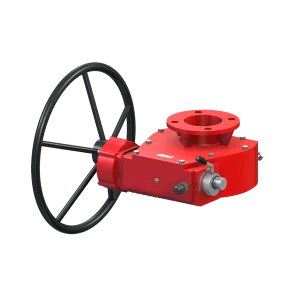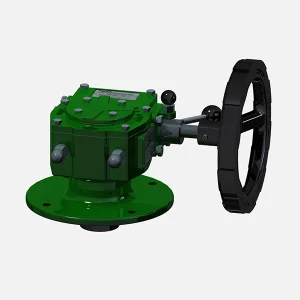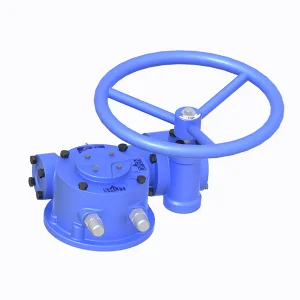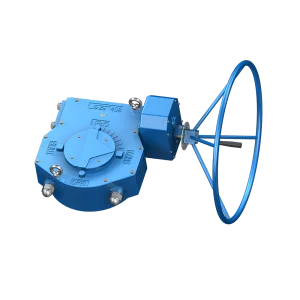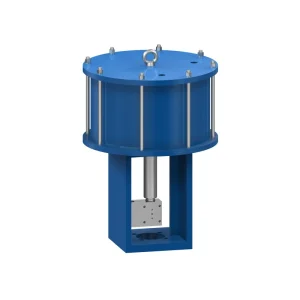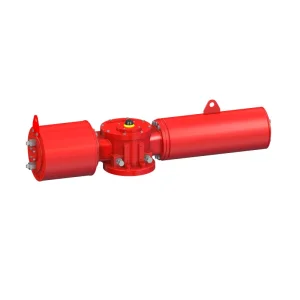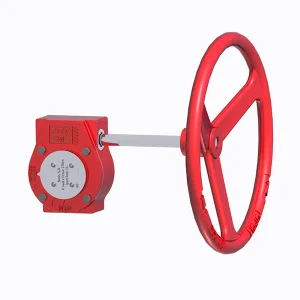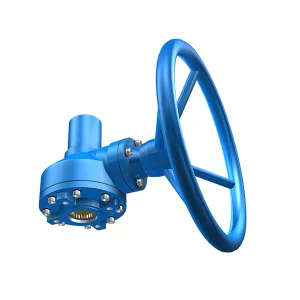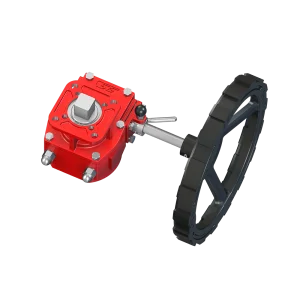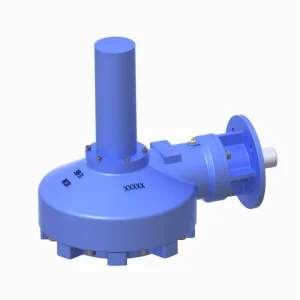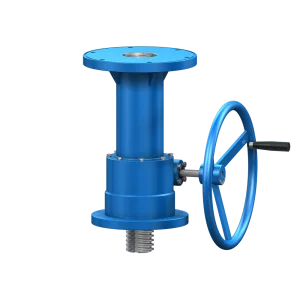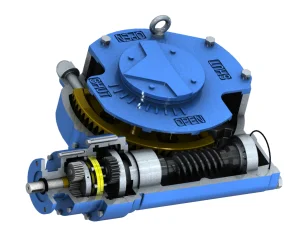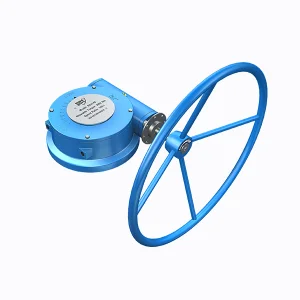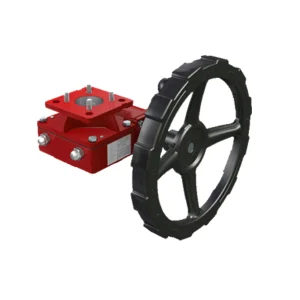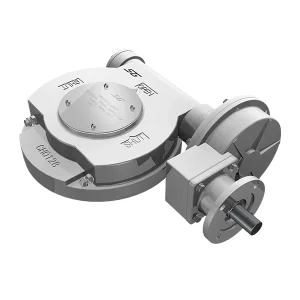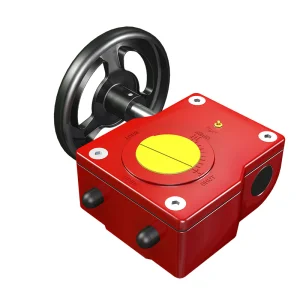
Explore our premium range of industrial gearboxes, Scotch Yoke actuators, and declutchable manual overrides manufactured to exceed international API and CE standards.
In heavy process industries worldwide, fluid control is the fundamental backbone of operational safety and throughput optimization. The Gate Valve with Gearbox stands out as the ultimate mechanism for isolating pipeline sections handling high-pressure fluids, slurries, and gas configurations. From the massive sub-salt oil reserves in the Gulf of Mexico to regional wastewater networks across Western Europe and municipal desalination systems in the GCC, gearbox operators offer the critical mechanical advantage required to cycle large-bore gate valves.
Without spur or bevel gearbox systems, the torque required to close a multi-turn gate valve under high differential pressure (DP) would exceed human capability or require oversized, energy-inefficient electric actuators. An optimized gearbox design acts as a force multiplier, reducing rim pull on the handwheel while preserving the slow, controlled stroke speed necessary to prevent damaging water hammer effects. Geographically, demand is shifting towards customized, low-maintenance ODM options as operations seek to integrate valves into automated remote monitoring grids.
The global valve control market is experiencing structural transformations driven by three key technological shifts:
As a global partner, Stard-gears designs and supplies multi-turn and partial-turn gearboxes that conform strictly to ISO 5211 mounting configurations, allowing seamless interchangeability between manual overrides and pneumatic or electric actuation systems.
Stard-gears is a leading global provider specializing in valve control technology. Our comprehensive facility delivers fast delivery and premium quality.
Founded in 1999 and located in the Suzhou Industrial Park, Stard-gears operates a modern manufacturing plant covering 8,900 ㎡ alongside a dedicated 2,500 ㎡ office space. We maintain a reliable trajectory with annual sales reaching $7,000,000, growing consistently at a rate of 10% to 20% per year.
Our manufacturing ecosystem operates under the strict oversight of the ISO9001 certification, with an annual production capacity reaching 100,000 sets. Being situated in Suzhou within China's Yangtze River Delta region provides us with an extremely well-established, convenient supply chain. This strategic location ensures our castings, machining capabilities, and spare parts procurement are highly advantageous, allowing us to combine rapid deliveries with exceptional product quality.
Over our 25+ years of industry experience, our valve control technologies have served key sectors including oil, chemical, natural gas, nuclear, and water treatment.
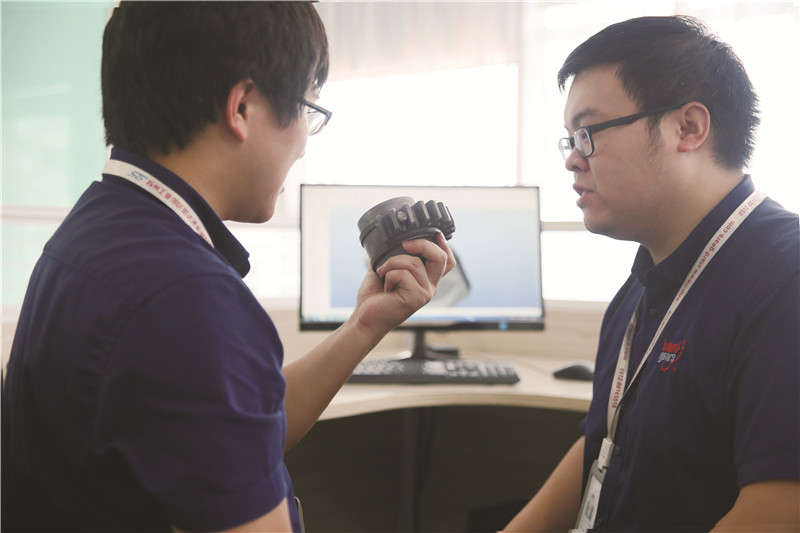
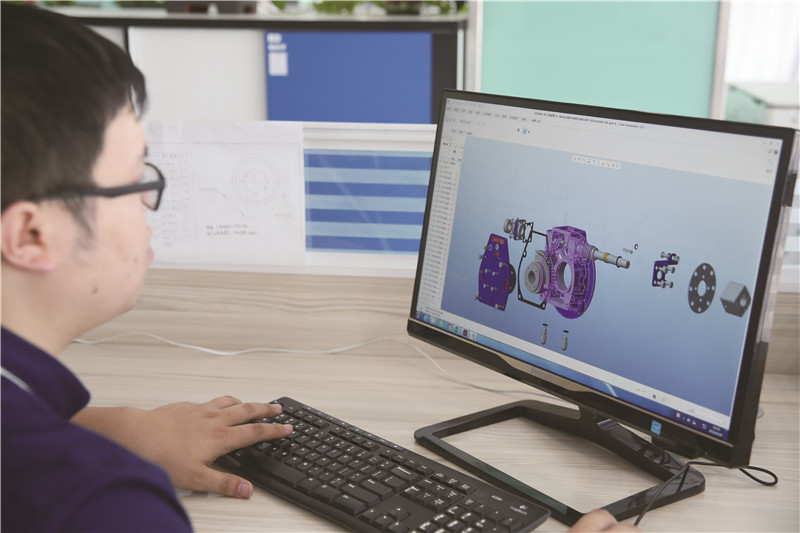
Virtual verification of gear designs ensures long-lasting safety margins and optimal torque transfer ratios.
Through 3D simulation, dynamic simulation, and finite element analysis (FEA), Stard-gears engineers virtually verify the design integrity of every new gearbox operator before entering production. This advanced modeling flow minimizes physical prototypes, guarantees structure reliability under high load conditions, prevents material stress fractures, and substantially shortens the custom ODM design cycle.
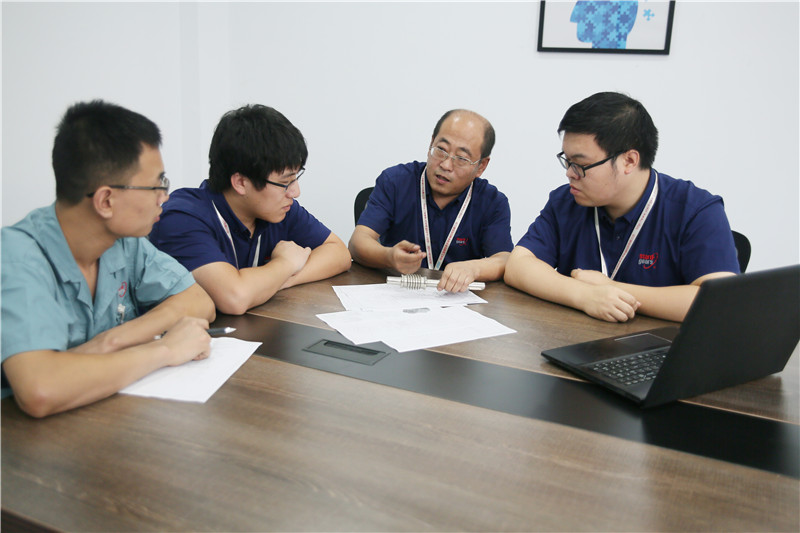
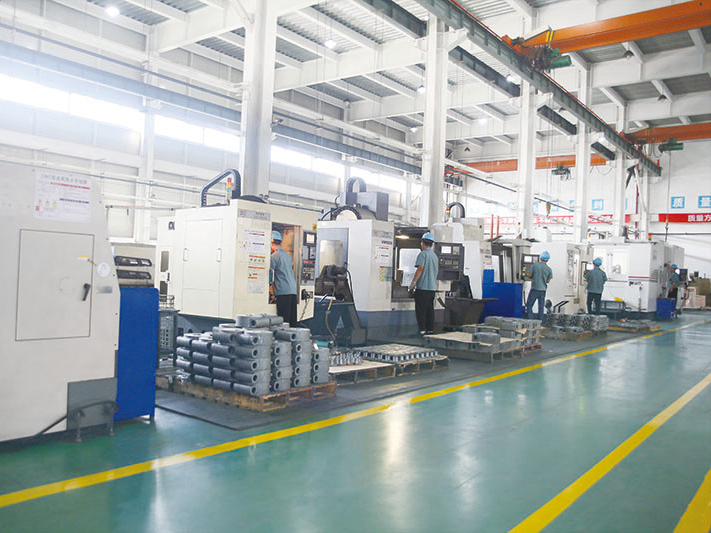
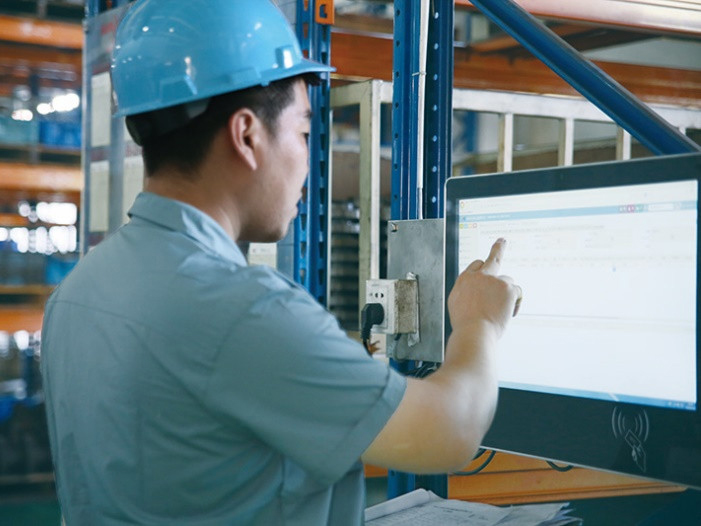
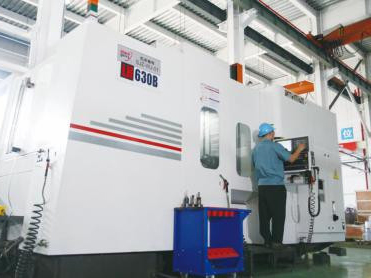
Empowered by integrated ERP resource scheduling and high-precision CNC machining networks.
Stard Automation runs an enterprise-wide ERP management system to track the schedule and physical progress of every client order in real time. This digital supervision spans the entire production cycle, ensuring predictable lead times, transparent materials control, and maximum structural throughput.
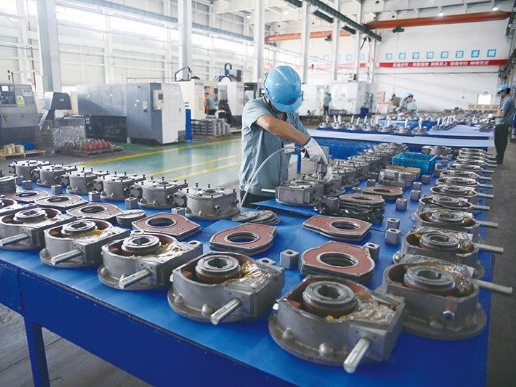
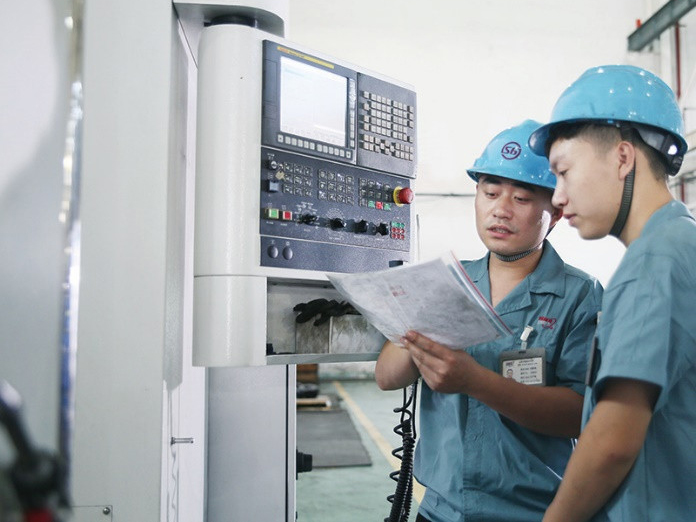
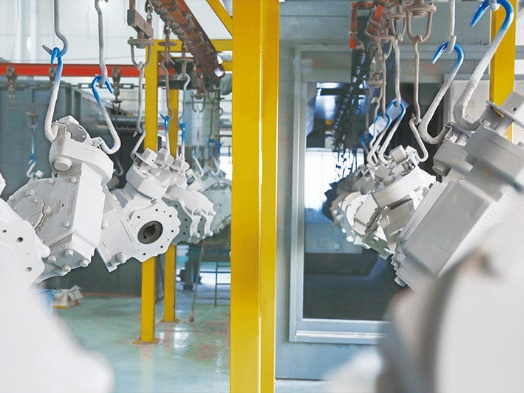
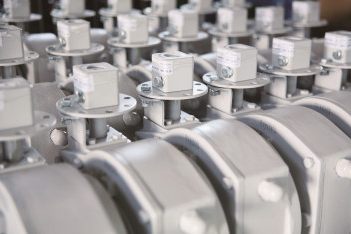
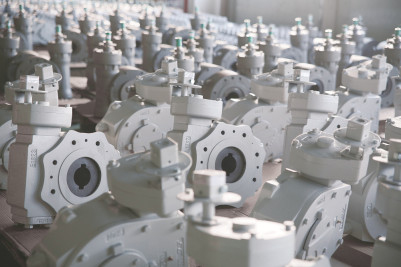
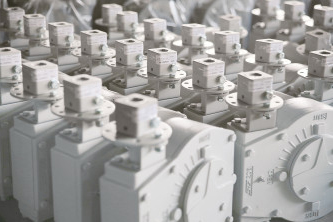
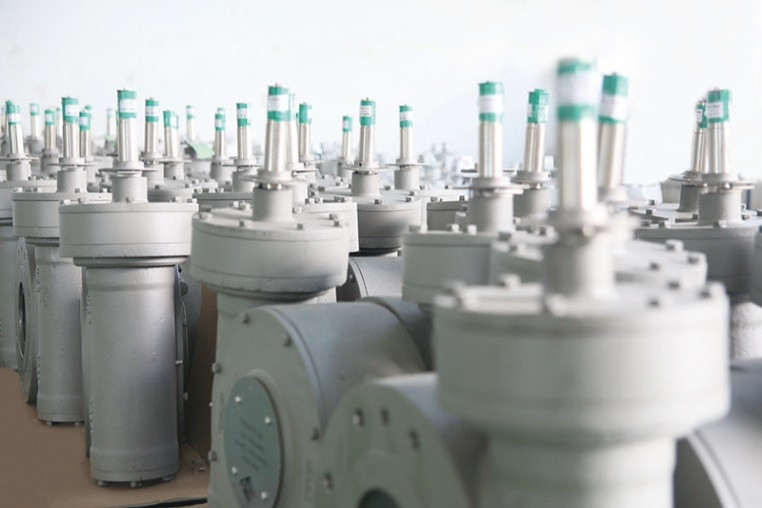
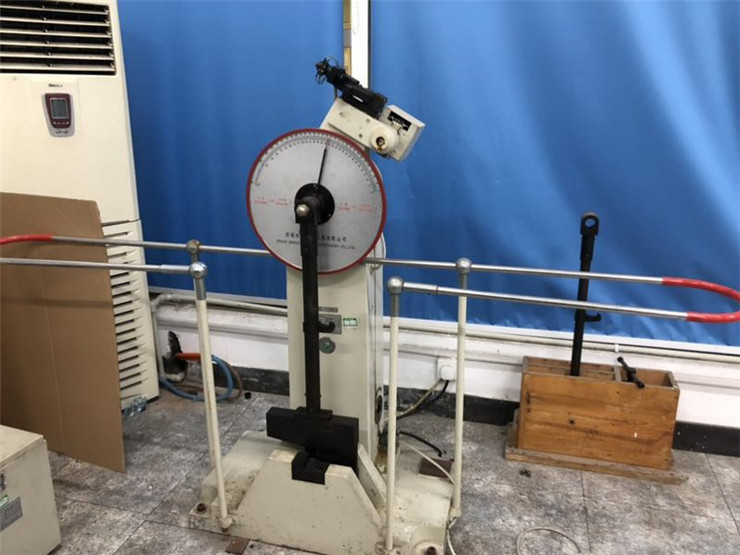
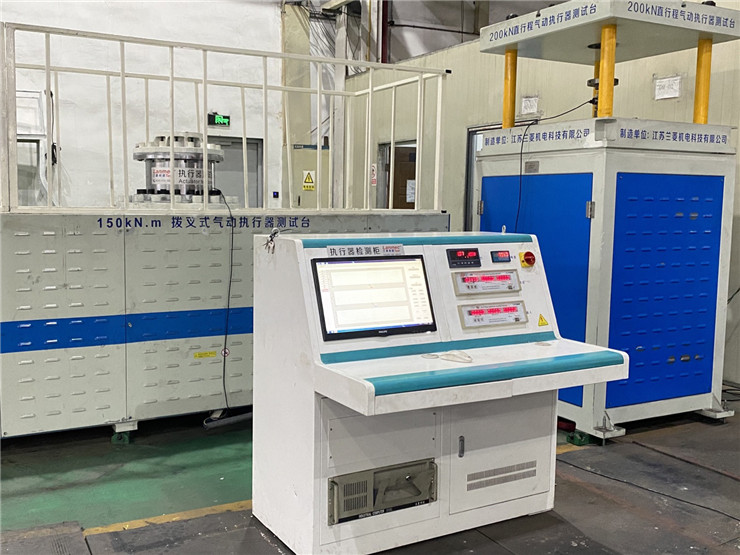
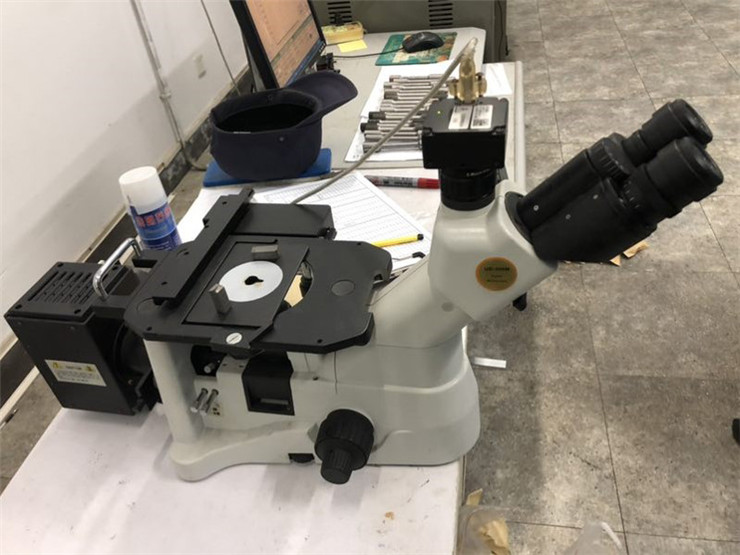
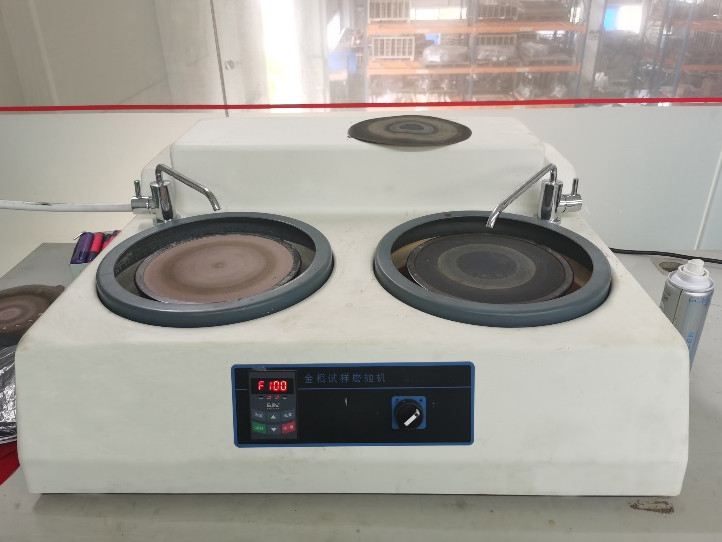
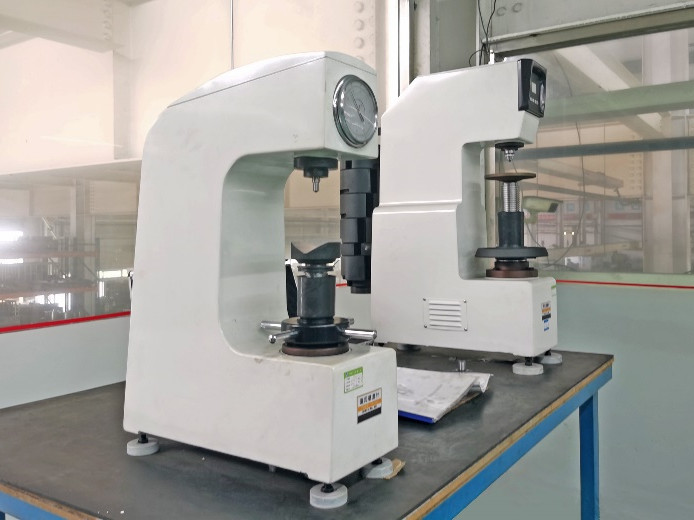
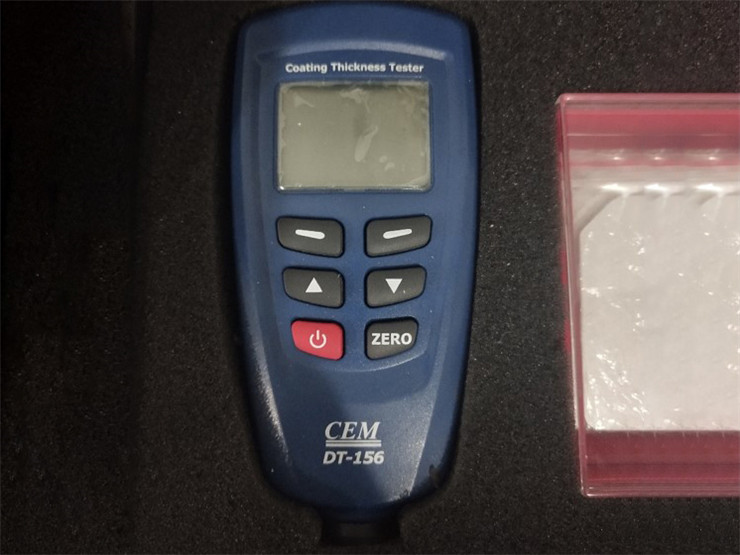
100% qualified before shipment with specialized torque, hydrostatic and life cycle tests.
To maintain uncompromising reliability, Stard Automation deploys full-time quality control (QC) inspectors at every critical junction of the manufacturing pipeline. This systematic inspection cycle runs from initial raw material receipt through machining tolerances, sub-assembly inspections, and final operational performance testing.
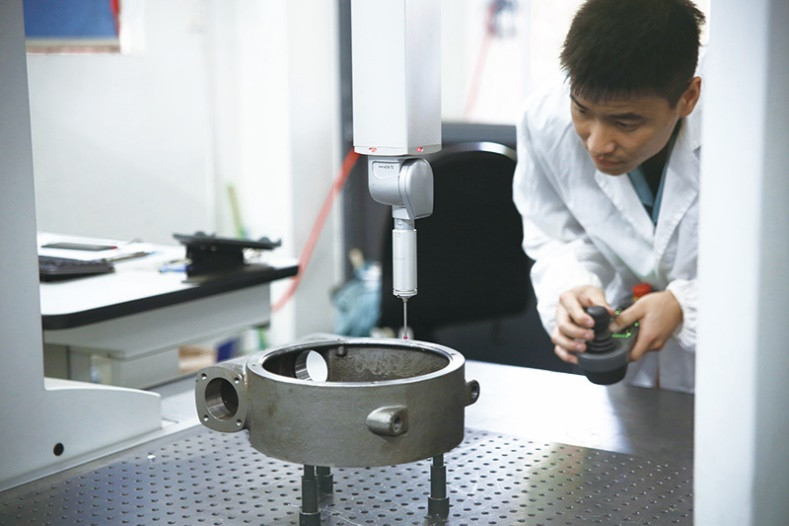
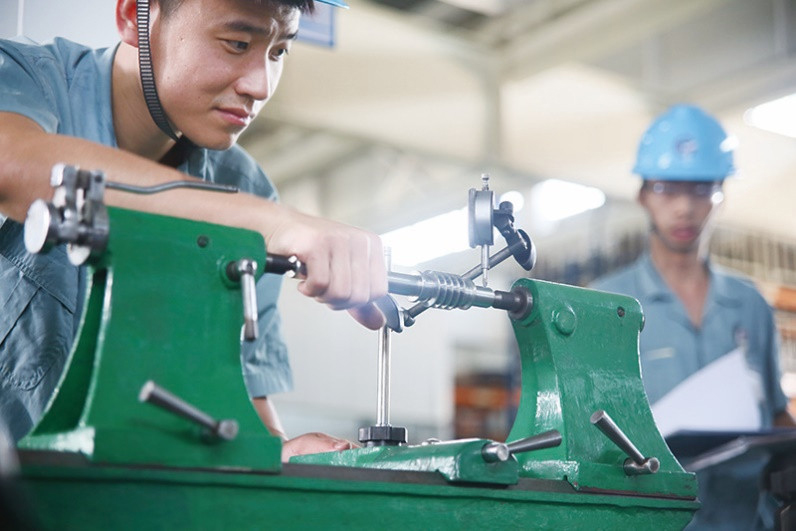
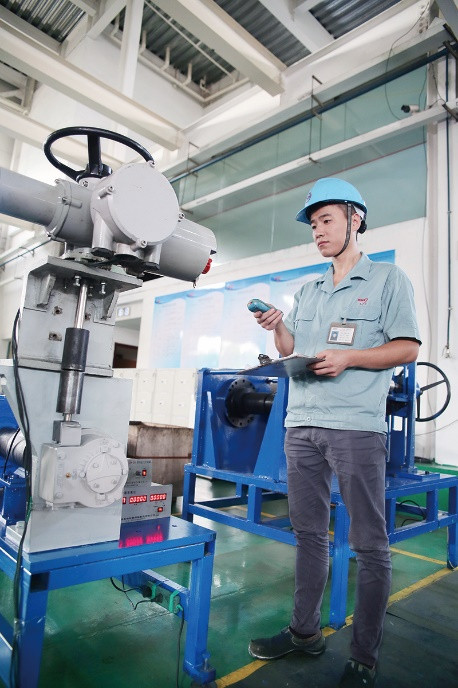
How the next generation of gearboxes integrates smart diagnostic sensors, materials science, and clean torque transmission.
Integrating parametric CAD layouts with mechanical FEA analysis. Standardizing ISO 5211 drive sleeves to guarantee immediate field swaps and simplify system design cycles.
Developing structural fluoropolymer coatings and ultra-resilient stainless steel internal gearing to support deep-sea buried valves and sub-zero cryogenic systems.
Embedding non-intrusive torque transducers and electronic cycle counters. Allows operators to predict structural wear and schedule predictive maintenance cycles before pipeline shutdowns occur.
Custom ODM solutions built to perform across demanding industrial process scenarios.
Upstream production lines and long-distance transport headers rely on our bevel and declutchable gearboxes. Features like explosion-proof structures, NACE materials compatibility, and complete dust-tight ingress protection ensure reliability in harsh environments.
Municipal mains and wastewater processing systems require corrosion-resistant, low-maintenance manual operator gearboxes. We utilize high-grade ductile iron construction, epoxy-coated body finishes, and stainless steel drive components.
Our high-efficiency bevel multi-turn operators supply the extreme torque ratios needed to close main feedwater gate valves under dynamic emergency steam blow-down scenarios.
Expert engineering insights regarding sizing, selection, installation, and maintenance parameters.
High-efficiency, certified configurations built for custom OEM/ODM modifications and severe global pipeline services.