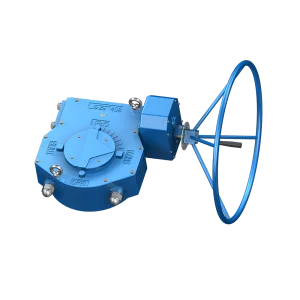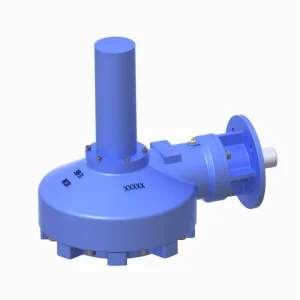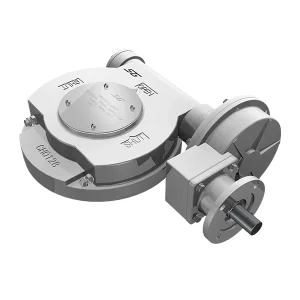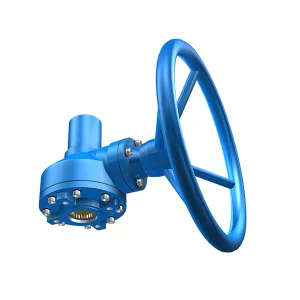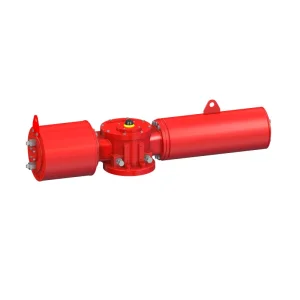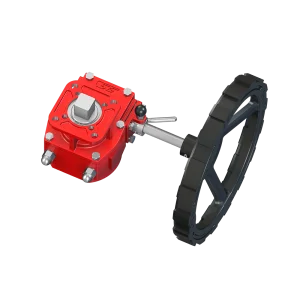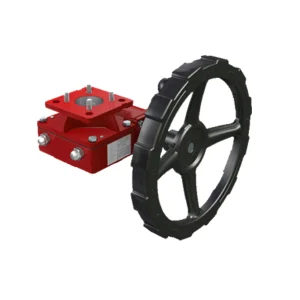
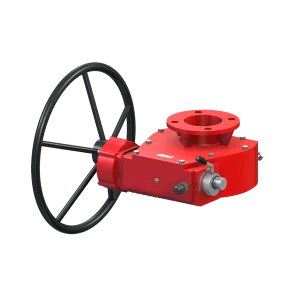
Explore our premium-engineered gear operators, scotch yoke actuators, and custom manual valve overrides built to strict international safety guidelines.
Founded in 1999 and strategically positioned within the Suzhou Industrial Park, Stard-gears has grown into a leading global provider specializing in valve control technology. Our Suzhou plant covers an expansive 8,900 m², complemented by a modern 2,500 m² office space dedicated to system design, engineering coordination, and international trade operations.
With an annual sales volume of $7,000,000—experiencing an organic year-on-year growth rate of 10% to 20%—our production infrastructure is optimized to manufacture up to 100,000 sets of gear operators annually. Our commitment to quality is reinforced by our strict adherence to ISO9001 standards, ensuring every product represents a robust solution to flow management challenges.
Our solutions target key heavy-industry domains: oil and gas, petrochemicals, chemicals, water treatment, nuclear power generation, and environmental engineering networks. Backed by over 25 years of field experience, our team delivers custom solutions that optimize efficiency and safety.
"By integrating advanced casting techniques, structural design analysis, and regional supply chain partnerships, we provide global markets with high-precision gear operators and pneumatic overrides that deliver reliable performance under high pressure and harsh environmental conditions."
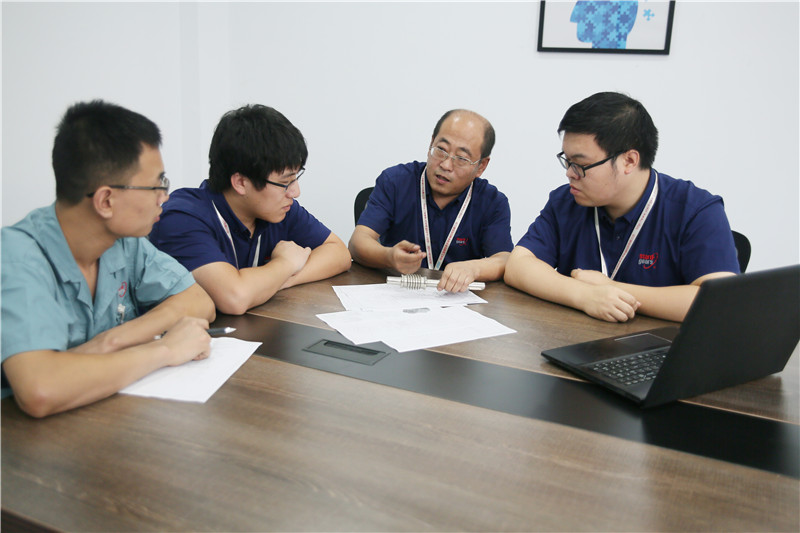
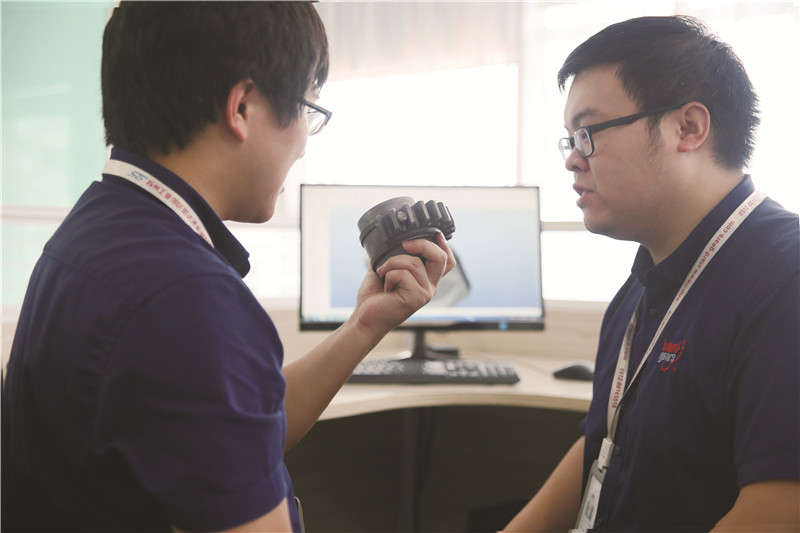
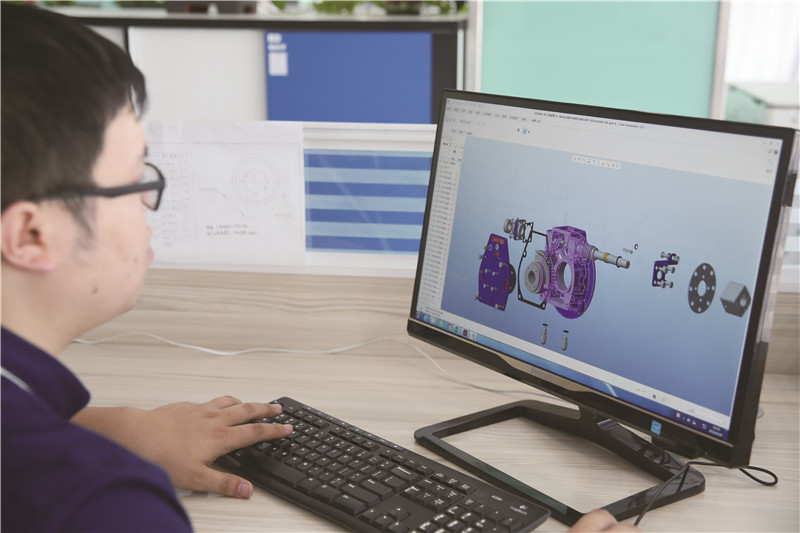
By using advanced engineering tools, we optimize every gearbox and gear operator model before it is sent to the production line.
Through 3D simulation, dynamic motion analysis, and Finite Element Analysis (FEA), our R&D engineers evaluate structural integrity, torque coefficients, and mechanical fatigue levels. This design validation significantly shortens development cycles, lowers prototype costs, and ensures safety margins meet international requirements.
Why international procurement teams choose Stard-gears for mission-critical valve control components.
Our facility in Suzhou Industrial Park provides direct access to casting foundries, material processors, and precision machining workshops. This concentrated supply chain lowers transport costs and reduces lead times for raw materials.
We source cast steel (WCB), ductile iron, and aluminum alloys from certified regional foundries. Using precise chemical compositions and heat treatment protocols helps minimize structural porosity and defects.
Located near major ports in Shanghai and Ningbo, we offer optimized logistics routes. Our export workflows facilitate timely deliveries to international markets, including the US, Italy, Germany, and Japan.
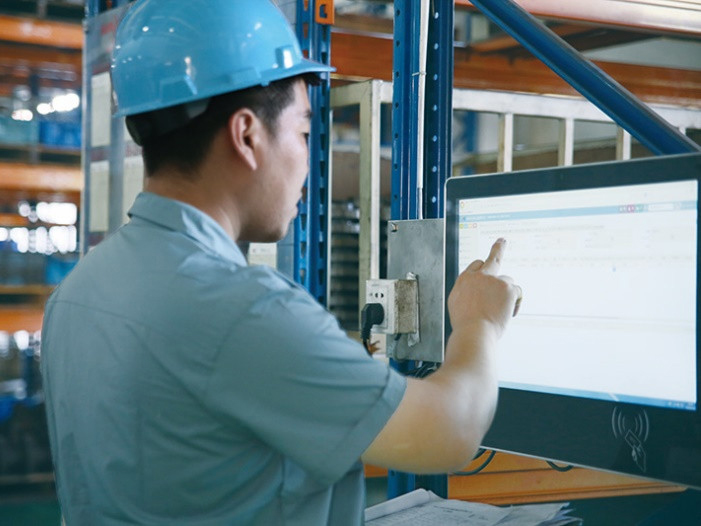
Our plant operates an integrated ERP system to track production stages and monitor order fulfillment status.
Stard Automation uses a comprehensive Enterprise Resource Planning (ERP) platform to organize raw materials, schedule machining operations, and coordinate assembly phases. This real-time management system improves efficiency, reduces lead times, and maintains quality control throughout the manufacturing cycle.
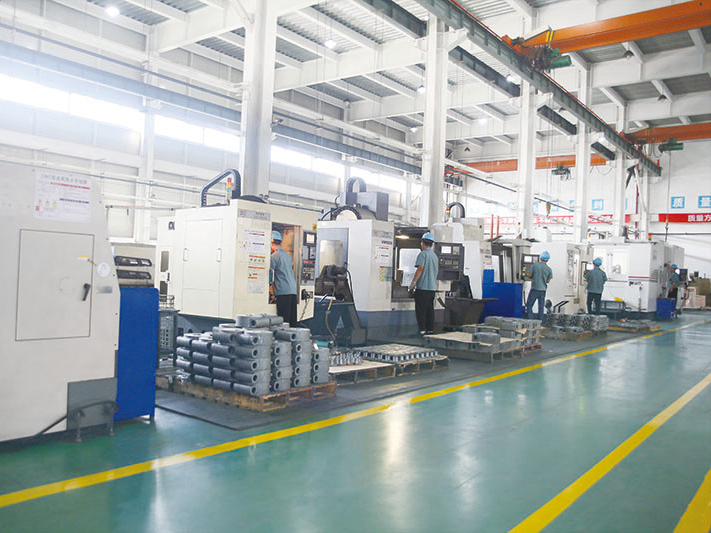
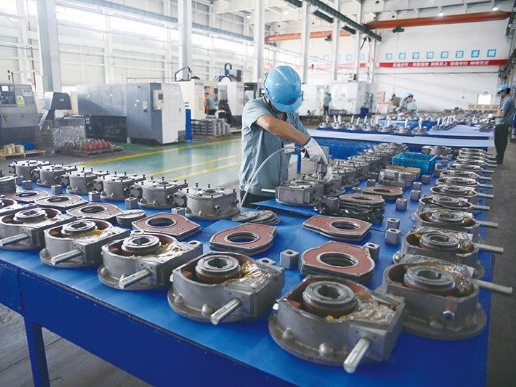
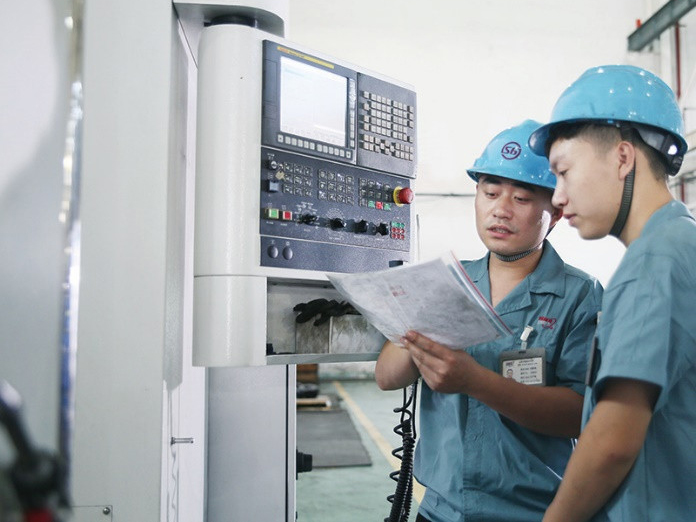
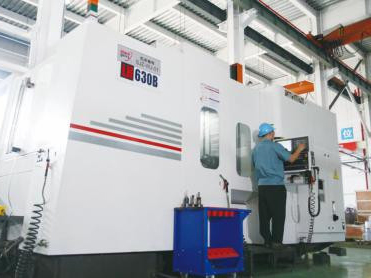
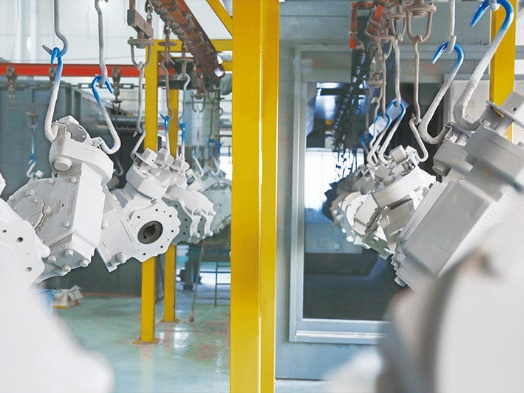
Our Suzhou manufacturing facility has a designed annual output value of up to $9,000,000. Supported by optimized workflows, our plant produces up to 100,000 sets of valve gear actuators and related accessories per year.
This volume allows us to handle large-scale municipal bids, global industrial pipeline projects, and customized OEM/ODM distribution orders while maintaining consistent delivery timelines.
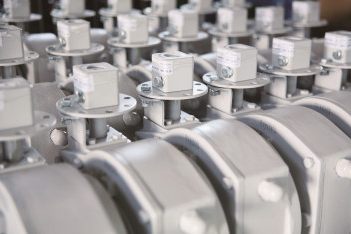
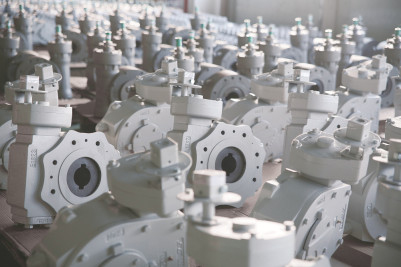
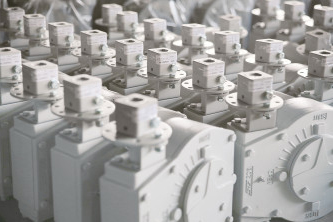
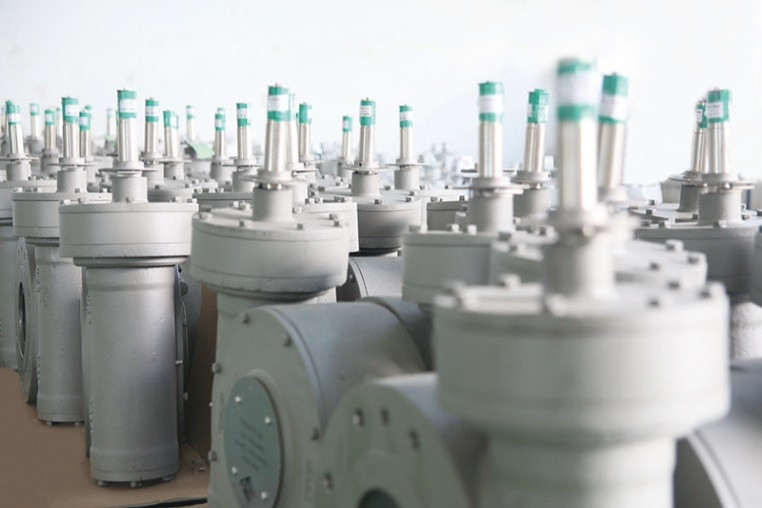
We place dedicated quality control inspectors at every critical production step, from incoming casting materials to the final product stage.
To improve inspection and testing procedures, Stard Automation maintains full-time QC checkpoints throughout the plant floor. We verify chemical composition, dimensional tolerances, and mechanical strength before components advance to assembly.
This process is designed to ensure that 100% of our products qualify under international safety standards before they are packed and shipped to global clients.
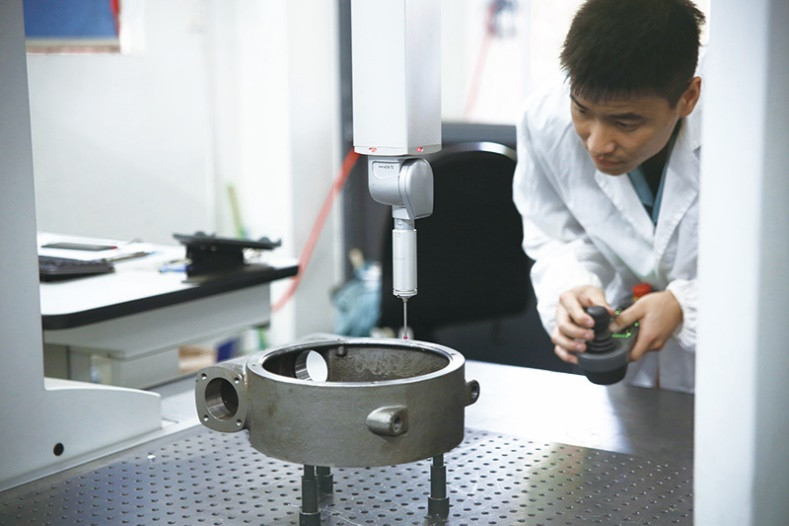
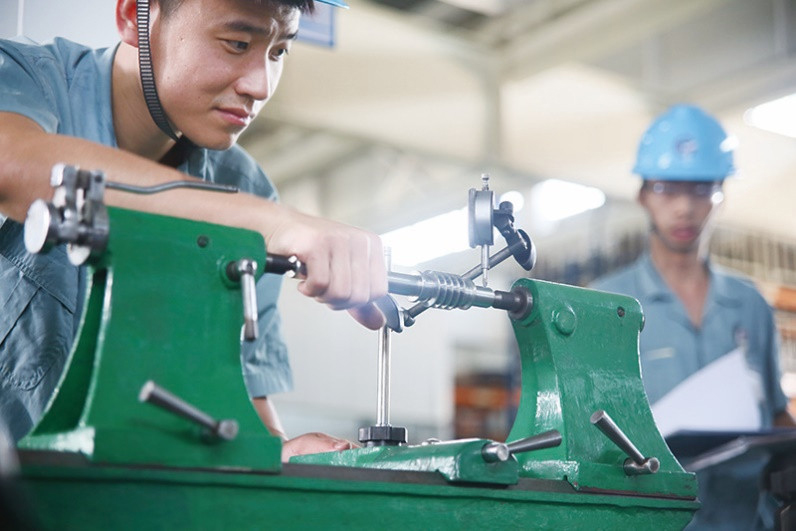
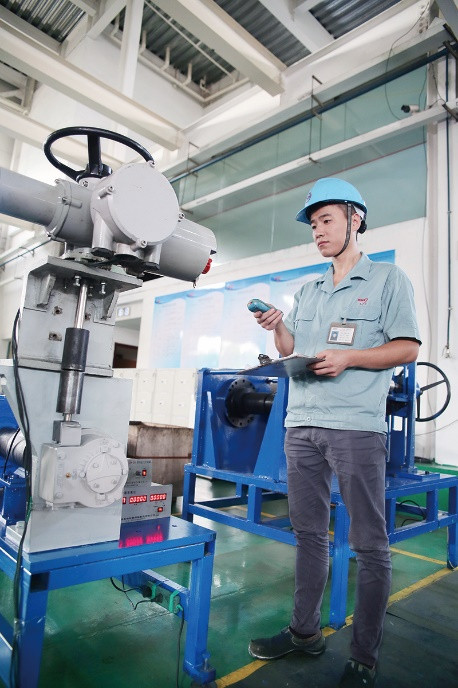
Our inspection laboratory is equipped with specialized testing tools to evaluate output torque, mechanical efficiency, and operating lifespan.
Quality validation at Stard Automation is supported by testing equipment capable of conducting torque verification and cyclic lifetime tests. Testing our actuators under load ensures they meet design torque requirements and function reliably in challenging installations.
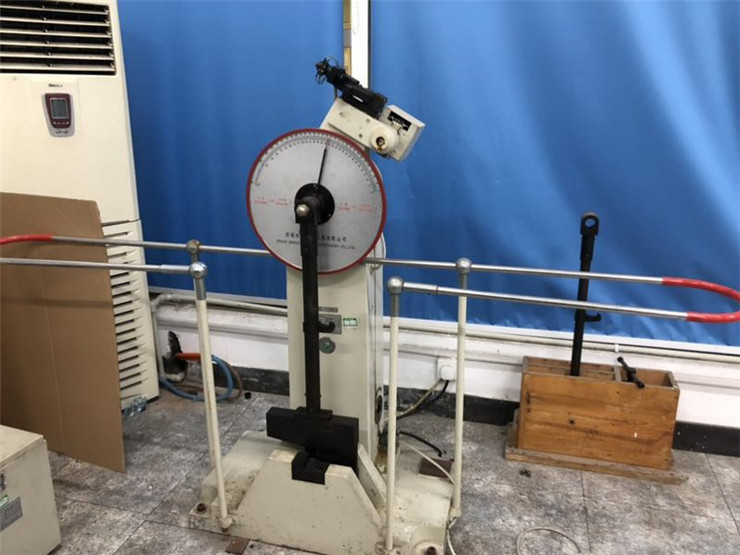
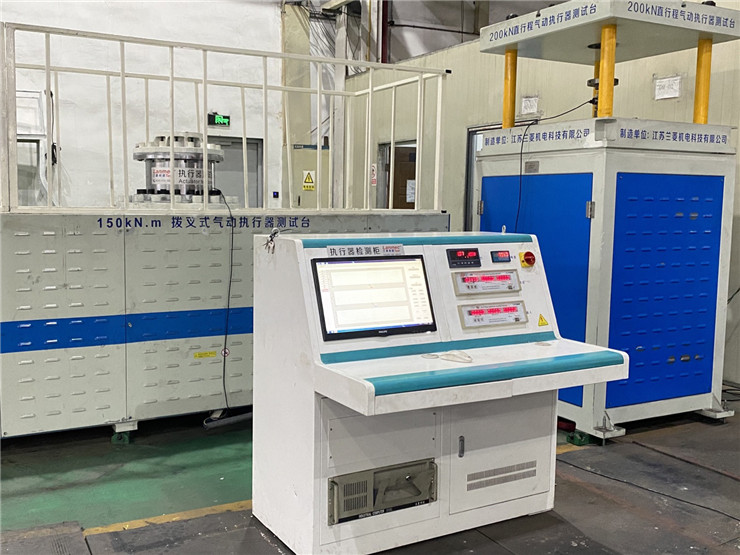
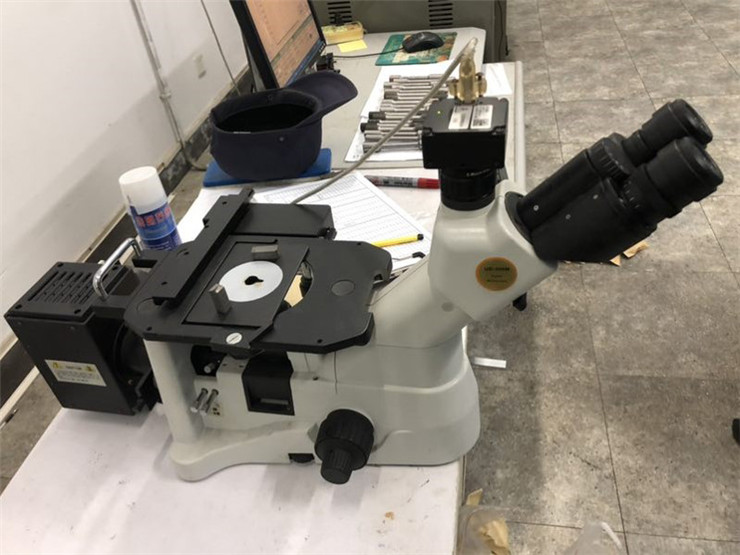
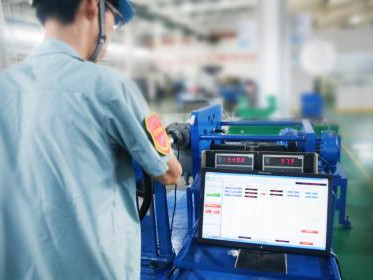
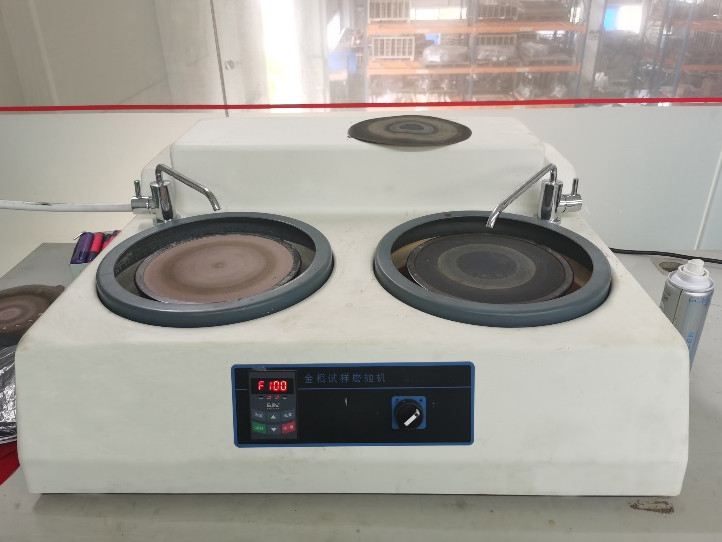
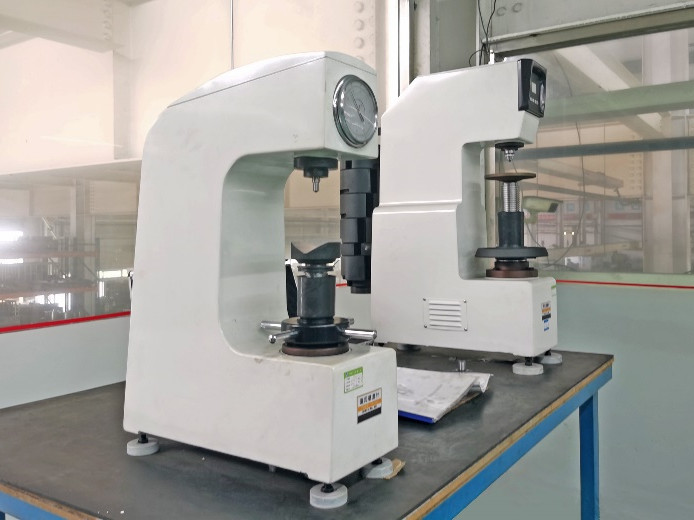
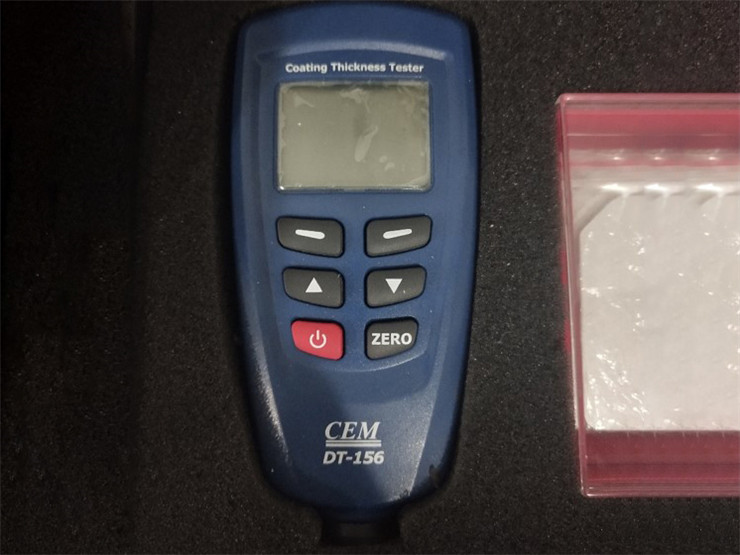
Our gear actuators and control accessories are designed for demanding municipal, chemical, and energy systems.
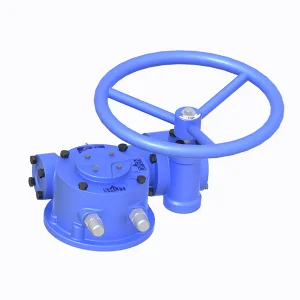
For municipal water distribution and underground utility networks, our buried gearboxes feature waterproof designs, extended input stems, and grease lubrication systems to resist corrosion and moisture infiltration over long lifetimes.
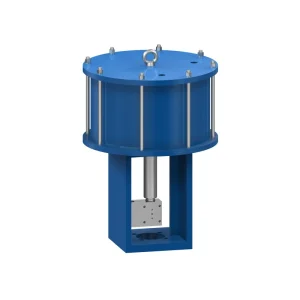
In high-pressure oil transmission and natural gas storage networks, our WCB steel gearboxes and declutchable overrides operate reliably beside pneumatic or hydraulic actuators, providing manually controlled backup torque in case of power failure.
Our heavy-duty bevel and spur gear operators are designed to handle demanding industrial processes. Selecting high-grade materials and applying strict torque tolerances helps prevent mechanical failure during emergency shut-downs.
International engineering firms, valve manufacturers, and industrial distributors place high value on structural safety and certified performance. Our gear actuators are engineered to comply with European CE certifications and are manufactured under a registered ISO9001 quality framework.
We provide comprehensive engineering documentation, including material test reports, dimensional blueprints, torque characteristics charts, and test certificates. These records support quick design approval and simplify project verification for field inspectors.
Understanding how automation, safety protocols, and material science are shaping the next generation of gearboxes.
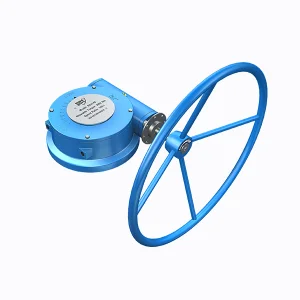
Modern plant designs increasingly call for lighter, corrosion-resistant housings. Our aluminum alloy manual gearboxes provide a high strength-to-weight ratio, reducing structural load on pipeline stems and simplifying manual handling.
As systems move toward digital monitoring, gear operators are increasingly integrated with mechanical limit switches and smart position sensors. This configuration transmits valve status data directly to central SCADA systems.
Preventing fugitive emissions is a priority in environmental planning. Our sealed valve gearboxes feature dual O-ring shaft seals, retaining lubricants and preventing external moisture ingress to maintain mechanical operation.
Technical answers to common engineering and procurement inquiries regarding valve actuators and gearboxes.
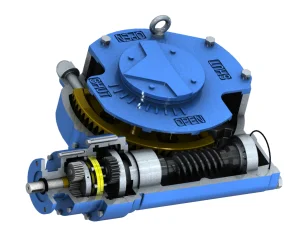
A declutchable gearbox acts as a manual override for pneumatic or hydraulic valve actuators. In normal automated operation, the gearbox is disengaged (declutched) so the automated actuator moves the valve stem freely. If control pressure or electric power fails, an operator manually engages the clutch mechanism. This locks the gearbox worm drive to the valve stem, allowing safe manual positioning using the handwheel.
Quarter-turn gear operators (such as worm gearboxes) are designed for valves requiring a 90-degree rotational path, including ball, butterfly, and plug valves. Multi-turn gear operators (like bevel and spur gearboxes) are typically used for gate, globe, and slide valves, where multiple full rotations of the stem are required to open or close the valve. Choosing the right style depends on the stroke requirement of the valve.
CE certification indicates that our gear operators meet European health, safety, and environmental protection standards. For global procurement teams, CE compliance confirms that structural calculations, material specifications, and quality controls meet European safety directives, facilitating deployment in EU markets and international projects.
Underground and buried valve applications require protection against moisture, soil shifting, and external pressure. Ductile iron and cast steel (WCB) housings, paired with specialized epoxy protective coatings, are standard. Key mechanical components, such as input shafts and fasteners, are made from stainless steel, and the gearbox is filled with industrial grease to prevent water infiltration.
FEA simulates structural stress, torque load distribution, and potential deformation areas within the gearbox casing and gears. This digital mapping allows design engineers to reinforce high-stress locations, select optimal gear configurations, and reduce weight where possible without compromising mechanical safety factors.
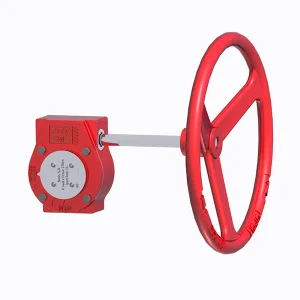
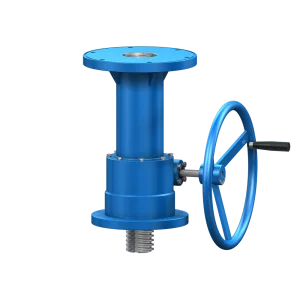
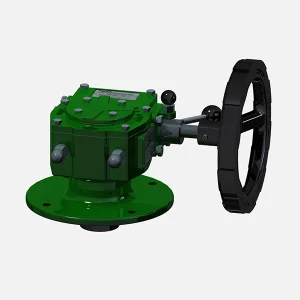
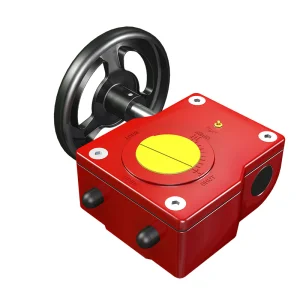
Select from our range of lightweight alloy manual gearboxes, scotch yoke pneumatic actuators, and underground service valve gearboxes.