Decoding the Crucial Operations of Quarter-Turn Gear Assemblies
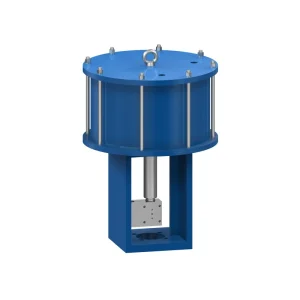
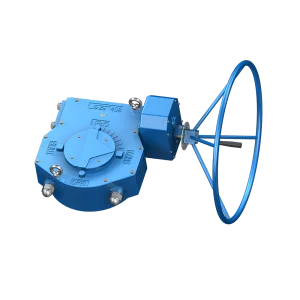
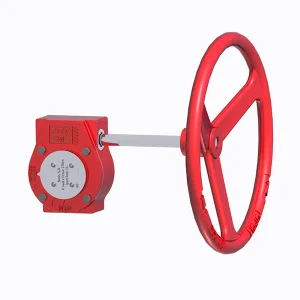
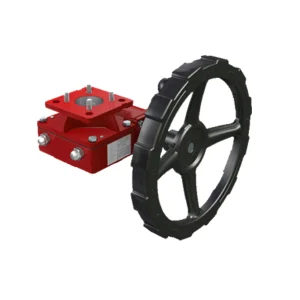
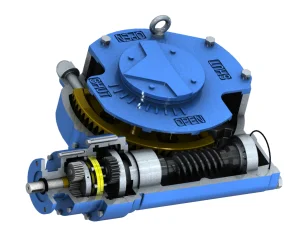
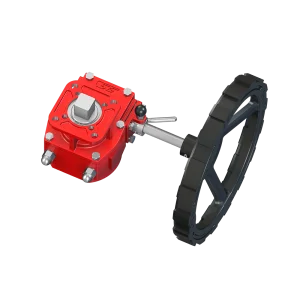
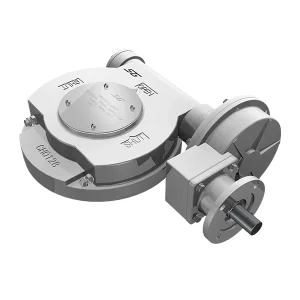
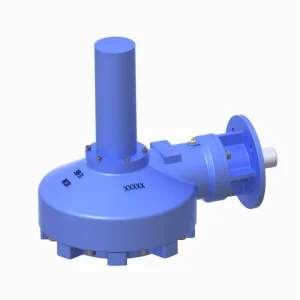
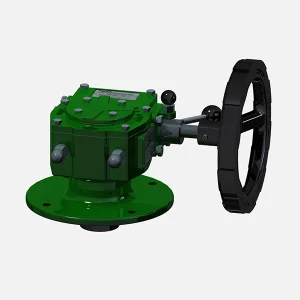
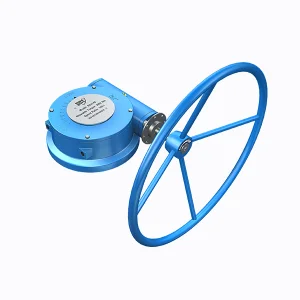
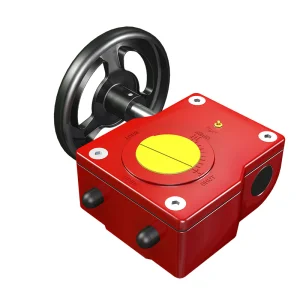
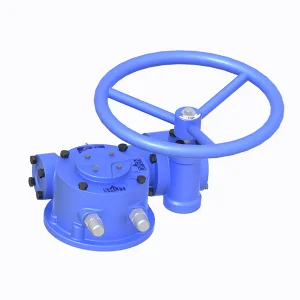
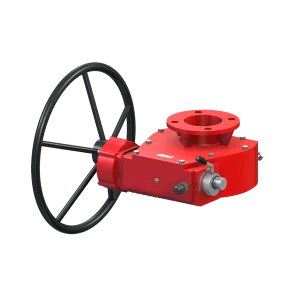
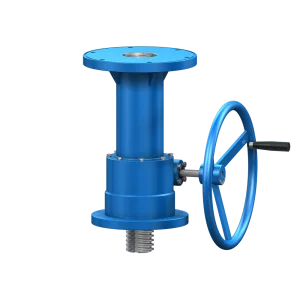
In modern process industries, reliability and safety in fluid control systems depend heavily on high-torque execution devices. The Quarter Turn Gear Operator serves as a critical mechanical intermediary, converting manual rotation or actuator output into the high-torque, 90-degree rotational force required to operate ball, butterfly, and plug valves. These operators are vital components in flow systems, ensuring exact positional accuracy, robust emergency shut-offs, and dependable long-term operation under variable pipeline pressures.
Historically, valve gearboxes were simple reduction gears with limited consideration for extreme environmental conditions, mechanical backlash, or integration with automation systems. Today, global standard compliance (such as EN, ISO, and CE standards) and the rise of automated networks require manufacturers to engineer highly sophisticated gear units. Utilizing advanced materials like cast steel, ductile iron, and lightweight aluminum alloys, modern manufacturers produce gearboxes that meet strict IP ratings for deep burial or marine environments, while maintaining precise tolerances to eliminate wear and ensure safety.
A Leading Force in Designing and Manufacturing Precision Valve Actuators
Founded in 1999 and strategically located in the Suzhou Industrial Park, Stard-gears is a modern enterprise integrating research & development, advanced production, domestic sales, and global trade. The facility comprises an 8,900 m² manufacturing plant and a 2,500 m² corporate office. Driven by professional engineering, the company’s annual sales have consistently reached $7,000,000 to $9,000,000, with a year-on-year growth rate of 10% to 20%.
Holding ISO9001 certification and full CE compliance, Stard-gears is recognized as a key partner for valve manufacturers and plant operators worldwide. Our products are exported to demanding international markets including the United States, Italy, Germany, Mexico, Singapore, and Japan. With a mission statement of "excellent reputation, best quality, and perfect service," we work to advance control technology in energy, petrochemical, municipal water, and industrial processes.
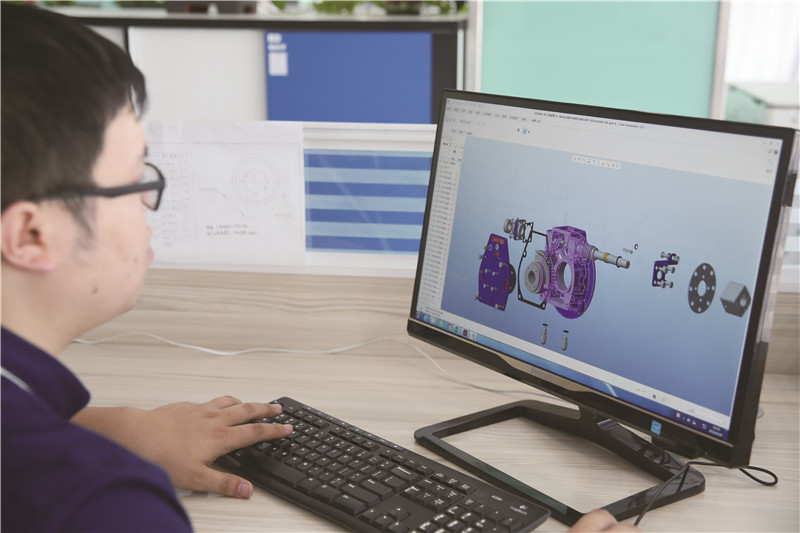
Utilizing 3D modeling, finite element analysis (FEA), and dynamic stress simulation to optimize mechanical efficiency and gearbox reliability before production begins.
Supplying robust valve drive systems to customers in the US, Europe, and Asia, conforming to global safety regulations and operating under diverse environmental conditions.
Benefiting from the Yangtze River Delta cluster to source castings, dynamic components, and surface coatings that resist chemical degradation and physical wear.
Minimizing Project Lead Times While Enhancing Structural Safety and Mechanical Efficiency
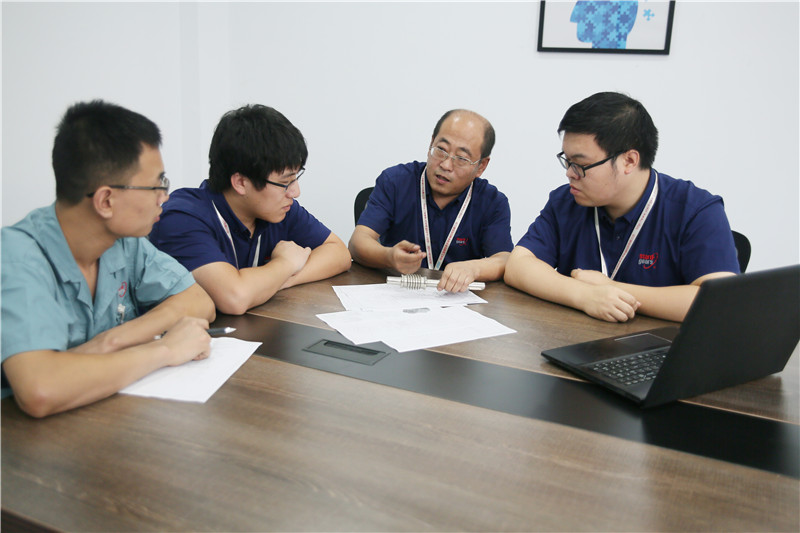
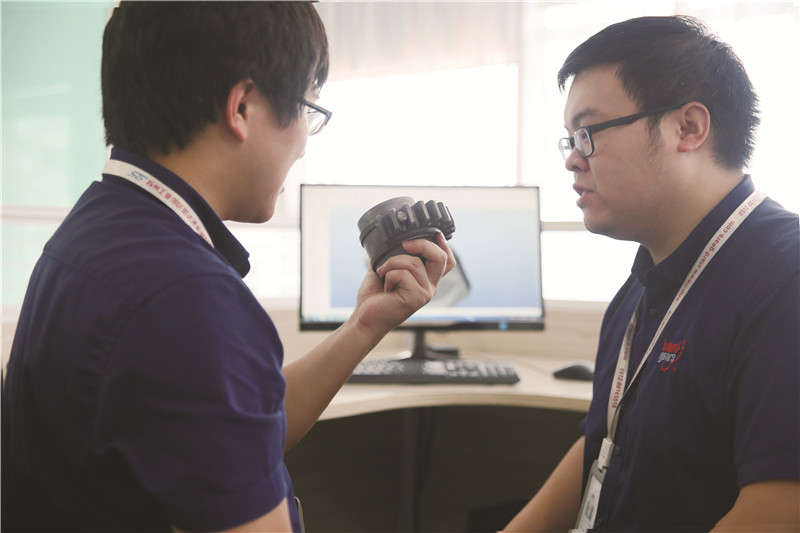
Engineering robust gear operators requires precise control over stress concentrations, deflection rates, and torque output efficiency. Our design division integrates 3D simulation, dynamic motion validation, and Finite Element Analysis (FEA). By analyzing simulated stresses under emergency overload and high pipeline pressures, our engineering team refines geometries and selects materials before physical casting begins.
This process reduces prototyping phases, lowers overall costs, and ensures our products function reliably in high-pressure installations. This proactive development model allows us to adapt to specific OEM request requirements, delivering customized mounting flanges, shaft couplings, and gear ratios with shorter turnaround times.
Maintaining Production Monitoring for Reliable Delivery Timelines
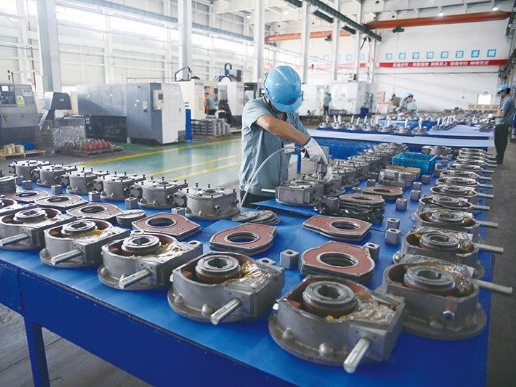
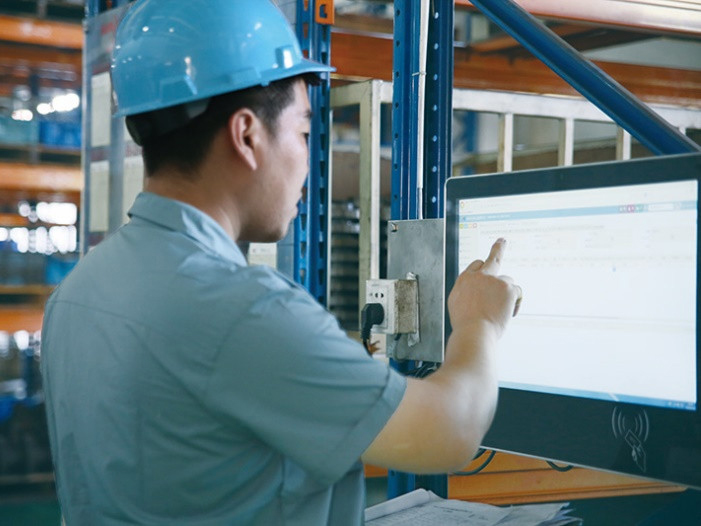
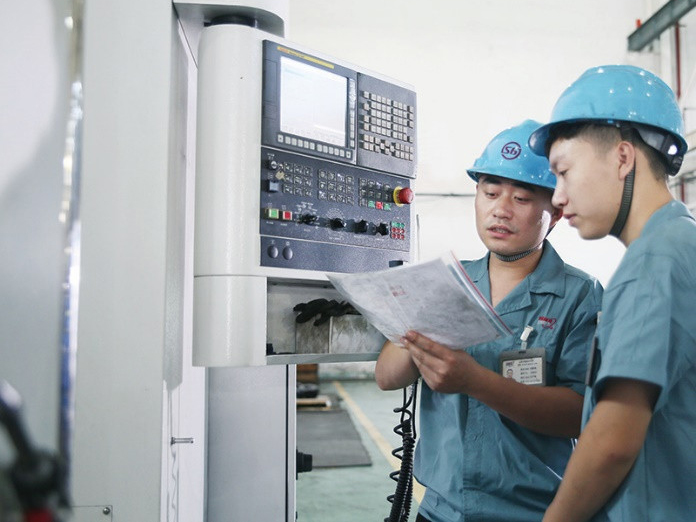
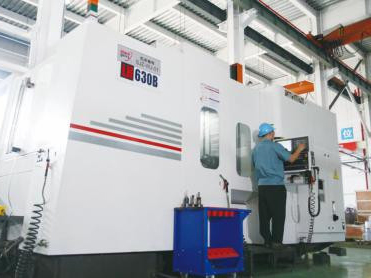
Stard-gears runs an advanced Enterprise Resource Planning (ERP) management system. This digital system tracks each production phase—from raw steel and castings procurement through machining, gear cutting, assembly, torque testing, and shipping. This real-time oversight ensures traceablity and helps prevent production delays.
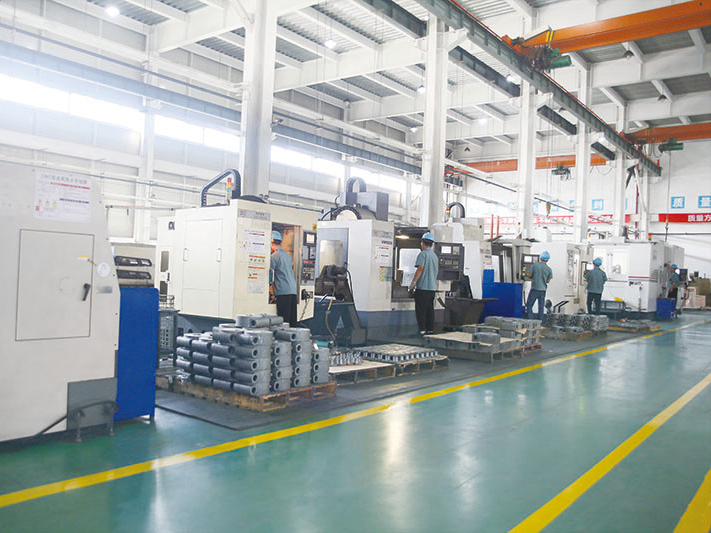
By monitoring machinery workloads and assembly progress, we maintain stable production cycles for high-volume orders. With an annual capacity of 100,000 sets, we balance standard product manufacturing with specialized, custom ODM configurations.
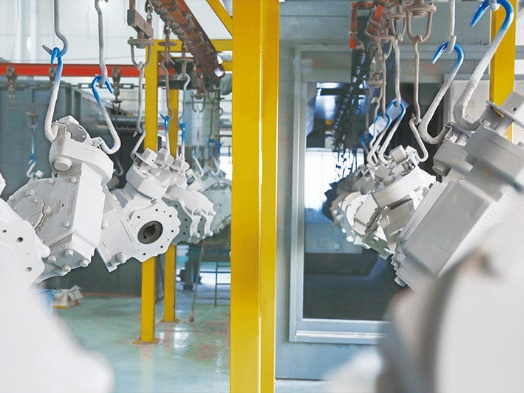
Meeting Global Plant Demands with Consistent Annual Output
Our Suzhou plant is structured for volume scaling, generating an annual output value of up to $9,000,000. This high-capacity output helps us support large pipeline, municipal, and industrial projects with consistent supply timelines. Standardized components, stored in our logistics warehouses, allow us to ship custom and replacement operators quickly.
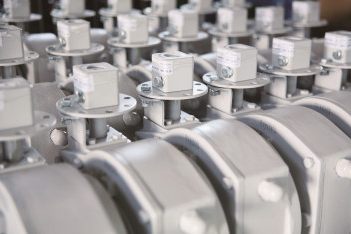
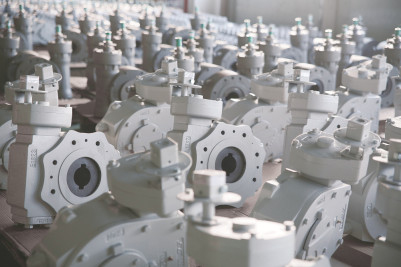
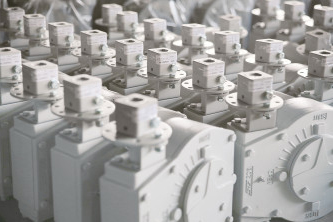
Ensuring 100% Qualification Before Dispatch
Quality control is integrated at each step of the Stard-gears production flow. We employ dedicated, full-time QC technicians across all production stages—including Incoming Quality Control (IQC), In-Process Quality Control (IPQC), and Outgoing Quality Assurance (OQA). This systematic approach ensures that every gearbox is fully qualified before shipping.
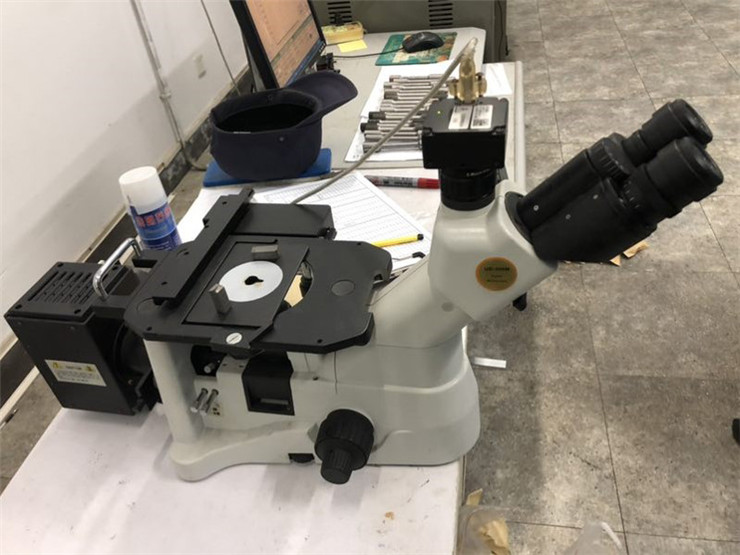
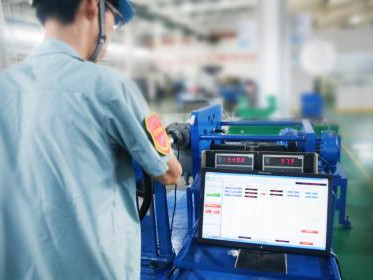
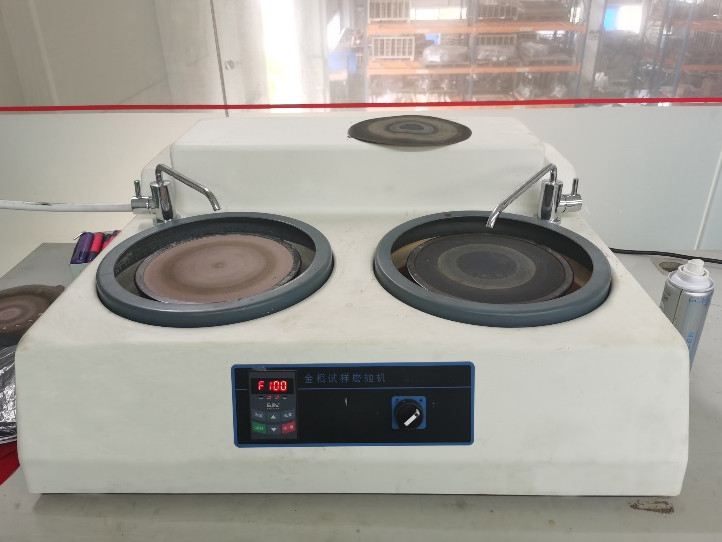
Our testing labs are equipped with calibrated instruments to measure torque performance, dimensional accuracy, structural alignment, and cycle-life endurance. This helps verify that each unit matches the specified performance profiles before final packaging and delivery.
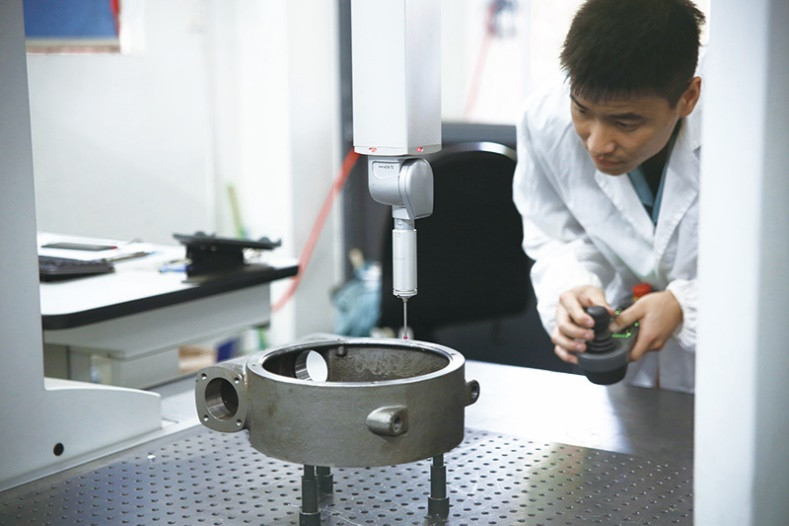
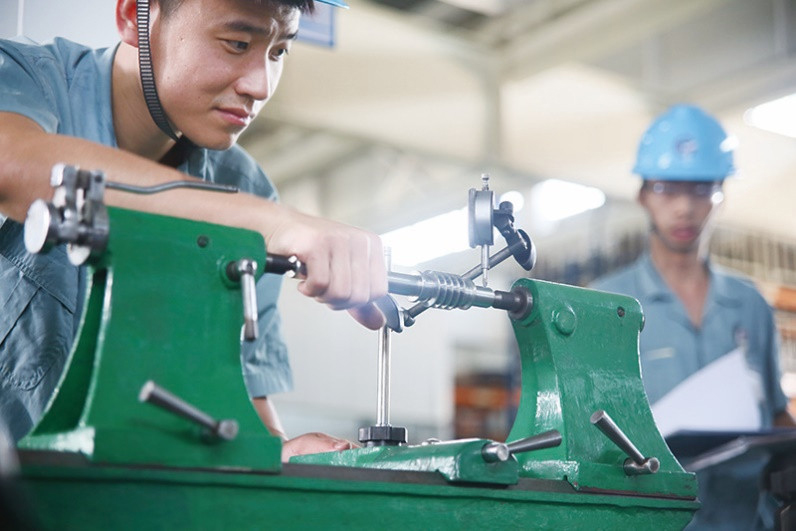
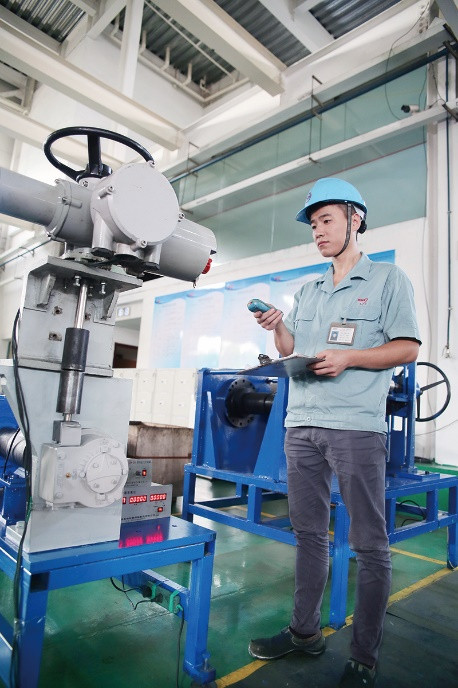
Using Precision Testing Stations to Verify Performance Tolerances
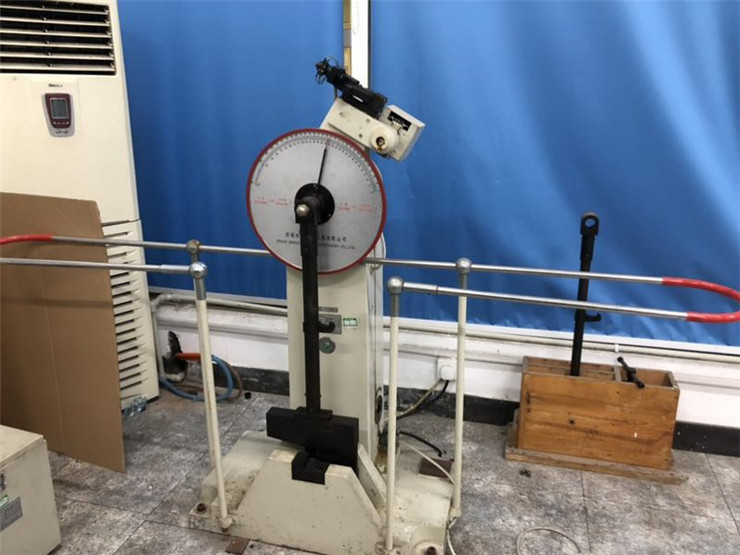
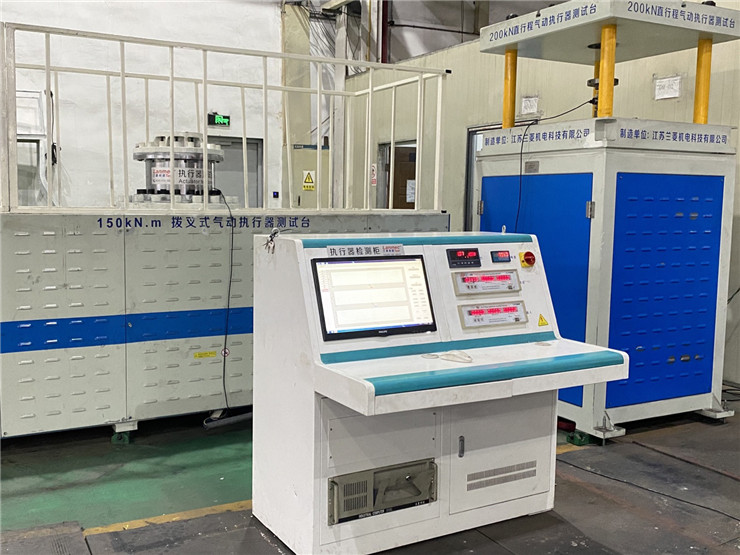
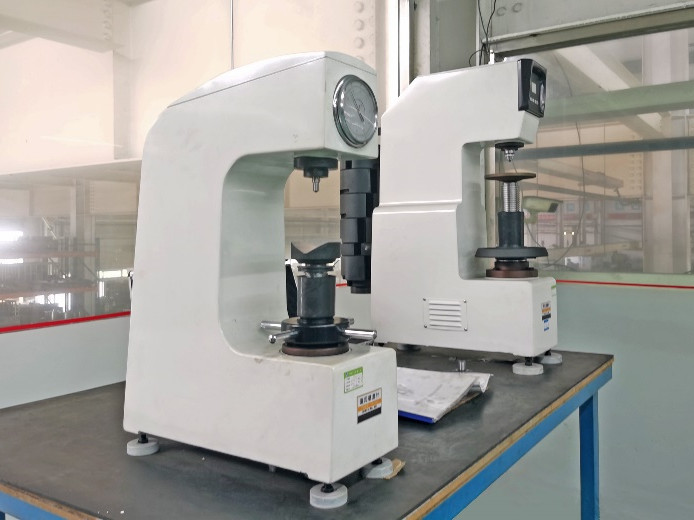
To support our testing protocols, Stard-gears maintains a modern laboratory containing testing rigs dedicated to performance verification. Our metrology tools enable engineers to perform structural cycle-life testing and verify torque outputs, measuring actual performance against calculated design targets.
These instruments help us confirm structural limits, check backlash values, and verify IP seal performance. Our testing processes ensure that all declutchable gearboxes, scotch yoke mechanisms, and bevel operators are built to handle the operational stresses of high-demand systems.
The Yangtze River Delta Advantage: Quality, Efficiency, and Integrated Logistics
China is a leading global supplier of valve controls, with the Yangtze River Delta region serving as a primary manufacturing hub. This area features an integrated supply chain that supports casting, component sourcing, surface finishing, and assembly. This concentrated infrastructure helps manufacturers manage production lead times and costs effectively.
Suzhou's logistics network, with its proximity to major international shipping ports like Shanghai, enables fast dispatch to global markets. The availability of specialized machining and tooling suppliers allows for flexible ODM prototyping and engineering, helping manufacturers quickly adapt standard designs to meet custom project specifications.
| Parameter Focus | Traditional Supply Chains | Stard-Gears (Suzhou Delta Hub) |
|---|---|---|
| Prototyping Turnaround | 6 - 10 Weeks (separated R&D and casting) | 2 - 4 Weeks (integrated local prototyping) |
| Material Sourcing Speed | Sub-contracted cross-border supply chains | Local material supply within a 50km radius |
| Cost Efficiency | High production overheads and manual assembly costs | Automated CNC centers and optimized local logistics |
| Logistics Handling | Extended transit times to international ports | Close proximity to Shanghai and Ningbo maritime terminals |
Reliable Control Systems for Chemical Processing, Offshore Energy, and Water Infrastructure
Quarter-turn gear operators are used across diverse industrial sectors, each with unique environmental and functional challenges. To meet these varied demands, Stard-gears provides specialized solutions for key applications:
Designed with heavy-duty cast steel housings to handle pressure drops and torque peaks, keeping key pipeline sections secure and functional.
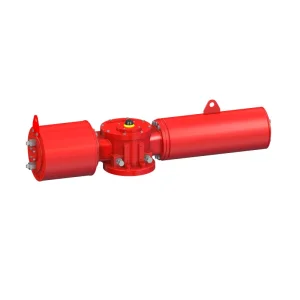
Features declutchable manual overrides that integrate with pneumatic actuators, helping ensure reliable shut-offs in high-temperature or explosive zones.
IP68-rated gear operators designed for underground water distribution, featuring corrosion-resistant seals and robust epoxy coatings.
Key Considerations for Technical Buyers and Sourcing Professionals
When selecting a quarter-turn gear operator for large-scale projects, procurement teams should evaluate several technical parameters to ensure long-term performance and system compatibility:
Integrating Digital Sensors, Light Alloys, and High Ingress Protection
The valve control industry is shifting toward more integrated, lightweight, and smart systems. Key design developments include:
Detailed Engineering Answers for Sourcing and Project Designers
The Scotch Yoke mechanism is designed to deliver high torque at both the beginning and end of the stroke cycle, which matches the typical torque profile of ball and butterfly valves during opening and closing. Standard worm gears provide linear torque transmission, making them better suited for general throttling applications.
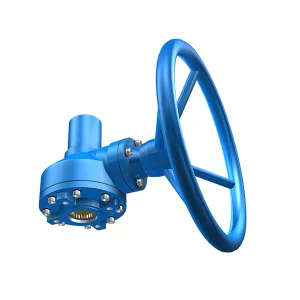
A declutchable gearbox allows operators to transition between automated pneumatic control and manual handwheel operation. By engaging the clutch mechanism, the pneumatic actuator can be safely isolated, enabling maintenance or emergency manual override without risk of gear binding.
For subterranean and subsea environments, we recommend heavy-duty ductile iron or cast steel housings protected with specialized coatings like multi-layer coal tar epoxy. Internal shafts should be made of stainless steel (like 316 or 410 grade) to prevent moisture-induced binding.
Our IP68 gear operators feature precision-machined joints, dual O-ring sealing, and watertight gland interfaces. During production, every unit destined for underground service undergoes pneumatic pressure testing to confirm seal integrity before being coated with protective epoxy.
Depending on the reduction ratio and material choice, our worm gear operators operate with an efficiency of 35% to 45%. We utilize polished bronze or hardened steel worm shafts alongside high-lubricity lubricants to reduce friction losses and manual input force.