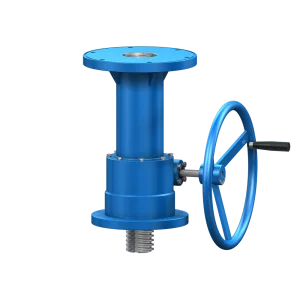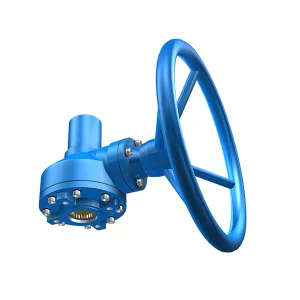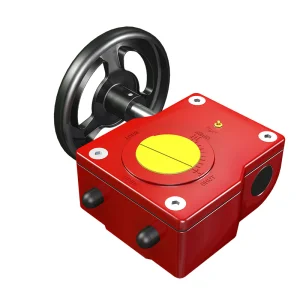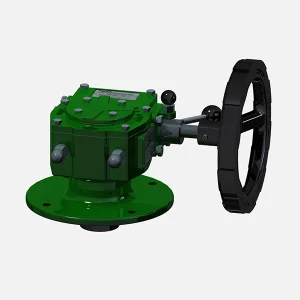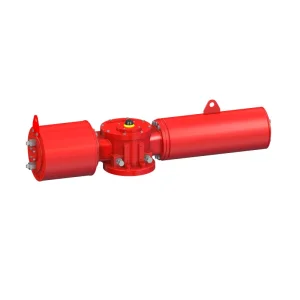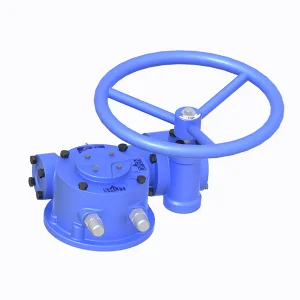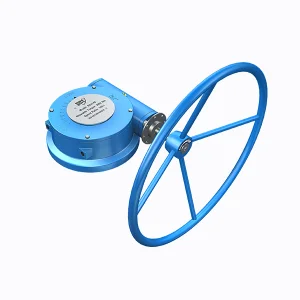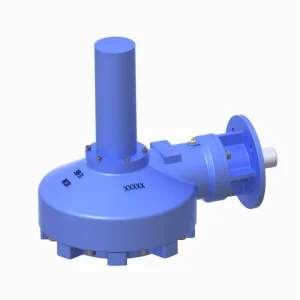
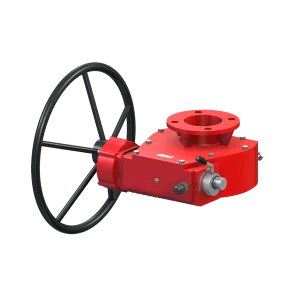
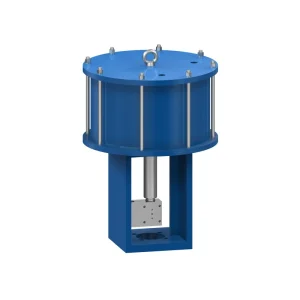
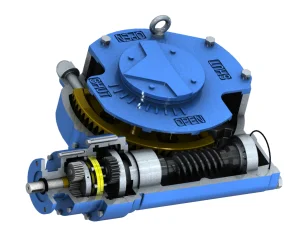
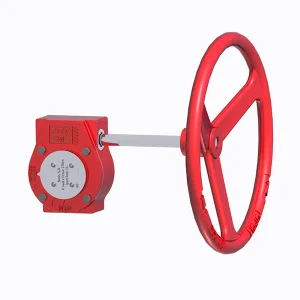
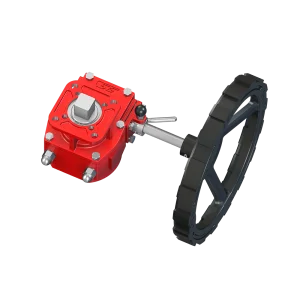
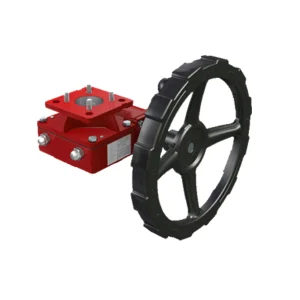
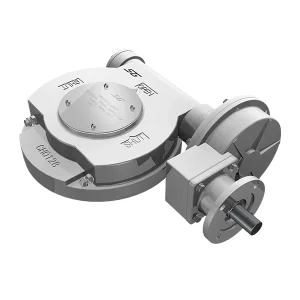
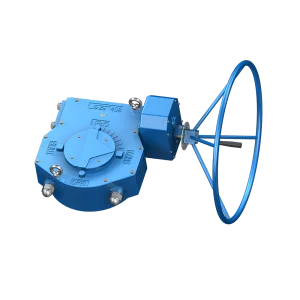
Sluice valves (commonly referred to as gate valves) form the backbone of fluid control infrastructure globally, managing the flow of raw water, waste effluents, hydrocarbons, and chemical slurries. Operating these large-diameter valves under high differential pressures requires immense thrust. Manual actuation without torque amplification becomes practically impossible. Sluice valve gearboxes—utilizing multi-turn bevel gears, spur gears, or worm gear configurations—bridge this gap by converting nominal input force into massive output torque, enabling smooth, reliable closure and opening cycles.
As urban utility networks expand and industrial automation becomes the norm, the demand for high-performance Original Design Manufacturer (ODM) gearboxes has skyrocketed. Today's global supply chain demands suppliers who possess not only the foundry capabilities to cast robust materials like Ductile Iron (ASTM A536) and Cast Steel (WCB), but also the engineering acumen to integrate these gearboxes with modern pneumatic and electric actuators. This intersection of mechanical efficiency and electrical/pneumatic actuator readiness defines the modern standard for municipal water grids, chemical processing facilities, and power generation plants worldwide.
Transition to Smart, Actuator-Ready Systems: Modern procurement centers are moving away from stand-alone handwheel operators. The industrial trend focuses heavily on modular bevel and worm gearboxes that support mechanical declutching, allowing seamless field upgrades from manual overrides to electric or pneumatic actuators without structural valve modifications.
Additionally, regional standards require strict compliance profiles. For instance, European networks enforce CE certification and ISO standard mounting flanges (ISO 5210/5211), whereas North American water works adhere strictly to AWWA specifications. Stard-gears addresses these diverse compliance criteria through advanced engineering designs that adapt to regional flange configurations and operating parameters.
Founded in 1999 and strategically located in the Suzhou Industrial Park, China, Stard-gears has spent over 25 years establishing itself as a premier global developer specializing in valve control technologies. Our modern physical footprint spans an 8,900㎡ manufacturing plant alongside a dedicated 2,500㎡ corporate and engineering office. With annual sales reaching $7,000,000 and displaying a steady 10% to 20% year-on-year growth, our manufacturing facility has optimized its processes to achieve an annual production capacity exceeding 100,000 sets of gear operators.
Our geographic placement in the Yangtze River Delta offers an unparalleled supply chain advantage. This industrial cluster is renowned for its highly developed machining ecosystems, specialized raw material foundries, and robust logistics infrastructure. Because we draw castings, high-strength gearing alloys, and precision components from local, certified partners, we minimize raw material lead times while maintaining strict control over manufacturing costs. This allow us to deliver cost-effective ODM and OEM gearboxes without sacrificing metallurgical integrity or lead-time reliability.
Stard-gears is ISO9001 certified, ensuring that every layer of our administration and production adheres to international standards of excellence. Our business footprint covers critical application areas including oil extraction, chemical processing, natural gas transportation, nuclear power, and municipal water management. Over the last decade, our high-torque manual and actuated gearboxes have been exported to the United States, Italy, Germany, Mexico, Singapore, Japan, and other highly regulated global markets.
We are built on the foundational mission of "excellent reputation, best quality and perfect service". We continually reinvest in manufacturing R&D to provide global flow control industries with the safest and most efficient mechanical interfaces possible.
Before any product is put into production, our engineering team uses cutting-edge design methodologies to ensure structural integrity and mechanical efficiency. By leveraging 3D CAD modeling, kinematic dynamic simulation, and Finite Element Analysis (FEA), we identify stress concentrations under extreme loads, optimize gear tooth meshing geometry, and reduce bulk material usage while maintaining high structural safety margins. This simulation-first process drastically shortens development cycles and prevents component failures in critical field applications.
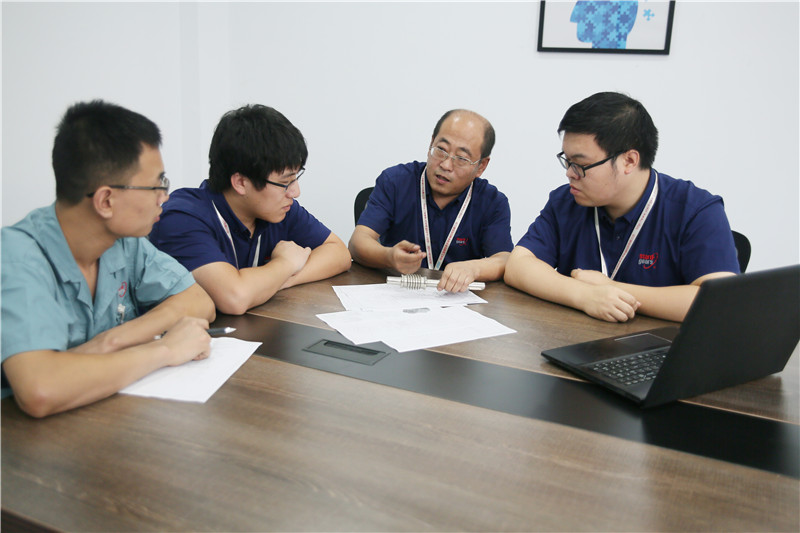
Collaborative analysis of project requirements, technical specifications, and flange mounting parameters with international client engineering teams.
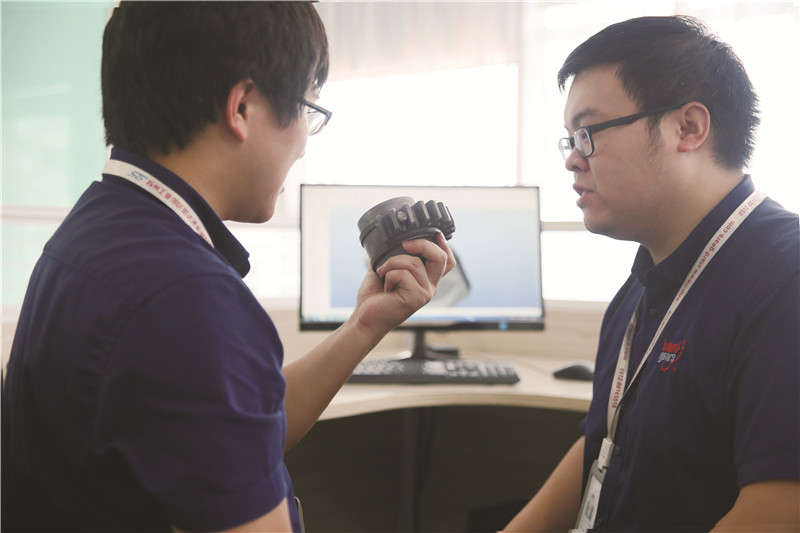
Joint reviews of simulated gear stresses, materials, mechanical ratios, and structural envelope parameters to confirm custom requirements.
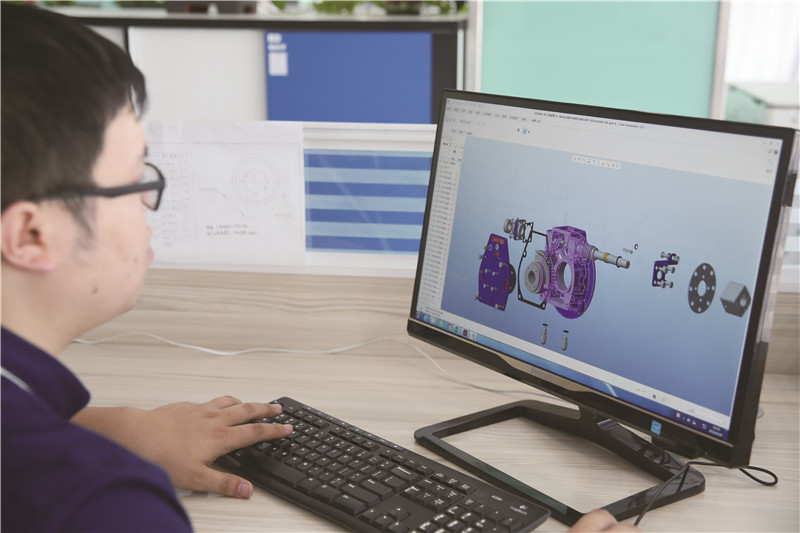
Finalization of detailed 2D/3D fabrication models, machining tolerances, and assembly specifications for ERP system entry.
Quality and punctuality are guaranteed through our comprehensive enterprise resource planning (ERP) system. Every order, from casting procurement to gear machining, thermal hardening, and final assembly, is assigned a digital footprint. This ERP management system enables real-time progress monitoring, optimizing workflow schedules and minimizing human error. Operational transparency ensures we consistently meet delivery timelines even during peak production cycles.
Our Suzhou plant represents a capital investment in tooling capability. Equipped with high-precision CNC machining centers, automated grinding machines, and multi-station assembly lines, the factory generates an annual output value of up to $9,000,000. Our specialized production lines easily scale to mass-produce standard configurations while maintaining flexibility for custom, low-volume ODM orders.
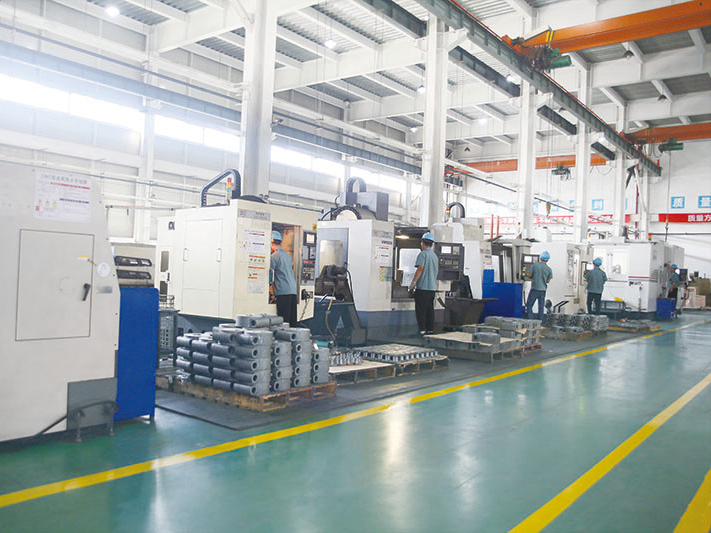
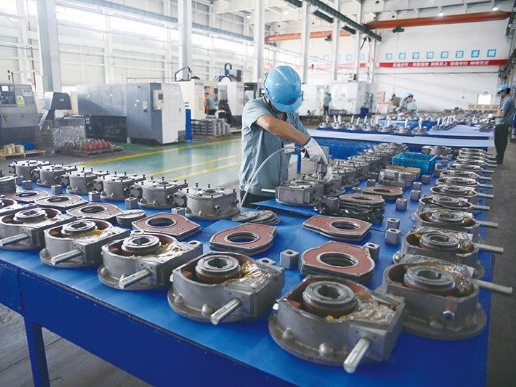
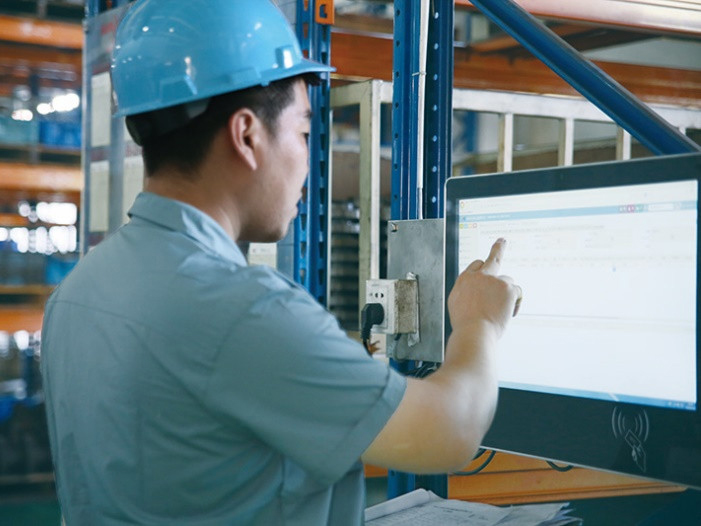
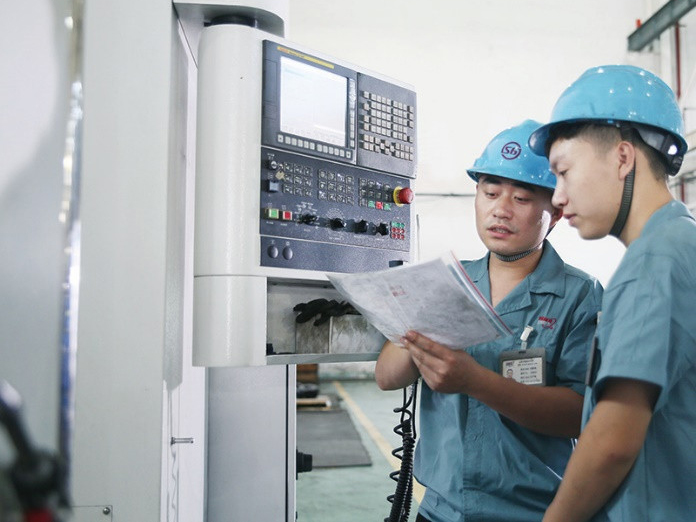
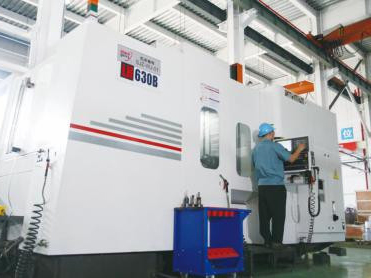
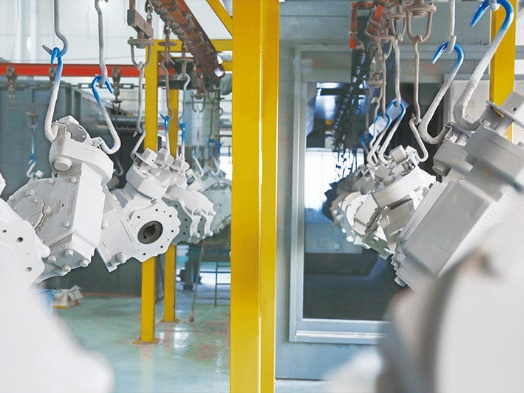
At Stard-gears, we believe that field reliability begins before assembly. Our quality control team includes full-time inspectors deployed at every critical manufacturing gate: Incoming Quality Control (IQC), In-Process Quality Control (IPQC), and Final Quality Control (FQC). These QA gates inspect dimensional tolerances, coating thickness, and casting densities. We enforce a zero-tolerance policy, ensuring that 100% of finished gearboxes are qualified and tested before shipment.
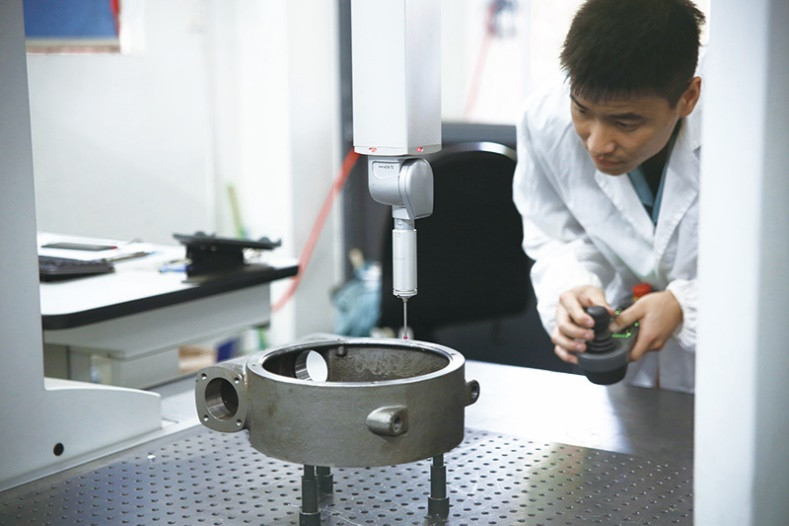
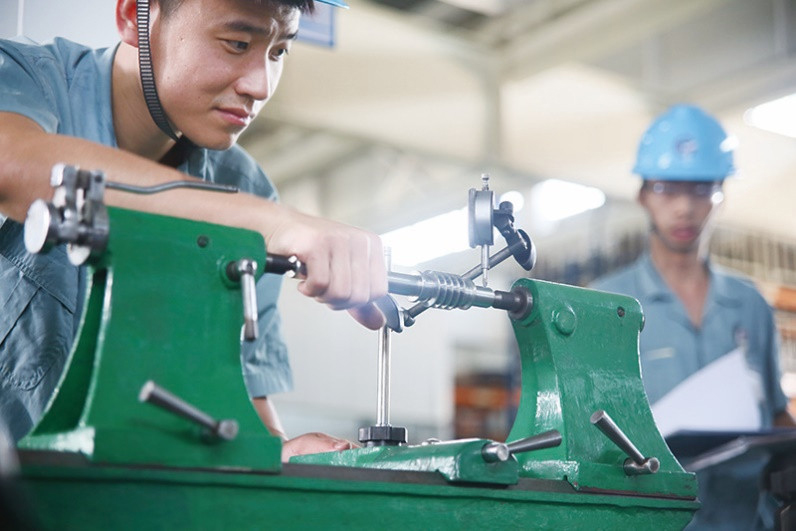
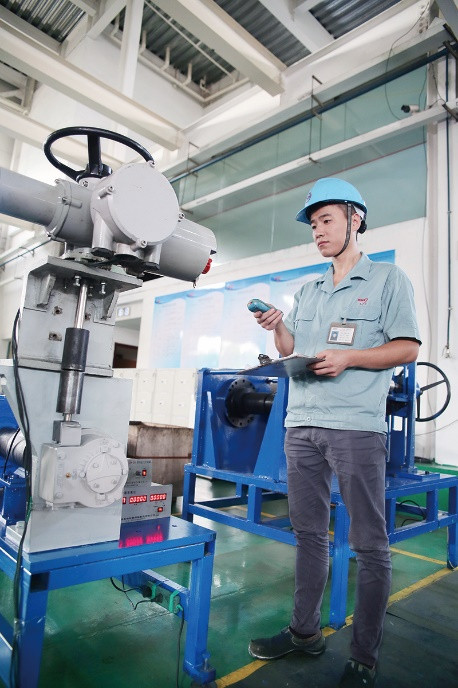
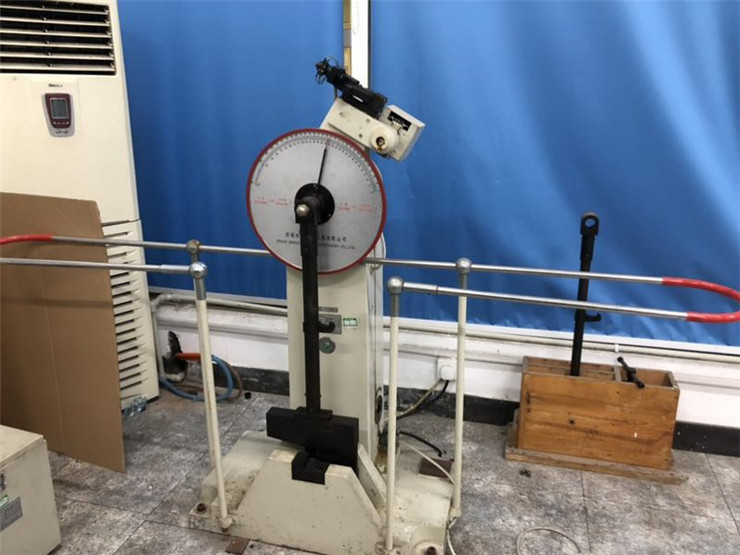
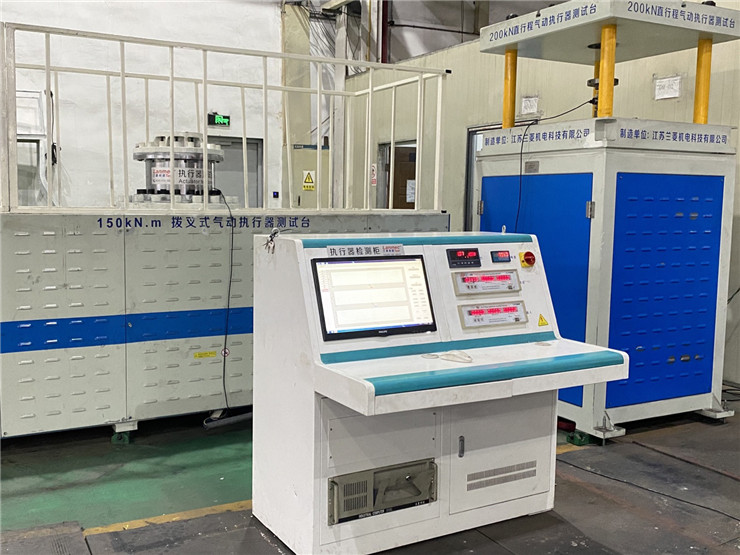
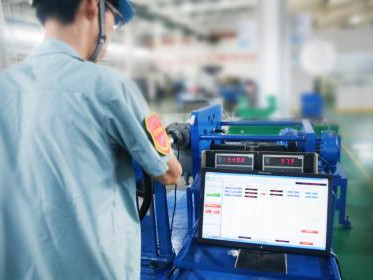
Our quality lab is equipped with testing equipment designed to simulate extreme operational demands. Key verification capabilities include torque calibration testing (to verify mechanical efficiency under load) and cycle-life testing (simulating thousands of operations to verify wear limits on worm gears and thrust bearings). We also run pressure chambers to verify IP67 and IP68 submergence ratings, ensuring our underground pipe valve gearboxes remain impervious to mud and water intrusion.
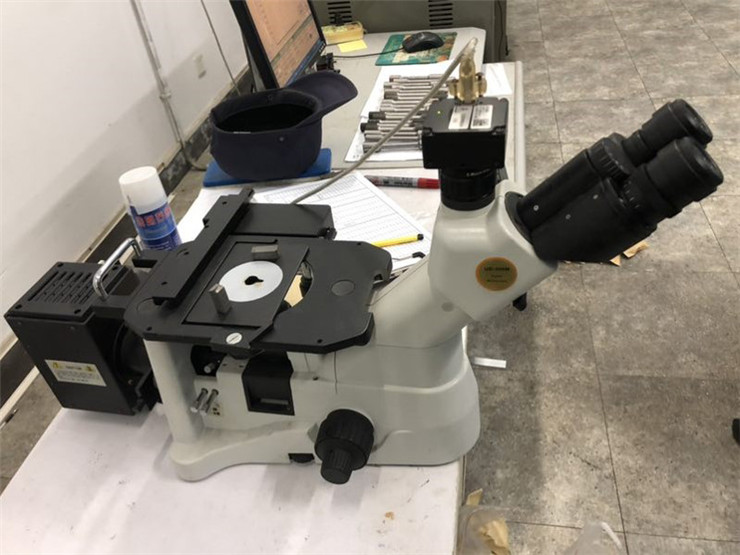
Our metallurgical testing tools check chemical composition and material density, ensuring that cast ductile iron and steel housings meet the physical requirements for structural load capacity. Testing records are archived in our system for full traceability.
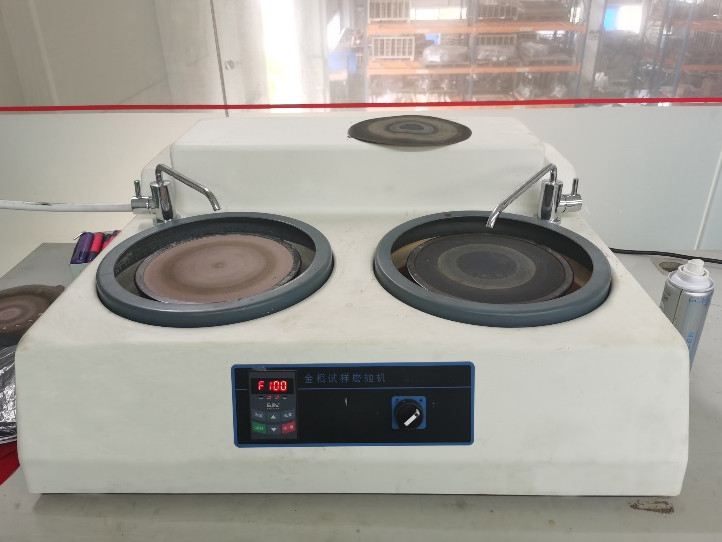
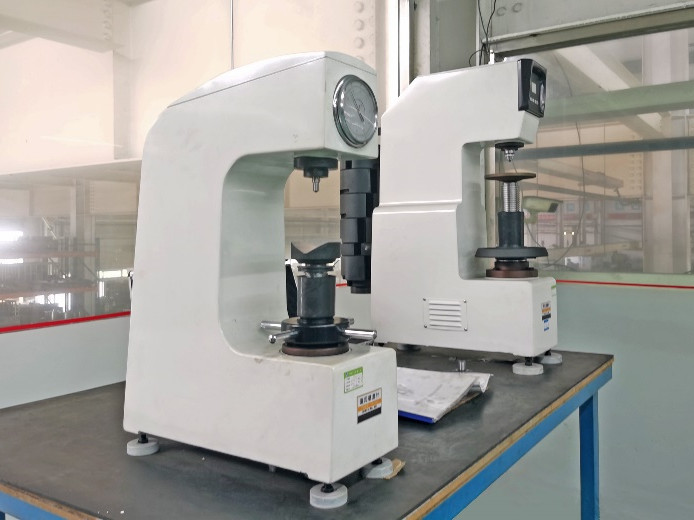
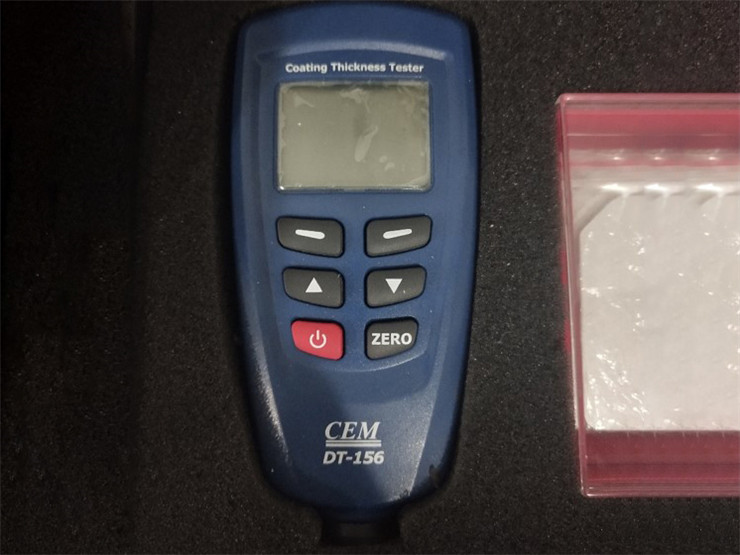
Utilizing premium copper alloy worm wheels and induction-hardened alloy steel worm shafts to limit wear and achieve torque conversion efficiencies above 90%.
High-integrity fluorocarbon and epoxy resin coatings combined with Viton O-ring seals provide certified corrosion protection in underground (IP68) and high-salinity marine environments.
Engineered in compliance with ISO 5210 (multi-turn) and ISO 5211 (quarter-turn) flanges, allowing swift installation of electric and pneumatic drive units.
Our R&D roadmap focuses heavily on smart flow integration. We are presently optimizing mechanical declutching mechanics that support integrated dual-signal feedback sensors. This design variation allows automated flow loops to register precise limit positions directly from the manual override gear, providing an added layer of telemetry data to SCADA controls in water treatment plants and distribution networks.
Large-scale water pipelines require reliable gate and sluice valves to isolate networks during routing changes and main breaks. Due to high pressure differentials, these gate valves run under severe thrust loads. Stard-gears manual operators, bevel gears, and declutchable systems provide the mechanical leverage needed to operate these valves smoothly, eliminating transient water hammer hazards through slow, controlled gate movement.
Safety is critical in hydrocarbon pipelines and refineries. Sluice valve gearboxes for this sector require materials like cast steel and heavy-gauge ductile iron housings to withstand system pressure spikes. Our gearboxes are designed to integrate with automated safety shutoff valves, offering reliable manual overrides that operate consistently even in power loss situations.
Exposure to seawater and atmospheric brine degrades standard grey iron gears quickly. Stard-gears provides customized ODM sluice valve gearboxes with internal bronze components, stainless steel input shafts, and multi-coat epoxy systems. These specifications prevent galvanic and atmospheric corrosion, ensuring a long design life in marine ballast systems and desalination plants.
We work directly with valve manufacturers and EPC firms to design specialized gearboxes, including non-standard input shafts, customizable gear ratios, and high-temperature Viton sealing solutions.