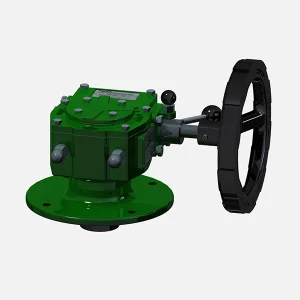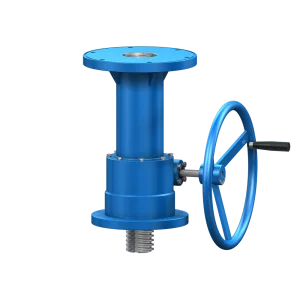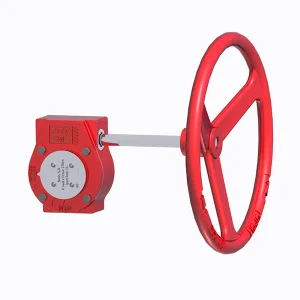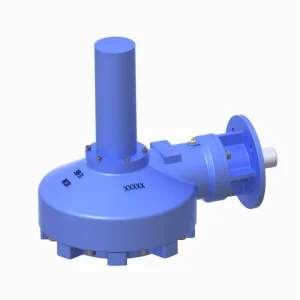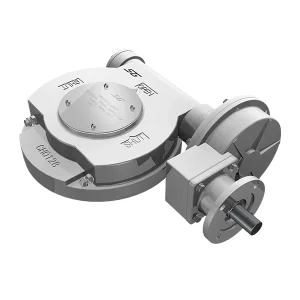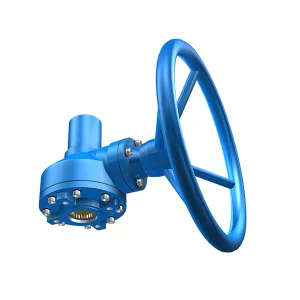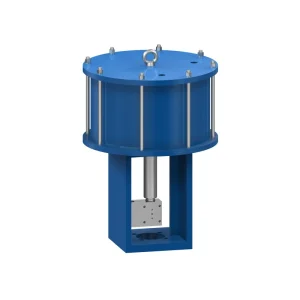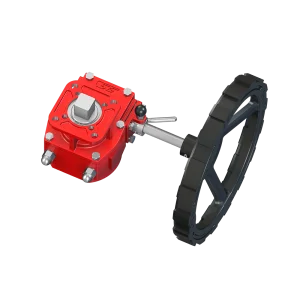
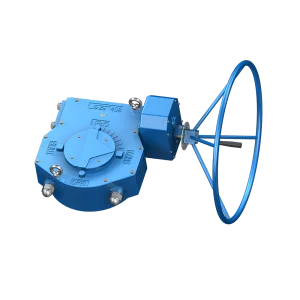
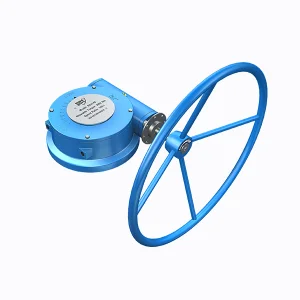
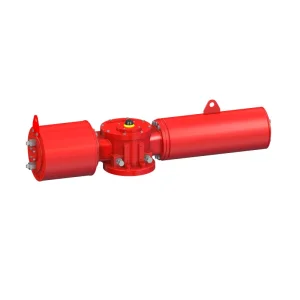
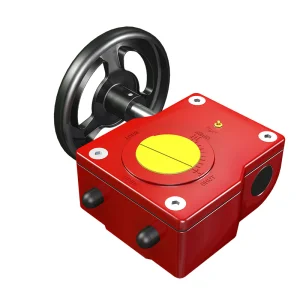
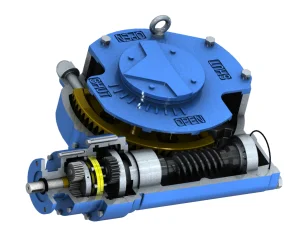
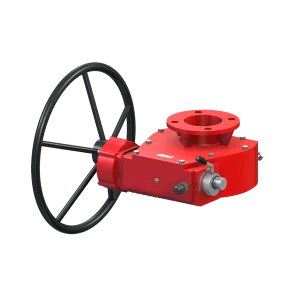
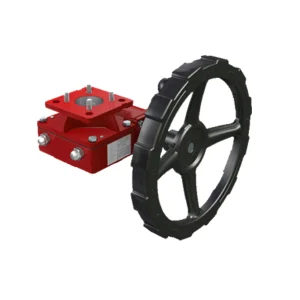
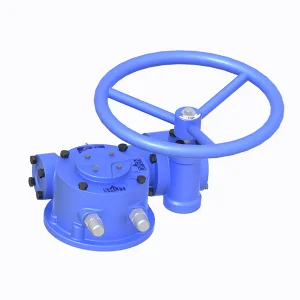
In modern flow control and industrial transmission frameworks, worm gear pairs serve as a cornerstone mechanism. Known for their high reduction ratios within a compact physical envelope, these systems provide critical self-locking properties that prevent backward-drive in high-load setups. Worldwide, the reliance on high-torque manual and motorized valve operators has spiked, driven by the expansion of chemical processing plants, municipal water infrastructure, cross-border natural gas pipelines, and the modernization of nuclear power units.
Procurement agents and plant engineers are shifting away from generic catalog parts. The commercial reality of varied operating pressures, environmental exposures, and safety regulations requires specialized ODM (Original Design Manufacturer) solutions. A valve operating under subsea conditions in the North Sea requires vastly different material coatings, sealing integrity, and gear tooth profiles compared to a manual gearbox buried under metropolitan roads in a water distribution network.
Today's procurement strategies prioritize long-term asset lifecycle values over simple acquisition costs. This focus highlights the value of partnering with dedicated manufacturers capable of tailoring torque curves, mechanical efficiency, and casing materials to specific requirements. This integration of design and production addresses complex modern engineering demands.
Under Google's E-E-A-T (Experience, Expertise, Authoritativeness, Trustworthiness) criteria, purchasing teams require clear, verifiable documentation of manufacturing processes. This includes certified material testing reports, finite element stress modeling, and real-world destructive performance validations.
Established in 1999 in the Suzhou Industrial Park, Stard-gears has grown into a leading global provider specializing in advanced valve control technology. Our facility covers 8,900 square meters of precision manufacturing space, complemented by a 2,500-square-meter engineering design and administrative office complex. With annual sales reaching $7,000,000 and experiencing steady year-on-year growth of 10% to 20%, our operation delivers reliable, field-tested flow control components.
Our core mission centers on product innovation, quality control, and durable mechanical solutions that help clients manage their valve infrastructures. Supported by a robust supply chain network in China's Yangtze River Delta, we leverage regional casting foundries, specialized machining centers, and raw material access to offer competitive lead times alongside high-quality assurance.
Our products support various global applications, including oil and gas transportation, chemical processing, nuclear power stations, and municipal water management. Decades of field experience enable us to assist clients in transforming complex specifications into reliable, long-lasting gear operators.
Stard-gears functions as a integrated enterprise, coordinating research, development, production, and international trade. Over the past decade, our exports have expanded to the United States, Italy, Germany, Mexico, Singapore, Japan, and other highly regulated industrial markets.
To maintain precision in high-torque gear operations, Stard-gears relies on digital design and verification. Our engineering team utilizes 3D CAD modeling, dynamic simulation, and Finite Element Analysis (FEA) to evaluate stress distribution, tooth contact patterns, and elastic deformation under maximum torque loads.
This simulation approach allows us to verify structural design parameters prior to physical prototype development. By identifying stress concentrations and potential wear points early, we optimize tooth geometry, adjust backlash settings, and choose appropriate casing thicknesses. This process reduces design cycles, lowers development costs, and ensures final product safety.
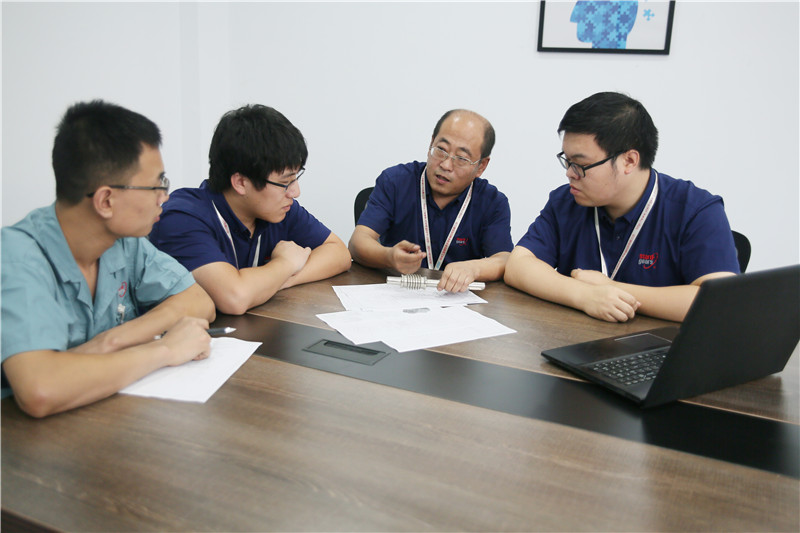
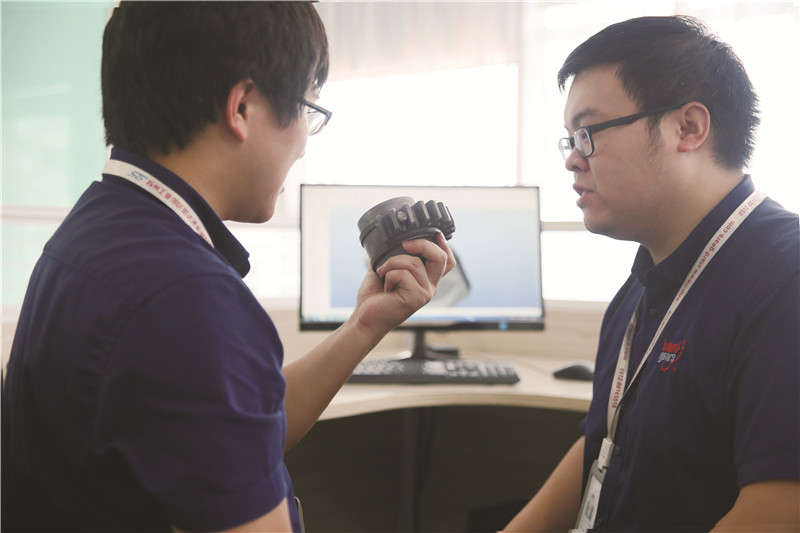
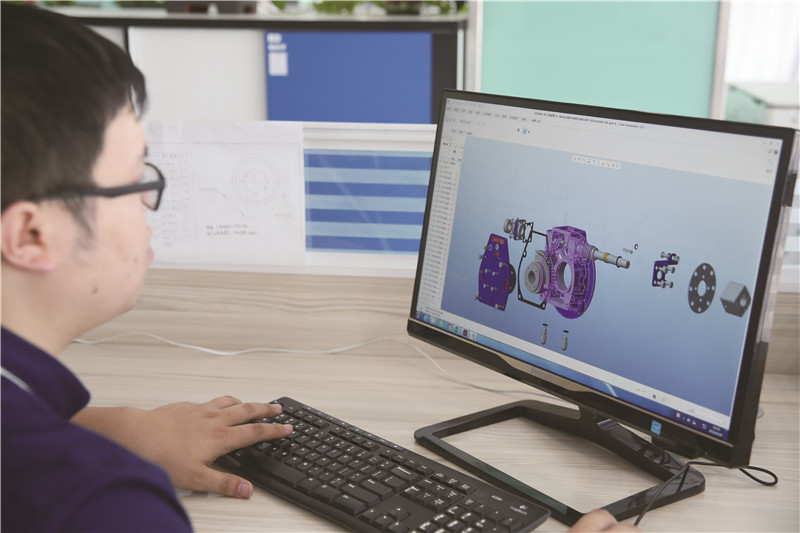
Operating within the Yangtze River Delta gives Stard-gears access to a reliable, localized industrial ecosystem. Our production model integrates raw material sourcing, casting, precision machining, and surface treatment within a tight geographic radius. This geographic concentration minimizes transport delays, stabilizes raw material costs, and allows for flexible scaling of manufacturing runs.
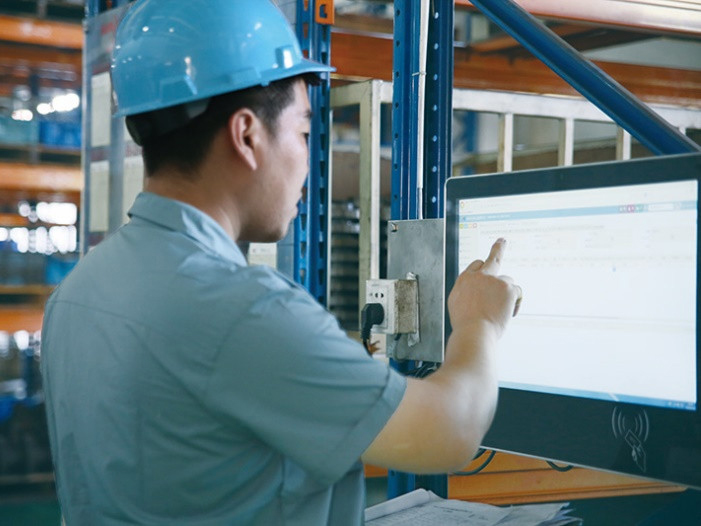
We manage our manufacturing processes using an integrated Enterprise Resource Planning (ERP) platform. This system monitors each order from material receipt through machining stages to final assembly and testing. By providing tracking of scheduling, bottlenecks, and inventory, it supports reliable production cycles.
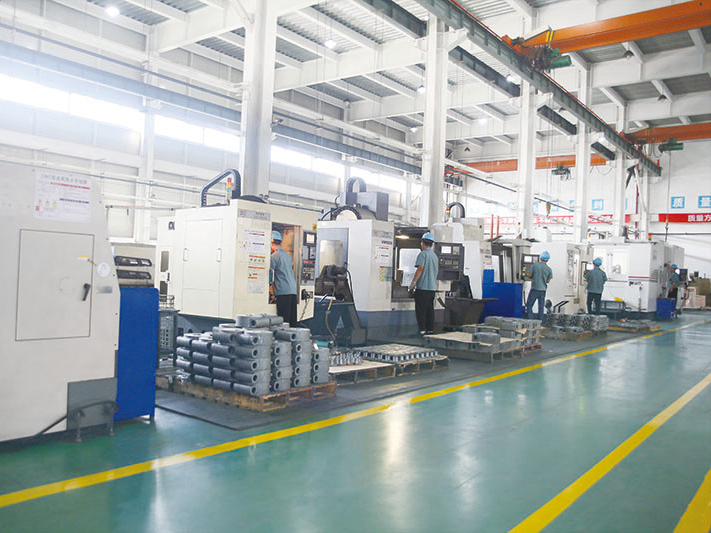
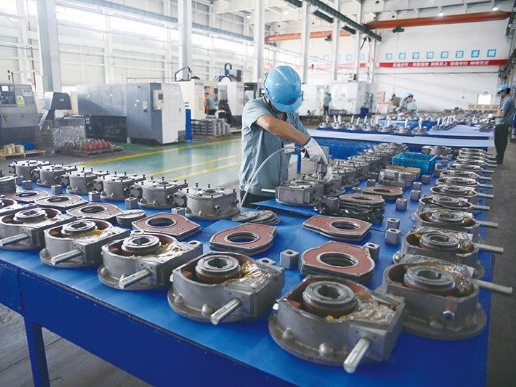
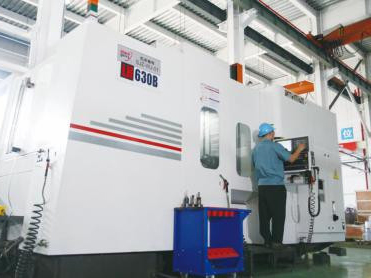
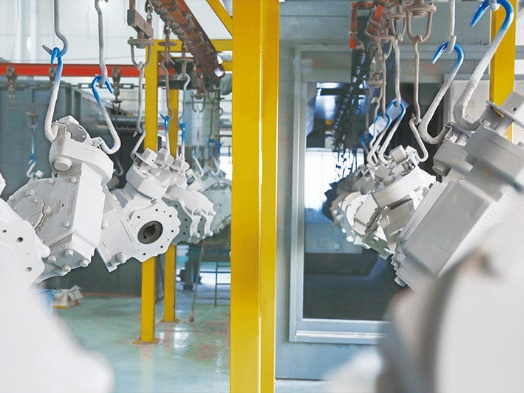
The Suzhou plant achieves an annual output value of $9,000,000, with a physical capacity reaching 100,000 sets of gear operators per year. This scale allows us to support both large-volume OEM projects and specialized, small-batch custom designs.
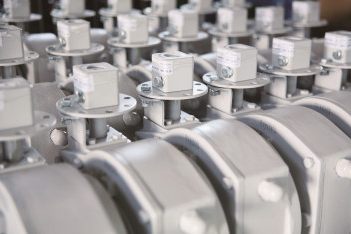
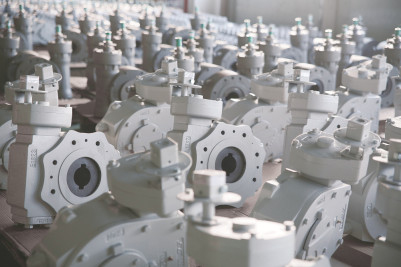
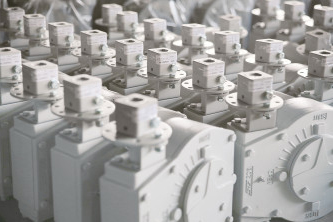
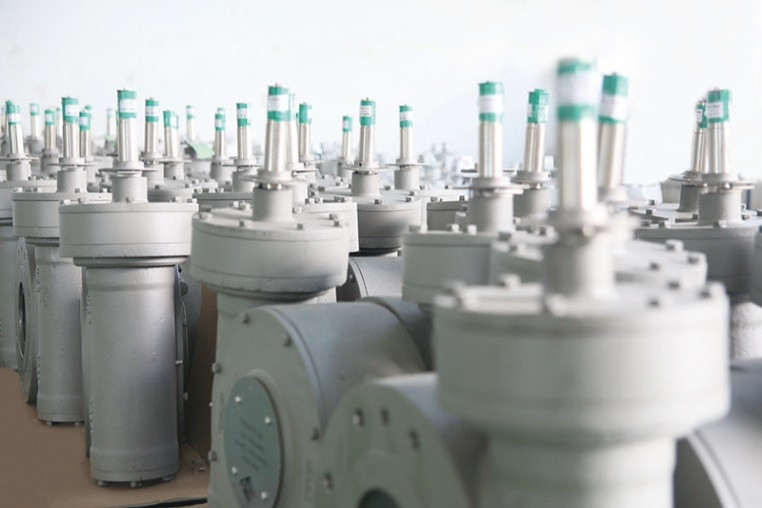
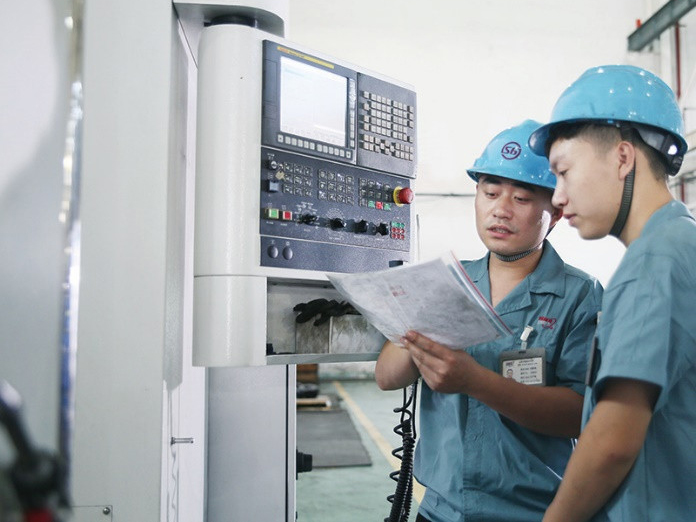
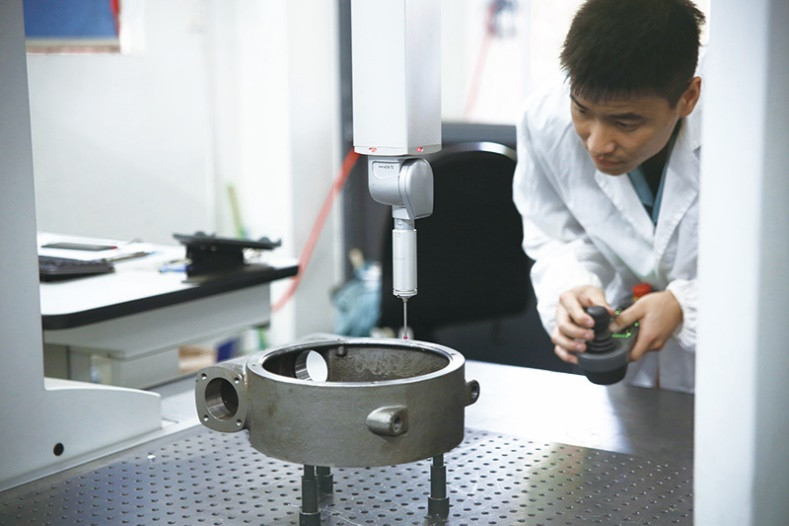
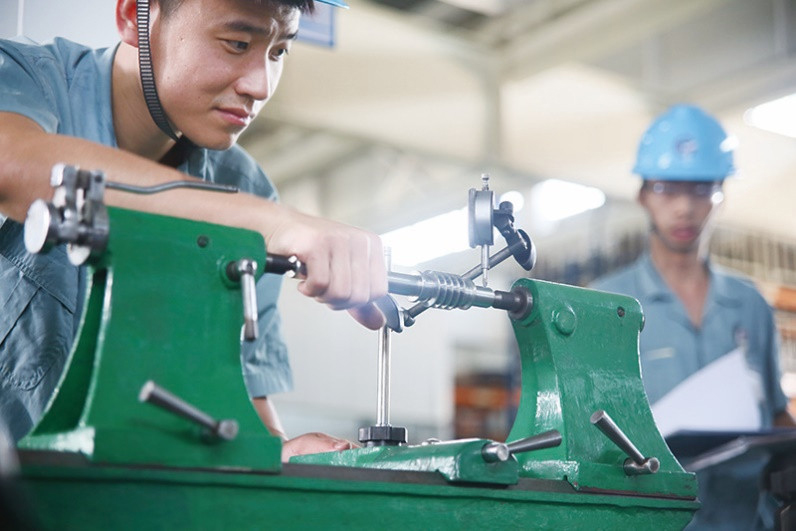
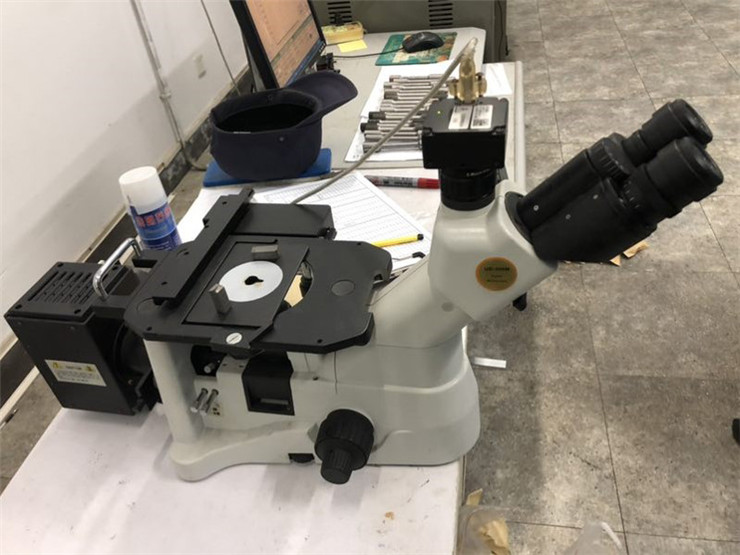
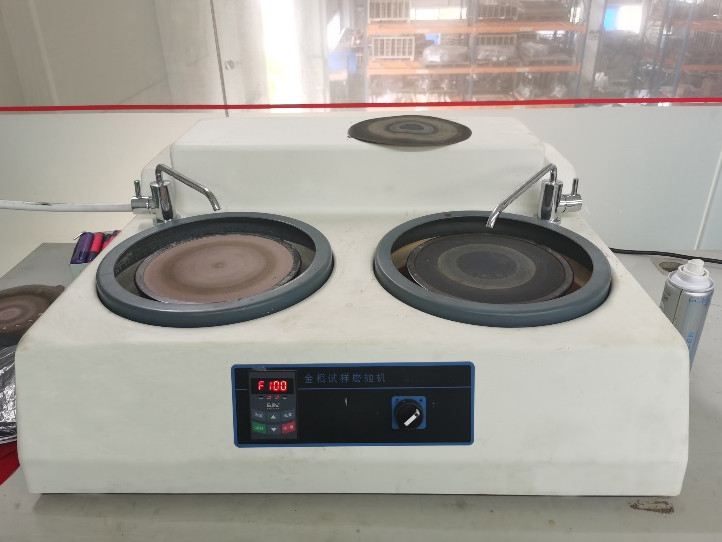
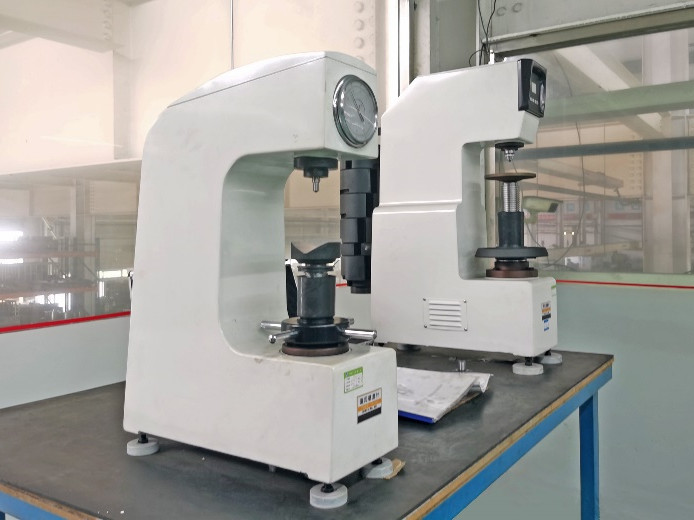
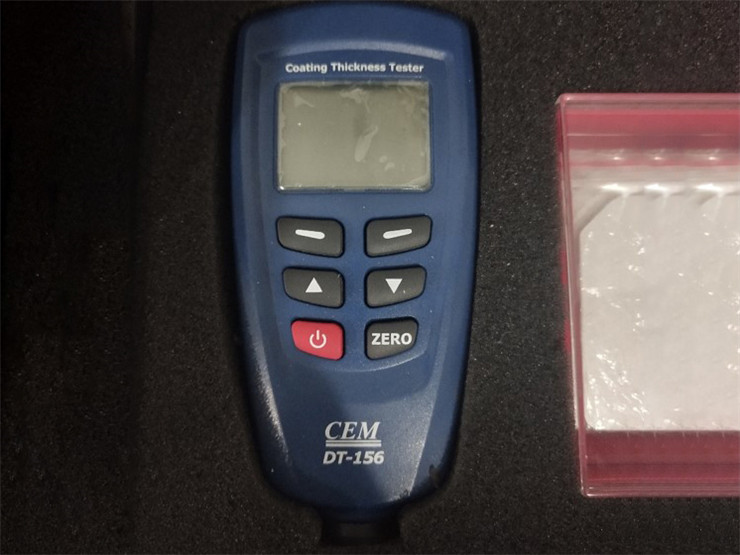
To maintain performance under high pressures, Stard-gears integrates quality control checkpoints throughout the manufacturing process. Dedicated Quality Control (QC) personnel inspect every stage, from testing incoming metallurgical chemistry to analyzing machining tolerances and verifying final assemblies. This process ensures that products meet specifications before packaging and delivery.
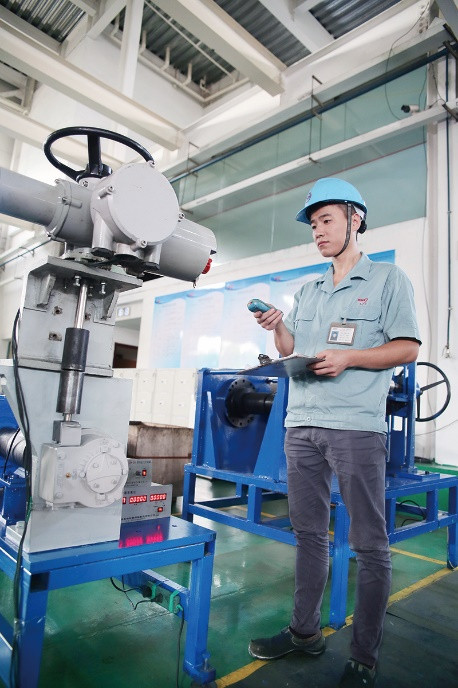
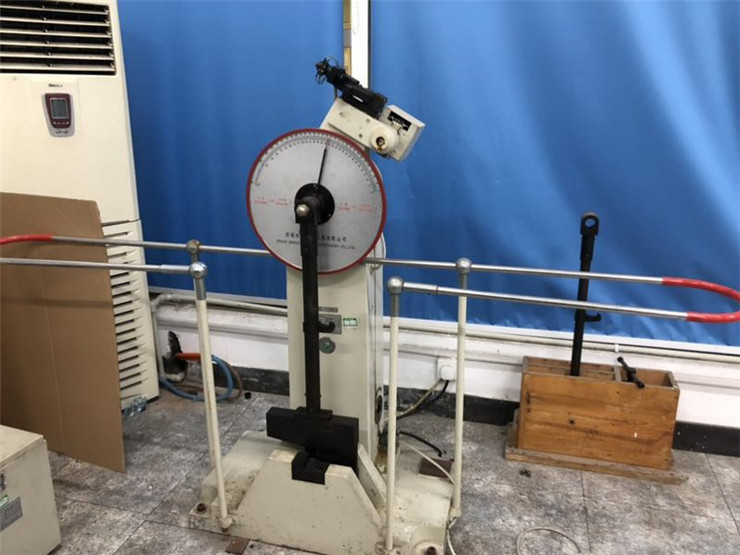
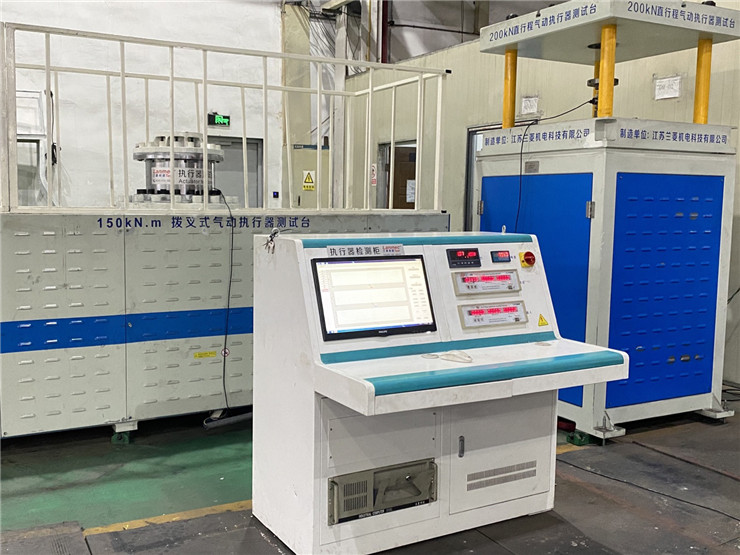
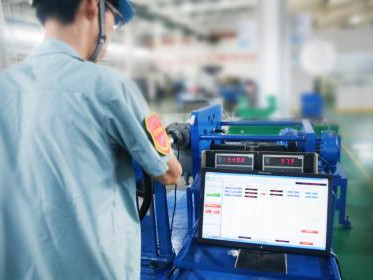
Our facility is equipped with dedicated testing systems designed to evaluate key performance characteristics under simulated field conditions. This includes verifying output torque limits, analyzing structural safety margins under overload, and conducting multi-cycle fatigue tests to confirm gearbox durability.
Our testing equipment allows us to verify casing structural limits and measure backlash behavior. These quality control measures help prevent leaks, structural failures, and gear binding in critical industrial applications.
Industrial applications increasingly demand actuators rated for extreme temperatures, explosive atmospheres, and marine splash zones. Double-sealed, grease-filled designs with specialized venting are standard requirements.
Manual overrides must interface seamlessly with pneumatic or electric actuators. Declutchable gearboxes require precise interlocks to ensure safe switching between automatic and manual control modes.
Underground pipe networks require gearboxes equipped with extended input shafts, protective ground coatings, and IP68 sealing to withstand immersion and soil loading.
At Stard-gears, we analyze these industry trends and integrate them into our ODM design processes. Whether adjusting torque ratios for low-temperature natural gas systems in North America, applying customized coatings for chemical plants in Germany, or refining mounting configurations for water facilities in Japan, our design work is tailored to specific regional challenges.
By maintaining close communication with local valve builders and engineering contractors, we ensure our gear operators integrate effectively with third-party components, reducing commissioning times and simplifying onsite installations.