How Modern Flow Control Demands Precise Torque Amplification, Robust Mechanical Interfaces, and Agile Supply Chains
In modern process industries—spanning petrochemical, municipal water treatment, power generation, and subsea distribution networks—valves are the final control elements managing massive kinetic forces. Operating these valves under tight seal conditions requires high-torque input that standard electric actuators alone cannot sustain without excessive energy draw and massive enclosures.
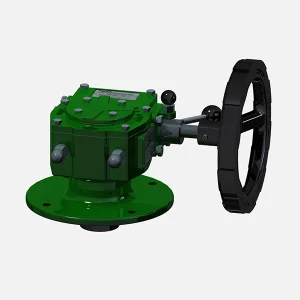
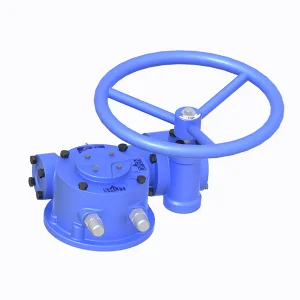
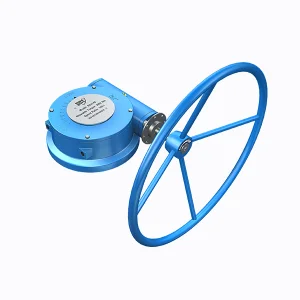
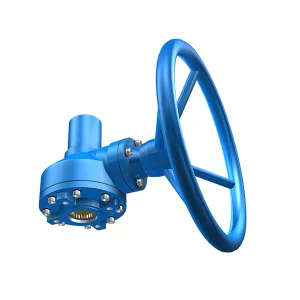
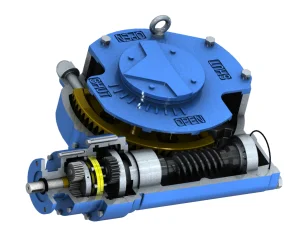
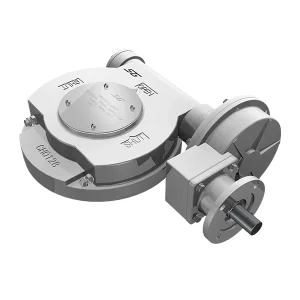
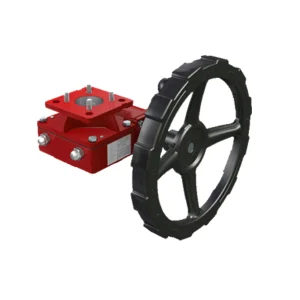
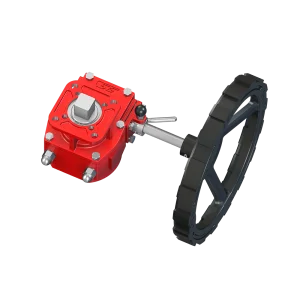
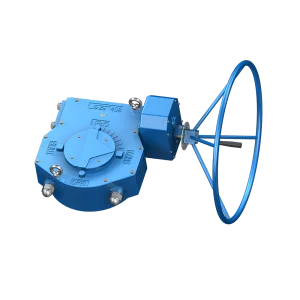
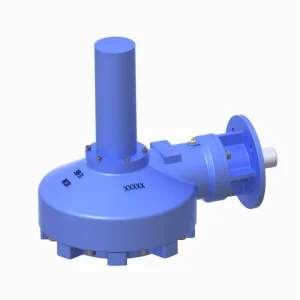
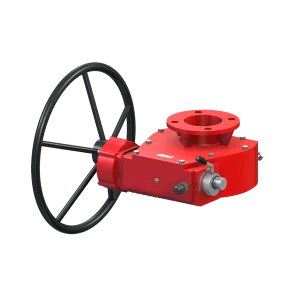
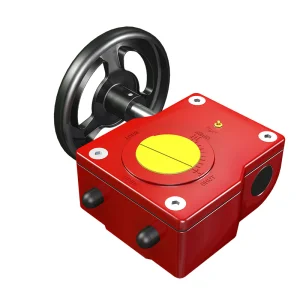
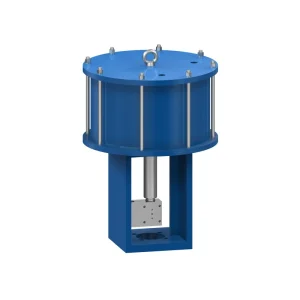
This is where specialized manual and electric multi-turn bevel and quarter-turn worm gearboxes become critical. Auma-compatible gearboxes serve as standard-bearing solutions globally, providing mechanical torque multiplication factors reaching up to 1:500 or higher.
Global sourcing managers and valve engineers look for OEM manufacturers capable of producing high-performance equivalents that match Auma's standard dimensions (ISO 5210 for multi-turn, ISO 5211 for part-turn) to facilitate swift replacement, system upgrades, and seamless integration on site.
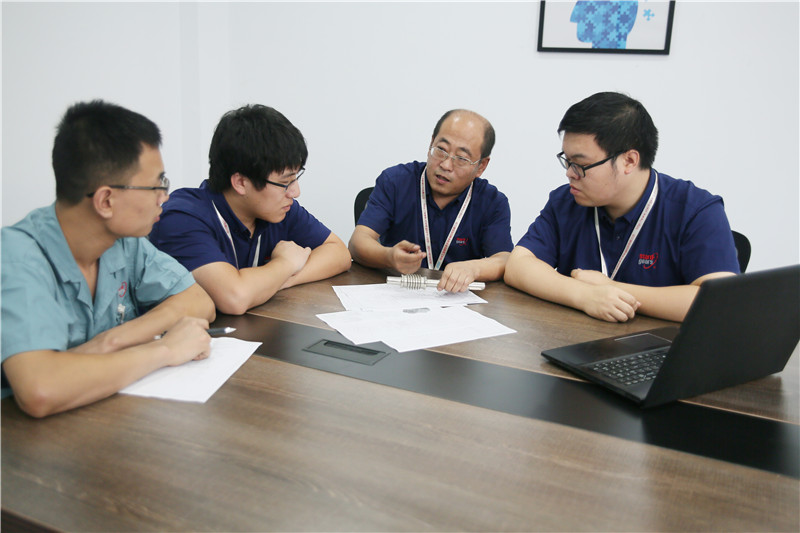
Leveraging World-Class Cluster Supply Chains for Fast Lead Times and Premium Material Integrity
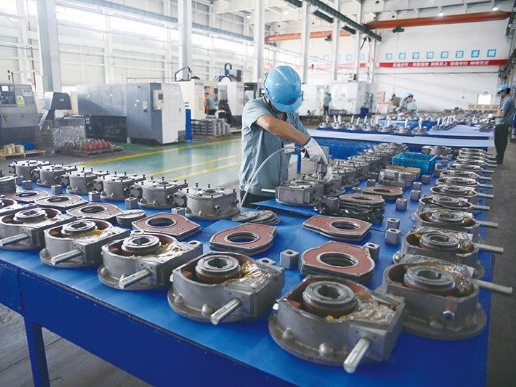
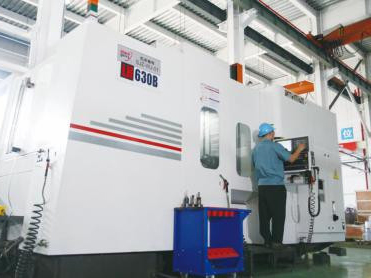
Stard-gears is strategically located in Suzhou Industrial Park—one of the most advanced manufacturing clusters globally. Our 8,900㎡ plant and 2,500㎡ corporate office coordinate annual sales of $7,000,000, growing at an annual rate of 10% to 20%.
The Yangtze River Delta region provides an unparalleled industrial ecosystem. This geographical proximity ensures that our cast iron, ductile iron, cast steel, and aluminum alloy castings are procured from high-precision foundries within a 100km radius.
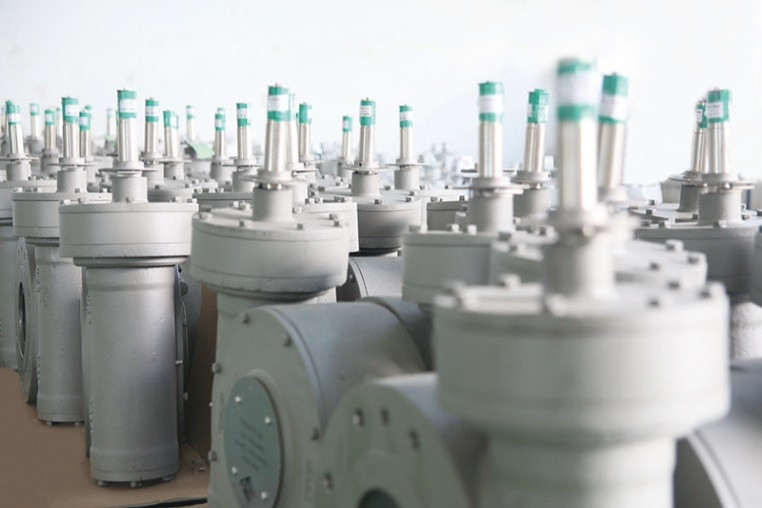
This integrated supply chain translates to major advantages for international buyers: immediate material testing access, rapid machining iterations, reduced logistics costs, and highly stable delivery windows. We achieve a maximum annual output value capacity of $9,000,000, ensuring we scale with large EPC pipeline projects.
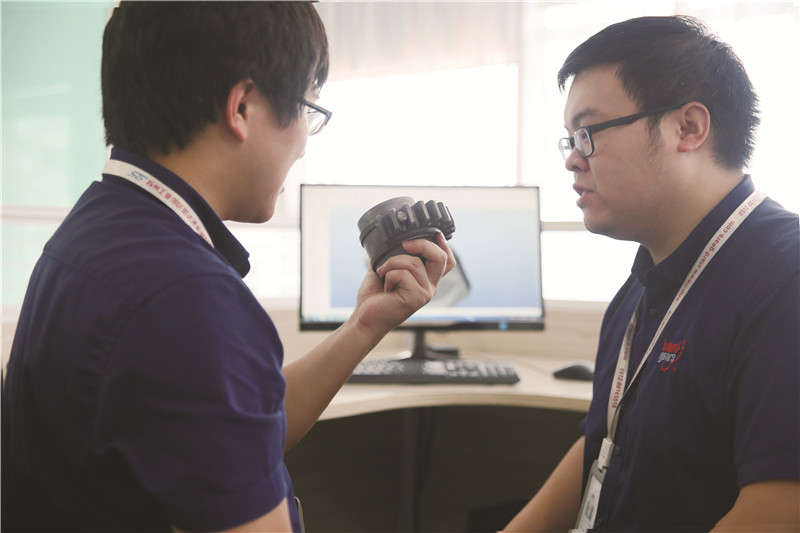
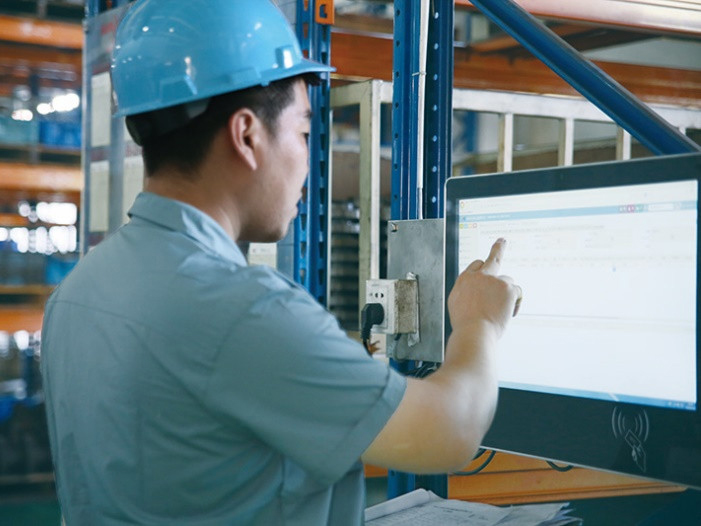
A comprehensive ERP system tracks every batch from incoming bar stock and castings to final torque testing, ensuring 100% schedule visibility and operational efficiency.
Engineers virtually verify stress limits, deformation points, and contact fatigue of worm/bevel gears via finite element analysis before cutting metal.
We comply fully with CE directives and ISO 9001 quality framework, enabling smooth certification handovers for critical international projects.
How we ensure mechanical safety, structural integrity, and maximum power density under pressure
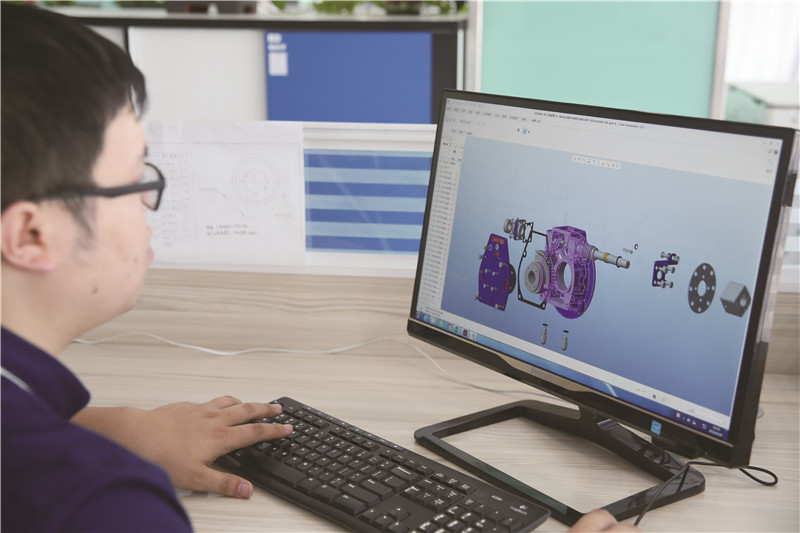
Modern valve systems often operate in hazardous zones where failures are catastrophic. Our design process starts with solid 3D modeling where spatial envelopes are optimized. We perform dynamic simulations of gear meshes to evaluate rolling and sliding contact friction coefficients.
Under FEA, we run structural stress tests utilizing maximum input torque thresholds. This allows us to observe stress concentrations on casing ears, worm teeth, and output shafts. By thickening high-stress regions and optimizing radii, we eliminate failure points, reduce overall weight, and maximize output density.
This rigorous phase guarantees that our Aluminium Alloy, Cast Steel, and Ductile Iron gearboxes can easily withstand extreme environmental loads and transient hydraulic shockwaves in water pipelines.
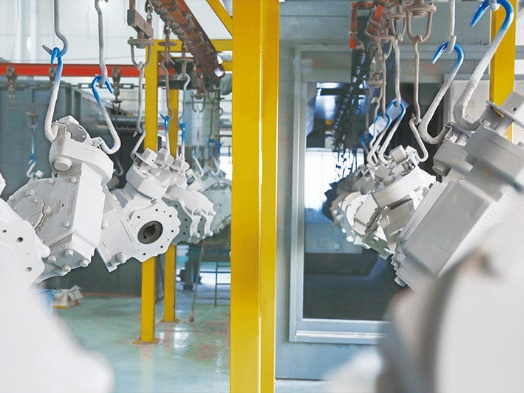
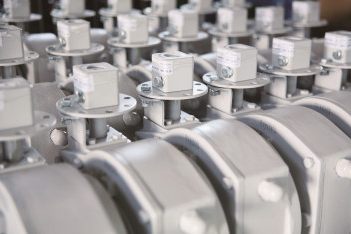
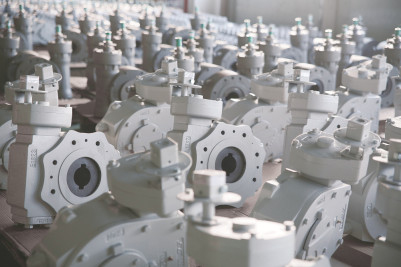
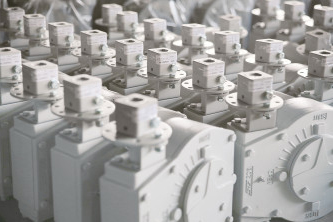
Ensuring 100% conformance, zero leakage, and torque ratings that stand the test of time
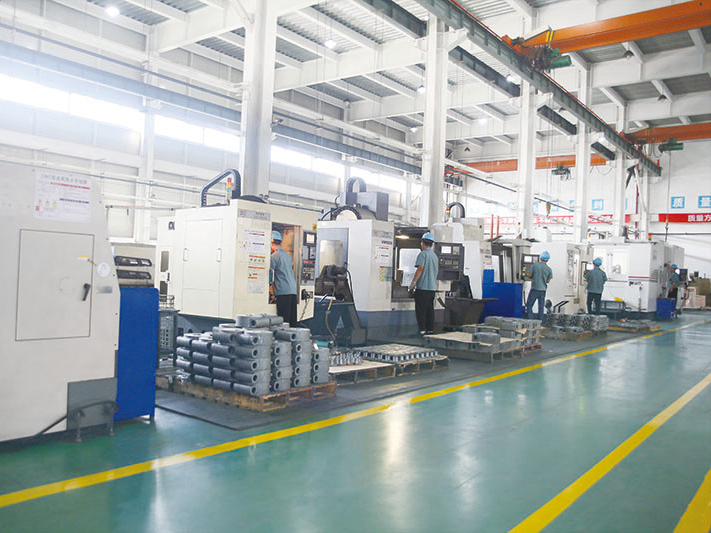
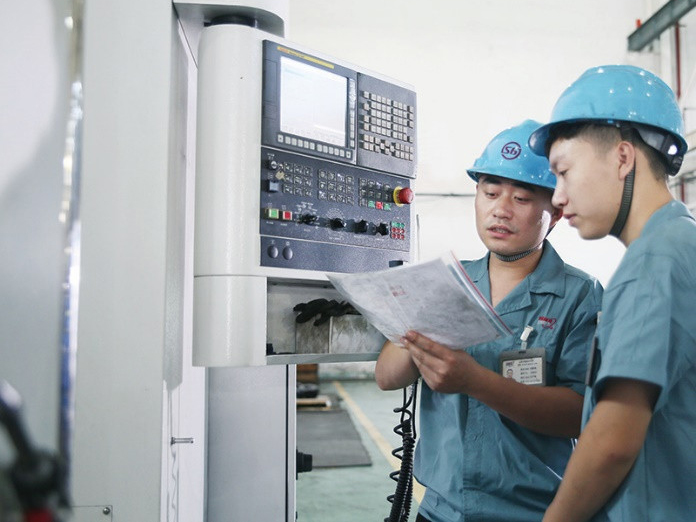
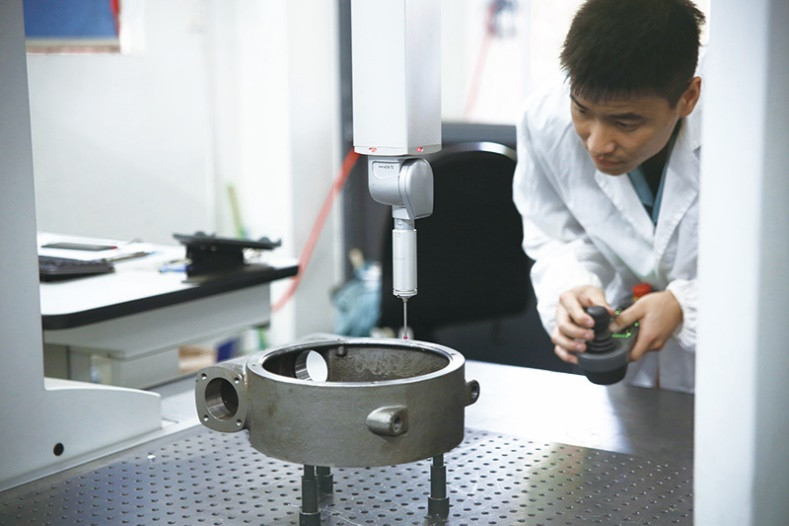
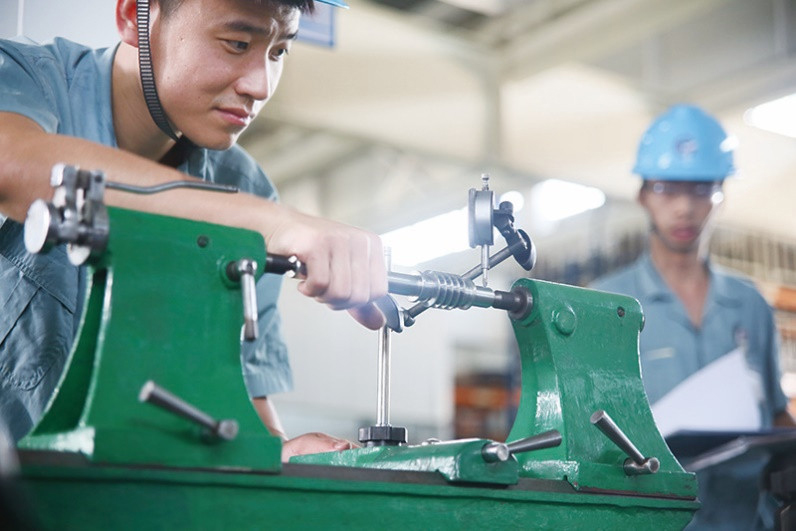
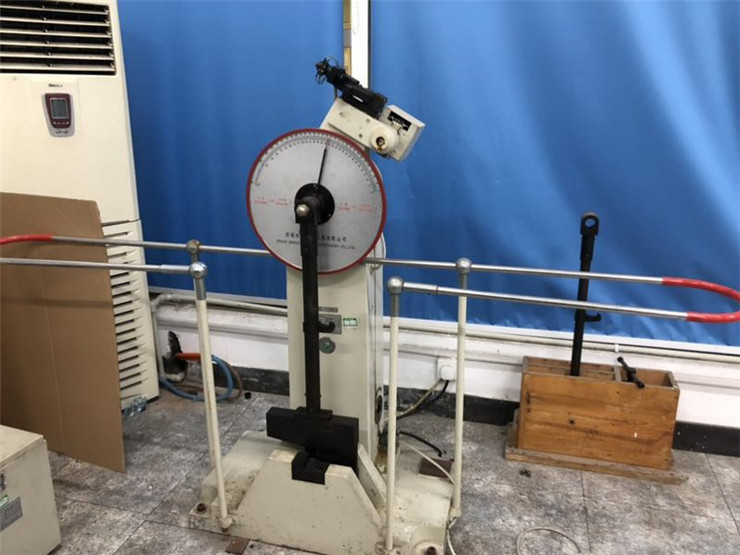
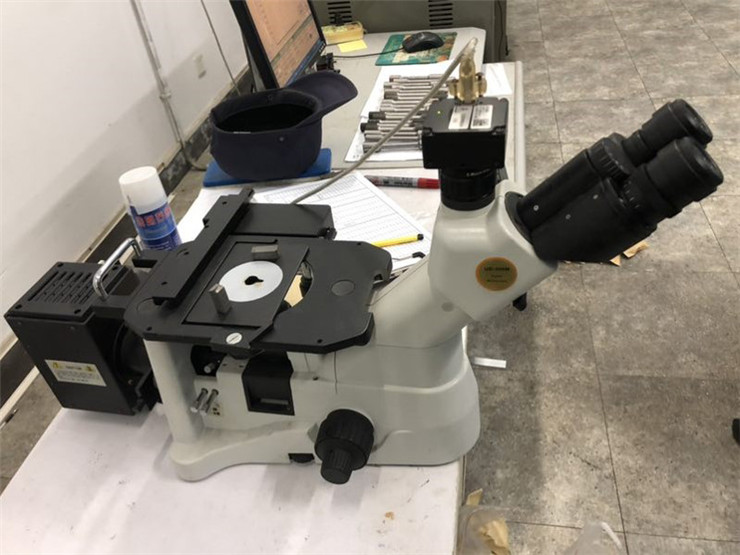
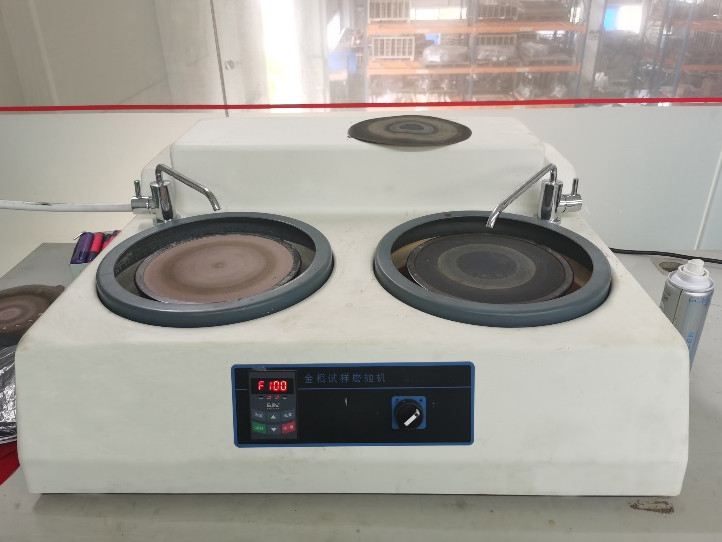
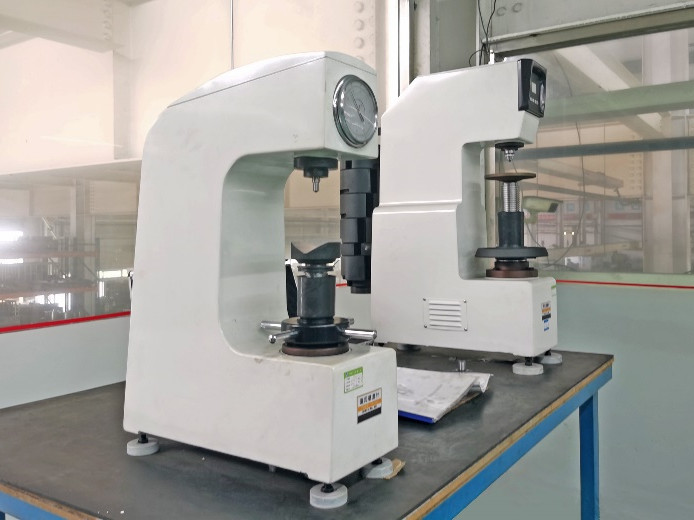
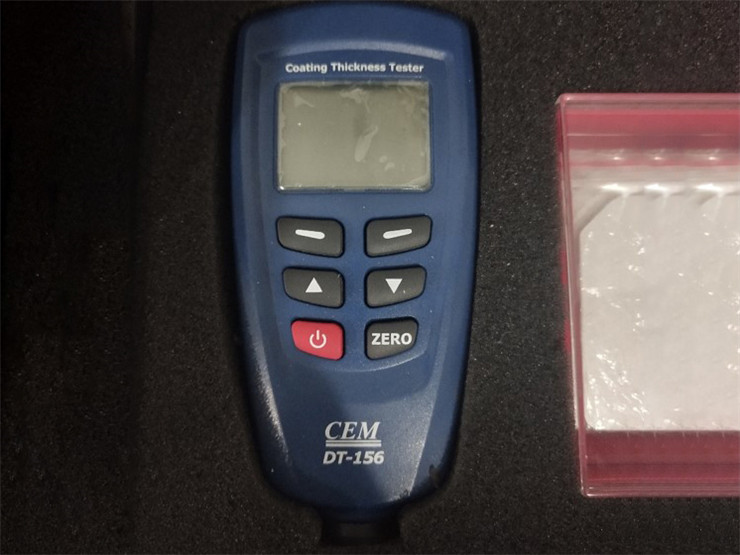
At Stard Automation, quality is not a post-production checkpoint; it is integrated throughout the process. We have full-time QC stations checking casting dimensional accuracy via coordinate measuring machines (CMM), gear surface hardness after heat treatment, and housing dimensional tolerances.
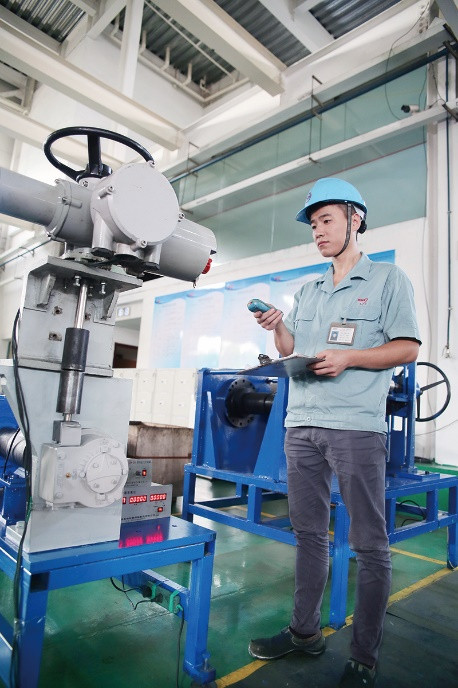
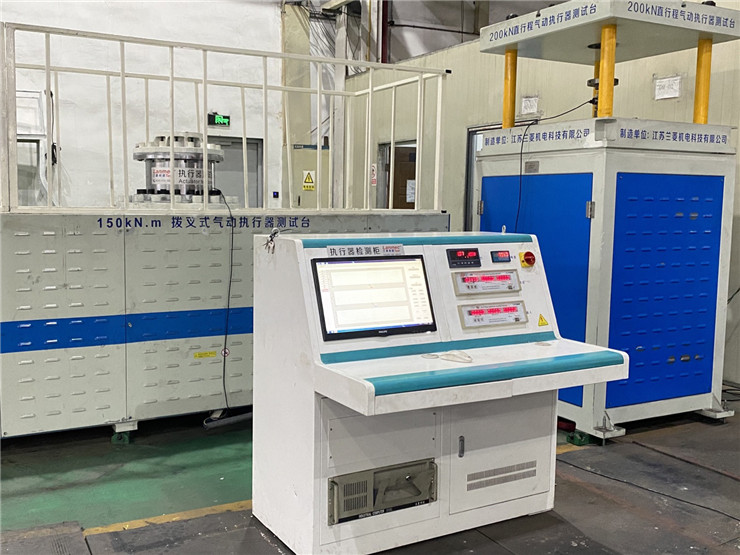
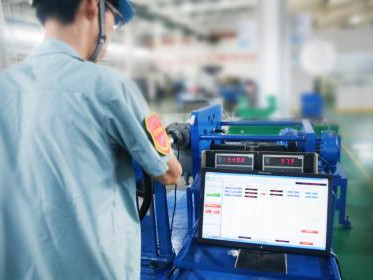
Our dedicated inspection facilities include hydraulic testing setups and torque measurement rigs. These benches subject the manual override devices and electric gearboxes to cyclic load runs, checking for backlash, mechanical wear, and motor current draws when paired with electric actuators.
No gearbox leaves our factory without passing a 100% function test, ensuring that when they reach global sites, commissioning is immediate and hassle-free.
Tailored configurations engineered for extreme environments and safety-critical sectors
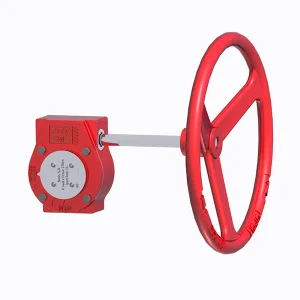
Handling explosive, high-pressure hydrocarbon networks. Our cast steel and ductile iron declutchable gearboxes operate reliably in explosive environments (compliance matching ATEX/IECEx standards), offering high torque manual overrides for emergency shut-down (ESD) scenarios.
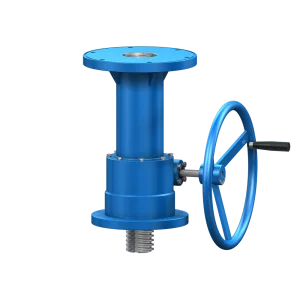
Corrosion-resistant epoxy coatings (C5-M standard) and buried gearboxes designed for subterranean pipe networks. Features include fully sealed IP68 enclosures with extension stems and indicator columns, ensuring decades of maintenance-free performance.
High temperature sealing, radiation tolerance, and safety factor integration (SF 2.0+). Our bevel gearboxes handle multi-turn operations on gate and globe valves, withstanding steam pressures and thermal expansion dynamics.
| Gearbox Type | Material Configuration | Torque Range (Nm) | Standard Protection | Primary Industrial Applications |
|---|---|---|---|---|
| Aluminium Quarter-Turn | Aluminium Alloy (ADC12/6061) | 150 - 1,200 | IP67 / IP68 Option | Lightweight HVAC, Chemical process line valves |
| Cast Steel Quarter-Turn | WCB / LCB / Stainless Steel | 800 - 45,000 | IP68 Standard | Offshore platforms, Oil & Gas pipelines, Fire-safe systems |
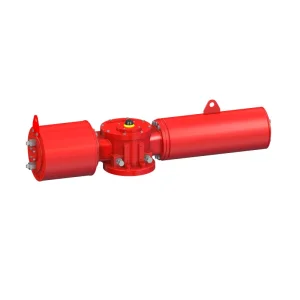
| Ductile Iron Declutchable | QT450-10 / GGG40 | 300 - 25,000 | IP67 / ATEX | Pneumatic Actuator manual override, Process lines |
| Bevel Multi-Turn | Ductile Iron / Carbon Steel | 500 - 80,000 | IP68 / High-Temp | High-pressure steam pipelines, Water filtration, Gate valves |
Aligning with digital twin technologies, explosion-proof regulations, and strict material tracing
1. Smart Diagnostics: With the rise of IoT and smart valve positioning, gearboxes are increasingly fitted with torque sensors and micro-switches to feed real-time performance datasets back to SCADA controls.
2. Material Traceability: Global engineering firms now demand EN 10204 3.1 certification. Every component—from the high-strength worm shaft to the smallest casing bolt—must be tracked back to its raw heat source.
3. Advanced Surface Treatments: Traditional primer paints are giving way to multi-layer polyurethane coatings and fluorocarbon applications to protect parts from salt air spray, high UV exposure, and abrasive dust.
When selecting an OEM gearbox partner, verify the following details:
Technical answers to critical design, compatibility, and sourcing inquiries