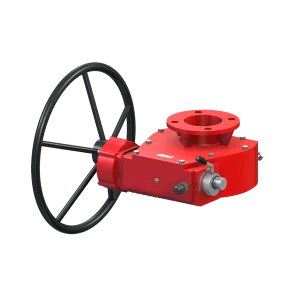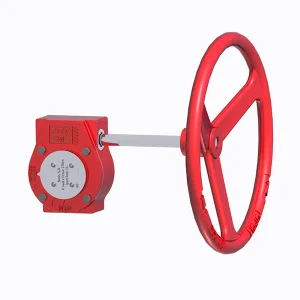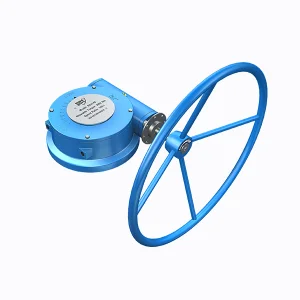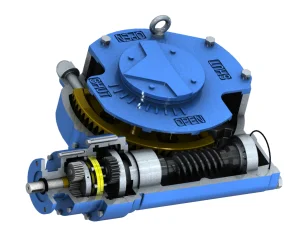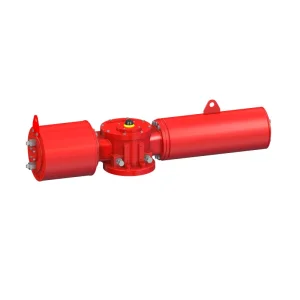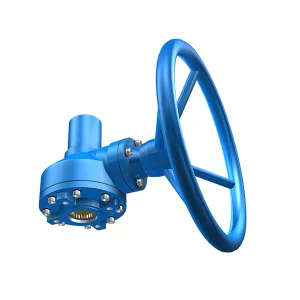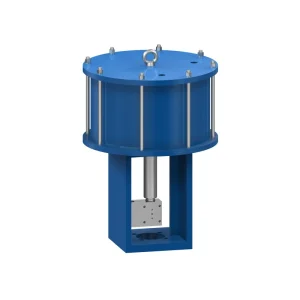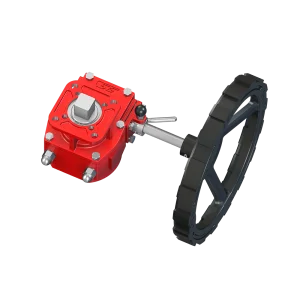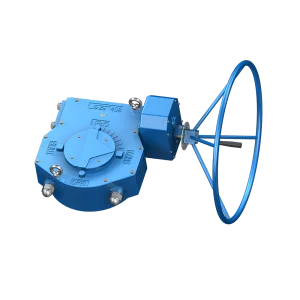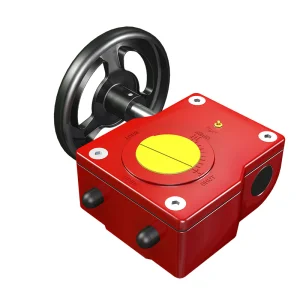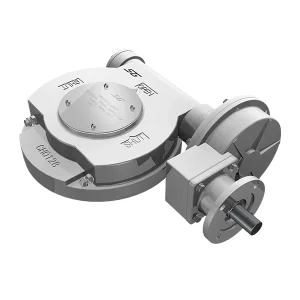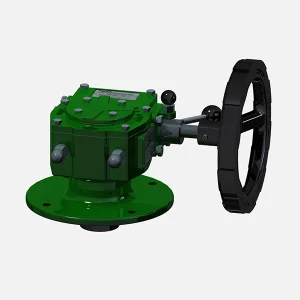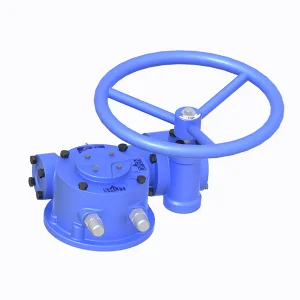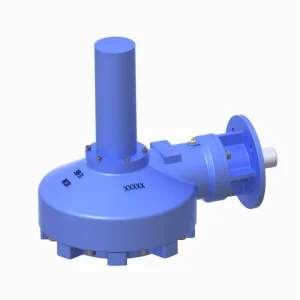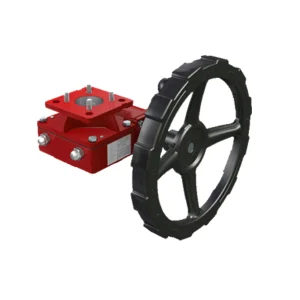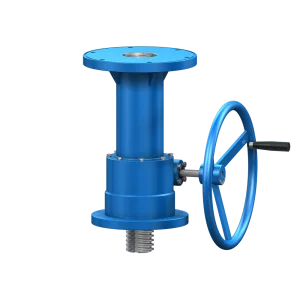
Explore our selection of heavy-duty declutchable manual overrides, cast steel quarter-turn gearboxes, and high-performance scotch yoke actuators designed for seamless valve configuration integrations.
In high-pressure, critical-flow systems, the transition between manual operation and full automation requires highly reliable physical actuators and gearboxes. A Ball Valve Gearbox serves as the torque-multiplier mechanism required to operate quarter-turn mechanisms in severe operating environments. Industrial ball valves, especially metal-seated and high-pressure trunnion-mounted variants, exhibit severe breakaway torque requirements. Choosing an optimal gear configuration from a specialized OEM ball valve gearbox supplier prevents stem failure, mitigates operational drift, and ensures safety integrity level compliance.
A gearbox operates primarily on the principle of mechanical advantage. Worm-gear operators multiply incoming rotational energy from handwheels or electric motors, translating input force into high torque yields. When evaluating ball valve gearbox suppliers, purchasing engineers must assess efficiency coefficients. Our gear systems use computer-optimized worm gear geometry which minimizes friction coefficients and prevents back-driving—a key safety hazard in high-pressure oil and gas pipe networks.
Under safety instrumented system (SIS) layouts, emergency shutdown valves (ESDVs) typically rely on pneumatic or hydraulic Scotch Yoke actuators. However, backup manual access is a critical redundancy. This is where declutchable gearboxes are essential. They allow operators to manually isolate, test, or open/close valves during air or electrical supply failure. By utilizing high-grade cast steel (WCB) or ductile iron enclosures, our declutchable operators offer structural reliability and precise disengagement mechanisms to prevent accidental handwheel rotation under automatic actuation.
Ensuring absolute continuity of supply and local compliance through optimized production structures in the heart of China’s advanced engineering clusters.
Located in the Suzhou Industrial Park (Yangtze River Delta region), Stard-gears leverages a highly integrated manufacturing ecosystem. The proximity to world-class casting hubs, precision machining workshops, and specialized surface treatment plants ensures a robust supply chain. This strategic location directly contributes to shorter lead times, exceptional material purity control, and competitive costing for custom OEM and ODM orders.
International procurement managers prioritize suppliers who understand global requirements: ISO 9001 frameworks, standard F-series ISO 5211 mechanical mounting interfaces, and international logistics standards. Our exports to the USA, Germany, Singapore, Japan, and Italy demonstrate our capability to meet diverse regulatory barriers, customs clearances, and rigorous client specifications across the chemical and LNG sectors.
Navigating global compliance protocols demands certifications like CE, ATEX for hazardous zones, and SIL ratings. By offering comprehensive localized documentation, performance testing reports, and local engineering support, Stard-gears ensures that our industrial ball valve gearboxes seamlessly integrate into local system configurations without compliance issues.
Our commitment to precision engineering starts in the virtual validation phase. Through 3D CAD modeling, dynamic kinematics simulation, and Finite Element Analysis (FEA), Stard-gears' engineering team can simulate structural fatigue, torsional stress distribution, and mechanical wear under simulated line pressures. This virtual prototyping cycle ensures high safety factors, reduces raw material waste, and shortens project delivery schedules.
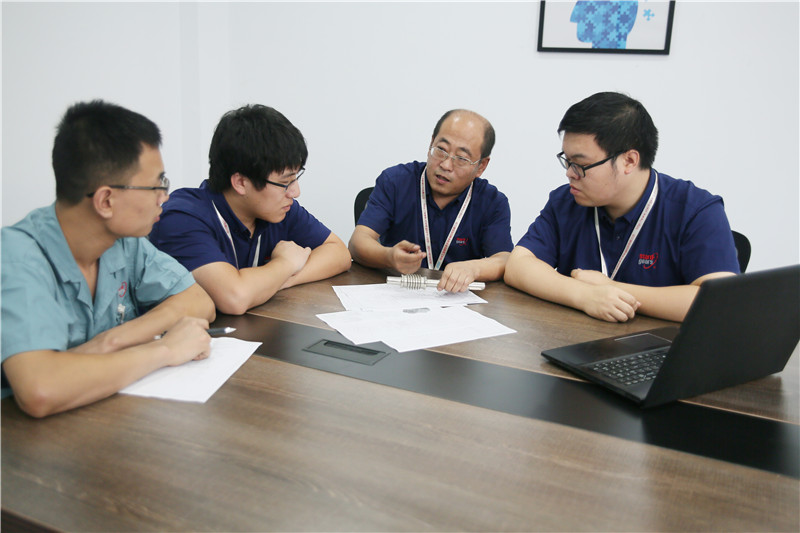 Program Communication
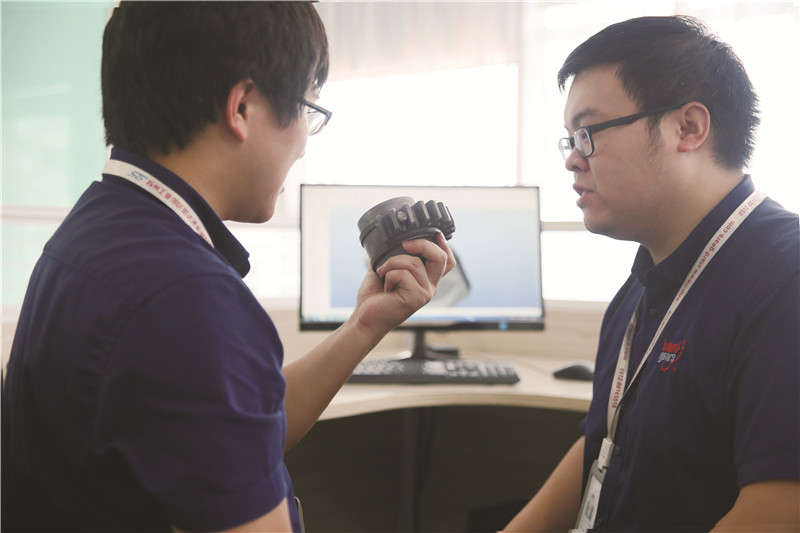 Design Communication
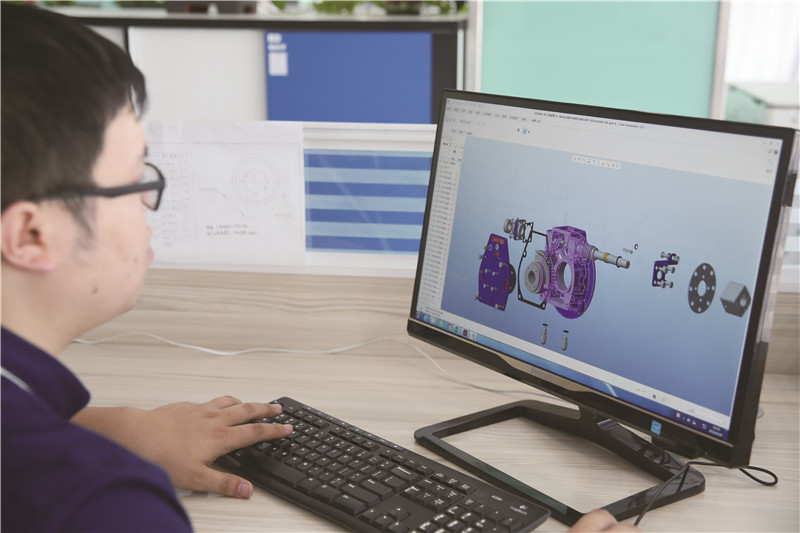 Design Drawing
Stard-gears operates a modern 8,900 square-meter facility in Suzhou with an integrated ERP (Enterprise Resource Planning) platform. From procurement of raw ductile iron and cast steel castings to the final machining and packaging phases, every process is tracked in real-time. This system maintains manufacturing efficiency, reduces cycle times, and keeps our annual capacity at 100,000 sets to easily meet major project schedules.
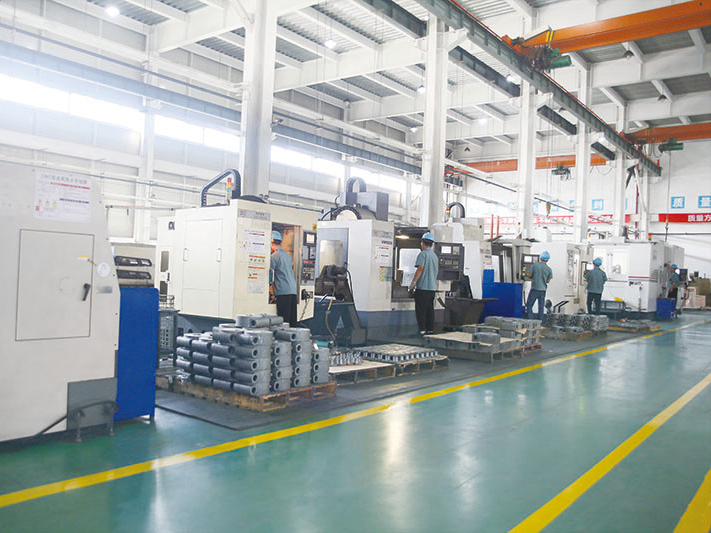
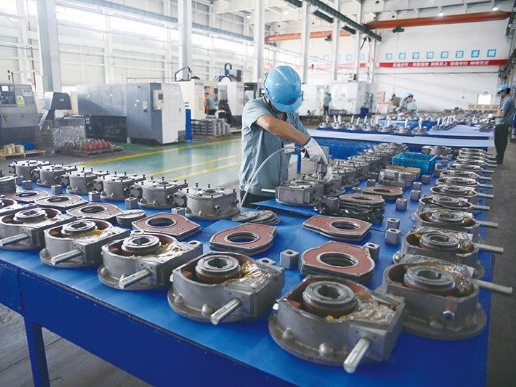
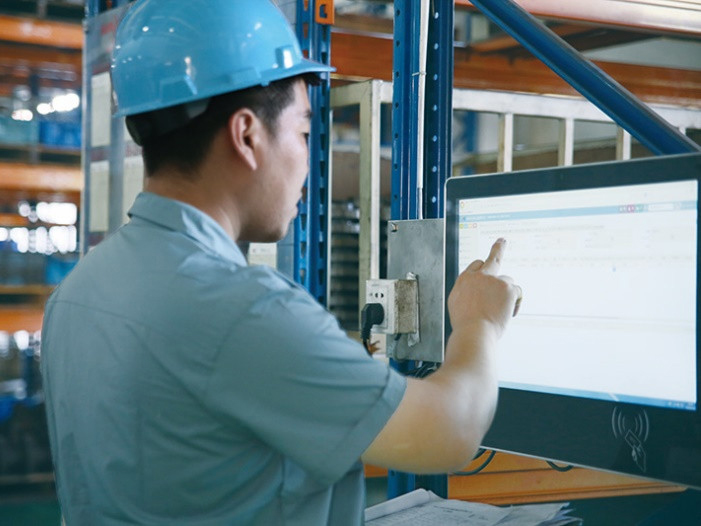
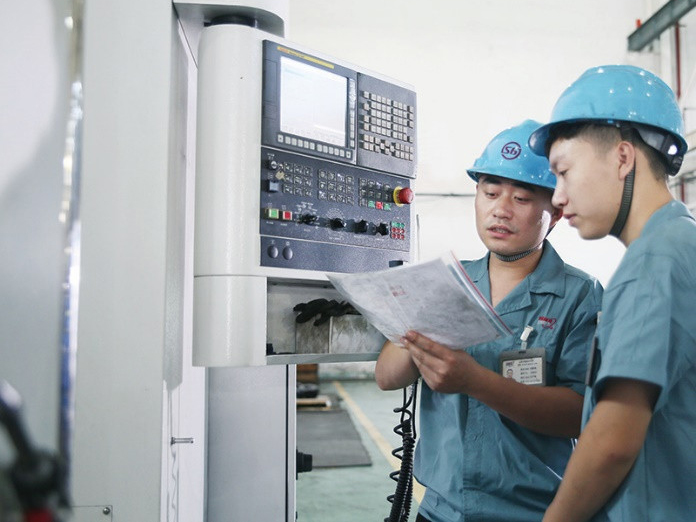
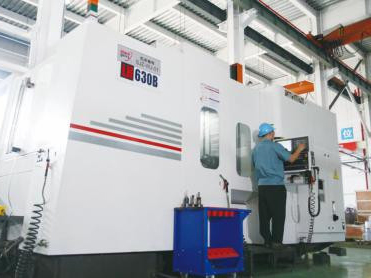
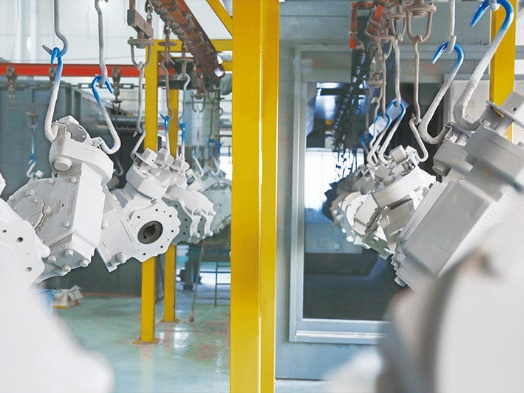
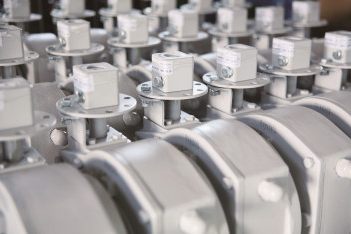
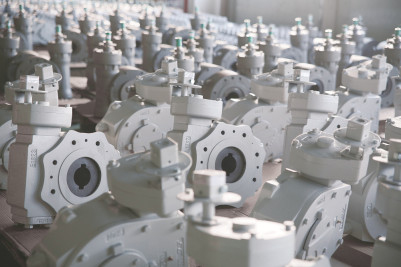
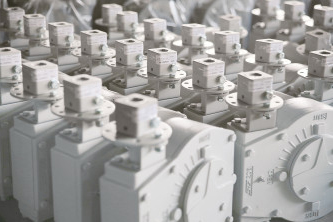
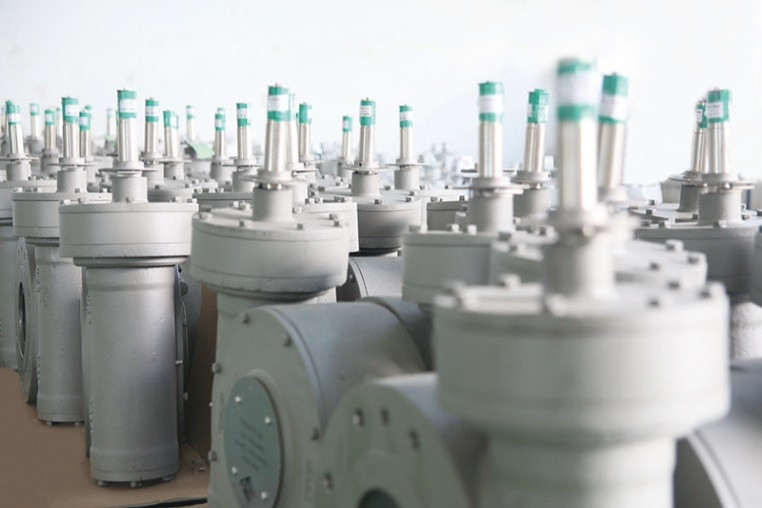
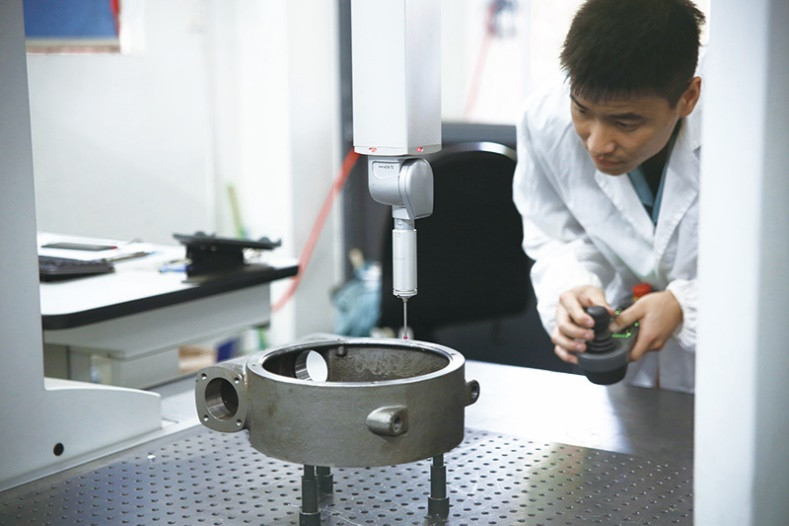
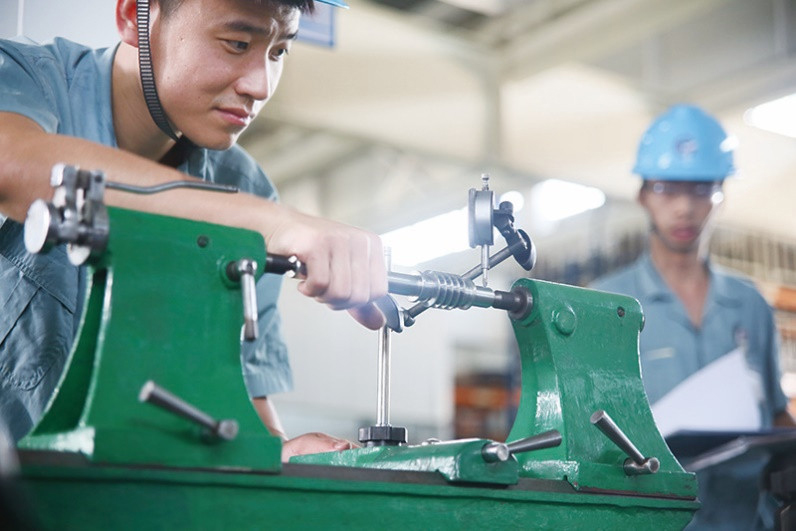
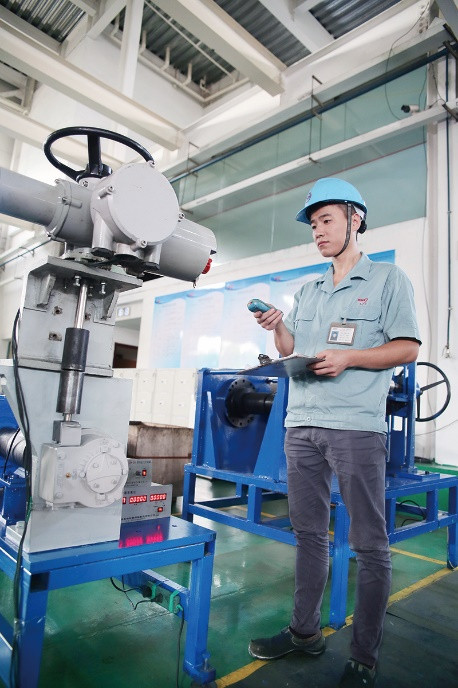
Operational safety is paramount. Our Quality Control program is integrated into every phase of production. All castings undergo ultrasonic and magnetic particle testing to identify internal material flaws. Machined components are checked via CMM (Coordinate Measuring Machines) to ensure micro-dimensional conformity. Completed gear assemblies undergo rigorous pressure tests, cycle life validation, and high-torque threshold inspections to ensure 100% reliability prior to shipment.
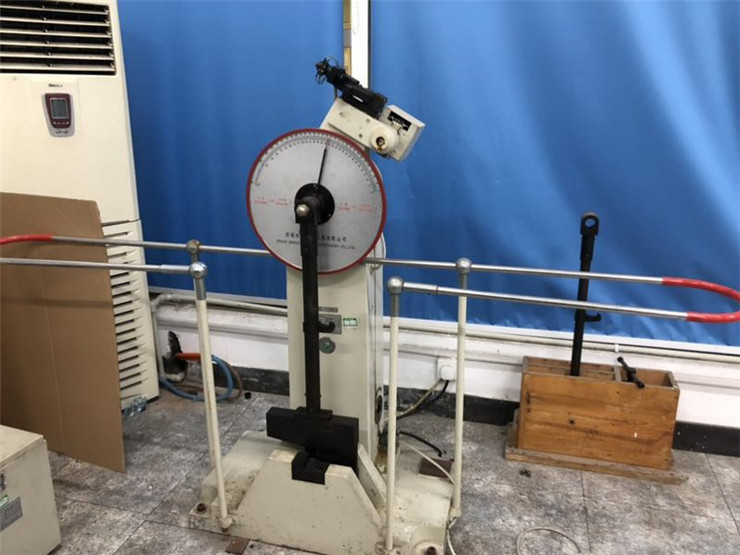
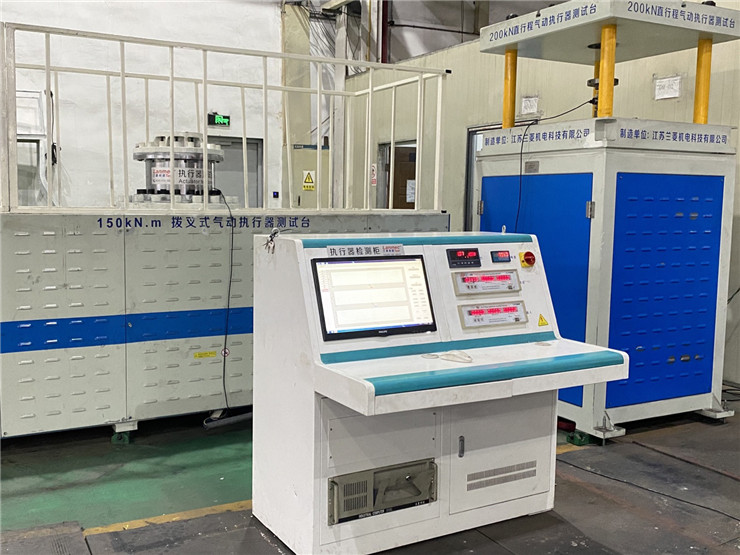
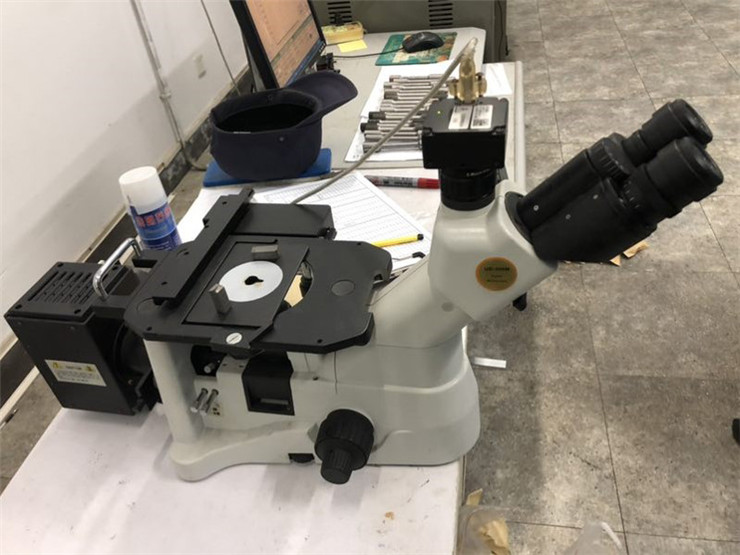
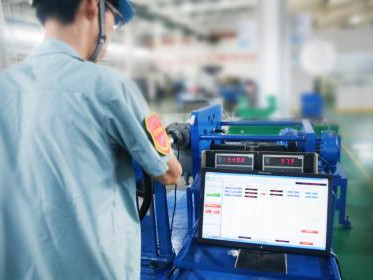
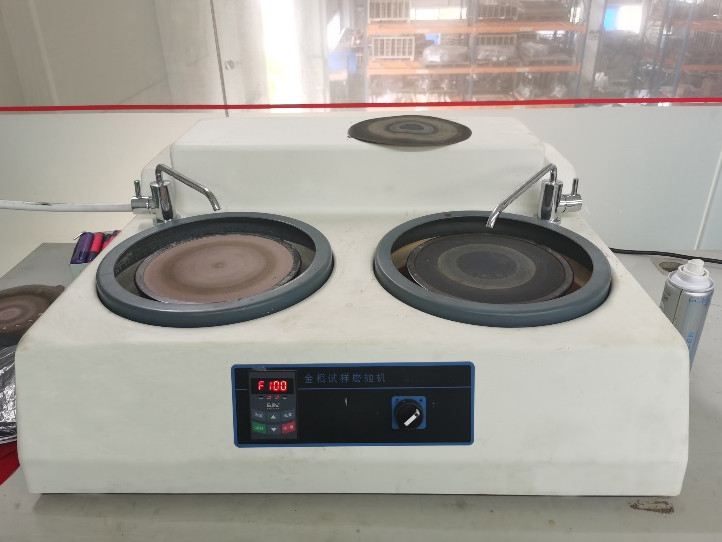
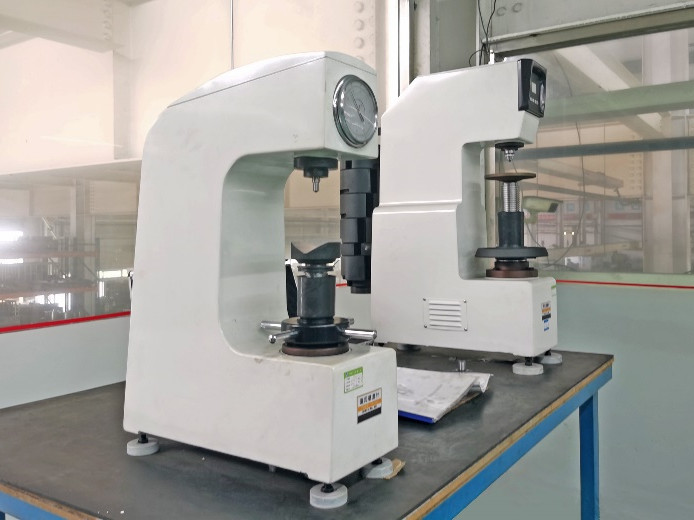
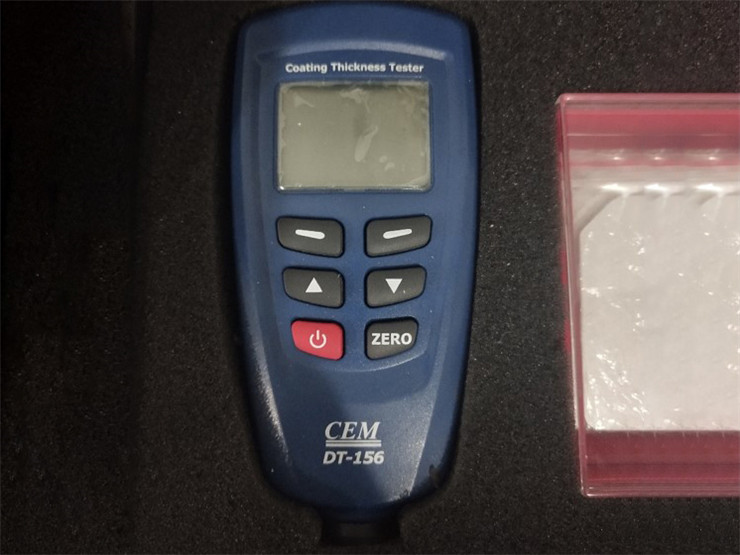
Stard-gears supplies solutions for demanding applications where failure is not an option. Our multi-turn and quarter-turn gear systems operate reliably across major industrial sectors worldwide:
Get immediate technical clarity regarding OEM selection, gear performance metrics, and localization compliance requirements.
Browse additional high-efficiency aluminum alloy gearboxes, cast iron quarter-turn gear operators, and custom underground pipe valve gearboxes.