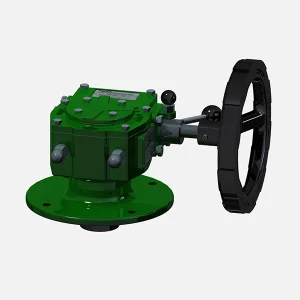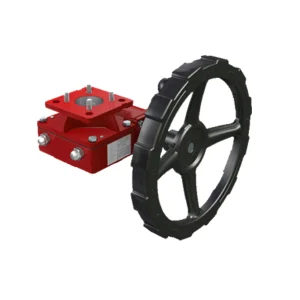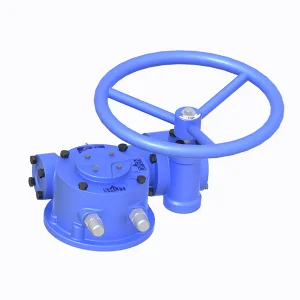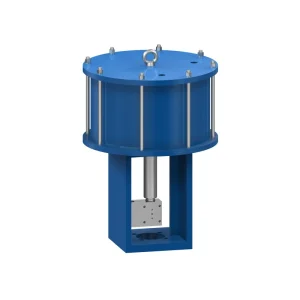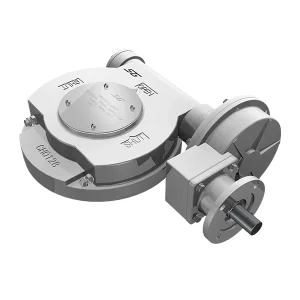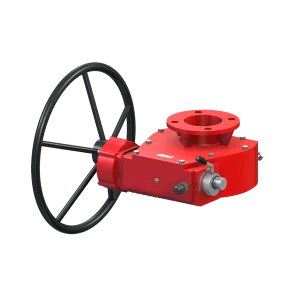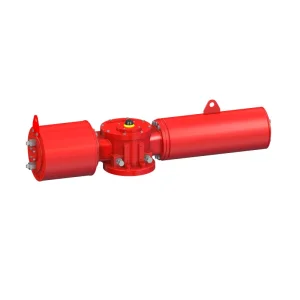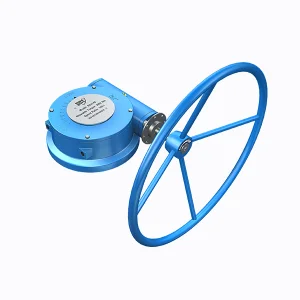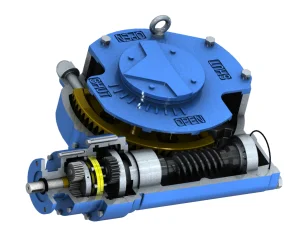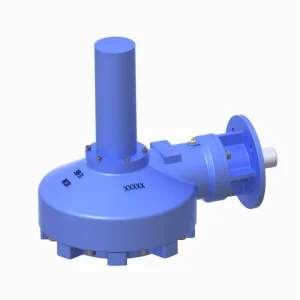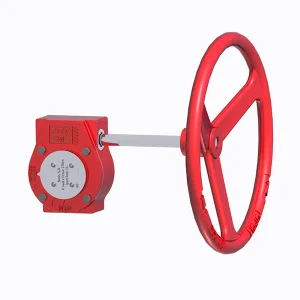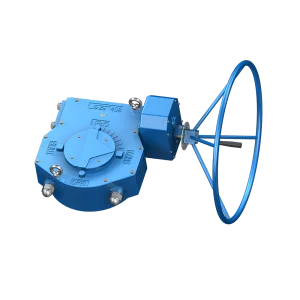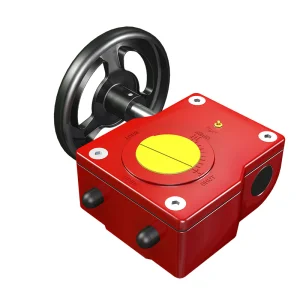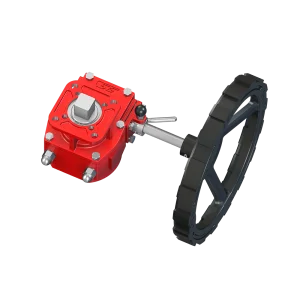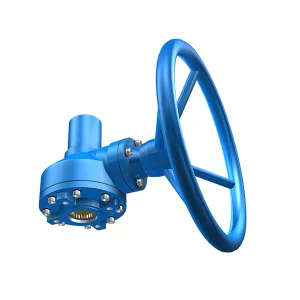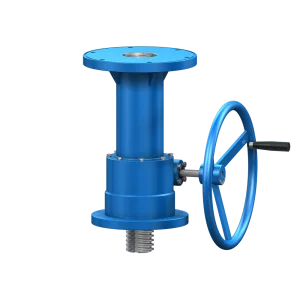
Discover our top-tier engineering lineup certified to meet rigorous global standards, engineered for precise torque transmission and lifetime durability.
Cast iron (grey iron, ASTM A126 Class B, or ductile iron ASTM A536) serves as the primary structural casing material for high-torque industrial valve manual gearboxes. Its natural shock-absorption and robust dimensional stability prevent structural deformations under seismic or thermal stresses.
In modern municipal systems, oil pipelines, and chemical refineries, gear operators operate under demanding outdoor or submerged environments. Grey cast iron provides optimal vibration damping, extending the life cycle of the inner gears by maintaining alignment and decreasing backlash.
Quarter-turn and multi-turn cast iron gearboxes act as the crucial link for operating butterfly, ball, and plug valves in high-stress lines, allowing manual override override in control failure scenarios.
Founded in 1999 and located in the advanced technology cluster of Suzhou Industrial Park, Stard-gears is a leading global provider specializing in valve control technology. Operating from an 8,900 m² modern production facility and a 2,500 m² collaborative design office, we have sustained an annual sales growth of 10%–20% by delivering robust OEM solutions.
Our strategic manufacturing location in the Yangtze River Delta ensures a seamless supply chain network, allowing us to source premium-grade raw castings, high-durability seals, and precise gear forgings locally. This translates directly to rapid manufacturing turnarounds, tight dimensional tolerances, and cost efficiencies for global purchasers.
Over the past decade, our custom-engineered gearboxes have been trusted by leading flow control operations in the United States, Italy, Germany, Mexico, Singapore, Japan, and other industrial regions.
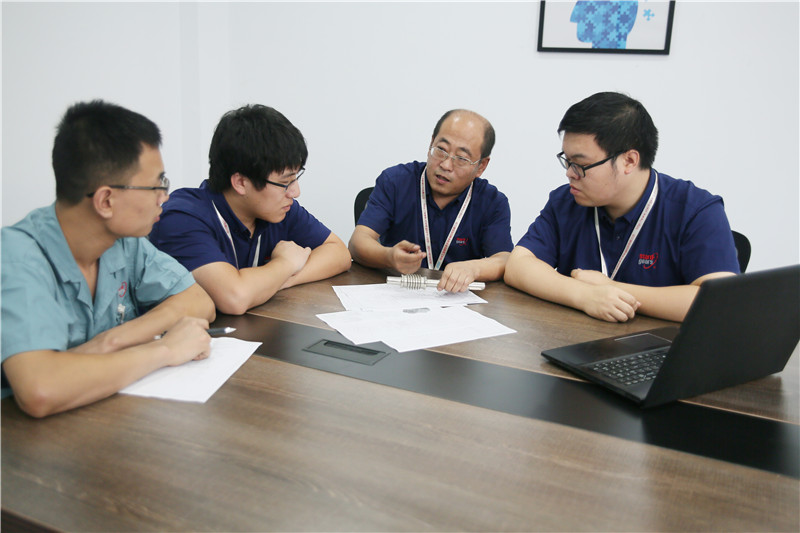
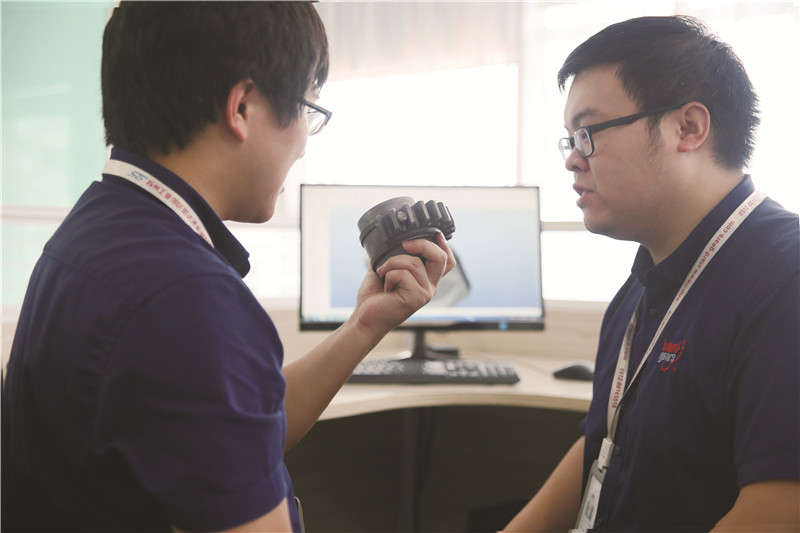
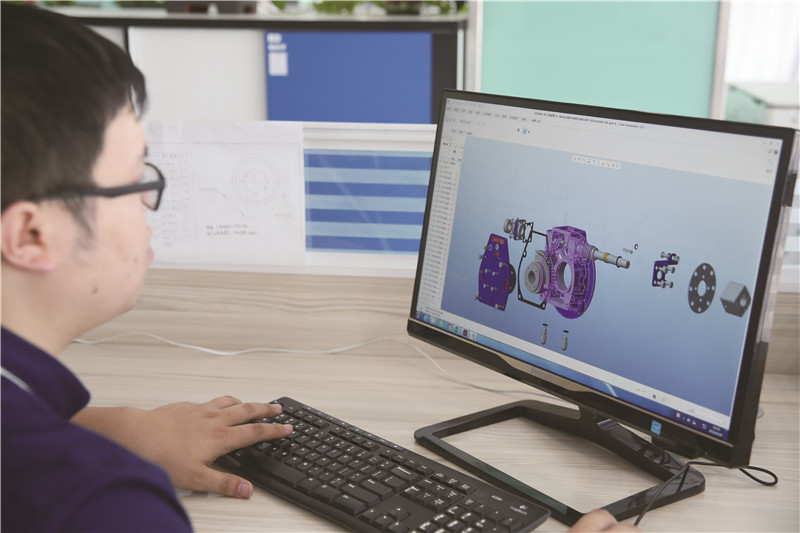
Before entering the physical foundry stage, Stard-gears' engineers employ comprehensive computer-aided styling and physical validation technologies. Through 3D solid modeling, dynamic mechanical simulation, and finite element analysis (FEA), we calculate strain propagation, torque stress fields, and potential fatigue points under overload conditions. This digital validation prevents shear failures in the worm gear tooth structures and ensures casing structural safety while keeping design cycles short.
To support global supply chains requiring just-in-time delivery, our manufacturing plant incorporates an enterprise ERP management system. This tracks each production run from the receipt of raw iron blanks to precise machining on CNC centers, gear grinding, seal integration, painting, assembly, and testing. Production tracking transparency ensures our domestic and international logistics run smoothly, preventing lead-time delays.
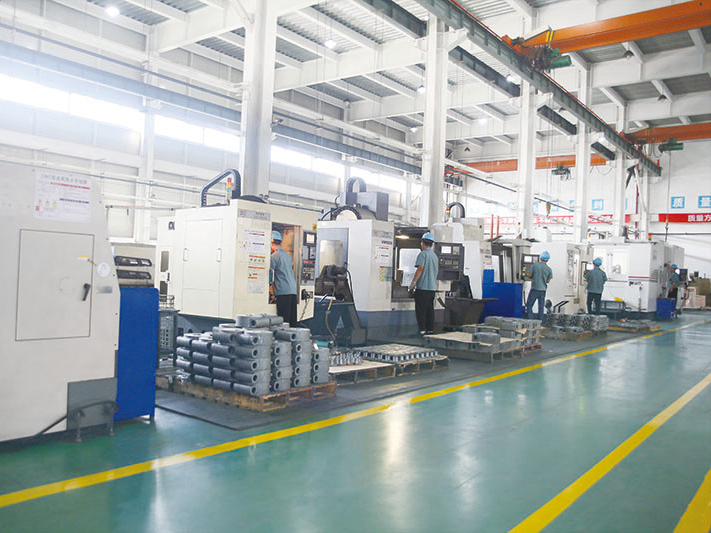
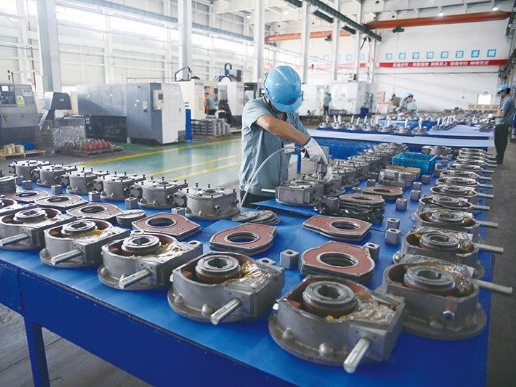
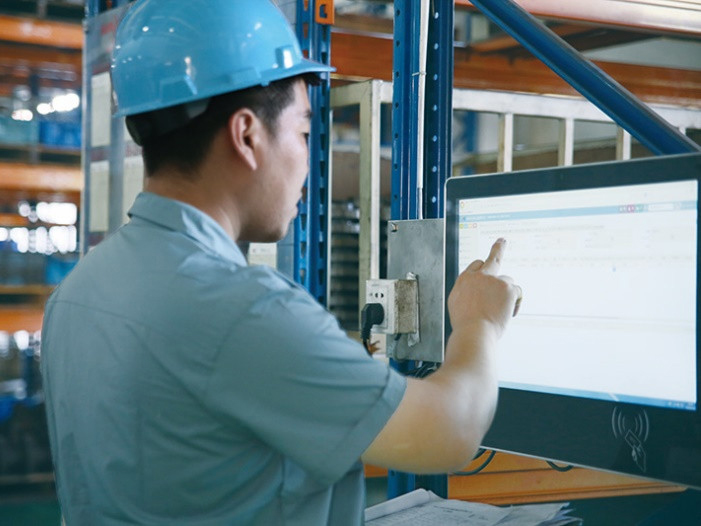
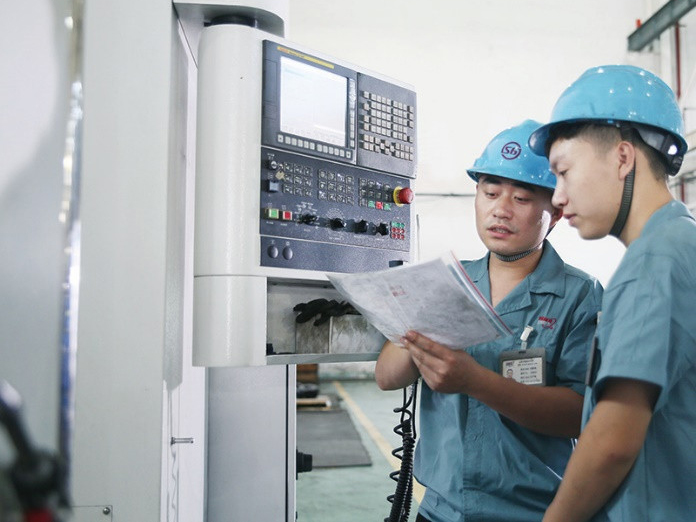
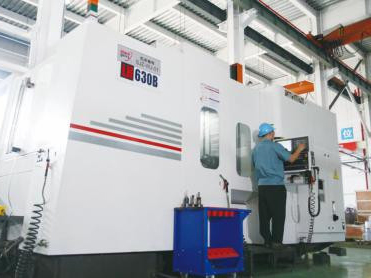
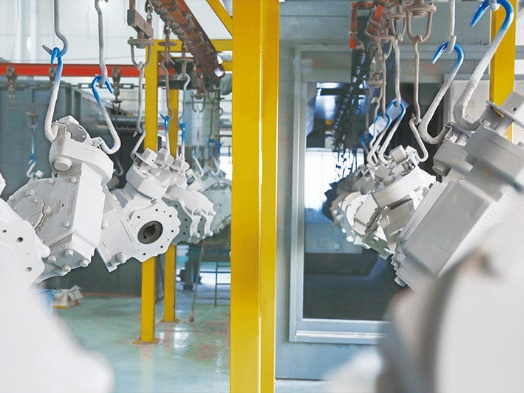
The annual manufacturing capacity of the Suzhou plant reaches up to 100,000 sets of manual actuator gear operators. Our systematic manufacturing workflow balances mass production with flexible custom design requests for oil refineries, water pipeline networks, and power distribution infrastructures worldwide.
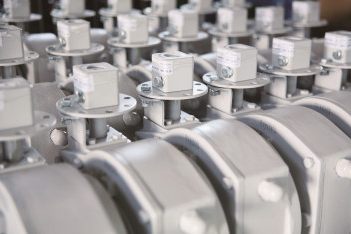
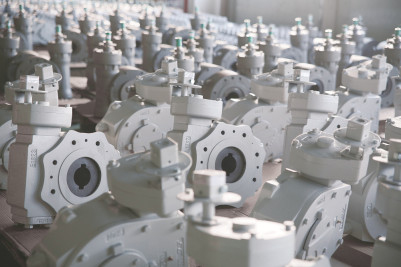
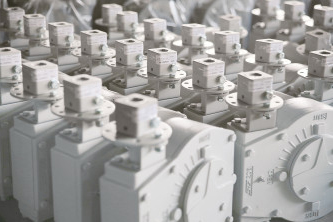
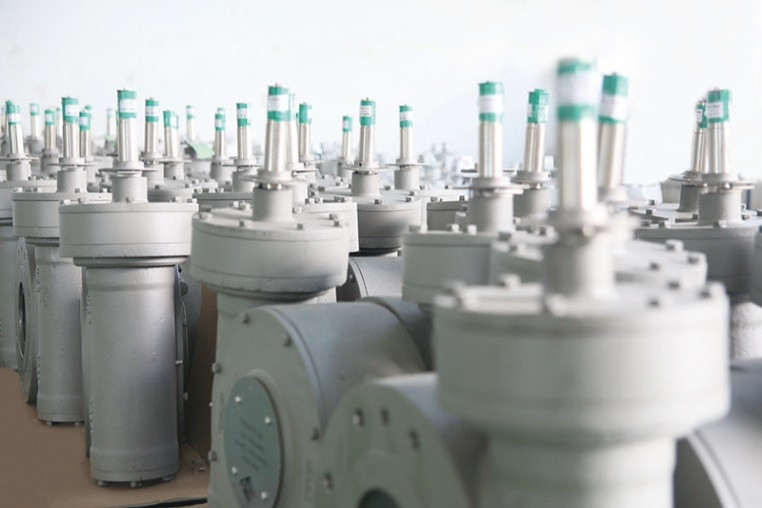
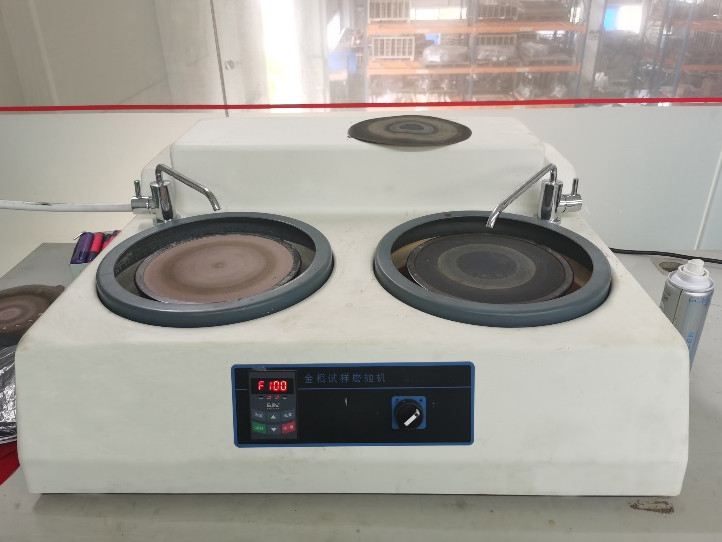
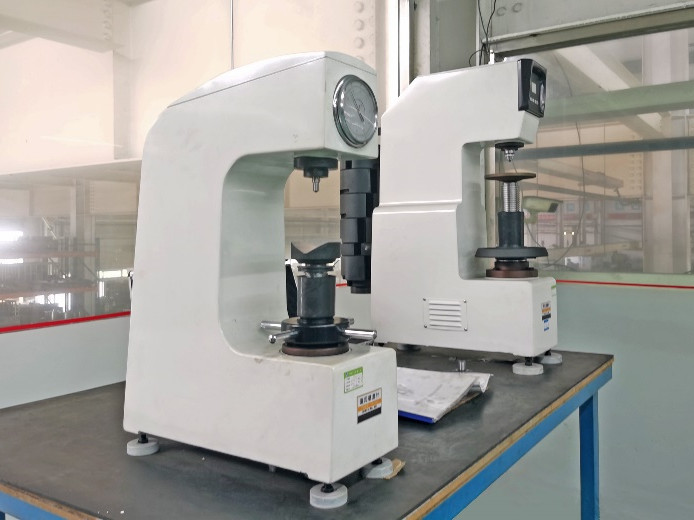
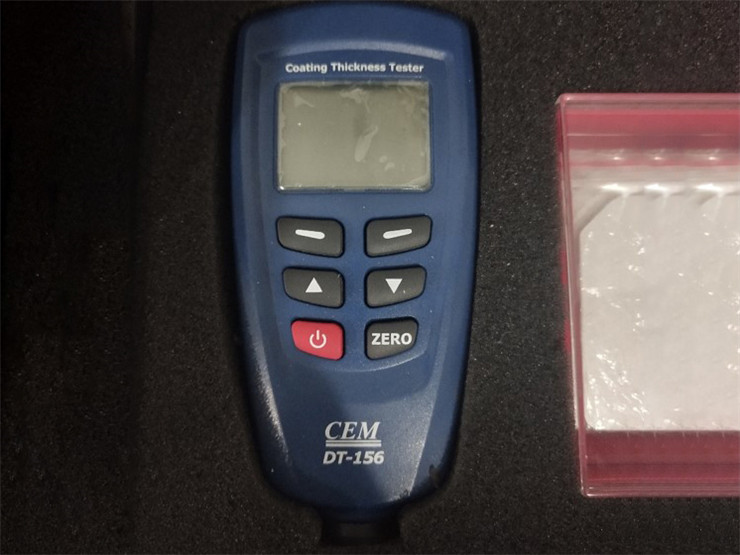
Quality control at Stard-gears is a continuous process spanning from incoming material analysis to finished product validation. By deploying full-time QC technicians at every production phase, we guarantee that all gearboxes leaving our facility are 100% qualified. Advanced analytical testing instruments verify housing thickness, gear hardness profiles, operating torque efficiency, and ingress protection seals.
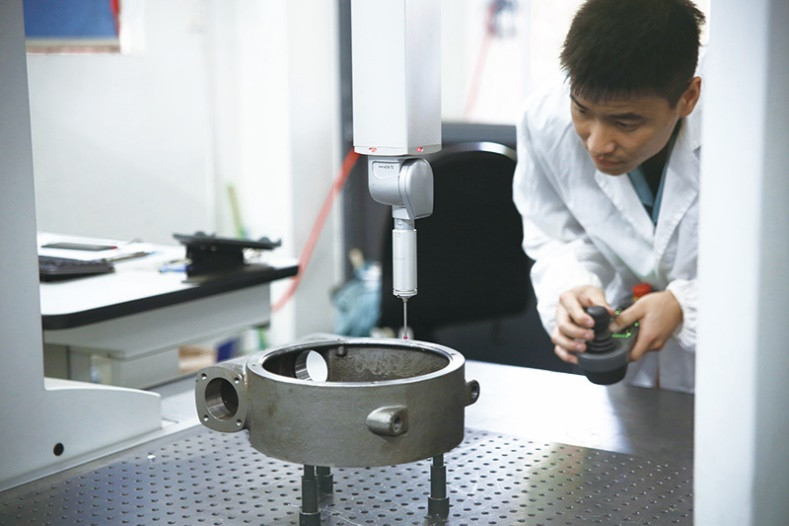
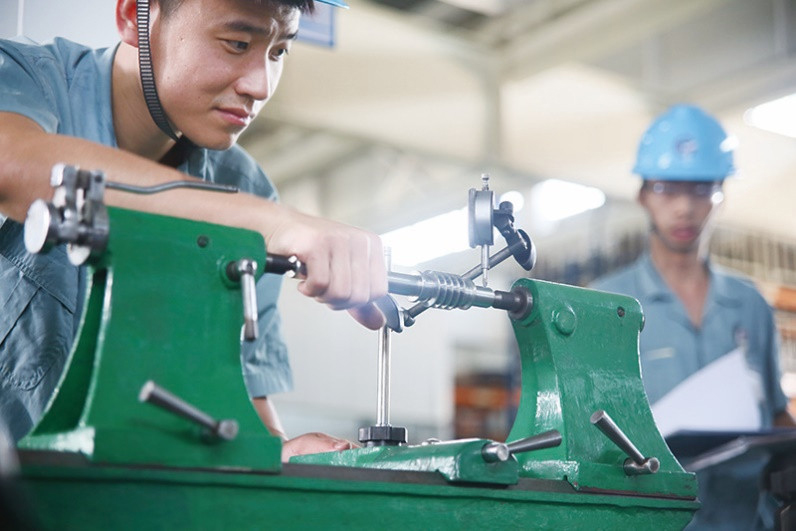
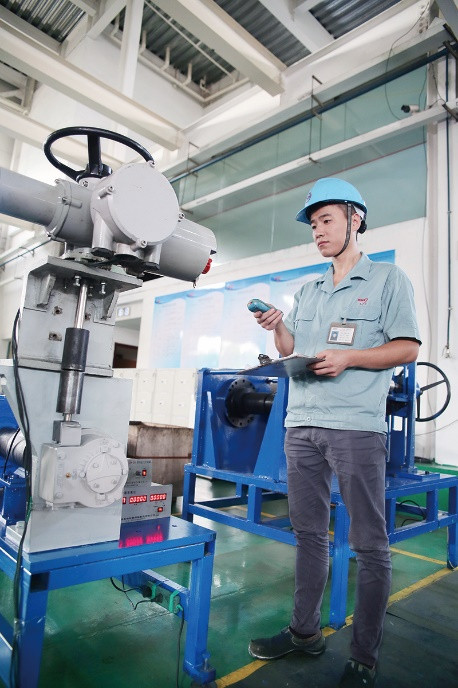
Our dedicated metrology lab measures operational fatigue life and torque limits to ensure compliance with standards like AWWA C504 and ISO 5211. Our testing program ensures manual overrides operate smoothly even after years of static installation in demanding environments.
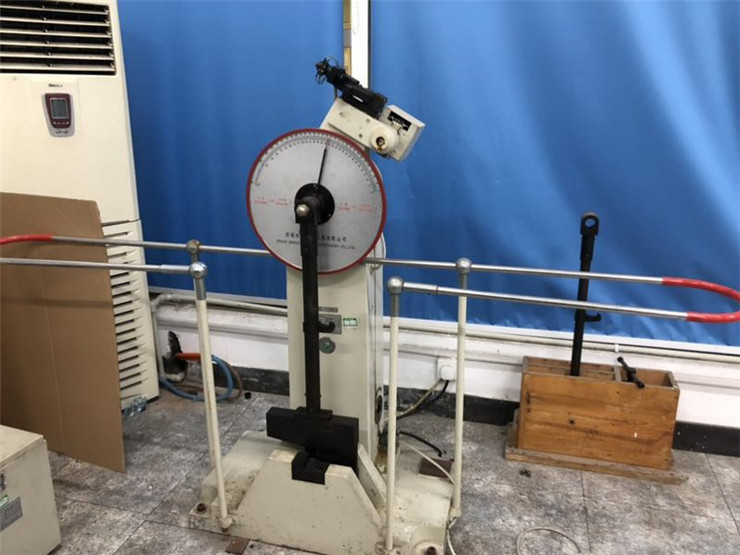
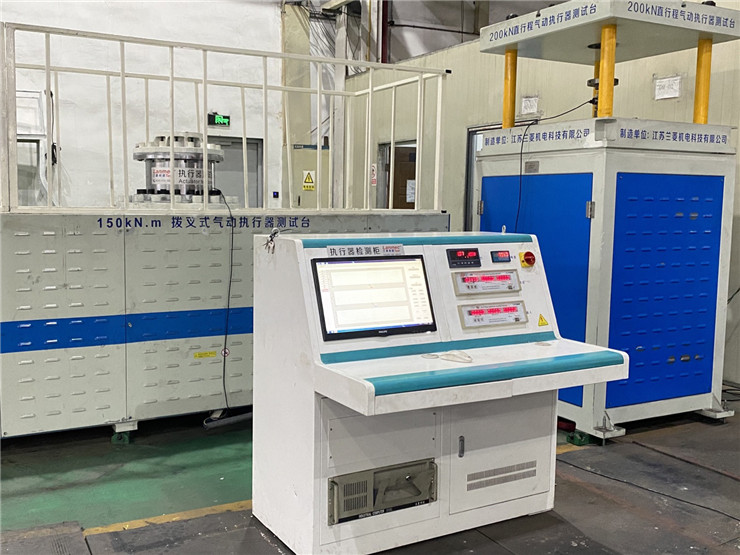
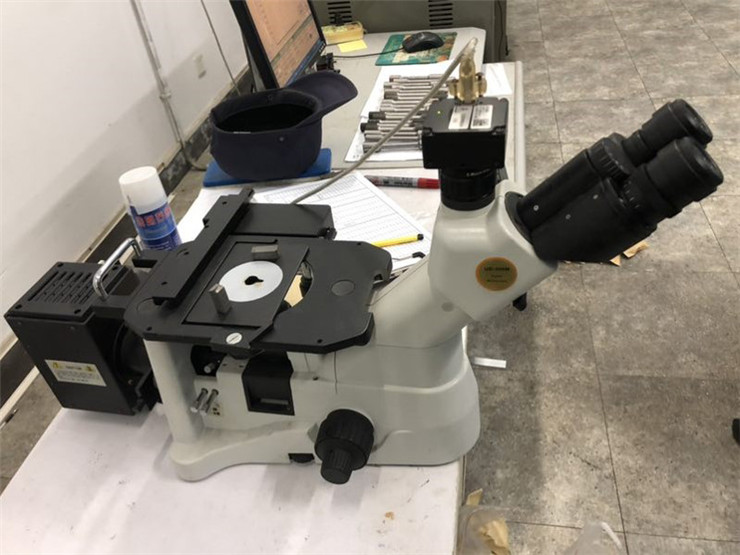
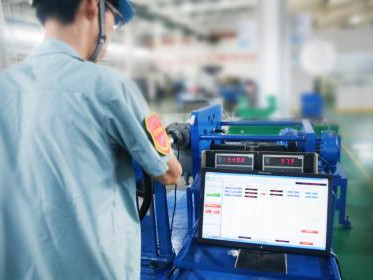
The Yangtze River Delta region is one of the world's most dense concentrations of industrial machinery production. Our location in Suzhou Industrial Park provides direct access to high-grade grey and ductile iron foundries, specialized heat-treatment hubs, and precision toolmakers.
By purchasing steel and cast iron from established local foundries, we minimize material composition variance. This ensures that every gear housing exhibits the exact tensile strength and elongation metrics specified in engineering drawings.
Our proximity to major logistics hubs and shipping ports in Shanghai and Ningbo allows us to export finished products with minimal transit delays. This speed ensures that EPC projects stay on schedule.
Suzhou is home to advanced universities and specialized research institutes. This allows us to maintain a design team capable of handling complex OEM customizations, including low-temperature service ratings and high-vibration seismic mounts.
Different industrial processes present unique challenges for manual gear operators. Our engineers match the casting metallurgy, internal gearing ratios, and sealing compounds to the specific demands of each operational environment.
Underground service and water treatment systems require long operational lifetimes under high humidity or direct burial conditions. Our buried service configurations use high-strength ductile iron housings, specialized grease fills, and double-O-ring IP68 shaft sealing to prevent groundwater entry.
Refinery and pipeline environments call for spark-resistant external components and fire-safe integrity. Our cast steel and ductile iron manual actuators comply with API specifications, utilizing secondary graphite stem seals and heavy-duty handwheels to withstand operating loads.
Centralized cooling and heating plants rely on butterfly and ball valves operated by space-efficient gearboxes. Our high-efficiency quarter-turn manual operators fit compact spaces while providing the mechanical advantage needed to actuate high-diameter valves.
Selecting the correct material for the gear housing is critical for long-term performance. The table below outlines the primary casting alloys used at our Suzhou manufacturing facility and their typical applications.
Sourcing valve gearboxes requires balancing key operational parameters. Our technical support team works directly with engineers to verify interface geometries and mechanical performance criteria:
Calculate the valve’s maximum breakaway torque, including safety margins. Match this against the gearbox's rated output torque, ensuring output capacity is not exceeded under peak pipeline pressures.
Verify structural flange details per ISO 5211 or MSS SP-101. Output shaft bore keyway dimensions must match the valve stem projection to prevent backlash or premature failure.
For outdoor installations, select IP67 minimum rated housings. For deep well burial or marine environments, specify IP68 watertight enclosures along with special marine-grade paints.
Ensure the force required on the handwheel does not exceed standard manual limits (e.g., 360 N maximum input pull). High mechanical ratios or spur gear helpers may be needed for large valves.
Find answers to common questions about valve gearboxes, mechanical engineering tolerances, and customization options.
Grey cast iron (GG25/Class B) offers excellent compressive strength and vibration damping, making it ideal for standard industrial environments. Ductile iron (GGG40/GGG50) contains nodular graphite, which provides higher tensile strength and ductility. This prevents cracking under shock loads, water hammer, or freezing conditions, making it the preferred choice for municipal water lines and offshore applications.
The mechanical advantage (MA) is the ratio of output torque to input torque. It is determined by the worm gear ratio (number of teeth on the gear wheel) and the handwheel radius, modified by the transmission efficiency (typically 30% to 45% for sliding worm-gear interfaces). Stard-gears provides detailed torque sheets for each model to assist with matching requirements.
Yes. For underground or buried installations, we offer IP68 certified gearboxes. These configurations use double radial shaft seals, fully sealed O-ring joints, and high-performance, non-biodegradable lubricants to prevent water ingress during prolonged submersion.
Yes. Our SB Series bevel gear operators and select quarter-turn models are designed with standard ISO 5211 input flanges. This allows them to interface with electric, pneumatic, or hydraulic actuators, acting as mechanical gear reducers for automated systems.
Our standard units are treated with a corrosion-resistant epoxy primer and a polyurethane finish coat. For harsh offshore marine settings or chemical plants, we offer customized coating systems that meet C5-M specifications to prevent atmospheric oxidation.
Explore our full line of manual overrides, alloy housings, and specialized bevel configurations engineered to fit standard ISO dimensions.