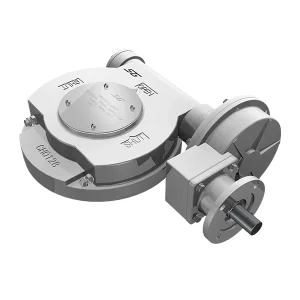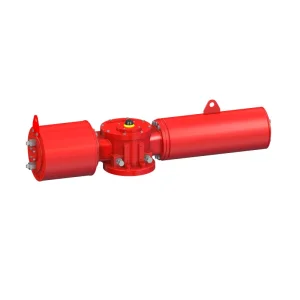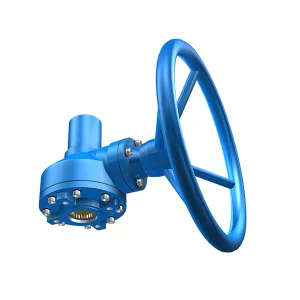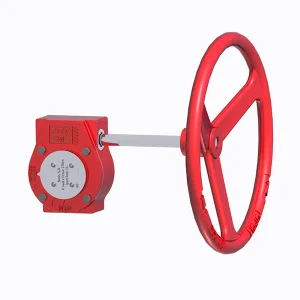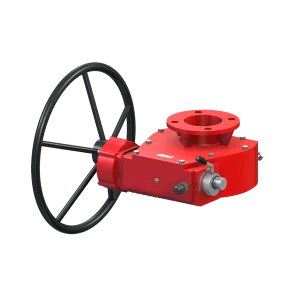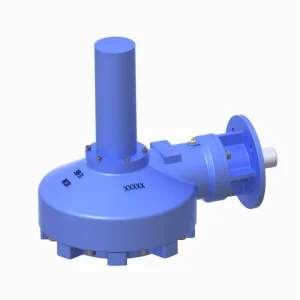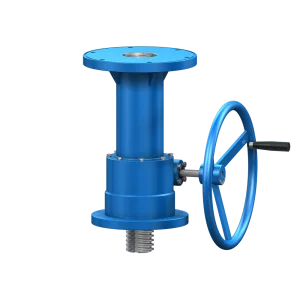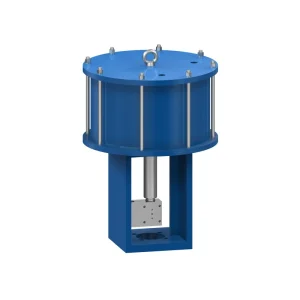
Explore our premium range of OEM/ODM quarter-turn manual operators, pneumatic overrides, and customizable high-efficiency gearboxes optimized for severe industrial environments.
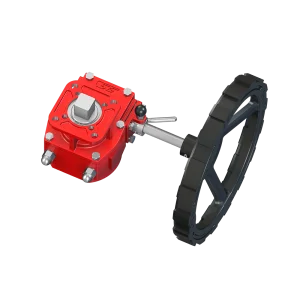
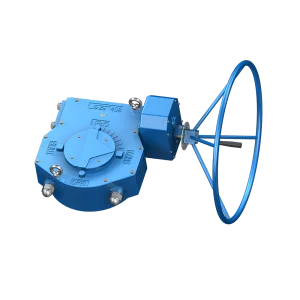
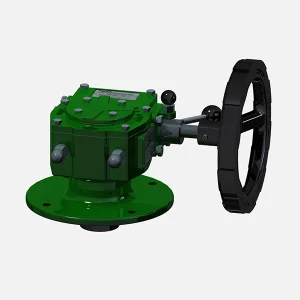
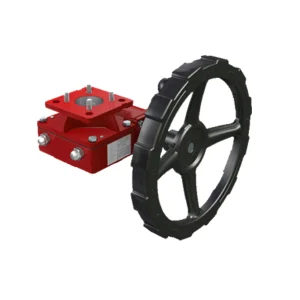
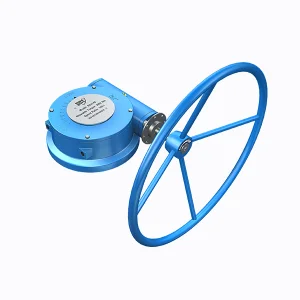
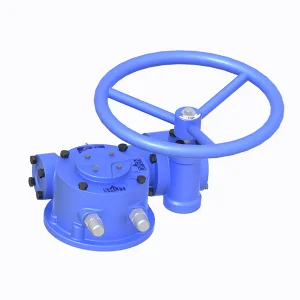
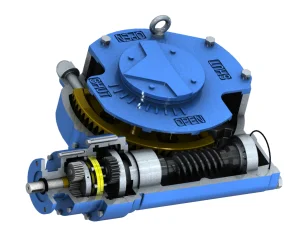
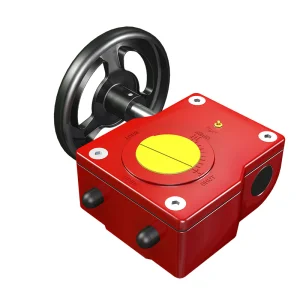
In high-altitude piping configurations, overhead racks, and hard-to-reach locations within industrial processing plants, direct manual operation of valves presents critical logistics and safety concerns. This is where the chain-operated butterfly valve becomes an indispensable mechanical asset. By coupling a heavy-duty quarter-turn worm gear operator with an integrated chainwheel, engineers and operators can accurately regulate fluid flow from safe ground-level environments.
Stard-gears, established in 1999 in the Suzhou Industrial Park, has engineered and manufactured precision valve actuators and control gearboxes for over two decades. Over this period, we have developed deep domain expertise in designing gearboxes that support high torque output, smooth mechanical advantage, and long-term environmental protection.
When selecting a chainwheel manual override or a chain-operated gearbox, engineers must analyze key parameters to prevent failure and ensure smooth operation:
Founded in 1999, Stard-gears is strategically located in the Suzhou Industrial Park, one of China's most advanced high-tech industrial clusters. Our state-of-the-art facility encompasses a 8,900 m² manufacturing plant and 2,500 m² of dedicated engineering and administrative office space.
Over more than 25 years of specialized manufacturing experience serving global industrial sectors, our annual sales have reached $7,000,000, maintaining a consistent year-on-year growth rate of 10% to 20%. Backed by rigorous ISO9001 quality management systems, our annual output capability exceeds 100,000 sets, with the absolute maximum plant output capacity valued at $9,000,000.
Stard-gears operates as a modern developer integrating R&D, precision production, global sales, and trade. We support a wide spectrum of critical industries, including oil and gas, chemical processing, municipal water distribution, natural gas transmission, and nuclear power generation.
Our position in Suzhou within the Yangtze River Delta ensures robust supply chain management, from primary foundry casting sourcing to advanced thermal machining processes. This proximity ensures shorter lead times, exceptional product quality, and cost advantages.
Using 3D computer-aided design (CAD), dynamic simulation, and Finite Element Analysis (FEA), our engineering team virtually validates mechanical structures before casting to optimize strength and efficiency.
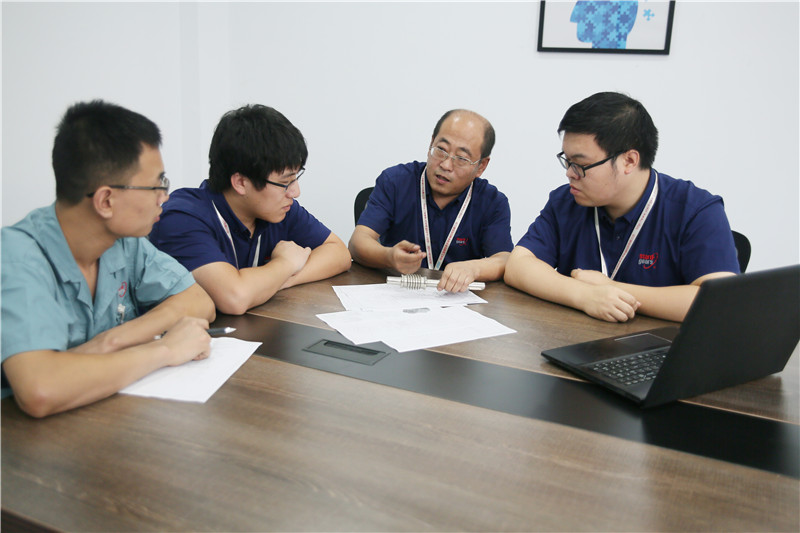 Program Communication
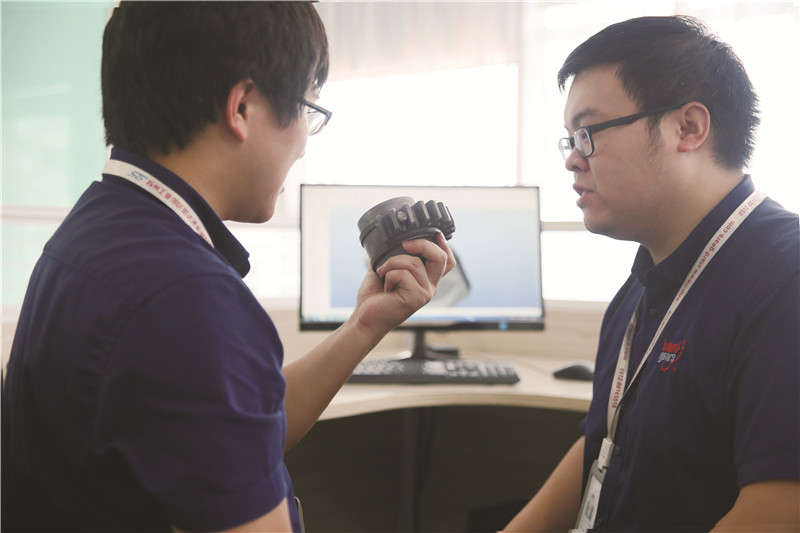 Design Communication
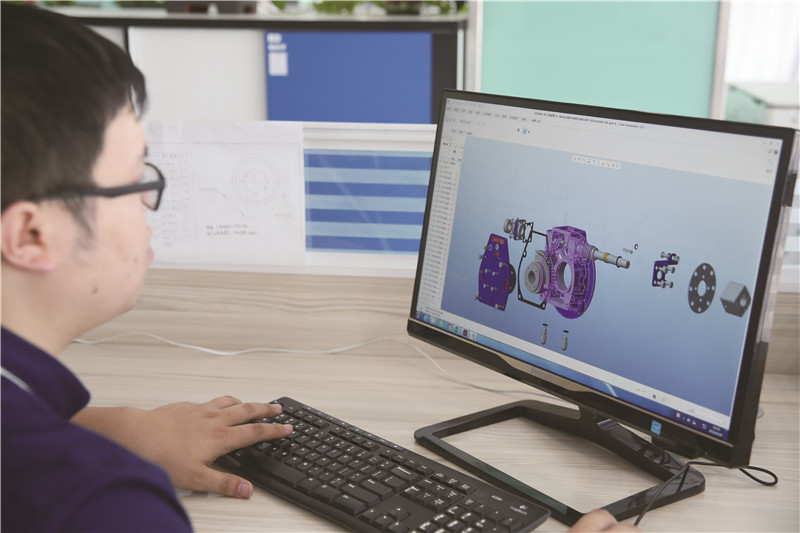 Design Drawing
This virtual modeling methodology dramatically shortens the development cycle for customized gear operators. By testing material yield strengths under extreme torsional conditions, we minimize casting material excess while maximizing structural integrity, ensuring that final assemblies are certified for harsh oil & gas and high-pressure water systems.
Our manufacturing execution system (MES) integrated with advanced ERP ensures that every order, raw casting purchase, machining schedule, and finishing cycle is monitored in real-time.
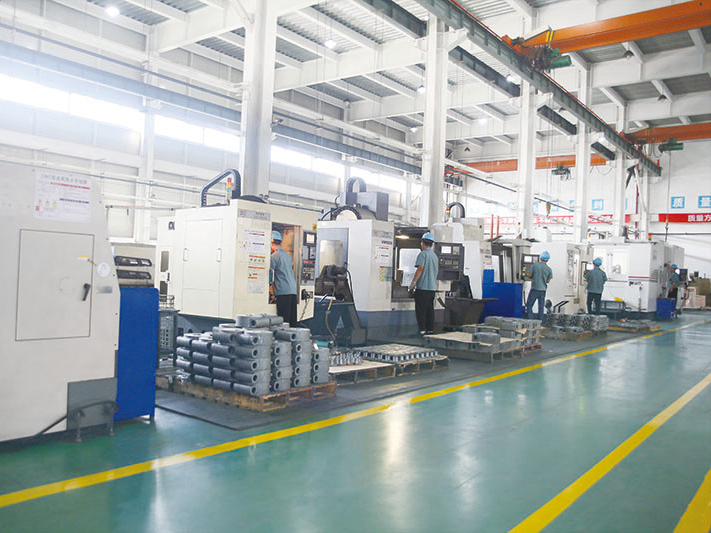
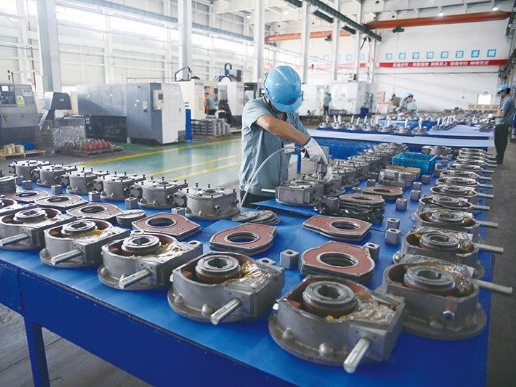
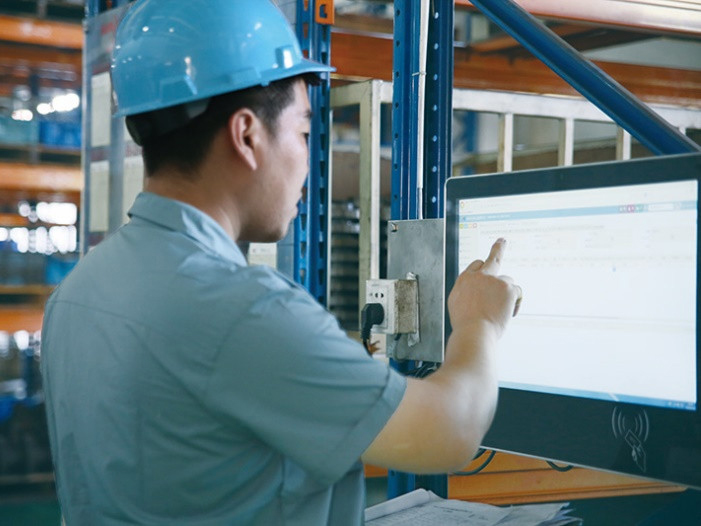
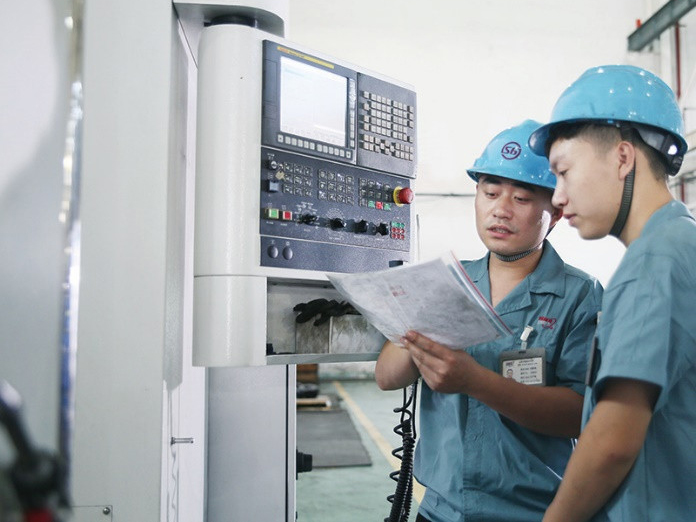
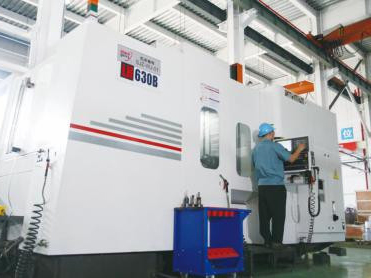
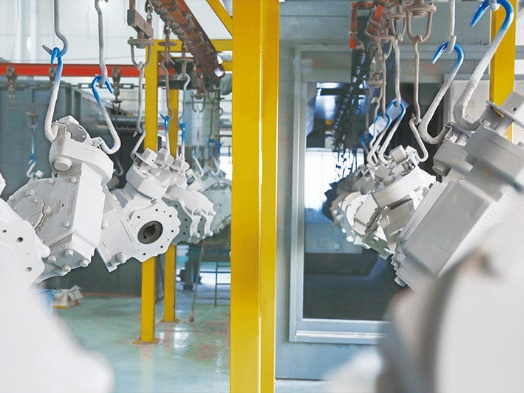
Located in Suzhou, we draw materials from top regional foundries, ensuring zero-defect cast housings (ductile iron, carbon steel, and specialty alloys) with consistent physical properties.
Every step, from casting preparation, worm shaft fine-grinding, tooth-cutting, to paint curing, is monitored to guarantee dynamic lead-time visibility for global clients.
Our machinists and assembly technicians possess over 15 years of industry experience, validating tooth engagement geometry and shaft alignment tolerances manually and via coordinate measuring machines.
Our automated production facilities handle fast turnarounds for high-volume distributions as well as engineered custom orders.
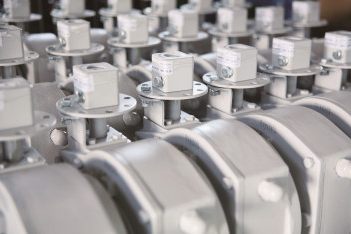
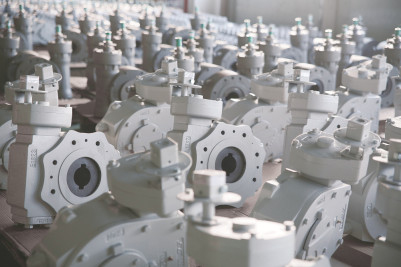
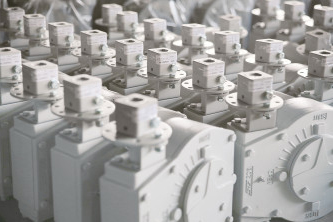
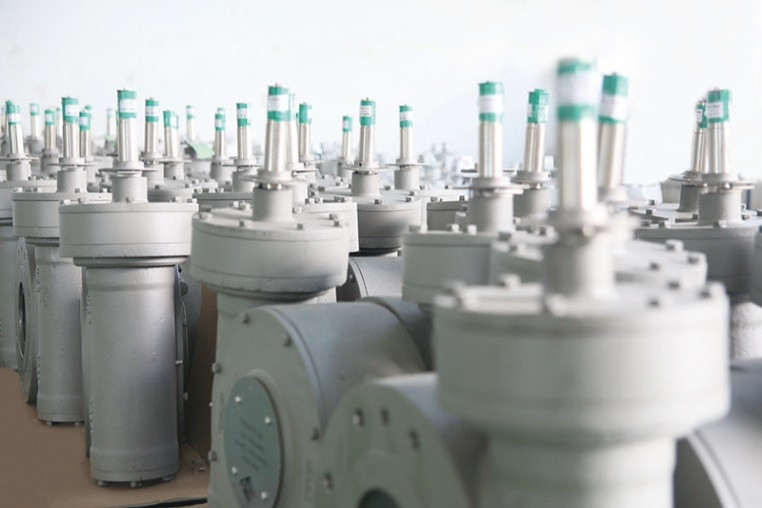
With an annual capacity of 100,000 sets and a regional logistical network, we deliver large batches of gear operators to worldwide OEMs within standard delivery windows.
Quality at Stard-gears is a systematic protocol rather than a post-production check. Stard-gears has established dedicated full-time QC monitoring posts at every manufacturing phase: incoming raw materials (IQC), in-process control (IPQC), and final out-of-factory checking (FQC). This ensures a 100% qualification rate before shipment.
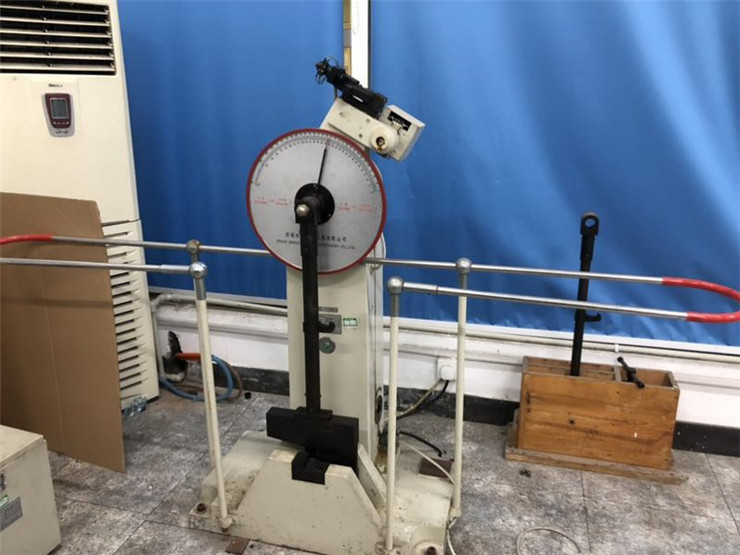
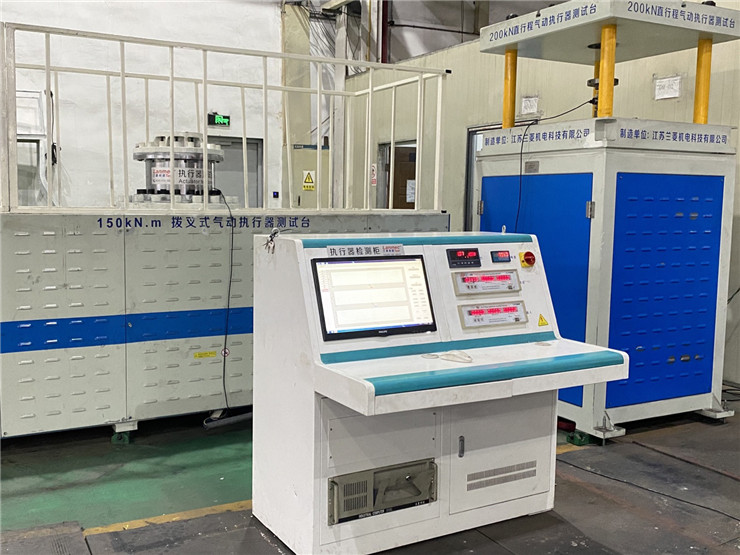
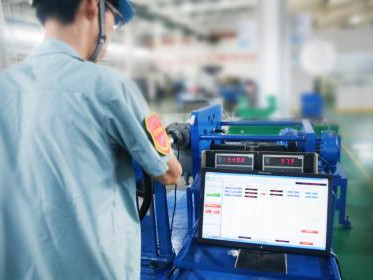
We deploy high-precision testing instruments to test core mechanical properties. This includes verifying mechanical torque ranges, gear backlash tolerances, and conducting continuous cycle-life testing under full load to confirm our operators withstand tens of thousands of cycles without mechanical wear.
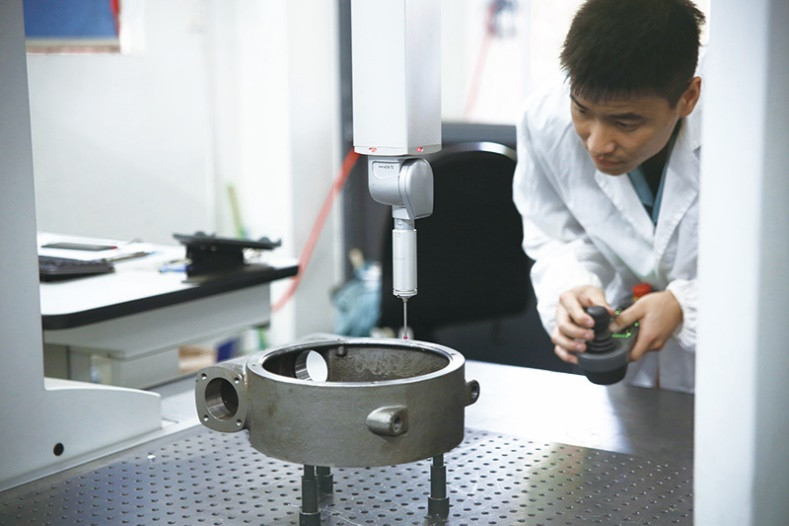
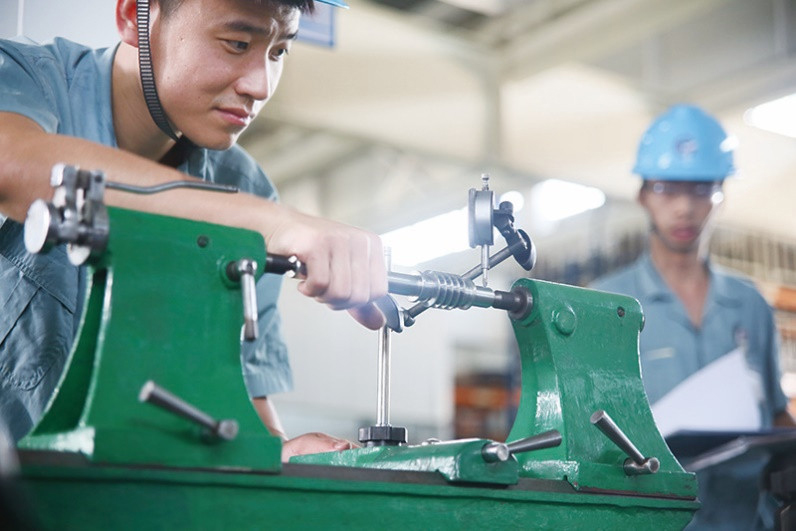
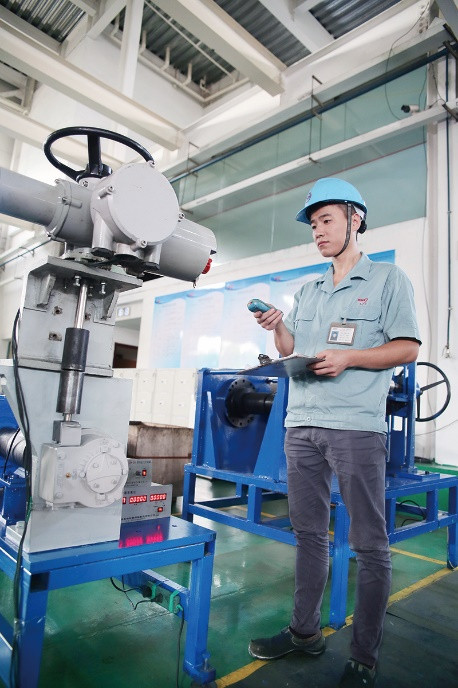
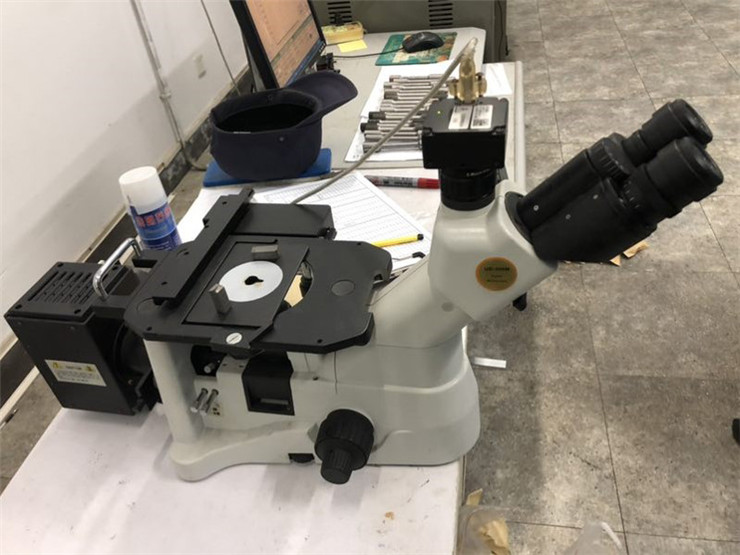
Our metrology laboratory houses a complete suite of physical and structural inspection tools. Our inspection equipment measures worm profile tolerances, tooth contact areas under stress, paint dry-film thickness (DFT), and housing porosity.
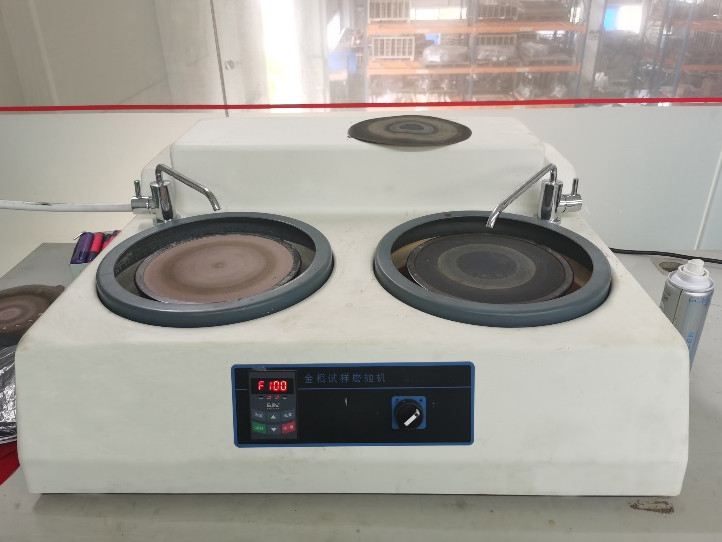
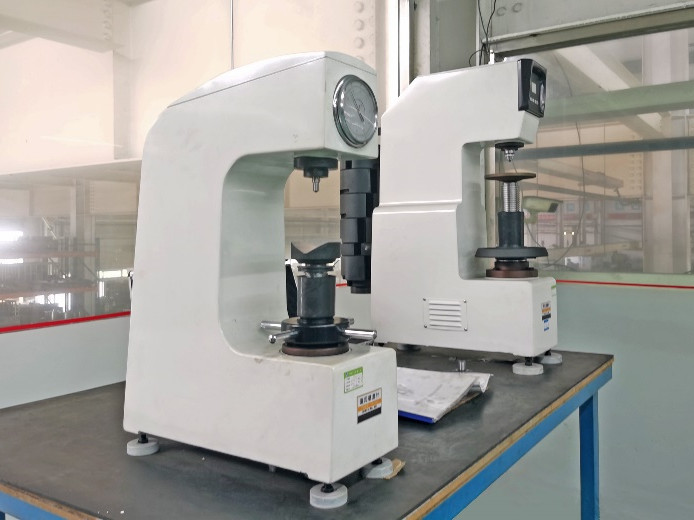
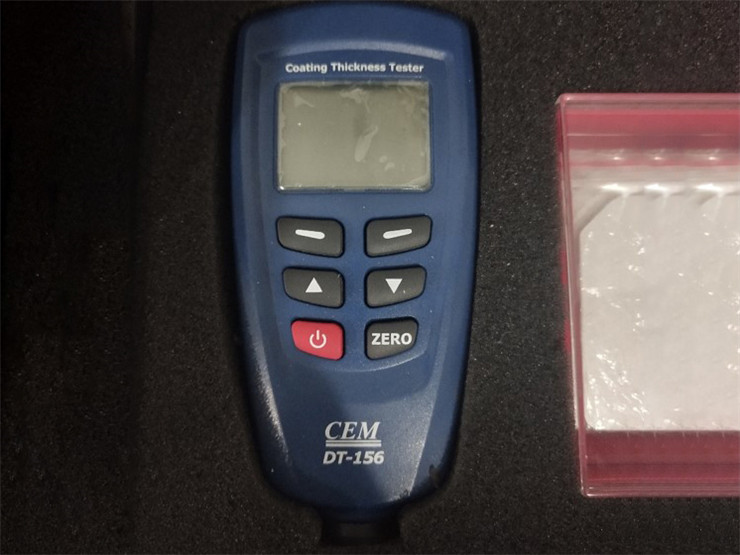
Operating a fluid control system requires strict adherence to environmental regulations and regional standards. Stard-gears ensures compliance for our gear operators and valve solutions across international markets:
Our gearboxes and overrides carry CE certification, demonstrating compliance with European safety, health, and environmental protection requirements (including PED 2014/68/EU guidelines).
All mechanical flanges and keyways conform to international valve patterns, including ISO 5211, MSS SP-101, and AWWA C504 standards, allowing direct drop-in integration.
For chemical and upstream petroleum infrastructure, we supply gearboxes with sour-gas trim options, carbon steel castings, and stainless steel hardware that prevent sulfide stress cracking.
To serve international engineering, procurement, and construction (EPC) contractors, we offer tailored localization support:
High-reliability manual overrides are required across various critical operations where automated control may fail or where manual regulation is required for safety protocols:
In water filtration plants, pumping stations, and large-diameter intake networks, valves are commonly mounted in elevated pipe galleries or overhead channels. Chainwheel operators allow technicians to adjust water distribution flows from floor level without requiring scaffolding or mobile platform lifts, improving site safety and operational efficiency.
In refineries and chemical plants, pipelines are routed overhead to maximize ground-level workspace. During maintenance shutdowns or emergency operations, operators pull the chainwheel to isolate segments, bypassing potentially failed electronic or pneumatic actuation lines.
Nuclear, coal-fired, and combined-cycle gas turbine power stations utilize massive cooling loops. These systems rely on high-performance butterfly valves fitted with high-ratio gearboxes to resist extreme hydraulic forces, ensuring controlled manual opening and closing cycles.
Commercial structures and district energy facilities route high-capacity chilled and hot water pipes directly below ceilings. Chain-operated gear systems allow building maintenance technicians to throttle and balance thermal energy loops from utility room floors.
Get answers to common technical, engineering, and procurement questions regarding chainwheel manual operators and valve automation.
A: The gear ratio is determined by balancing the valve's maximum seating/unseating torque (plus a safety factor, typically 1.25 to 1.5) against the maximum allowable pull force exerted by a human operator (generally standardized at 250 N to 350 N). The formula is: Gearbox Ratio = (Valve Torque × Safety Factor) / (Pull Force × Wheel Radius × Mechanical Efficiency). Our engineering team calculates this for every custom order to ensure operation without excessive manual exertion.
A: Declutchable gearboxes (such as our SLJ WCB series) allow for dual operation modes in automated systems. During normal operation, the gear is disengaged, allowing pneumatic or electric actuators to operate the valve without spin resistance. If power or air supply fails, the operator manually engages the clutch, enabling local chain or handwheel operation to manage the pipeline.
A: Yes. We design and manufacture direct-clamp and replacement-style chainwheel units. Standard manual handwheels can be replaced with a chainwheel guide hub mounted to the input shaft of our quarter-turn cast iron or aluminum alloy manual gearboxes, converting standard units into chain-operated systems.
A: Our chainwheels feature integrated cast-iron guide loops and guide arms. These mechanisms enclose the link chain as it enters and exits the sprocket wheel pockets, preventing the chain from slipping off or twisting, even during high-angle or high-velocity pulls.
A: For marine environments, we recommend utilizing aluminum-bronze or super duplex stainless steel discs and shafts, coupled with gearboxes housed in high-grade cast steel (WCB) or ductile iron. The gearbox housing should be protected with a multi-layer epoxy system, and internals must feature O-ring seals to prevent saltwater ingress.
A: By concentrating our production facilities in the Suzhou Industrial Park, we operate within a mature industrial supply chain. This reduces transportation costs for raw castings, simplifies outsourcing of specialist surface treatments, and provides access to advanced engineering talent, keeping production overhead low.
Explore our secondary lineup of scotch yoke actuators, bevel gear operators, electric partial-turn control gearboxes, and linear piston overrides built for performance.