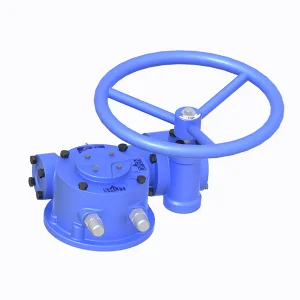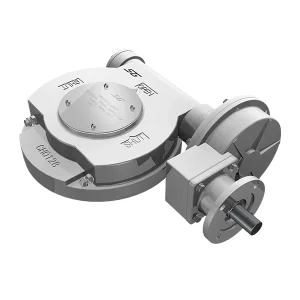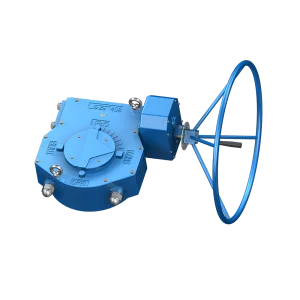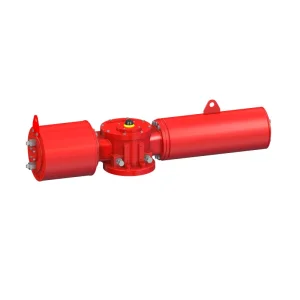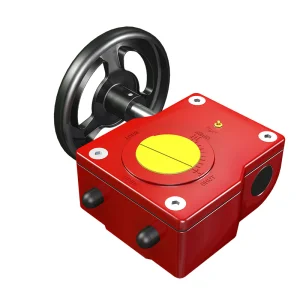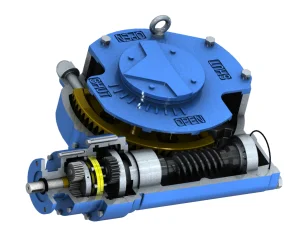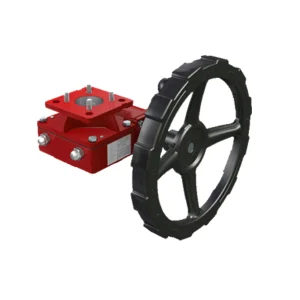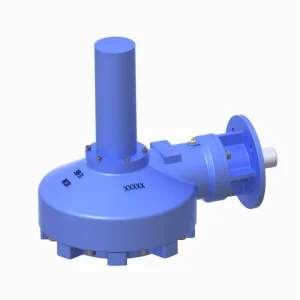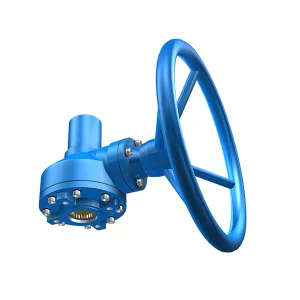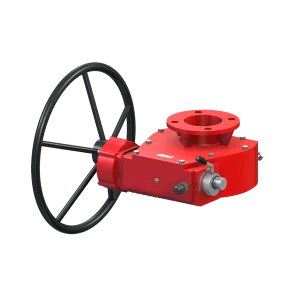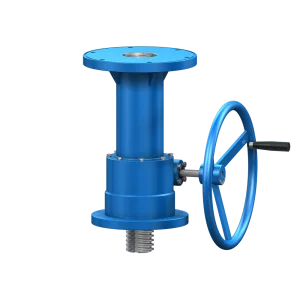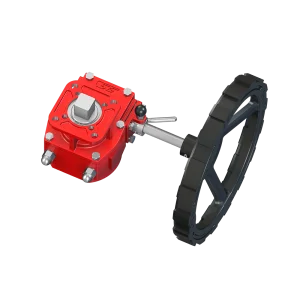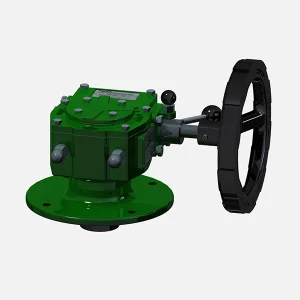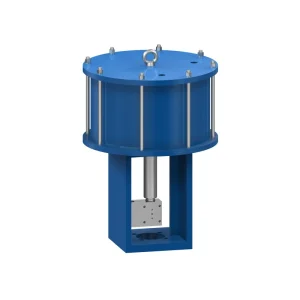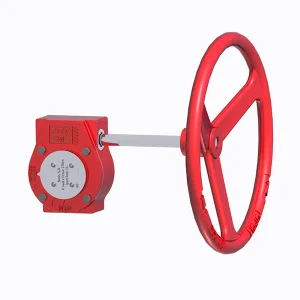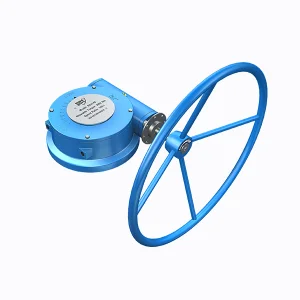
Engineered to exact OEM specifications, our heavy-duty valve actuators deliver reliable positioning in the most demanding environments globally.
In high-pressure piping networks, gate valves serve as critical isolation devices. Automation of these massive mechanical links requires precision torque delivery, robust environmental sealing, and fail-safe operations. Modern gate valve actuators must provide reliable linear or multi-turn thrust profiles to secure tight shutoff against differential pressures that can exceed hundreds of bars.
Whether executing standard maintenance isolation or critical emergency shutdowns, global processes demand engineering solutions that reduce friction loss, withstand seismic forces, and operate dependably across decades. Selecting an OEM partner with integrated engineering and foundry controls is the single most important factor in preventing catastrophic pipeline downtime.
Reliable gate valve actuation requires key design integrations:
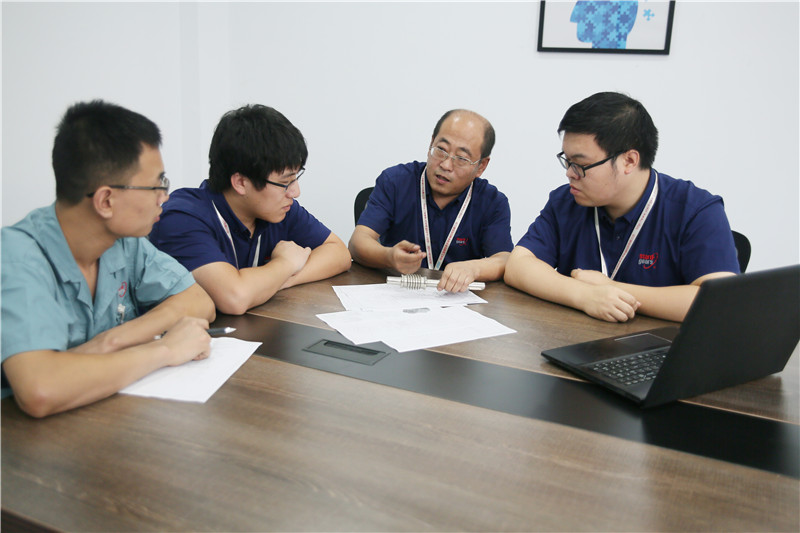
Stard Valve Control - Program Communication & Engineering Base
Founded in 1999 and strategically located in the Suzhou Industrial Park, Stard-gears occupies a modern production footprint with an 8,900㎡ plant and a 2,500㎡ corporate engineering office. With over 25 years of specialized domain expertise, we operate as a leading global provider specializing in high-performance valve control technologies.
Our annual production capacity routinely reaches 100,000 sets of actuators and gearboxes, generating annual sales of approximately $7,000,000 with a consistent year-on-year growth rate of 10% to 20%. Operating under a rigorous, certified ISO9001 quality management framework, we guarantee reliable solutions designed to withstand extreme fluid system dynamics.
By leveraging Suzhou’s mature Yangtze River Delta industrial cluster, we obtain high-grade raw casting feeds and premium domestic components, translating into significant supply chain efficiency, shorter lead times, and competitive price points without compromising on material thickness or tolerances.
The industrial sector is transitioning from simple mechanical actuation to smart, high-efficiency digital flow control platforms.
At Stard-gears, we understand that catastrophic valve failure is not an option. That is why our technical team relies on advanced 3D CAD simulation, kinetic modeling, and Finite Element Analysis (FEA).
By stressing digital duplicates under simulated water hammers, dynamic wind loads, and thermal pressure spikes, our engineers resolve potential mechanical design vulnerabilities before moving to physical production. This engineering pipeline shortens development timelines for bespoke configurations, lowers prototyping costs, and ensures structural casing integrity when operating in field installations.
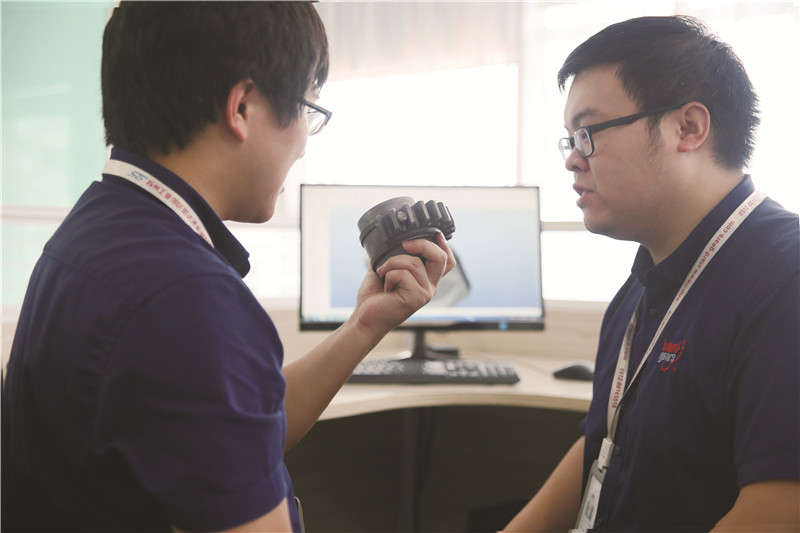
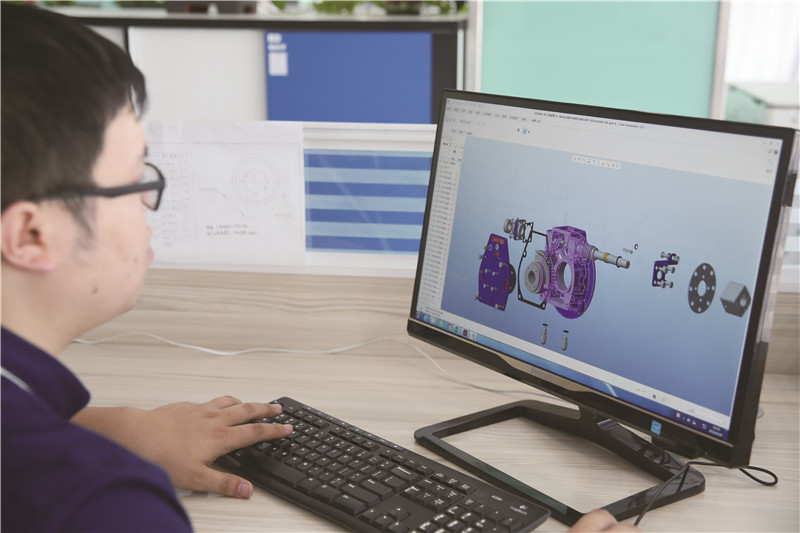
Every customized OEM actuator goes through our standardized validation workflow:
Stard Automation operates in a highly integrated ecosystem. Located in the Yangtze River Delta, our Suzhou plant benefits from a comprehensive raw casting supply network, precision tooling providers, and heat treatment facilities located within a 50-kilometer radius.
This regional concentration ensures stable production schedules and cost-efficiency. Additionally, we run a unified ERP management system. This enterprise platform logs raw casting arrivals, tracks gear-cutting tolerances, schedules test bench cycles, and monitors packaging dispatch.
By linking supply logistics directly with real-time operations, our clients benefit from reliable lead times, transparent shipping schedules, and the agility to modify specification configurations mid-project.
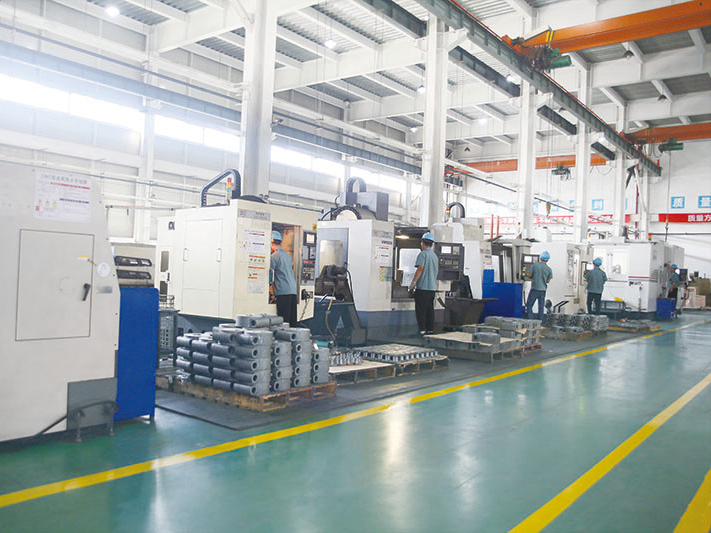
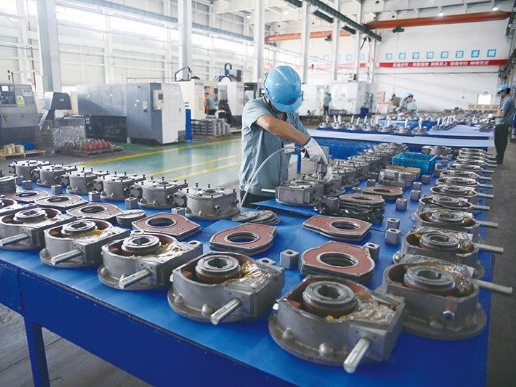
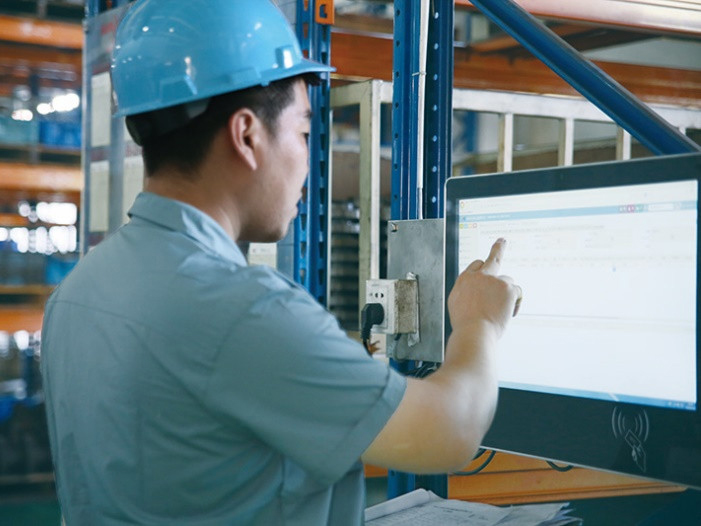
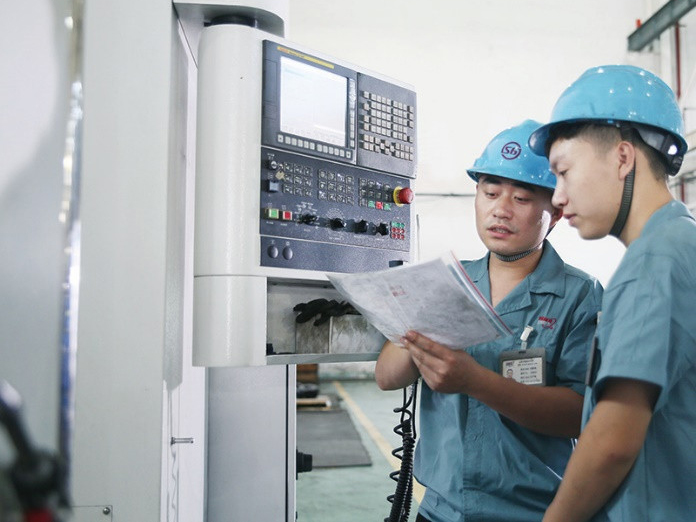
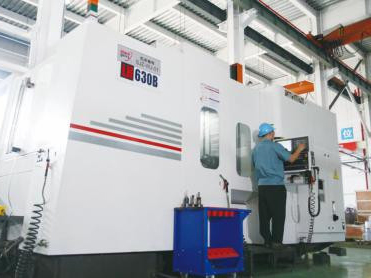
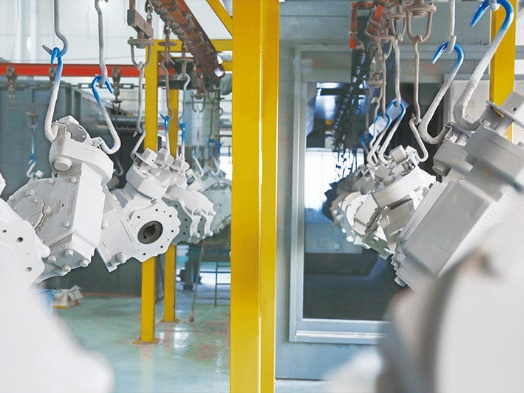
Real-time ERP-supervised production line and precision machining facilities at the Suzhou Plant.
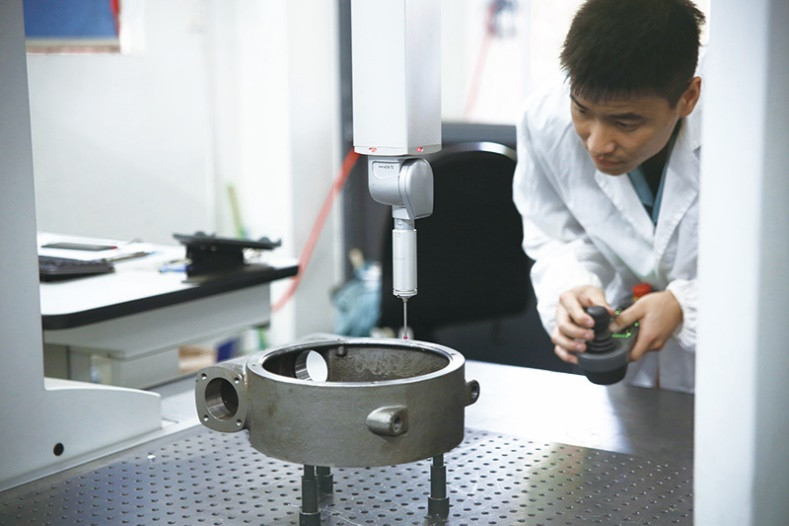
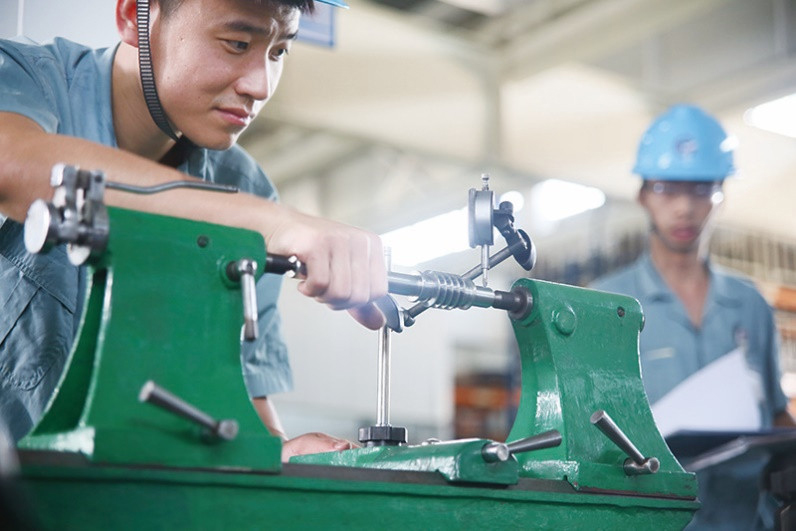
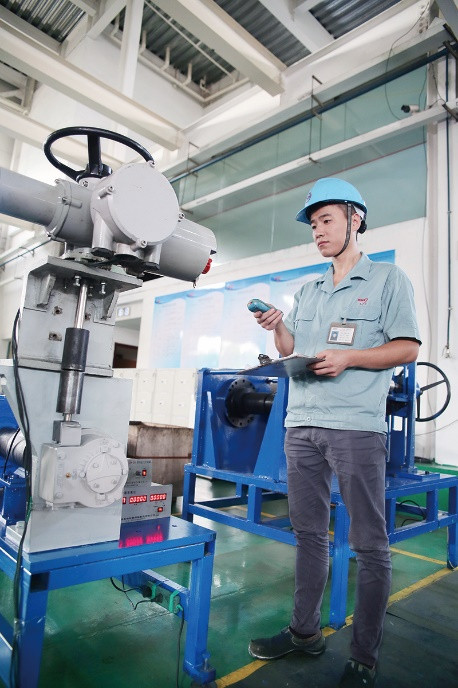
Incoming materials inspection, metallurgical examination, and dimension logging.
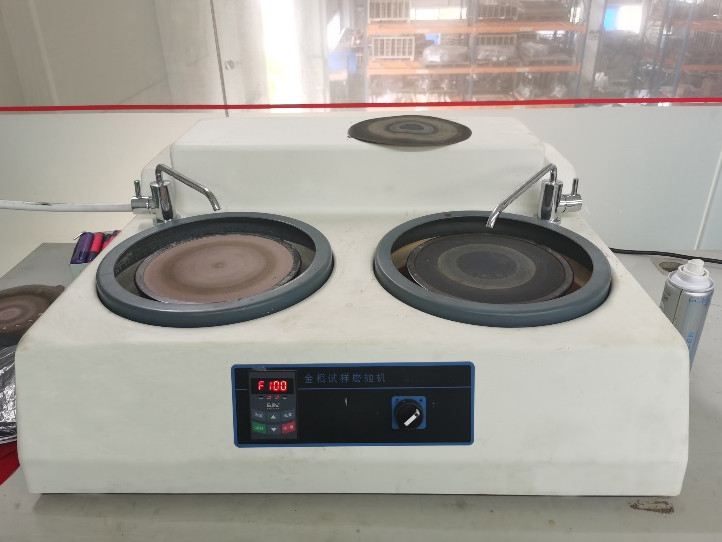
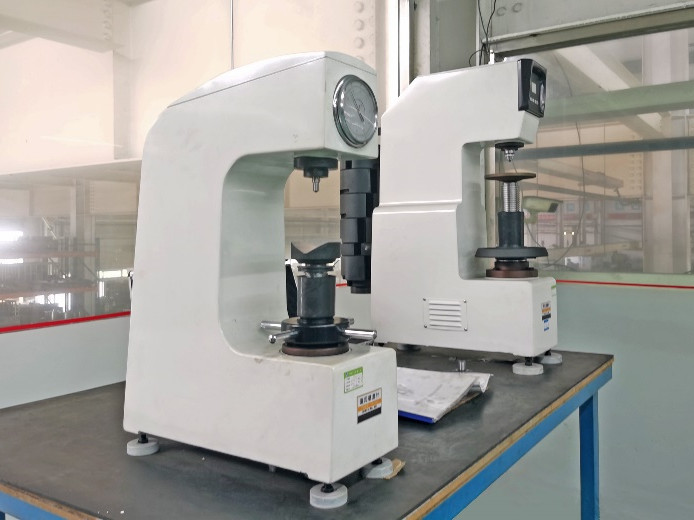
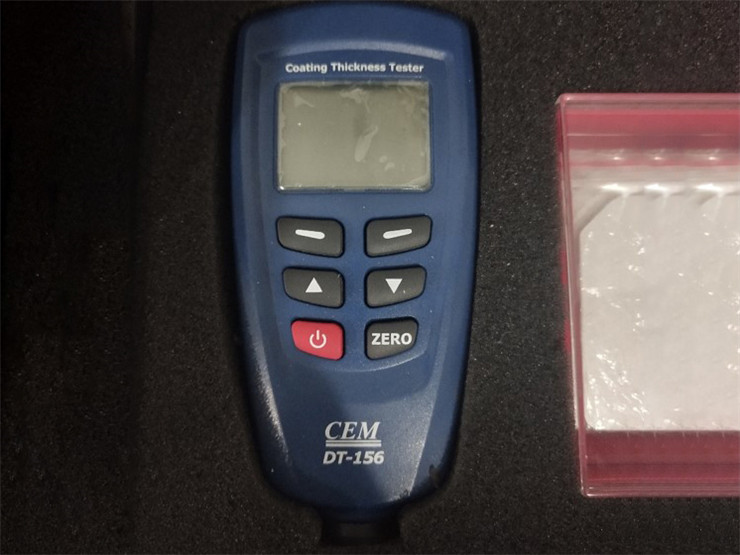
To maintain zero defect rates, Stard Automation deploys dedicated QA inspectors at every stage of production: incoming materials analysis, machining step controls, and final product load testing.
Every production batch undergoes structural material verification, dimensional layout testing, and critical seal assessments. Our testing department uses specialized torque calibrators and cyclical test rigs to ensure that gear efficiency, housing tolerances, and handwheel overrides match the performance profiles specified in our technical documents.
Our engineering facilities test actuators to their limits. Gear operators must perform reliably over extended life cycles at extreme torque outputs, certifying that our heavy-duty materials survive years of high-vibration exposure in fields.
Controlling quality across the entire production path, from raw casting feedstocks to the final packaged actuator.
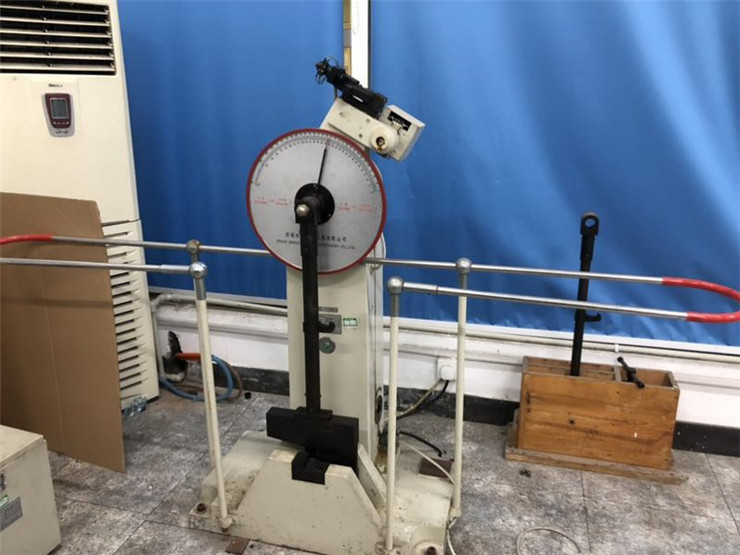
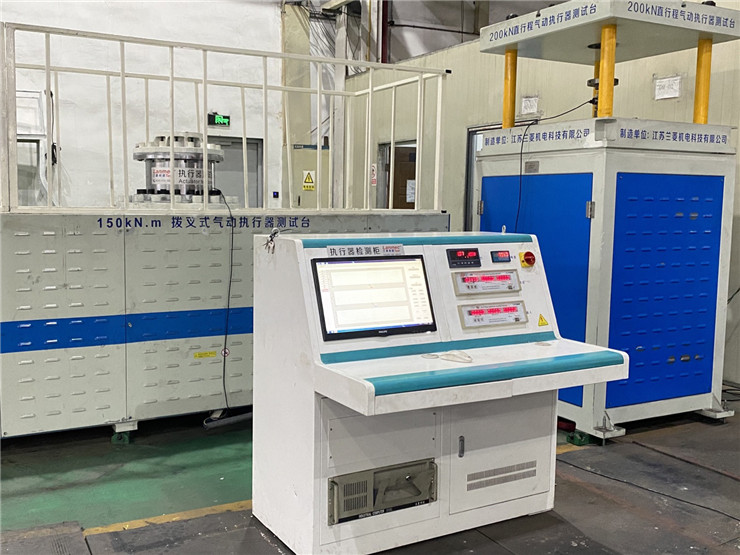
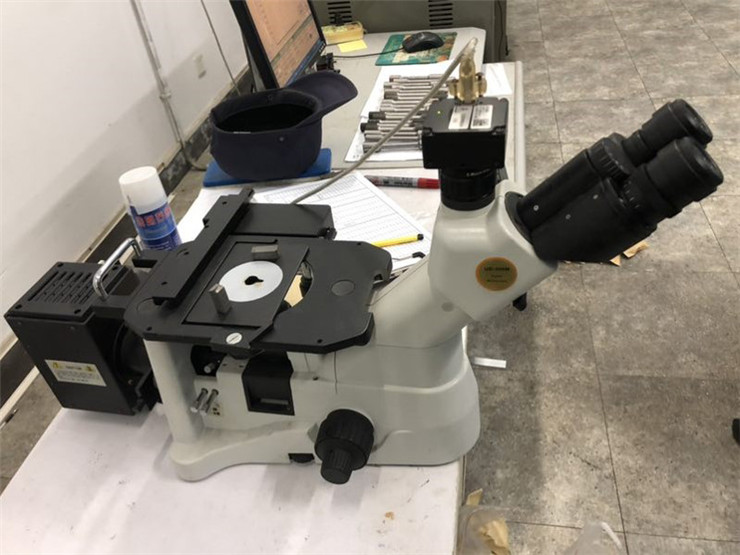
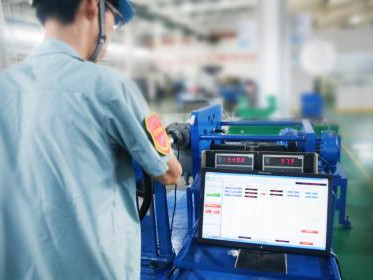
Providing specialized options that meet the unique requirements of challenging operational environments.
Large, slow-closing sluice and gate valves require high-ratio manual bevel gearboxes or electric actuators to prevent damaging water hammers. Our ductile iron units with specialized epoxy coatings are designed to operate reliably in humid, corrosive environments.
Municipal gas pipelines and water supply systems often bury control elements directly in soil. Our custom-designed buried valve gearboxes feature extended drive shafts and robust waterproof casings, allowing easy surface control while protecting gear internals from ground acids and moisture.
Saltwater exposure accelerates structural decay. To prevent marine corrosion, we build our marine actuators using high-strength nickel-aluminum bronze, CF8M stainless steel, or apply thick marine epoxy coatings, keeping gear operators reliable in harsh offshore environments.
Selecting the right actuator depends on several operational parameters. Understanding these engineering considerations prevents torque overload, limits excessive stem wear, and ensures complete valve shutoff:
Gate valves require maximum thrust during break-to-open and final seating phases. Designers must calculate the combined forces of packing friction, pressure differentials, and seat drag. The selected actuator must have a rated output safety margin of at least 1.3 to 1.5 times the peak calculated torque.
Unlike quarter-turn valves, gate valves feature rising stems that move axially through the actuator's core drive sleeve. Therefore, the internal diameter, thread pitch, and keyway alignment of the drive sleeve must match the valve stem precisely. ISO 5210 flanges simplify this integration by standardizing the mounting interface.
Refinery installations demand explosion-proof enclosures rated for ATEX, IECEx, or Class I, Div 1 zones. In contrast, subsea pipeline installations require pressure-compensated, grease-filled gear operators designed to withstand external hydrostatic pressure.
Answers to engineering and procurement questions regarding our gate valve actuators.
Explore our full line of industrial gearboxes, declutchable manual overrides, and high-thrust pneumatic operators.