Engineered to comply with ISO 9001, CE, and rigorous international quality standards. Optimized for quarter-turn, multi-turn, and declutchable valve applications.
In modern process industries—spanning petrochemical refinement, natural gas transportation, maritime cargo handling, nuclear power cycles, and municipal water purification—reliable fluid control is vital. Valve gearboxes and gear operators serve as the essential mechanical interfaces that translate rotational energy into the high torque needed to open, close, and regulate large-diameter valves. As pipelines scale up in operating pressures and nominal diameters, standard off-the-shelf planetary and bevel gear systems often fall short. They may lack the dimensional adaptability, specific gear ratios, or material structural integrity needed to withstand harsh field environments.
This is where specialized OEM planetary gearbox suppliers play a critical role. Developing a customized gearbox operator requires a balance of mechanical metallurgy, advanced tribological engineering, and tight compliance with industry standards. Selecting the right supplier involves looking beyond raw output metrics to evaluate their engineering workflow, finite element analysis (FEA) capabilities, casting consistency, and supply chain resiliency. This technical whitepaper examines the design principles of valve gear operators, the manufacturing advancements in Chinese supply chain hubs like Suzhou, and the localized application scenarios that require custom-engineered mechanical solutions.
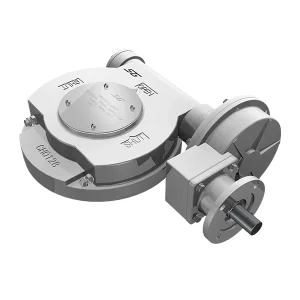
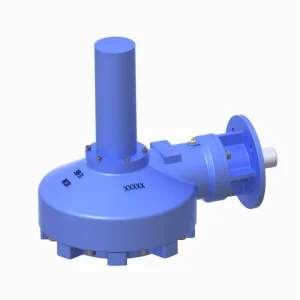
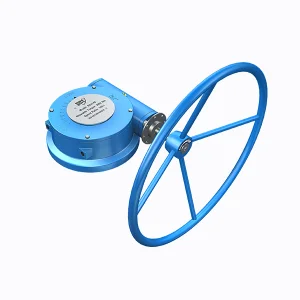
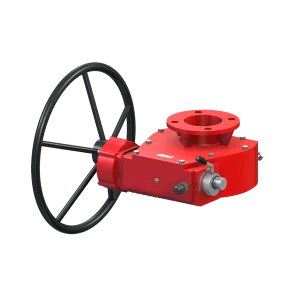
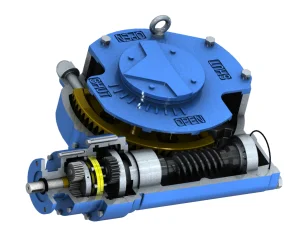
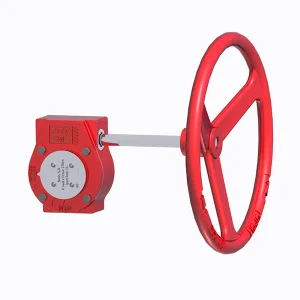
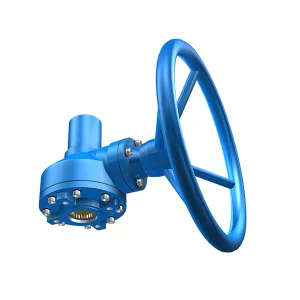
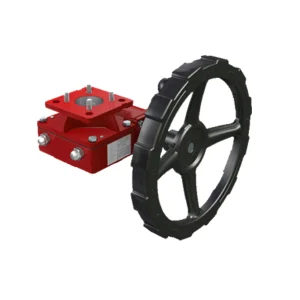
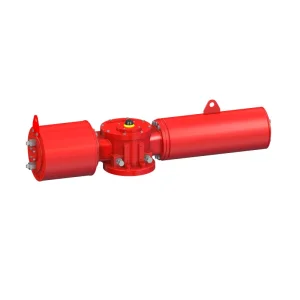
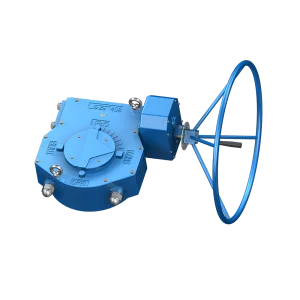
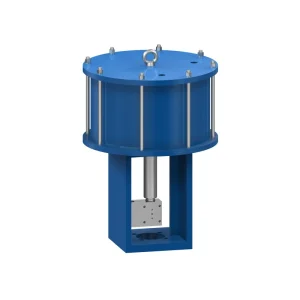
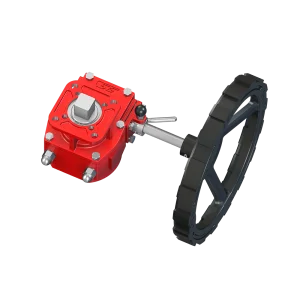
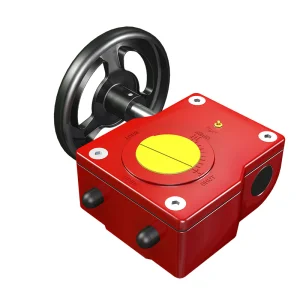
Industrial valve operators are divided into quarter-turn (typically worm gear or scotch yoke systems) and multi-turn layouts (bevel or spur planetary designs). While worm gearboxes are popular for their self-locking capabilities in quarter-turn ball and butterfly valves, planetary gear systems offer unmatched power density. They distribute load over multiple planet gears mesh points, allowing for higher torque output within a smaller casing footprint.
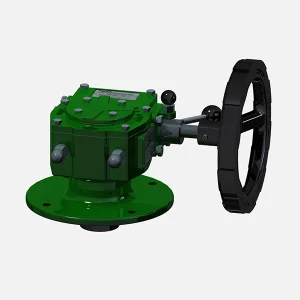
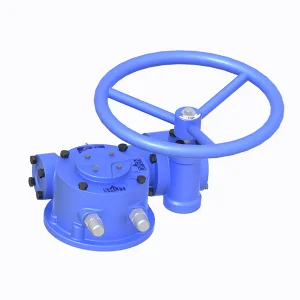
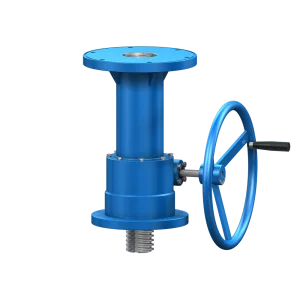
For high-pressure gate, globe, and control valves, multi-turn bevel gear operators are often used to change the orientation of the input torque shaft by 90 degrees, allowing for comfortable manual handwheel operation or motorization. The mechanical efficiency of these units depends heavily on the surface finish of the gear teeth, the precision of the tooth profiles, and the quality of the internal bearings. Slight misalignments can cause localized tooth wear, lower mechanical advantage, and lead to premature failure in critical flow-control pipelines.
From initial concept to virtual validation using advanced modeling, FEA simulation, and physical stress testing.
At Stard-gears, the creation of a new gear operator or custom planetary gearbox follows a strict digital engineering pathway. Using 3D computer-aided design (CAD) software, engineers model the exact geometry of every component, including planetary carriers, internal ring gears, shafts, and casing structures. This digital model is then subjected to finite element analysis (FEA) to simulate real-world stress distributions under peak load conditions.
By simulating mechanical torque limits, thermal expansion, and potential structural deformation, engineers can modify the design before producing physical tooling. This process shortens the development lifecycle and helps ensure the safety of the final product in high-pressure oil and gas or nuclear environments. It also reduces material waste, enabling cost-effective custom manufacturing.
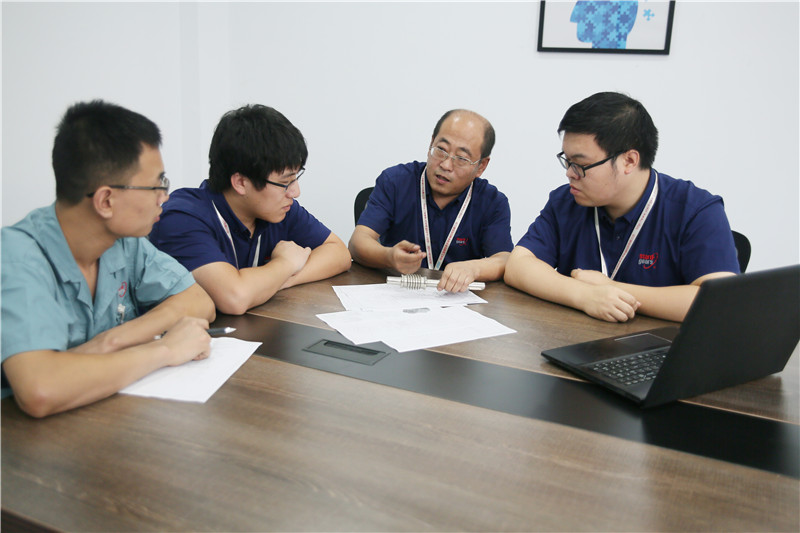
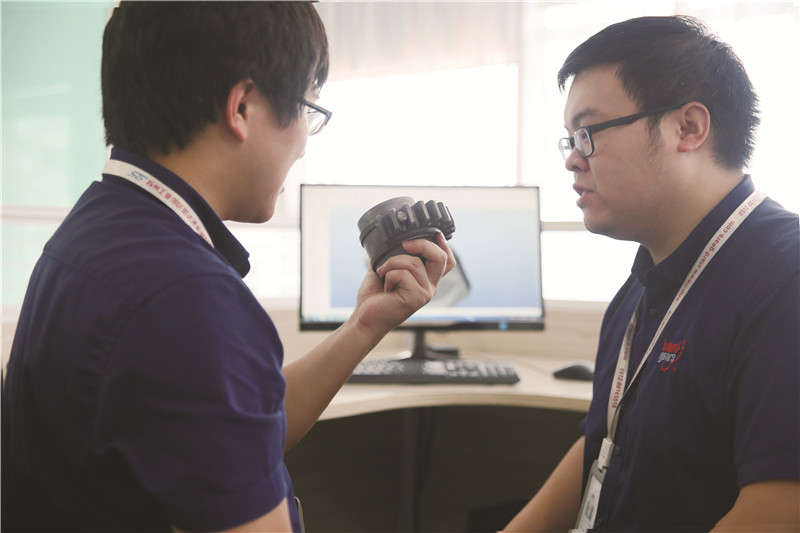
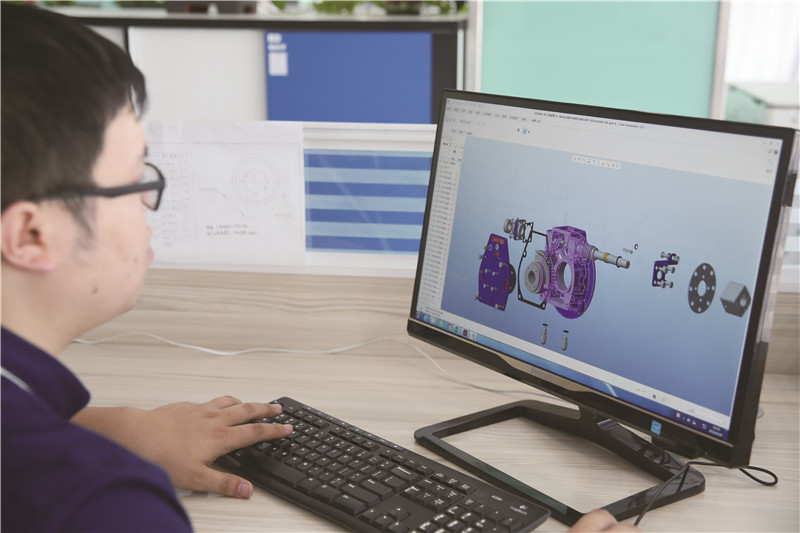
Integrated digital manufacturing, real-time status tracking, and optimized supply chain management in Suzhou Industrial Park.
Stard-gears runs a comprehensive enterprise resource planning (ERP) system that tracks every step of production. From raw casting arrivals to precision CNC machining, heat treatment, final assembly, and torque testing, every component is barcoded and monitored.
This tracking system gives customers clear visibility into lead times and order status. It also helps quality managers trace any field-related questions back to the specific raw material batch, machine station, and operator, helping maintain high levels of quality assurance.
Our Suzhou plant features modern machining centers, high-capacity horizontal boring mills, and custom gear hobbing machinery. Our facility is designed to scale production quickly to meet high-volume demands while maintaining tight dimensional tolerances.
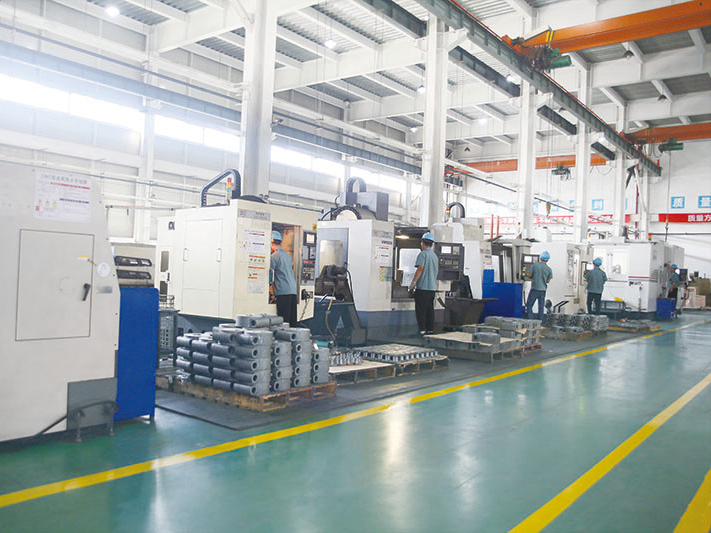
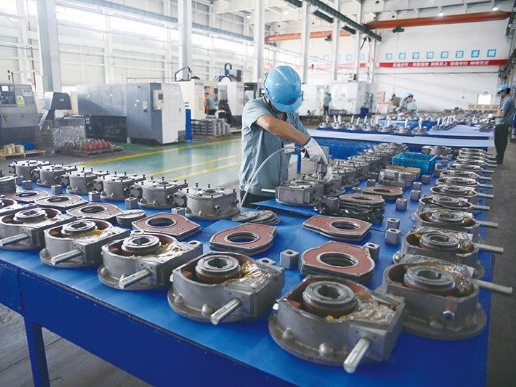
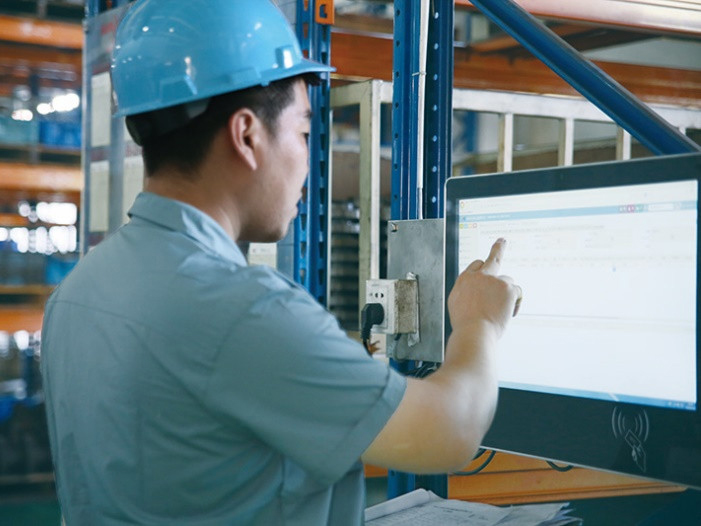
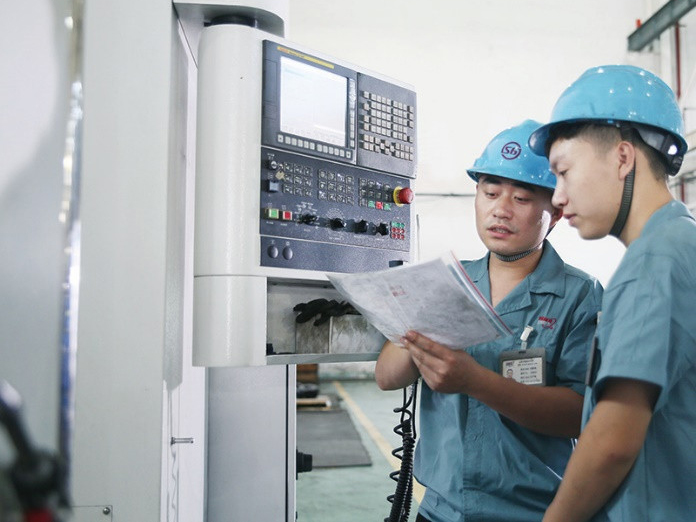
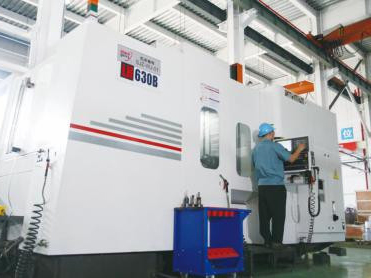
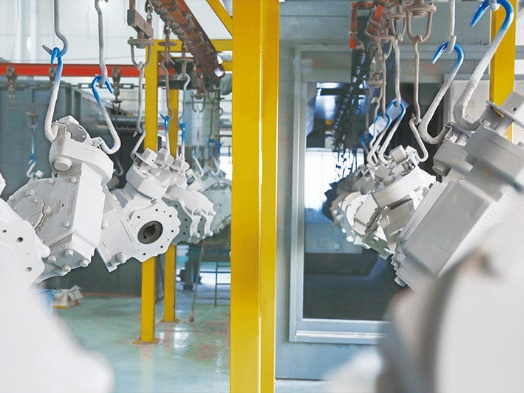
Located in the Suzhou Industrial Park, Stard-gears leverages a mature local supply chain. Access to specialized casting, advanced heat treatment facilities, and nearby shipping ports helps us keep lead times short and pricing competitive without compromising quality.
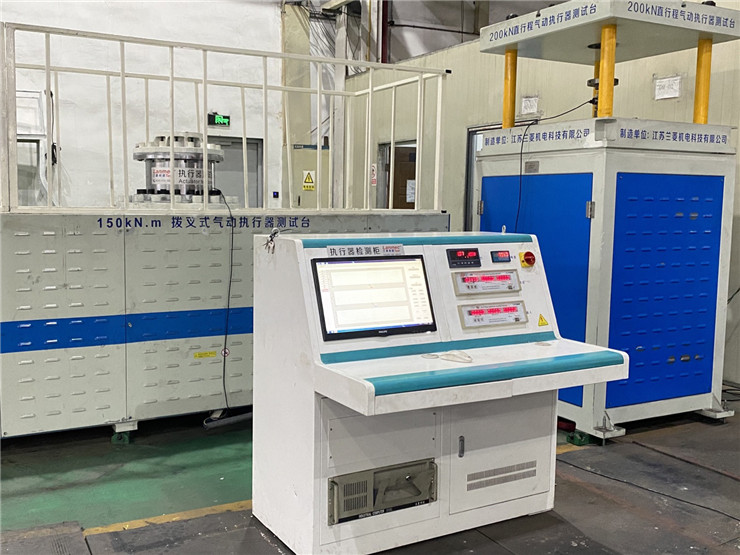
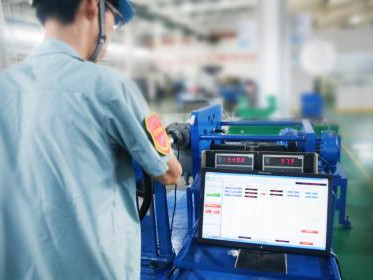
No product leaves the facility without torque verification, mechanical lifecycle testing, and complete quality validation.
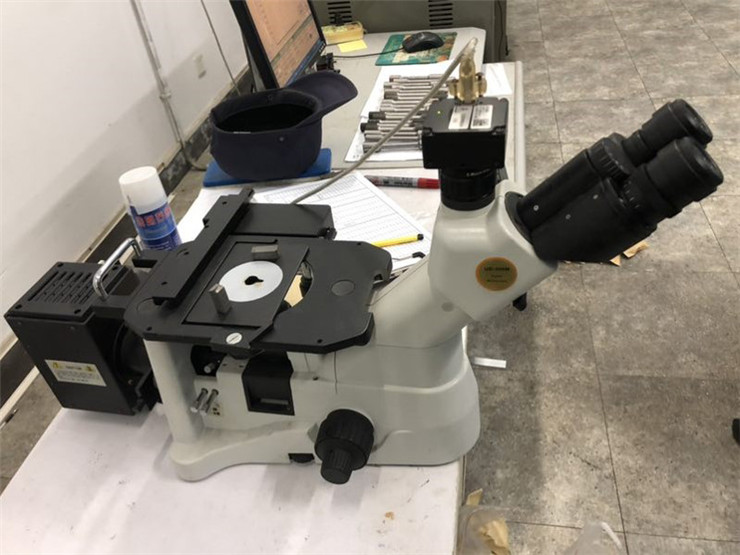
We deploy QC inspectors at every stage of production—from checking the metallurgical properties of incoming raw castings to dimensional inspections of intermediate machined components and final performance testing.
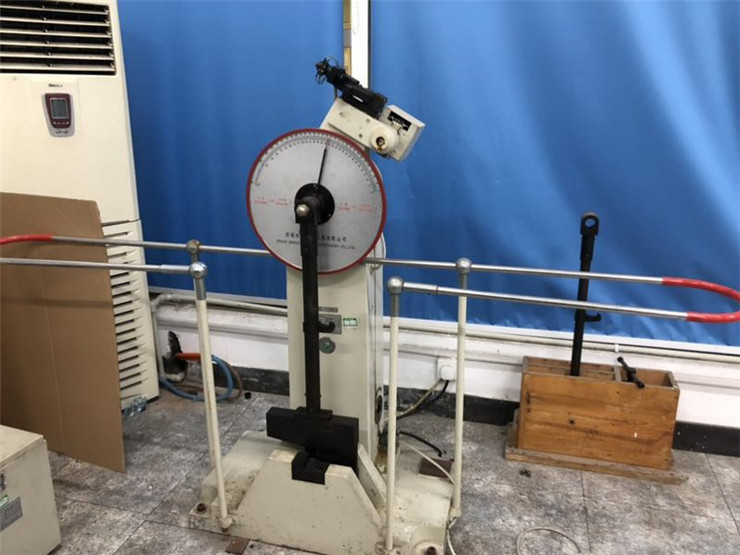
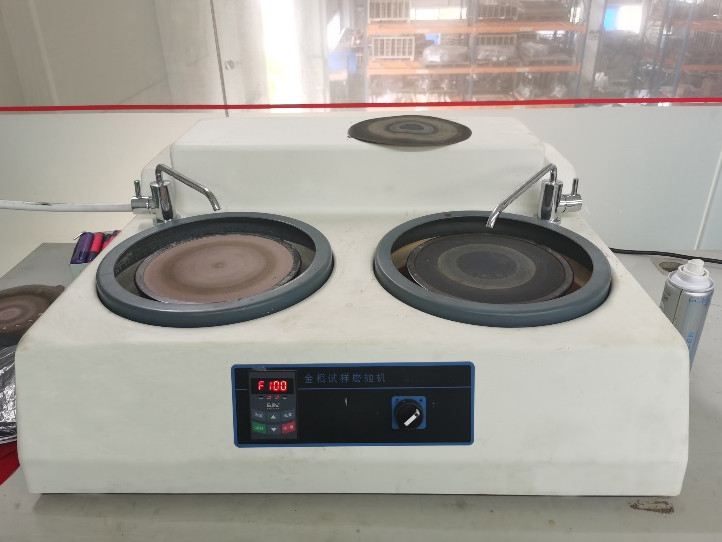
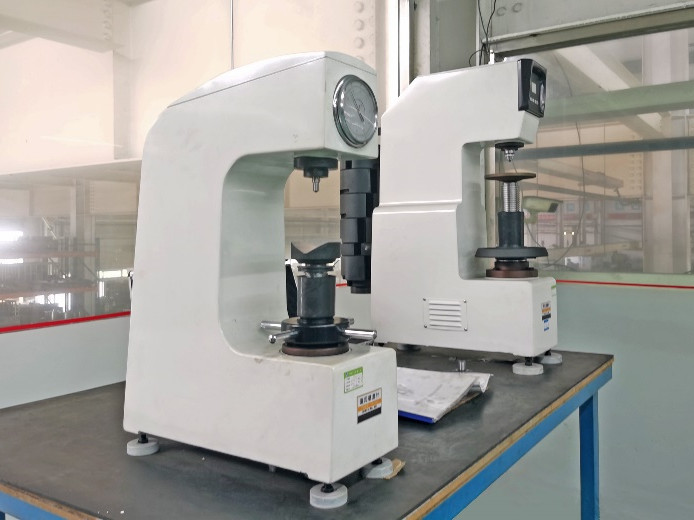
Our testing labs feature high-precision instruments to measure torque performance, dimensional accuracy, housing concentricity, and paint coating thickness, helping to ensure long-term durability in marine environments.
Every gearbox series undergoes destructive testing to verify mechanical safety limits. Routine load-torque signature testing is also performed to check for smooth operation before delivery.
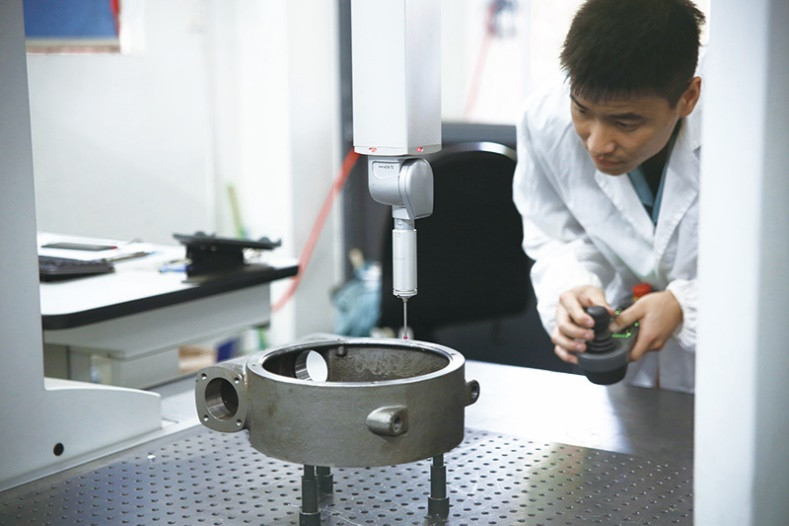
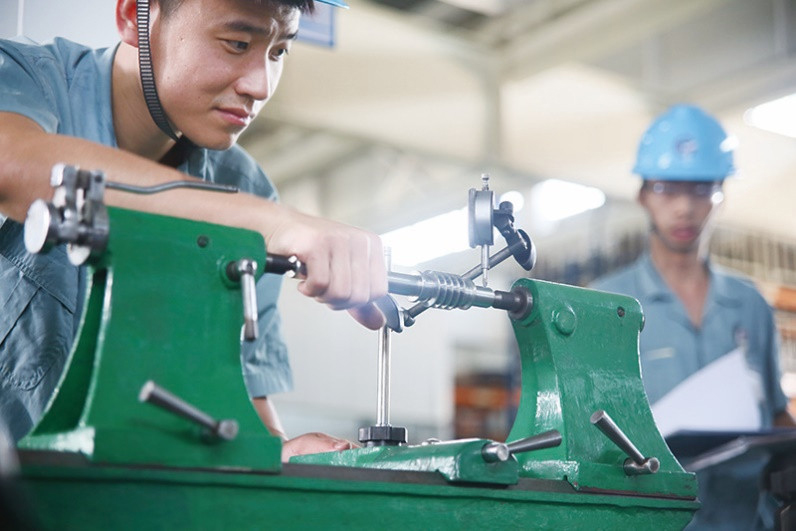
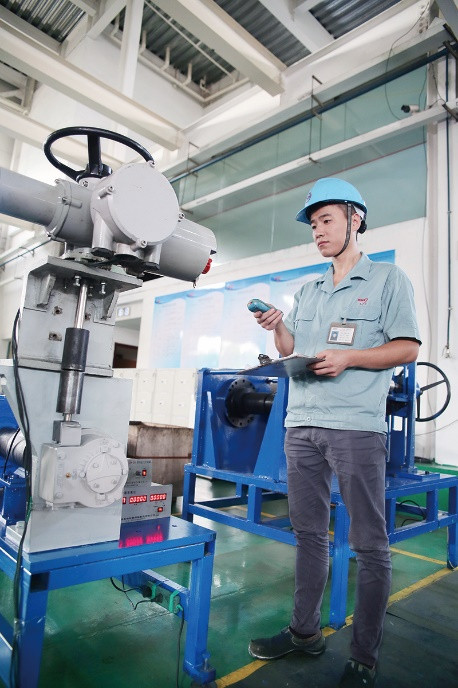
Tailoring gearbox systems to meet the unique challenges of specific geographic regions and harsh operating conditions.
Standard ductile irons can become brittle in extreme cold climates like Northern Europe or North America. For these applications, we utilize specialized low-temperature carbon steels and specialized synthetic lubricants, helping to ensure smooth operation at temperatures down to -60°C.
Salt spray and constant humidity can quickly corrode unprotected iron housings. For coastal and marine setups, we provide multi-layer epoxy coating systems (compliant with ISO 12944 C5-M specifications) along with stainless steel 316 input shafts and fasteners to resist corrosion.
For municipal water networks requiring underground installations, we offer fully sealed gear housings (rated to IP68). These units are filled with long-life grease and feature heavy-duty rotary lip seals, allowing them to operate reliably even when submerged.
As the industrial world transitions towards digitalization and smart operations, mechanical gearboxes are evolving from simple manual operators into smart, connected devices. Stard-gears is focused on integrating smart technologies into our next-generation product lines:
By investing in these engineering initiatives, Stard-gears continues to provide customers with high-performance valve control technologies that meet both current and future operational requirements.
Common technical questions regarding our OEM planetary gearboxes and custom valve operators.
Heavy-duty bevel gearboxes, scotch yoke actuators, and custom cast iron operators designed for reliable operation.