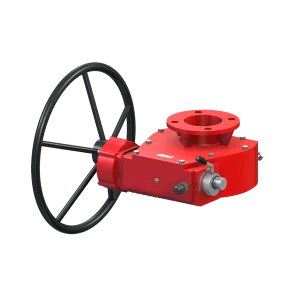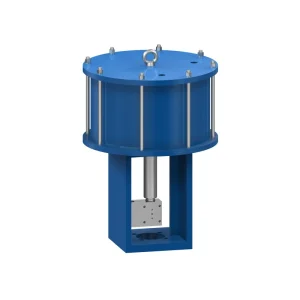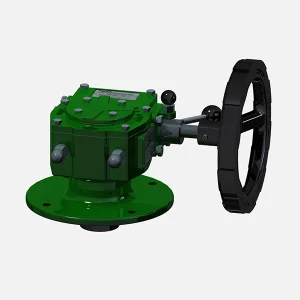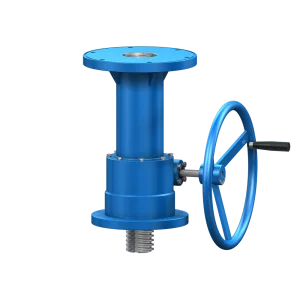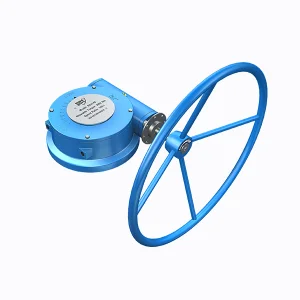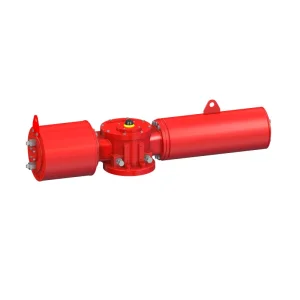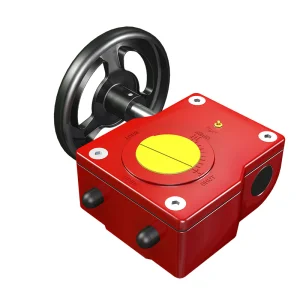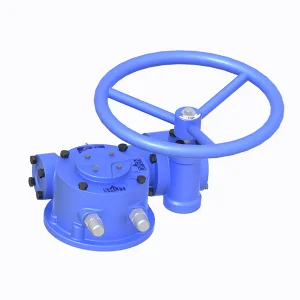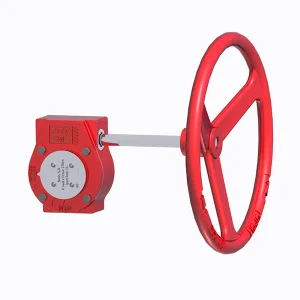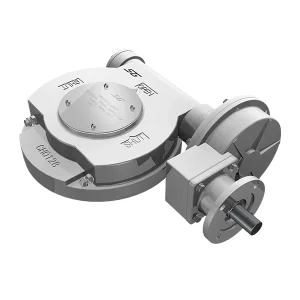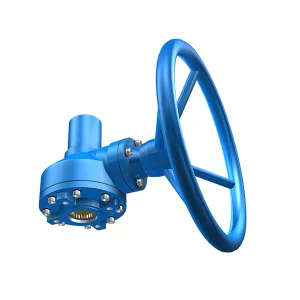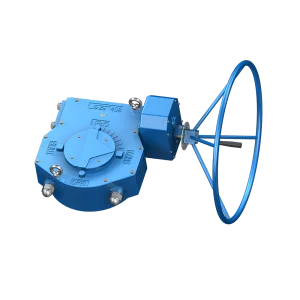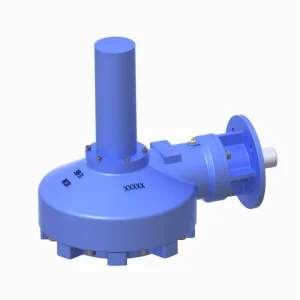
Explore our industrial-grade range of declutchable gearboxes, linear pneumatic actuators, and customized control systems designed for critical mission safety.
Modern industrial processes demand absolute precision, reliability, and speed in fluid dynamics control. The integration of pneumatic valves with actuators has become the gold standard for quick-acting flow isolation, modulation, and emergency shutdown systems (ESD). When selecting an OEM partner or a factory for pneumatic valve automation, industrial procurement teams must analyze the synergy between the valve chassis and the pneumatic actuator.
A pneumatic actuator translates pneumatic pressure (typically instrument air from 3 to 10 bar) into mechanical motion. This motion can be either rotary (for ball, butterfly, and plug valves) or linear (for gate, globe, and diaphragm valves). High-performance assemblies require exact torque mapping, low hysteresis control, robust manual override gearbox interfaces, and seamless fieldbus communications. As a critical point of focus, finding an integrated factory capable of both valve machining and actuator matching guarantees structural alignment and reduces commissioning troubleshooting at the job site.
Found in 1999, Locate in Suzhou Industrial Park. The plant covers 8900㎡,and the Office 2500㎡. Annual sales of $7,000,000, grew by 10%-20% per year. Have certificate of ISO9001. The annual production can reach 100,000 sets.
Stard-gears is a leading global provider specializing in valve control technology. Application scenarios for our products include oil, chemical, natural gas, nuclear, and water.
We are committed to product innovation, quality and reliable solutions to help our customers better manage their valves.
Stard-gears is a modern company integrating research & development, production, sales and trade. Stard-gears had set up the goal of becoming the industry leader.
During the last 10 years, our products have been exported to the United States, Italy, Germany, Mexico, Singapore, Japan and other countries. Stard offers 9 series, about 80 varieties of gear operators.
Based on our mission statement of “excellent reputation, best quality and perfect service”, the company tries its best to serve customers all over the world.
We are from Suzhou, China. The Yangtze River Delta region of China has a well-established and convenient supply chain, which ensures that our castings, machining capabilities, and spare parts procurement are advantageous at the same time. We are able to meet both fast delivery and better product quality. Our more than 25 years of experience serving the industry means that our clients can rely on us to provide innovative, reliable and cost-effective solutions.
Unlocking extreme precision through advanced computer-aided engineering, finite element analysis, and physical fluid modeling.
Through 3D simulation, dynamic simulation, finite element analysis (FEA), etc., engineers can virtually verify the rationality of their designs of every new product before it is put into production, significantly shortening the design and development cycle of new products, ensuring the safety of the final products, and minimizing the costs.
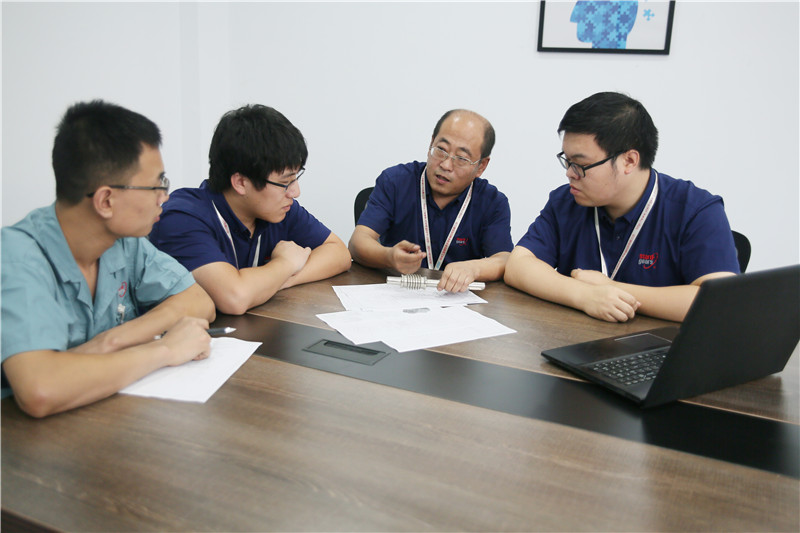
Program Communication
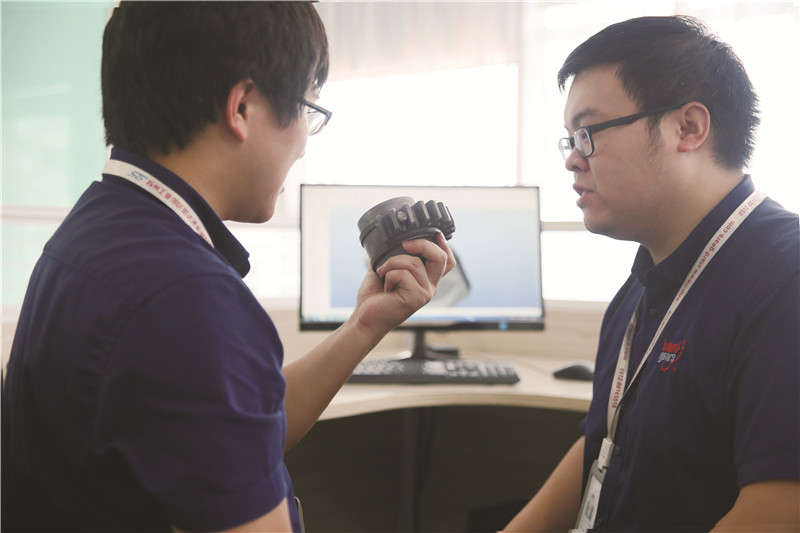
Design Communication
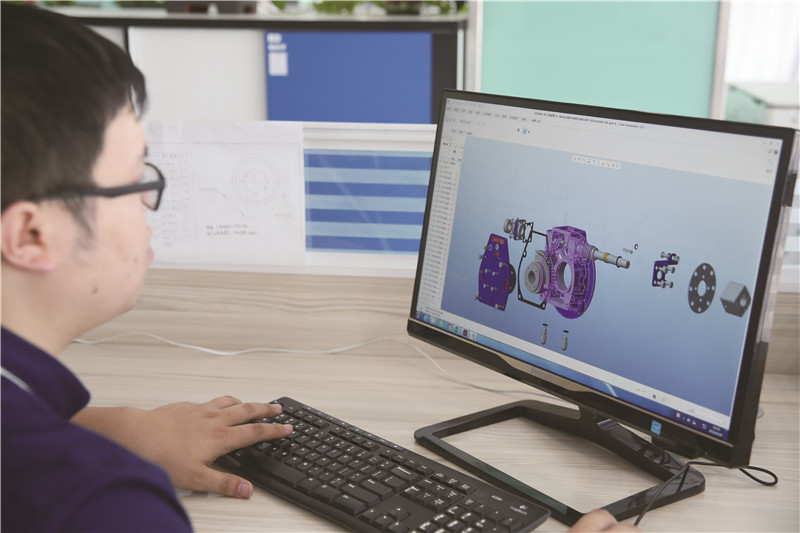
Design Drawing
Highly integrated ERP logistics systems and modern manufacturing workshops ensuring on-time delivery schedules and consistent product execution.
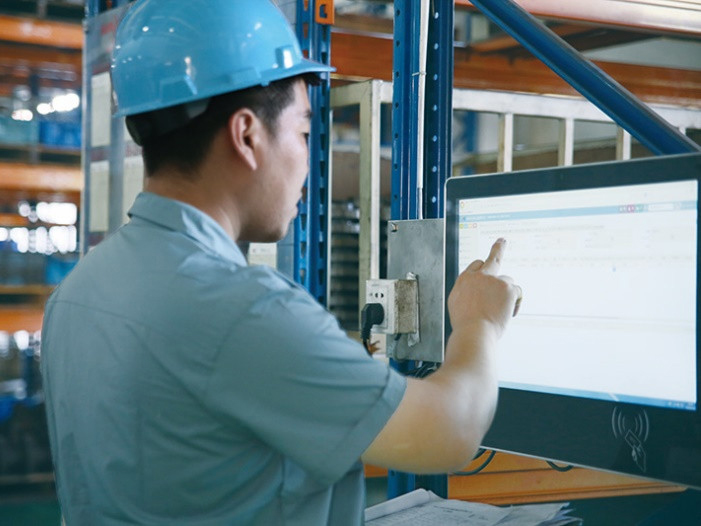
Stard Automation runs a comprehensive ERP management system to ensure that the production schedule and progress of each order from each customer is clear at a glance. This system plays an important role in business operation and management. The real-time supervision and management are implemented throughout the production to improve efficiency.
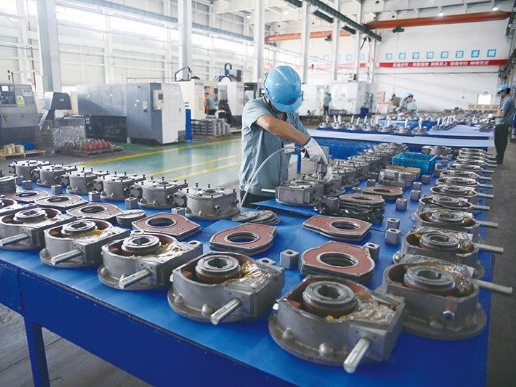
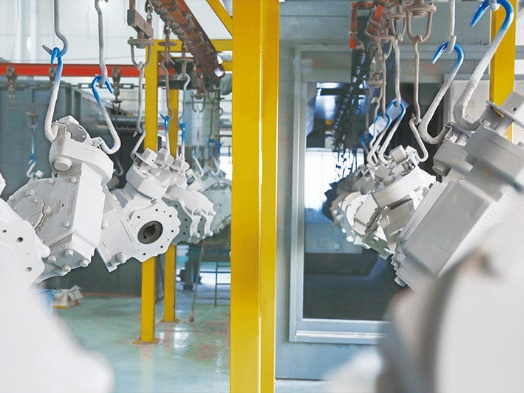
The annual output value of the Suzhou plant can reach $9,000,000. Our annual production capacity can reach 100,000 sets. With advanced manufacturing machinery and flexible tooling setups, we successfully balance large-scale OEM contract runs with tailored custom configurations for our international partners.
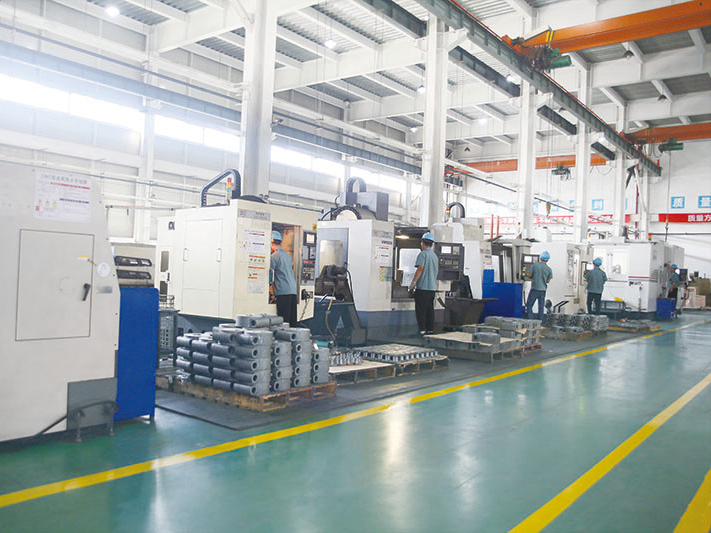
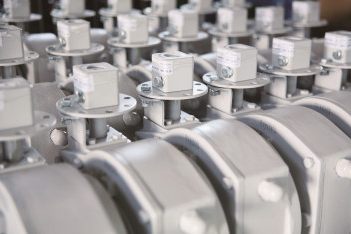
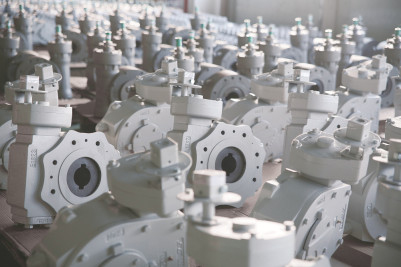
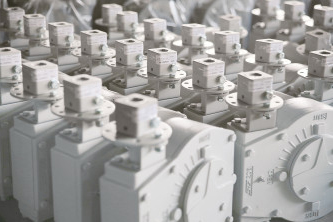
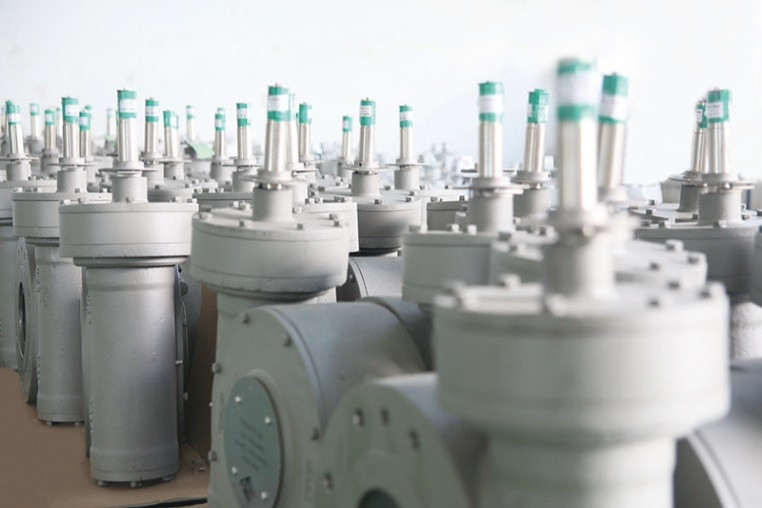
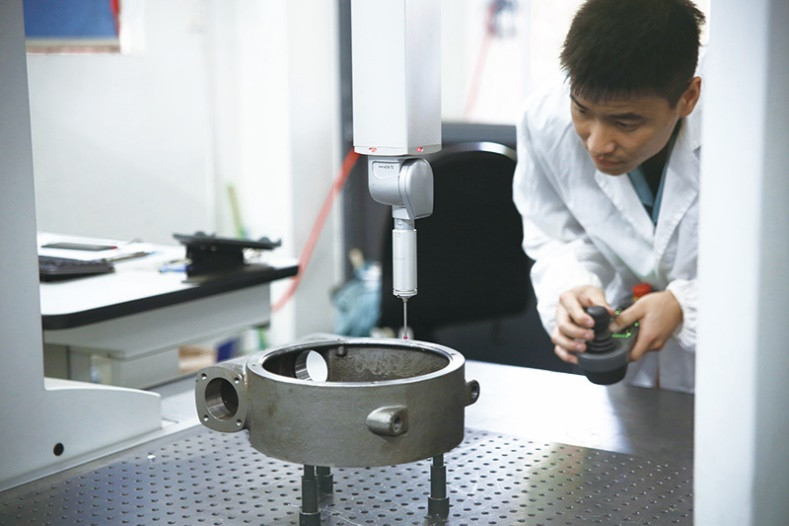
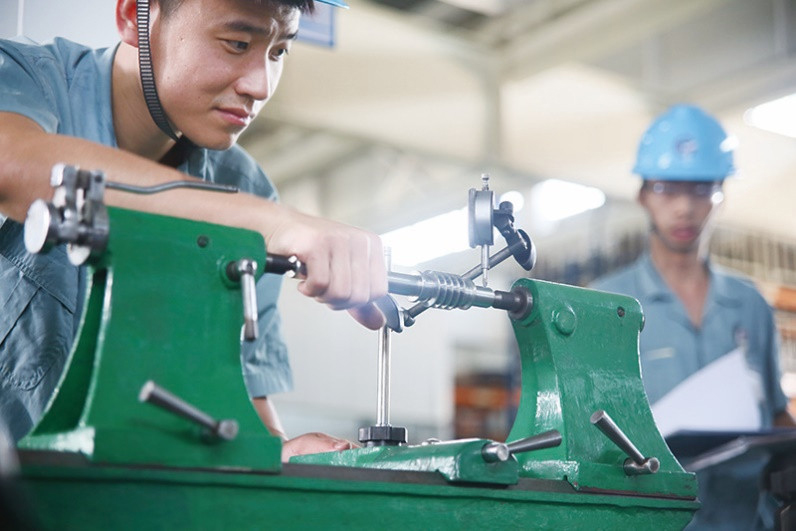
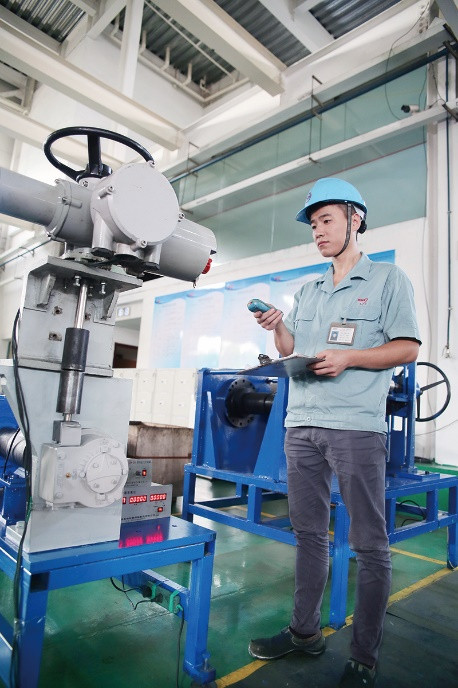
100% inspection protocol through advanced torque calibration, lifecycle simulation, and material certification labs.
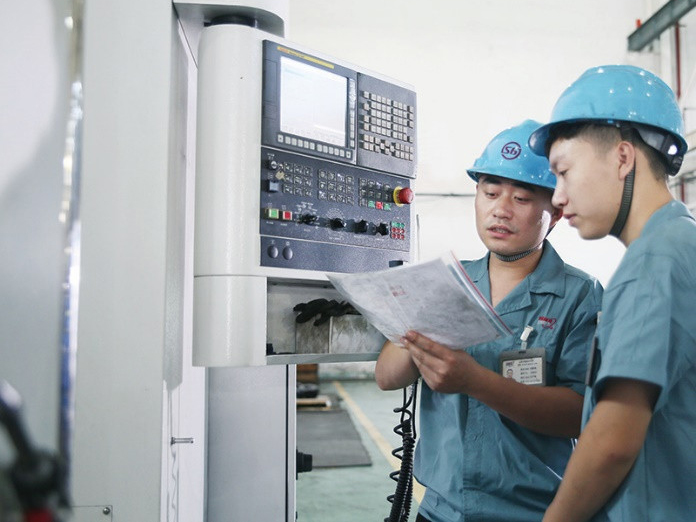
To improve the inspection and testing process, Stard Automation has set up full-time QC posts at every stage of the manufacturing process from incoming materials to in-process control and to process finalization, ensuring that products are 100% qualified before shipment.
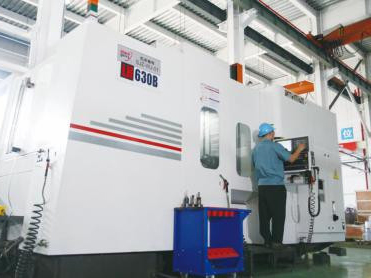
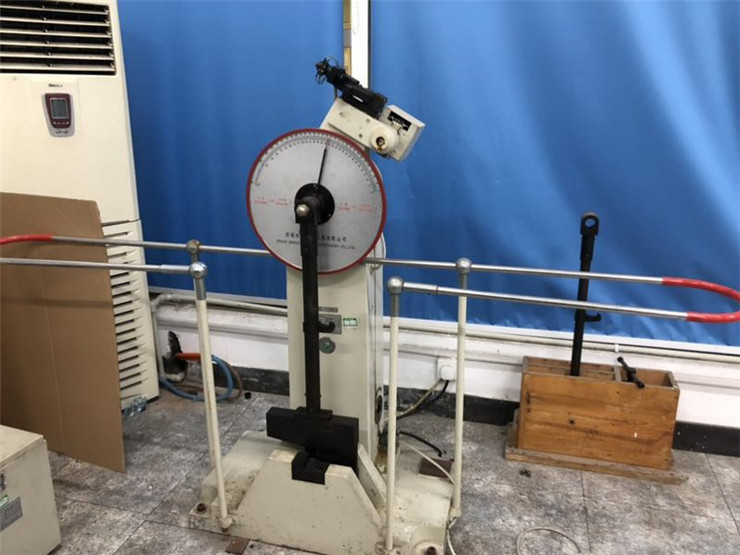
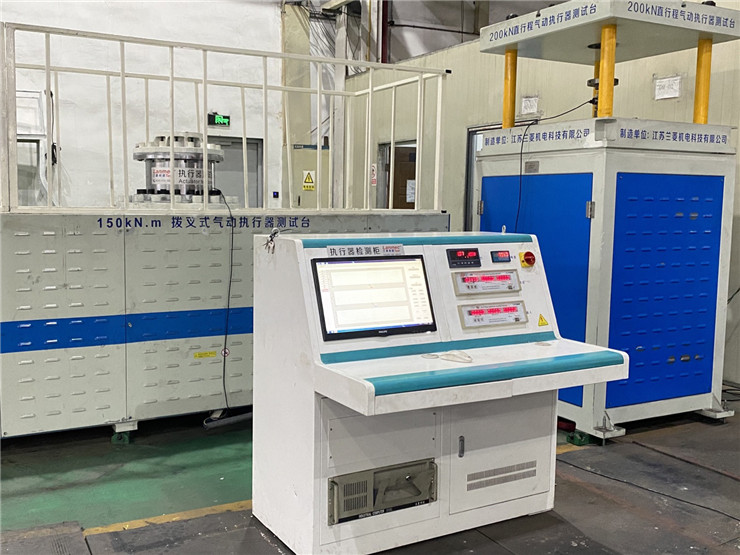
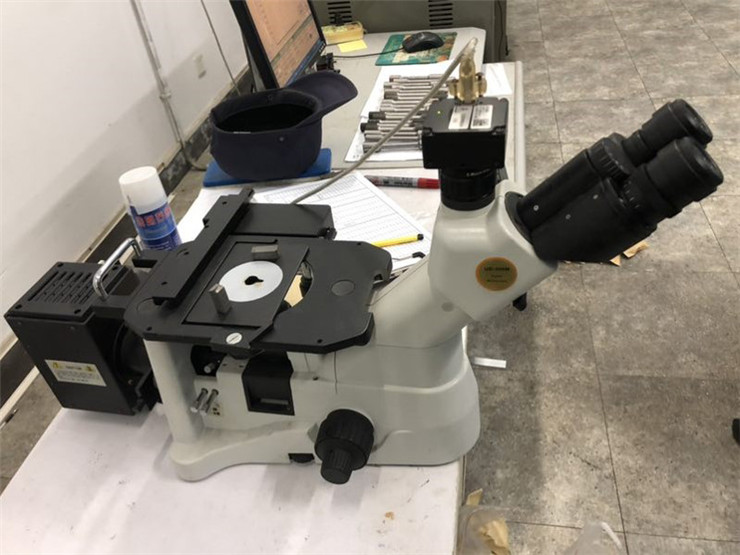
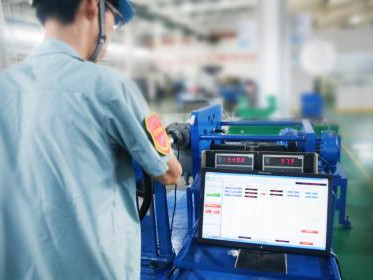
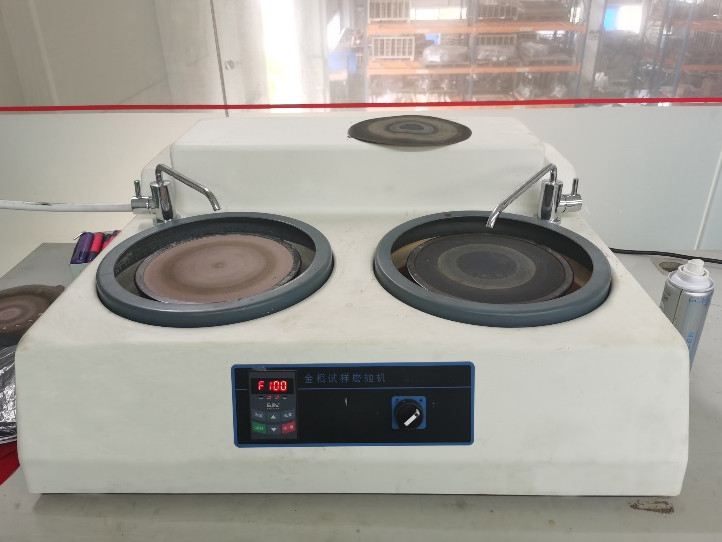
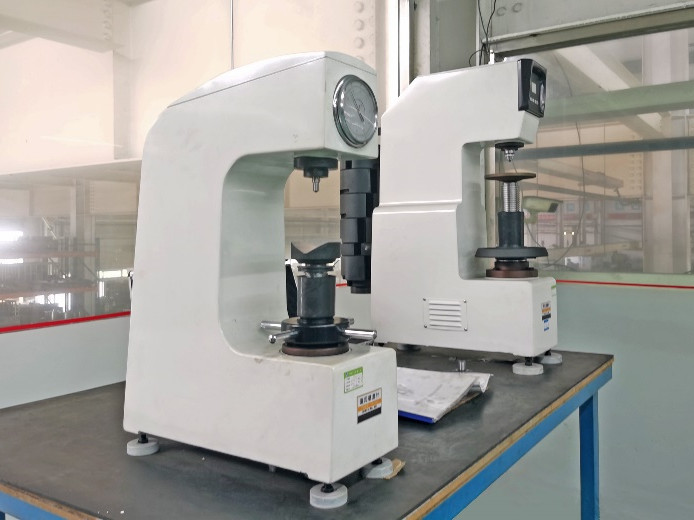
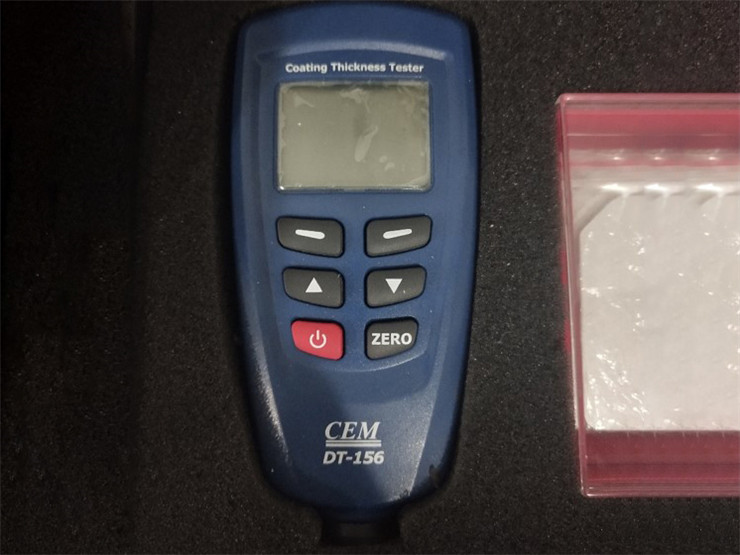
Stard Automation owns a full range of advanced inspection and testing equipment to control the quality throughout the whole process from blank casting to finished products, which enables us to perform tests like the torque test and life cycle test.
How pneumatic valves with actuators operate under extreme industrial environments worldwide.
In harsh transport conditions, pipelines require ESD (Emergency Shutdown) valves that operate reliably after months of inactivity. Our Scotch Yoke pneumatic actuators (YP Series) provide high breakout torque at the start of open/close cycles, ensuring instant line isolation in case of system dropouts.
Chemical reactors deal with acid, alkali, and abrasive solutions. We supply PTFE/PFA lined control valves coupled with linear pneumatic piston actuators, ensuring zero external leakage. Our housing options range from anodized aluminum alloy to 316 stainless steel for aggressive marine climates.
Operating temperature limits represent a core constraint. Our heavy-duty cast steel and pneumatic control configurations are engineered with extension bonnets and certified packing rings to withstand thermal shock and radiation without seal degradation.
The strategic benefits of sourcing from Suzhou's industrial ecosystem.
The Yangtze River Delta acts as a global magnet for advanced industrial machining. From precision foundry services producing ASTM grade WCB cast steel, LCB low-temperature carbon steel, and CF8M stainless steel, to surface treatment operations like electroless nickel plating (ENP) and hard chroming, everything happens within a 100-kilometer radius. This geographic proximity drastically minimizes transit delays and keeps raw material sourcing highly cost-competitive.
By utilizing local manufacturing efficiencies, high-speed automated tooling machines, and optimized workforce allocation, Chinese manufacturers like Stard Automation offer deep cost savings without compromising on critical international certifications. Customers save on system integration costs because we provide pre-assembled valve-actuator-gearbox kits tested as a single unit.
Western automation firms often lock buyers into static catalog sizes. In contrast, Chinese factories excel at engineering flexibility. Whether your process demands specific NAMUR solenoid mounting interfaces, unique ISO 5211 drive shaft connections, specific spring ratings for failing-safe under sub-zero temperatures, or custom paint finishes (such as high-durability epoxy systems for offshore environments), our engineers adapt designs dynamically.
With an integrated ERP system overseeing a 100,000-set capacity facility, our lead time for customized valve automation solutions is significantly lower than standard European or North American manufacturers. Fast ocean transport from nearby Shanghai ports guarantees swift delivery schedules worldwide.
Crucial sizing parameters and compliance checklist for engineering procurement specialists.
To select a pneumatic valve and actuator assembly that operates safely over a 15-to-20-year lifecycle, procurement managers and instrumentation engineers must evaluate critical mechanical indicators:
The evolution of valve automation: IoT, smart positioners, and ecological compliance.
Instead of standard mechanical limit switches, modern pneumatic valves use smart positioners with digital feedback algorithms. These controllers monitor seat erosion, stick-slip movements, and packing friction in real-time, allowing operators to run predictive maintenance protocols before a failure halts production.
Under strict global climate guidelines, reducing chemical leaks from stem seals is non-negotiable. Modern pneumatic control valves feature self-adjusting live-loaded packing designs and bellow seals certified under ISO 15848-1 Class A standards, minimizing environmental hazards.
Industrial installations are increasingly space-constrained. Actuator manufacturers are refining mechanical links to minimize footprint, optimizing scotch yoke dynamics, and shifting to high-grade lightweight aluminium alloys to reduce weight loads on pipeline infrastructures.
In-depth solutions to complex engineering challenges encountered during selection and installation.
The difference lies in their torque output curves. A Rack & Pinion actuator produces a constant, linear torque profile throughout its 90-degree sweep, making it perfect for standard butterfly and ball valves. Conversely, a Scotch Yoke actuator produces a U-shaped torque curve, delivering highest torque at both ends of travel (break-to-open and end-to-close) and a lower output in the middle. This matches the physical torque demands of large ball, plug, and high-performance butterfly valves where seal friction must be overcome at start and finish. Scotch yoke designs are typically chosen for high-torque, heavy-duty applications.
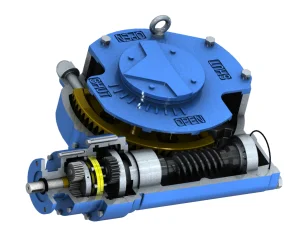
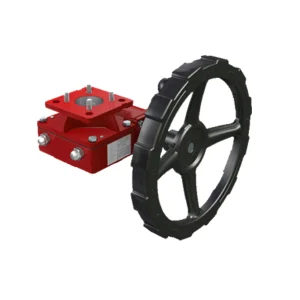
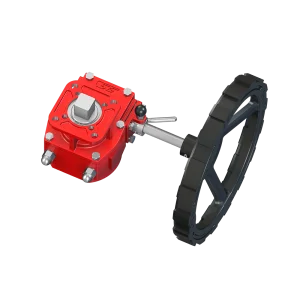
A declutchable gearbox acts as an important safety backup. In the event of control system power loss, instrument air failure, or solenoid malfunction, operators can manually override the valve. Under normal operating conditions, the gearbox is declutched, allowing the pneumatic actuator to operate the valve freely without turning the manual handwheel. When clutched (engaged manually), the internal worm gear links the handwheel to the valve stem, allowing operators to manually open or close the valve.
Operating fluid characteristics directly influence valve stem friction. Clean, lubricating media (like light oil) require minimal safety margins, typically a 20% to 30% sizing safety factor. In contrast, dry, non-lubricating gases, steam, or slurries containing suspended solids increase valve friction. For dry gas service, a 30% to 50% safety factor is recommended. For slurries or scale-forming chemicals, a safety factor of 50% to 100% may be required to prevent the actuator from stalling.
Standard actuators operate reliably from -20°C to +80°C. In sub-zero environments (down to -50°C), standard NBR O-rings lose elasticity, causing system air leaks. Extreme applications require low-temperature silicone seals and specialized grease. For high-temperature installations (up to +150°C), Viton (FKM) seals are required. The control air must also be dried to prevent freezing moisture from clogging internal ports.
To configure a custom system, please provide: 1. Valve type, nominal size (DN/NPS), and pressure class (PN/Class). 2. Valve torque curve or maximum breakout torque under maximum differential pressure. 3. Available pneumatic supply pressure (instrument air pressure range). 4. Fail-safe configuration (fail-close, fail-open, or fail-in-place). 5. Control accessories required (solenoid valves, position transmitters, limit switches, manual override). 6. Environmental classification (hazardous area explosion proof, temperature range, corrosive atmosphere).
Explore our multi-turn, bevel, declutchable, and cast steel gearboxes engineered for high-pressure plant applications.