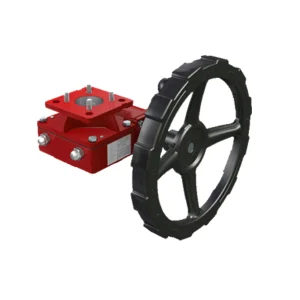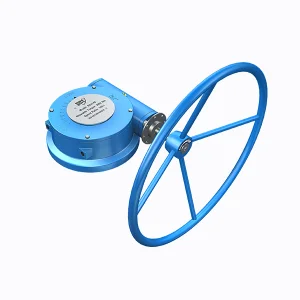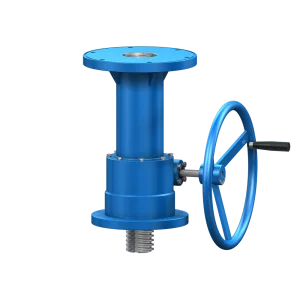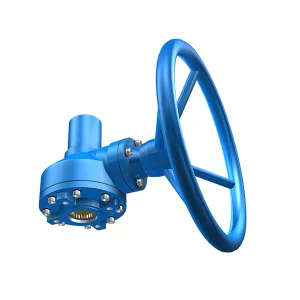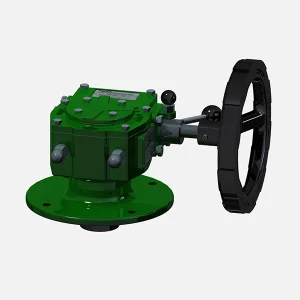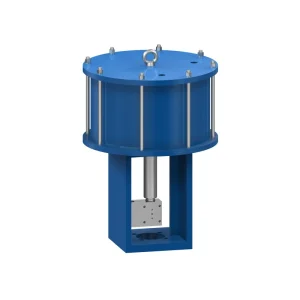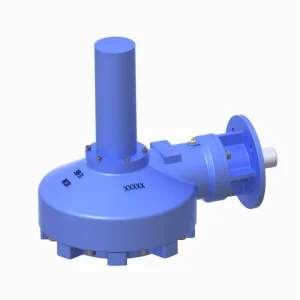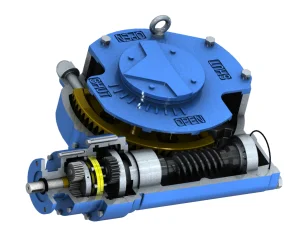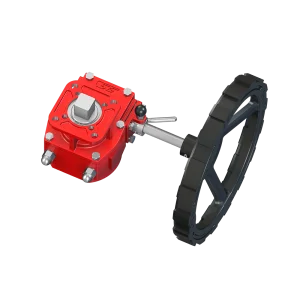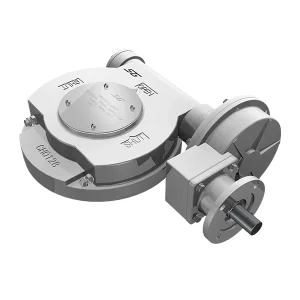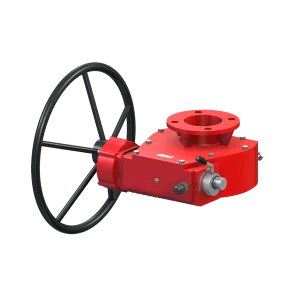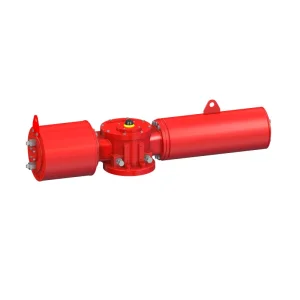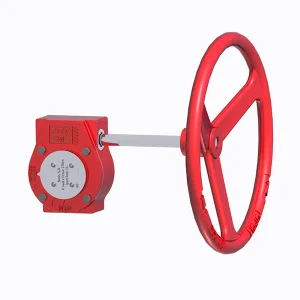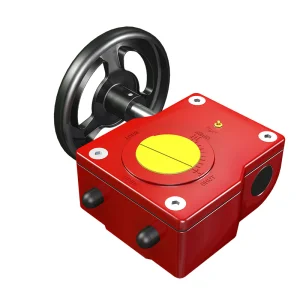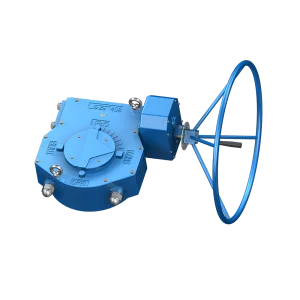
Explore our premium range of high-efficiency quarter-turn manual operators, pneumatic actuators, and declutchable systems designed for rigorous industrial applications.
In modern process automation, safety integrity and fail-safe automation mechanisms sit at the peak of system architecture design. A spring return pneumatic actuator (frequently referred to as a single-acting actuator) is the industry standard for securing high-risk piping networks in the event of loss of power, signal, or pneumatic control pressure. Unlike double-acting setups that require active pressurized fluid (typically compressed clean dry air) to rotate or slide the actuator in both directions, spring return models leverage the robust physical potential energy stored within highly tensioned mechanical springs.
During standard operation, air pressure moves the internal piston or scotch-yoke mechanism, simultaneously compressing the pre-engineered spring cartridges. The moment system pressure drops below a critical threshold or is intentionally vented via an Emergency Shutdown (ESD) signal, the springs instantly release their energy, driving the valve to its designated safe position—either fail-closed (FC) or fail-open (FO). This rapid emergency mechanical stroke is crucial for isolating hazardous chemicals, sealing flammable gas pipelines, and protecting critical equipment from overpressure events.
Across key industrial sectors such as off-shore drilling, refinery operations, nuclear energy cooling systems, and municipales water distribution, the demand for customizable OEM spring return actuators is growing. Industry leaders look for customized torque envelopes, chemical-resistant surface coatings, and integration with digital smart positioners. This ensures maximum plant safety and long-term operating life (TCO).
Procurement engineers and EPC (Engineering, Procurement, and Construction) coordinators face unique challenges when evaluating single-acting valve automation suppliers. Main concerns go beyond basic unit pricing, centering instead on technical performance compliance, life-cycle durability, and lead-time predictability.
Unlike double-acting models, single-acting pneumatic actuators face declining torque curves as the spring force opposes the air stroke. OEM manufacturers must calculate break-torque, run-torque, and end-of-stroke torque to ensure the valve turns smoothly under maximum line differential pressure.
For corrosive atmospheres, heavy offshore sea-spray, or chemical washdowns, the selection of hard-anodized extruded aluminum housings, ductile iron castings, or marine-grade epoxy paint systems is critical to prevent galvanic corrosion and casing fatigue.
Compliance is mandatory. Actuators must meet CE directives, SIL 3 (Safety Integrity Level) qualifications for ESD loops, ATEX zone regulations for explosive gas hazards, and ISO 5211 mounting criteria to match standard quarter-turn ball, butterfly, and plug valves.
Our company addresses these procurement challenges by utilizing our advanced design validation systems. Our strategic location within the Suzhou Industrial Park enables us to manage a robust local supply chain, balancing cost efficiency with high-quality engineering.
Established in 1999 and situated in the highly integrated Suzhou Industrial Park, Stard-gears has grown into a leading global provider specializing in advanced valve control technology. Our facility covers a total footprint of 8,900 m² of modern manufacturing floor space alongside 2,500 m² of dedicated corporate and engineering offices.
With annual sales reaching $7,000,000—experiencing a steady 10% to 20% annual growth—our facility runs on an optimized, ISO9001-certified framework. Supported by our regional supply chain networks in the Yangtze River Delta, our facility produces up to 100,000 actuator and gearbox sets annually. This location gives us access to top-tier raw steel castings, high-precision CNC machining shops, and certified internal elastomer seal suppliers, allowing us to maintain rapid delivery timelines alongside strict quality standards.
Stard-gears is a modern, forward-thinking firm integrating R&D, advanced manufacturing, international sales, and technical trade. For over 25 years, we have supplied custom valve-operator solutions to partners in the United States, Italy, Germany, Mexico, Singapore, Japan, and other industrialized countries. Our extensive portfolio spans 9 core series and over 80 unique varieties of gear operators and pneumatic accessories, ensuring robust performance across diverse, demanding installations.
Reliability begins at the design stage. Stard-gears’ engineering team utilizes advanced 3D modeling, kinematic simulation, and Finite Element Analysis (FEA) to evaluate stress distribution in load-bearing components like gear teeth, scotch-yokes, and spring casings under maximum load conditions. This virtual validation minimizes material fatigue, reduces prototype turnaround times, and ensures all production models perform reliably throughout their design life.
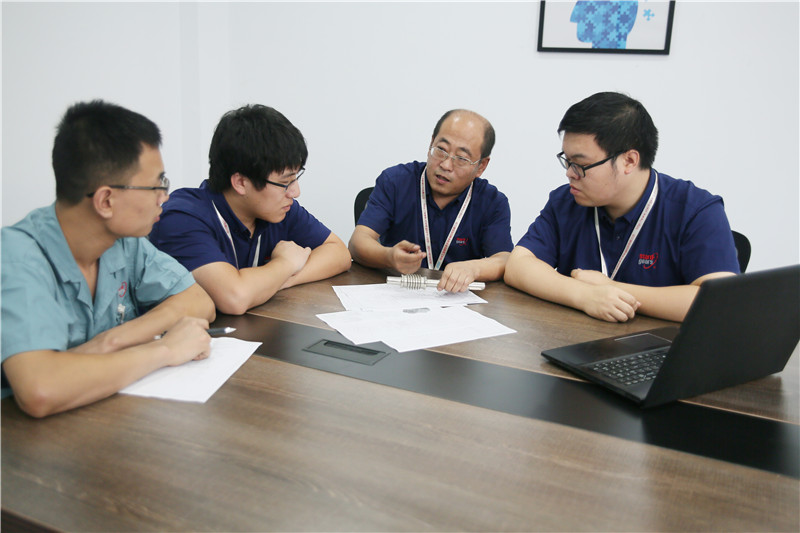
Our engineers collaborate with the client's technical team to establish operational variables, differential pressures, fail-safe limits, and environmental parameters.
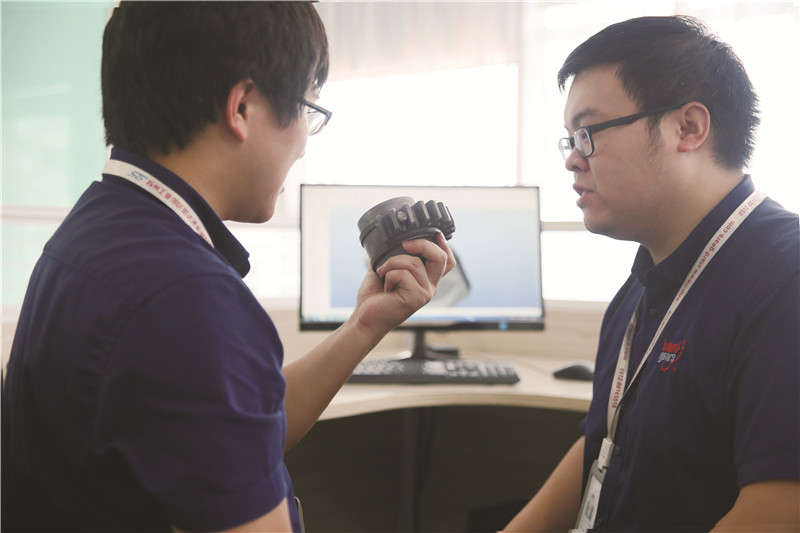
We draft the 3D actuator designs, sizing calculations, and air consumption models, confirming compliance with local industrial regulations.
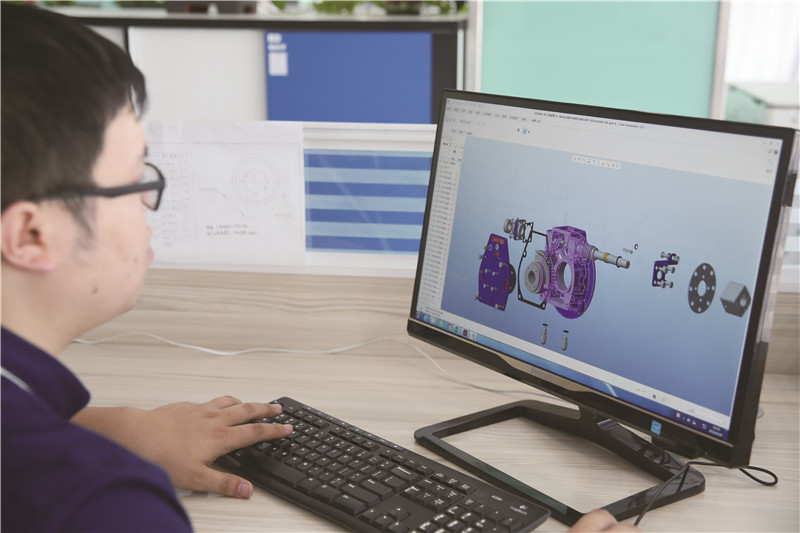
Final high-precision construction blueprints and machining tolerances are finalized in our PLM system before launching production tooling.
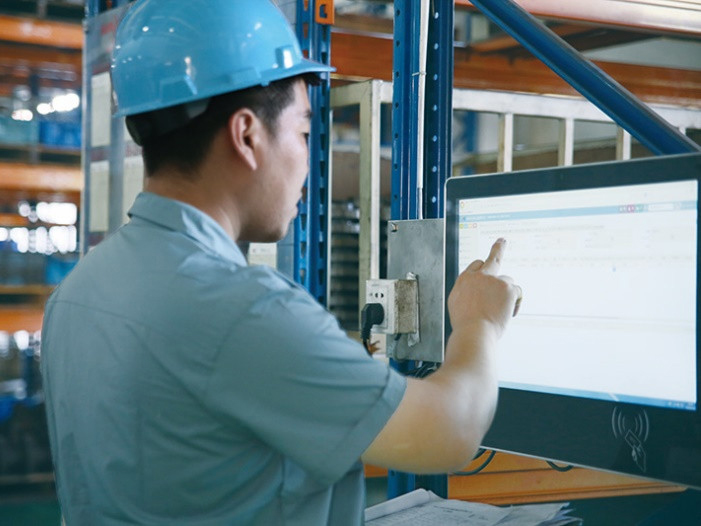
Stard-gears operates a comprehensive, custom-tailored Enterprise Resource Planning (ERP) platform. From raw castings and precision machining to assembly, testing, and shipping, every step is barcoded and tracked. This real-time production visibility ensures predictable timelines, consistent quality, and complete batch traceability.
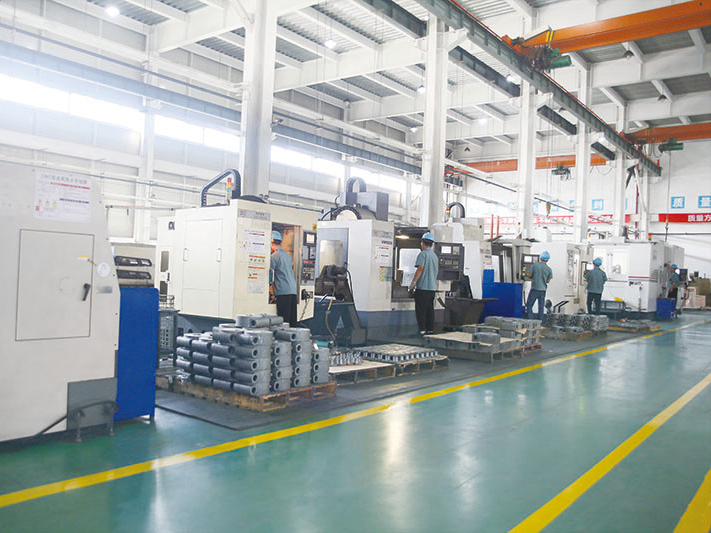
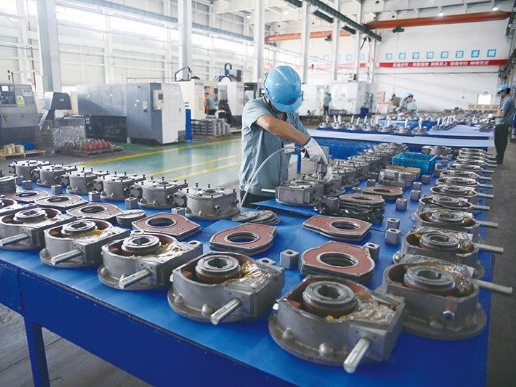
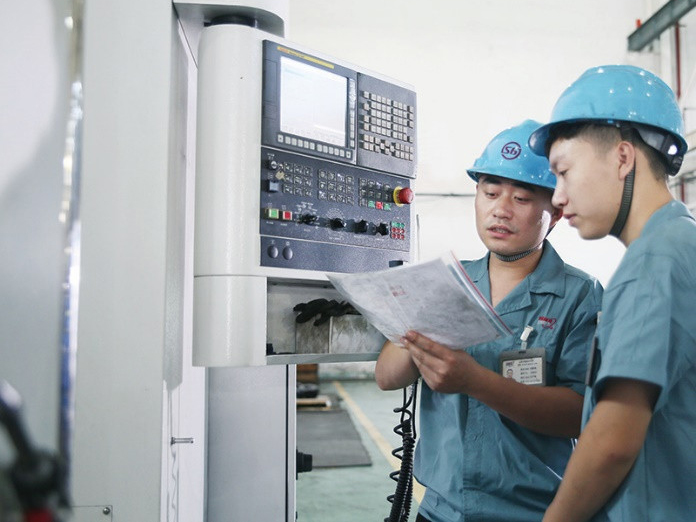
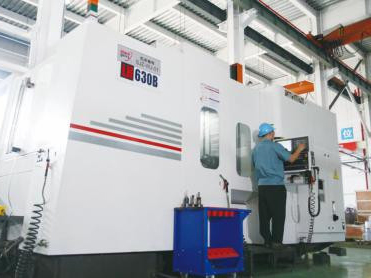
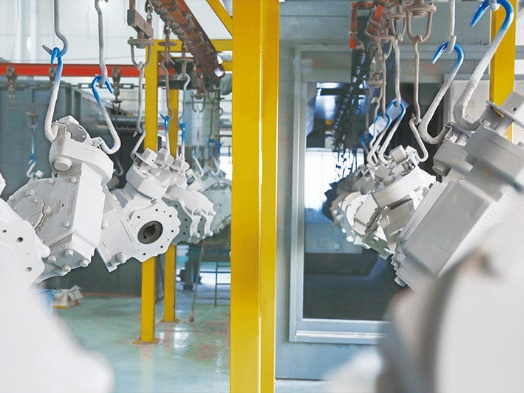
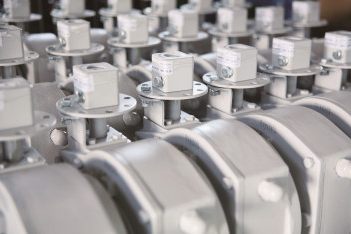
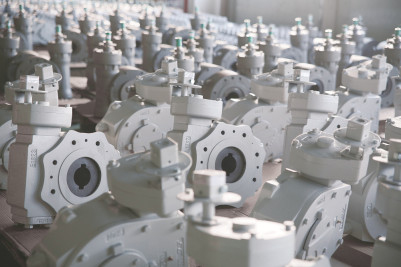
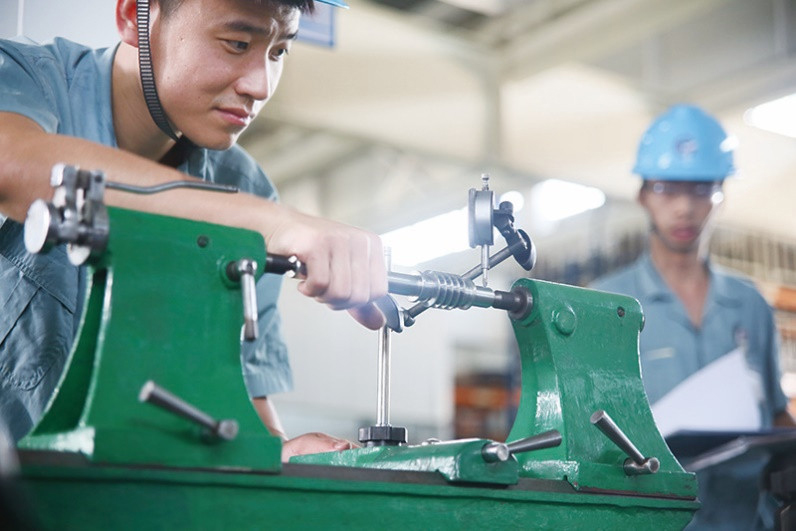
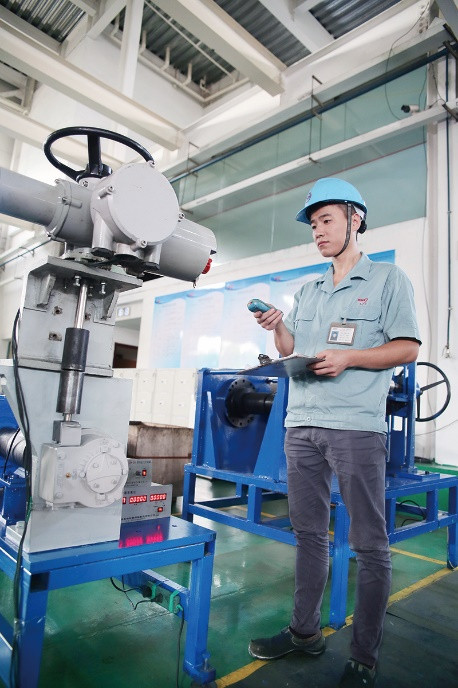
The annual output value of our Suzhou plant reaches $9,000,000. This high-capacity output is sustained by modern manufacturing setups, including high-precision multi-axis machining centers and automated test cells. Below is a look at our live workshop floor, machining centers, and raw material assembly units:
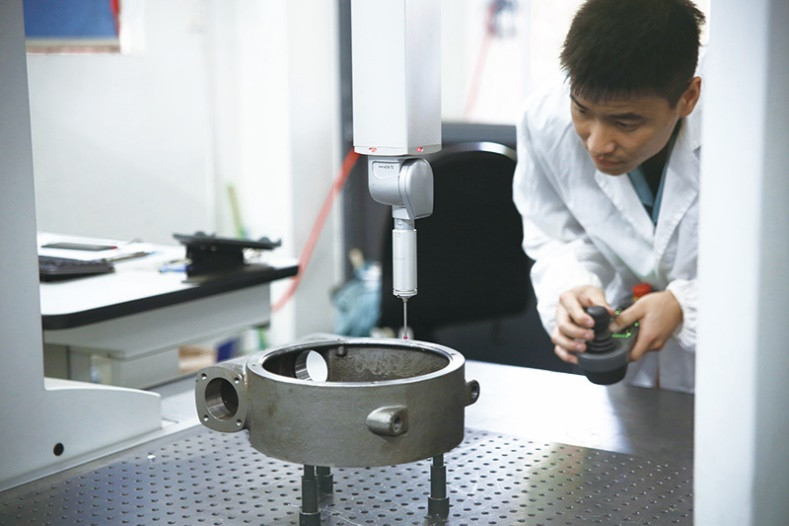
Quality control at Stard-gears is integrated throughout the manufacturing process. Dedicated quality control inspectors oversee each stage, including Incoming Quality Control (IQC) for cast alloys, In-Process Quality Control (IPQC) during machining, and Outgoing Quality Control (OQC) for all assemblies. All finished products undergo 100% pressure, seal, and operational performance testing prior to packaging.
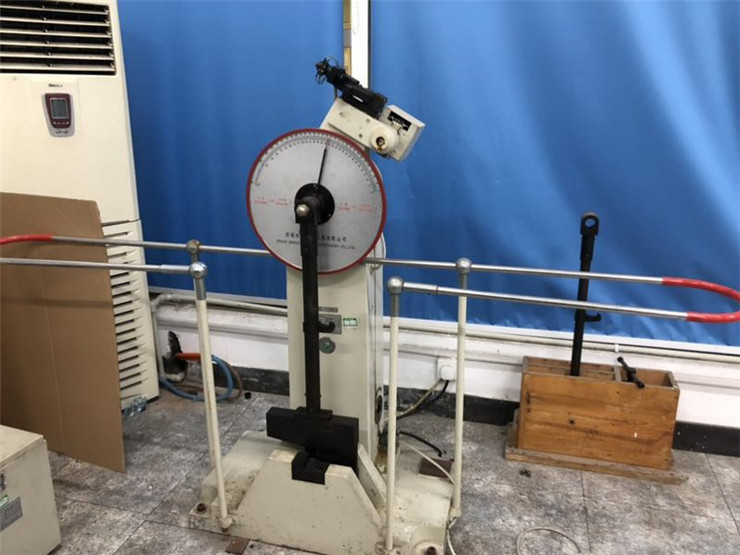
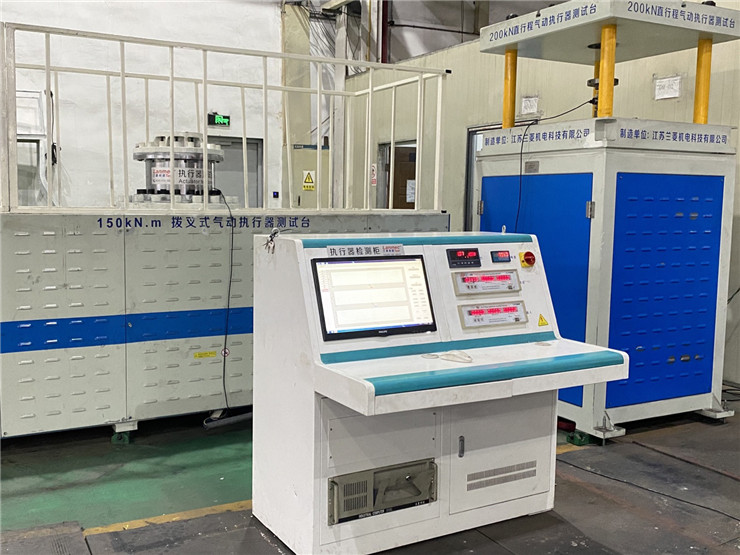
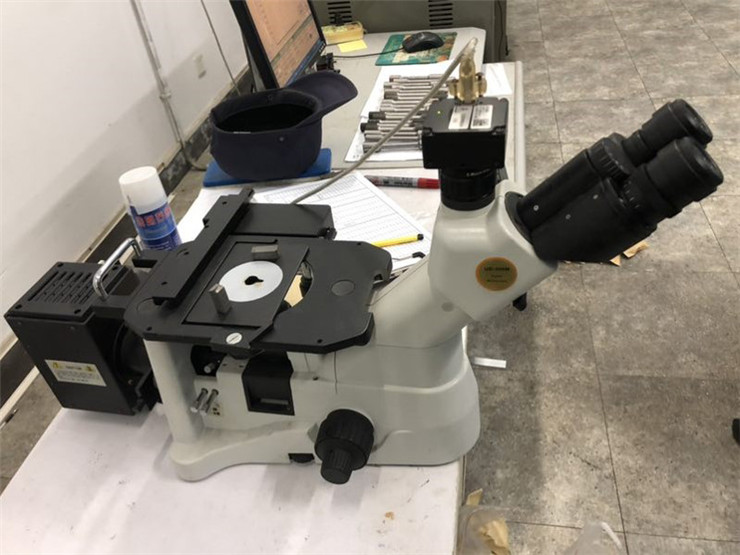
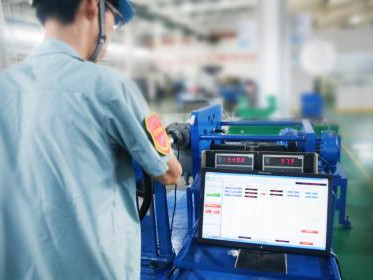
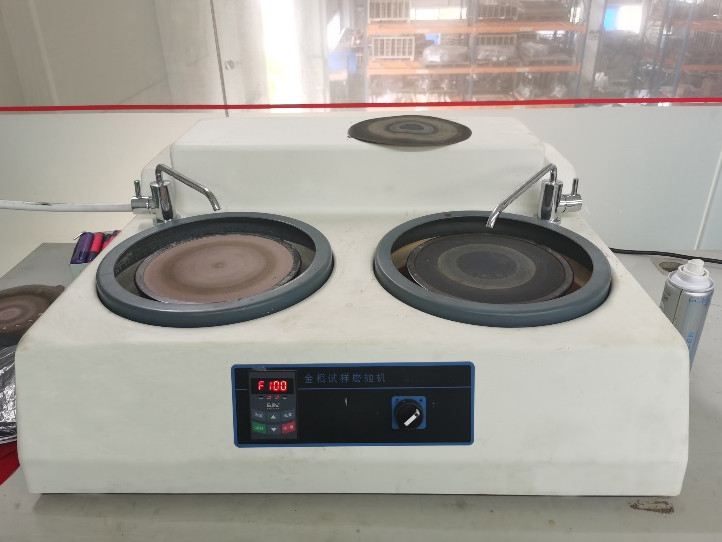
Our testing laboratory features specialized machinery designed for load and lifetime validation. This includes torque test rigs capable of charting spring and air profiles throughout the stroke, climate chambers for thermal testing, and cycle-life test setups to verify wear resistance over hundreds of thousands of cycles.
Valve automation needs vary significantly by sector. Stard-gears develops customized solutions designed to meet the technical and regulatory demands of each application:
As industrial operations increasingly adopt digital automation and telemetry systems, valve actuation is evolving to provide more than simple mechanical rotation. Stard-gears is developing integration solutions for digital smart positioners that communicate via HART, Foundation Fieldbus, or Profibus protocols. This enables real-time diagnostic reporting on seat wear, response times, and seal leakage.
In line with global decarbonization goals, we are optimizing the internal air dynamics of our pneumatic cylinders. By reducing the volume of compressed air required per stroke, we help operators lower compressor energy consumption, helping reduce overall plant carbon emissions. We are also testing bio-friendly lubricants and advanced low-friction coatings to extend seal life, reduce maintenance requirements, and eliminate volatile organic compound emissions from exhaust lines.
Operating in a global marketplace requires reliable regional support. Stard-gears partners with distributors and service centers across North America, Europe, and Asia-Pacific. These partners carry regional inventories of spare parts, provide local calibration support, and handle warranty services, reducing downtime for our international clients.
We also maintain a dedicated regulatory compliance department. This group ensures all export products carry correct documentation, including CE declarations, ATEX markings, SIL certificates, and localized safety data sheets. This thorough compliance management facilitates smooth customs clearance and straightforward integration into regional projects.
Browse our complete catalog of industrial-grade quarter-turn actuators, declutchable manual overrides, and multi-turn operators designed for durability in severe-service applications.