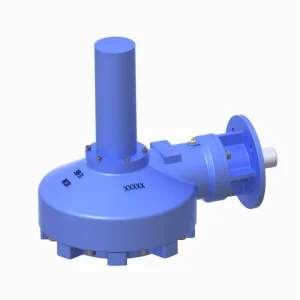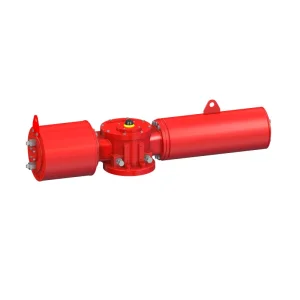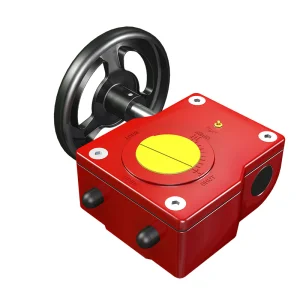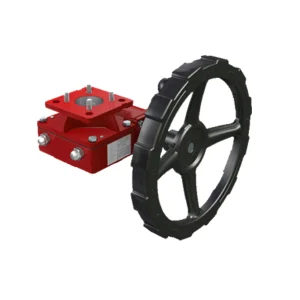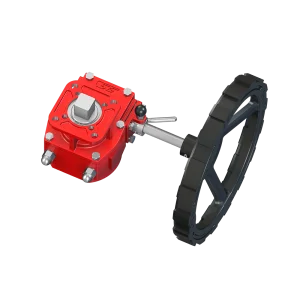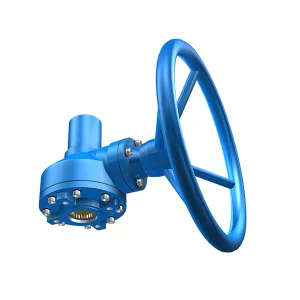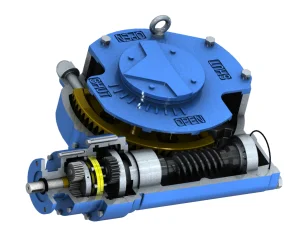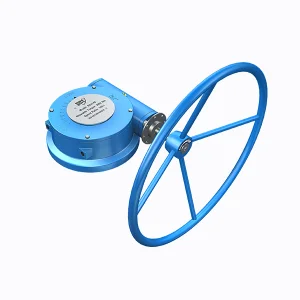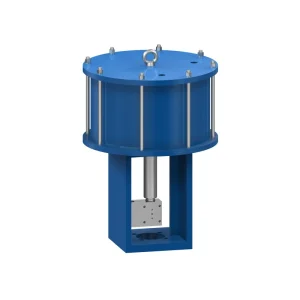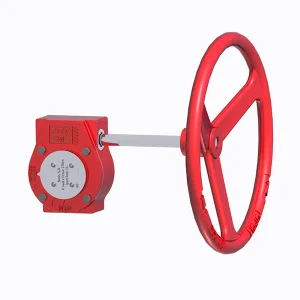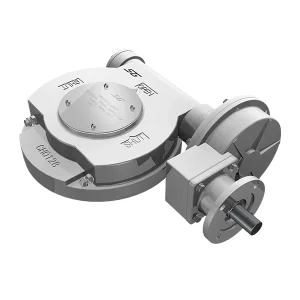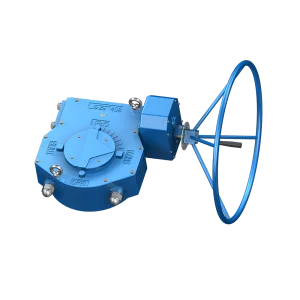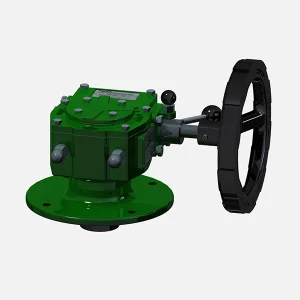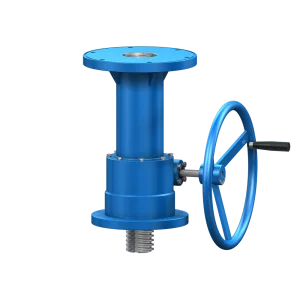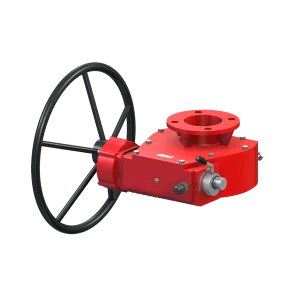
Explore our specialized valve gearboxes, pneumatic override units, and heavy-duty actuators designed to OEM specifications.
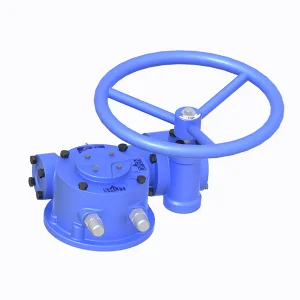
Founded in 1999 and situated in the high-tech development zone of the Suzhou Industrial Park, Stard-gears has established itself as an authoritative global manufacturer of high-performance valve control solutions. The plant layout covers an expansive 8,900 m² with a modern dedicated office workspace of 2,500 m². The engineering enterprise operates with a strong trajectory, reporting annual sales values of approximately $7,000,000 to $9,000,000, with a continuous year-on-year growth rate ranging between 10% and 20%.
Stard-gears is a modern corporate entity that seamlessly integrates research & development, precision production processes, global sales networks, and international trade operations. With over 25 years of deep-seated industrial experience, we design and produce 9 distinct product series encompassing roughly 80 specialized varieties of gear operators and actuators, achieving a total production capacity scaling to 100,000 sets annually.
Our solutions cater to hazardous and high-reliability operating landscapes, including petroleum extraction, petrochemical plants, natural gas distribution, nuclear power generation, and municipal water management systems. Our geographic location in China's Yangtze River Delta ensures robust raw material sourcing, casting procurement, and streamlined global logistics, allowing us to maintain optimal lead times and exceptional product value for our international clients.
"Under our strict corporate mission statement of 'excellent reputation, best quality, and perfect service,' Stard-gears integrates state-of-the-art engineering practices with rigorous quality gates to serve customers across the United States, Italy, Germany, Mexico, Singapore, Japan, and beyond."
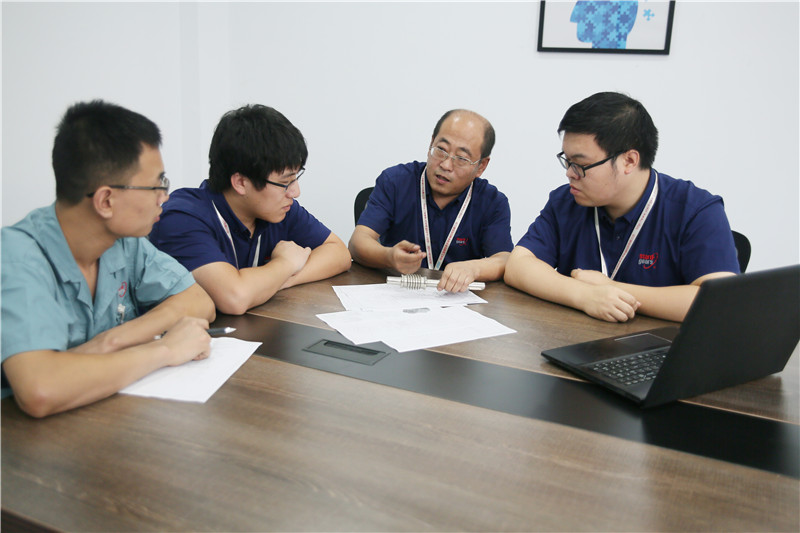
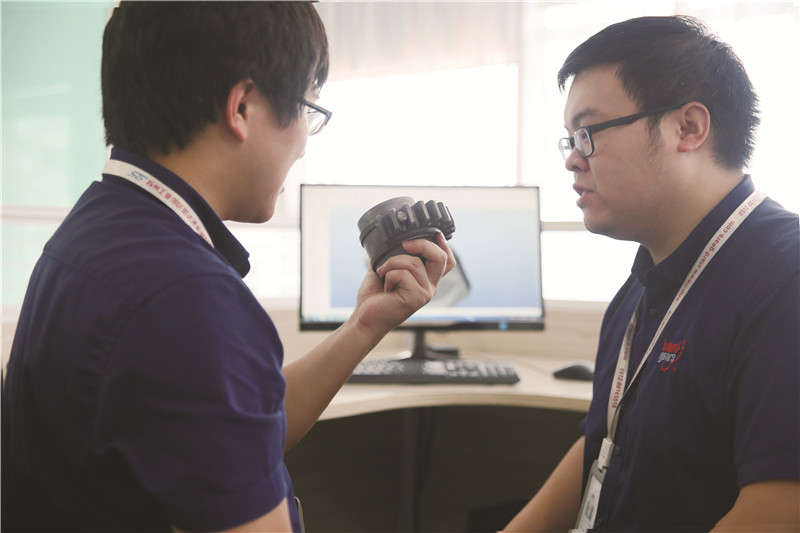
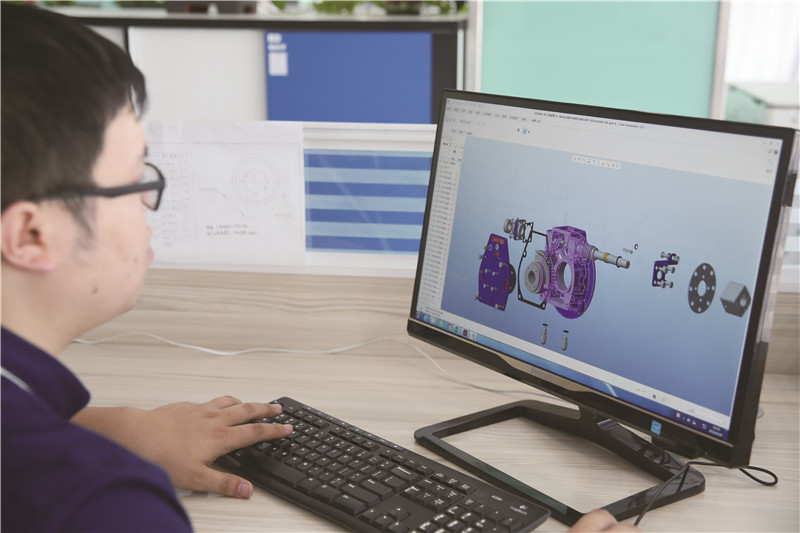
Leveraging finite element analysis and structural modeling to produce highly reliable actuation systems before physical prototyping.
At Stard-gears, innovation is backed by numerical verification. Our structural engineering department utilizes modern 3D computer-aided design (CAD) software, structural dynamic simulations, and advanced Finite Element Analysis (FEA). This digital environment allows our engineering division to virtually verify stress concentrations, material strain limits, gear tooth wear factors, and deflection under high-torque scenarios.
By simulating mechanical loads prior to casting fabrication, we significantly compress the new product development cycle. This workflow ensures that each torque actuator—whether an aluminum alloy quarter-turn gearbox or a high-strength ductile iron declutchable mechanism—is fully optimized for safety, material utilization efficiency, and fatigue resistance, while reducing overall product development costs and passing those savings to our clients.
Underpinning our manufacturing with Enterprise Resource Planning (ERP) to guarantee transparent scheduling and operational efficiency.
Execution transparency is vital for B2B procurement partners. Stard-gears runs a comprehensive Enterprise Resource Planning (ERP) management system that dynamically schedules casting supply lines, mechanical machining stages, final assembly operations, and quality inspection workflows. This central software nervous system tracks the real-time status of each client's order down to specific part batches, maximizing efficiency and eliminating lead-time variability.
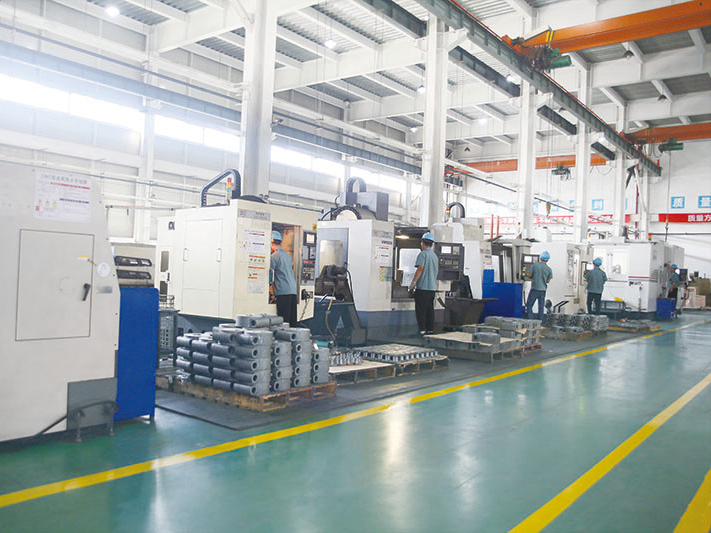
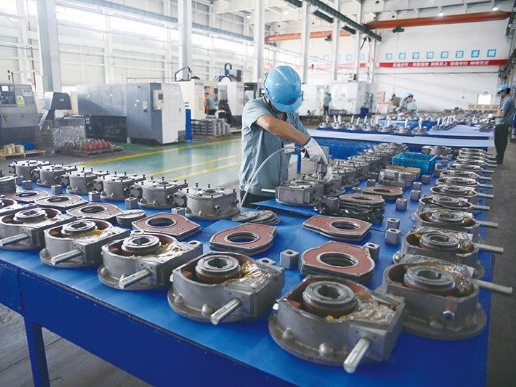
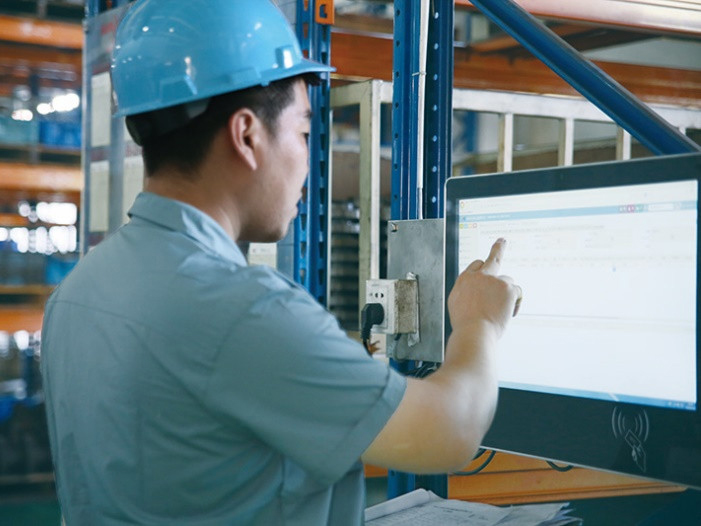
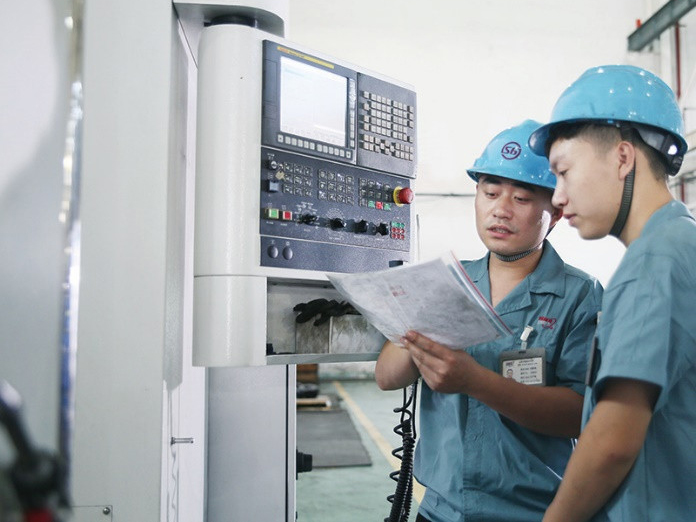
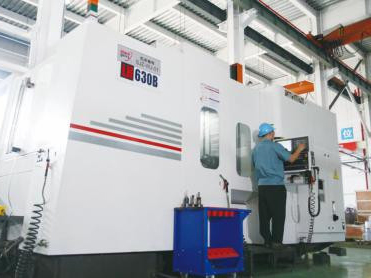
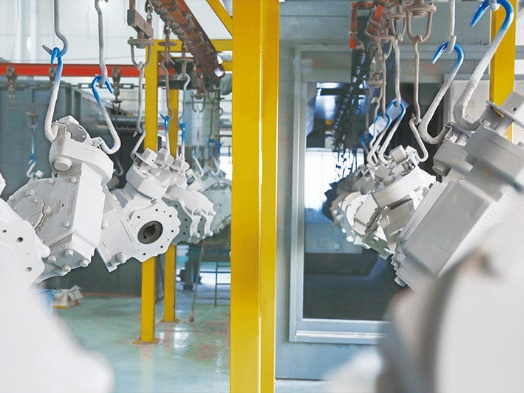
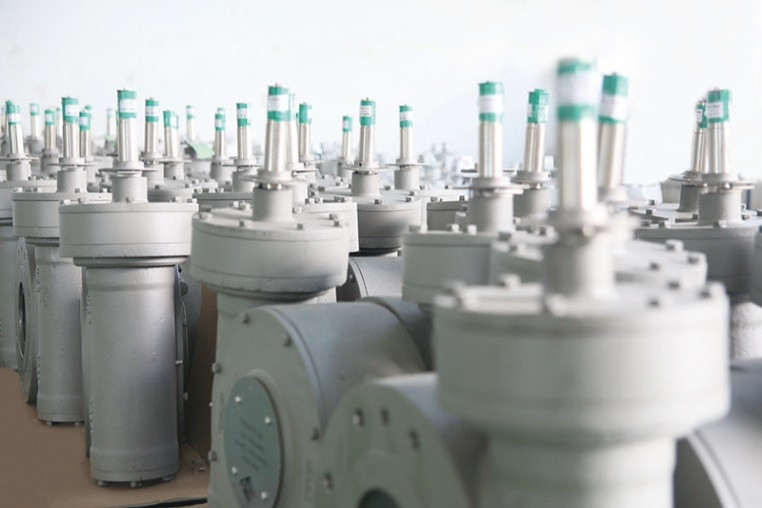
Our infrastructure capacity yields an annual output value exceeding $9,000,000. This allows us to supply both small-scale high-precision custom builds and large-scale bulk plant automation projects. Below are typical snapshots of our heavy-capacity processing gear and workshop structures:
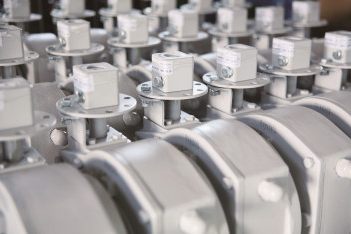
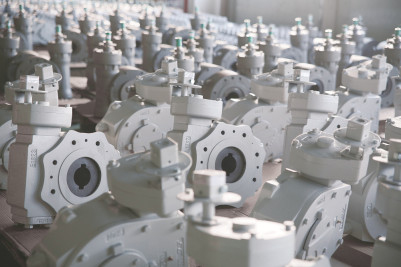
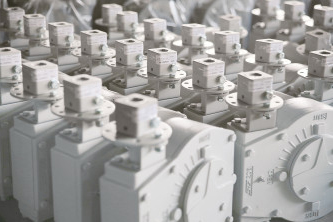
Maintaining a zero-defect policy through systematic material testing, torque verification, and lifetime cycles validation.
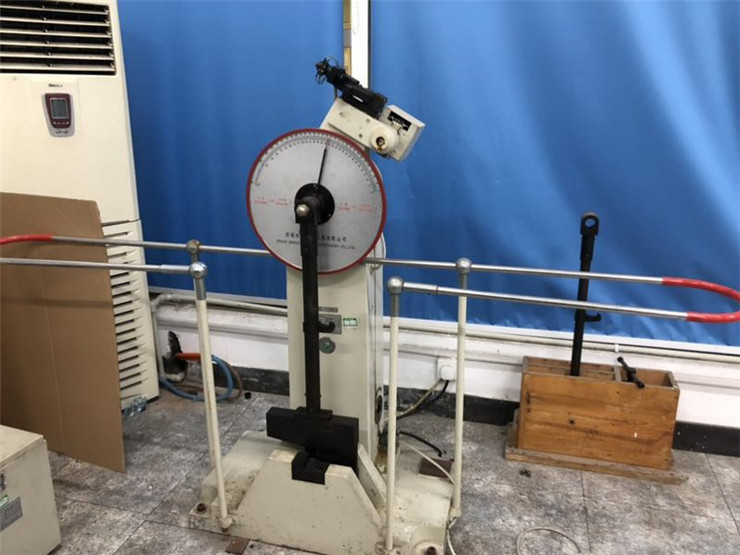
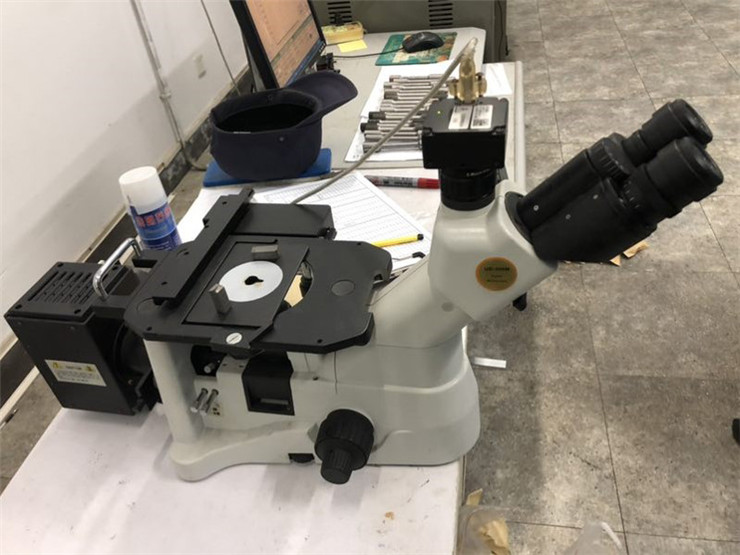
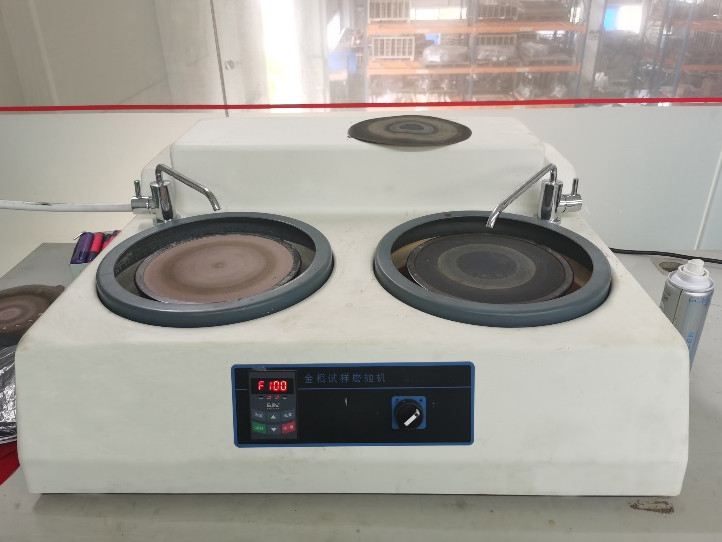
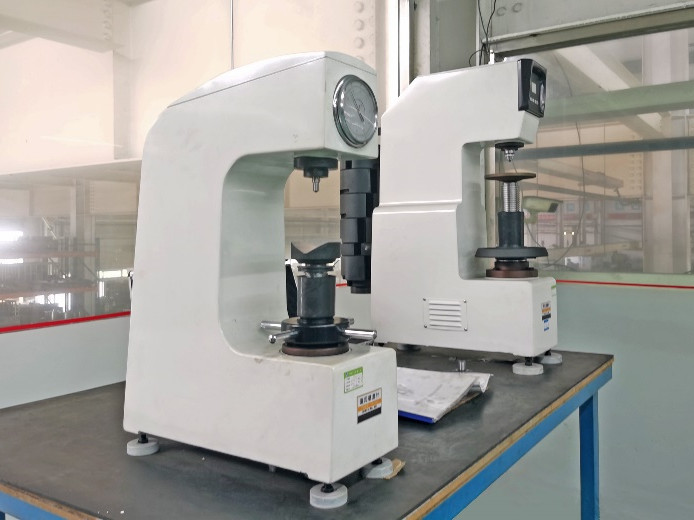
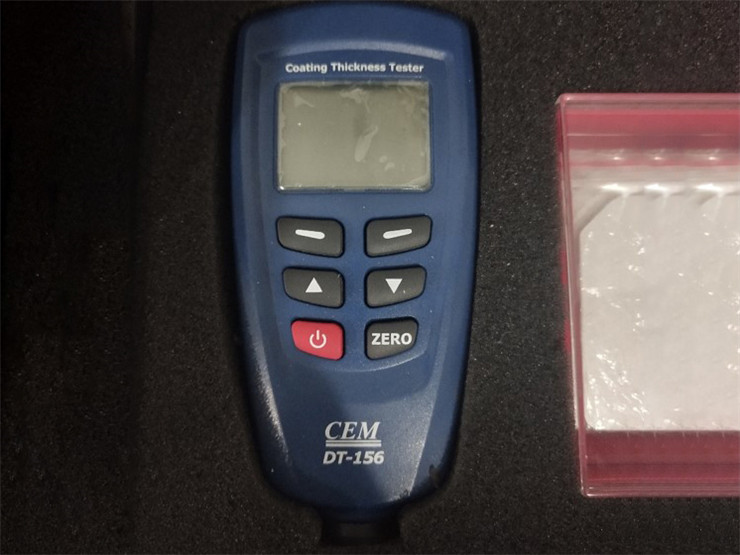
Quality at Stard-gears is a non-negotiable process parameter. We have established full-time Quality Control (QC) posts at every phase of the manufacturing flow. This begins with incoming raw materials (spectrographic analysis of castings, tensile strength tests) and extends to in-process inspections (micrometer dimensional tolerance testing, thread geometry validation) and final structural testing (axial load compliance and weatherproofing verification).
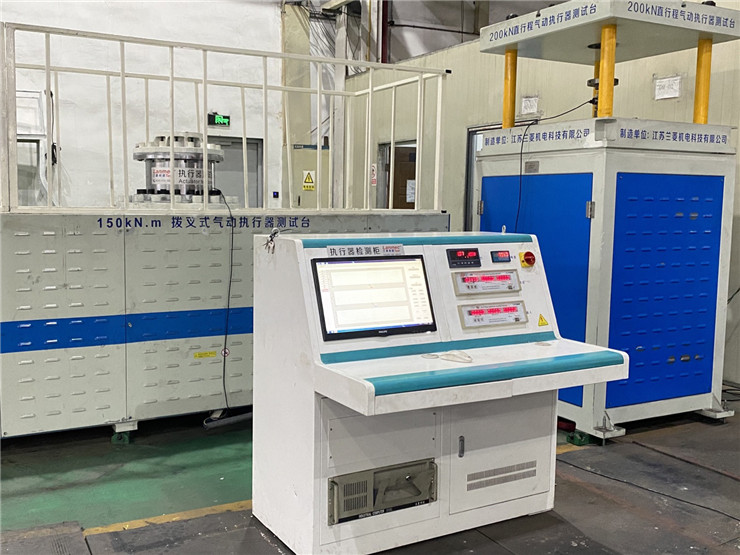
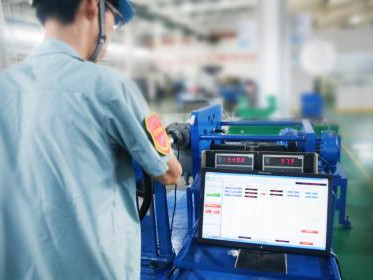
No gear operator or actuator leaves our Suzhou factory without a 100% qualification pass. We maintain in-house calibration equipment and physical verification stations to validate the mechanical limit configurations and environmental seal ratings of all units, matching international performance certifications.
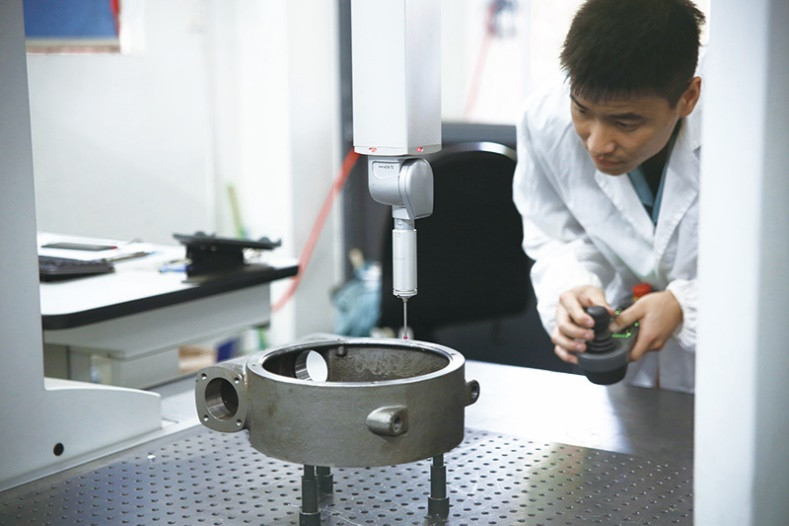
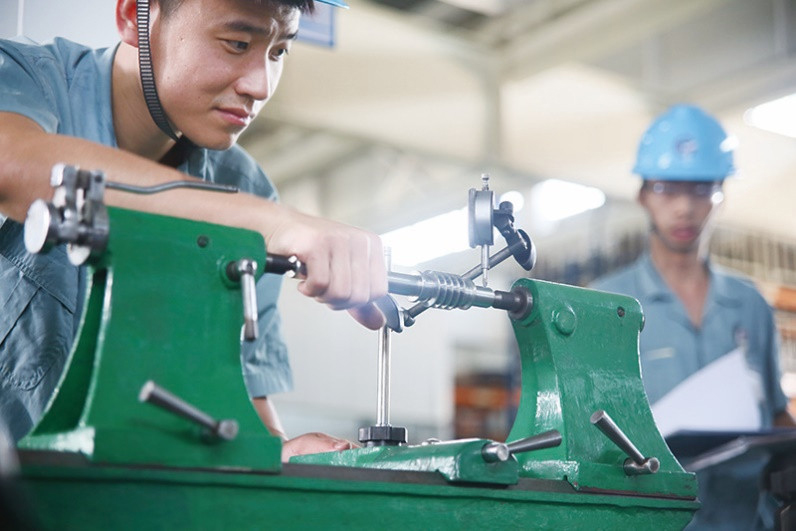
Our dedicated laboratory is equipped with state-of-the-art torque testing rigs, environmental exposure chambers, and cycle fatigue simulators. Our team performs testing protocols including:
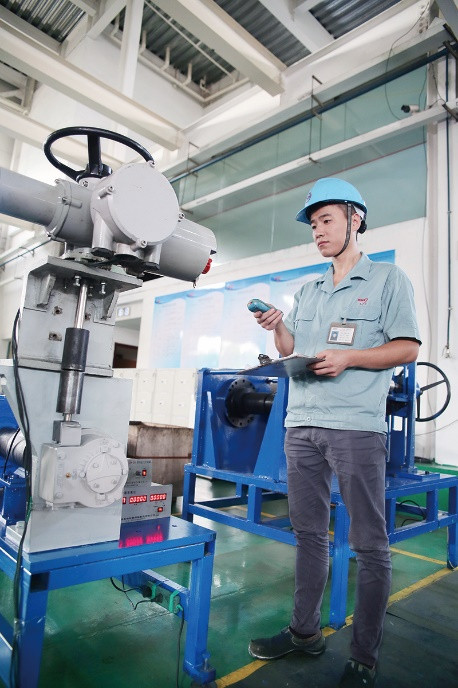
An authoritative analysis of mechanical efficiency, material selections, and emerging technology trends in heavy industrial valve actuation.
Industrial torque actuators operate by converting multi-turn manual inputs or high-speed motor rotations into slow-speed, high-torque output profiles. The selection of the underlying gear kinematic chain dictates the overall system performance:
Material selection determines how well a gearbox handles mechanical stress and environmental exposure. Depending on the installation environment, three core alloys are used:
| Material Type | Mechanical Tensile Strength | Corrosion Resistance | Common Applications |
|---|---|---|---|
| Ductile Iron (e.g., GGG40 / GGG50) | High (400 - 500 MPa) | Moderate (requires external coating) | Main pipeline valve operators, heavy-duty industrial gearboxes, underground/buried services. |
| Cast Carbon Steel (WCB) | Very High (exceeds 485 MPa) | Moderate (high impact toughness) | High-pressure petrochemical flowlines, steam services, marine platforms. |
| Aluminum Alloy (Anodized/Epoxy Coated) | Medium (200 - 300 MPa) | Excellent (spontaneous passivation) | Weight-sensitive installations, indoor process lines, high-humidity packaging plants. |
Actuator technology is moving beyond simple mechanical gears toward smart, connected actuation networks. Key milestones in the industry roadmap include:
Torque actuators play a vital role in keeping infrastructure safe and efficient. Here is how they are tailored for major industrial sectors:
How our strategic location in the Yangtze River Delta delivers short lead times and stable pricing for global buyers.
Our main manufacturing facility is located in the Suzhou Industrial Park, inside China's Yangtze River Delta industrial hub. This region contains one of the world's most concentrated clusters of foundries, precision machine shops, heat-treatment providers, and seal manufacturers. Because of this proximity, we source key components quickly, minimizing transport times and material handling costs.
This supply chain integration, combined with our in-house ERP scheduling, allows Stard-gears to absorb supply fluctuations and provide predictable lead times. Additionally, we maintain strategic safety stocks of common raw castings and seals, allowing us to ship standard gear operator models within tight delivery windows.
By blending localized supply lines with modern production tools (such as CNC machining centers, automated powder-coating lines, and computerized torque testing rigs), we balance high-volume output with strict quality control. Global procurement managers benefit from a reliable, ISO 9001-certified production partner capable of scaling capacity to meet seasonal demands.
A step-by-step process for design engineers and procurement managers to specify, customize, and verify OEM gearboxes.
Determine the required operating torque, maximum safety factor, gear reduction ratio, and target valve interface (standardized ISO 5211 drive flange sizes).
Specify the housing material (ductile iron, WCB steel, or aluminum) and the seal compound (NBR for standard duty, FKM for high temperatures, VMQ for low-temperature climates).
Review 3D CAD step files and FEA simulation reports generated by our team. Approve prototypes before proceeding to high-volume manufacturing run-ups.
Common questions from design engineers and procurement departments regarding selection, installation, and operation.
A declutchable gearbox features an internal cam engagement system that allows the operator to manually connect or disconnect the manual handwheel gear train from the main valve drive stem. It is typically positioned between a pneumatic cylinder actuator and a valve. During automated operation, the gearbox is declutched to allow the pneumatic actuator to turn freely. In the event of a pneumatic air supply failure, the unit is manually clutched back in, allowing personnel to safely override the valve. Standard override gearboxes remain constantly engaged, which is less ideal for high-speed automated systems.
Ductile iron contains graphite in spherical nodular form, which prevents crack propagation. This structure gives it significantly higher tensile strength (minimum 400 MPa compared to cast iron's 150-200 MPa) and superior impact resistance. Cast iron is brittle and prone to catastrophic failure under sudden pressure shocks, water hammer, or external physical impacts. Ductile iron provides the mechanical integrity needed for critical safety installations.
Actuator sizing requires knowing the valve's breakout torque (the torque needed to open the valve against differential pressure), run torque, and seating torque. Apply a safety factor (typically 20% to 30% depending on the media's viscosity, temperature, and cycle frequency). Once the required target torque is defined, select an actuator with a matching output torque rating that aligns with the valve's ISO 5211 mounting flange type and stem dimensions.
Buried gearboxes require an IP68 ingress protection rating. We achieve this by using static elastomeric O-rings on all mating joints, dual rotary lip seals on input/output shafts, and waterproof lubricants. Externally, the housings are blast-cleaned and coated with thick polyurethane coatings or high-build coal tar epoxy to protect the metal from soil acidity and moisture.
Yes. Our core range of valve gear operators, declutchable gearboxes, and pneumatic override actuators carry full CE certification. This ensures compliance with European machinery directives, pressure equipment standards, and safety requirements, facilitating seamless integration into European process facilities.
Discover more specialized manual and electric override options from our high-performance gear series.