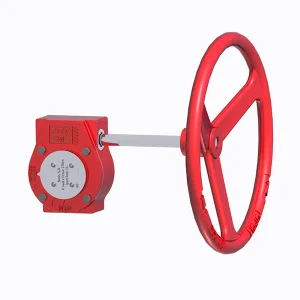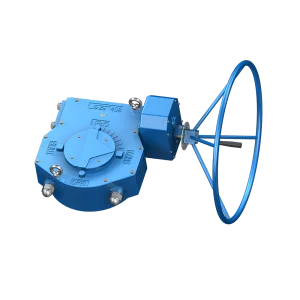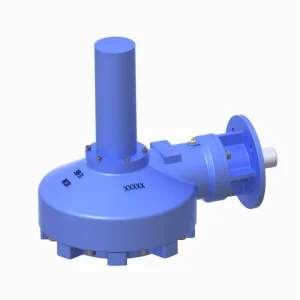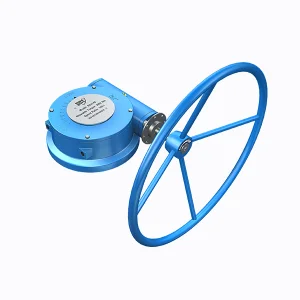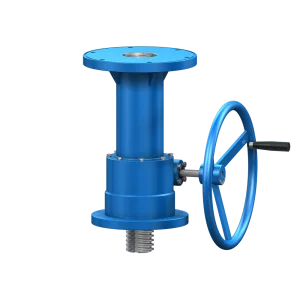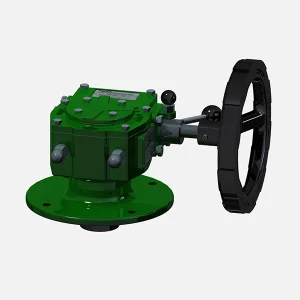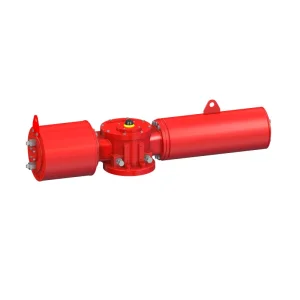
Explore our top-tier engineering solutions, certified with international standards to offer maximum mechanical advantage and reliability in severe conditions.
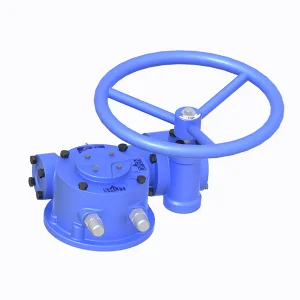
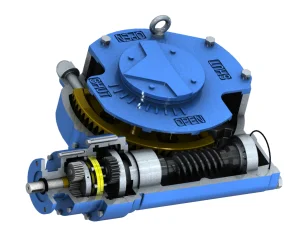
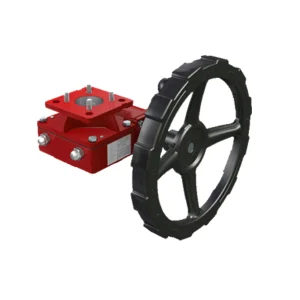
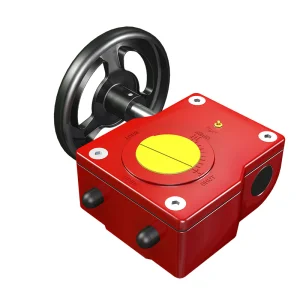
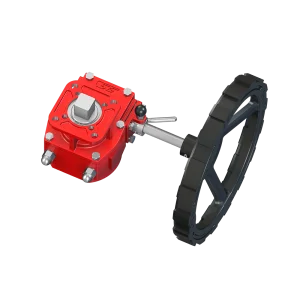
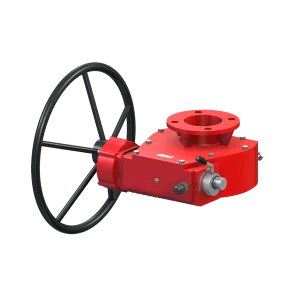
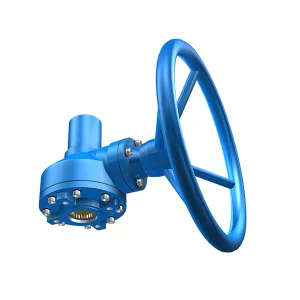
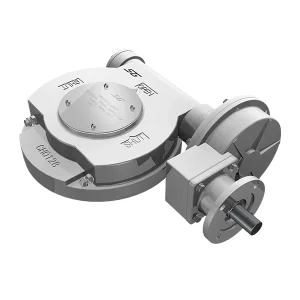
A valve operator, also commonly designated as a valve gearbox or manual override mechanism, serves as the critical torque-amplification component bridging the control actuator or handwheel to the valve's internal flow control member. In standard quarter-turn ball, butterfly, and plug valves, as well as multi-turn gate and globe valves, the torque required to overcome dynamic fluid pressure, seat friction, and seal compression can exceed the physical capabilities of manual human effort or standard compact actuators. Industrial valve operators solve this by utilizing highly engineered gear arrangements—typically worm, bevel, spur, or scotch-yoke drive geometries—to provide robust mechanical advantage, enabling predictable and smooth rotational operation.
In high-demand segments like the global petrochemical, subsea exploration, cryogenic processing, and municipal wastewater sectors, these operators are subjected to severe stress cycles, extreme ambient variations, and aggressive chemical exposure. Stard-gears, an ISO 9001 certified global leader established in 1999 in Suzhou Industrial Park, China, designs and manufactures heavy-duty valve operators capable of managing output torques ranging from standard applications up to highly customized setups. Utilizing premium materials like ductile iron (GGG40), cast steel (WCB), and specialized aluminum alloys, these operators are engineered to perform flawlessly, ensuring long-term reliability and minimal maintenance.
Founded in 1999 and situated within the Suzhou Industrial Park, Stard-gears operates a modern facility covering 8,900 m² of plant space alongside a 2,500 m² administrative center. Over the past 25 years, our annual sales have consistently grown by 10% to 20%, currently yielding an annual production capacity reaching 100,000 sets. Operating under a comprehensive ISO 9001 quality management framework, we have built a reputation as a trusted global partner in valve control technology.
Our strategic location in Suzhou puts us at the center of the Yangtze River Delta's robust manufacturing cluster. This regional advantage provides us with direct access to advanced casting, high-precision machining, and premium component ecosystems. The resulting supply chain efficiency allows us to balance rapid delivery schedules with strict quality standards. We offer 9 distinct product series comprising approximately 80 variations of gear operators, serving major markets in the United States, Italy, Germany, Mexico, Singapore, and Japan.
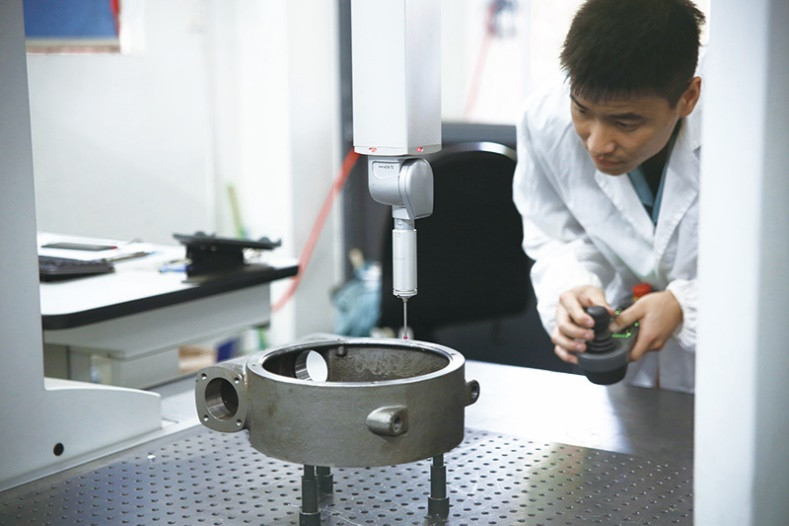
Precision Machined Casting Inspection
Modern industrial operations require valve operators to perform reliably under high pressures and severe torque peaks. To ensure mechanical integrity, our engineering team uses 3D computer-aided design (CAD), multi-body dynamic simulations, and Finite Element Analysis (FEA) before physical production begins. This virtual testing process helps identify stress concentration zones on gear teeth, shafts, and housings, allowing us to optimize geometries, select suitable materials, and reduce overall cost.
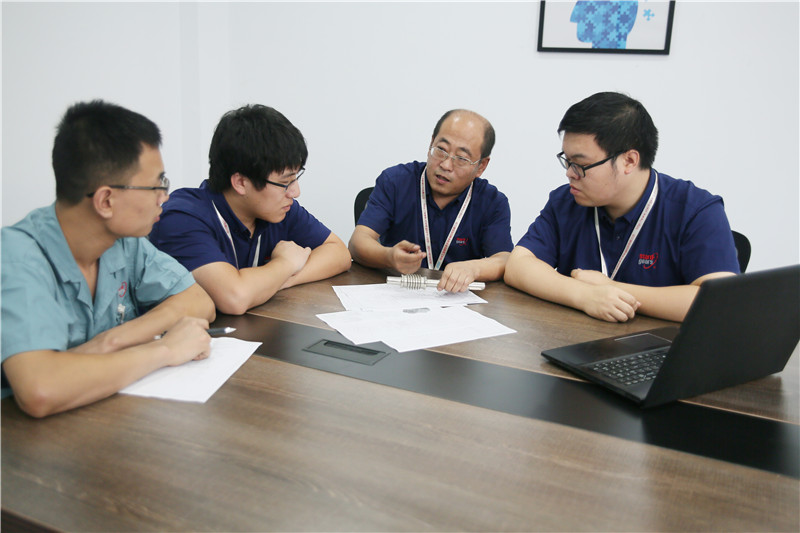
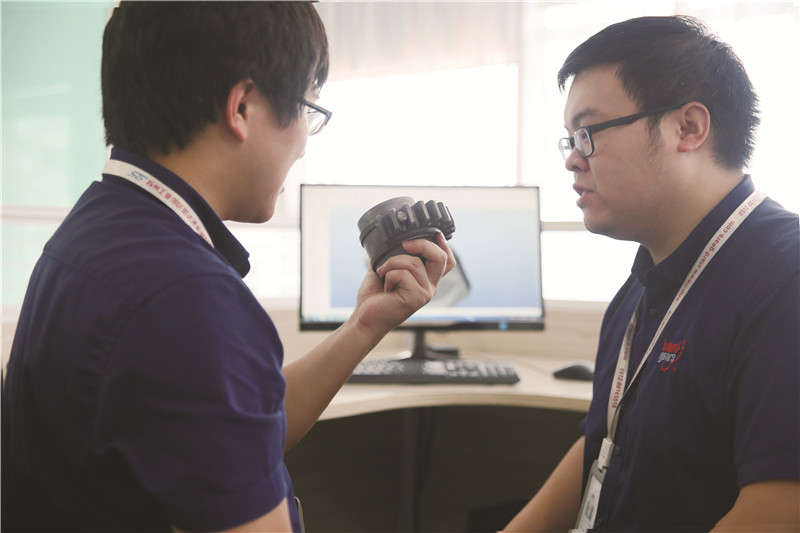
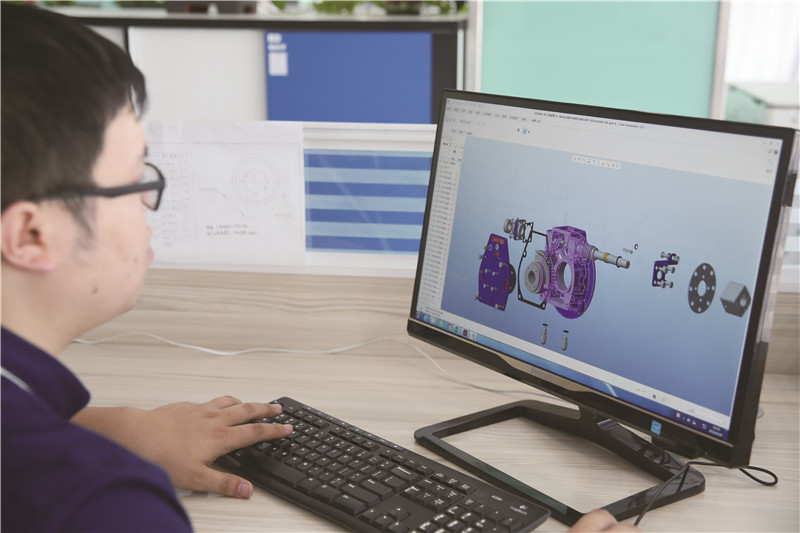
By simulating mechanical loads, thermal variations, and environmental stresses, we verify calculations for gear ratios, mechanical efficiency, and cyclic fatigue life. This digital engineering methodology ensures that every product, whether it is an aluminum alloy declutchable gearbox or a heavy bevel gear operator, meets the required performance margins. This process significantly shortens design cycles, reduces prototyping waste, and ensures that our finished valve operators comply with international performance standards.
Our Suzhou manufacturing facility utilizes advanced production technology to maintain quality across high-volume production runs. High-precision CNC vertical and horizontal machining centers produce gear casings, worm shafts, and input drives with tight dimensional tolerances. Strict dimensional control prevents gear backlash, reduces wear, and optimizes torque transmission efficiency.
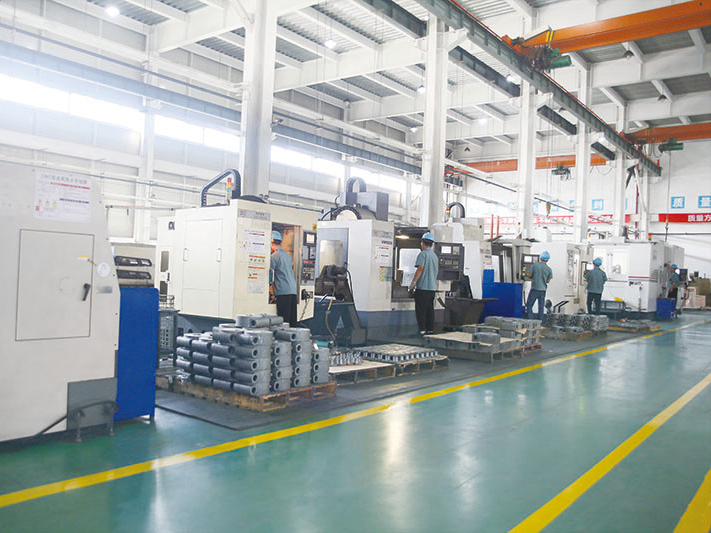
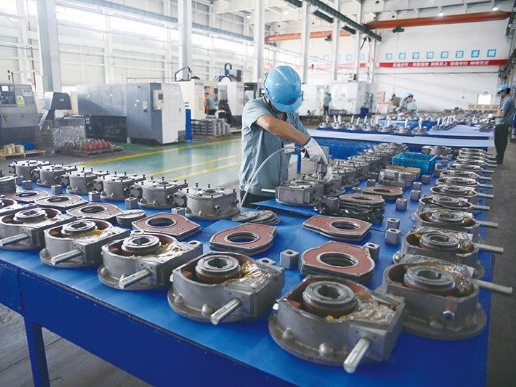
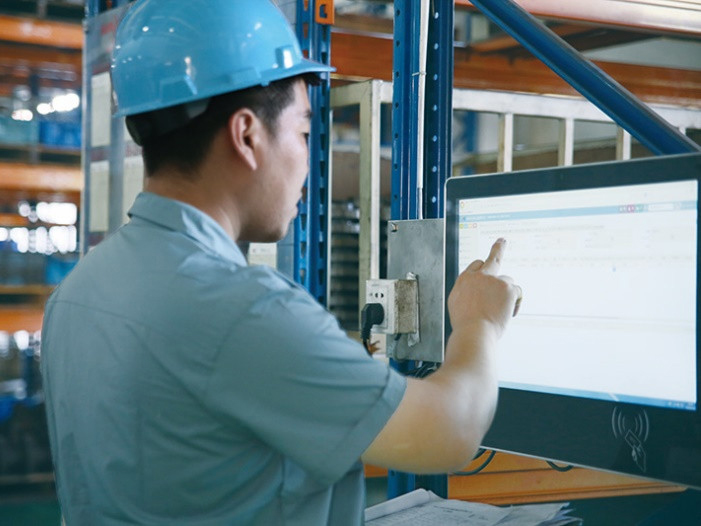
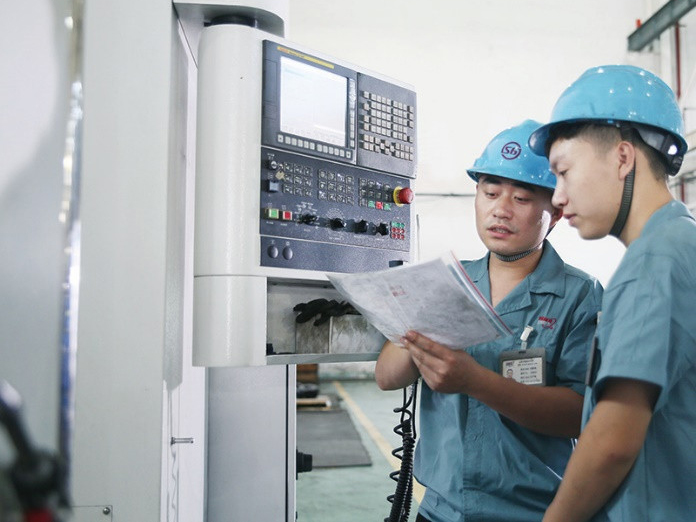
Production scheduling and order tracking are managed via an integrated Enterprise Resource Planning (ERP) database. This system offers real-time tracking of manufacturing stages, from material arrival to final product packaging. This visibility enables us to optimize inventory levels, maintain component traceability, and meet delivery schedules for both standard and customized products.
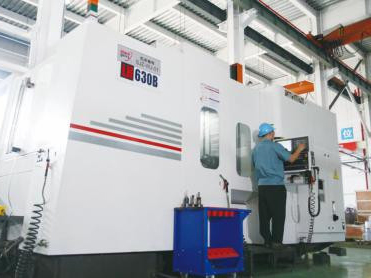
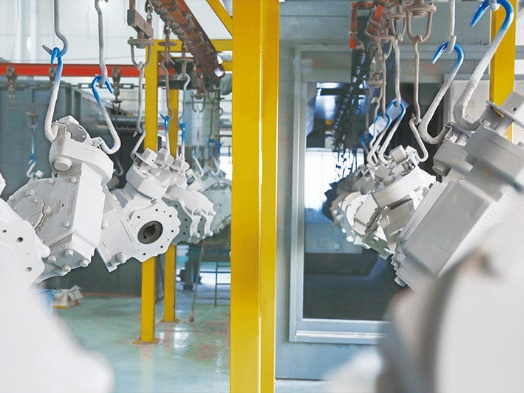
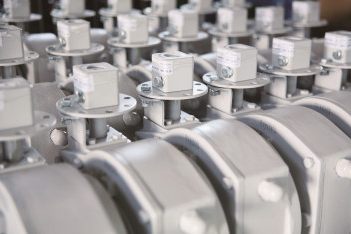
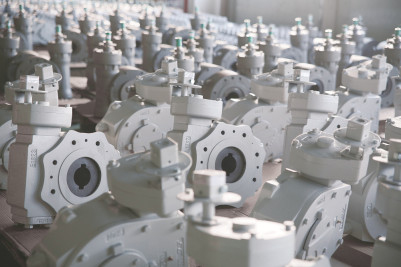
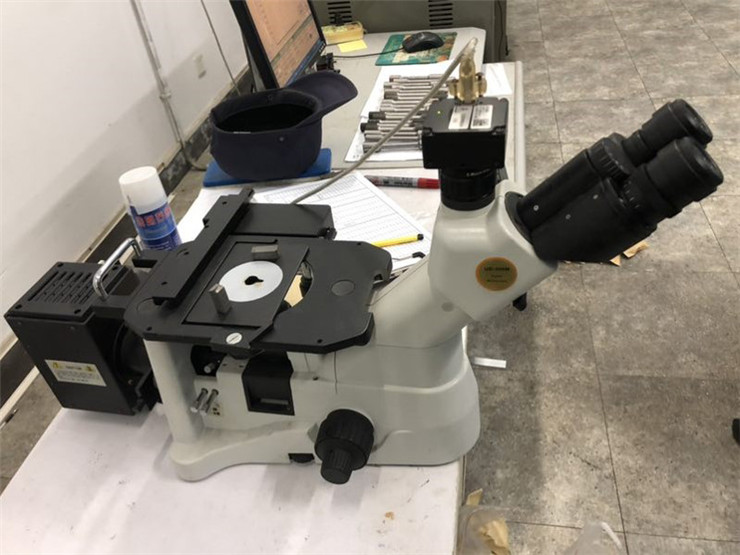
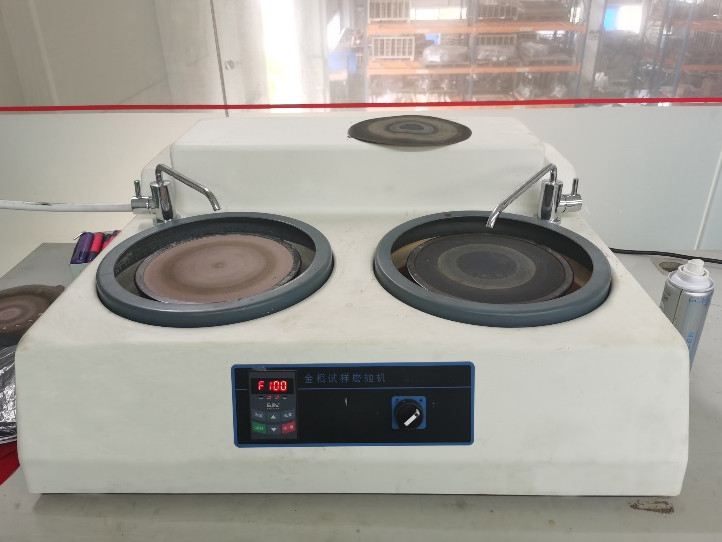
Quality control is integrated throughout our manufacturing processes. Stard-gears employs full-time quality assurance inspectors at every stage, including incoming material analysis, in-process machining verification, and final performance testing. We utilize non-destructive testing (NDT), coordinate measuring machines (CMM), and specialized testing rigs to verify chemical compositions, mechanical properties, and sealing integrity.
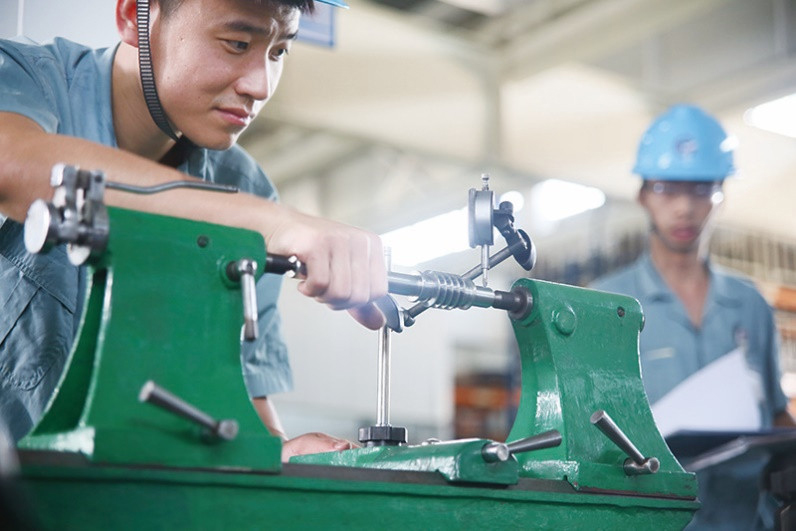
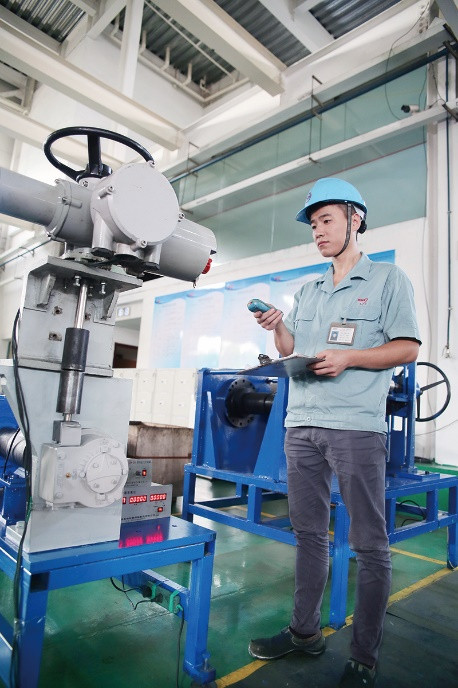
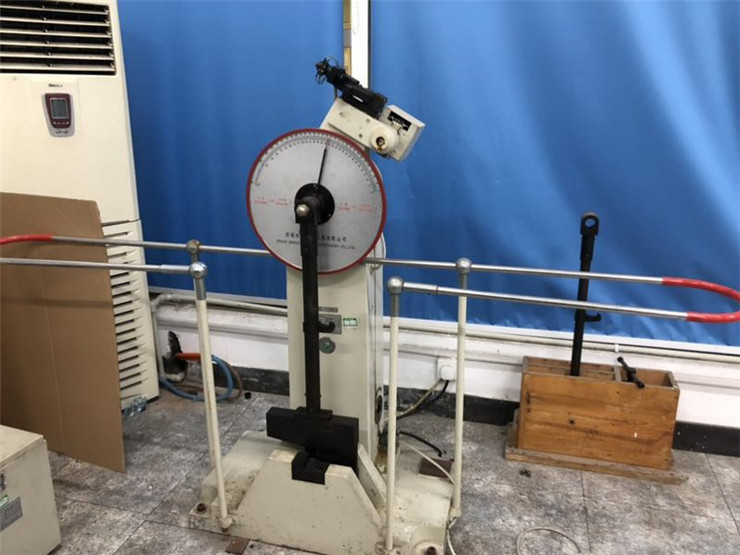
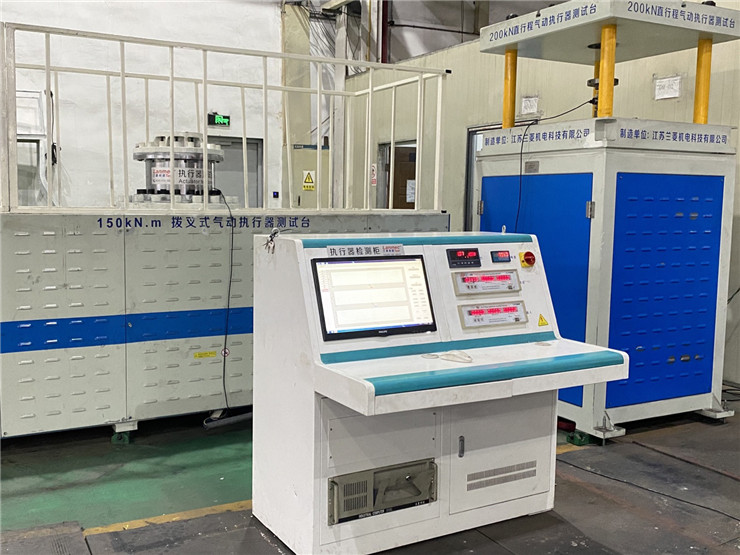
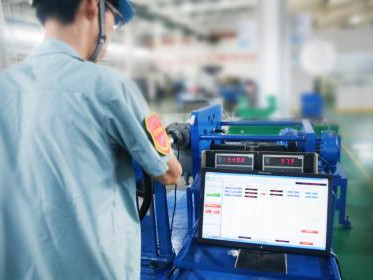
Our testing labs perform torque characterization and life-cycle fatigue testing to verify that our gearboxes operate reliably across their service life. This testing ensures that our products comply with demanding industry specifications, including CE machinery directives and international standards for extreme temperature, high vibration, and corrosive environments.
The Yangtze River Delta (YRD) is a major global hub for advanced manufacturing and industrial component supply chains. Our location in Suzhou Industrial Park provides several key advantages:
Stard-gears manual and automated valve operators are used in critical flow-control applications around the world. Key sectors include:
When selecting an OEM partner for valve operators, procurement teams should evaluate suppliers against key criteria to ensure long-term value and minimize operating risk:
Get professional technical insights directly from our engineering and design team.
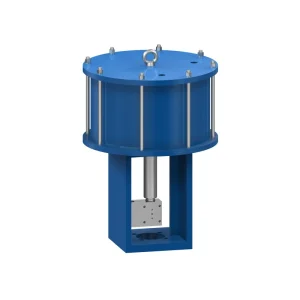
Browse our full range of certified quarter-turn manual operators, multi-turn bevel gearboxes, declutchable units, and linear pneumatic overrides.