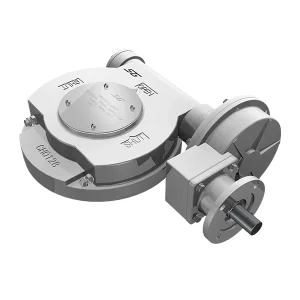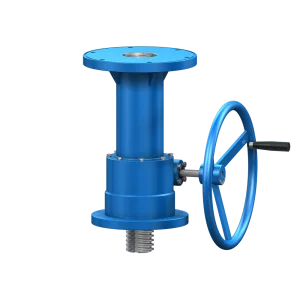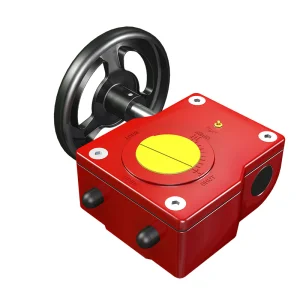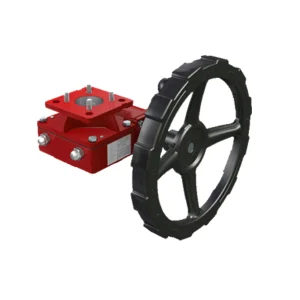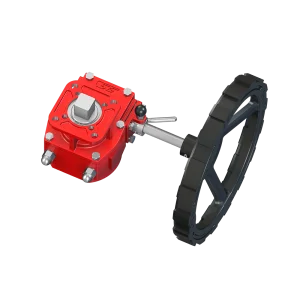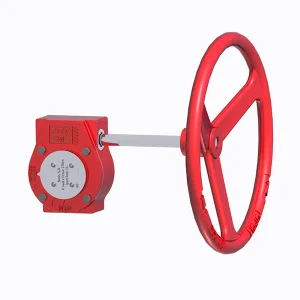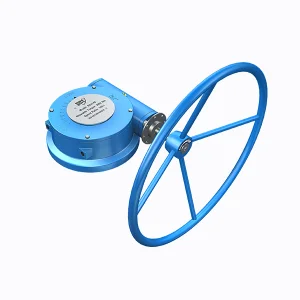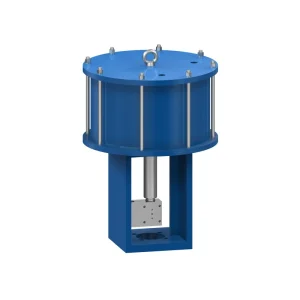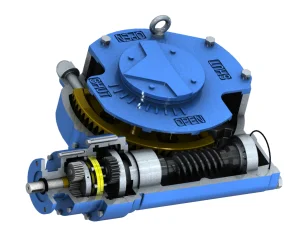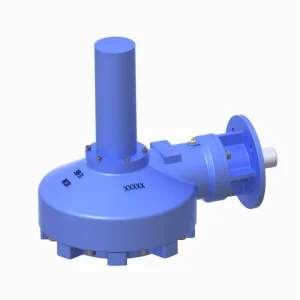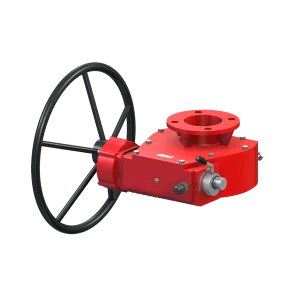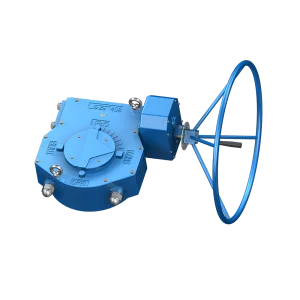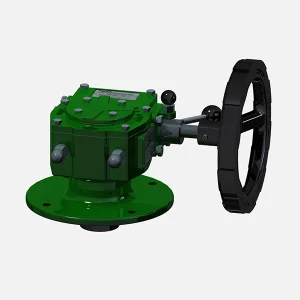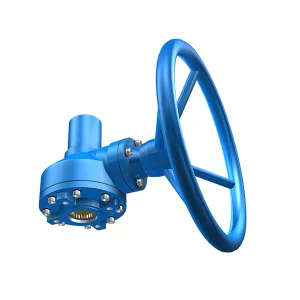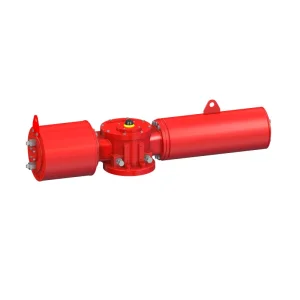
Explore our industrial-grade declutchable gearboxes, linear pneumatic override operators, and quarter-turn alloy mechanisms built for challenging process controls.
Modern industrial operations require reliable control in fluid transport, power generation, and chemical process infrastructure. The worm shaft and worm gear pair serve as the mechanical core of high-torque quarter-turn and multi-turn valve actuators. Global procurement teams prioritize engineering standards that offer zero-backlash options, long mechanical lifespans, and safe fail-secure configurations.
Critical operating environments, such as offshore deepwater installations, nuclear facilities, and subsea pipelines, demand specific material configurations. We address these requirements with specialized copper alloy gear rings, case-hardened steel worm shafts, and corrosion-resistant finishes. These material choices help protect against wear and dynamic shock loads during continuous operation.
Additionally, modern logistics demand that OEM factories provide comprehensive mechanical test certifications (like EN 10204 3.1) and clear tracking systems to minimize project risk. This makes supply-chain transparency just as important as structural design.
• Zero-Leakage & Safety Interlocks: Integration with declutchable override systems ensures smooth manual operation during sudden power outages.
• Material Verification: Full chemical and mechanical property certificates for cast iron, alloy steels, and bronze gears.
• Environmental Ratings: IP67/IP68 ingress protection and explosion-proof compliance for valve actuators operating in hazardous environments.
A global provider specializing in valve control technology, from design and simulation to complete factory-floor assembly.
Located in the Suzhou Industrial Park, Stard-Gears operates from an 8,900㎡ manufacturing plant and a 2,500㎡ corporate office. Since 1999, we have grown steadily at an annual rate of 10% to 20%, reaching an annual output value of $9,000,000. Our Suzhou plant is strategically positioned in China's Yangtze River Delta, giving us access to a well-established regional supply chain. This helps secure raw castings, precise machining capacity, and certified component sourcing at competitive rates without extending lead times.
Our solutions support oil and gas extraction, chemical refining, natural gas distribution, nuclear power generation, and municipal water management. With over 25 years of service experience, we offer custom OEM/ODM solutions tailored to international operating standards.
Our product portfolio includes 9 main series and about 80 gearbox variations, exporting to markets in the United States, Italy, Germany, Mexico, Singapore, and Japan. Our business approach focuses on quality engineering, clear delivery timelines, and technical support to assist operations worldwide.
By using modern ERP management systems, we trace manufacturing steps from raw metal stock to the final torque inspection. This helps ensure that both standard and custom products meet the exact specifications requested by our engineering clients.
How we use 3D modeling, FEA (Finite Element Analysis), and dynamic simulation to optimize gear profiles and housing strength.
To confirm the reliability of heavy gearboxes before casting and machining, Stard-Gears engineers use dynamic 3D design software. Finite Element Analysis (FEA) is applied to identify stress concentrations under peak loads. This helps us refine the tooth profiles of worm gears and worm shafts to reduce friction, minimize wear, and optimize load distribution.
This virtual modeling step shortens development cycles, keeps raw material costs down, and verifies safety margins. Our customers receive engineered solutions that perform reliably under complex, variable conditions.
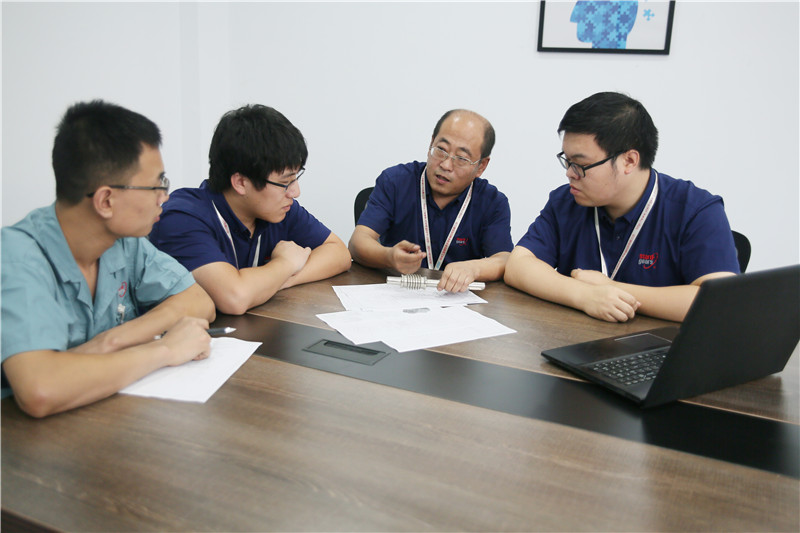
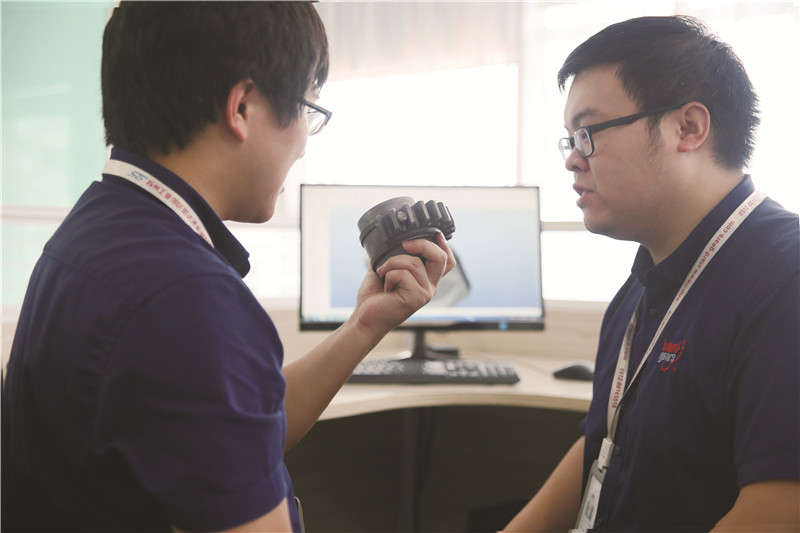
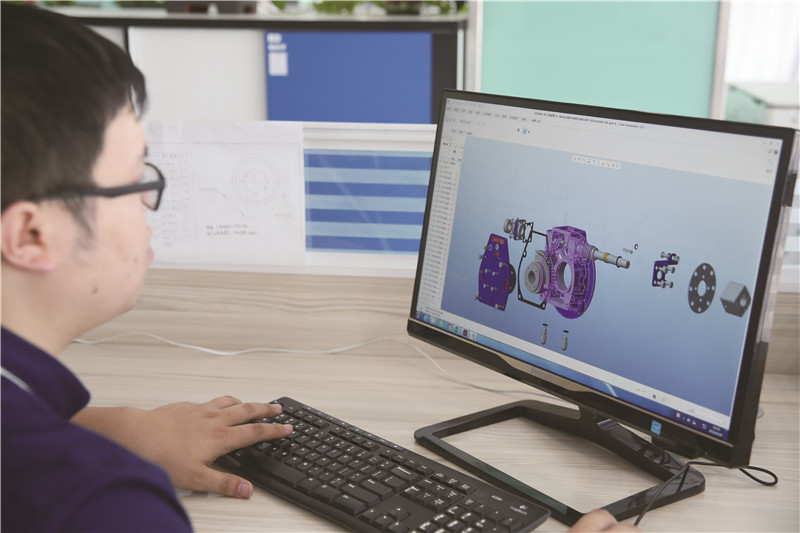
Combining precise CNC machining, automated gear hobbing, and real-time ERP order tracking.
Our production facilities feature precise gear hobbing machines, thread grinders, and CNC centers capable of working with cast iron, ductile iron, carbon steel, and bronze alloys. This equipment allows us to maintain consistent contact ratios between worm shafts and gears, which helps extend operating life and reduce backlash in safety-critical valve systems.
Our ERP system tracks every step of manufacturing, including casting sourcing, surface grinding, assembly, and pressure testing. This monitoring provides visibility for lead times, helping us coordinate deliveries with global project schedules.
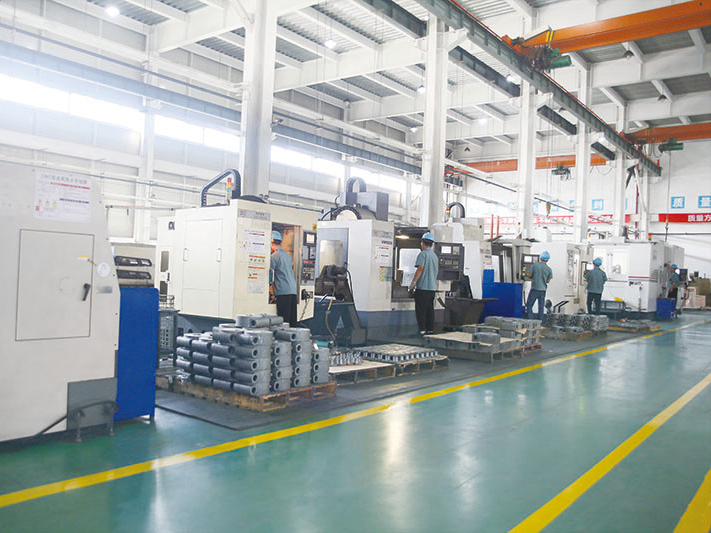
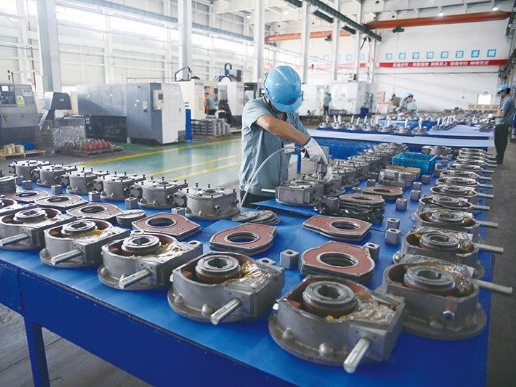
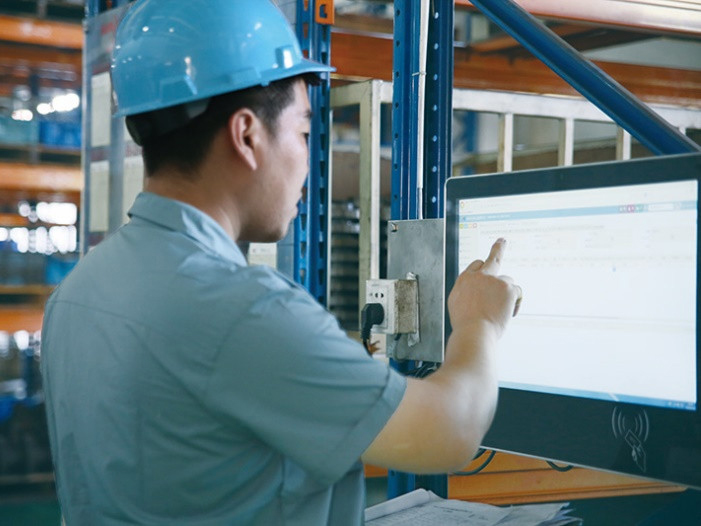
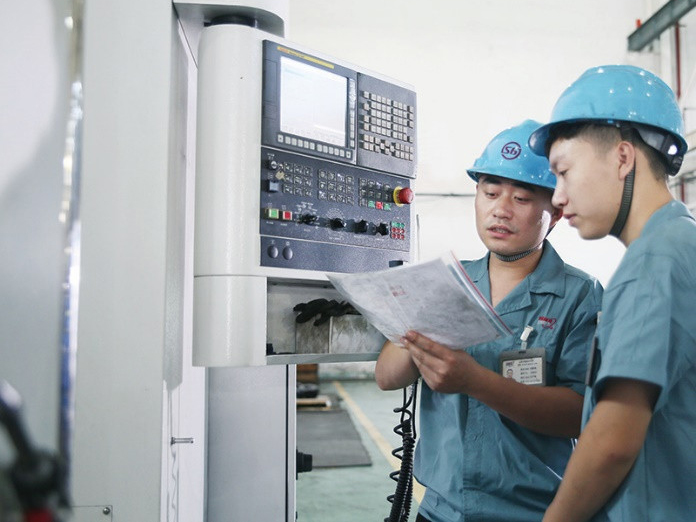
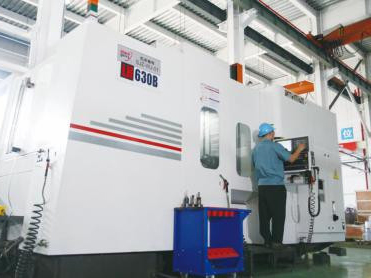
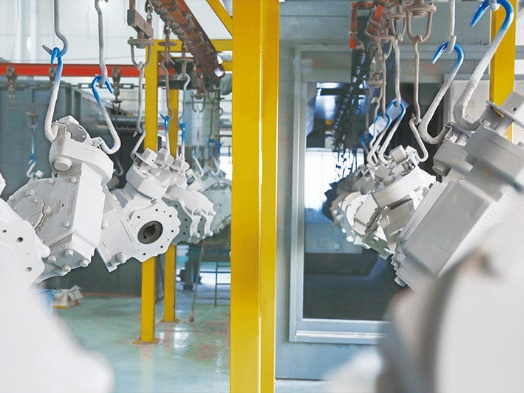
Producing up to 100,000 gear assemblies annually to support long-term OEM contracts and direct valve manufacturers.
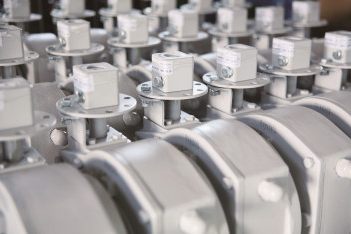
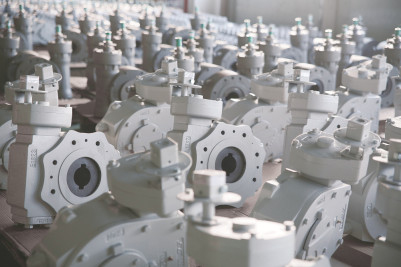
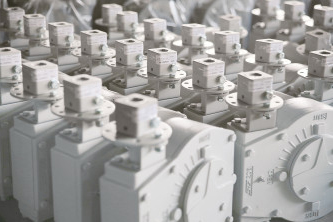
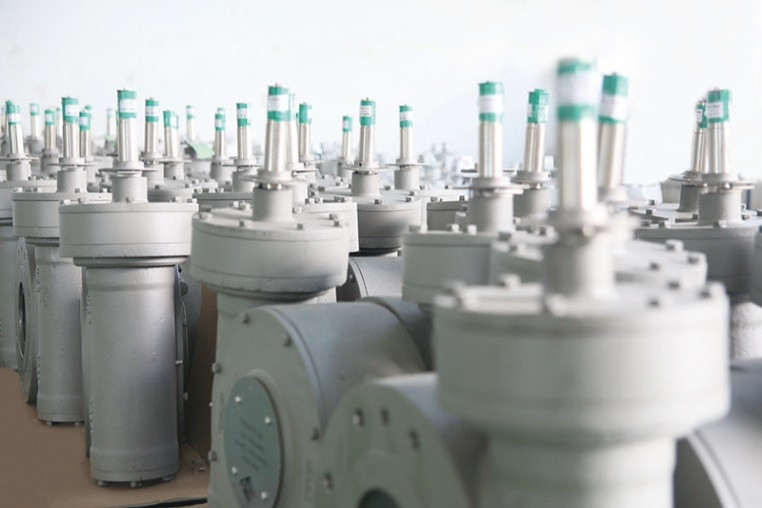
Stard Automation maintains strict control at every step of production, ensuring components are 100% qualified before delivery.
Our quality control protocol starts with material analysis of incoming castings, verifying key properties like tensile strength and ductile nodules. During manufacturing, inline inspections check dimensions against tight tolerances. Finished gearboxes then undergo torque verification and cycle testing to confirm they meet performance requirements in the field.
We perform mechanical tests, load limit tests, and environmental chamber testing to verify that our gearboxes operate reliably in challenging industrial settings.
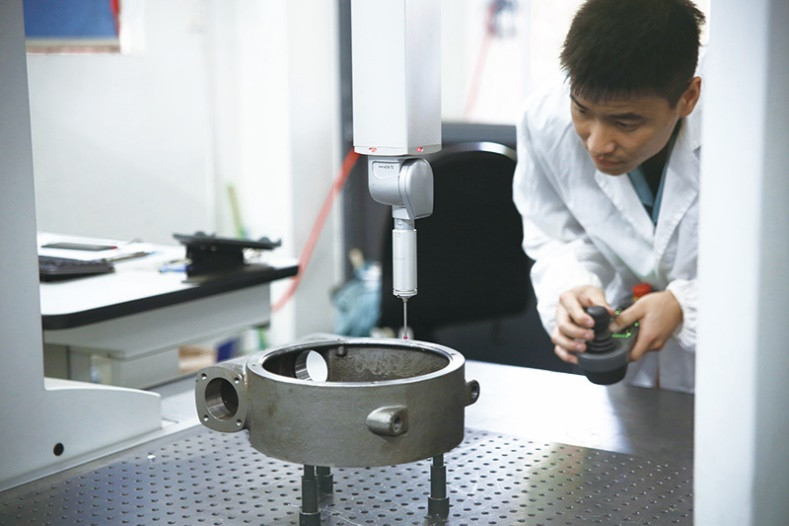
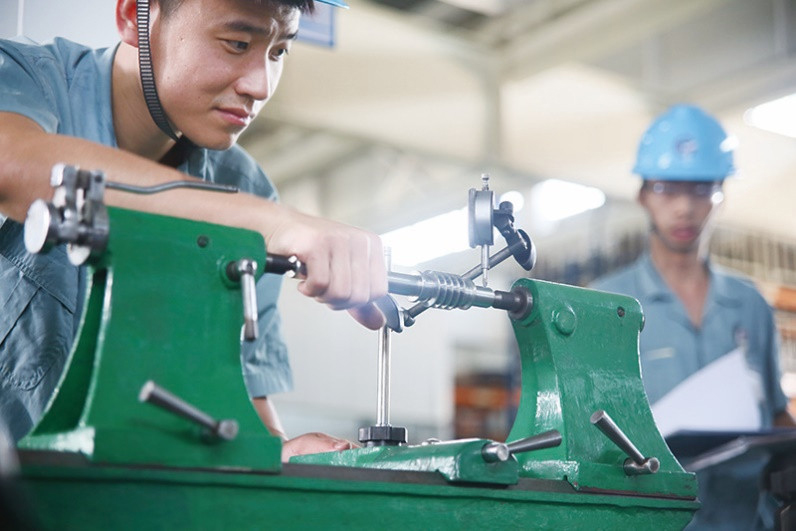
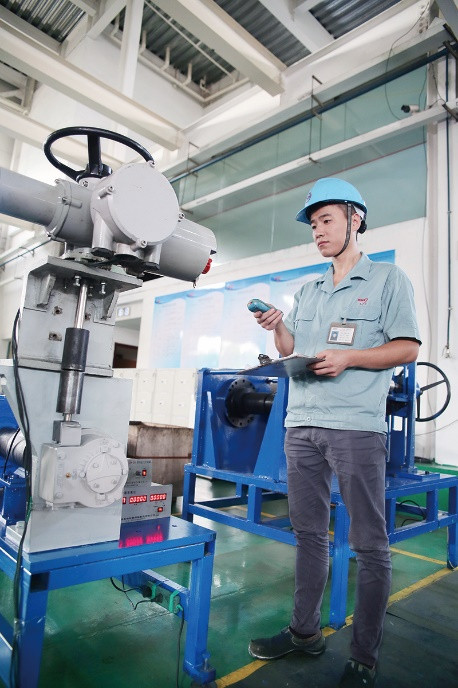
From gear geometry checks to high-torque load profiling under ambient and temperature-controlled conditions.
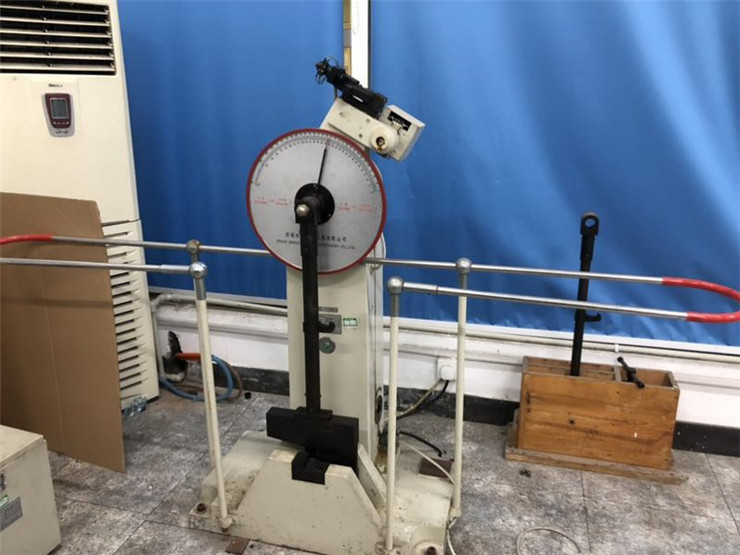
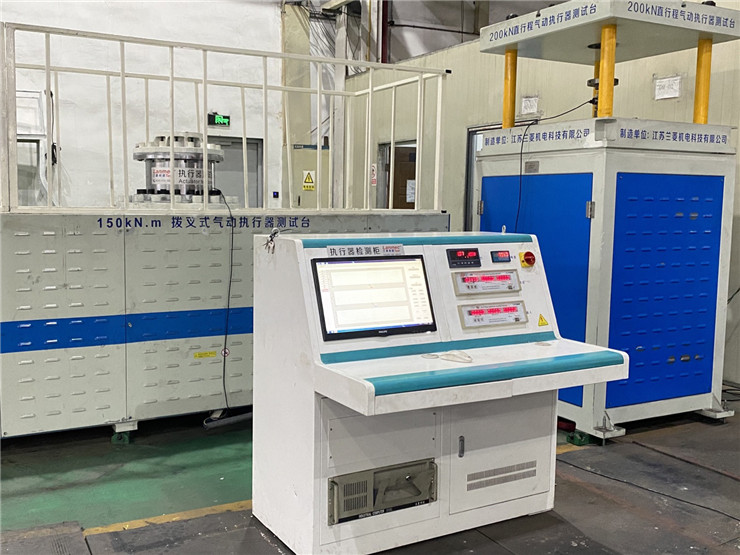
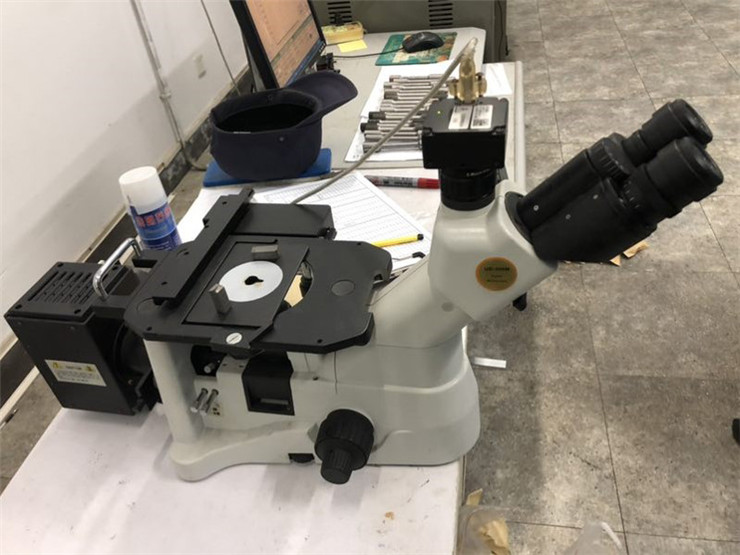
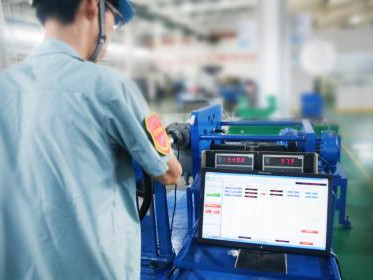
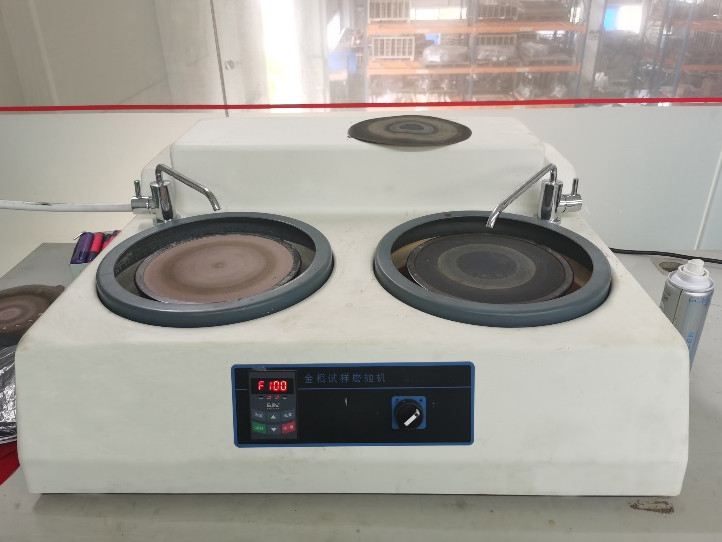
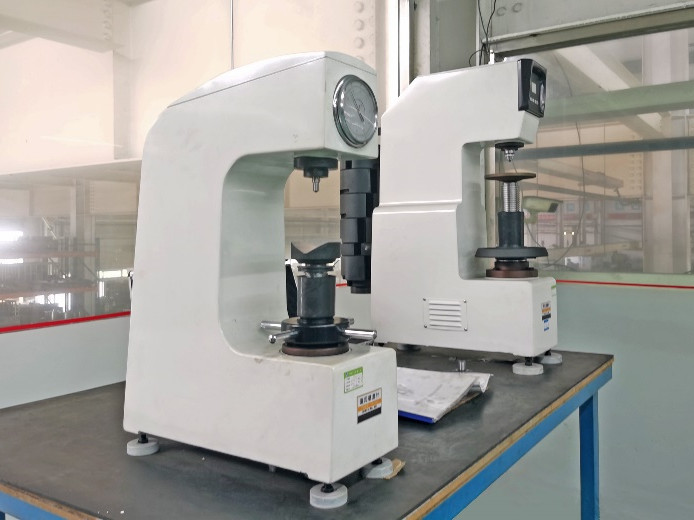
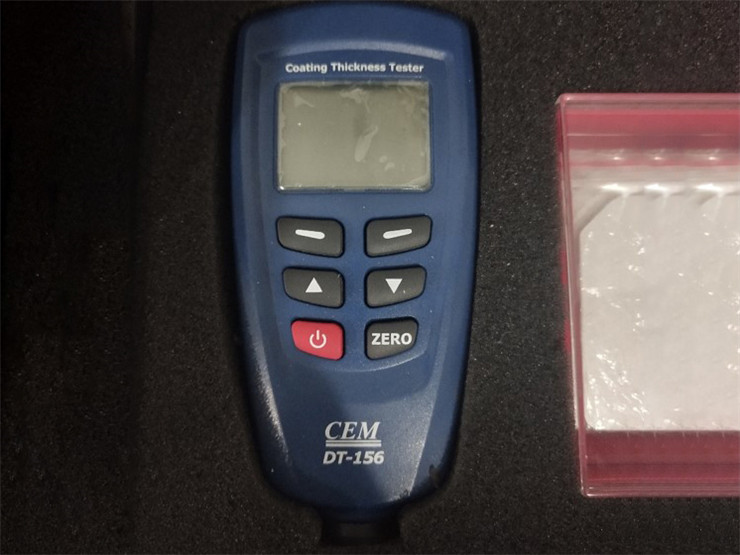
Review the materials and design criteria we use for worm gears and worm shafts under heavy industrial loads.
| Part Component | Common Materials | Manufacturing Process | Key Performance Properties |
|---|---|---|---|
| Worm Shaft | AISI 1045, 4140, 20CrMnTi Alloy Steel | Carburizing, Quenching, Thread Grinding | High surface hardness (HRC 58-62), high fatigue resistance, precise lead angle. |
| Worm Gear Rim | Bronze Alloy, Ductile Iron, Cast Steel | Centrifugal Casting, Gear Hobbing | Low friction coefficient, resists seizing, absorbs energy under high torque loads. |
| Gearbox Housing | ASTM A536 Ductile Iron, Cast Steel, Aluminum Alloy | Sand/Die Casting, CNC Machining | Protects internal gears, absorbs vibration, resists structural deformation. |
| Internal Seals | NBR, FKM (Viton), Silicon Elastomers | High-pressure Molding | Prevents lubricant leakage, keeps out dust and moisture (IP67/IP68 compliant). |
Pairing the right materials is important for a gearbox's lifespan. We typically use a case-hardened alloy steel worm shaft alongside a bronze or ductile iron worm gear. The softer gear material wears gradually to match the hard worm shaft, distributing contact stress evenly and protecting the teeth from premature failure.
For applications where manual overrides or safety declutches are rarely cycled, ductile iron gears provide high torque capacity at a competitive price. For continuous duty, bronze gears offer the low friction needed to manage heat generation.
Worm gear sets can be designed with self-locking capabilities. When the lead angle of the worm is small, the friction between the gear teeth prevents the worm gear from driving the worm shaft in reverse. This mechanical feature helps hold valves in position without relying on external brakes.
Stard-Gears optimizes this angle to balance operating efficiency with reliable self-locking capacity, protecting downstream processes from accidental shifts.
How our gear operators and worm drives perform in challenging industrial environments.
Our declutchable worm gearboxes operate ball and butterfly valves in high-pressure oil and gas pipelines, handling sudden flow surges and emergency shutoffs.
For corrosive environments, we use aluminum alloy housings, stainless steel inputs, and specialized epoxy coatings to protect internal gears from aggressive chemicals.
Our radiation-tolerant seals and buried water-valve gearboxes are built for long maintenance intervals, supporting safety systems and municipal distribution networks.
Developing lighter, smarter, and more efficient mechanical control components.
Integrating advanced nodular cast iron with refined bronze alloys to increase load capacity while reducing weight in manual override gearboxes.
Integrating torque sensors and feedback loops directly into the gear housing to allow real-time diagnostic tracking in digital control networks.
Using lead-free bronze alloys, water-soluble machining coolants, and energy-efficient CNC production to reduce the environmental footprint of our factories.
Quick answers to common questions about selection, design, maintenance, and ordering parameters.
Complete your valve integration with high-efficiency bevel gears, multi-turn operators, and Scotch Yoke pneumatic actuators.