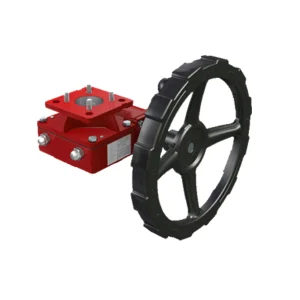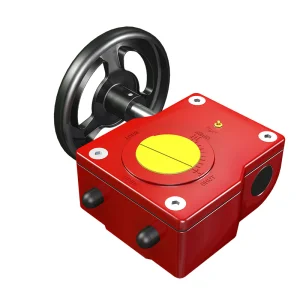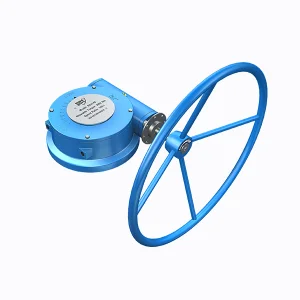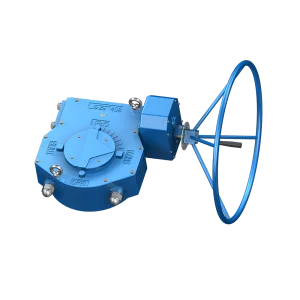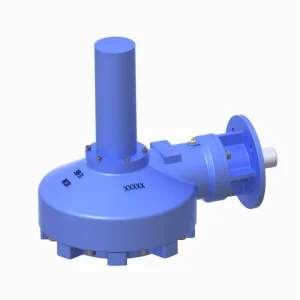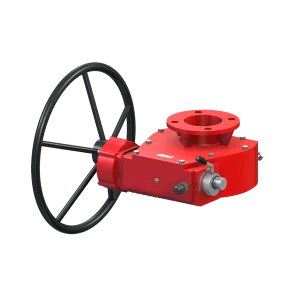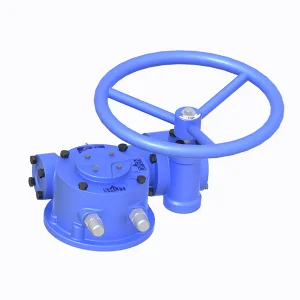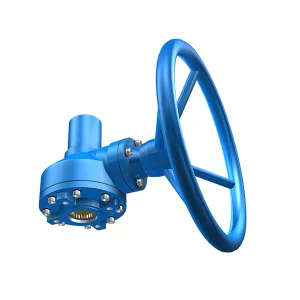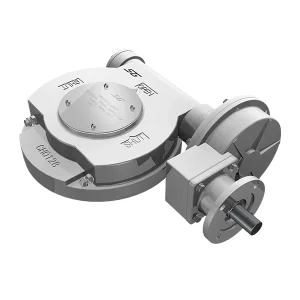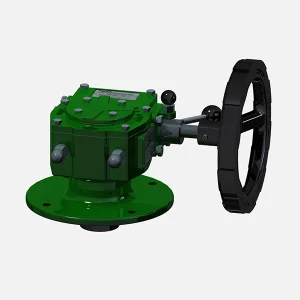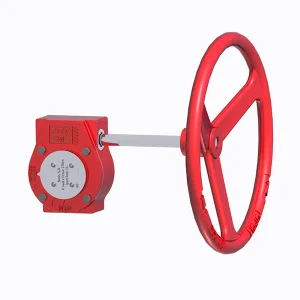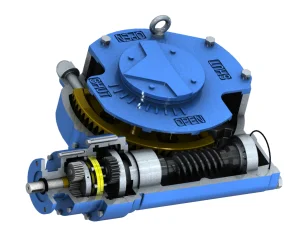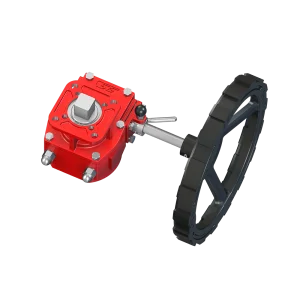
Engineered to seamlessly couple with linear pneumatic actuators and control valves, built in accordance with ANSI, ASME, and AWWA standards.
Across the United States—from the petrochemical refining hubs along the Gulf Coast to the municipal water treatment systems upgrading nationwide under the Bipartisan Infrastructure Law—industrial automation demands rugged, precise, and highly reliable control hardware. The integration of linear pneumatic actuators and heavy-duty mechanical gearboxes represents a crucial engineering solution to control extreme pressures, temperatures, and abrasive media.
In automated systems, linear pneumatic actuators convert pressure energy into linear stroke movement. However, when paired with high-torque rotary valves (such as high-performance butterfly and ball valves), a conversion mechanism is required. This is where advanced gear operators and declutchable manual overrides come into play. By bridging the gap between pneumatic automation and fail-safe manual operational parameters, Stard-gears provides US-based procurement managers and engineers with unmatched safety, redundant safety-instrumented systems (SIS), and regulatory-compliant configurations.
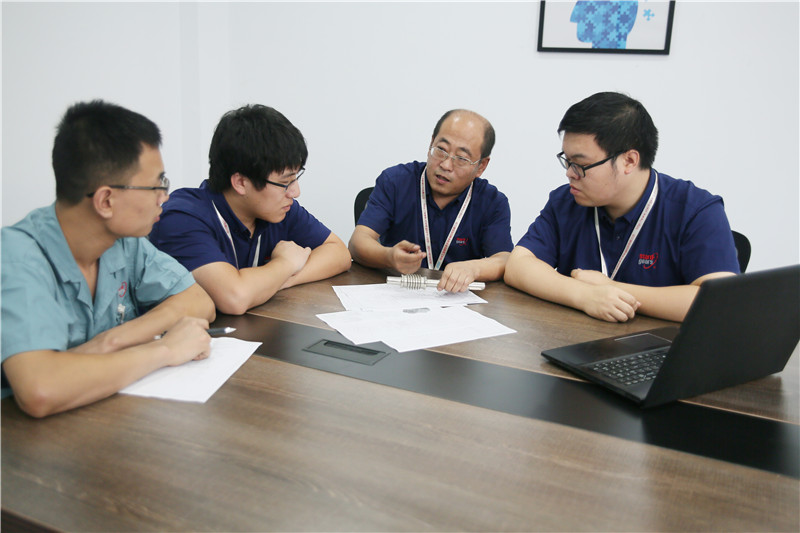
Through 3D simulation, dynamic motion profiling, and rigorous Finite Element Analysis (FEA), Stard-gears engineers virtually verify the integrity and performance profiles of every custom component before production begins. For valve packages operating with pneumatic cylinders, high load concentrations can stress mating brackets, shafts, and gear tooth profiles.
Our simulation process significantly shortens the design and development cycle of new projects for the US market. By testing load factors, deflection values, and torque outputs under simulated extreme weather (typical in northern US pipeline facilities) or high-vibration onshore/offshore settings, we maximize product lifespans while minimizing overall production costs. Our engineering team routinely interfaces with client CAD teams in Houston, Chicago, and Los Angeles to customize mounting plates, input shaft dimensions, and material selections.
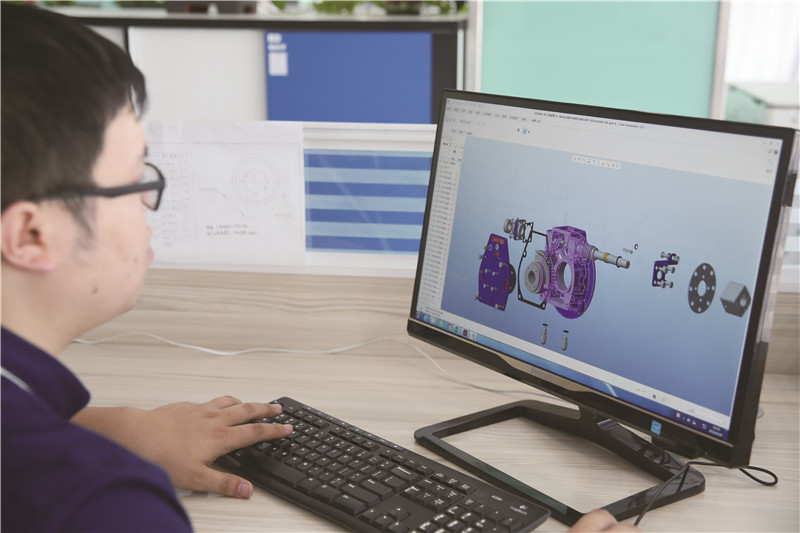
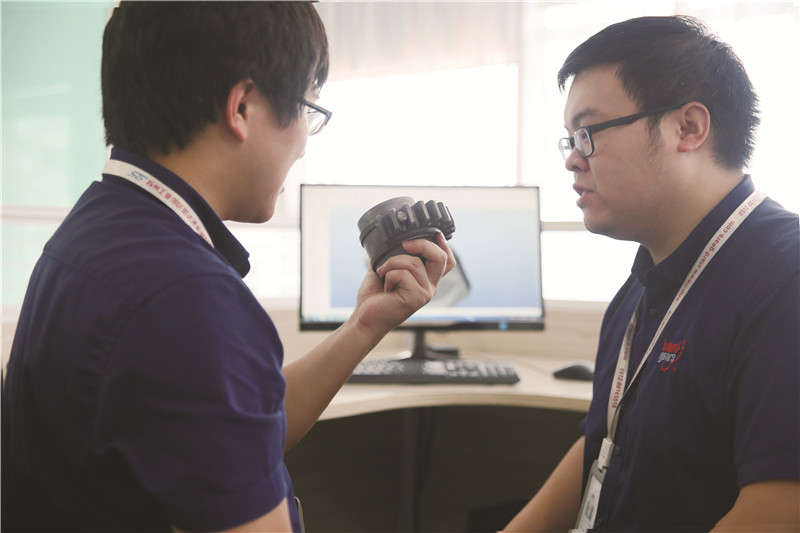
Situated in the Suzhou Industrial Park, Yangtze River Delta, Stard-gears harnesses China's most robust industrial cluster to deliver shorter lead times and superior metallurgy.
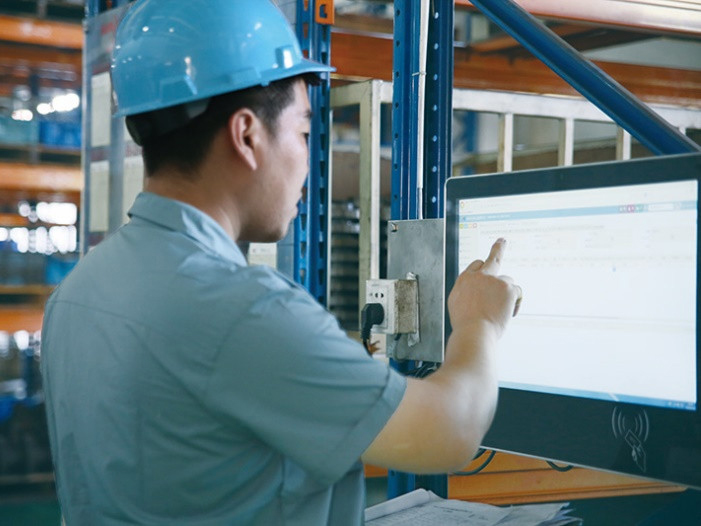
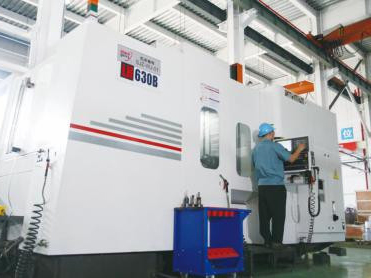
Our Suzhou-based manufacturing facility runs a comprehensive ERP management platform that monitors every stage of production—from alloy sourcing and mold pattern selection to heat treatment, gear cutting, and quality control. By leveraging the unmatched raw casting, machining, and logistics ecosystem of the Yangtze River Delta, we stabilize input costs and insulate our clients from raw material fluctuations.
For US projects, this means predictable turnaround times, fast production transitions from prototype to mass production, and complete traceability. Our plants are designed to support fast-track delivery programs for oilfield operations and water plant emergency shutdowns.
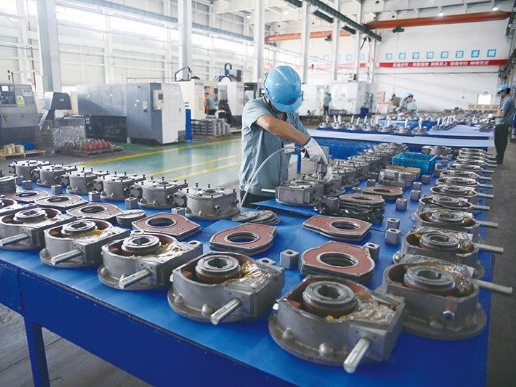
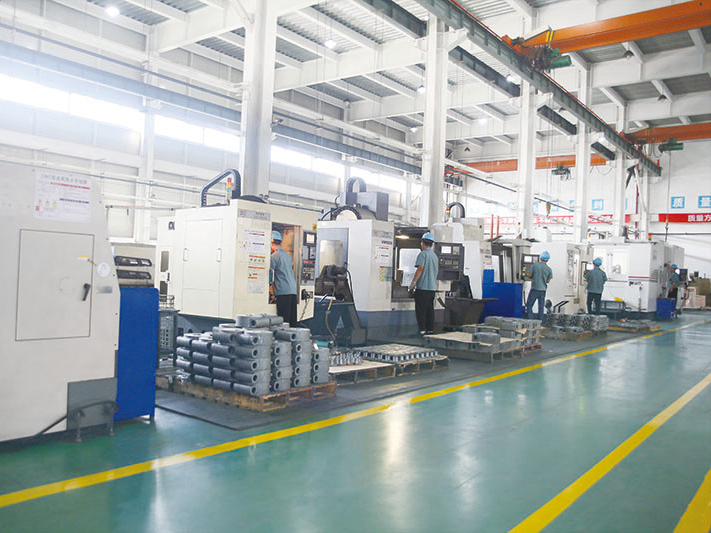
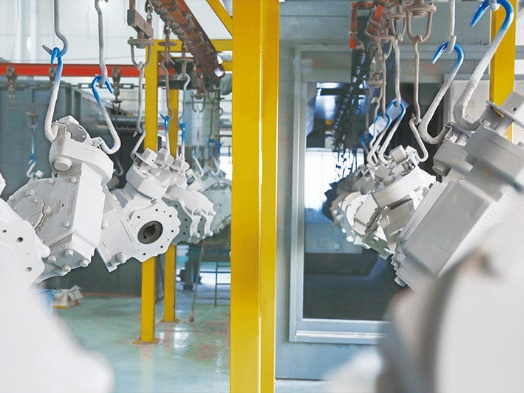
Ensuring zero leakage and zero torque transmission failure under simulated operating pressures of the American petrochemical and pipeline environments.
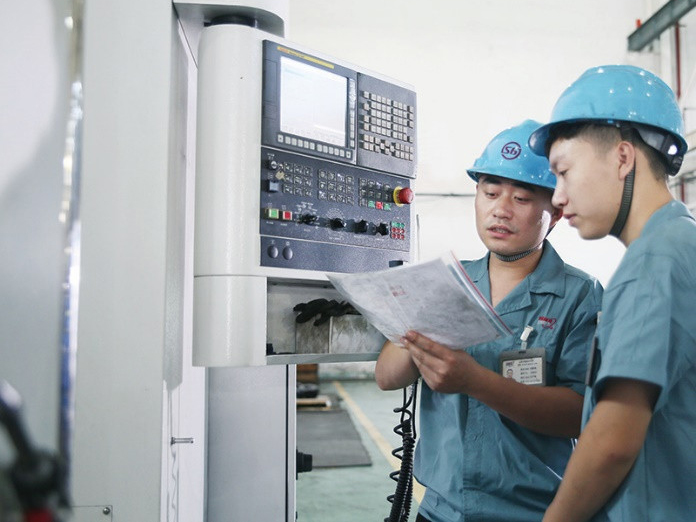
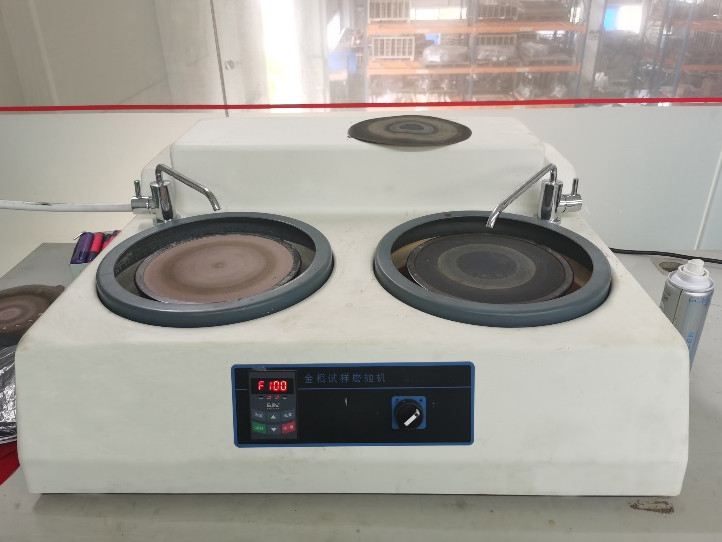
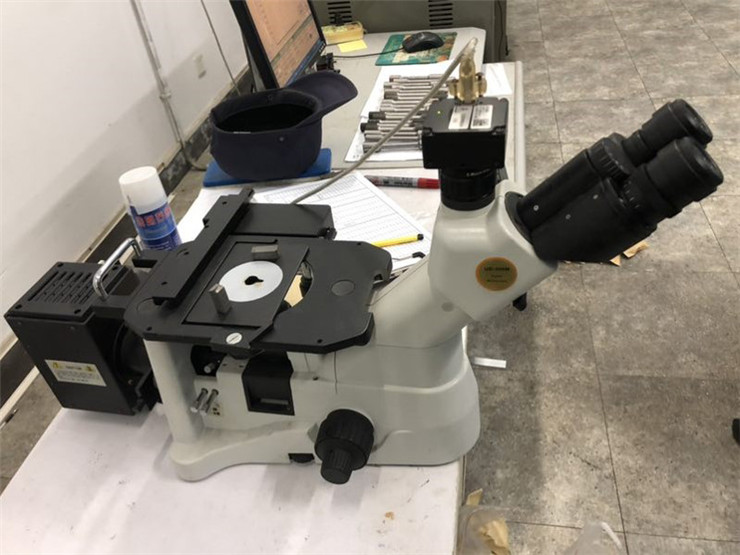
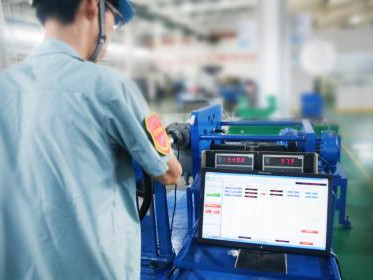
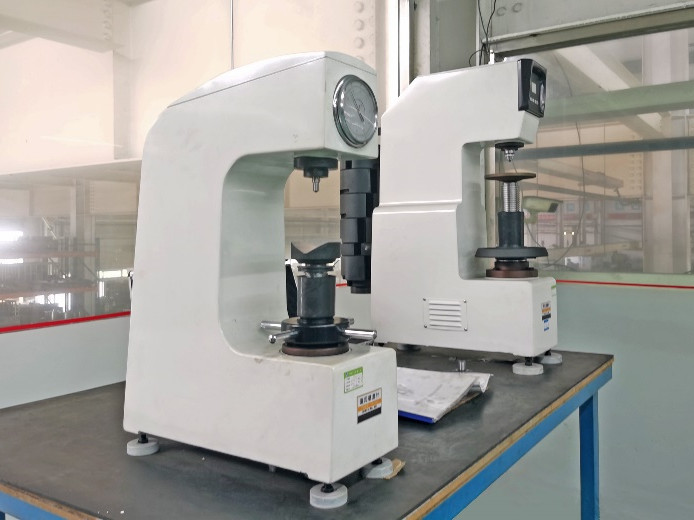
At Stard Automation, our quality assurance protocols run from incoming casting alloy testing using optical emission spectrometers to finished torque curve analysis. Because our manual gear operators and override gearboxes interface with expensive automated systems, torque ratings must match engineering specifications precisely.
Our testing laboratory is equipped to conduct high-cycle wear trials, low-temperature testing, and torque tests. Every gearbox is calibrated and verified to meet or exceed AWWA C504 and ISO 5211 mounting criteria, securing its reliable integration into critical flow paths.
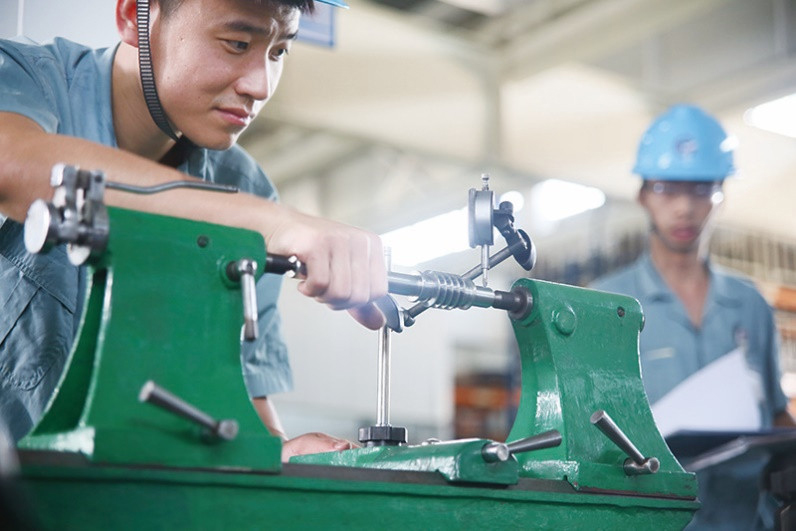
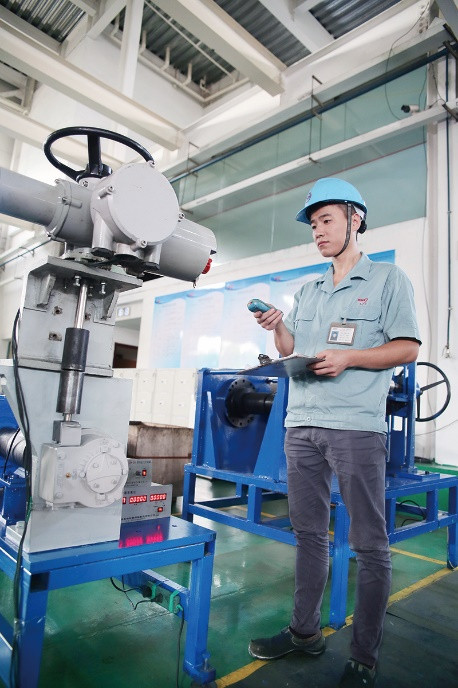
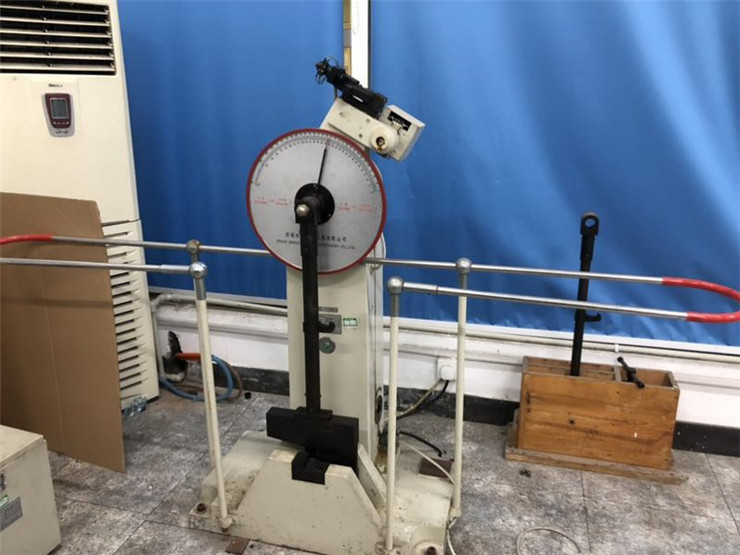
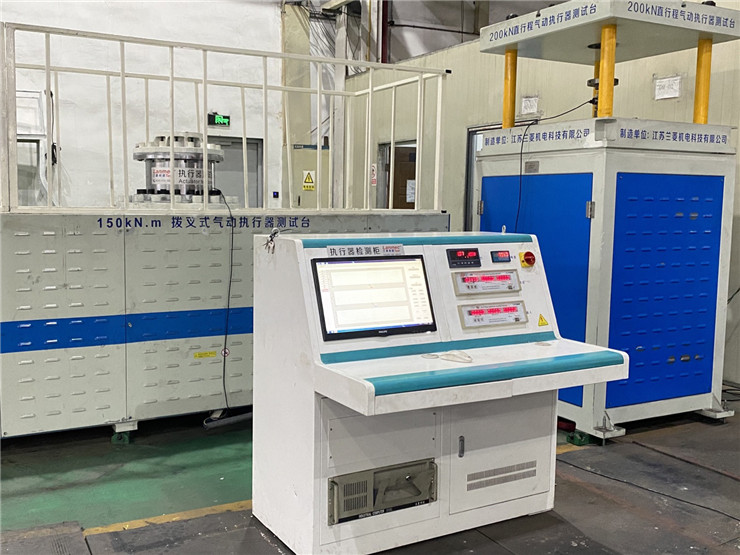
A complete selection of CE certified, rugged steel, iron, and declutchable manual overrides matching ASME mounting criteria.
Ensuring compatibility and certification compliance across critical infrastructure sectors in North America.
Designed to fail-safe in the event of pneumatic supply failure. Declutchable gearboxes offer operators physical override controls at crucial custody transfer points, refineries, and gathering fields.
AWWA compliant construction including fully buried, IP68 environmental sealing solutions. Cast and ductile iron housings protect internal gears against moisture ingress and soil weight.
High-temperature resistance profiles and specialized bevel gears convert heavy multi-turn valve operations into manageable manual torque profiles for power generation installations.
As smart manufacturing gains traction, the traditional boundaries separating mechanical gears, pneumatic cylinders, and electrical positioning feedback devices are dissolving. Stard-gears is focused on integrating real-time telemetry into our gearboxes. Our research and development pipeline includes integrated strain-gauge sensors embedded directly in the housing to monitor real-time operating torques, providing predictive warnings when a valve requires maintenance.
Additionally, material science advancements allow us to reduce weight while increasing mechanical torque throughput. We are expanding our aluminum alloy housings with specialized hard-anodizing treatments, offering corrosion resistance comparable to stainless steel at a lower cost—a high-value option for coastal US chemical complexes.
Answering the critical technical questions raised by US engineering departments, procurement leads, and valve distributors.
A declutchable gearbox is mounted sandwich-style between the rotary valve flange and the pneumatic cylinder/actuator. Under normal operation, the pneumatic actuator directly operates the valve. In an emergency or air pressure loss, the operator pulls a clutch lever to engage the manual handwheel gear system, enabling manual operation. Returning the lever to the auto position disengages the handwheel for automated operation.
Yes. Our entire line of quarter-turn and multi-turn gearboxes is designed to mount to standard valve flanges meeting ISO 5211 specifications. For US water works municipal projects, we offer configurations built in compliance with AWWA C504, including input torque safety margins and specialized corrosion-resistant hardware.
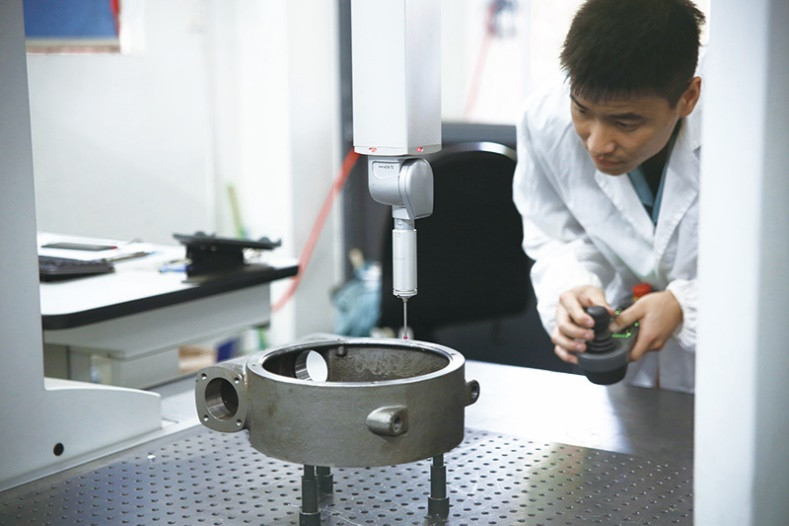
Every batch of gear operators undergoes mechanical testing. We verify torque output profiles using digital torque testing systems. In addition, our coordinate measuring machine (CMM) validates gear dimensions to prevent play and wear under high-cycle industrial operations.
For custom engineering and material requests, prototyping and tooling typically take 3 to 4 weeks. Once design approval is finalized, standard batch manufacturing takes 15 to 30 days. Shipping from our Suzhou facility via the Port of Shanghai to the US West Coast (LA/Long Beach) typically takes 15 days, and to Gulf Coast/East Coast ports takes 25 to 30 days.
Connect directly with our engineering division to configure your mounting dimensions, custom gear ratios, or material requirements. Get a complete quote and technical drawing review within 24 hours.
Send Inquiry Now