Boston's unique industrial profile requires exceptionally reliable, high-performance fluid control technologies. From the critical municipal pipelines managed by the Massachusetts Water Resources Authority (MWRA) to the sprawling district heating grids in the downtown business core, and the high-purity chemical processing arrays in the Kendall Square biotech sector, system designers face demanding operational requirements. Automated flow controls in these environments must withstand wide temperature ranges, corrosive elements, and high operating cycle rates.
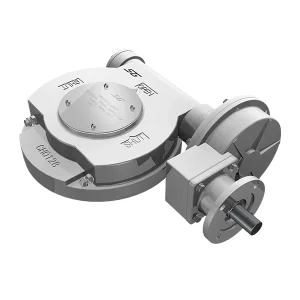
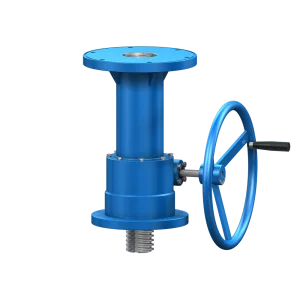
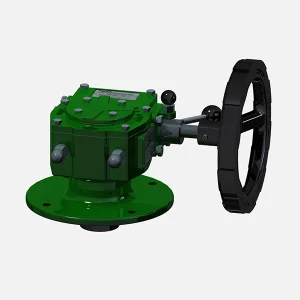
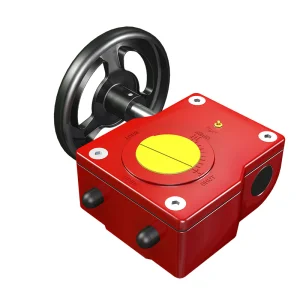
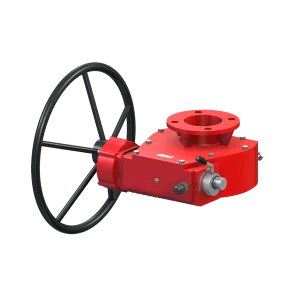
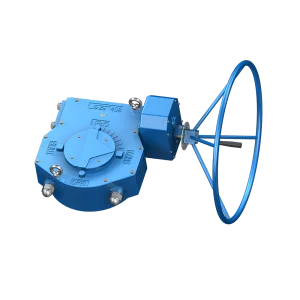
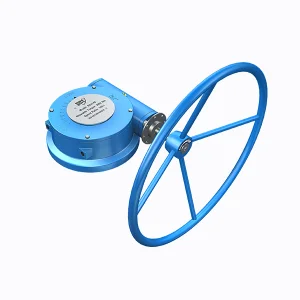
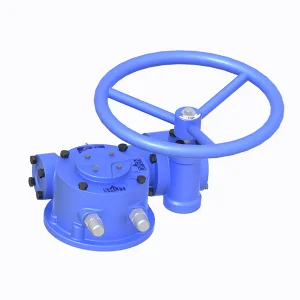
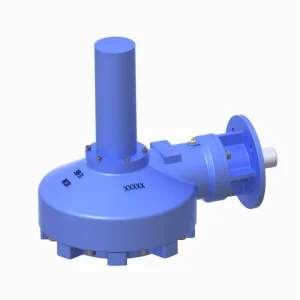
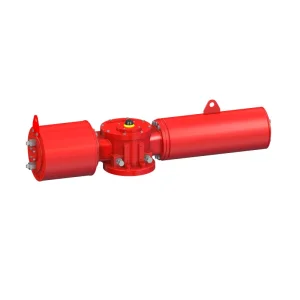
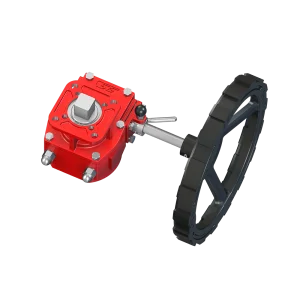
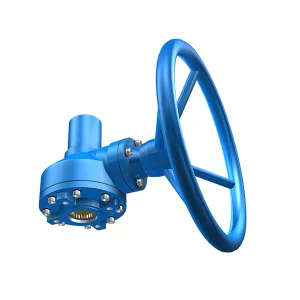
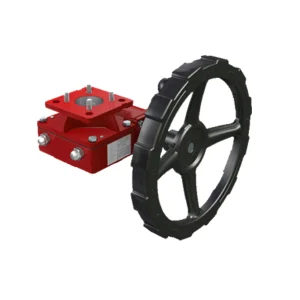
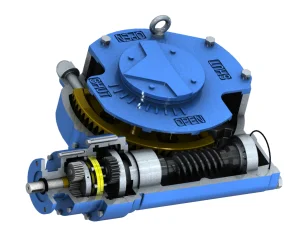
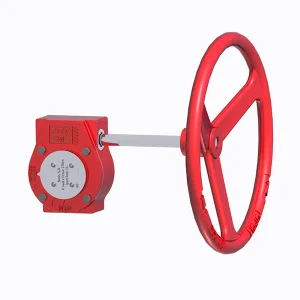
Part-turn motorized gear operators serve as the mechanical bridge between electric actuator electronics and the heavy valve stems of quarter-turn ball, butterfly, and plug valves. In metropolitan Boston, utility operators and plant engineers are shifting away from purely manual handwheels to motorized configurations to support remote operations, improve plant safety, and optimize system-wide energy usage.
Whether navigating the saline environments of maritime operations at the Port of Boston or supporting critical cleanroom protocols in biotechnology facilities, selecting the right gear operator is vital to preventing unscheduled downtime and catastrophic system failures.
Modern engineering projects require international supply chain partnerships. OEMs and EPC contractors in Massachusetts must balance regional engineering standards with cost-competitive, high-capacity manufacturing centers.
Engineers require native CAD files, 3D STEP models, and finite element analysis (FEA) profiles to integrate gearboxes into valve assembly drawings. We reduce design lead times by offering comprehensive 3D dynamic simulations before casting production starts.
Global operations require multi-market certifications. Our product platforms carry CE certification, comply with ISO 5211 mounting standards, and conform to ASME/ANSI criteria, helping streamline domestic project approvals in the United States.
Operating from the Yangtze River Delta industrial zone, our Suzhou facility utilizes an extensive local casting, machining, and heat treatment supply chain. This logistics network ensures rapid delivery times and highly competitive pricing.
Founded in 1999 and located in the Suzhou Industrial Park, Stard-gears is a leading global provider specializing in high-reliability valve control technology. Our manufacturing facility spans an 8,900 m² plant complemented by a 2,500 m² administrative and engineering office. With annual sales reaching $7,000,000 and growing at a steady rate of 10% to 20% annually, our ISO9001 certified plant produces up to 100,000 sets per year.
Stard-gears is a modern enterprise integrating research & development, production, sales, and international trade. Our products support flow control systems in municipal water management, oil and gas distribution, chemical processing, nuclear power plants, and maritime shipping. Over the past 10 years, our gear operators and actuators have been exported to the United States, Germany, Italy, Mexico, Singapore, Japan, and other industrial markets worldwide.
By utilizing advanced 3D simulation, dynamic modeling, and finite element analysis (FEA), our engineering team virtually verifies the performance parameters of every custom gearbox design before casting and machining begin. This rigorous pre-production verification cycle shortens development schedules, reduces costs, and helps ensure physical product safety under extreme operating loads.
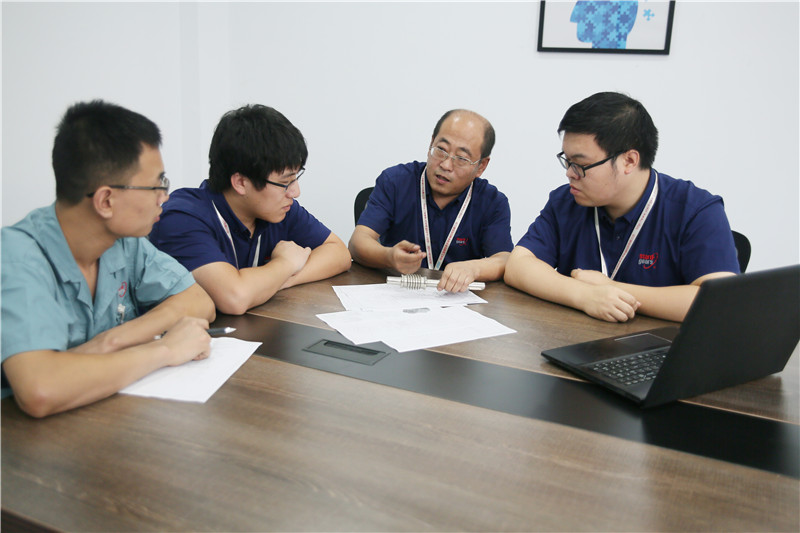
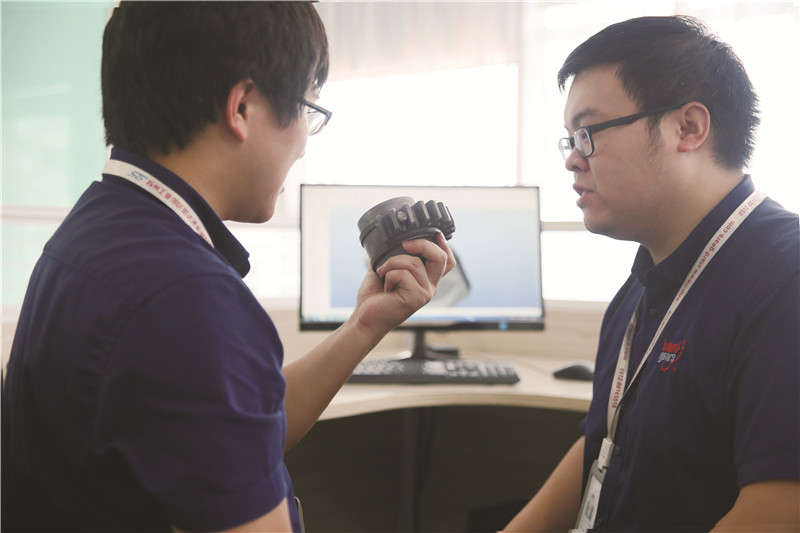
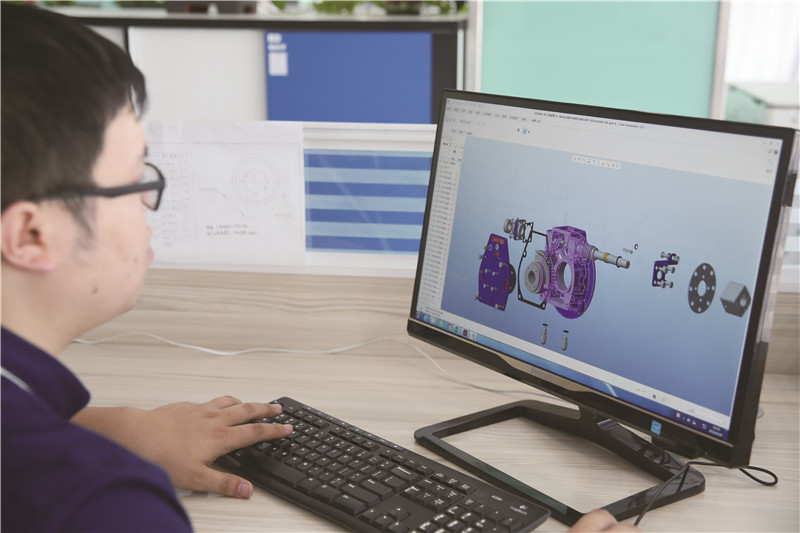
Through ERP management systems, Stard-gears maintains real-time monitoring of raw material inputs, machining schedules, and final performance verification. Below is an overview of our specialized workshop machinery, quality testing bays, and warehouse setups.
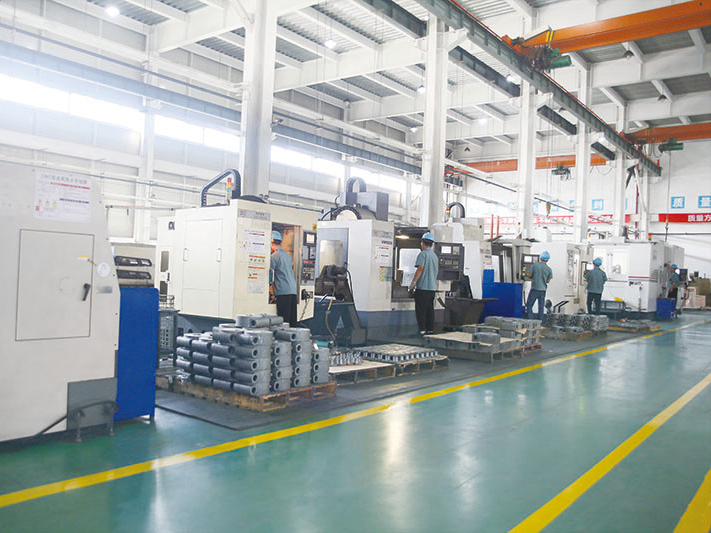
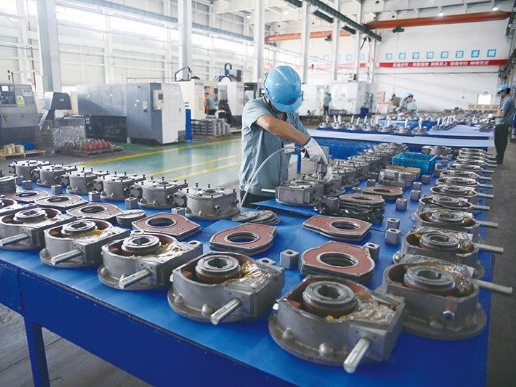
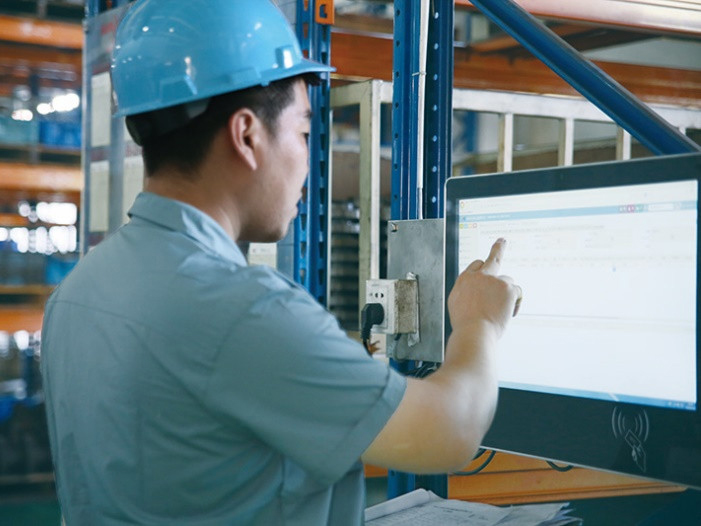
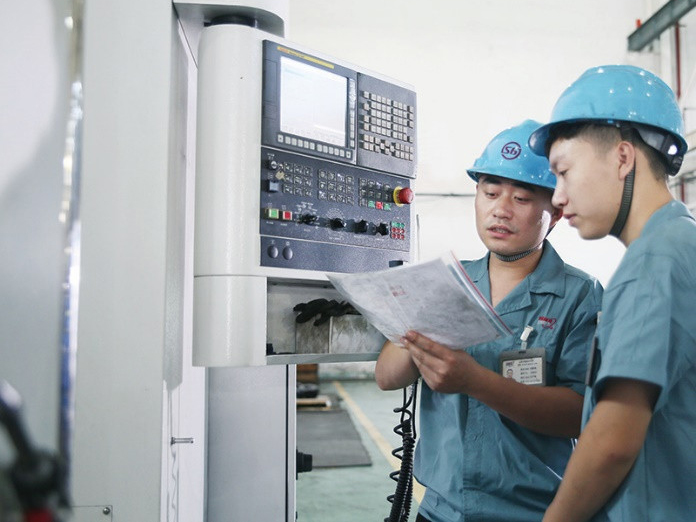
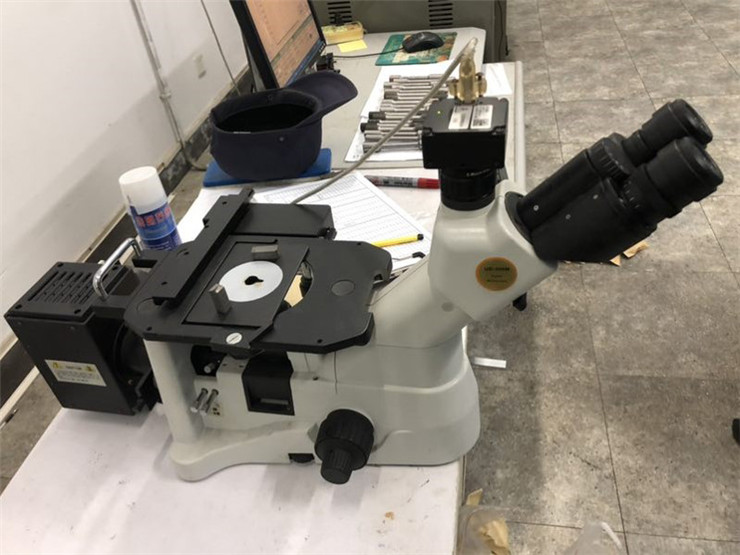
To control assembly quality from rough castings to finished units, Stard-gears runs full-time QC checkpoints at every stage of the manufacturing process. These inspections include raw material chemical analysis, dimensional tolerance checks, torque testing, and cycle-life endurance simulation.
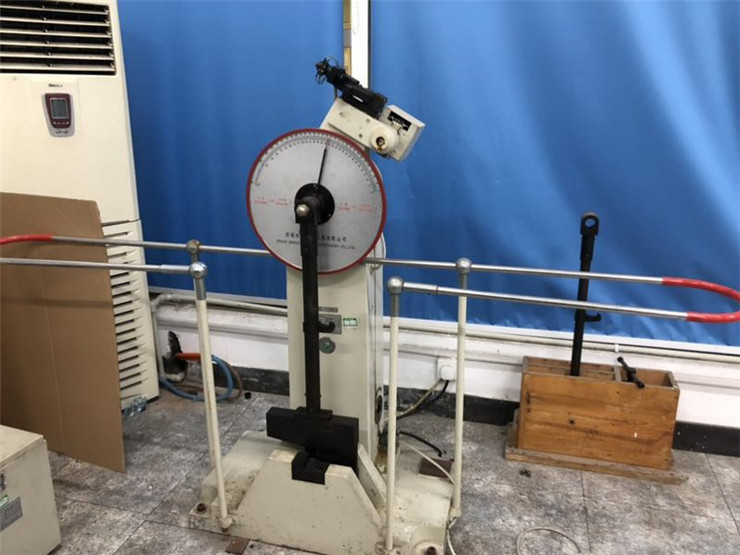
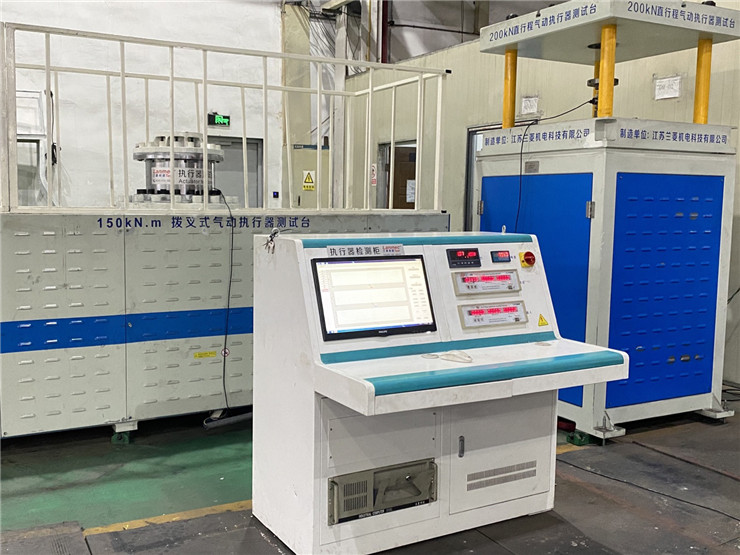
As process systems in Boston and global manufacturing plants become more automated, gearboxes are evolving from simple mechanical torque converters into integrated smart automation components.
Developing integrated electronic sensors within the gearbox casing to send real-time angular positions directly to SCADA systems, bypassing standalone external sensors.
Utilizing epicyclic gear configurations to achieve higher torque multiplication within smaller envelope sizes, reducing the physical space required for installation.
Integrating specialized ceramic-infused coatings to extend gearbox service lives in high-salinity maritime and chemical washdown environments.
For engineering groups in the Boston area, meeting standards is a key project requirement. Stard-gears ensures that our motorized and manual gear operator systems comply with:
Every industrial plant has unique constraints. Whether your facility requires custom input shaft geometries, special handwheel dimensions, non-standard gear ratios for high-torque applications, or nuclear-grade casting materials, our engineering group can configure customized gearboxes to meet your specifications.
We work directly with New England mechanical contractors and engineering consultants to provide detailed engineering drawings, performance curves, and material test reports (MTR) during the project submittal phase, helping speed up system installation and commissioning.