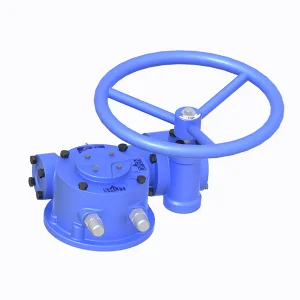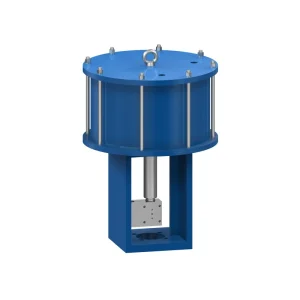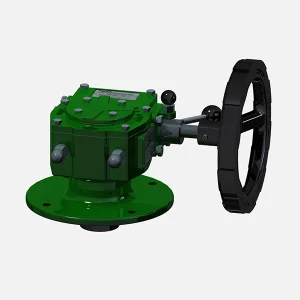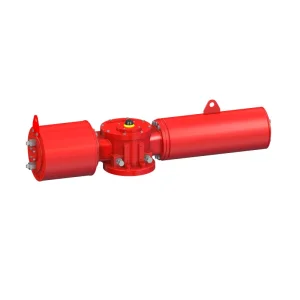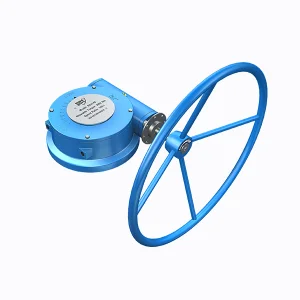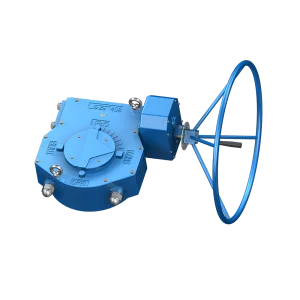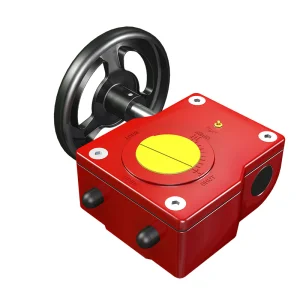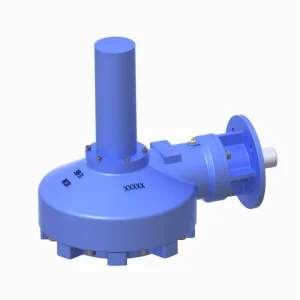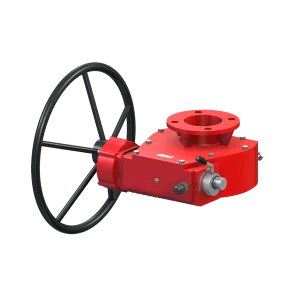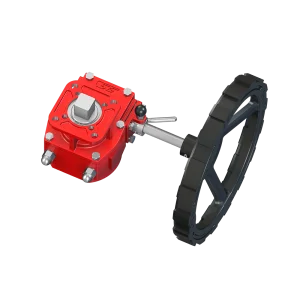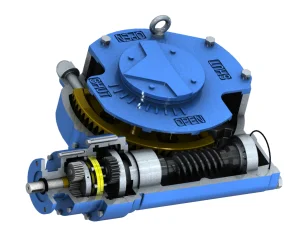
Nigeria’s commercial and industrial landscape is undergoing an unprecedented modernization process. From the massive expansions in the Niger Delta oil and gas fields to the ambitious municipal water infrastructure projects in Lagos, Abuja, and Port Harcourt, the demand for highly reliable process automation has reached new heights. In these demanding environments, pneumatic actuators stand as the critical interface between digital control systems and physical valve flow paths.
Stard-gears, established in 1999 in the Suzhou Industrial Park, China, has spent over 25 years developing robust valve control components that survive extreme environmental factors. Our annual production capacity of 100,000 sets and ISO9001 certified protocols make us a prime partner for Nigerian industrial procurement managers, engineering firms (EPCs), and plant operators seeking superior pneumatic components.
Different regions in Nigeria present highly specific design constraints for pneumatic operators:
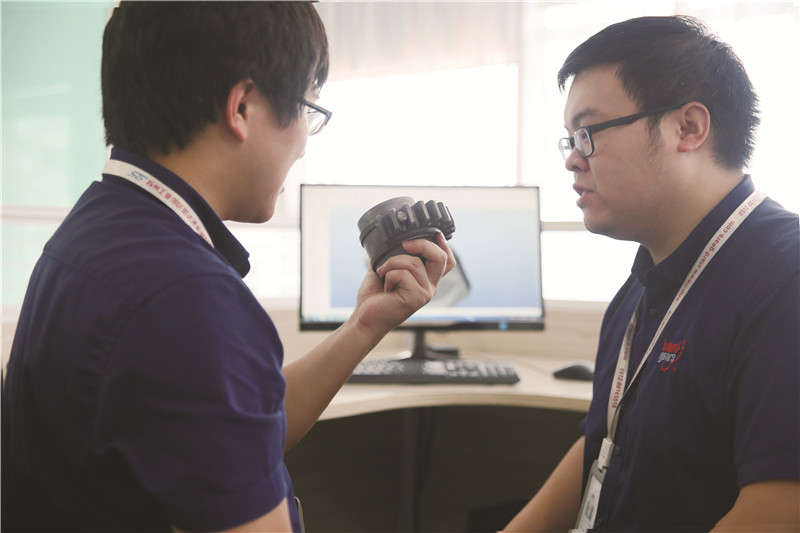
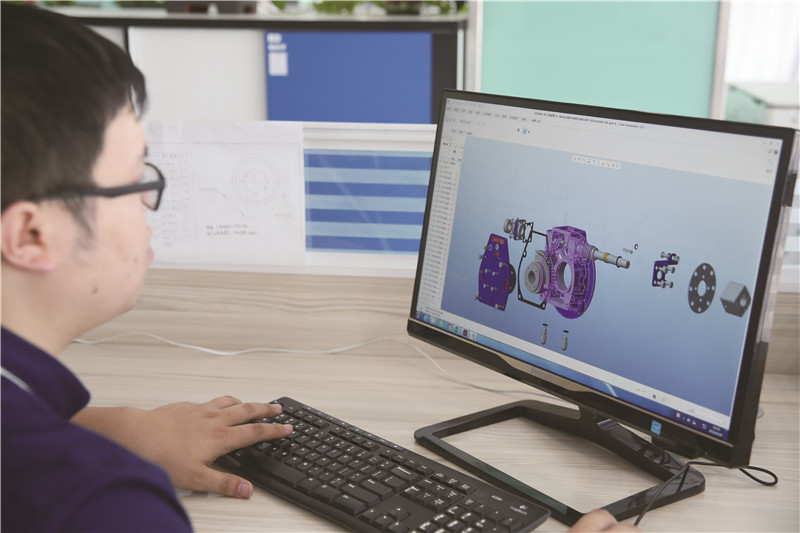
To assure maximum safety and structural integrity of our pneumatic and manual drive actuators in remote Nigerian fields, Stard-gears uses a state-of-the-art virtual design flow. Using 3D computer models, real-time dynamic simulation, and Finite Element Analysis (FEA), our structural engineers optimize thickness, load paths, and stress concentration points before casting the first metal parts.
This virtual modeling decreases the engineering iteration cycle, cuts material waste, and guarantees that our final products can withstand severe over-torque situations during unexpected line shocks.
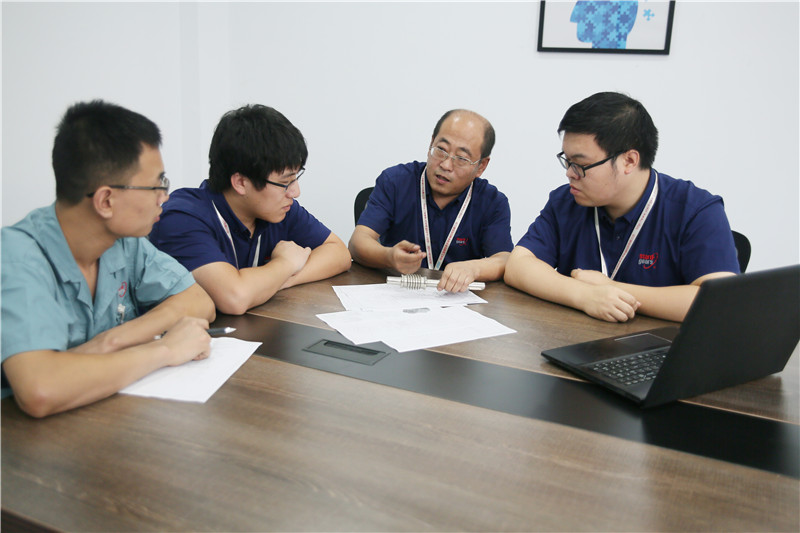
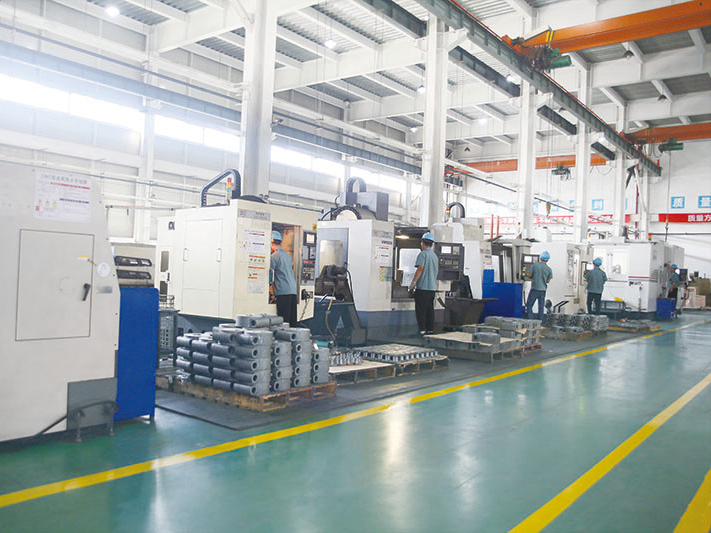
Our main manufacturing facility is strategically placed in the Suzhou Industrial Park, China. The Yangtze River Delta region is globally recognized for having one of the most mature, comprehensive, and integrated mechanical manufacturing networks in the world. This geographical positioning gives Stard-gears immediate access to high-grade steel and iron casting foundries, precise machining shops, and reliable surface coaters.
By leveraging this dense ecosystem, we compress component procurement times, implement rigorous multi-tier testing, and keep production costs highly competitive. This structural efficiency is passed directly to our clients in Lagos, Port Harcourt, and Kano in the form of accelerated shipping turnarounds, reliable product performance, and lower total cost of ownership.
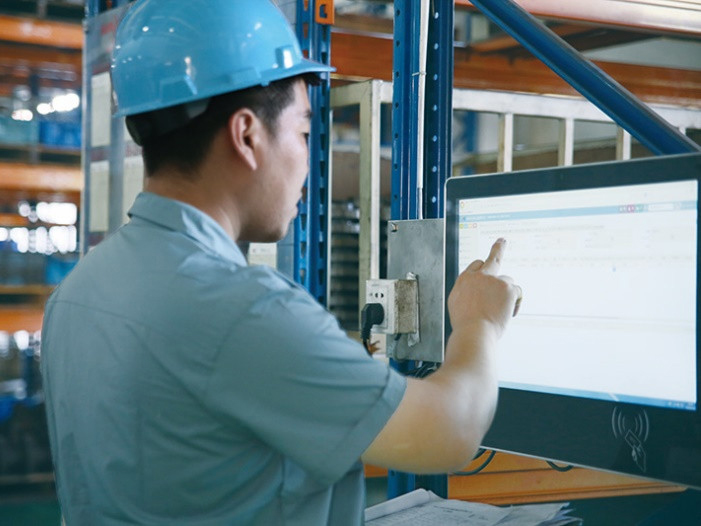
Our internal operations are monitored using a custom enterprise ERP system. The real-time visibility across raw inventory, machining schedules, and final quality control guarantees that even bulk orders destined for major West African infrastructure projects are completed on schedule, mitigating delay penalties for construction contractors.
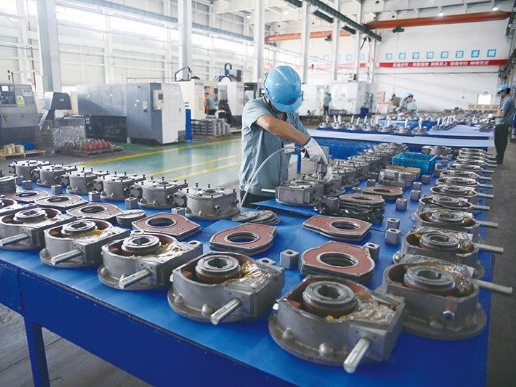
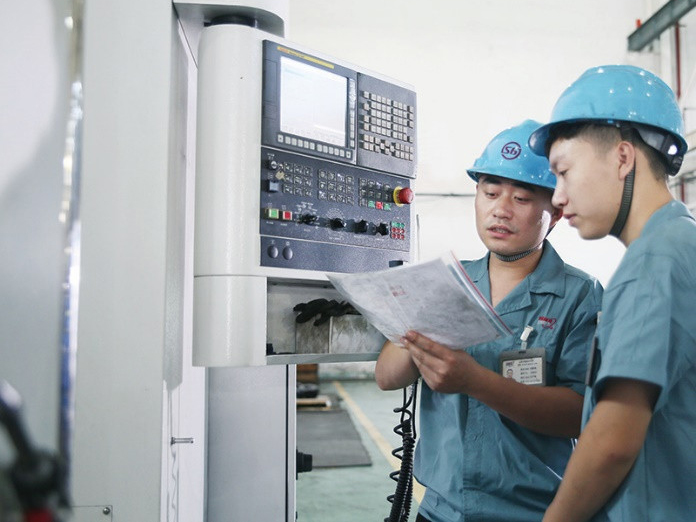
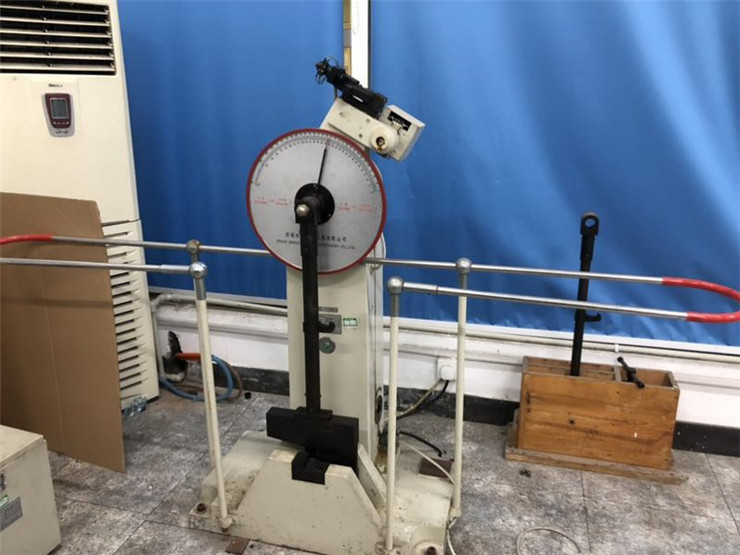
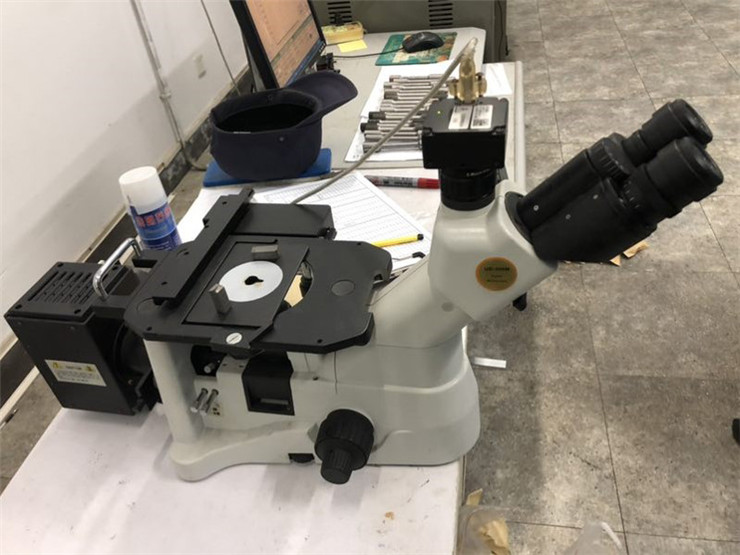
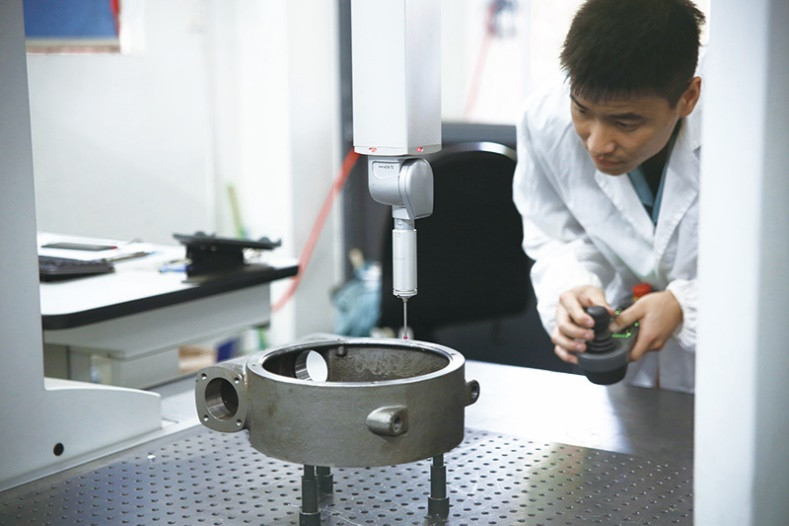
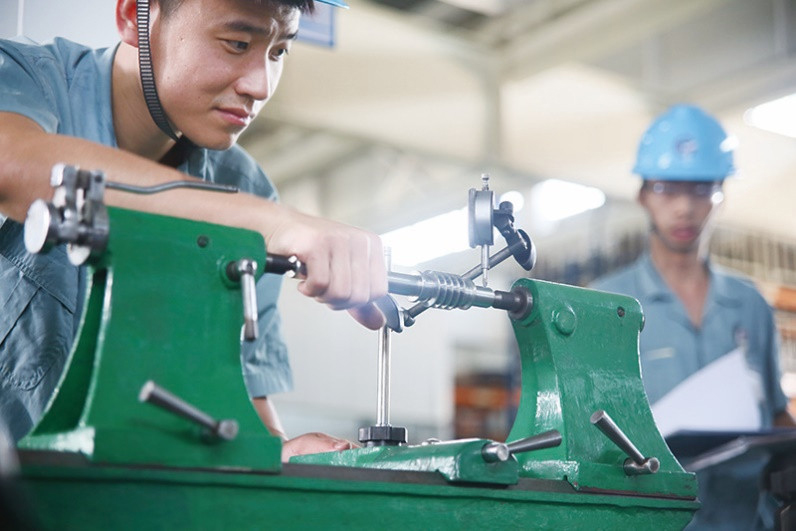
A valve actuator failure in the middle of a refining cycle or water distribution grid is costly and dangerous. For this reason, Stard-gears employs full-time quality assurance inspectors at every critical step of production. We test incoming raw castings for metallurgical defects, inspect dimensional tolerances of gears and pistons, and perform final performance checks before shipping.
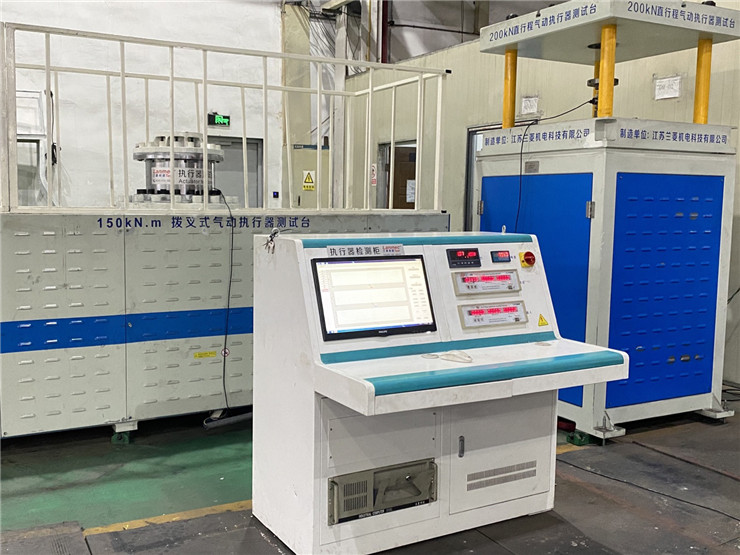
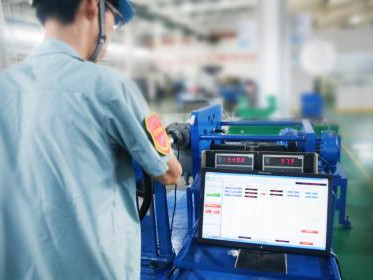
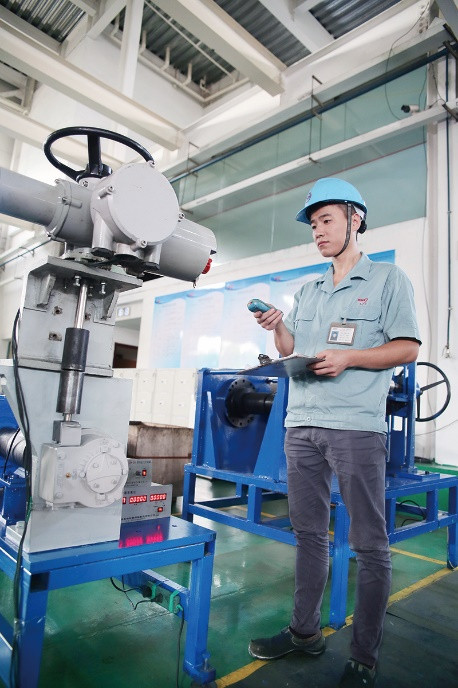
Our facility houses custom hydraulic test benches capable of measuring real-time torque output profiles throughout the actuator's rotation cycle. This guarantees that each Scotch Yoke actuator or gearbox matches its nominal specification profile, providing enough power for critical fail-safe scenarios.
As the international industry transitions to Industry 4.0, Nigeria's processing plants are increasingly requesting smarter field components. Stard-gears is active in this transition by offering integration options for smart positioners, digital cycle limits, and wireless diagnostic modules. This enables operations teams in remote fields to track wear on actuator seals and guide predictive maintenance schedules before failures occur.
Additionally, we guarantee compliance with the Standards Organisation of Nigeria Conformity Assessment Programme (SONCAP), ensuring that all our exported pneumatic cylinders, Scotch Yoke setups, and manual gear operators clear custom controls at Nigerian sea hubs without regulatory delays.